
2027 Is a 2-Year Public Administration Degree Worth It: Accelerated Bachelor's ROI & Time Trade-Offs

Co-Founder and Chief Data Scientist
Many prospective students struggle to assess whether a 2-year accelerated public administration degree offers sufficient value for their time and financial investment. Recent labor market data shows that public administration roles grow at an average rate of 6% annually, with median salaries around $70, 000. However, accelerated programs condense coursework, raising concerns about quality and outcomes. This article examines the return on investment (ROI) by comparing accelerated degree costs, completion times, and employment prospects. It aims to help readers determine if faster degree completion translates to better career advancement and aligns with long-term professional goals.
Key Benefits of a 2-Year Public Administration Degree
- Accelerated 2-year public administration degrees reduce time spent in school, enabling faster entry into the workforce with median public sector salaries around $60,000 annually.
- Lower tuition and quicker completion enhance return on investment by minimizing debt and increasing early career earning potential compared to traditional 4-year programs.
- Graduates gain essential skills in policy analysis and management, improving job prospects in government and nonprofit sectors with steady growth projected through 2032.
How Do 2-Year Public Administration Programs Work?
Two-year accelerated public administration degree programs offer a fast-tracked route to earning a bachelor's degree by compressing typical coursework into around 24 months. For students evaluating whether the time commitment aligns with their career goals, understanding how these programs are structured is essential. The following points highlight the key features that define how these programs operate and what students can expect.
- Accelerated Pacing: Courses are condensed into shorter terms, often eight to 12 weeks long, which allows students to complete credits more quickly than in traditional four-year programs.
- Year-Round Enrollment: These programs commonly run continuously throughout the year without extended summer breaks, providing multiple start dates and steady progress.
- Condensed Course Terms: The course structure is intensified, with students often taking several courses simultaneously in shorter sessions that require focused study.
- Credit Load Expectations: Participants usually carry heavier credit loads per term, typically 12 to 15 credits, which demands consistent engagement and strong time management.
- Instructional Format: To accommodate working adults and diverse learning preferences, formats include online, hybrid, and in-person classes, adding flexibility to the accelerated schedule.
- Assessment Methods: Frequent evaluations through projects, exams, and practical assignments ensure mastery within a compressed timeline.
- Curriculum Progression: Students focus early on core subjects like public policy, organizational management, budgeting, and ethics, which builds a strong foundation before shifting to specialized topics.
Students interested in a public administration associate degree course structure will find that accelerated programs maintain rigorous academic standards despite their speed. According to the National Center for Education Statistics, these programs can save about 18 months compared to traditional paths. Additionally, with an estimated 8% employment growth in related fields through 2032, quicker degree completion offers a timely advantage. For those seeking related accelerated healthcare studies, options like online DNP programs can present a similar pathway for faster advancement in the medical field.
What Are the Admission Requirements for a 2-Year Public Administration Degree?
Evaluating admission requirements is a crucial step for students considering an accelerated bachelor's in public administration. Knowing what criteria programs typically expect can help prospective students prepare effectively and gauge how well their background aligns with these accelerated pathways. Below is a detailed look at the key aspects of 2-year public administration degree admission criteria that applicants should keep in mind.
- Prior education: Most programs require a high school diploma or equivalent, such as a GED. Some accelerated formats also recognize transfer credits from previous college coursework, which can shorten the time needed to complete the degree.
- GPA expectations: Institutions generally expect a minimum GPA around 2.0 on a 4.0 scale. This threshold supports accessible education for working adults while maintaining academic standards.
- Standardized tests: Unlike many traditional four-year degrees, many accelerated public administration programs do not require SAT or ACT scores, making admission more straightforward for non-traditional students.
- Prerequisite courses: Depending on the program, applicants may need to have completed foundational courses in English, mathematics, or social sciences. These prerequisites ensure students are prepared for the curriculum.
- Relevant experience: Some programs favor applicants with work or volunteer experience in government, nonprofit, or administrative settings, which can strengthen applications by demonstrating practical knowledge and commitment.
According to data from the National Center for Education Statistics, accelerated degrees in public administration can reduce overall study time by one to two years compared to typical four-year tracks, enabling quicker workforce entry and improved return on investment. For students weighing their options in public sector careers, this reduction is particularly valuable.
For additional guidance on financial considerations in related fields, exploring accredited options such as accredited medical billing and coding schools online can provide useful context on educational investment and aid availability.
What Does a Typical Week Look Like in a 2-Year Public Administration Program?
Comprehending the weekly demands of an accelerated public administration program is crucial for prospective students aiming to align their schedules and expectations with the curriculum's intensity. The condensed timeframe intensifies the workload, making it essential to grasp what a typical week entails for effective planning. Below is an overview of the key components that shape the student experience in such programs.
- Class sessions: Students typically attend several lectures or classes weekly, totaling about 3 to 5 hours. These sessions cover foundational topics like policy development, management strategies, and ethics.
- Assignments and assessments: Coursework requires frequent analysis-based tasks such as case studies and policy evaluations, which cultivate analytical and applied skills relevant to public sector roles.
- Group work: Collaboration plays a significant role, with projects demanding coordinated efforts that mirror professional teamwork in government and nonprofit environments.
- Independent study: A considerable amount of time is devoted to reviewing materials, preparing for exams, and crafting presentations-critical activities for reinforcing knowledge under an accelerated schedule.
- Instructor interaction: Communication with instructors is usually concise and purposeful, relying on brief office hours or electronic correspondence to address questions without lengthy meetings.
- Time management: Balancing the workload requires strong organizational skills since students often dedicate 15 to 25 hours per week, necessitating discipline to keep pace and avoid burnout.
When asked about his experience, a professional who completed a two-year public administration bachelor's degree explained that the pace was "intense but rewarding." He recalled times when multiple deadlines converged, saying, "There were weeks I barely caught my breath, balancing a policy paper, a group project, and exam prep all at once." Yet the challenge pushed him to develop a rigorous daily schedule and sharpen his prioritization skills. He noted that staying connected with classmates for group tasks helped alleviate stress, though independent study often demanded quiet focus and sacrifice of personal time. Reflecting on the journey, he described it as "a demanding balancing act that ultimately made the coursework and real-world applications more impactful."
Are 2-Year Public Administration Programs Available Online?
The choice of delivery format is crucial for students pursuing an accelerated public administration degree, as it impacts flexibility, accessibility, and how they manage their time. Online and hybrid options cater to diverse schedules, enabling learners to balance education with personal and professional commitments. The following points outline key aspects of these program formats and their benefits.
- Fully Online vs. Hybrid: Programs may be entirely online or offer a blend of virtual classes with occasional campus visits, providing options for different learning preferences and geographic limitations.
- Asynchronous and synchronous learning: Online courses combine self-paced materials, such as recorded lectures, with scheduled live sessions, allowing students to learn on their own time while still engaging with instructors and classmates in real time.
- Technology needs: Students require dependable internet access, a capable computer, and familiarity with learning platforms to participate effectively in remote courses.
- Student support services: Many programs provide online tutoring, academic advising, and career counseling, ensuring that remote learners receive guidance and resources comparable to on-campus students.
- Program pacing and engagement: Online delivery facilitates accelerated progress by enabling year-round study and flexible workloads, though success depends on strong self-discipline and consistent engagement throughout the two-year timeframe.
How Much Does a 2-year Public Administration Degree Cost?
Evaluating the total cost of a 2-year public administration degree is key to determining its return on investment (ROI), especially when considering accelerated programs. These pathways often compress coursework, which influences tuition costs and the overall financial commitment. A detailed look at the major expenses involved can help students make informed decisions aligned with their career goals.
- Tuition structure: Tuition usually forms the largest part of the cost and is calculated per credit hour. Accelerated public administration programs may have higher costs per semester due to the compressed schedule but can reduce the total expense by shortening the enrollment period.
- Fees: Additional mandatory fees-including registration, technology, and lab fees-contribute to the overall cost. These fees vary by institution but are essential to budget alongside tuition.
- Textbooks and learning materials: Students should anticipate costs for textbooks and materials. Accelerated schedules might increase immediate spending but could lower cumulative expenses compared to traditional longer programs.
- Technology and lab costs: Many accelerated programs rely heavily on digital delivery, requiring access to specific software or online platforms, which can affect technology expenses.
- Impact of accelerated pacing: Compared to traditional programs, accelerated degrees often save one to two years of study. This compressed timeframe can make the total cost more manageable despite higher per-term fees, improving the overall return on investment.
For prospective students researching tuition and financial aid for public administration programs, considering these factors is crucial. The National Center for Education Statistics reports that average costs per credit hour at public institutions range between $250 and $600, making cost-efficiency a significant advantage of shorter programs. Those interested in related fields may also want to explore options like a healthcare administration online degree for additional perspectives on accelerated learning benefits.
Can You Get Financial Aid for 2-Year Public Administration Programs?
Financial aid plays a crucial role for students considering accelerated public administration programs, as it directly impacts their ability to afford the condensed coursework and maintain financial stability. Understanding the variety of support options and how the program's faster pace influences aid is essential for informed decision-making.
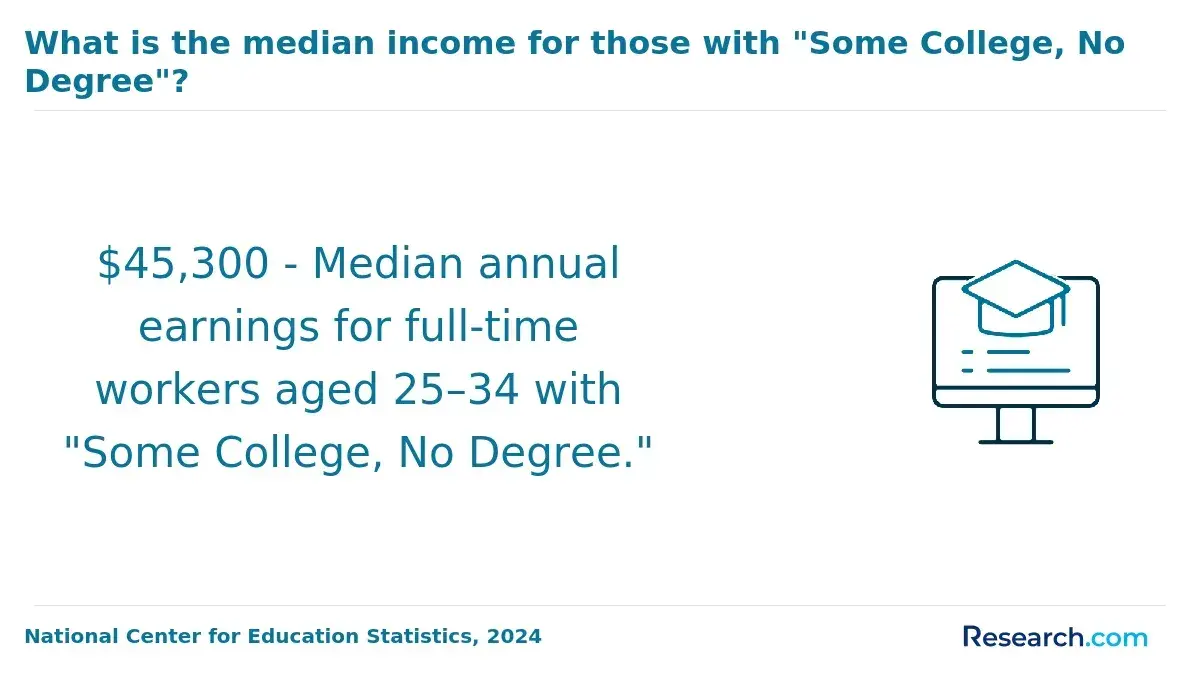
- Federal Student Aid Eligibility: Students typically qualify for federal aid such as Pell Grants and Direct Loans if they meet FAFSA requirements. However, because accelerated programs often feature shorter or year-round terms, the timing of aid distribution may differ from traditional degrees, so planning is essential to prevent funding gaps.
- Scholarships and Grants: Various private organizations, state agencies, and professional groups offer scholarships and grants that reward merit, financial need, or demographic factors. These funds can substantially offset tuition costs, making accelerated programs more financially accessible.
- Employer Tuition Assistance: Many employers, both public and private, support employees pursuing degrees related to their jobs. Although benefits vary widely in terms of eligibility and amount, this aid is often a valuable resource for working adults enrolled in accelerated tracks.
- Flexible Payment Plans: Some institutions provide payment plans that allow students to spread tuition expenses over time instead of paying lump sums, helping reduce immediate financial pressure during an intensive program.
- Impact of Accelerated Pacing: Completing a degree faster can lower overall tuition and get students into the workforce sooner, but it may also require closer attention to how and when aid is disbursed due to non-traditional term schedules.
When speaking with a professional who earned her accelerated bachelor's in public administration, she reflected on navigating financial aid throughout her compressed two-year journey. "The biggest challenge was aligning the disbursement periods with my course schedule since aid deadlines didn't always match the shortened semesters. I learned to coordinate carefully with the financial office to ensure there were no interruptions in my funding," she explained. She also valued employer tuition support, noting, "My job's tuition reimbursement made a significant difference, but the application process required patience and persistence." Despite the hurdles, she felt supported by a combination of federal aid, scholarships, and flexible payments, which made completing the degree manageable. "It was intense balancing work, classes, and finances, but having reliable aid options definitely kept me on track to graduate on time."
What Jobs Can You Get With a 2-Year Public Administration Degree?
Evaluating career outcomes is essential when considering the value of an accelerated bachelor's degree in public administration, as it directly impacts your return on time and financial investment. Knowing the types of jobs available helps align your educational goals with practical workforce demands. Below is a detailed overview of career possibilities associated with this field, demonstrating how the degree supports various entry points and growth paths.
- Entry-Level Public Administration Jobs: Graduates with a 2-year public administration degree often secure roles such as administrative assistants, program coordinators, or community outreach workers. These positions focus on supporting organizational operations, managing projects, and assisting with policy implementation within governmental and non-profit sectors.
- Industry Opportunities: Common employers include state and local government agencies, public health departments, education administration, and social service organizations. These settings benefit from graduates' foundational knowledge in management, budgeting, human resources, and public policy, enabling impactful contributions early in their careers.
- Accelerated Program Advantages: The shortened timeframe of accelerated public administration programs promotes faster workforce entry, often allowing completion in 18 to 24 months instead of a traditional four years. This speed enables students to begin applying skills sooner and may facilitate quicker career advancement.
- Skill Application and Advancement: Accelerated degrees emphasize practical skill development through internships, case studies, and project-based learning. This hands-on approach enhances readiness to demonstrate relevant competencies, which improves prospects for promotion or specialized roles in public administration fields.
- Pathways to Municipal and Government Roles: Beyond entry-level work, graduates can pursue careers in municipal services such as city clerk positions or local government support roles, which often require strong administrative and policy-oriented skills developed during coursework and practical experiences.
For those evaluating educational options, it is helpful to explore related resources, including the cheapest online BSN programs, to compare how accelerated degrees across fields are designed for rapid workforce preparation.
Overall, understanding career opportunities with 2 year public administration degrees allows prospective students to make informed decisions about pursuing an accelerated degree that balances time commitment with substantial workforce readiness.
How Do Salaries Compare for 2-year Public Administration Degree vs. Traditional Bachelor's Degrees?
Salary outcomes are a critical factor when evaluating the return on investment (ROI) of accelerated versus traditional degree paths in public administration. Understanding these outcomes helps prospective students weigh early earnings against long-term financial growth. The following comparison explores key aspects of salary differences between 2 year public administration degree salary comparison and traditional bachelor's degree holders.
- Early-Career Earnings: Graduates with a 2-year public administration degree typically start with median annual salaries ranging from $40,000 to $50,000. Traditional bachelor's degree holders often begin earners between $50,000 and $65,000, reflecting employer preferences for broader coursework and deeper expertise.
- Long-Term Earning Potential: While 2-year degree holders enter the workforce sooner, bachelor's degree recipients generally experience faster wage growth. After about 10 years, median salaries for bachelor's graduates in public administration often exceed $75,000 due to promotions and expanded responsibilities.
- Employer Perception: Many public administration leadership positions require a traditional bachelor's degree, limiting advancement opportunities for associate degree holders. Accelerated bachelor's programs may bridge this gap by offering quicker pathways to meet these educational expectations.
- Career Progression Timelines: Accelerated bachelor's programs allow students to gain credentials faster than the typical four-year route. This can align career advancement timelines closer to traditional degree holders while minimizing total educational costs and time out of the labor market.
- Impact of Faster Workforce Entry: Entering the workforce up to two years earlier can provide 2-year degree graduates a financial advantage in the short term. However, this benefit should be balanced against the typically higher lifetime earnings associated with bachelor's degrees in public administration accelerated degree vs traditional salary comparisons.
Prospective students seeking the cheapest RN to BSN programs might also consider similar accelerated options in public administration to optimize costs and time while targeting desirable salary outcomes.
Which Factors Most Affect ROI for Accelerated Public Administration Degrees?
Return on investment (ROI) is an essential factor for students considering accelerated public administration degrees because it helps measure whether the time and money spent align with future career and financial benefits. Analyzing key components that shape ROI ensures prospective students make informed choices. Below is a breakdown of the main elements impacting ROI for these programs.
- Time-to-completion: Accelerated programs shorten the usual four-year timeline to two or three years, allowing students to enter the workforce sooner. This time reduction enhances ROI by decreasing educational duration and enabling faster income generation.
- Tuition and total cost: Although per-credit fees may be higher, completing fewer semesters typically leads to lower overall expenses. Faster degree completion can substantially reduce total tuition compared to traditional programs.
- Opportunity cost savings: Finishing earlier means fewer years without full-time employment income, minimizing lost wages. This reduction in opportunity cost is a significant financial advantage of accelerated studies.
- Employment outcomes and salary growth: Graduates in public administration usually see median wages between $60,000 and $90,000, depending on experience and specific roles. Steady job growth in this sector, projected at approximately 6% over a decade, supports improved ROI through better career prospects.
- Industry demand: Fields within management and public administration maintain consistent opportunities due to ongoing needs in government and nonprofit sectors. This demand sustains favorable employment chances for graduates.
- Transferability of skills: Accelerated degrees often emphasize leadership, policy analysis, budgeting, and communication. These skills are valuable across public, private, and nonprofit sectors, increasing career flexibility and long-term earning potential.
How Do You Decide If a 2-year Public Administration Degree Is Right for You?
Choosing whether a 2-year public administration degree fits your needs involves reflecting on your personal and academic readiness. Consider how well you handle an intensive study schedule, as accelerated programs demand strong time management and dedication. If you balance work or family commitments, the shorter program length can offer a practical path to completion without a long interruption.
Think about how quickly you want to enter or advance in your career, since an accelerated pace may better align with urgent professional goals. It's also important to evaluate your preferred learning style to ensure you can thrive in a compact curriculum.
From a financial and career perspective, shorter programs often lower tuition expenses, potentially improving your return on investment. While associate degrees generally cost less, bachelor's degrees usually lead to higher earnings and broader job opportunities, with public administration roles expected to grow modestly through 2032.
Employer expectations vary, and some positions might prioritize candidates with bachelor's credentials for advancement. Additionally, a bachelor's degree tends to offer greater long-term flexibility, including eligibility for graduate studies and higher-level roles, which can influence your decision based on career ambitions.
What Graduates Say About Their 2-Year Public Administration Degree
- Emmanuel: "I chose the 2-year accelerated bachelor's degree in public administration because I wanted to enter the workforce quickly without compromising on quality. Balancing an intensive schedule alongside part-time work was challenging, but the structured coursework helped me stay on track. Since graduating, the degree has opened doors to management roles that I once thought were out of reach."
- Sharna: "The affordability of the program, with its average cost of attendance being reasonable, was a huge factor in my decision. I appreciated how the 2-year format demanded focus and discipline, which taught me valuable time-management skills. Now, I can confidently contribute to nonprofit organizations thanks to the practical skills I gained."
- Orlando: "What appealed to me most about the 2-year public administration degree was its accelerated pace that allowed me to quickly pivot my career. I maintained a strict routine to keep up with the fast-moving classes and projects, which mirrored the real-world pressures of administration jobs. This degree significantly boosted my professional credibility and networking opportunities in government agencies."
Other Things You Should Know About Public Administration Degrees
A 2-year public administration degree can be worth it in 2027 if it aligns with your career goals by providing foundational skills and knowledge. However, its efficacy depends on individual goals, such as entering administrative roles, where this degree may suffice, or advancing to higher positions, which may require further education.
Choosing an accelerated bachelor's in public administration means completing your degree faster, typically within two to three years rather than four. This allows you to enter the workforce and start gaining experience sooner. However, you can face a more intense and demanding study schedule with less time for internships or part-time work.
References
- Master in Public Administration https://www.sciencespo.fr/ecole-affaires-publiques/en/academics/master-in-public-administration/
- Master of Public Administration - Wikipedia https://en.wikipedia.org/wiki/Master_of_Public_Administration
- Cost, Aid, and Assistance - School of Public Policy - Georgetown https://mccourt.georgetown.edu/admissions/cost-aid-assistance/
- Fast Track Your Future: How Accelerated Degrees Benefit Career Starters, Changers and Climbers - Beal University https://beal.edu/fast-track-your-future-how-accelerated-degrees-benefit-career-starters-changers-and-climbers/
- Funding your studies: Executive MPA https://www.hertie-school.org/en/empa/funding
- What Can You Do With a Master's in Public Administration? https://sps.wfu.edu/articles/what-can-you-do-masters-in-public-administration/
- MPA Careers and Salaries https://teach.com/online-ed/government-degrees/online-masters-public-administration/mpa-careers/
- One moment, please... https://www.profellow.com/fellowships/fully-funded-masters-programs-in-public-policy-and-public-administration/
- Public Administration - Future graduate students https://grad.usask.ca/programs/public-administration.php
- Accelerated 3+2 Public Administration Program | EOU Online https://online.eou.edu/programs/bachelor-and-masters-combined-public-administration-degree/


