2027 Entry-Level Jobs With an Environmental Management Master's Degree

Co-Founder and Chief Data Scientist
Graduates with a master's in environmental management face a complex labor market shaped by sector-specific hiring practices and increasing interdisciplinary demands. Entry-level roles often emphasize practical skills in data analysis, regulatory compliance, and project coordination, reflecting employer preferences for candidates who can navigate evolving environmental policies and sustainability standards. The 2024 U. S. Bureau of Labor Statistics highlights growing demand in government agencies and private firms, yet these jobs frequently require internship experience or technical certifications beyond academic credentials. This article examines typical early-career positions, industry expectations, and workforce dynamics that influence how graduates transition into applied environmental management roles.
Key Benefits of Entry-Level Jobs With a Environmental Management Master's Degree
- Entry-level roles often require hands-on regulatory compliance skills, reflecting that 62% of employers prioritize practical environmental risk assessment experience over theoretical knowledge, limiting initial job scope but sharpening applied expertise.
- Employers increasingly expect familiarity with GIS and data analytics platforms, as workforce trends show a 48% growth in demand for tech-savvy environmental analysts since 2023, shaping hiring toward candidates blending environmental science with digital proficiency.
- Obtaining a master's can extend degree completion time by 1-2 years compared to bachelor's routes, affecting entry timing and accruing opportunity costs particularly in sectors where early field experience strongly influences career trajectory.
What Entry-Level Jobs Can You Get With a Environmental Management Master's Degree?
Entry-level roles for graduates holding a master's degree in environmental management often involve significant technical responsibility and decision-making, reflecting the advanced expertise these candidates bring compared to typical bachelor's graduates. While termed "entry-level," these positions rarely equate to beginner tasks; instead, they require applying specialized knowledge in environmental regulations, data analysis, and sustainability frameworks. The scope and nature of these positions can vary markedly based on the industry sector, prior experience, and the particular focus of one's graduate studies, underscoring the diverse environmental management career opportunities for recent graduates.
- Environmental Consultant: Entry-level environmental consultants are tasked with assessing ecological risks and advising on mitigation strategies, often within consulting firms or private industry. These roles demand a solid grasp of environmental laws and quantitative analysis, serving as essential groundwork for eventual specialization in areas like remediation, environmental impact assessment, or corporate sustainability advisory.
- Compliance Specialist: These professionals ensure that organizations comply with environmental legislation such as the Clean Air Act and Clean Water Act, conducting audits and coordinating with regulatory bodies. For new graduates, this position provides frontline experience with enforcement frameworks and regulatory reporting, which is critical for progressing toward senior compliance or policy development roles.
- Sustainability Analyst: Sustainability analysts support organizations in crafting and implementing sustainable business models by leveraging data on energy use, waste reduction, and social responsibility. This role furnishes early-career professionals with analytical skills and strategic insight, often leading to broader operational or managerial positions focused on sustainability metrics and corporate environmental responsibility.
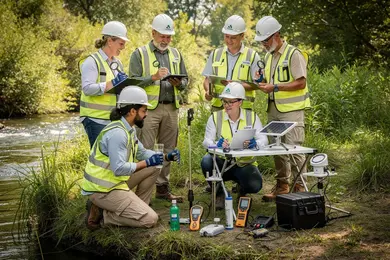
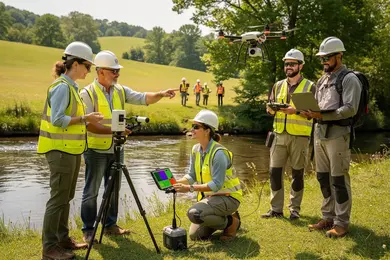
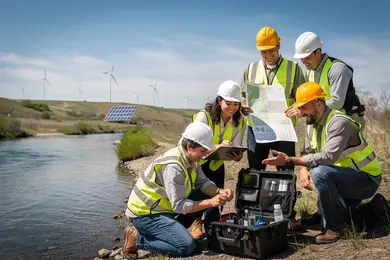
- Environmental Scientist: Often employed in public sector or research settings, entry-level environmental scientists collect and interpret data related to natural resources and pollution control. The technical and fieldwork components anchor foundational expertise that can lead to specialization in environmental monitoring, risk assessment, or scientific communication roles aligned with emerging regulatory challenges.
Labor market projections from sources like the U.S. Bureau of Labor Statistics indicate a steady 5% growth in demand for environmental specialists and scientists over the coming decade, underpinning the hiring trends for entry-level environmental management positions and hiring trends. Salary expectations for these roles typically range between $50,000 and $65,000 annually, with geographic location and sector strongly influencing variations. Strategic acquisition of certifications or technical skillsets post-graduation often accelerates progression into project management, environmental policy, or senior consulting within a five-to-seven-year horizon.
Graduates seeking early-career pathways should weigh the practical realities of job roles that, while deemed entry-level, frequently leverage advanced analytical skills and regulatory knowledge. For those interested in understanding how their graduate credentials align with evolving job markets, resources such as the comprehensive evaluation of the best bachelors degrees and associated career outcomes provide valuable context for positioning within the environmental workforce.
What Sectors Have the Strongest Demand for Graduate-Level Talent?
Employer demand for graduates with a master's degree in environmental management reflects broader economic, regulatory, and technological trends rather than simple degree popularity. Sectors exhibiting sustained hiring are those requiring advanced analytical capabilities, deep regulatory knowledge, and leadership in sustainability initiatives-competencies aligned with graduate-level training. Understanding these sector-specific dynamics can clarify where opportunities are concentrated and how they link to evolving market forces.
- Government Agencies: Persistent enforcement of environmental laws and policy implementation at federal, state, and local levels drives steady demand. These agencies require graduates capable of navigating complex regulatory frameworks, conducting data-driven environmental assessments, and developing compliance strategies. Roles often merge technical expertise with policy analysis, offering pathways into environmental compliance, natural resource management, and legislative support functions.
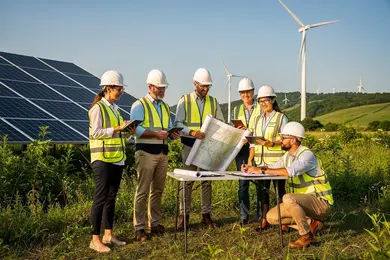
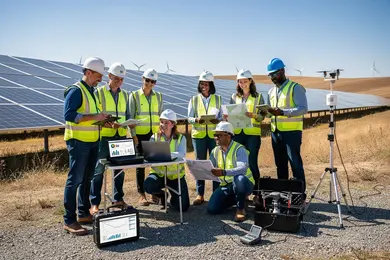
- Energy Sector: Both traditional and renewable energy industries increasingly prioritize environmental management to meet stricter regulations and corporate sustainability goals. Growth in renewable energy projects combined with ongoing scrutiny of fossil fuel impacts creates a specialized need for graduates skilled in environmental risk assessment, sustainability coordination, and regulatory reporting. This sector demands professionals who can operationalize environmental strategies alongside business planning.
- Consulting and Private Industry: Environmental consulting firms and manufacturing companies seek master's-level talent to address increasingly complex regulatory compliance, site remediation, and resource efficiency challenges. Market pressures to reduce environmental footprints and adhere to supply chain sustainability criteria have expanded demand for analytical and project management skills. Graduates here often engage in multi-disciplinary teams to implement environmental solutions across diverse industrial contexts.
- Nonprofit and Advocacy Groups: Organizations focused on conservation, climate policy, and community sustainability recruit graduates for roles emphasizing research, outreach, and policy development. While these roles may offer lower remuneration compared to other sectors, they provide immersive experience in environmental advocacy and stakeholder engagement, catering to graduates motivated by mission-driven impact over financial gain.
- Retail and Logistics: Emerging demand stems from increased corporate emphasis on supply chain environmental responsibility and reporting standards. Environmental management graduates contribute through analyzing risks related to sourcing, emissions, and waste, influencing corporate sustainability disclosures. This trend reflects a broader cross-sector awareness elevating environmental accountability as a core business function.
One graduate recalls the challenge of navigating the rolling admissions process while balancing job prospects in these sectors. Initially uncertain about which sector aligned best with their interests, they hesitated to apply immediately, fearing premature commitment. After consulting industry reports and talking with peers, they prioritized programs emphasizing environmental consulting and energy industry connections. Despite delays awaiting interview invitations, the strategic timing ultimately allowed focused preparation tailored to sector-specific hiring demands, illustrating how sector awareness can influence admissions and early career decisions.
Which Entry-Level Environmental Management Careers Have the Highest Starting Salaries?
Starting salaries for entry-level roles in environmental management depend on factors beyond academic credentials alone. Compensation typically mirrors the technical complexity, regulatory challenges, market demand, and financial impact a role carries within an organization. Positions that command higher pay usually require advanced analytical skills, specialized knowledge, or immediate contributions to compliance and risk mitigation, reflecting their critical function and scarcity in the labor market.
- Environmental Engineer ($65,000-$75,000): Engineering roles demand a blend of technical expertise and applied environmental science, explaining their strong starting salaries. Though initial pay can be tempered if licensure or certifications are pending, the position's focus on pollution control, resource management, and infrastructure design places early-career professionals on a path with significant upward mobility and technical specialization.
- Environmental Consultant ($60,000-$75,000): These roles require broad yet detailed knowledge of environmental regulations and impact assessment, coupled with communication skills to advise diverse clients. The consulting sector's premium pay reflects the value of problem-solving capacity in dynamic projects and the ability to influence corporate sustainability strategies early on.
- Environmental Health and Safety Specialist ($55,000-$70,000): Specialists in EHS offset operational risk and ensure compliance, a responsibility that grows in regulated industries like manufacturing or energy. Their salaries reflect both the legal accountability they assume and the preventive expertise demanded by employers to avoid costly penalties and workplace incidents.
- Sustainability Coordinator/Analyst ($50,000-$60,000): These positions often initiate a career pathway anchored in corporate responsibility and reporting. While starting compensation tends to be lower due to broader, less technically intensive roles, they remain vital in increasingly eco-conscious sectors, providing foundational experience for advancing into more specialized environmental management functions.
Which Industries Pay the Most for Entry-Level Environmental Management Master's Graduates?
Entry-level compensation for master's graduates in environmental management is largely shaped by industry-specific economic and regulatory conditions rather than individual credentials alone. Industries offering higher starting salaries often operate within frameworks characterized by high profit margins, stringent environmental regulations, or rapid innovation cycles, where environmental management expertise serves as a strategic asset to mitigate risks and optimize compliance costs. Recognizing these dynamics helps clarify why certain sectors consistently allocate more resources toward entry-level environmental roles and indicates where workforce demand is most robust.
- Energy: The energy sector, particularly renewable energy and traditional oil and gas, leads in entry-level pay due to intense regulatory oversight and the critical need to balance operational efficiency with environmental impact. Companies in this high-revenue industry invest significantly in compliance and sustainability initiatives, positioning environmental management graduates to add immediate value in regulatory navigation and risk reduction. Data from recent 2024 compensation surveys reflect that graduates can expect the highest starting salaries in this sector relative to peers in other fields.
- Environmental Consulting: Firms specializing in environmental consulting offer competitive pay as they serve diverse industries facing evolving regulatory landscapes. The complexity and variety of engagements require new hires to quickly master technical assessment and mitigation planning skills, justifying elevated compensation to attract talent capable of delivering multifaceted solutions. The sector's consulting model amplifies the financial impact of informed environmental advice, driving demand for specialized master's graduates.
- Government Agencies: While often providing lower initial salaries compared to private sectors, government employment remains a significant employer of environmental management graduates. Regulatory enforcement and policy development roles benefit from ongoing public funding and a stable demand for oversight, with compensation partially offset by comprehensive benefits. Strategic value lies more in long-term career prospects and influence over environmental standards than immediate financial reward.
- Manufacturing: Manufacturing companies with substantial environmental footprints are increasingly prioritizing sustainability to adhere to mandatory reporting and reduce liabilities. Entry-level roles focus on compliance and operational improvements, with salaries influenced by company size, industry profitability, and regional labor markets. Environmental management professionals here contribute to maintaining competitive production models amid tightening environmental standards.
Typical salary ranges for entry-level positions across these sectors generally span $50,000 to $70,000 annually, subject to geographic and employer-specific factors. Job titles commonly include environmental analyst, sustainability coordinator, compliance specialist, and junior environmental consultant. These roles embody the operationalization of environmental regulation and sustainability strategy, making the degree's relevance directly tied to economic and regulatory pressures within these top sectors hiring entry-level environmental management graduates.
Prospective students evaluating pathways should also consider alternative academic and credentialing routes, especially if traditional admissions criteria pose challenges. Accessing conditional admission programs or exploring less rigid enrollment options can still lead to these lucrative sectors, though applicants must weigh the extended academic commitments versus potential salary outcomes. For those curious about broader educational investment considerations, researching how much is a business degree online may offer ancillary insights into cost management during graduate preparation.
Which Skills Are Most Valuable in Entry-Level Positions?
Entry-level hiring decisions in environmental management increasingly hinge on demonstrated skills rather than the degree alone. Employers prioritize candidates who can apply technical knowledge and analytical abilities directly to business challenges, even at the start of their careers. The capacity to translate environmental data into practical solutions, coordinate with diverse stakeholders, and communicate findings effectively often outweighs academic credentials in recruiting and early performance assessments.
- Analytical Reasoning: Entry-level roles demand the ability to interpret complex environmental datasets and provide actionable recommendations. Employers expect new hires to support regulatory compliance and sustainability initiatives by turning raw data into clear insights, which influences hiring by highlighting candidates ready to contribute beyond basic technical tasks.
- Project Coordination: Organizational skills that facilitate managing timelines, budgets, and multiple parties are crucial. Early-career professionals must navigate interests from clients to regulators, making those who can harmonize workflows more attractive to employers seeking reliability and efficiency in project delivery.
- Effective Communication: With nearly 65% of environmental specialists emphasizing communication in their duties, crafting clear reports and engaging presentations is vital. This skill allows professionals to extend their influence beyond technical teams, fostering community support and informing policy decisions, which is a key criterion in early hiring and promotion.
- Technical Proficiency: Tools like geographic information systems (GIS) and environmental impact assessments remain foundational. However, employers evaluate these alongside adaptability, preferring candidates who learn continuously and integrate new regulatory requirements rapidly, a trait that can accelerate early career momentum.
- Interdisciplinary Collaboration: Environmental challenges rarely exist in isolation, so the ability to work across disciplines and negotiate differing stakeholder priorities is highly valued. Candidates who demonstrate this skill can smooth project pathways and help organizations meet complex sustainability goals more effectively.
One environmental management master's graduate recalled an early phase of their application process marked by uncertainty. With rolling admissions stretching over several months, they hesitated to submit their materials while awaiting test score updates and final transcripts. This delay felt risky amid competitive employer expectations for highly adaptable and initiative-driven candidates. Ultimately, their decision to finalize the application earlier than planned enabled prompt interview invites and better alignment with employers' skill-focused hiring timelines, underscoring the practical advantage of timely preparation and strategic decision-making in securing entry-level roles.
Do Employers Hire Environmental Management Master's Graduates Without Professional Experience?
Many employers do hire environmental management master's graduates without prior professional experience, particularly for entry-level positions designed as part of structured talent pipelines. These roles are often created to enable early-career candidates to develop applied skills on the job within supportive environments. For recent graduates, especially those targeting entry-level environmental management jobs for recent graduates, opportunities exist primarily in roles such as environmental analyst, compliance assistant, and sustainability coordinator, where foundational knowledge is valued over direct experience. A 2024 workforce analytics report indicates that approximately 60% of employers consider a master's degree a solid baseline but look for complementary indicators beyond formal education to assess readiness.
What enables hiring without professional experience is the demonstration of relevant competencies through strong academic performance, internships, capstone projects, and industry certifications. Employers in environmental sectors assess candidates' technical and analytical skills often via documented experiential learning, such as internships or volunteer fieldwork, which signal practical capacity absent from resumes lacking paid work experience. Graduates who showcase these substitutes for traditional experience can mitigate employer concerns about risk and productivity gaps. This dynamic underscores the growing importance of experiential components within master's programs, as well as the necessity of cultivating a portfolio that communicates applied knowledge effectively, especially in a competitive job market.
Industry variation further influences the likelihood of hiring newcomers without prior job experience. Public agencies and nonprofits typically place higher value on academic credentials and potential, making them more receptive to inexperienced environmental management master's graduates. In contrast, private-sector consulting firms, specialized environmental technology companies, and data-intensive roles often require proven experience or advanced technical skills, narrowing immediate entry points for those without prior exposure. Understanding such distinctions is crucial for graduates assessing their prospects and preparing for workforce entry. For those balancing education and career transitions, exploring online degrees for stay at home moms is also an emerging pathway to maintain momentum while gaining credentials.
Which Certifications Help Entry-Level Environmental Management Master's Graduates Get Hired?
Employers hiring entry-level candidates in environmental management often rely on professional certifications to verify practical capabilities that master's programs alone might not fully demonstrate. While a master's degree establishes essential theoretical knowledge, certifications provide tangible proof of applied skills and familiarity with industry-specific standards. This differentiation becomes important when hiring managers assess thousands of candidates, seeking those who align closely with operational, regulatory, or technical demands.
- Certified Environmental Professional (CEP) This credential signals mastery of environmental regulations and risk management, directly addressing compliance and oversight functions common in early roles. Though some experience is preferred, pursuing CEP or related foundational certifications early can convey a commitment to industry standards and elevate candidates above peers who only possess academic qualifications.
- Registered Environmental Manager (REM) REM certification showcases practical environmental management skills coupled with an ethical framework valued in regulatory and corporate settings. For newcomers, targeting associate or fundamentals-level credentials related to REM builds a credible pathway, reinforcing hands-on competencies that employers seek in entry-level hires.
- OSHA 40-hour Hazardous Waste Operations and Emergency Response (HAZWOPER) HAZWOPER training is often mandated for jobs involving hazardous materials, making it a critical baseline credential for many industrial or governmental positions. Holding this certification not only fulfills regulatory prerequisites but also signals readiness to operate safely in demanding work environments, an important consideration for employers managing risk.
- GIS Certification Environmental roles increasingly integrate spatial data analysis; therefore, GIS credentials expand employability by confirming proficiency with tools essential for consulting and public sector functions. While not always required, these certifications align well with evolving job descriptions that emphasize geographic information system competencies.
Recent labor market insights show candidates holding relevant certifications can increase their likelihood of interview callbacks by roughly 20%, reflecting employer preference for verified practical skills beyond academic credentials. Early-career environmental managers should weigh certification costs against local industry demand, prioritizing credentials that reinforce their target niche-whether regulatory compliance, sustainability, or data-driven environmental solutions. Ultimately, certifications serve as critical differentiators, bridging the gap between academic learning and the nuanced expectations of environmental management roles in competitive entry-level markets.
What Remote Jobs Can You Get With a Environmental Management Master's Degree?
Remote opportunities for graduates with a master's degree in environmental management have expanded due to advances in digital transformation, cloud-based systems, and the increasing trend of global talent sourcing. The feasibility of remote work in this field depends largely on how quantifiable, technology-enabled, and collaboration-light the role's outputs are. Jobs that rely on data analysis, policy interpretation, or report generation tend to adapt more seamlessly to remote structures, as they allow asynchronous workflows and largely digital deliverables.
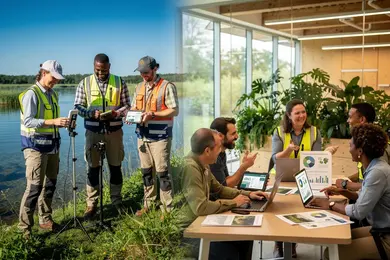
- Environmental Compliance Analyst: These analysts review and interpret environmental regulations to ensure organizational adherence. Working remotely suits this role because key tasks revolve around policy research and documentation, which can be managed through cloud databases and virtual collaboration tools. Remote settings emphasize independent time management with performance measured via timely, accurate reports.
- Remote Sustainability Consultant: Consultants often evaluate sustainability practices and advise clients on improvement strategies. Digital communication platforms enable virtual client interactions and collaborative project management, while environmental management expertise guides data-driven, remote problem solving. The remote model demands strong self-direction and flexible scheduling.
- Environmental Data Analyst: Data analysts focus on collecting, processing, and interpreting environmental datasets to inform decision-making. Cloud-based software and remote data repositories facilitate this work without physical presence. Success depends on proficiency with analytic tools and delivering actionable insights within deadline-driven, distributed team environments.
- Research Assistant in Environmental Policy: Research assistants support policy studies by gathering literature, conducting analysis, and preparing drafts. This role benefits from access to digital research libraries and shared documents, allowing asynchronous collaboration. Remote work emphasizes clear communication and adherence to project milestones.
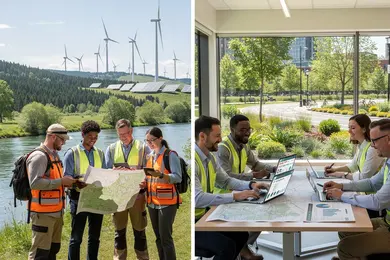
The U.S. labor market's gradual shift toward flexible work arrangements is reflected in environmental roles that integrate virtual workflows with regulatory and scientific rigor. However, fully remote positions remain somewhat niche due to the occasional need for fieldwork or on-site compliance audits. Employers expect environmental management professionals working remotely to exhibit robust self-management, clear communication, and competence with digital collaboration platforms, as outcome-based performance evaluation is the norm. Understanding these dynamics can help graduates align their skill sets with the evolving remote labor market in environmental sectors.
How Competitive Is the Entry-Level Job Market for Environmental Management Master's Graduates?
Competitiveness in the entry-level job market for environmental management master's graduates varies widely, shaped by differences in industry demand, geographic labor markets, and levels of specialization within the field. Employment growth projections indicate about an 8% increase over the next decade in environmental science and related sectors, reflecting solid demand. However, this demand coexists with a growing number of graduates entering the workforce annually, creating localized bottlenecks, especially in popular subfields or densely populated regions. Variations in how narrowly focused a candidate's skills are-such as expertise in regulatory compliance versus sustainability coordination-further influence hiring dynamics and a graduate's positioning.
Employers increasingly expect entry-level candidates to demonstrate technical proficiency, including competencies in data analysis, GIS tools, and regulatory frameworks. Internships, applied project experience, and certifications often serve as key differentiators, intensifying competition even at the outset of one's career. Many employers prioritize candidates who can immediately contribute to complex projects, which raises the threshold beyond academic credentials alone. This demand for practical experience means that environmental management master's graduates face competition not only from peers but also from professionals with related degrees in environmental science, engineering, or policy.
Graduates can strategically improve their employability by targeting subfields or geographic areas with talent shortages, such as emerging clean energy initiatives or underserved rural regions. Building niche skills and acquiring hands-on experience enhances their appeal in saturated markets. Navigating these factors with a clear understanding of labor market trends and employer expectations is critical for capitalizing on employment opportunities and optimizing early-career advancement within environmental management. Those evaluating degree options might also consider programs known for integrating practical skill development, akin to those offered alongside a data scientist degree, to strengthen their competitive edge.
Which Entry-Level Roles Have the Strongest Long-Term Growth Potential?
Long-term career growth in environmental management often depends more on the responsibilities and skills acquired early on than on the initial job title. The strongest entry-level positions typically offer transferable expertise, exposure to strategic decision-making, and opportunities to build specialization that remain valuable despite evolving industry demands. Selecting roles that integrate practical project management, data analysis, and stakeholder engagement enhances prospects for advancement into leadership and specialized functions.
- Environmental Analyst: This role provides foundational experience in evaluating compliance and sustainability metrics, enabling skill development in data-driven decision-making and regulatory interpretation. It opens pathways toward senior analyst or policy advisor positions with increasing responsibility for shaping organizational strategy.
- Sustainability Consultant: Early immersion in diverse client projects hones analytical and communication skills, building credibility in crafting sustainable business practices. These roles frequently lead to specialization in sectors like corporate sustainability or renewable energy management, where leadership demand is expanding.
- Natural Resource Manager: Managing field operations and resource allocation offers practical leadership and interdisciplinary coordination experience. This positions graduates for roles such as senior resource planner or environmental program director, often in public agencies or nonprofit organizations.
- Environmental Compliance Specialist: Focused specialization in regulatory frameworks within private firms can enable faster salary growth and advancement through technical expertise. These roles require continual professional development but lead to high-impact leadership tracks within compliance and risk management.
Accepting a conditional offer for a master's in environmental management requires assessing if the conditions-such as remedial coursework or grade thresholds-are manageable without causing significant delay or financial burden. The program should effectively close any skill gaps and position graduates for entry-level roles recognized for upward mobility, salary progression, and leadership development.
Career trajectories vary notably between sectors; for example, public agencies usually offer stable advancement and leadership training programs, while private firms may provide faster salary growth tied to specialization. A program's reputation for practical training and employer connections, such as internships and alumni networks, significantly influences early-career placement and progression.
Graduates should evaluate opportunities through a realistic lens of employer expectations and labor market trends. This alignment helps ensure their initial roles in environmental management deliver strong potential for sustained professional growth and salary increases.
For prospective students exploring environmental management pathways, reviewing examples of animal science degrees online programs can illustrate financial structures and program designs relevant to decision-making.
What Graduates Say About Entry-Level Jobs With a Environmental Management Master's Degree
- Ramon: "When I graduated with my master's in environmental management, I quickly realized that having a solid portfolio and relevant internships made a bigger difference than professional certification alone. Several employers were clear that hands-on project work and data analysis skills mattered most in entry-level positions. I found remote roles that valued my ability to interpret environmental impact studies, which helped me start working sooner than I expected. The process was competitive, but focusing on practical deliverables really paid off."
- Marcos: "I approached my job search with the understanding that without licensure, advancement would be limited, but I valued getting real-world experience first. My degree helped me access roles with non-profits and government agencies focused on sustainability projects, where flexibility and a willingness to adapt were essential. I had to compete with candidates who had technical certifications, so I pursued additional training in GIS software to stand out. It's a balancing act-accepting entry-level pay while planning for longer-term growth in a specialized field."
- Silas: "Graduating in environmental management pushed me to pivot toward consulting after realizing many firms prioritized experience in specific regulatory frameworks. The learning curve was steep, especially navigating complex environmental policies, but I found that employers appreciated my graduate-level research background combined with an eagerness to learn on the job. The ability to work remotely opened up more opportunities, though I noticed some roles were heavily contested and wanted candidates with multi-disciplinary skills. It definitely made me think critically about the direction of my early career moves."
Other Things You Should Know About Environmental Management Degrees
Entry-level roles often require a mix of technical environmental skills and understanding of regulatory frameworks, but programs vary widely in emphasis. Graduates from more technically focused curricula may find themselves well-prepared for hands-on roles in data analysis or fieldwork but might struggle in positions requiring complex policy navigation. Conversely, those with stronger policy training may excel in advocacy or compliance roles but face a steeper learning curve with scientific tools. Prospective graduates should assess the program's curriculum balance carefully and strategically tailor their job search toward roles matching their strongest competencies.
Government roles typically offer structured training and clearer pathways for advancement but often come with slower hiring processes and less competitive starting salaries. Private sector jobs may provide faster hiring and potentially higher pay early on, yet they often demand quicker adaptability and multitasking across diverse environmental issues. For graduates prioritizing stability and long-term career frameworks, government positions might be better, while those valuing rapid skill accumulation and performance-based advancement might favor private firms. Understanding this tradeoff helps align job choices with personal career priorities.
Entry-level positions may involve a demanding workload with fluctuating hours, especially during regulatory deadlines or project reporting periods. Employers expect adaptability and commitment, which can challenge sustainable work-life balance. Graduates should proactively clarify workload expectations during interviews and seek roles with transparent policies on overtime and support. Balancing eagerness to prove oneself with realistic workload limits is essential to avoid early burnout and preserve long-term career sustainability.
References
- How to Find Entry Level Jobs with an Environmental Science Degree https://facs.com/blog/how-to-find-entry-level-jobs-with-an-environmental-science-degree/
- Ride the Green Wave: Environmental Management Degrees for Future Careers https://matchtocollege.com/blog/green-job-wave-environmental-management-degrees
- Environmental Job Market Trends | ECO Canada https://eco.ca/research-and-resources/environmental-job-market-trends/
- Best Entry Level Jobs for Environmental Science Majors https://www.gradsiren.com/career-advice/best-environmental-science-jobs/
- Remote Climate Jobs - Find remote environmental & sustainability jobs! https://www.remoteclimatejobs.com/
- Careers in Environmental Management: An Overview https://www.columbiasouthern.edu/blog/blog-articles/2023/june/environmental-management-career-path/
- Finding a Job - Green Jobs for Nature https://greenjobsfornature.org/get-that-green-job/job-vacancies/
- Entry Training Routes into an Environmental Management Career | BookmyCourse https://www.bookmycourse.co.uk/articles/entry_training_routes_into_an_environmental_management_career_14770/
- Ultimate Guide to Sustainability Certifications for Job S... https://scale.jobs/blog/ultimate-guide-to-sustainability-certifications-for-job-seekers
- Early careers - Environment Agency https://environmentagencycareers.co.uk/early-careers/