2027 Career Paths with a Sports Management Master's Degree Explained

Co-Founder and Chief Data Scientist
The sports management landscape now demands expertise beyond general business skills, emphasizing leadership, data analysis, regulatory knowledge, and applied strategic planning unique to the sector. Employers increasingly seek graduates who can navigate complex stakeholder relationships, leverage industry-specific technologies, and lead compliance with evolving league and labor regulations. According to the National Center for Education Statistics, graduate enrollment growth includes a notable shift toward part-time and online learners, reflecting the sector's accommodation for working professionals pursuing advancement without pausing careers. This article details key career trajectories for holders of a sports management master's degree and aids readers in assessing how those pathways align with their professional objectives.
Key Things to Know About Career Paths With a Sports Management Master's Degree
- Specialized knowledge in sports management sharpens leadership roles in dynamic, revenue-driven environments; however, graduates must navigate industry volatility, limiting traditional career path linearity common in other management fields.
- Employers increasingly demand cross-disciplinary expertise combining sports business analytics and community engagement; thus, candidates with niche specializations gain a competitive edge in recruitment and advancement.
- Growth of accredited online sports management programs, documented by the National Center for Education Statistics 2024 report, expands access for working professionals but requires careful evaluation of program reputation versus time and financial investment.
What Can You Do With a Sports Management Master's Degree?
Choosing a career path after earning a sports management master's degree involves navigating varied professional demands and sector-specific expectations that directly influence long-term mobility and compensation prospects. Unlike more linear graduate trajectories, the sports management field is fragmented across public and private sectors where operational scale, organizational complexity, and market visibility sharply differentiate roles. This means graduates must weigh opportunities not only by title but by the strategic scope embedded in each position and how the degree shapes their eligibility for leadership or specialist functions.
- Professional Team Operations: Working within professional or collegiate sports organizations often entails overseeing multifaceted operational functions including sponsorship activation, fan engagement, and compliance. These roles typically demand advanced strategic planning skills that a master's program cultivates, but competition is high and progression hinges on proven performance in dynamic, high-stakes environments.
- Sports Marketing Specialist: Specializing in marketing leverages the degree's focus on branding and media relations, yet success requires constant adaptation to digital trends and consumer behavior analytics. Graduates pursuing these roles face the tradeoff of a fast-evolving discipline with a need for continuous skills updates, impacting long-term career stability.
- Event Management Leadership: Leading event coordination offers a pathway with substantial responsibility for logistics and stakeholder management, often in unpredictable conditions. The degree's emphasis on operational leadership is critical here, but the transient nature of events can pose challenges to steady income and position continuity.
- Sports Data Analyst: Emerging demand in data-driven decision-making introduces a specialization where a master's degree serves as a threshold credential for analytical roles. However, this path draws heavily on quantitative skills, requiring professionals to supplement their sports background with technical expertise, which may necessitate further training.
- Facility Management: Managing sports venues combines operational oversight with regulatory compliance responsibilities. Graduates benefit from the degree's multidisciplinary approach, but roles in this sector often involve tradeoffs between exposure to business functions and limited upward mobility in small-market contexts.
- Esports and Tech Ventures: The rise of esports and sports technology startups creates unconventional openings valuing innovation and digital marketing savvy. For graduates, this path can mean less predictability but higher growth potential, particularly if they target roles blending sports knowledge with entrepreneurial agility.
What Are the Highest-Paying Careers With a Sports Management Master's Degree?
Compensation in sports management careers hinges largely on the intersection of specialized expertise, leadership roles, and the economic impact an individual can deliver within athletic organizations. Opting for positions with broad strategic influence or deep technical negotiation responsibilities frequently yields the highest salaries, but these paths often demand significant industry experience beyond the master's degree itself. Choosing to pursue immediate high-pay roles may limit early career development in broader operational capacities, underscoring the importance of aligning career decisions with long-term professional growth.
- Sports Marketing Director: This role commands high salaries due to its central responsibility for driving revenue through sponsorships, promotions, and brand management. Marketing directors leverage advanced business and communication skills to shape public engagement and financial outcomes within sports entities. Data from 2024 indicates median wages around $138,000, reflecting strong employer demand for expertise in digital and strategic marketing frameworks.
- Sports Agent: Agents negotiate contracts and manage commercial interests for athletes, requiring nuanced legal knowledge and interpersonal skills. Their income potential often exceeds $200,000 for those representing elite clients but remains heavily commission-based and variable. Success in this role depends on building a high-profile network and persistent contract negotiation expertise.
- Athletic Director: Particularly at Division I collegiate programs, these leaders oversee athletic departments with multi-million-dollar budgets. NCAA reports from 2023 highlight salaries above $200,000 on average, driven by responsibilities spanning compliance, fundraising, and program development. Mastery of organizational leadership and regulation is critical.
- Venue and Stadium Manager: Executives in this area blend operational management with event coordination, often earning between $80,000 and $150,000 plus performance bonuses. Their roles require an understanding of logistics, security, and revenue optimization, making experience in facility operations highly valuable.
Prospective students should consider these career options in light of competitive hiring environments where internships, networking, and practical experience critically influence salary trajectories and job stability.
Which Industries Hire Graduates With a Sports Management Master's Degree?
Industries hiring graduates with a master's degree in sports management utilize their expertise to address distinct operational and strategic challenges. In professional and collegiate sports, these graduates often assume roles in team administration, event coordination, or athlete relations, where their leadership capabilities and understanding of sports governance shape organizational success. The entertainment and leisure sector demands skills in marketing, sponsorship negotiation, and project management, frequently under tight deadlines and high-stakes environments. Demand within these sectors varies based on candidates' specialization and prior experience; for example, those with certifications in analytics or facility management may access higher-level roles, while generalists may start in more support-focused positions. Compensation and advancement opportunities tend to be more substantial in professional sports and marketing firms compared to recreational or non-profit organizations, reflecting the resource disparities and revenue-generating capacity of these industries.
Public and private recreational organizations and the fitness industry employ sports management graduates primarily for program development, community engagement, and corporate wellness initiatives, requiring a blend of administrative skills and local stakeholder coordination. Government or non-profit roles often involve policy implementation or inclusion efforts, demanding familiarity with regulatory frameworks and cross-sector collaboration rather than purely commercial objectives. Choosing between these sectors involves tradeoffs: the corporate sports realm offers financial rewards but typically requires intensive practical experience or internships, while public sector roles may offer more stability and social impact but lower compensation. These distinctions influence how graduates prioritize skill acquisition during their studies and early career, emphasizing either technical mastery, networking, or leadership development in line with their industry target.
One graduate recounted initial uncertainty when transitioning from a marketing role in a mid-sized sports agency to a community sports nonprofit. Despite holding a master's degree, they found the nonprofit sector's expectations differed markedly, focusing less on revenue metrics and more on grant writing and partnership building. This shift required the graduate to develop new competencies not emphasized during their coursework, prompting a strategic pivot in professional development plans. The experience underscored how industry choice shapes daily responsibilities and long-term career trajectories, validating the importance of targeted internships and realistic insight into operational demands when selecting a sports management specialization.
What Is the Job Outlook for Careers Requiring a Sports Management Master's Degree?
The job outlook for careers requiring a sports management master's degree shows steady but competitive growth, influenced notably by fluctuations in the sports, entertainment, and fitness sectors. Employers favor candidates who not only possess advanced academic credentials but also practical experience, making internships and networking essential components for breaking into leadership roles. Growth varies by industry segment; for example, athletic director positions are projected to expand due to increased youth and collegiate sports participation, while emerging specialties like sports analytics and digital media management reflect the sector's growing reliance on technology and data-driven decision-making. Such dynamics suggest that a master's degree can differentiate candidates, but must be coupled with skill adaptation to evolving organizational needs and geographic market variations. This is particularly relevant for those weighing bachelor's vs master's degree job prospects in sports management, where the latter increasingly matters in higher-tier roles.
Salary ranges in sports management reflect this heterogeneity, as professionals in major urban centers often command higher compensation, with median wages for athletic directors around $80,000 annually in 2024. However, many early-career roles offer more modest pay, underscoring the importance of strategic career planning and specialization to improve long-term prospects. Additionally, expanding commercialization and globalization of sports franchises create both opportunities and pressure on professionals to demonstrate value beyond traditional management, including negotiating sponsorships or leveraging wellness industry trends. Candidates exploring degree options should compare these realities alongside other fields; for instance, some might find applicable insights by reviewing trends in related sectors such as construction management through programs like construction management masters. Ultimately, the demand landscape rewards those who combine academic preparation with practical agility amid ongoing industry transformation.
What Entry-Level and Advanced Jobs Can You Get With a Sports Management Master's Degree?
The pathway from entry-level to advanced roles in sports management is seldom linear and strongly influenced by the integration of practical experience with specialized knowledge. Graduates commonly enter the workforce as assistant coordinators or event supervisors where operational competence and communication skills are critical. Employers in these positions prioritize candidates who can navigate day-to-day logistics and stakeholder interactions effectively, often valuing hands-on problem-solving over theoretical expertise initially. Compensation at this stage typically ranges between $40,000 and $55,000 annually, reflecting the applied, rather than strategic, nature of these roles. Notably, many graduates face the practical reality that holding a master's degree does not guarantee immediate placement into senior positions without intermediate experience or sector-specific credentials, underscoring the importance of careful role selection early on to build relevant skills and networks.
Advancing into leadership roles such as athletic directors or sports agency directors demands a shift from operational execution to strategic oversight, including financial management and contract negotiation. These positions, often commanding salaries from $75,000 up to $120,000 or more, require demonstrated industry acumen and a blend of broad business competence with deep sports-specific expertise. The transition can depend heavily on the graduate's specialization-such as brand management versus facility operations-and the industry segment, since professional sports entities, collegiate programs, and corporate sponsors vary significantly in how they weigh advanced degrees against prior leadership experience. Employers increasingly expect senior candidates to integrate data analytics and digital media fluency into their decision-making, reflecting broader industry trends. Pursuing certain certifications or targeted specializations alongside the master's degree may expedite advancement and broaden role flexibility within this diverse labor market.
Can a Sports Management Master's Degree Help You Change Careers?
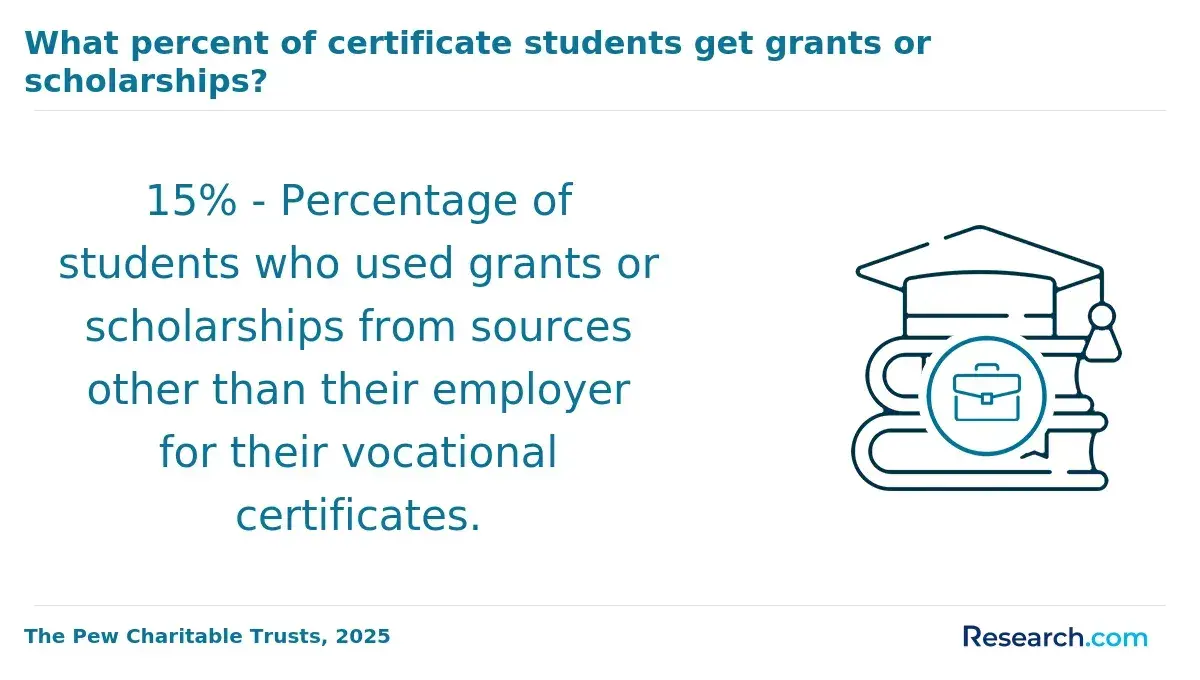
A master's degree in sports management functions as a strategic career-transition tool primarily by building domain-specific competencies that reposition professionals for roles in sports marketing, compliance, operations, and leadership. For those shifting careers, the degree addresses gaps in specialized knowledge and signals dedication to mastering industry nuances, which many employers prioritize over direct experience. However, outcomes vary significantly based on prior experience, chosen specialization, and industry demand. Career changers need to weigh the tradeoff of investing time and tuition while potentially restarting at entry or mid-level positions-often leading to salary resets. For example, programs with rolling admissions typically charge between $20,000 and $40,000, a considerable financial commitment impacting return on investment. Networking and applied learning components such as internships offered by many sports management programs improve access to competitive roles but require proactive engagement to yield tangible benefits.
Transitioning careers using a sports management graduate degree often involves navigating employer expectations that value both formal credentials and practical exposure. Internships and practicums embedded within curricula provide experiential learning that helps applicants gain credibility and industry connections not easily developed outside academic settings. Yet, certain career paths, especially athletic administration or executive roles with specific licensing or experience requirements, may remain inaccessible without extensive industry tenure. Graduates should also consider long-term mobility, recognizing that the degree may update skill sets after gaps but requires additional methods to overcome professional hiatuses. Those exploring accelerated entry points may compare options like accelerated psychology masters programs or similar graduate tracks to determine where investments yield the most aligned career repositioning value.
What Leadership and Management Roles Can You Pursue With a Sports Management Master's Degree?
Leadership roles following a master's degree in sports management vary widely depending on the industry, organizational size, and specialization focus. In professional sports franchises, graduates may begin managing operational logistics and team coordination before progressing to strategic roles involving revenue management and sponsorship negotiations. Conversely, collegiate sports leadership requires deep regulatory expertise and the ability to balance compliance demands with athletic program goals, often navigating complex stakeholder environments. In sports marketing or consulting firms, leaders blend creative oversight with analytical decision-making, managing diverse teams and directing multiple client campaigns simultaneously. These distinct pathways illustrate a critical tradeoff: advancing leadership positions demand balancing specialized technical knowledge with expansive management skills and cross-functional collaboration.
From a workforce perspective, completion of a sports management master's often influences promotion eligibility and salary trajectories, particularly where financial stewardship and regulatory accountability are emphasized. Supervisory responsibilities increase, encompassing oversight of interdisciplinary teams and heightened stakeholder engagement, shaping both day-to-day operations and long-term organizational reputation. Notably, employer expectations differ substantially; some demand deep sector-specific expertise, while others prioritize broad managerial aptitude. According to a 2024 industry workforce report, about 62% of mid-to-senior managerial roles in sports organizations require demonstrated strategic leadership paired with operational experience, underscoring the degree's relevance but also highlighting the variability in role demands across sectors.
One graduate recalled navigating the rolling admissions process amid job uncertainty, hesitating to apply until a clearer career path emerged. The delay was stressful, balancing the risk of missing deadlines against preparing a competitive application. Ultimately, the decision to proceed when market conditions aligned offered relief but also highlighted the importance of timing and strategic foresight during program entry, which mirrors leadership challenges later in managing complex organizational variables.
What Skills Do Employers Expect From Graduates With a Sports Management Master's Degree?
Employers hiring graduates with a sports management master's degree prioritize a blend of technical and strategic skills that directly impact organizational performance and compliance. Proficiency with sports analytics software, ticketing systems, and athlete management platforms is fundamental, enabling graduates to translate raw data into actionable insights for coaching or business decisions. Analytical skills in regulatory frameworks and contract negotiation hold increasing value, especially in roles tied to compliance with league rules and labor agreements. For instance, a graduate managing athlete contracts must not only understand legal constraints but also apply data-informed risk assessment to protect organizational interests. Such competencies often distinguish candidates in markets where salary premiums of 15-20% are tied to demonstrated expertise in both analytics and legal compliance, according to recent workforce studies.
Leadership and operational capabilities vary significantly by industry segment and seniority, shaping hiring priorities. Entry-level positions focus on technical execution and adaptability with scheduling and budget management tools, while senior roles demand cross-functional leadership and stakeholder diplomacy among athletes, sponsors, and media. This requires graduates to exhibit emotional intelligence and cultural competence, critical for sustaining revenue streams and brand reputation in highly networked sports environments. Failure to master these advanced interpersonal and operational skills can restrict upward mobility, particularly in specialized areas like sports law or athlete representation. Consequently, adaptability to evolving technologies and complex organizational workflows emerges as a key differentiator, influencing both hiring potential and long-term career flexibility across the sports management workforce.
Are Remote and Flexible Careers Available With a Sports Management Master's Degree?
Remote and flexible careers in sports management are largely contingent on the specific responsibilities and the operational context of the role. For instance, while event coordination and facilities management almost always require on-site presence due to hands-on demands, roles in data analysis, digital marketing, and strategic planning offer more latitude for remote or hybrid work. The feasibility of remote work is further narrowed by the need for secure data handling, licensing requirements, and real-time collaboration during live events. Given these constraints, professionals seeking remote or flexible jobs for sports management master's graduates must understand that many employers prioritize physical presence for compliance and direct team oversight, especially within collegiate athletics and league administration where regulatory protocols are stringent.
Hybrid models are becoming more prevalent at managerial levels, balancing onsite leadership with remote team supervision, but these come with tradeoffs in relationship-building and visibility that can affect career advancement. Additionally, compensation and productivity metrics often reflect location and interaction modality, presenting practical challenges around work-life integration and geographic mobility. Enrollment data from 2024 indicates a growing share of sports management programs incorporating flexible learning formats, reflecting industry demand for adaptability. Prospective students should critically evaluate these dynamics alongside their specialization and employer culture to make informed decisions. For those considering academic routes supplementing practical careers, comparing options like architecture programs may offer useful structural insights into how remote learning and work flexibility can coexist in professional fields with significant on-site demands.
What Certifications or Licenses Complement a Sports Management Master's Degree?
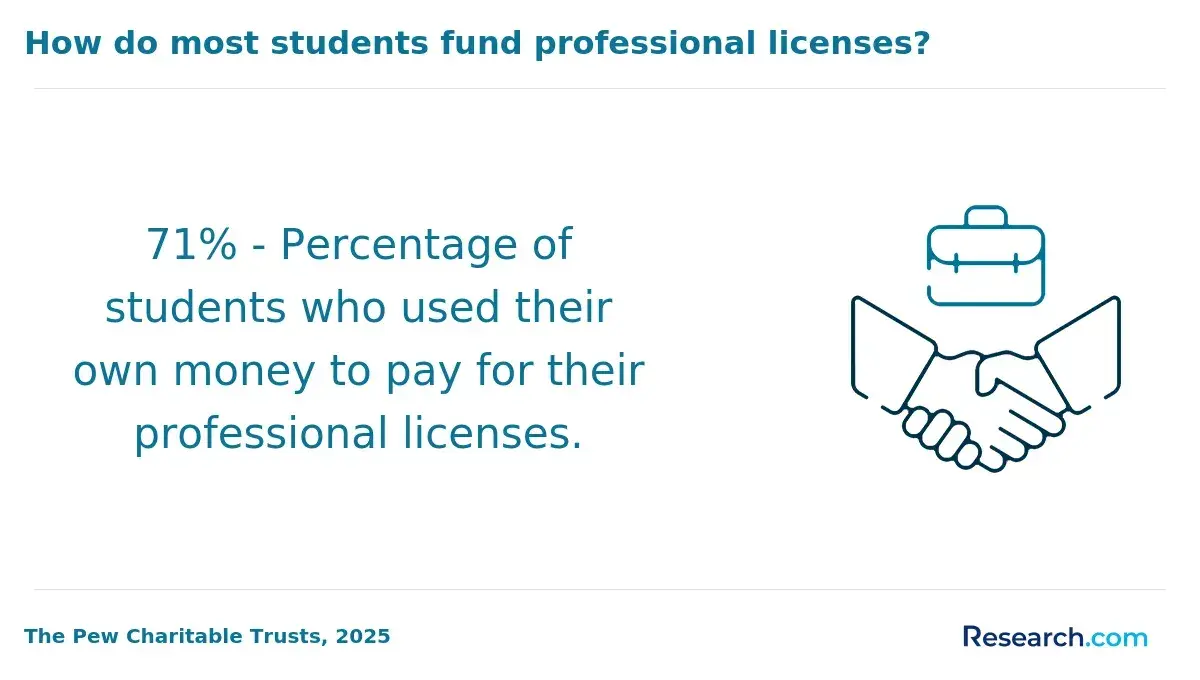
Certifications and licenses have a tangible impact on the professional trajectories of sports management master's degree graduates by delineating practical specialization and regulatory compliance. While many roles in marketing, event management, or team operations prioritize recognized certifications such as Certified Sports Manager (CSM) to signal competence and leadership readiness, legally mandated licenses typically arise only in overlapping fields like athletic training or sports medicine, where certification is required by state law. This distinction reflects operational needs: sectors focused on physical health and safety impose licensing to ensure standardized qualifications, whereas other sports management functions rely on credentials to differentiate candidates in competitive hiring environments. For example, a manager lacking a Certified Meeting Professional (CMP) credential might find advancement limited despite a master's degree, as employers in event-heavy organizations use certifications as filters for leadership roles.
These licensed credentials and certifications serve not only as indicators of compliance or expertise but also affect salary scales and job eligibility, which vary by geography and sector. Entry-level managers in saturated markets often leverage these certifications to stand out, while experienced professionals pursue niche credentials in areas like sports analytics to transition into specialized or executive positions. However, maintaining certifications demands ongoing education and fees, introducing operational workload that merits consideration. Delayed certification pursuit can restrict upward mobility and reduce earning potential, underscoring the importance of aligning credential acquisition with career timing. Additionally, professionals transitioning into sports management may benefit from linking their foundational qualifications-such as a bachelor degree in project management-to domain-specific credentials to bridge gaps recognized by hiring managers. Understanding these layered credential dynamics clarifies how supplemental certifications or licenses critically complement a sports management master's degree and shape workforce positioning.
What Graduates Say About Career Opportunities With a Sports Management Master's Degree
- Allan: "Balancing a full-time job and enrolling in a sports management master's program was tough, especially managing the workload during event seasons. I chose this path mainly because of the program's emphasis on real-world internships, which I felt were more valuable than certifications alone. Thanks to the internship I secured through the program, I landed a role in athletic operations, though I quickly realized that without a specific licensing credential, salary growth can be somewhat limited in my region."
- Gunnar: "With limited finances, I opted for a flexible online sports management program to pivot from coaching to the business side of the industry. The decision was tough, as I worried about missing out on in-person networking, but the program helped me build a solid portfolio that employers clearly valued. After graduation, I was able to work remotely in marketing for a sports agency, which fit well with my family commitments, though I do see the challenge ahead in advancing further without extensive on-site experience."
- Jaxon: "I approached the sports management master's as a way to finally move beyond entry-level jobs, even though it meant taking a break from earning steady income for a year. The program's rigorous curriculum and heavy workload were realistic tests of what the industry demands, and it forced me to develop real-time event management skills. Post-graduation, even though some employers prioritized hands-on experience over my degree, the connections I made helped me secure a senior internship that directly led to a managerial position."
Other Things You Should Know About Sports Management Degrees
In 2027, emerging career paths for sports management graduates include roles in esports management, sports analytics, and sustainable sports facility management. As the sports industry integrates technology and sustainability, demand for skills in these areas has increased, offering diverse and innovative opportunities.
Employers in the sports industry often prioritize candidates with demonstrable experience beyond academic credentials. Integrating internships, practicums, or capstone projects into your master's pathway substantially increases employability but adds time and logistical complexity. Prioritizing programs with accessible, relevant placements or those that build industry networks can justify the additional workload and accelerate career entry or advancement.
In 2027, technology skills such as data analytics, digital marketing, and esports management are vital for sports management careers. Professionals should also be adept in using sports-specific software for performance analysis and event management. These skills are increasingly crucial for roles in sports analytics and digital engagement.
References
- Online Master’s Degrees in Sports Management: Find the Right School https://www.onlinemastersdegrees.org/best-programs/business/sports-management/
- What Can I Do with an MBA in Sports Management? https://go.tiffin.edu/blog/what-can-i-do-with-a-masters-in-sports-management/
- World's No.1 Master in Sports Management - AISTS https://aists.org/worlds-no1-master-in-sports-management/
- Advanced Certificates | Bundle, Save, & Specialize https://www.sportsmanagementworldwide.com/advanced_certificates
- 73 Jobs You Can Get With a Sports Management Degree: A Guide https://www.salemu.edu/blog/sports-recreation-management-careers/
- What are the career options after a master's degree in sports management? - INSEEC https://www.inseec.com/en/guides/career-path-guide/what-are-the-career-options-after-a-masters-degree-in-sports-management/
- Ranking of the Best Masters, MS & MBA 2025 https://www.best-masters.com/master-sports-management-ranking.html
- Top 10 Highest-Paying Sports Management Jobs in 2026 - MBA ESG Business School, India https://mba-esg.in/top-10-highest-paying-sports-management-jobs-in-2026/
- The Ultimate Playbook for Sports Management Careers https://www.snhu.edu/about-us/newsroom/business/sports-management-careers
- Why study for a Sports Management degree https://brive.com/blog/studies/sports-management-degree/