
2027 Different Types of Sports Management Degrees and Their Salaries

Co-Founder and Chief Data Scientist
The sports management sector is experiencing significant growth as organizations increasingly seek skilled professionals to navigate the complexities of the industry. Employment opportunities in this field are projected to expand notably over the next decade, reflecting rising demand for expertise in areas such as marketing, administration, and event coordination within sports organizations. Understanding the distinct educational paths and the salary outlook associated with various sports management degrees is crucial for making informed decisions that align with career goals. This article provides a comprehensive overview of the different types of sports management degrees available and the potential earnings graduates can anticipate, equipping readers with essential insights to guide their academic and professional choices.
Key Points About Different Types of Sports Management Degrees and Their Salaries
- An associate degree in sports management generally offers entry-level opportunities such as assistant roles in sports marketing or event coordination, with average starting salaries around $35,000 to $45,000 annually, reflecting limited career advancement without further education.
- A bachelor's degree significantly expands career prospects in sports management including positions like athletic director or sports agent, with median salaries typically ranging from $50,000 to $70,000, and growth potential bolstered by the increasing commercialization of sports in the U.S.
- Holding a master's degree in sports management often leads to leadership and executive roles in sports organizations or collegiate athletics departments, where salaries commonly exceed $80,000 and offer stronger long-term growth due to specialized skills and higher-level strategic responsibilities.
What Are the Different Types of Sports Management Degrees Available?
Understanding the different types and levels of sports management degrees is crucial for students before selecting a program because each degree offers distinct curricular focuses and prepares graduates for specific professional roles. These options cater to various career goals and educational backgrounds, ensuring that students can align their studies with their long-term aspirations.
Below is an overview of the main types of sports management degrees and what makes each unique:
- Associate Degree in Sports Management: This introductory program covers the basics of sports business, including management, marketing, and facility operations. Coursework emphasizes foundational skills such as communication, teamwork, and sports law, preparing students for entry-level support roles in athletic organizations.
- Bachelor's Degree in Sports Management: Offering a comprehensive view of the sports industry, this degree combines core business principles with specialized topics like sports marketing, finance, ethics, and event management. Students build analytical, leadership, and problem-solving skills relevant to both amateur and professional sports settings.
- Master's Degree in Sports Management: Focused on advanced knowledge, this program explores strategic sports business operations, leadership, and industry challenges. Typical coursework includes sports analytics, advanced marketing, sports law, ethics, and organizational behavior, with opportunities for practical projects or internships.
- MBA with a Concentration in Sports Management: Integrating broad business administration topics with sports-specific case studies, this MBA path prepares students for upper management roles. Core courses cover finance, economics, management, and marketing alongside electives focusing on sports business, negotiation, and stakeholder relations.
- Doctoral Degree in Sports Management: Emphasizing research and theoretical frameworks, doctoral programs focus on sports economics, leadership, qualitative and quantitative research methods, and the governance of sports organizations.
For students exploring affordable options that still provide a solid foundation in this field, a cheap accelerated bachelor's degree online program can be a viable path to quickly gain essential skills and enter the workforce.
What Specializations Are Available in Sports Management Degrees?
Choosing a specialization is an important factor when pursuing a sports management degree because it helps students tailor their education to specific interests and career aspirations. This ensures graduates are well-prepared for the distinct roles and industries they want to enter.
Below is a list of the discipline's common specializations:
- Sports Management in Marketing and Public Relations: Focuses on promotional strategies, brand management, and communication within sports organizations. Key skills include digital marketing, social media management, and public relations. Graduates often work as marketing managers, PR specialists, or sponsorship coordinators.
- Sports Management in Facility and Event Management: Centers on the operation and administration of sports venues and events, developing skills in logistics, budgeting, and compliance with safety regulations. Career options include roles such as facility managers, event coordinators, or operations directors.
- Sports Management in Athlete Development and Coaching: Emphasizes athlete performance, training, and career planning. This specialization builds expertise in sports psychology, high-performance coaching, and personal development with common positions being athlete development specialists, high-performance coaches, or sports camp directors.
- Sports Management in Sports Analytics: Involves data analysis and statistical methods to enhance team performance and business decisions. Students gain skills in data modeling, sports statistics, and analytics software, preparing them for careers as sports analysts, data scientists, or strategy consultants.
- Sports Management in Sports Law and Governance: Covers legal aspects, compliance, and governance in sports organizations. Key competencies include contract negotiation, regulatory knowledge, and risk management, leading to careers such as sports agents, legal advisors, or compliance officers.
For those exploring educational options, especially easy associate degrees to get, some resources align with pathways into the sports management field with the right specialization focus.
How Long Does It Take to Complete Each Type of Sports Management Degree?
Understanding the duration of sports management degree programs is crucial for students as it helps them effectively plan their education and career timelines. Knowing how long each degree typically takes allows students to balance their academic goals with personal and professional commitments.
Below is an overview of the main sports management degree types and their typical completion times:
- Associate Degree in Sports Management: This degree usually takes about two years of full-time study to complete. Part-time options can extend the timeline, while some community colleges offer accelerated formats that may shorten it. Online programs are commonly available for flexibility.
- Bachelor's Degree in Sports Management: A bachelor's degree typically requires four years of full-time enrollment. Transfer credits from previous coursework can reduce this time. Accelerated programs and online classes may also allow students to finish sooner or accommodate part-time study.
- Master's Degree in Sports Management: Most master's programs are designed to be completed within one to two years of full-time study. Part-time enrollment is an option that extends the timeline, often appealing to working professionals. Many universities provide accelerated and online master's formats for added flexibility.
- Doctorate in Sports Management: A doctoral program often takes three to five years beyond the master's degree, depending on research, dissertation progress, and program structure. Some students may take longer if balancing work or extended research. Online or hybrid options are less common but do exist at select institutions.
Are There Accelerated Sports Management Degree Programs?
Accelerated sports management degree programs are designed to help students complete their education in less time than traditional pathways.
These programs often combine undergraduate and graduate coursework, enabling completion of both degrees in about five years instead of six. Many schools offer formats that include year-round enrollment, condensed courses often lasting between 5 and 8 weeks, and flexible start dates.
Students can also take advantage of transfer credit policies, which in some cases allow up to 75-90 previously earned credits to be applied toward the degree, significantly reducing the overall time-to-degree.
Additionally, some online bachelor's programs feature condensed course structures that accommodate students entering with prior credits, allowing completion in as few as 12 to 24 months.
Often, accelerated programs permit students to take graduate-level courses while finishing undergraduate requirements, further shortening the time needed to graduate.
While accelerated sports management degrees offer efficiency, prospective students should be mindful of the increased intensity of these programs. The workload is typically heavier due to shorter courses and less downtime between terms, demanding strong time management, discipline, and commitment.
Eligibility for accelerated tracks usually involves meeting minimum GPA requirements, completing specific prerequisite courses, and sometimes formally applying for the accelerated option during the sophomore or junior year.
Transfer credit acceptance plays a crucial role; prior coursework must align with institutional standards to qualify, which can be a challenge for some students. Given these factors, applicants need to weigh their readiness for an accelerated pace against the benefits of entering the sports industry sooner, where median annual salaries range broadly depending on experience and role.
When I asked a graduate of an accelerated sports management degree program about his experience, he shared how the program's demanding schedule initially felt overwhelming but ultimately rewarding.
"The condensed 6-week courses meant there was no time to fall behind," he explained. "Balancing intense coursework with part-time work and internships required a strict routine and constant focus." He also appreciated the flexibility of taking graduate-level classes during his senior year, which gave him a head start on advanced topics.
Despite the pressure, he valued how quickly he could enter the workforce compared to friends in traditional tracks. Reflecting on the process, he emphasized that support from advisors and peers was vital to managing stress and staying motivated through the accelerated curriculum.
His journey highlights that while challenging, completing a sports management degree at an accelerated pace can be an effective pathway for highly committed students eager to advance their careers quickly.
Are Online Sports Management Degrees as Credible as Traditional Ones?
Online sports management degree programs and traditional on-campus counterparts generally uphold comparable academic standards. Both formats often provide similar coursework, assessments, and faculty oversight.
Many universities ensure that online and on-campus courses are taught by the same professors, use identical syllabi, and require students to achieve the same learning objectives.
Accreditation bodies such as the Commission on Sport Management Accreditation (COSMA) maintain standards that apply regardless of delivery method, guaranteeing a rigorous and industry-relevant curriculum.
While online programs typically incorporate a mix of pre-recorded lectures, interactive modules, and live discussions, traditional programs rely more on scheduled, in-person sessions and hands-on projects.
Both formats aim to prepare students for careers in sports management, ranging from athletic administration to facility management.
Employer acceptance of online sports management degrees has grown significantly, especially following the widespread adoption of remote learning during the COVID-19 pandemic.
Surveys indicate that most employers now prioritize the reputation and accreditation of the granting institution over whether the degree was earned online or in person.
Diplomas from reputable universities rarely indicate the learning format, and graduates are typically evaluated on their skills, experience, and alma mater prestige.
Salary data for sports management roles, such as sports marketing managers (median ~$73,250) and athletic directors (median ~$62,000), show little difference based on degree delivery method, instead reflecting degree level and university reputation.
Ultimately, the credibility of a sports management degree hinges much more on the standing and proper accreditation of the institution than on whether the program was completed online or on campus.
How Much Does Each Type of Sports Management Degree Typically Cost?
Understanding the tuition differences across various sports management degree levels is crucial for effective budgeting and long-term financial planning. Knowing the typical costs associated with each degree type helps prospective students align their educational investments with their career goals and funding options.
Below is an overview of the average tuition ranges for different sports management degrees:
- Bachelor's Degree in Sports Management: Undergraduate tuition averages around $14,688 per year, excluding room and board, which can significantly increase total expenses. Public institutions generally offer lower in-state tuition rates ranging from about $3,996 to $15,306 annually, while private schools tend to charge considerably more. Online bachelor's programs provide a more affordable route, averaging roughly $10,476 annually, potentially reducing the four-year cost to approximately $42,000 before scholarships and grants.
- Master's Degree in Sports Management: Graduate programs cost an average of $20,513 per year and commonly require two years to complete. Tuition can vary, with some specialized online programs charging per credit, such as $725 per credit alongside a base fee near $21,750. Many graduate students offset these expenses by applying for assistantships, employer sponsorships, and merit-based scholarships.
- Online Sports Management Programs: Online options frequently present more cost-effective alternatives, with tuition starting between $5,175 and $6,880 annually at select institutions. These programs appeal to students who need flexibility while managing their educational expenses and may still qualify for many financial aid options available to traditional students.
In speaking with a graduate of a sports management degree program, she reflected on how managing the cost shaped her educational journey. She shared that while the sticker price initially felt daunting, proactive research into scholarships and part-time work opportunities helped make it manageable.
"I was surprised by how many financial aid options were actually available once I asked around," she mentioned. Her flexible online program allowed her to balance coursework with employment, which eased the overall burden.
Ultimately, she emphasized that investing in the degree provided tangible career benefits by opening doors to roles she hadn't anticipated, making the financial effort worthwhile in hindsight.
What Jobs Can You Get with Each Type of Sports Management Degree?
The level of a sports management degree greatly influences the variety of career paths available, as well as the complexity and responsibility of roles graduates can obtain. Higher degree levels generally open doors to more advanced positions, often involving management, leadership, or specialized skills.
Below is an overview of common jobs linked to each type of sports management degree.
- Associate degree in sports management: Graduates typically qualify for entry-level roles such as ticket sales representative, event coordinator, or sports and health club staff member. These positions usually involve supporting daily operations, assisting with event logistics, and providing customer service in recreational facilities, community centers, or local sports organizations. Students interested in quick entry-level certification might explore options like a fastest associates degree in the field.
- Bachelor's degree in sports management: This degree allows graduates to pursue positions such as marketing coordinator, facility operations manager, sports marketing specialist, or athletic coach. Responsibilities involve managing sports programs, promoting events, coordinating logistics for facilities, and working closely with athletes in schools, amateur leagues, or professional sports organizations. Salaries for these roles often range from approximately $43,600 for a youth sports coach to around $62,600 for a fitness manager.
- Master's degree in sports management: Earning a master's provides access to leadership and specialized roles including athletic director, director of operations, sports agent, and public relations manager. Jobs at this level typically require overseeing departments, negotiating contracts, and managing large-scale sporting events. Median salaries reported include $117,600 for directors of operations and $106,800 for public relations managers.
- Doctoral degree in sports management: A doctoral degree prepares graduates for academic, research, or high-level consulting positions such as university professor, sport management researcher, or policy advisor. These professionals often contribute to advancing the field through research, teaching, or shaping industry policies in public institutions or consultancy roles.
How Do Salaries Differ by Sports Management Degree Type?
Degree level often influences earning potential in sports management, with higher education generally leading to increased salary opportunities. Understanding these pay differences can help students make informed decisions about their education and future career paths.
Below is a summary of typical salary ranges associated with each type of sports management degree:
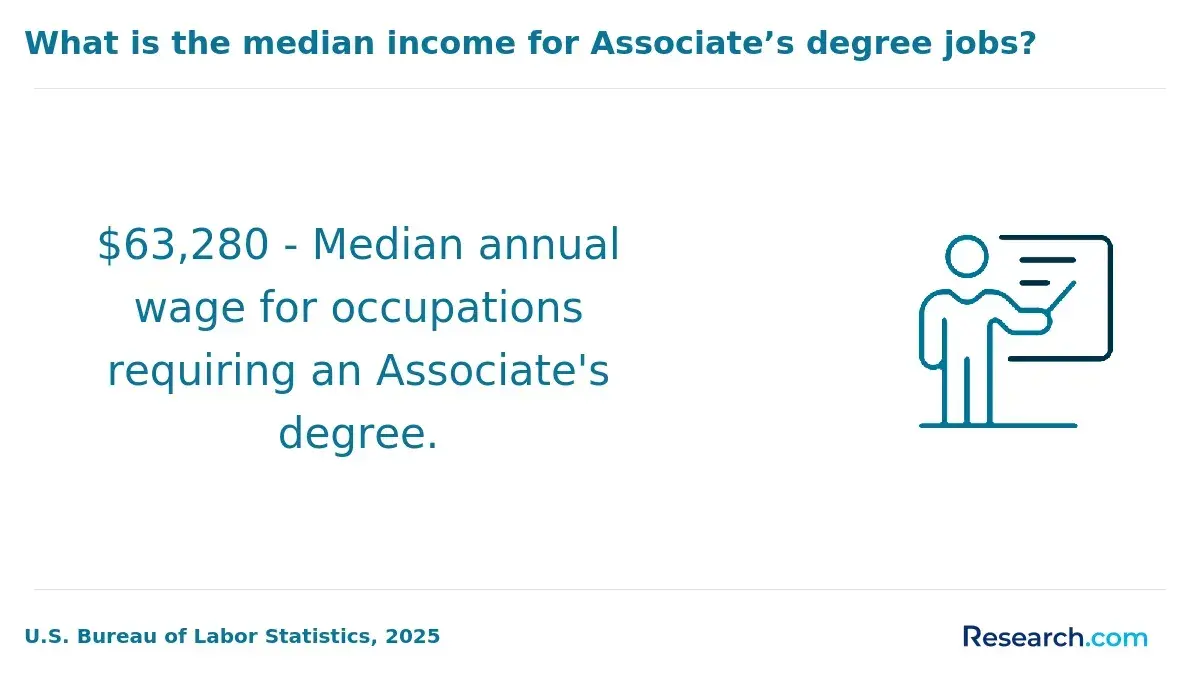
- Associate Degree in Sports Management: Graduates with an associate degree usually enter entry-level positions such as event coordinators or assistant coaching roles. Starting salaries typically range from $35,000 to $42,000 annually, but pay varies by location and specific industry. Advancement opportunities without further education are often limited.
- Bachelor's Degree in Sports Management: This degree is the most common starting point for careers in sports management. The average base salary for those with a bachelor's degree is about $55,000 per year, though salary growth depends on experience, employer type, and geographical location. Employers might include collegiate sports programs or professional teams.
- Master's Degree in Sports Management: Obtaining a master's degree can significantly increase earning potential. Professionals with this degree generally earn around 20% more than those with a bachelor's. For instance, athletic directors holding a master's average about $87,858 annually. Advanced roles in management frequently require this level of education.
- Doctoral Degree in Sports Management: Doctorate holders often pursue academic or executive leadership roles where salaries vary widely. While specific figures are limited, senior positions such as university athletic directors or executives can earn well beyond $100,000 per year.
Students interested in pursuing sports management degrees should consider exploring accredited universities online with no cost to apply to find accessible educational options that fit their goals.
Is There High Demand for Sports Management Degree Holders in the Job Market?
There is a strong and growing demand for sports management degree holders in today's job market, driven largely by the rapid expansion and diversification of the sports industry. Emerging technologies such as data analytics, digital fan engagement platforms, and sustainability initiatives are reshaping workforce needs and opening new career pathways.
Professionals skilled in sports data analytics, high-performance coaching, and sport law are particularly well-positioned to take advantage of these trends.
Regional differences also significantly influence job prospects, with major metropolitan areas home to professional sports franchises and large universities offering more opportunities and higher salaries.
For example, roles like marketing managers can earn median annual salaries around $141,490, while public relations managers make approximately $106,800.
Additionally, the demand favors candidates who possess a blend of traditional sports knowledge and expertise in business, finance, and technology, reflecting the increasing commercialization and complexity of the field.
Advanced degrees can further boost employability and salary potential; graduates with a master's in sports management typically earn about 20% more than those with only a bachelor's degree.
Overall, the evolving sports landscape and the growing need for specialized skills create a highly favorable outlook for sports management degree holders entering the workforce.
What Factors Should You Consider When Picking a Type of Sports Management Degree?
Choosing the right degree level in sports management is a critical decision that shapes both your educational experience and career path. Aligning your studies with your professional goals and personal circumstances ensures your time and effort lead to meaningful opportunities.
Consider these key factors to help guide your choice:
- Career Goals: Your desired role in sports management will dictate the degree level needed. Entry-level positions may only require a bachelor's degree, while leadership and specialized roles often demand a master's or doctorate. Salary expectations also vary accordingly, with advanced degrees offering higher earning potential.
- Time Commitment: Different degree levels require varying lengths of study, from about two years for an associate degree to potentially five years or more for a doctorate. Reflect on your availability and responsibilities to determine what fits your schedule.
- Program Specialization: Bachelor's programs often include general concentrations such as business or communications, whereas graduate programs provide targeted specializations like marketing or strategic leadership. The choice affects the skills you develop and career paths you can pursue.
- Salary Potential: Higher education levels typically lead to better salaries and senior positions. Advanced degrees open doors to top roles with salaries often exceeding $80,000, especially in executive or administrative capacities.
- Internship and Networking Opportunities: Graduate programs usually offer greater access to internships and professional networks, crucial for entering competitive sports management sectors and advancing your career.
- Accreditation and Program Quality: Select only accredited programs with strong reputations to ensure valuable education, better resources, and improved employability through a reliable alumni network.
What Sports Management Graduates Say About Their Degree and Salary
- Rico: "Completing my undergraduate degree in sports management opened doors I never imagined. The program's strong emphasis on internships allowed me to gain hands-on experience with a major league team, giving me a competitive edge when starting my career. Beyond the technical skills, it taught me leadership and how to navigate the business side of sports, which is crucial for long-term success. I'm now helping to shape community sports initiatives that keep youth engaged and active, and I'm proud to contribute positively to their development. "
- Nathan: "Reflecting on my journey through a graduate degree in sports management, I realize how much it shaped my professional and personal growth. The academic rigor combined with case studies from real industry challenges prepared me to take on management roles confidently. I cherish the network I built, which has been invaluable as I advance my career in collegiate athletics administration. This degree didn't just teach me about sports; it gave me the tools to impact organizational culture and foster inclusivity in the sports environment. "
- Mark: "Earned my degree in sports management with a focus on event planning, and it truly transformed my approach to career development. Right after graduating, I landed a role coordinating major sporting events, where attention to detail and adaptability are key. The program's balance of theory and real-world application prepared me to handle challenges such as unexpected crises during events. Professionally, this degree has expanded my horizons and pushed me to constantly learn and grow within a fast-paced industry. "
Other Things You Should Know About Sports Management Degree Programs & Salaries
In 2027, sports management graduates often start in roles such as sports marketing assistant, event coordinator, or player agent assistant. These positions offer valuable industry experience, with salaries ranging from $35,000 to $45,000 annually, depending on the location and organization.
In 2027, a sports management bachelor's degree graduate is expected to earn an average starting salary of roughly $45,000 to $55,000 annually. Note that this can vary based on factors such as location, the specific industry within sports management, and the individual's level of experience or internship participation.
Yes, master's degree holders in sports management typically earn significantly more than bachelor's degree graduates in 2027. Salaries for master's graduates can range from $60,000 to $100,000 annually, depending on experience, location, and industry demand, whereas bachelor's graduates might start with salaries between $40,000 and $60,000.
References
- Five Qualities to Look For in a Sports Management Degree Program - Sports Management Degree Guide https://www.sports-management-degrees.com/lists/five-qualities-to-look-for-in-a-sports-management-degree-program/
- 5 Things to Consider When Choosing a Sport Management Program https://news.miami.edu/uonline/stories/2016/05/sport-management-program-choices.html
- What are the salaries after studying sports management? https://www.monaco.edu/en/faq-all-the-answers-to-your-questions-3/what-are-the-salaries-after-studying-sports-management/
- 10 Most Affordable Sports Management Master's for 2020 - Great Business Schools https://www.greatbusinessschools.org/affordable-sports-management-masters/
- Sport Management BS Major https://www.wvu.edu/academics/programs/sport-management-bs
- Careers With a Sport Management Degree https://sm.hhp.ufl.edu/news/careers-with-a-sports-management-degree/
- What Jobs are Available in Sports Management? https://www.allbusinessschools.com/sports-management/online-degree/
- Sports Management Bachelors | Sports Management Worldwide https://www.sportsmanagementworldwide.com/sports-management-bachelors-degree
- The 54 Most Affordable Master’s in Sports Management Online https://www.geteducated.com/online-college-ratings-and-rankings/masters-in-sports-management-online/
- Best Online Sports Management Degrees Of 2025 https://www.forbes.com/advisor/education/science/best-online-sports-management-degree-programs/


