2027 Are There Any One-Year Online Sociology Degree Programs Worth Considering?

Co-Founder and Chief Data Scientist
A one-year online sociology degree sounds attractive if you want to finish school quickly, qualify for new roles, or build research and social analysis skills without stepping away from work. The important question is whether a true one-year path exists for your starting point. For most students beginning with few or no college credits, the answer is no. For transfer students, returning adults, and degree-completion students, however, an accelerated online sociology program may shorten the timeline substantially.
Sociology is the study of social life, institutions, inequality, culture, groups, and social change. Online programs typically emphasize sociological theory, research methods, data interpretation, social problems, diversity, and applied analysis. These skills can support work in community organizations, public administration, social services, research support, advocacy, human services, and policy-related environments.
This guide explains what “one-year” usually means in sociology education, when accelerated completion may be realistic, what programs are available, how to evaluate quality and cost, and what to expect before enrolling.
Key Points About One-Year Online Sociology Degree Programs
- One-year online Sociology degrees are rare and typically offered as accelerated certificates rather than full bachelor's programs, focusing on core sociological theories and research methods.
- Compared to traditional degrees, these programs emphasize practical, applied sociology relevant to social services and policy-making, often with flexible schedules for working adults.
- Students should expect smaller cohorts and fewer specialization options, as Sociology enrollment favors multi-year degrees leading to broader academic and career pathways.
Is It Feasible to Finish a Sociology Degree in One Year?
Finishing an online sociology degree in one year is possible only in limited situations. It is most realistic for students who already have substantial transferable college credit and are entering a degree-completion program. It is not realistic for most students starting from zero credits.
An associate degree is the shortest standard credential and often requires about 60 credits. A student with prior coursework, strong transfer credit, or an unusually heavy course load may be able to finish quickly, but completing the entire degree from the beginning in one year is still demanding.
A bachelor’s degree is harder to compress. Most bachelor’s programs require broad general education courses, major requirements, electives, and upper-division coursework. Students who transfer significant prior credits may shorten the timeline, but completing a full bachelor’s degree in a single year remains rare.
Master’s degrees in sociology are typically not one-year programs for most students. They often require advanced theory, research design, statistics or methods coursework, independent research, and sometimes a thesis, capstone, practicum, or applied project. These requirements usually extend the timeline beyond one year.
Several factors determine whether a one-year plan is feasible:
- Transfer credits: The more credits a school accepts toward the degree, the less coursework remains.
- Program structure: Accelerated terms, multiple start dates, and year-round enrollment can help students move faster.
- Course availability: A fast timeline only works if required courses are offered when the student needs them.
- Workload tolerance: Accelerated study requires consistent weekly time for reading, writing, discussion, and research assignments.
- Capstone or research requirements: Final projects, practica, or research components can add time even when coursework is completed quickly.
The practical takeaway: a one-year sociology degree should be treated as a degree-completion strategy, not a standard path for new college students. Anyone pursuing this route should ask an admissions or academic advisor for a written transfer evaluation and a term-by-term graduation plan before enrolling.
Are There Available One-Year Online Sociology Degree Programs?
At present, there are no accredited one-year online sociology degree programs in the United States for students starting from zero credits. Most bachelor’s degrees require about 120 credit hours and are designed around a four-year timeline. Even accelerated online sociology bachelor’s programs usually take at least two years for students who do not enter with substantial transfer credit.
What does exist are accelerated online programs and degree-completion programs. These can be a good fit for students who have already completed college coursework, especially those who can transfer around half of a bachelor’s degree into the new institution. The final timeline depends on transfer acceptance, course sequencing, enrollment intensity, and whether the student can study year-round.
Southern New Hampshire University (SNHU) Online
SNHU offers a fully online Bachelor of Arts in Sociology with six 8-week terms annually. The format may help transfer students progress faster than they would in a traditional semester calendar. The curriculum includes sociological theory, research methods, and social issues. Completing all requirements within one year is rare unless a student enters with enough accepted transfer credit and can maintain an intensive schedule.
Arizona State University (ASU) Online
ASU offers an online Bachelor of Science in Sociology with 7.5-week courses. The 120-credit program includes general education requirements and sociology major coursework. The shorter course format can support faster progress, but most students still need at least two years to graduate even with transfer credits.
San Diego State University (SDSU) Global Campus
SDSU Global Campus offers an online Bachelor of Arts in Sociology as a degree-completion program requiring at least 60 transferable units. Courses are taught by the same faculty as on-campus courses and focus on social structures, social issues, and research skills. The program is suited to working adults and transfer students, but it is not structured as a one-year program for most learners.
If your goal is the fastest credible path, compare accredited degree-completion options rather than searching only for programs labeled “one-year.” Review transfer rules carefully, confirm how many credits will apply to the major, and ask whether required upper-division courses are available in the terms you plan to attend.
Students comparing accelerated undergraduate options can also review this guide to a fast bachelors degree online.
Why Consider Taking Up One-Year Online Sociology Programs?
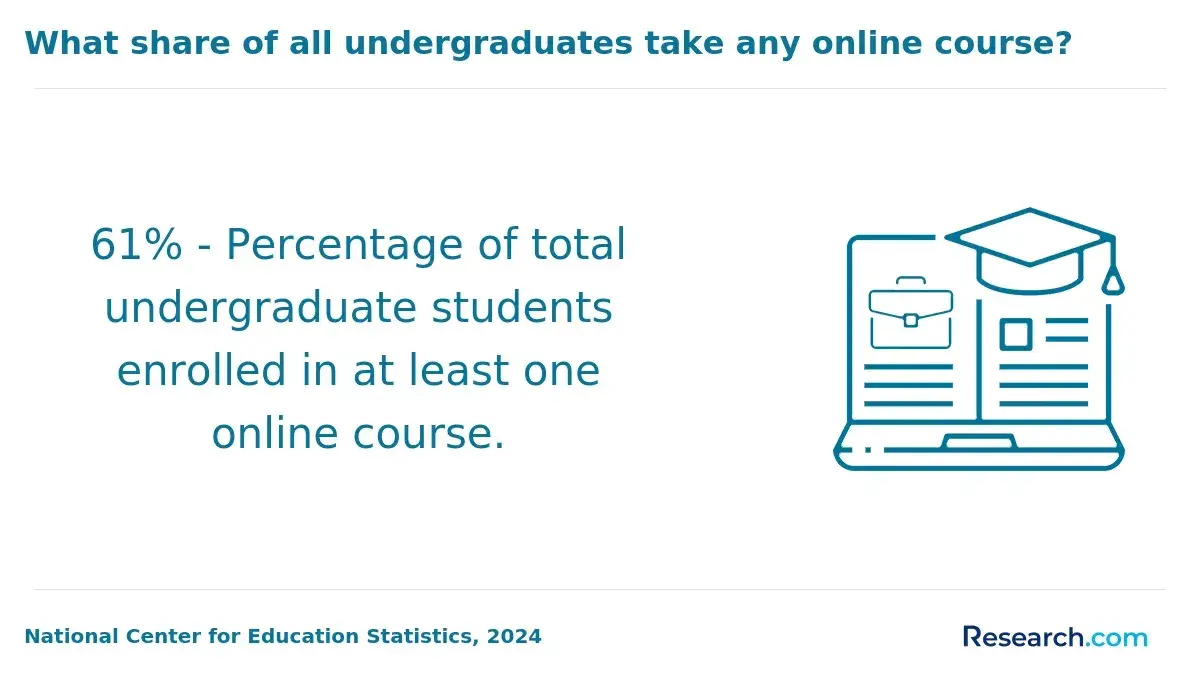
Because true one-year online sociology degrees are uncommon, the strongest reason to consider this path is not the label itself. The real value is speed with flexibility. Accelerated and degree-completion programs can help students use prior credits efficiently, finish remaining requirements, and apply sociological training sooner.
- Flexibility: Online sociology programs often allow students to complete coursework around work, caregiving, military service, or other responsibilities. Accelerated terms may also create more start dates and faster course rotation.
- Cost Efficiency: Finishing faster can reduce the time spent paying tuition and fees. For students with accepted transfer credit, a shorter path may also reduce the opportunity cost of delaying career advancement.
- Career Advancement: A sociology degree can support roles connected to social services, community development, public programs, nonprofit work, research support, advocacy, and policy analysis. It can also help professionals already working in human services or public-facing roles strengthen their understanding of social systems and inequality.
These programs are especially useful for transfer students, working adults, and non-traditional learners who already know they can handle independent online study. They may be less suitable for students who need extensive faculty interaction, campus-based networking, or a slower pace for writing-heavy coursework.
Students considering graduate study after sociology may also want to compare future options, including guides to the easiest online masters programs, while keeping in mind that ease should not be the only factor in choosing a degree.
What Are the Drawbacks of Pursuing One-Year Online Sociology Programs?
The main drawback of a one-year online sociology path is that the timeline can be more appealing than the experience. Sociology requires careful reading, critical writing, theory application, and research interpretation. Compressing that work into a short period can make the program harder, not easier.
- Intense Course Load: Accelerated formats require students to move quickly through sociological theory, research methods, social inequality, institutions, and applied analysis. There may be little room to recover from missed deadlines or weak early performance.
- Limited Networking: Online fast-track formats may reduce informal interaction with classmates, faculty, alumni, and local organizations. This can matter for students seeking internships, research opportunities, or nonprofit and public-sector connections.
- Challenging Balance: A compressed schedule can conflict with full-time work, caregiving, or volunteer experience. It may also leave less time for practical learning, portfolio development, or career exploration.
Students can reduce these risks by choosing a program with strong advising, predictable course schedules, writing support, library access, and career services. Before enrolling, build a weekly calendar that includes reading, discussion posts, papers, exams, and group work. If the schedule is not realistic on paper, it will be harder in practice.
A common mistake is assuming that online means self-paced. Many accelerated online courses still have fixed weekly deadlines. Confirm whether the program is asynchronous, synchronous, competency-based, or cohort-based before committing.
What Are the Eligibility Requirements for One-year Online Sociology Programs?
Eligibility for one-year or accelerated online sociology programs usually depends on transfer readiness. These programs are often built for students who already completed college-level coursework and need an efficient way to finish the remaining requirements.
Because fully online sociology degrees that can be completed in just one year are limited, applicants should review each school’s requirements rather than assuming all accelerated programs use the same standards. Admissions criteria may also differ between associate, bachelor’s completion, and graduate-level options.
- Prior College Credits: Most programs require completion of at least 60 transferable semester units from an accredited institution. This is common in degree-completion routes at institutions such as CSUB and SDSU.
- Professional Experience: Relevant work experience is not always required, but it may strengthen an application by showing interest in social sciences, public service, human services, community work, or related fields.
- Prerequisite Coursework: Some schools require introductory sociology, statistics, research-related coursework, or general education classes before students can begin upper-division major requirements.
- GPA and Academic Performance: A minimum GPA around 2.3 is usually required to meet admission standards for many online Sociology programs.
- Placement Exams and Interviews: These are less common but may be used by some institutions to evaluate writing, quantitative readiness, or suitability for accelerated study.
- Background Checks: These are typically not required for a sociology degree itself unless the program includes placements or prepares students for work with vulnerable groups, such as social work or counseling settings.
Applicants should request an official or preliminary transfer credit review before making a decision. Ask which credits count toward general education, which count toward the sociology major, and which count only as electives. A program may accept many credits overall but still require additional major coursework that extends the timeline.
Students thinking beyond the bachelor’s level can also explore what masters degrees pay the most to understand how graduate education may affect long-term career planning.
What Should I Look for in One-Year Online Sociology Degree Programs?
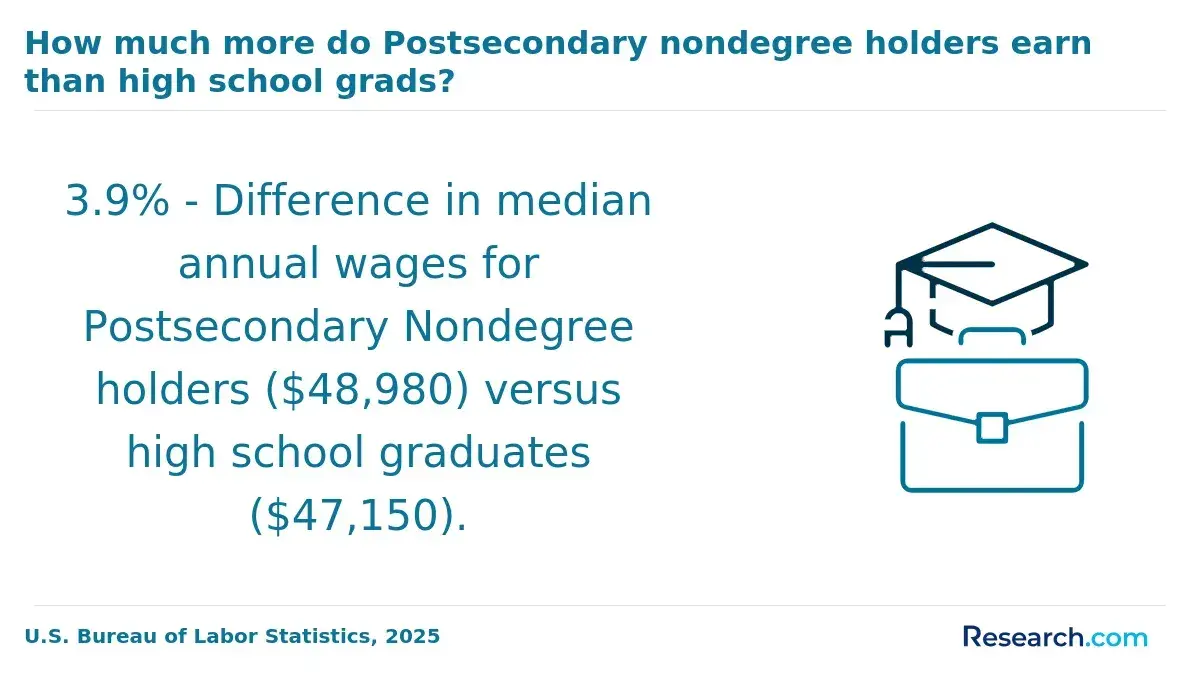
Since guaranteed 12-month online sociology degrees are rare, the better question is whether an accelerated program is credible, transferable, affordable, and realistic for your schedule. A fast program is not a good value if the credits do not apply, the school lacks proper accreditation, or the course sequence delays graduation.
Use the following criteria when comparing programs:
- Accreditation: Confirm that the institution is accredited by a recognized agency. Accreditation affects credit transfer, graduate school eligibility, financial aid access, and employer confidence.
- Faculty Expertise: Look for instructors with academic or applied experience in sociology, research methods, inequality, social institutions, public policy, criminology, population studies, or related areas.
- Curriculum Quality: A strong sociology curriculum should cover theory, research methods, data interpretation, social stratification, culture, institutions, and contemporary social issues. If you have a specific career goal, check whether electives align with it.
- Course Delivery Format: Determine whether courses are asynchronous, live online, self-paced, competency-based, or cohort-based. The best format depends on your schedule and learning style.
- Credit Transfer Policies: Ask how many previous credits can apply, whether there is a maximum transfer limit, and whether upper-division sociology requirements must be completed at the institution.
- Tuition Cost and Financial Aid: Compare total program cost, not only cost per credit. Include fees, books, technology charges, residency rules, and financial aid eligibility.
- Student Support Services: Prioritize programs with academic advising, online tutoring, library support, writing help, career counseling, technical support, and clear graduation planning.
Also ask practical questions before enrolling: Are all required courses offered online? Can you take enough courses each term to finish quickly? What happens if a course is full or offered only once per year? Does the school provide a written plan showing how your transfer credits apply?
Students seeking affordable accelerated options can compare resources such as the best affordable online college programs to balance cost, quality, and completion speed.
How Much Do One-Year Online Sociology Degree Programs Typically Cost?
One-year online Sociology degree programs in the U.S. are uncommon because most online Sociology bachelor’s degrees usually require around 120 credits spread over four years. However, some accelerated or degree-completion options allow students to finish in 12 to 18 months if they transfer prior credits.
Tuition for these fast-track programs typically falls between $13,440 and $41,040 for the entire curriculum. The final amount can vary significantly based on how many credits you need to complete, whether you qualify for in-state rates, and whether the school charges separate online or technology fees.
Key cost factors include:
- Residency status: In-state students often pay less per credit than out-of-state students at public institutions.
- Institution type: Public universities generally have lower tuition than private institutions, although pricing varies by school and program.
- Transfer credit acceptance: The more credits accepted toward your degree, the fewer credits you must pay to complete.
- Program pace: Faster completion can reduce the time spent enrolled, but heavy course loads may also affect your ability to work while studying.
- Additional costs: Books, course materials, graduation fees, transcript fees, and technology fees can increase the total cost beyond tuition.
Compared with a traditional four-year on-campus degree, a shortened online sociology pathway can reduce tuition exposure and lower indirect costs such as commuting or campus housing. The savings are most meaningful for students who enter with prior coursework that the school accepts toward the degree.
Before enrolling, request a cost estimate based on your actual transfer evaluation. A general tuition range is useful, but a personalized degree plan is the only way to know what you are likely to pay.
What Can I Expect From One-Year Online Sociology Degree Programs?
Students in accelerated online sociology programs should expect a demanding, reading- and writing-intensive experience. These programs are usually designed for learners who already have around 60 credits and want to complete upper-division or remaining degree requirements efficiently.
Coursework often focuses on sociological theory, research methods, social institutions, inequality, culture, social change, and contemporary social problems. Students may analyze academic texts, evaluate social data, write research papers, participate in online discussions, and complete projects that connect theory to real social issues.
The online format may provide flexibility, but flexibility does not mean less work. Accelerated courses move quickly, and students may need to manage multiple deadlines each week. Strong time management, reliable internet access, comfort with academic writing, and willingness to participate in online learning platforms are important.
Common expectations include:
- Frequent reading: Sociology courses often require academic articles, theory texts, case studies, and policy-related materials.
- Research assignments: Students may learn to frame research questions, interpret findings, and evaluate qualitative or quantitative evidence.
- Discussion-based learning: Online forums or live sessions may ask students to apply sociological concepts to current events and social issues.
- Independent study habits: Students must keep pace without the daily structure of a campus schedule.
- Career relevance: Assignments may build skills useful in community organizing, program support, research assistance, advocacy, and policy development.
Students comparing career pathways may also want to review labor-market alternatives, including top paying trade jobs, to understand how accelerated education choices compare across fields.
Are There Financial Aid Options for One-Year Online Sociology Degree Programs?
Students pursuing an accelerated or one-year online Sociology pathway may have access to financial aid, but eligibility depends on the school, enrollment status, program accreditation, and academic calendar. Because accelerated programs may use shorter terms, students should confirm how aid is awarded and disbursed before classes begin.
Common financial aid options include:
- Federal Financial Aid: Federal aid may include Pell Grants and student loans. Students generally begin by completing the Free Application for Federal Student Aid (FAFSA). Award amounts vary based on financial need and are typically disbursed according to the academic calendar.
- State Aid Programs: State grants and scholarships may require residency and may be based on financial need, merit, or support for underrepresented groups. Deadlines and eligibility rules vary by state.
- Institutional Scholarships: Colleges may offer merit-based or need-based awards for online students, transfer students, adult learners, or students in specific academic programs.
Students may also find support through employer tuition assistance, private scholarships, nonprofit grants, or professional organizations related to social services and community work. Employer benefits can be especially useful for working adults in accelerated programs, but reimbursement rules often require minimum grades or continued employment.
Before enrolling, ask the financial aid office these questions: Is the program eligible for federal aid? How many credits must I take to qualify? Are accelerated terms handled differently? Will transfer credits affect aid eligibility? Are there scholarship deadlines before admission?
Because fully accredited one-year online Sociology degree programs are limited, verifying both program availability and financial aid eligibility is essential.
What Sociology Graduates Say About Their Online Degree
- Paxton: "Pursuing a one-year online Sociology degree was a game-changer for me. The accelerated format allowed me to complete my studies quickly while gaining valuable insights into social behavior and research methods, which helped me secure a job in community outreach soon after graduation."
- Ameer: "The competency-based structure of the Sociology program really suited my learning style. I appreciated being able to progress at my own pace and focus on mastering key concepts without unnecessary delays. The average cost was surprisingly reasonable, making it an excellent investment in my future."
- Nathan: "Reflecting on my experience, the one-year online Sociology degree offered a perfect balance between rigor and flexibility. The curriculum was comprehensive, and finishing it in such a short time gave me confidence and practical knowledge to enhance my career in social research."
Other Things You Should Know About Pursuing One-Year Sociology Degrees
Accreditation ensures that a one-year online Sociology program meets recognized educational standards, which is crucial for graduate employability. Program reputation influences a degree’s credibility among employers, impacting job prospects and further academic opportunities. Ensure the program has proper accreditation and a positive reputation to enhance post-degree success.
Accreditation ensures that a program meets quality educational standards, which is crucial for the degree to be recognized by employers and other institutions. Program reputation reflects the perceived value of the education received and can influence job prospects and further academic opportunities. In 2027, both accreditation and reputation are key for selecting a viable one-year online Sociology degree.
Graduates can leverage a one-year online Sociology degree for career advancement in 2027 by focusing on building relevant skills such as analytical thinking, effective communication, and data analysis. It's important to network, seek mentorship, and consider certifications or internships to enhance real-world experience and expand job opportunities.
References
- 5 Pros and Cons for Studying a Distance Learning Degree in 2025 | Distancelearningportal https://www.distancelearningportal.com/articles/174/why-study-distance-learning-degree.html
- Major in Sociology (Bachelor’s) https://online.ucdenver.edu/programs/undergraduate/online-major-sociology-bachelors
- Bachelor of Science in Sociology - Online University West Alabama https://online.uwa.edu/online-degrees/bs-sociology/
- Guide To Online Sociology Degree | All Bachelor Degrees https://allbachelordegrees.com/degrees/liberal-arts-humanities/sociology/is-an-online-sociology-degree-the-same-as-going-to-a-college/
- 20 Great Value Online Colleges for a Sociology Degree (Bachelor’s) https://www.greatvaluecolleges.net/online-colleges-sociology-bachelors/
- Online Sociology Major - Crucial Skills for a Diverse Global Society https://www.msudenver.edu/online/sociology-ba/
- Is an online degree right for you? Pros and cons to consider https://arden.ac.uk/knowledge-base/learning-styles/distance-learning/online-learning-pros-cons
- Bachelor of Arts in Sociology | VWU Online https://online.vwu.edu/undergraduate/bachelor-of-arts-sociology.php
- 2025 Most Affordable Online Sociology Degrees https://www.onlineu.com/most-affordable-colleges/sociology-degrees