2027 Entry-Level Jobs With an Industrial Engineering Degree

Co-Founder and Chief Data Scientist
What job opportunities exist for graduates holding an Industrial Engineering degree entering a competitive market? With industries increasingly seeking efficiency experts, entry-level careers now span manufacturing, healthcare, logistics, and consulting. About 15% of industrial engineering graduates secure positions within six months, reflecting steady demand despite economic fluctuations. Typical beginner roles include process analyst, quality control engineer, and production planner, emphasizing critical thinking and data-driven decision-making.
Understanding which entry-level jobs align with an Industrial Engineering degree helps graduates target their applications and tailor their skills. This article explores accessible beginner roles and clarifies what recent graduates can expect when launching their careers.
Key Benefits of Entry-Level Jobs With an Industrial Engineering Degree
- Entry-level jobs in industrial engineering provide hands-on experience with industry tools and processes, essential for skill development and applying academic knowledge in real-world settings.
- These roles often serve as stepping stones, offering clear pathways for career advancement and fostering long-term professional growth within engineering sectors.
- Early career positions enable graduates to build valuable professional networks and enhance resumes, increasing employability and access to diverse opportunities over time.
What entry-level jobs can you get with an industrial engineering degree?
About 62% of engineering graduates land jobs related to their field within six months, reflecting steady demand for entry-level industrial engineering jobs in the United States. These initial roles provide the groundwork for developing skills crucial to long-term career success.
Below are some common beginner-level positions that industrial engineering graduates often pursue.
- Process Engineer: Process engineers evaluate manufacturing workflows to spot inefficiencies and implement improvements. This role involves data collection, time studies, and collaboration with production teams, building essential problem-solving abilities and operational system knowledge.
- Quality Engineer: Focused on maintaining product and service standards, quality engineers perform inspections, root cause analyses, and develop quality control plans. This position sharpens attention to detail and applies statistical methods critical in industrial environments.
- Supply Chain Analyst: These analysts oversee logistics, inventory, and supplier performance, using data analysis to optimize supply chain efficiency. This role offers insight into the flow of goods and materials, strengthening understanding of production networks.
- Manufacturing Engineer: Working directly with production equipment and workflows, manufacturing engineers help implement new technologies and optimize plant layouts. This hands-on experience develops a practical approach to engineering solutions for ongoing career growth.
- Operations Analyst: Operations analysts study organizational processes to enhance efficiency. They collect data, generate reports, and recommend improvements, cultivating strategic thinking and influencing business outcomes.
These positions utilize the technical training from an industrial engineering degree while also fostering analytical, communication, and project management skills vital for varied career paths. For graduates considering further advancement, exploring one year doctoral programs can also be a valuable option.
Which industries hire the most industrial engineering graduates?
Graduates with an industrial engineering degree find opportunities across several key industries due to their versatile skills in process optimization and system management. According to the Institute of Industrial & Systems Engineers, nearly 28% of these graduates begin their careers in manufacturing, making it the largest employer.
Below are the primary industries that actively hire industrial engineering graduates.
- Manufacturing: This sector uses industrial engineers to improve production workflows, reduce waste, and maintain quality control. Entry-level roles such as process engineer, quality analyst, and production planner allow graduates to apply skills in resource management and system optimization.
- Logistics and Supply Chain: Industrial engineers help streamline distribution, manage inventory, and enhance delivery efficiency. Positions like supply chain analyst and logistics coordinator provide hands-on experience with managing complex networks of goods and materials.
- Healthcare: The growing demand for efficiency in healthcare facilities brings industrial engineers into roles that improve patient flow, equipment management, and overall operational processes. Entry jobs include healthcare process analyst and operations analyst.
- Consulting: Consulting firms seek industrial engineers for their analytical abilities to solve diverse operational issues. Early career roles such as business analyst or operations consultant offer exposure to multiple industries and problem-solving challenges.
When speaking with an industrial engineering degree graduate about which industries hire the most graduates, he highlighted how challenging it can be to choose among sectors that value different aspects of their training. He shared, "I was drawn to manufacturing at first because of the tangible impact on production, but working in consulting showed me how versatile my skills are.
The transition required patience, especially adapting to varying industry demands." His reflections emphasize the breadth of opportunities and the adaptability industrial engineering graduates bring to the workforce.
Which entry-level industrial engineering jobs pay the highest salaries?
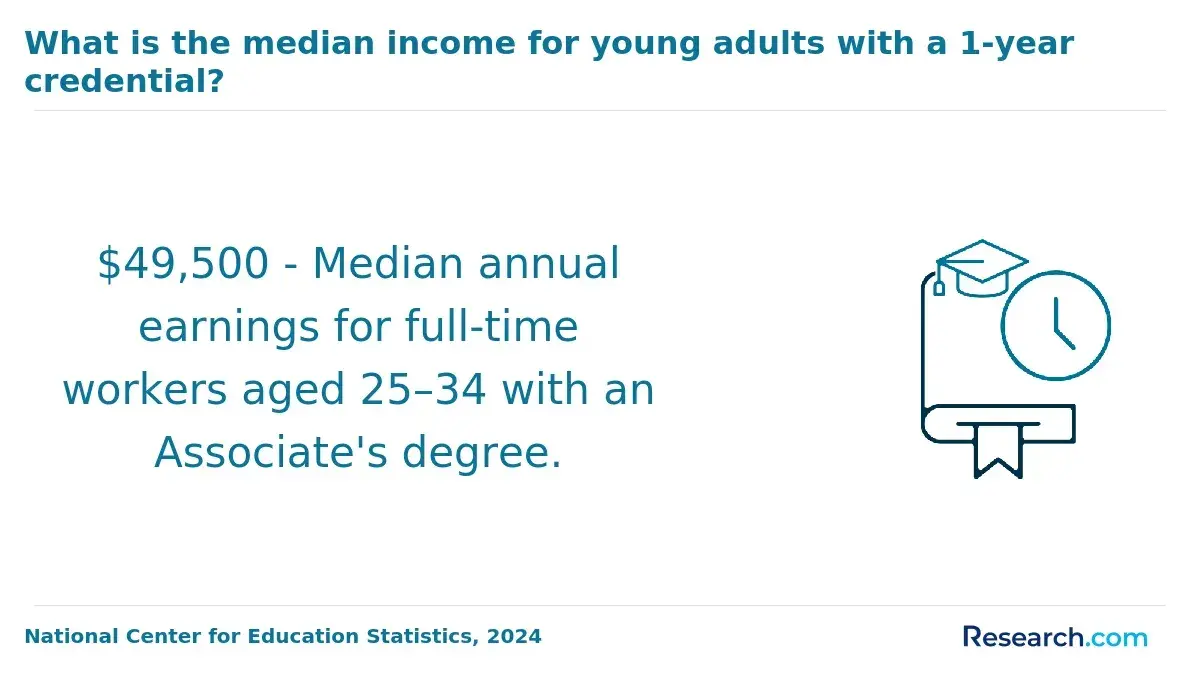
Salary levels for entry-level industrial engineering positions vary widely, influenced by the technical demands and strategic value of each role. Certain jobs command higher starting wages due to their direct impact on efficiency, cost savings, and quality within organizations.
Below are some of the top-paying entry-level opportunities for recent graduates.
- Process Engineer: Focused on designing and refining manufacturing workflows, process engineers aim to boost productivity and minimize expenses. Entry-level salaries typically range from $65,000 to $80,000, reflecting the importance of their role in maintaining operational excellence and production quality.
- Supply Chain Analyst: These analysts work on optimizing supply routes and inventory management, ensuring seamless movement of materials. Starting pay usually falls between $60,000 and $75,000, tied to their vital role in enhancing profitability through improved logistics.
- Quality Engineer: Responsible for upholding product standards and reducing defects, quality engineers are essential for regulatory compliance and customer satisfaction. Their salaries often start around $60,000 and can reach $73,000, emphasizing the premium placed on quality assurance.
- Manufacturing Engineer: Charged with advancing manufacturing methods and integrating new technologies, these engineers support cost reduction and competitive production. Entry wages typically range from $62,000 to $78,000 due to their critical contributions to manufacturing efficiency.
- Operations Analyst: Evaluating internal processes and resource use, operations analysts help optimize workflows and organizational performance. Beginning salaries are generally between $58,000 and $72,000, driven by their ability to identify cost-saving improvements.
What skills do employers look for in entry-level industrial engineering graduates?
Employers assessing entry-level industrial engineering graduates focus on skills that extend beyond academic achievements. Many hiring managers note a deficiency in critical thinking, which 72% of employers cite as a key shortfall among new graduates. This gap underscores the need for well-rounded candidates prepared to tackle real-world challenges.
The following key qualifications for new industrial engineering graduates illustrate what employers prioritize.
- Analytical Thinking: This skill is fundamental for recognizing process inefficiencies and optimizing operational workflows. Entry-level engineers use data analysis and system evaluation to propose improvements that enhance productivity.
- Technical Proficiency: Competence with statistical tools, simulation software, and basic programming enables graduates to model complex systems and derive actionable insights, supporting effective decision-making.
- Communication Skills: Clear and concise communication-both written and oral-is vital for translating technical findings to stakeholders who may lack engineering backgrounds, facilitating teamwork and project alignment.
- Teamwork and Collaboration: Industrial engineers frequently participate in multidisciplinary teams, requiring the ability to engage with colleagues, share ideas, and integrate diverse perspectives for successful project delivery.
- Attention to Detail: Precision in data handling, documentation, and quality assurance prevents costly errors and supports consistent outcomes, critical in manufacturing and service processes.
Employers gauge these skills through behavioral interviews and practical assessments rather than just academic records. Demonstrating relevant experience gained from projects or internships further enhances candidate appeal for entry-level industrial engineering positions. For those seeking efficient pathways into these roles, exploring 2 year bachelor degree programs can provide a competitive advantage.
Do employers hire industrial engineering graduates with no internships?
Employers often favor industrial engineering graduates who have completed internships, as such experiences provide practical skills and evidence of industry readiness. Research shows that about 60% of graduates with internship experience secure at least one job offer before finishing their degrees, while those lacking internships tend to have lower early employment rates.
Despite this advantage, internship experience is not the sole factor employers consider when hiring entry-level candidates. Many also evaluate academic performance, relevant coursework, and personal attributes.
Graduates without formal internships can still attract employer interest by showcasing strong academic achievements and applicable project work. Highlighting skills like data analysis, teamwork, and problem-solving can demonstrate readiness for industry roles.
Hiring outcomes often depend on the employer's priorities and the specific role's requirements, meaning some companies may weigh internship experience heavily, while others focus more on a candidate's overall potential and versatility.
What certifications help entry-level industrial engineering graduates get hired?
Certifications provide a valuable complement to an industrial engineering degree by showcasing specialized expertise and boosting the credibility of job candidates. Studies indicate that graduates with relevant certifications are about 23% more likely to secure engineering positions early in their careers.
The following certifications are especially effective in enhancing entry-level opportunities.
- Lean Six Sigma Green Belt: This credential confirms competence in process improvement and analytical problem-solving, skills that employers seek to increase operational efficiency. It offers practical techniques that early-career engineers can apply to optimize workflows and maintain quality standards.
- Certified Manufacturing Engineer (CMfgE): Awarded by the Society of Manufacturing Engineers, this certification demonstrates proficiency in manufacturing processes and industrial systems, preparing graduates for roles that involve production line enhancement and process innovation.
- Project Management Professional (PMP) - Associate Level: Although the full PMP is geared toward experienced professionals, the associate or CAPM level certifies foundational project management abilities. This helps new industrial engineers contribute effectively in coordinating projects and meeting deadlines.
- American Society for Quality (ASQ) Certifications: These include the Certified Quality Improvement Associate, which signals knowledge of quality control principles critical to maintaining product and process excellence in industrial settings.
- Autodesk Certified Professional: This validates skills in computer-aided design (CAD), essential for designing components, models, and systems, making it a practical asset for entry-level engineers engaged in technical design tasks.
When I spoke with a professional holding an industrial engineering degree, she reflected on the hiring advantages these certifications provided. "Navigating entry-level roles was challenging because I needed concrete proof beyond my degree," she explained. Earning the Lean Six Sigma Green Belt helped her demonstrate measurable skills that resonated with recruiters.
She shared that the certification process itself deepened her understanding of improving processes, which gave her confidence in interviews and early job assignments. "It wasn't just about adding a line on my resume - the knowledge I gained made me feel ready to contribute from day one," she recalled, highlighting how these credentials created tangible openings in a competitive job market.
How can students prepare for entry-level industrial engineering jobs while in college?
Starting career preparation early greatly enhances the employability of industrial engineering graduates. Research indicates that over 90% of employers prefer candidates who are work-ready upon graduation. Developing a well-rounded skill set before entering the job market is essential.
Here are practical ways students can build career readiness while still in college.
- Build Practical Experience: Engage in academic projects, research, or engineering competitions that apply classroom concepts to real-world problems. These activities enhance problem-solving skills vital for entry-level industrial engineering roles.
- Develop Technical Skills: Gain proficiency in software like MATLAB, AutoCAD, and simulation tools frequently used in industrial engineering. Mastery of these tools improves technical competence and attractiveness to employers.
- Enhance Soft Skills: Focus on communication, teamwork, and adaptability by participating in group projects and taking leadership roles in student organizations. These interpersonal skills are highly valued in professional settings.
- Utilize Campus Resources: Take advantage of career services and faculty advisors for tailored guidance, resume workshops, and interview preparation. Networking events organized on campus also connect students with industry professionals.
- Maintain Academic Excellence: Prioritize strong performance in core industrial engineering courses to build a solid foundation of technical knowledge. This academic rigor supports both retention and application of critical concepts in the workplace.
How competitive is the entry-level job market for industrial engineering graduates?
The entry-level job market for industrial engineering graduates in the US is competitive, reflecting steady demand alongside a large pool of candidates. According to the National Association of Colleges and Employers (NACE), approximately 65% of industrial engineering graduates secure positions within six months after graduation.
This statistic highlights a moderately favorable hiring climate but also indicates that nearly one-third of graduates face extended job searches. The balance between demand and supply shapes the challenges new graduates encounter.
Several factors contribute to the competitiveness of entry-level industrial engineering job market trends and demand. The number of applicants often surpasses available roles due to the degree's versatility across manufacturing, healthcare, and logistics sectors.
Employers expect more than a foundation in engineering principles; they also seek candidates skilled in data analysis, process improvement, and collaboration. Moreover, competitiveness varies by sector, with roles involving advanced technologies or automation attracting more qualified candidates, while traditional manufacturing positions tend to be less crowded.
For industrial engineering graduates aiming to stand out, gaining specialized skills and relevant experience is essential. Many enhance their resumes with practical projects to align with employer expectations. To explore educational options that could improve marketability in this field, prospective students can consider online accredited colleges offering flexible programs tailored to industry needs.
What remote entry-level jobs can you get with an industrial engineering degree?
Remote work opportunities for entry-level professionals with an industrial engineering degree have grown rapidly. A 2023 report from the U.S. Bureau of Labor Statistics showed that remote job openings for early-career engineering roles increased by over 40% between 2020 and 2023. This trend opens new pathways for industrial engineering graduates to gain experience in flexible and digital work environments.
Below are common remote-friendly entry-level jobs suitable for those with this degree.
- Process Analyst: Entry-level engineers in this role analyze workflow data remotely to find inefficiencies and recommend improvements. They review production metrics and collaborate virtually with on-site teams, cultivating skills in process optimization essential for early career growth.
- Supply Chain Coordinator: This position involves managing logistics data, tracking shipments, and optimizing supply chain functions from a remote setting. It offers hands-on experience with inventory management systems and cross-functional communication through digital platforms.
- Quality Assurance Specialist: Remote QA specialists monitor product standards and analyze quality data, working closely with production and engineering teams through remote tools. This helps maintain compliance and supports continuous improvement in manufacturing processes.
- Operations Analyst: These professionals model business scenarios and perform cost-benefit analyses using remote data access to enhance operational efficiency. The role strengthens problem-solving abilities relevant to manufacturing and service sectors.
These roles nurture strong analytical and communication skills while leveraging remote technologies, making them ideal for entry-level remote jobs for industrial engineering graduates. Those seeking further educational advancement might explore accelerated marriage and family therapy programs as an alternative career pathway.
How quickly can industrial engineering graduates get promoted?
Promotion speed for entry-level industrial engineering graduates depends on factors such as individual performance, experience, and employer structure. Many professionals in this field receive their first promotion within two to four years. Studies show that about 40% of engineering graduates achieve promotion during the initial three years, signaling early career growth tied to mastering core skills and contributing effectively to projects. This industrial engineering graduate promotion timeline highlights typical progression expectations.
Advancement rates often hinge on skill development, consistent workplace achievement, and the complexity of assigned roles. Those who quickly develop technical and analytical abilities tend to be ready for higher responsibilities sooner.
Performance that meets or surpasses objectives favors quicker promotions, while roles demanding broader impact may require proven competence before advancement occurs. Since promotion speed varies widely by company size and job function, graduates should assess their individual progress alongside their employer's culture.
Prospective students considering options might explore colleges that don't care about GPA to align education pathways with career goals in industrial engineering. Understanding the average time for promotion in industrial engineering careers helps set realistic expectations for career growth.
What Graduates Say About Entry-Level Jobs With an Industrial Engineering Degree
- Ronin: "Starting my career as a new graduate in industrial engineering, I quickly realized that seeking out hybrid roles gave me the flexibility to balance hands-on experience with remote collaboration. When applying for those positions, I prioritized companies that valued continuous learning and offered clear mentorship programs. These initial experiences have already been critical in shaping my growth trajectory in this competitive field."
- Peter: "Reflecting on my entry-level job search, it became clear that company culture and the potential for meaningful impact were more important than just salary or location. My first role onsite allowed me to closely observe production processes and contribute to efficiency improvements, which proved incredibly rewarding. I believe early exposure to real-world challenges helped establish a strong foundation for my career advancement in industrial engineering."
- Jordan: "Applying for entry-level industrial engineering roles taught me that flexibility in work environment-whether remote, hybrid, or onsite-should align with a company's innovation focus. I emphasized opportunities that allowed me to engage with cross-functional teams and develop problem-solving skills. This strategic approach has positioned me well for leadership roles as I gain experience in the field."
Other Things You Should Know About Industrial Engineering Degrees
While prior work experience such as internships or cooperative education can enhance a candidate's profile, it is not always mandatory. Many employers hire graduates based on their academic training, problem-solving skills, and willingness to learn, providing on-the-job training to develop practical expertise.
Proficiency with software tools like Excel, MATLAB, AutoCAD, or simulation programs is often crucial. Employers expect candidates to have at least foundational skills in relevant software since these tools aid in data analysis, process modeling, and design tasks essential to industrial engineering work.
Yes, entry-level positions in industrial engineering in 2027 are typically full-time roles. Most companies hiring industrial engineering graduates seek full-time employees to handle responsibilities that require consistent oversight and commitment, such as process optimization, quality assurance, and systems management.
References
- Graduating senior mechanical engineering (No internships, am i doomed?) https://talk.collegeconfidential.com/t/graduating-senior-mechanical-engineering-no-internships-am-i-doomed/1058634
- Artwork of a gum leaf symbolising ‘welcome’ and acknowledging diverse countries, environments, communities, cultures, beliefs, and history. https://www.seek.com.au/entry-level-industrial-engineer-jobs
- What a Common Career Path and Salary Expectations Look Like for an Industrial Engineer - Blackstone Talent Group https://www.bstonetalent.com/2021/09/17/what-a-common-career-path-and-salary-expectations-look-like-for-an-industrial-engineer/
- Breaking Into Engineering: First Job Tips | Intuitive https://careers.intuitive.com/en/employee-stories/career-growth-advice/breaking-into-engineering-tips-for-landing-your-first-job/
- Industrial Engineer Career Path Guide https://aiapply.co/careers/industrial-engineer
- What Can You Do With an Industrial Engineering Degree? https://willamette.edu/academics/college/industrial-engineering/career-options
- Top entry level jobs for Industrial Engineering graduates | GulfTalent.com https://www.gulftalent.com/resources/top-entry-jobs-after-graduation/16/industrial-engineering
- 7 Things Employers Look For In Engineering Graduates - 2022 https://www.nolanrecruitment.com/employers-look-for-in-engineering-graduates/
- How to Get an Engineering Job Without Experience – NESC Staffing https://nesc.com/engineering-job-without-experience/
- TOP Certifications for Engineers Seeking Job Overseas https://engineernow.org/post/top-certifications-for-engineers-seeking/57