2027 Fastest Online Logistics Bachelor's Degree Programs You Can Finish in 3 Years or Less

Co-Founder and Chief Data Scientist
Many students and working professionals face the challenge of balancing career advancement with education, especially in fields like logistics where timely skill acquisition is critical. Traditional degree programs often take four years or more, delaying entry into higher-paying roles.
However, 57% of employers now prioritize candidates with accelerated or competency-based degrees, reflecting the growing acceptance of fast-track online logistics bachelor's programs. These programs offer an efficient pathway without compromising accreditation or quality. This article will guide readers through the fastest online logistics bachelor's degree programs, focusing on admissions, credit transfers, affordability, and career impact to support informed decisions.
Key Benefits of the Fastest Online Logistics Bachelor's Degree Programs
- These programs offer flexible schedules tailored for working professionals balancing careers, family, and studies, enabling degree completion without disrupting daily responsibilities.
- Accelerated coursework allows students to acquire essential logistics skills rapidly, often through competency-based models that recognize prior knowledge and experience.
- Students gain access to global industry networks and virtual internships, enhancing career opportunities and real-world connections in a competitive international marketplace.
What Are the Fastest Online Logistics Bachelor's Degree Programs You Can Complete in 3 Years or Less?
"Fastest" online logistics bachelor's degree programs prioritize expedited completion by offering compressed course terms, year-round enrollment, and competency-based learning options. These elements enable students to finish their degrees within 36 months or fewer, often by maximizing prior learning credits and maintaining continuous course loads without compromising accreditation or educational quality.
Several accredited programs verify the feasibility of completing an online logistics bachelor's degree in three years or less for motivated students.
- Arizona State University - Online Bachelor of Science in Supply Chain Management: This program offers accelerated 7.5-week courses year-round, enabling completion in 2.5 to 3 years. It requires approximately 120 credit hours, with tuition around $510 per credit hour.
- Southern New Hampshire University - Online Bachelor's in Supply Chain Management: Featuring a competency-based, self-paced model, students can graduate in under three years depending on transfer credits. The program requires 120 credits at $320 per credit hour.
- Western Governors University - Bachelor of Science in Logistics Management: A fully competency-based program charging a flat $3,750 per six-month term. Students progress by demonstrating mastery rather than seat time, often graduating within 2 to 3 years.
- Florida International University - Online Bachelor's in Supply Chain Management: Utilizing continuous enrollment with 8-week sessions, motivated students can complete 120 credits within 3 years. In-state tuition is about $209 per credit hour online.
- Granite State College - Bachelor of Science in Supply Chain Management: This accelerated program features rolling admissions and transfer credit options, with typical tuition of $320 per credit. It is designed for completion in under three years.
Speed-to-completion depends on factors such as credit load per term, course availability year-round, and the flexibility of self-paced or competency-based learning. Transfer credits from prior study or professional certifications can significantly shorten the timeline.
Prospective students should weigh these variables carefully while selecting from the fastest online logistics bachelor degree programs matching their goals and budgets. For those interested in broader options for accelerated study, exploring choices among easiest masters degrees may also offer pathways to quickly advancing careers.
How Does an Accelerated Online Logistics Bachelor's Degree Save You Money Compared to a Traditional 4-Year Program?
Choosing an accelerated online logistics bachelor's degree can generate significant cost savings compared to a traditional four-year program. Data from the National Center for Education Statistics (NCES) shows that average annual tuition and fees at public institutions are around $10,000 for in-state students.
Completing the degree in three years allows students to pay for one fewer year of tuition and avoid extra course fees, technology charges, and other incidental expenses that typically accumulate each semester.
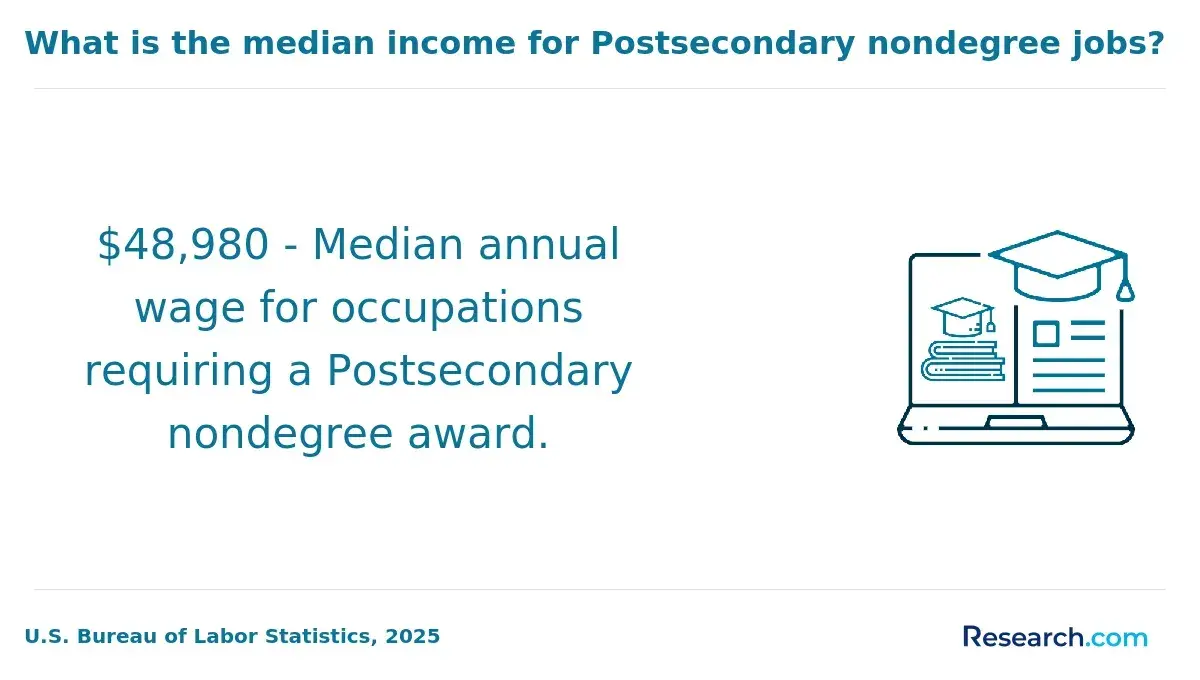
Accelerated programs generally require six semesters instead of eight, reducing per-semester fees such as lab costs, online platform access, and materials, cutting these by an estimated $2,000 to $4,000. Importantly, the financial benefits extend beyond direct costs. According to the U.S. Bureau of Labor Statistics (BLS), bachelor's degree holders earn a median weekly salary of nearly $1,250, roughly $65,000 annually.
Graduating a full year earlier means entering the workforce sooner, offsetting education expenses and improving lifetime earnings potential.
Here's a brief comparison of estimated total costs for an online logistics bachelor's degree:
- Tuition and Fees: 3-Year Program $30,000 vs. 4-Year Program $40,000
- Technology & Course Fees: 3-Year Program $3,000 vs. 4-Year Program $4,500
- Foregone Earnings: 3-Year Program $130,000 vs. 4-Year Program $195,000
- Total Estimated Cost: 3-Year Program $163,000 vs. 4-Year Program $239,500
- Lower Direct Tuition: Accelerated programs reduce tuition payments and semester-specific fees by shortening the number of semesters.
- Reduced Incidentals: Fewer semesters mean less spending on course materials, technology fees, and miscellaneous costs, which add up over time.
- Earlier Workforce Entry: Graduating one year sooner allows students to start earning a bachelor's-level salary earlier, positively impacting their financial trajectory.
- Opportunity Cost Savings: Spending less time out of the labor market avoids significant income loss linked to extended education.
- Efficient Credit Use: Many accelerated programs accept prior credits or use competency-based education formats, helping students finish faster without sacrificing degree quality.
For students weighing options, understanding these accelerated pathways can clarify the financial benefits of fast-track logistics degree programs. Those with existing credits or work experience especially benefit from these streamlined formats.
Exploring one of the best degrees in the world can maximize both educational value and return on investment.
2026 Update: Scheduling Formats That Can Affect Your Graduation Timeline
For this 2026 refresh, we reviewed how online logistics programs structure course timing, term lengths, and enrollment options because these details can make a major difference in whether students realistically finish in three years or less.
- Whether courses run in short accelerated terms or standard semester blocks
- If logistics major courses are offered every term or only once per year
- Whether students can take back-to-back sessions without long breaks
- Limits on how many credits students may take per term
- Availability of evening, weekend, or asynchronous coursework for working adults
- Timing requirements for capstones, internships, or final projects
- How quickly academic advising approves course plans and registration changes
Checking the schedule before enrolling helps students avoid hidden delays and choose a logistics program that fits both their target graduation date and weekly availability.
Which Accredited Online Colleges Offer the Cheapest Logistics Bachelor's Degrees That Can Be Completed in Under 3 Years?
Choosing an accredited online college for a bachelor's degree in logistics that combines affordability with a timeline of under three years requires careful consideration. Regional accreditation ensures programs meet rigorous academic standards, making credits transferable and degrees respected by employers.
Programmatic accreditation focuses on industry relevance but may not have the same broad recognition. Both factors influence credit transfer and employment prospects.
- Western Governors University: Utilizes a competency-based format with a flat tuition rate near $3,370 per term, allowing self-paced completion often under three years. The institution holds regional accreditation from the NWCCU, supporting wide acceptance.
- Columbia Southern University: Charges around $320 per credit hour with a total estimated cost of $38,400. This accelerated program, regionally accredited by the DEAC, enables students to finish close to a three-year timeframe.
- Troy University: Offers an online bachelor's in logistics and supply chain management at about $320 per credit hour, totaling roughly $38,400. The SACSCOC regional accreditation underpins its credibility, with degree completion achievable in three years, especially with transfer credits.
- Liberty University: Priced at $390 per credit hour and a total of $46,800, Liberty delivers an accelerated online supply chain management degree. It carries regional accreditation by the SACSCOC and provides flexible term options to expedite graduation.
- Fort Hays State University: With a per-credit cost of $218.67 and an overall price near $26,240, Fort Hays State offers an accelerated logistics management degree. Regional accreditation through the Higher Learning Commission allows credit transfer and supports completion in about three years.
A professional who enrolled in one of the fastest online logistics bachelor's degree programs shared, "Balancing work, family, and coursework was challenging, but the self-paced nature really helped me stay on track. I appreciated that my previous credits transferred smoothly, which shortened my timeline."
He noted the importance of choosing a program with flexible terms and recognized accreditation, saying, "Knowing employers respect the degree made those long nights worth it." His experience highlights how accelerated, affordable programs can open doors for career changers striving for rapid advancement.
What Admissions Requirements Must You Meet for a Fast-Track Online Logistics Bachelor's Program?
Admissions standards for fast track admissions requirements for online logistics bachelor's programs vary widely. Traditional universities often require a minimum cumulative GPA of about 2.5 to 3.0 on a 4.0 scale, alongside transcripts that verify prerequisite coursework in areas such as math, business, or supply chain fundamentals.
Some programs still ask for standardized test scores, but many accelerated options have relaxed this, focusing on academic history and professional experience instead.
Open-enrollment or competency-based programs may reduce barriers, sometimes waiving GPA minimums and prioritizing work history or prior college credits. Work experience in logistics or related fields can greatly enhance an application and may be accepted in place of traditional academic credentials.
Applicants might also need to submit portfolios or personal statements detailing their career goals and relevant experience.
Recommendations vary by program, but securing strong letters from employers or academic mentors often strengthens candidacy for competitive accelerated logistics degrees. Some programs impose discipline-specific criteria such as background checks or certifications like the Certified Supply Chain Professional (CSCP) to meet industry standards or regulatory requirements.
Understanding transfer credit policies for accelerated online logistics bachelor's degrees can help students leverage prior coursework to reduce time and cost. To boost acceptance chances, complete required courses early and gather compelling letters of recommendation.
For those interested in related advanced education options, exploring the best masters in data science online can offer valuable career pathways.
How Many Credit Hours Are Required to Finish an Online Logistics Bachelor's Degree in 3 Years or Less?
Most U.S. bachelor's degree programs require about 120 credit hours, and completing a logistics degree online within three years means spreading these credits evenly across fall, spring, and summer terms. Students typically aim for around 40 credits per year, translating to 13 or 14 credits per semester to maintain a consistent workload without burnout.
Accelerating graduation becomes feasible by applying transfer credits from previous colleges, military service, or CLEP and prior learning assessments (PLA). These options allow students to bypass foundational courses, focusing on advanced logistics subjects more quickly.
Competency-based education programs offer additional flexibility by awarding credit based on demonstrated mastery, not seat time, enabling learners to progress at their own pace and potentially graduate sooner.
A practical three-year plan might involve taking 14 credits in the fall, 13 in the spring, and 13 in the summer each year. This steady distribution balances intensity and offers room for personal and work responsibilities, adjusting easily with transfer credits or accelerated assessments.
- Credit Hour Requirements: Bachelor's degrees generally require 120 credits; finishing in three years requires an average of 40 credits yearly across all semesters.
- Transfer and Prior Learning Credits: Utilizing credits from other institutions, military training, CLEP exams, and PLA reduces remaining credit requirements, shortening the time to degree.
- Competency-Based Approach: Some programs let students earn credit through skill mastery instead of fixed courses, speeding up graduation.
- Sample Course Plan: A balanced load of 14 credits in fall, 13 in spring, and 13 in summer creates manageable pacing for completion in three years.
- Recent Enrollment Trend: Nearly half of online students attend part-time, highlighting the demand for flexible and accelerated degree options.
A professional who completed her online logistics bachelor's degree shared that managing the accelerated credit load was challenging but rewarding. "Juggling work and family commitments while maintaining 13 to 14 credits each term required careful planning," she explained.
However, leveraging transfer credits and taking summer classes made the fast-track timeline achievable. She noted that the option to demonstrate prior knowledge through exams and assessments saved her significant time.
Her experience reinforced that, while rigorous, an accelerated program can fit into a busy life without sacrificing educational quality or career goals.
Can You Transfer Credits to Finish Your Online Logistics Bachelor's Degree Faster - and How Does It Work?
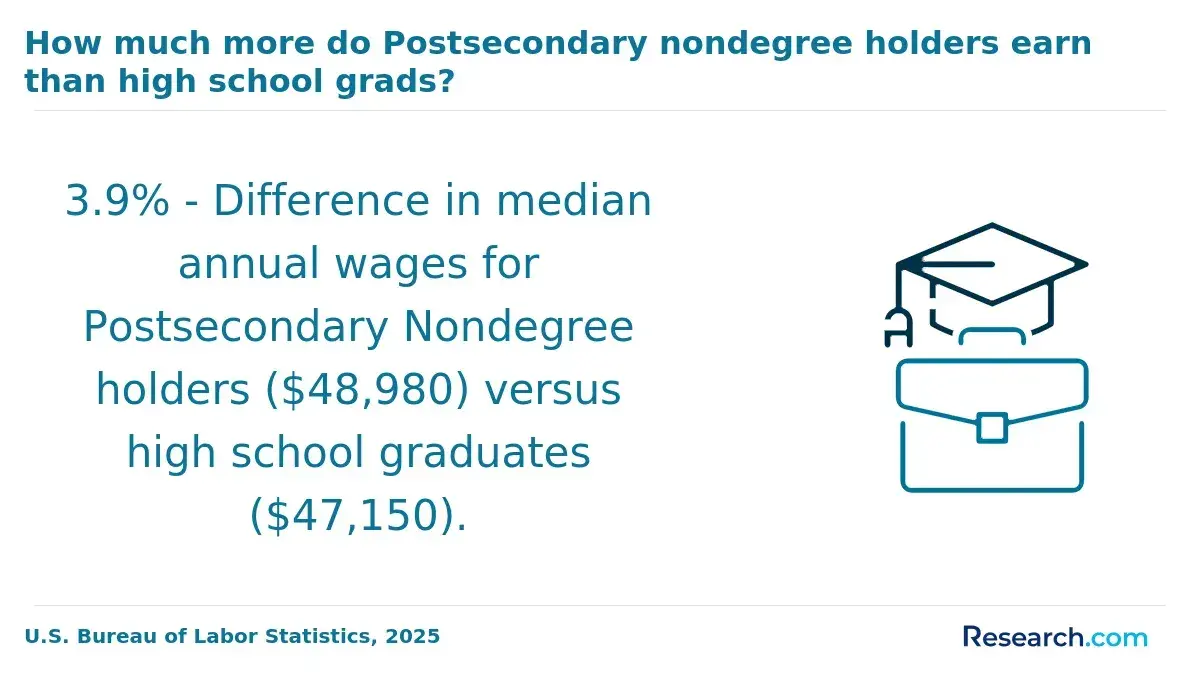
Many online logistics bachelor's programs enable students to transfer previously earned credits, which can speed up degree completion significantly. Institutions usually require official transcripts and detailed course descriptions or syllabi to determine if prior coursework aligns with their curriculum.
Transfer credits typically come from accredited colleges and primarily cover general education and major-specific classes. CLEP exam credits are awarded based on subject mastery and often replace introductory courses, while AP credits from high school may satisfy basic college requirements depending on scores and school policies.
Some programs also accept prior learning assessments (PLAs), giving credit for relevant work experience or military training.
Schools like Western Governors University and Southern New Hampshire University stand out with transfer policies that accept up to 90 credits. This flexibility allows many students with prior college experience to finish a logistics bachelor's degree in three years or less.
However, students should beware of credit loss: research indicates that transfer students lose an average of 13 semester credit hours due to unmatched or non-transferable coursework. Confirming credit eligibility before enrollment is crucial to prevent delays and added costs.
- Evaluation of Transcripts: Universities require official transcripts and course outlines to verify that transferred credits align with their logistics programs, ensuring academic relevance.
- Types of Credit Accepted: Transfer credits, CLEP, AP, and PLA credits are evaluated differently; understanding these distinctions helps maximize credit transfers.
- Generous Transfer Policies: Certain online logistics programs accept large amounts of transfer credits, greatly reducing the time needed to complete the degree.
- Risk of Credit Loss: On average, students lose around 13 semester hours through credit transfer, making careful assessment essential.
- Required Documentation: Thorough documentation including official transcripts and detailed course descriptions is necessary to support smooth credit evaluations.
Data from the National Student Clearinghouse Research Center shows nearly 20% of undergraduates transfer at least once, underlining the importance of efficient credit transfer strategies for accelerated degree pathways.
What Financial Aid Options Are Available for Students Pursuing an Accelerated Online Logistics Bachelor's Degree?
Applying for federal financial aid starts by completing the Free Application for Federal Student Aid (FAFSA), which unlocks access to Pell Grants, subsidized student loans, and work-study opportunities for students in accredited online logistics bachelor's programs. Pell Grants generally do not require repayment, while subsidized loans have lower interest rates, and work-study programs provide part-time employment options to help offset education costs.
Enrollment intensity significantly influences aid eligibility. Full-time students qualify for the most aid, but accelerated programs require careful planning to maintain at least half-time enrollment to keep federal aid eligibility.
Students should strategize credit loads thoughtfully to align with their fast-track timelines without compromising aid qualifications.
Many institutions offer scholarships and merit-based awards targeted at accelerated logistics students, which can substantially reduce tuition expenses. Discipline-specific grants, often awarded for academic merit or career interest in logistics, provide additional financial relief.
For working students, employer tuition reimbursement programs can be a critical funding source. However, it's essential to confirm whether an employer's benefits cover accelerated or exclusively online degree programs, as some policies impose restrictions.
- Federal Financial Aid via FAFSA: Completing the FAFSA is crucial for accessing Pell Grants, subsidized loans, and work-study programs designed to support students enrolled in accredited online logistics bachelor's programs.
- Impact of Enrollment Intensity: Maintaining at least half-time enrollment status is vital for eligibility; students in accelerated tracks must carefully plan course loads to meet these requirements.
- Institutional Scholarships and Grants: Numerous schools provide merit-based and logistics-specific scholarships that can lower costs for accelerated students.
- Employer Tuition Reimbursement: Working students should verify if their employer supports accelerated or online programs in their tuition reimbursement policies for added financial support.
- Recent Trends: According to the National Center for Education Statistics, accelerated degree programs have experienced a 15% enrollment increase over five years, reflecting growing acceptance of fast-track education.
How Does Competency-Based Education (CBE) Help You Finish an Online Logistics Bachelor's Degree Faster?
Competency-Based Education (CBE) offers a flexible alternative to traditional credit-hour programs by allowing students to advance through an online logistics bachelor's degree by demonstrating mastery of specific skills instead of completing fixed-length courses. This approach is particularly well suited for busy adults and career changers who want to leverage their prior knowledge and complete their degree on a faster timeline.
Some students with relevant experience have finished their studies in as little as 12 to 18 months thanks to self-paced assessments and projects rather than scheduled classes.
Well-known online universities such as Western Governors University (WGU) and Southern New Hampshire University (SNHU) provide accredited CBE logistics degree programs. These programs are regionally accredited and eligible for federal financial aid, ensuring quality education without sacrificing affordability.
For students researching the fastest competency based online logistics degree programs, these institutions are among the most recognized options.
There are important benefits and challenges to consider with competency-based education benefits for online logistics degree completion. On the positive side, CBE accommodates flexible scheduling and allows recognition of prior learning, accelerating degree completion and potentially reducing tuition costs.
On the downside, students must be highly self-motivated to keep pace without the structure of traditional classes, and some employers may be unfamiliar with CBE credentials, requiring students to clearly communicate their degree's rigor.
- Self-Paced Mastery-Based Learning: CBE programs let students demonstrate competency in key logistics topics through assessments, allowing faster progression without spending unnecessary time on familiar material.
- Prior Learning Recognition: Many CBE programs award credit for previous education or relevant work experience, enabling students to skip foundational courses and complete degrees more quickly.
- Accreditation and Financial Aid: Accredited CBE logistics degrees from universities like WGU qualify for federal aid, ensuring affordable access without sacrificing educational quality.
- Flexible Scheduling: Students can study anytime and anywhere, making CBE ideal for working adults balancing jobs and family responsibilities.
- Challenges of Self-Motivation: The absence of traditional class structure demands high self-discipline; lapses in study habits can delay graduation.
For those interested in related accelerated degrees, exploring a degree in project management online can also provide fast-tracked career opportunities with competitive pricing and program flexibility.
What Is the Difference Between an Accelerated Online Logistics Degree and a Degree-Completion Program?
An accelerated online logistics degree compresses the standard four-year bachelor's curriculum into an intensive timeline, often allowing students to graduate in three years or less. This format suits traditional students who have little to no prior college credits and want to fast-track their education efficiently.
These programs usually feature accelerated courses, year-round scheduling, and a structured pace that balances speed with thorough learning.
Conversely, a degree-completion program targets adult learners or working professionals who have already earned significant college credits, typically 30 to 60 credit hours, often through an associate's degree, but did not finish their bachelor's. These programs help students complete remaining coursework in as little as one to two years by leveraging prior credits and offering flexible scheduling that fits busy lives.
Degree-completion programs in logistics cater well to those who started a degree but never finished.
To choose the right pathway, consider this checklist:
- Credit History: Having 30+ transferable credits or an associate's degree suggests a degree-completion program is best, while those without prior credits are better suited for accelerated degree programs.
- Time Constraints: Accelerated degrees work well for students needing rapid completion without prior credits. Degree-completion programs offer flexible pacing for those balancing work and family.
- Financial Considerations: Degree-completion can reduce costs by maximizing credit transfer; accelerated formats might require more upfront time and tuition investment.
- Career Goals: Accelerated degrees fit entry-level advancement, while degree-completion programs suit mid-career professionals updating credentials.
- Support Services: Both increasingly provide online tutoring, advising, and employer networking-verify specific program offerings.
According to the National Center for Education Statistics, over 40% of adult learners returned to complete degrees using degree-completion tracks as of 2022, highlighting their increased role in higher education. Traditional students eager to fast-track should compare programs carefully, look for quality accreditation, and evaluate affordability.
Adult learners benefit from credit transfer strategies and flexible, competency-based education formats that respect their experience and timeline.
For more on advanced degrees with real-world value, consider exploring most worthwhile masters degrees, which can complement a logistics bachelor's for career growth.
What Does a Typical Curriculum Look Like in a Fast-Track Online Logistics Bachelor's Program?
Accelerated online logistics bachelor's degrees blend essential general education with specialized logistics topics, structured into compressed terms of 5 to 10 weeks rather than traditional 16-week semesters. This format demands a focused commitment of about 15-20 hours weekly to stay on track while managing intense coursework and deadlines.
Many programs include capstone projects and internships or practicums, which require additional planning to integrate hands-on experience and real-world problem-solving within a typical three-year graduation timeline. Accredited online curricula meet rigorous standards set by organizations such as the Accreditation Council for Business Schools and Programs (ACBSP) and the Council on Supply Chain Management Professionals (CSCMP), ensuring graduates earn credentials comparable in quality to those earned on campus.
- Foundational Coursework: Covers general education courses like business communication, economics, statistics, and information technology to build versatile skills foundational to logistics and supply chain industries.
- Core Logistics Classes: Focuses on critical areas including transportation management, inventory control, procurement, global supply chain strategies, and logistics analytics for practical, real-world application.
- Capstone Projects and Practicums: Final integrative projects and experiential learning through internships help students apply knowledge comprehensively while networking professionally.
- Accelerated Scheduling: Shortened terms accelerate degree completion but require disciplined time management and commitment due to higher workload intensity.
- Accreditation and Quality Assurance: Programs accredited by ACBSP or CSCMP adhere to stringent curriculum standards, assuring educational quality and employer recognition.
Recent surveys indicate that 65% of graduates from accelerated business and logistics programs experience improved career advancement within one year of completion.
How Does Employer Perception of an Accelerated Online Logistics Bachelor's Degree Compare to a Traditional Campus Degree?
Recent research highlights increasing employer trust in accelerated online logistics bachelor's degrees, especially when obtained from regionally accredited schools. Accreditation status remains the chief criterion employers consider, far outweighing concerns about whether the degree was earned online or on an accelerated timeline.
Prospective students should confirm institutional accreditation via the Council for Higher Education Accreditation (CHEA) database to ensure their degree holds recognized value. Enhancing an accelerated logistics degree's credibility with internships, industry certifications like the Certified Supply Chain Professional (CSCP), work experience, or portfolios can further demonstrate practical skills and commitment, making candidates more competitive.
However, some traditional or regulated sectors may continue to prefer on-campus graduates, so researching industry-specific hiring practices is recommended before pursuing an accelerated online route.
- Accreditation Is Crucial: Employers prioritize degrees from institutions with regional accreditation as proof of academic quality versus delivery method or program speed.
- Employer Acceptance Is Growing: Surveys reveal a rising confidence in online credentials reflecting demand for flexible education options.
- Boost Your Profile with Experience: Internships and certifications supplement academic credentials by showcasing real-world expertise.
- Check Accreditation Easily: Verify schools' status using the CHEA online directory to ensure your degree's legitimacy.
- Know Industry Preferences: Some fields favor traditional degrees; researching your target industry helps avoid surprises during job searches.
What Graduates Say About Their Fast Online Logistics Bachelor's Degree Program
- Amanda: "I chose an online logistics bachelor's degree program primarily for the flexibility it offered alongside my full-time job. The affordable tuition made it accessible without burdening me financially, which was a huge plus. Since graduating, I've noticed a significant boost in my career opportunities and confidence in managing complex supply chain projects."
- Sophia: "Reflecting on my decision to pursue an online logistics degree, the ability to learn at my own pace while balancing family commitments was invaluable. The cost-effectiveness compared to on-campus programs allowed me to invest in education without sacrificing financial stability. Professionally, this degree opened doors to leadership roles I once thought were out of reach."
- Reese: "Pursuing an online logistics bachelor's was a strategic move to upgrade my skills without relocating. The program's reasonable cost combined with practical coursework directly translated to advancements in my career. I now handle supply chain operations with greater expertise and have a clearer path to senior management."
Other Things You Should Know About Logistics Degrees
Graduates with a fast-track online Logistics bachelor's degree have diverse career options, including roles in supply chain management, transportation coordination, and distribution management. The logistics field is expanding, providing opportunities in various sectors like manufacturing, retail, and e-commerce. Positions such as logistics analyst and operations manager are in-demand, promising a dynamic and rewarding career.
Graduates can pursue roles in supply chain management, transportation coordination, inventory control, and distribution analysis. Accelerated programs typically cover the same core competencies as traditional degrees, preparing students for industry certifications and entry- to mid-level positions. The shortened timeline can give professionals a competitive edge by allowing earlier advancement or career changes in logistics and related fields. Employers generally value accredited degrees regardless of the program length when paired with relevant skills.
Start by identifying programs accredited by recognized bodies such as the Accreditation Council for Business Schools and Programs (ACBSP) or the Council for Higher Education Accreditation (CHEA). Review the curriculum to ensure it aligns with your career goals and includes transfer credit options if you have prior coursework. Compare tuition rates, fees, and available financial aid to find an affordable fit. Finally, consider program flexibility, support services, and graduation timelines to select one that meets your schedule without sacrificing quality.
References
- A Complete Guide On Accelerated Degree Programs https://www.ebu.ac/blog/9-A-Complete-Guide-On-Accelerated-Degree-Programs-blog.php
- 5 Reasons To Earn An Online Degree In Logistics https://www.saintleo.edu/about/stories/blog/5-reasons-to-earn-an-online-degree-in-logistics
- Logistics Degree Online https://www.snhu.edu/online-degrees/bachelors/bs-in-operations-management/logistics-and-transportation
- CBE: Competency-Based Education | East Texas A&M https://www.etamu.edu/cbe/
- Accelerated Online Programs for Busy Professionals: Success Stories https://www.indwes.edu/articles/2025/09/accelerated%20online%20programs%20for%20busy%20professionals%20success%20stories
- Online vs. On-Campus: Choosing the Right Format for Your Supply Chain Degree https://www.ucumberlands.edu/blog/online-vs-on-campus-choose-your-supply-chain-degree-format
- Finish Your Bachelor’s Degree Faster: 7 Smart Strategies https://www.transfercredit.org/post/7-smart-ways-to-finish-your-bachelor-s-degree-faster
- The Complete Guide to Competency-Based Education https://www.d2l.com/blog/the-complete-guide-to-competency-based-education/