
2027 What Prerequisites Do You Need for a Library Science Degree? Entry Requirements, Credits & Eligibility Rules

Co-Founder and Chief Data Scientist
Before applying to a library science degree program, the practical question is not whether you need one perfect academic background. It is whether you can show the reading, research, technology, and communication readiness the program expects. Requirements vary by institution, degree level, delivery format, and accreditation standards, so applicants can lose time or money if they assume every program treats prerequisites the same way.
This guide explains the common prerequisites for library science programs in 2026, including high school preparation, college coursework, transfer-credit limits, standardized testing, technology expectations for online programs, and requirements for international students. It is designed for prospective undergraduate and graduate applicants who want to understand what they may need before applying, what can often be completed later, and which questions to ask admissions offices before enrolling.
One survey found that nearly 30% of applicants to master's programs in library science felt underprepared for prerequisite coursework. That uncertainty is avoidable. By reviewing requirements early, students can choose the right courses, avoid duplicate credits, plan for costs, and enter the program with a stronger foundation for academic and professional success.
Key Things to Know About the Prerequisites for a Library Science Degree
- Most programs require a bachelor's degree with foundational courses in information technology, research methods, and communication; some prefer prior exposure to cataloging and archival studies.
- A minimum GPA of 3.0 is commonly expected, reflecting academic competence and readiness for graduate-level library science coursework.
- Applicants must typically complete 24-36 credit hours, demonstrating competency in data management, digital literacy, and critical analysis relevant to library services.
Do library science programs require specific high school prerequisites?
Most library science programs do not require a fixed set of high school prerequisites. Undergraduate admissions offices usually review the same materials required for other majors, while graduate library science programs focus more heavily on college transcripts and evidence of academic readiness. Still, high school students can prepare well by choosing courses that build the skills used in library and information science.
The most useful high school subjects are not simply “recommended” because they look good on an application. They help students handle the actual work of the field: evaluating sources, organizing information, serving users, using digital tools, and communicating clearly.
- English or literature: Library science depends on careful reading, accurate writing, source evaluation, and clear communication. Strong English preparation supports research assignments, user instruction, cataloging notes, policy writing, and professional documentation.
- Social studies or history: These courses help students understand context, communities, records, archives, public institutions, and how information is created and preserved over time.
- Information technology or computer science: Modern library work includes databases, discovery systems, digital repositories, metadata, online research tools, and user-facing technology. Even basic IT confidence can reduce the learning curve.
- Mathematics: Math is useful for classification, data organization, budgeting, assessment, statistics, and evidence-based decision-making in library settings.
These subjects are preparatory rather than universal mandates. The American Library Association notes that institutions such as the University of Illinois and Syracuse University encourage strong communication and IT skills for students seeking admission, reflecting broader library science admission requirements in 2026. Applicants should still verify the specific policy of each school because requirements can differ by undergraduate major, master's program, certificate track, or dual-degree option.
Students considering alternate or accelerated academic paths can also compare options such as the fastest degree to get that pays well while deciding whether library and information science aligns with their long-term goals.
What college-level prerequisites are required before starting a library science degree?
College-level prerequisites for library science vary more than high school preparation because programs differ by degree level. A bachelor's program may admit students into the major after general education coursework, while a master's program often expects applicants to hold a completed bachelor's degree and demonstrate readiness for graduate research, writing, and technology-based coursework.
Common college-level prerequisites or strongly preferred background courses include:
- Introductory library science or information studies: These courses explain core terminology, information organization, user services, collection access, ethics, and the role of libraries in communities and institutions.
- Statistics: Statistics supports research methods, assessment, program evaluation, data interpretation, and evidence-based decisions in library management and information services.
- Academic writing or composition: Strong writing is essential for research papers, policy documents, grant materials, user guides, professional reports, and graduate-level discussion.
- Social sciences, computer science, or lab sciences: These areas help students understand users, research behavior, digital systems, data, and the technical infrastructure behind modern information work.
According to the American Library Association, over 70% of programs emphasize these courses to support students' academic success. That does not mean every applicant must complete all of them before applying. Some schools allow conditional admission, bridge courses, or completion of missing prerequisites before starting advanced coursework. Others expect prerequisites to be finished before enrollment.
Before paying for extra classes, ask each program three direct questions: which prerequisites are required for admission, which can be completed after admission, and which prior courses can be reviewed for equivalency. If you are comparing program formats and costs, confirm how prerequisite policies apply to an online library sciences degree before committing to additional coursework.
Applicants exploring advanced study more broadly may also review 1 year doctorate programs to understand how different graduate pathways structure admissions, prerequisites, and time-to-completion.
How many credits can you transfer into a library science degree?
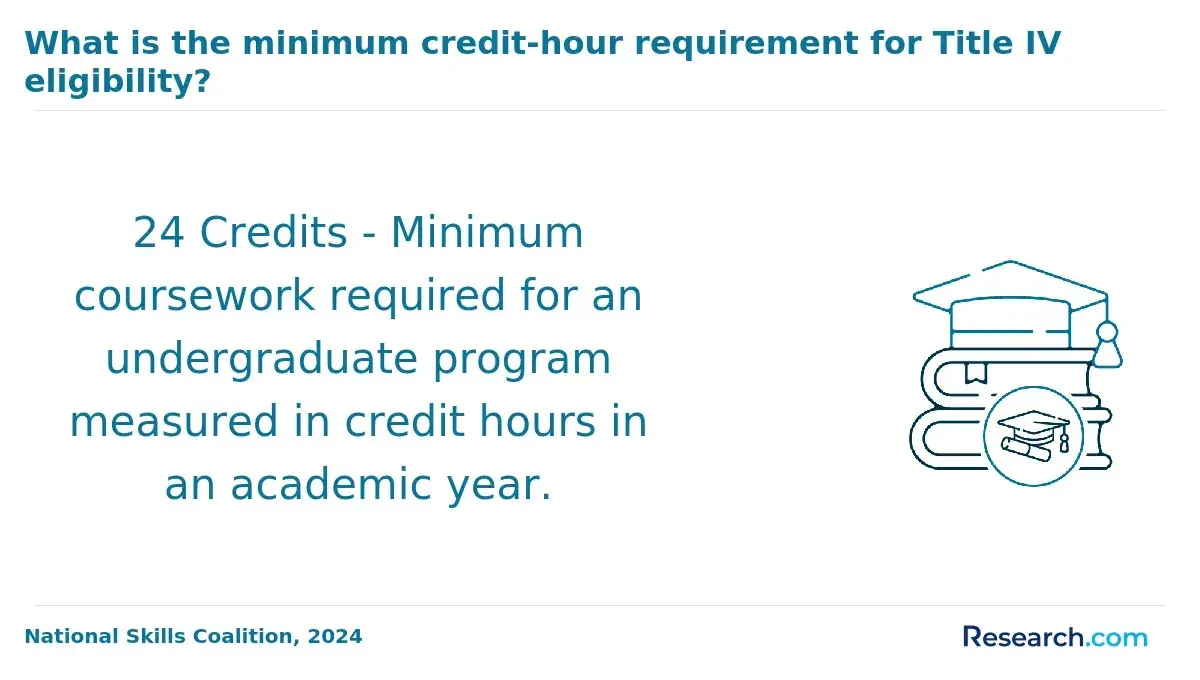
Transfer credit policies for library science degrees are school-specific, but many programs allow some previously completed coursework to count toward the degree. Transfer credits typically range from 25% to 50% of the total credits needed to graduate. The exact amount depends on institutional policy, program design, accreditation expectations, course age, course level, grade earned, and how closely the prior coursework matches the curriculum.
Graduate library science programs are usually stricter than undergraduate programs. For a master's program, prior coursework often must be graduate level, closely related to library and information science, and completed with a grade of B or better. Courses in cataloging, information organization, research methods, archives, digital libraries, or information science may be easier to evaluate than broad electives with limited overlap.
Students should also pay close attention to residency requirements. Many schools require a significant portion of credits to be completed through the institution that awards the degree. Residency rules commonly require that at least half or two-thirds of the program's credits be earned through the awarding university, whether online or on campus.
Credits may be denied when they come from non-regionally accredited institutions, do not match current program outcomes, were completed too long ago, or lack sufficient documentation. Courses completed several years prior—often more than five to seven years ago—may need additional review or may not transfer at all.
How to improve your chances of receiving transfer credit
- Request a transfer review before enrolling: Do not assume that prior credits will apply automatically.
- Prepare detailed syllabi: Schools often need course descriptions, reading lists, assignments, and learning outcomes.
- Submit official transcripts early: Transfer evaluations can take time and may affect your course plan.
- Compare core requirements carefully: A course with a similar title may not meet the same learning outcomes.
- Ask about expiration rules: Older credits may not apply, especially in technology-heavy subjects.
A student in a library science degree program described the process as challenging but ultimately helpful: "I was initially anxious about whether my previous courses would count. The review process took time, and I had to provide detailed syllabi and transcripts. It was reassuring when most of my relevant courses were accepted, although a few electives didn't transfer. This made me appreciate the importance of planning early. Overall, the ability to transfer credits shortened my path and kept me motivated."
Do you need SAT or ACT scores to get into a library science degree program?
Most library science degree programs do not require SAT or ACT scores, especially at the graduate level. Master's programs generally evaluate college transcripts, GPA, statements of purpose, recommendation letters, resumes, writing ability, and relevant academic or professional preparation instead of undergraduate entrance exams.
At the undergraduate level, standardized test requirements depend on the university. Many institutions have adopted test-optional or test-free admissions policies as of 2026, but some competitive undergraduate programs, public university systems, or merit-based scholarships may still request or require SAT or ACT results.
If scores are optional, applicants should make a strategic decision. Strong scores may help if they support the rest of the application or scholarship consideration. Weak scores are usually better left out when the school allows it. Applicants should review both the university admissions policy and the specific library science or information studies department requirements, because they may not be identical.
In place of test scores, admissions committees often focus on:
- Academic performance: Cumulative GPA, course rigor, and completion of relevant prerequisites.
- Writing quality: Personal statements, academic essays, and evidence of graduate-level communication skills.
- Purpose and fit: Clear reasons for pursuing library and information science.
- Experience: Internships, volunteer work, research projects, archives work, tutoring, education, customer service, or technology-related roles.
- Portfolio materials: Research projects, digital exhibits, metadata samples, community programming examples, or other evidence of information work when requested.
The safest approach is to confirm standardized testing rules directly on the admissions page and scholarship page for each institution. A program may not require scores for admission, while a separate scholarship committee may still consider them.
What essential skills do you need before enrolling in a library science degree program?
Students do not need to enter a library science program as experts, but they should begin with a strong foundation in reading, research, writing, technology use, and service-oriented communication. These skills matter because library science coursework is both academic and applied: students analyze information systems, evaluate sources, design services, work with users, and learn tools used in libraries, archives, schools, government agencies, and digital information environments.
- Reading comprehension: Students must be able to understand scholarly articles, policy documents, metadata standards, case studies, and professional guidelines.
- Academic writing: Clear writing is needed for research papers, literature reviews, program proposals, reflective assignments, documentation, and professional communication.
- Research ability: Applicants should be comfortable searching databases, evaluating source quality, using citations, and distinguishing credible evidence from weak or unsupported information.
- Technical confidence: Familiarity with databases, spreadsheets, online catalogs, digital storage, learning management systems, and basic troubleshooting makes online and technology-based coursework easier to manage.
- Analytical thinking: Library science requires organizing complex information, identifying patterns, solving access problems, and making decisions based on user needs and evidence.
- Communication and service skills: Library professionals frequently explain systems, teach users, collaborate with colleagues, and serve communities with different backgrounds and needs.
- Attention to detail: Cataloging, metadata, archives, records management, and digital preservation all reward accuracy and consistency.
- Adaptability: Information tools change quickly, so students should be ready for ongoing learning rather than one-time technical training.
A graduate recalled that preparing for enrollment involved both excitement and uncertainty. He spent late nights strengthening his research skills and learning library software before classes began. "It was challenging to build confidence in the technical aspects," he said, "but knowing why these skills mattered kept me motivated." His experience points to a practical lesson: students who build baseline skills early can spend less time catching up and more time engaging with advanced course content.
Do you need professional experience to enter a library science degree program?
Most library science degree programs do not require professional experience for admission, but relevant experience can strengthen an application. This is especially true for master's programs, competitive tracks, and specialized areas such as archival studies, school librarianship, digital librarianship, academic libraries, data curation, or records management.
Undergraduate programs usually do not expect applicants to have library experience. Graduate programs are more likely to value it because prior work can show that the applicant understands the field, has realistic goals, and is ready for applied coursework. Data from the American Library Association shows that about 30% of master's applicants report relevant work or internship experience, signaling its increasing importance.
Relevant experience does not have to be a full-time library job. Admissions committees may value:
- Library employment: Circulation desk work, shelving, reference support, cataloging assistance, youth services, or technical services.
- Archives or museum work: Processing collections, digitization, exhibits, preservation support, or records organization.
- Education roles: Teaching, tutoring, instructional support, school media assistance, or literacy programming.
- Customer service: Public-facing work that demonstrates communication, problem-solving, and service orientation.
- Technology experience: Database support, web content, digital asset management, research tools, or software support.
- Volunteer work: Community libraries, reading programs, nonprofit archives, local history projects, or information-access initiatives.
Applicants without professional experience can still be admitted if their academic record, statement of purpose, recommendations, and motivation are strong. If you lack experience, use the application to explain why the field fits your goals and how your existing background connects to information work. You can also gain exposure before applying through volunteering, informational interviews, short projects, or entry-level library assistant roles.
What tech prerequisites must you meet before starting an online library science degree?
Online library science programs require dependable technology because coursework depends on digital readings, research databases, virtual meetings, discussion boards, file sharing, citation tools, and sometimes specialized information-management platforms. Meeting the technical requirements before the term begins helps prevent avoidable delays with lectures, assignments, group work, and exams.
- Modern computer hardware: A personal computer with at least an Intel i5 processor and 8 GB of RAM is important for running multiple applications at once, including web browsers, office software, video platforms, and research tools.
- High-speed internet: Reliable internet with a minimum download speed of 10 Mbps supports video lectures, online discussions, database access, and file uploads.
- Current software and browsers: Students typically need updated web browsers, office software such as Microsoft Word or Google Docs, PDF tools, and the ability to install or update required applications.
- Learning management system readiness: Familiarity with platforms like Blackboard or Canvas helps students submit assignments, participate in discussions, check grades, and access course materials.
- Digital research skills: Students should be comfortable using online catalogs, scholarly databases, search strategies, citation management tools such as EndNote or Zotero, and basic file organization.
- Communication tools: Online programs often rely on email, video conferencing, shared documents, and discussion forums, so students need reliable access and professional online communication habits.
Before enrolling, review the program's technology page and ask whether any courses require webcams, microphones, scanners, specialized software, proctoring tools, or access to particular databases. Students comparing online institutions may also review best accredited non-profit online schools to understand how institutional quality, support services, and online infrastructure can affect the student experience.
Technology prerequisites are not only administrative requirements. They also reflect the direction of the profession. Library and information science increasingly involves digital collections, data systems, online user services, information access tools, and technology-supported instruction.
What prerequisites do international students need for library science programs?
International students usually need to meet the same academic prerequisites as domestic applicants plus additional documentation requirements. These requirements help U.S. institutions evaluate academic equivalency, language readiness, immigration eligibility, and preparedness for coursework in English-language library and information science programs.
- English language proficiency: Programs commonly require proof of English proficiency through tests such as TOEFL or IELTS unless the applicant qualifies for a waiver under the institution's policy.
- Credential evaluation: International transcripts often must be reviewed by authorized evaluation agencies to determine U.S. degree equivalency, credit value, and grade interpretation.
- Academic background: Applicants usually need a bachelor's degree in library science or a related field with a minimum GPA; some programs may require prerequisite coursework in information science or research methods.
- Statement of purpose: A strong statement should explain the applicant's academic preparation, professional goals, reason for choosing library and information science, and fit with the program.
- Letters of recommendation: Programs commonly ask for two to three letters from professors, supervisors, or employers who can speak to academic ability, research readiness, communication skills, and professional promise.
International applicants should begin earlier than domestic applicants because transcript evaluation, test reporting, visa documentation, and financial certification can add time. They should also check whether online enrollment affects visa eligibility, internship participation, or in-person residency requirements.
For students comparing flexible options through accredited schools online that waive application fees, admissions requirements still need careful review. Application-fee policies do not remove the need for transcript evaluation, proof of English proficiency, or program-specific prerequisite review.
How do program-specific prerequisites differ from general university requirements?
General university requirements determine whether a student can be admitted to the institution. Program-specific prerequisites determine whether the student is ready to enter the library science curriculum. Confusing the two is a common planning mistake. A student may satisfy university admission rules but still need additional coursework, documentation, experience, or technical preparation before starting the library science major, concentration, or master's sequence.
General university admission requirements
- GPA thresholds: Most universities require a minimum GPA, often between 2.5 and 3.0 on a 4.0 scale, to establish basic academic eligibility.
- English language proficiency: Non-native English speakers may need TOEFL or IELTS scores to show readiness for English-language coursework.
- General education coursework: Undergraduate applicants may need broad preparation in humanities, sciences, social sciences, mathematics, and writing.
- Standard admissions materials: Transcripts, applications, fees, personal statements, and recommendations may be required by the university regardless of major.
Program-specific prerequisites for library science degrees 2026
- Subject-specific courses: Programs may expect prior coursework in statistics, research methods, information technology, social sciences, or introductory information studies.
- Technical skills and portfolios: Some programs may request examples of research, digital projects, information system designs, community programming, or related professional work.
- Relevant professional experience: Master's programs and specialized tracks may prefer or require internships, volunteer work, archives experience, cataloging exposure, or related employment.
- Field-specific statements: Applicants may need to explain why library and information science is the right fit and how the program supports their career goals.
These program-specific prerequisites for library science degrees 2026 often affect course sequencing. Students may need to complete bridge courses before taking advanced classes, which can influence cost, registration options, and graduation timelines.
According to the American Library Association, nearly 40% of master's candidates in library and information science report requiring additional credits beyond general university admission requirements for library science programs, impacting graduation timelines and completion rates.
When comparing schools, review both the university admissions page and the department's library science page. If the two appear to conflict, contact the program directly. Students comparing broader online options can also consult resources on the best colleges online to identify institutions with flexible formats and clearly stated academic requirements.
Do you need to pay for prerequisite courses before applying to a library science program?
Yes, students often need to pay for prerequisite courses before enrolling in a library science program, especially when a required course is missing from their transcript. However, whether payment is needed before applying, after conditional admission, or before the first semester depends on the program's policy.
Prerequisite courses may be available through the same university, a community college, another accredited institution, or an approved online provider. Common subjects include introductory information science, research methods, statistics, academic writing, or technology-related coursework.
Costs vary by provider. Community colleges generally charge between $150 and $300 per credit hour, while four-year institutions and online providers tend to be more expensive. Some prerequisites are billed as standalone courses, which means students may need to pay out of pocket if they are not yet admitted to a degree program or if the course does not qualify for their financial aid package.
Ways to reduce prerequisite costs
- Request a transcript review first: Do this before registering for a course you may not need.
- Ask about approved substitutes: A prior statistics, writing, computer science, or research course may satisfy the requirement.
- Use community college options when accepted: Lower per-credit tuition can reduce the cost of missing prerequisites.
- Confirm transferability in writing: Make sure the library science program will accept the course before you pay.
- Check financial aid rules: Federal grants, scholarships, or employer tuition reimbursement may apply in some cases but not all.
- Ask about conditional admission: Some programs allow students to finish prerequisites after admission and before advanced coursework.
The American Library Association notes that credit transfer has become an increasingly popular method for minimizing costs during library science program admission. The key is timing: students should verify requirements early enough to avoid delaying enrollment but carefully enough to avoid paying for unnecessary credits.
What Graduates Say About the Prerequisites for Their Library Science Degree
- : "Getting accepted into the library science degree program required me to complete specific coursework beforehand, which initially felt daunting but ultimately prepared me well for the challenges ahead. Considering the average cost of attendance was around $20,000, I found it a worthwhile investment given the specialized skills I gained. Today, my career as a digital archivist has truly benefited from the in-depth knowledge and network I built during the degree. — Thomas"
- : "Reflecting on my path, fulfilling the prerequisite requirements for the library science program was a crucial step that deepened my understanding of information management fundamentals. The program's cost was moderate compared to other graduate options, and I appreciated the practical focus it offered without excessive financial burden. This degree has opened doors to leadership roles in public libraries, significantly impacting how I contribute to community access to resources. — Abigail"
- : "The process of meeting the prerequisite criteria to enter the library science degree was straightforward, though it required a solid commitment to foundational classes. Despite some initial concerns about the cost, which averaged near $18,000, the investment paid off as the degree elevated my professional standing and opportunities in academic libraries. It's been a defining factor in my career growth and professional credibility. — Lucy"
Other Things You Should Know About Library Science Degrees
In 2027, most library science degree programs do not require standardized tests like the GRE. However, some institutions may request them for certain prerequisites. It's crucial to check the specific requirements of each school you're interested in applying to.
In 2027, many institutions offer online courses to fulfill prerequisites for a library science degree. This flexibility allows students to complete required courses remotely, accommodating different schedules and locations while preparing for their degree programs.
References
- Best Online Library Science Degrees, Updated for 2025 https://www.librarysciencedegrees.org/programs/online
- Master’s in Library & Information Sciences (MLIS) https://www.online.drexel.edu/online-degrees/information-sciences-degrees/ms-di/index.aspx
- Frequently Asked Questions https://lis.catholic.edu/admission/faq/index.html
- Library and Information Science https://online.missouri.edu/degrees-programs/mu/education/library-and-information-science/mlis
- Library and Information Science, Master of Library and Information Science (M.L.I.S.) https://academiccatalog.umd.edu/graduate/programs/library-information-science-lbsc/library-information-science-mlis/
- How To Become a Librarian - Library Science Degrees Online https://librarysciencedegreesonline.org/how-to-become-a-librarian/
- Information & Library Science Program Details - University of Maine at Augusta https://www.uma.edu/academics/programs/ils/details/
- Librarians and information specialists – ALIA Accredited Course https://alia.org.au/Web/Web/Careers/Becoming-An-Information-Professional/Librarians-and-information-specialists.aspx
- Requirements to Become a School Librarian By-State - EveryLibrary Institute https://www.everylibraryinstitute.org/requirements_to_become_a_school_librarian_by_state
- Master of Library and Information Science (MLIS) - College of Information (INFO) https://ischool.umd.edu/academics/masters-programs/master-of-library-and-information-science/


