2027 Are There Any One-Year Online Emergency Management Degree Programs Worth Considering?

Co-Founder and Chief Data Scientist
If you are looking for a one-year online Emergency Management degree, the first thing to know is that the term is often used loosely. A true full degree in Emergency Management completed entirely in one year is uncommon, especially at the bachelor's level, because degree programs must meet credit, accreditation, and practical learning requirements. What students often find instead are accelerated degree-completion programs, certificates, transfer-friendly bachelor's pathways, or intensive master's options designed for people who already have college credits or professional experience.
This distinction matters. Choosing the wrong program can cost you time, money, and career momentum if the credential does not match your goals. Emergency management roles require more than general crisis awareness; strong programs build knowledge in disaster mitigation, preparedness, response, recovery, risk assessment, incident command, continuity planning, and communication with public agencies and communities.
This guide explains whether a one-year timeline is realistic, what kinds of online Emergency Management programs are available, how to evaluate quality, what costs to expect, and how to decide whether an accelerated route is the right fit for your career plans.
Key Points About One-Year Online Emergency Management Degree Programs
- One-year online Emergency Management degrees offer condensed curricula focused on crisis response and resilience, differing from traditional multi-year programs with broader public safety topics.
- Students should expect intensive coursework emphasizing practical skills like disaster planning, often designed for professionals seeking rapid credential advancement.
- Enrollment in these programs tends to attract mid-career emergency responders, reflecting a growing demand for accelerated, flexible education in disaster management roles.
Is It Feasible to Finish a Emergency Management Degree in One Year?
Finishing a complete online Emergency Management degree in one year is possible only in limited situations. For most students, it is not realistic. A bachelor's degree commonly requires around 120 credits, while a master's degree often requires about 36 credits. Those credit totals usually make a one-year finish difficult unless the student enters with substantial transfer credit, prior learning credit, or a completed associate degree.
The more realistic one-year options are certificates, graduate certificates, or degree-completion pathways. A one-year Emergency Management Certificate can help professionals build focused knowledge in disaster planning, risk management, and emergency operations, but it is not the same credential as a full bachelor's or master's degree.
Students considering a one-year timeline should ask the school several specific questions before applying:
- How many credits must I complete at your institution? Minimum residency requirements can prevent a one-year finish even when many credits transfer.
- How many credits will transfer into the program? A transcript evaluation is more reliable than a general statement on a website.
- Are courses offered year-round? A program may be online but still depend on fall and spring course rotations.
- Are internships, practicums, or capstone projects required? These components can strengthen career preparation but may extend the timeline.
- Is the course load manageable while working? Accelerated study often requires a heavy weekly commitment, especially in writing-intensive and project-based courses.
In short, a one-year Emergency Management credential is feasible for some students, but a full one-year degree usually requires prior credits, a flexible course schedule, and the ability to handle an intense pace.
Are There Available One-Year Online Emergency Management Degree Programs?
There are currently no accredited one-year online bachelor's degree programs in Emergency Management available in the United States. Most emergency management bachelor's programs require approximately 120 credits and typically take about four years of full-time study to complete.
Some schools do offer accelerated or transfer-friendly options, but these generally still require at least two to three years, depending on how many credits a student brings into the program and how many courses are available each term. Students should be cautious with any program that appears to promise a full bachelor's degree in one year without clearly explaining transfer credit rules, accreditation, and graduation requirements.
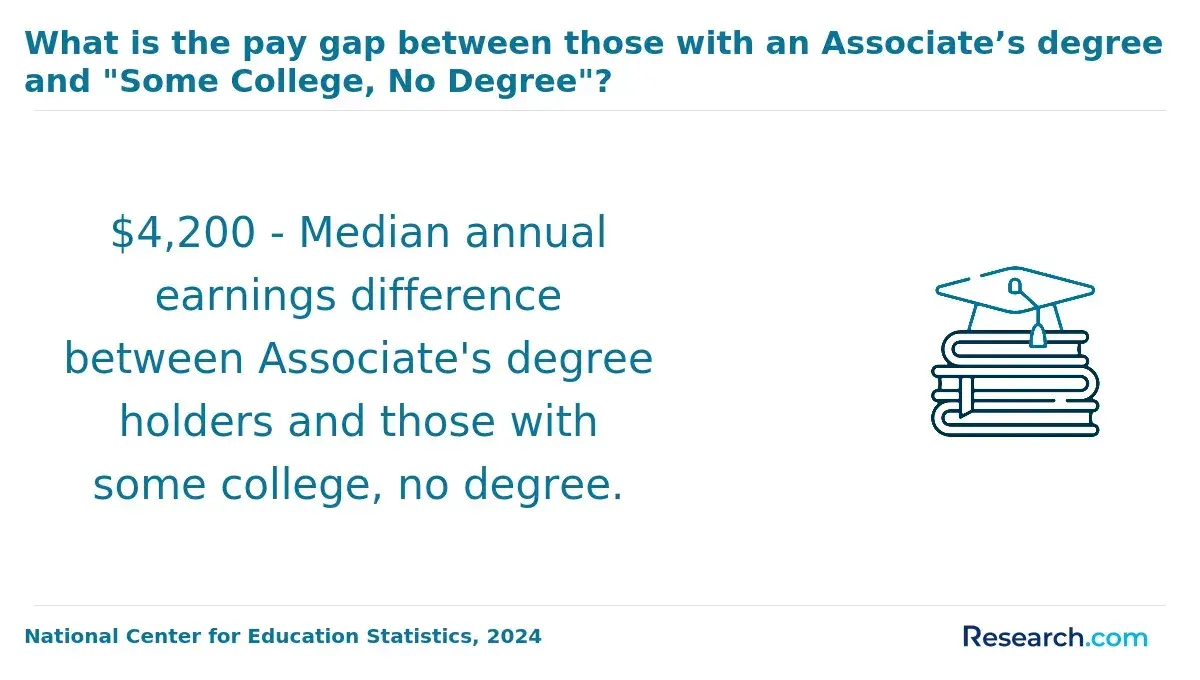
For students who want a shorter path, the best alternatives are usually certificates, associate degrees, or bachelor's degree-completion programs. Related options such as the best 6 month associate degree programs may help students build foundational college credit before pursuing a higher-level Emergency Management credential.
Examples of faster online Emergency Management pathways
- Millersville University Bachelor of Science in Emergency Management (Online Degree Completion): This program is built for students with at least 30 transferable credits. It offers year-round courses and flexible scheduling, but most students still complete it over multiple semesters rather than in a single year.
- Monroe College Online Bachelor's Degree in Emergency and Disaster Management: This program can be finished in less than three years with full-time study. It includes emergency preparedness strategies, homeland security, hazards and risk management, a 160-hour internship, and a capstone project.
- Arapahoe Community College Bachelor of Applied Science in Emergency Service Administration: This fully online degree-completion program requires an associate degree for admission. It focuses on disaster preparedness, response, and research-based practices, with completion time depending on transfer credits and course load.
The practical takeaway is simple: students seeking a one-year route should search for “degree completion,” “accelerated,” “certificate,” or “transfer-friendly” Emergency Management programs rather than assuming a standard online bachelor's degree can be finished in one year.
Why Consider Taking Up One-Year Online Emergency Management Programs?
A one-year online Emergency Management program can be worthwhile when the credential matches your current experience and career objective. These programs are most useful for working professionals who already have a background in emergency services, public safety, healthcare, public administration, military service, or related fields and need a faster way to formalize or update their skills.
The main value is speed, but speed should not be the only reason to enroll. Emergency management is a high-responsibility field, and employers often look for applied judgment, communication skills, and familiarity with multi-agency coordination. A shorter program is useful only if it still provides enough depth to support those expectations.
Potential advantages
- Flexibility: Online coursework can make it easier for working professionals to study while maintaining employment, shift schedules, or family responsibilities.
- Faster skill development: Accelerated formats can help students quickly strengthen knowledge in mitigation, preparedness, response, recovery, risk assessment, and crisis communication.
- Cost-Effectiveness: Shorter programs may reduce tuition exposure and related expenses compared with a traditional four-year path, especially when transfer credits are accepted.
- Career Advancement: A relevant credential may support movement toward roles such as emergency management directors, disaster planners, continuity coordinators, or public safety administrators, depending on the student's experience and local job market.
- Focused professional development: Certificates and accelerated programs can be useful for professionals who do not need a second degree but do need current training in emergency management practices.
True one year emergency management certificate programs are more common than true one-year degrees. Degree-completion programs may also work well for students with prior college credit, but applicants should verify transfer policies before assuming they can finish quickly.
Students exploring shorter, career-oriented credentials may also want to compare related easy certificate programs that pay well to decide whether a certificate, degree-completion program, or full degree offers the best return for their goals.
What Are the Drawbacks of Pursuing One-Year Online Emergency Management Programs?
The main drawback of a one-year online Emergency Management program is that the timeline can compress important learning into a demanding schedule. Emergency management requires judgment under pressure, coordination across agencies, and the ability to analyze complex risks. Those skills are harder to develop when coursework moves quickly and practical learning is limited.
Because widely recognized one-year Emergency Management degree programs are uncommon, students should evaluate accelerated options carefully and avoid choosing a program based on speed alone.
Common limitations to consider
- Intensive Course Load: Condensing material typically covered over two years can leave less time to absorb complex topics such as incident command, continuity planning, risk analysis, and intergovernmental coordination.
- Limited Practical Experience: Some online formats may offer fewer opportunities for internships, disaster drills, field exercises, or participation with campus crisis teams. These experiences can be important for building employer-ready skills.
- Restricted Networking: Online students may need to be more intentional about building relationships with faculty, classmates, alumni, and local emergency management professionals.
- Increased Burnout Risk: Accelerated programs often require consistent weekly study, writing, discussion participation, and project work. Students working full time may find the pace difficult.
- Assumption of Prior Experience: Many accelerated pathways work best for students who already understand public safety, emergency response, military operations, healthcare systems, or local government procedures.
- Fewer scheduling options: If required courses are offered only in certain terms, a missed class can delay graduation even in an accelerated program.
- Credential confusion: A certificate, bachelor's degree, graduate certificate, and master's degree can lead to different career outcomes. Students should not assume all “one-year” credentials carry the same value.
A one-year program may be a strong choice for experienced professionals who need a targeted credential. It may be less suitable for students who are new to the field and need broader academic preparation, supervised experience, and career networking.
What Are the Eligibility Requirements for One-Year Online Emergency Management Programs?
Eligibility requirements depend on whether the program is a certificate, bachelor's degree-completion program, or graduate-level option. Most fast online Emergency Management pathways are designed for students who already have college credit, professional experience, or both. This is because completing a credential quickly usually requires reducing the number of remaining credits.
Students should review the Emergency Management Program Eligibility Requirements before applying, then request a transcript evaluation if transfer credit will determine their timeline. General admissions pages are useful, but they do not always show exactly how long an individual student will need to graduate.
Common admission requirements
- Prior College Credits: Applicants usually need at least 30 transferable college credits or an associate degree to qualify for many degree-completion formats.
- Minimum GPA: Many programs require a minimum cumulative GPA of 2.0 or higher to demonstrate academic readiness.
- Official Transcripts: Schools typically require transcripts from all previously attended colleges to evaluate transfer credits and remaining requirements.
- Online Application: A completed application form is required by nearly all institutions.
- Resume and Essay: Some programs, especially certificate options, may request a professional resume and a short essay explaining the applicant's interest in emergency management.
- Professional Experience: Experience in emergency response, public safety, military service, healthcare, or government can strengthen an application, although it is not always required.
- Prerequisite Coursework: Students may need foundational courses such as English, math, or introductory emergency management before entering advanced courses.
- Background Checks and Interviews: These are less common for undergraduate admission but may be required for internships, agency placements, or practical components involving sensitive environments.
- Placement Exams: These are rare for bachelor's degree-completion tracks but may be used by some institutions to assess readiness.
Applicants should also ask whether military training, professional certifications, prior learning, or public safety academy coursework can be evaluated for credit. Policies vary by school, and the answer can affect both cost and time to completion.
Students comparing affordability across credential levels may also find it helpful to review the most affordable phd programs as part of a broader long-term education planning process.
What Should I Look for in One-Year Online Emergency Management Degree Programs?
The best one-year or accelerated online Emergency Management program is not simply the fastest one. It should be accredited, transfer-friendly, career-relevant, and transparent about time to completion. Before enrolling, compare programs based on academic quality, practical learning opportunities, student support, and whether the credential fits your target role.
Key factors to review
- Accreditation: Confirm that the institution is properly accredited. For emergency management-specific quality indicators, look for recognition by respected agencies like CAEMHSE or alignment with the FESHE model where applicable.
- Faculty Expertise: Review whether instructors have experience in emergency management, public safety, homeland security, disaster response, public administration, or related fields. Practitioner insight can make online coursework more useful.
- Curriculum Quality: Strong programs should cover hazard identification, risk assessment, incident command, mitigation, preparedness, response, recovery, operational planning, continuity planning, and crisis communication.
- Course Delivery Format: Check whether courses are asynchronous, synchronous, or a mix of both. Working students should know whether live sessions, group projects, exams, or simulations require fixed attendance.
- Practical Learning: Look for case studies, simulations, applied projects, internships, capstones, or local agency partnerships. These experiences can help bridge the gap between theory and practice.
- Credit Transfer Policies: Ask how many credits can transfer, whether there is a maximum limit, and whether prior learning or professional training can count toward requirements.
- Tuition and Financial Aid: Compare total program cost, not just per-credit tuition. Include fees, books, technology costs, and the number of credits you must actually complete.
- Student Support Services: Online students should have access to advising, career counseling, library resources, technical support, and help with internship or capstone planning.
- Career Alignment: Match the program to your goal. A certificate may support skill development, while a bachelor's or master's degree may be more appropriate for leadership, administration, or advancement into roles requiring a degree.
Students trying to reduce upfront costs can also compare accredited colleges online without an application fee while evaluating program quality and fit.
How Much Do One-Year Online Emergency Management Degree Programs Typically Cost?
One-year online Emergency Management degree programs generally have tuition fees ranging from about $6,500 to $12,000 at most public institutions. Some private or accelerated master's programs can cost up to $23,700 for a full year of study.
Costs vary based on the institution, degree level, residency status, number of transfer credits accepted, and whether the program is public or private. A student who transfers many credits into a degree-completion program may pay much less overall than a student who must complete most requirements at the enrolling institution.
When comparing costs, look beyond the advertised tuition rate. Students should confirm:
- Total credits required after transfer evaluation: This determines the real tuition bill.
- Mandatory fees: Online programs may include technology, student service, graduation, or course-specific fees.
- Books and materials: Emergency management courses may use textbooks, software, case materials, or simulation tools.
- Internship or capstone expenses: Some programs require fieldwork, background checks, travel, or project-related costs.
- Financial aid eligibility: Aid can depend on accreditation, enrollment intensity, program type, and satisfactory academic progress.
Compared to traditional four-year Emergency Management degrees, which average around $17,000 per year, one-year online options may offer a more affordable and flexible alternative for students who already have transferable credit or who choose a shorter credential. The best way to estimate value is to calculate total out-of-pocket cost against the credential you will actually earn and the roles you plan to pursue.
What Can I Expect From One-Year Online Emergency Management Degree Programs?
Students in a one-year or accelerated online Emergency Management program should expect a focused, fast-moving curriculum that emphasizes disaster planning, crisis response, and organizational coordination. These programs often work best for students who already have experience in public safety, emergency services, public administration, healthcare, military service, or related fields.
Coursework commonly addresses the emergency management cycle: mitigation, preparedness, response, and recovery. Students may also study hazard analysis, risk communication, homeland security, continuity planning, incident command, interagency coordination, public policy, and leadership during crises.
Typical learning experience
- Heavy weekly workload: Accelerated courses may require frequent readings, discussions, papers, exams, and applied projects.
- Case-based assignments: Students often analyze real or simulated emergencies to practice decision-making.
- Applied planning projects: Programs may ask students to create emergency operations plans, continuity plans, risk assessments, or after-action analyses.
- Leadership and communication training: Students learn how to coordinate stakeholders, communicate during uncertainty, and support decision-making under pressure.
- Capstone or internship requirements: Some programs include a final project or supervised practical experience, which can be valuable but may affect scheduling.
The pace can be demanding. Students should plan for consistent study time, reliable internet access, strong writing skills, and proactive communication with instructors. Those balancing full-time work may need to reduce outside commitments during the most intensive terms.
Although one-year programs are uncommon, some master's degrees, such as the two-year program at John Jay College, offer a similarly intensive academic experience. Students comparing career fit may also want to review resources such as the best jobs for introverts to understand which emergency management and public safety roles align with their work style.
Are There Financial Aid Options for One-Year Online Emergency Management Degree Programs?
Yes. Students in eligible online Emergency Management programs may qualify for financial aid, but the type and amount of aid depend on the school, credential level, accreditation status, enrollment intensity, and individual eligibility. Because accelerated programs move quickly, students should contact the financial aid office before enrolling and complete required paperwork as early as possible.
Common financial aid options include:
- Federal and State Aid: Eligible students can receive grants like the Pell Grant and federal loans by completing the FAFSA. Requirements include U.S. citizenship or eligible noncitizen status, satisfactory academic progress, and enrollment in an accredited program. State aid follows related rules but differs by region.
- Scholarships: Universities, professional associations, and public safety organizations may offer scholarships for students studying Emergency Management or related fields. Awards may be based on merit, financial need, service background, or career goals.
- Employer Tuition Assistance: Employees in emergency response, healthcare, government, military, utilities, transportation, and public safety roles may be eligible for tuition reimbursement or professional development funding. Many employers require pre-approval before the course begins.
- Military and Veteran Benefits: Qualified students may be able to use military education benefits, depending on the institution and program eligibility.
- Credit for Prior Learning: While not financial aid in the traditional sense, transfer credit, military training credit, or professional learning credit can reduce the number of courses required and lower total cost.
Students should confirm whether aid is disbursed by term, module, or semester in an accelerated calendar. A shorter program can affect timing, refund policies, and satisfactory academic progress requirements, so it is important to understand the financial aid schedule before committing.
What Emergency Management Graduates Say About Their Online Degree
- Alden: "Enrolling in the one-year online Emergency Management program was a game-changer for my career. The accelerated pace allowed me to quickly gain crucial skills without compromising quality, and the average cost of attendance made it a very practical choice. I'm now confidently leading disaster preparedness initiatives at my organization, something I hadn't imagined possible before."
- Bear: "The competency-based format of the Emergency Management degree gave me the flexibility to learn at my own speed, which was perfect for balancing work and study. The program's real-world scenarios and expert instructors made the online experience surprisingly engaging and effective. Reflecting on my journey, this degree empowered me to make a meaningful impact in community safety."
- Easton: "Completing the Emergency Management degree in just one year online was both challenging and rewarding. I appreciated how the curriculum focused on practical applications and completion speed without sacrificing depth. The affordable tuition and focused coursework helped me advance in my emergency services career with a strong foundation of knowledge."
Other Things You Should Know About Pursuing One-Year Emergency Management Degrees
In 2027, professionals from various fields can enhance their career prospects by gaining cross-disciplinary skills in crisis management, communication, and problem-solving through a one-year online Emergency Management degree. This qualification can open doors to new roles in government, healthcare, or corporate sectors focused on disaster preparedness and response.
Most one-year online Emergency Management programs incorporate virtual simulations, case studies, and scenario-based assignments to provide practical learning.
Some programs may require or offer optional short-term in-person practicums or internships, depending on the institution's policy and the student's location. Hands-on experience remains a key component, even if delivered through digital platforms.
Yes, a one-year online Emergency Management degree can be ideal for professionals seeking career shifts. It allows individuals to gain specialized knowledge quickly, potentially transitioning into roles in emergency planning, disaster response, or public safety during 2026, as the demand for such skills continues to grow.
References
- 2025 Most Affordable Online Master's Programs in Emergency Management https://www.onlineu.com/most-affordable-colleges/emergency-management-masters-degrees
- Advantages and Disadvantages of Online Courses https://www.montgomerycollege.edu/academics/mc-online/advantages-and-disadvantages-online-courses.html
- Best Master's In Emergency Management Online Programs Of 2025 https://www.forbes.com/advisor/education/healthcare/best-online-masters-emergency-management/
- Earn Your Emergency Management Degree Online https://waldorf.edu/online-emergency-management-degree
- Emergency & Security Management Studies (BESMS) https://www.jibc.ca/areas-of-study/emergency-management/emergency-security-management-besms
- Emergency Management Degrees: Should You Get Your Education Online? https://www.govtech.com/education/EM-Degrees-Should-You-Get-Your-Education-Online.html
- Emergency and Crisis Management, MECM https://www.ucf.edu/online/degree/emergency-crisis-management-m-e-c-m/
- Master’s in Emergency Management Online https://www.snhu.edu/online-degrees/masters/ms-in-management/emergency-management
- Online Disaster and Emergency Management Program https://online.lsu.edu/online-degree-programs/undergraduate/ba-disaster-studies-emergency-management/
- Online Disaster and Emergency Management Degrees - Top Universities https://progress.futurelearn.com/degrees/subject/environmental-science/emergency-disaster-management