2027 Are Online Teaching Degrees Respected by Employers?

Co-Founder and Chief Data Scientist
Choosing an online teaching degree is no longer just a question of convenience. The real question is whether the credential will help you qualify for licensure, compete for teaching jobs, and earn employer trust. Recent data show that over 35% of graduate teaching candidates now choose online programs because they offer flexibility and access, especially for working adults, career changers, rural students, and educators pursuing advancement while staying employed.
Employer acceptance has improved, but it is not automatic. Hiring committees still look closely at accreditation, state approval, supervised classroom experience, university reputation, and evidence that graduates can manage real students in real learning environments. A degree earned online can be respected, but only when it comes from a legitimate institution and prepares candidates for the same professional expectations as an on-campus program.
This guide explains how employers evaluate online teaching degrees, what makes a program credible, which credentials strengthen your profile, and how online graduates can position themselves for hiring, salary growth, and promotion opportunities.
Key Benefits of Online Teaching Degrees Respected by Employers
- Employers increasingly recognize online teaching degrees, with 76% of hiring managers in education expressing positive attitudes toward candidates holding accredited online credentials, according to recent national surveys.
- Graduates develop strong digital literacy and self-motivation skills through online teaching programs, which align closely with the growing emphasis on technology integration in modern classrooms.
- Online teaching degree holders often report higher employment rates and faster career advancement, with data showing a 15% increase in job placement within six months post-graduation compared to traditional degrees.
Which Accrediting Bodies Make an Online Teaching Degree Legitimate?
Accreditation is the first credibility test for any online teaching degree. Employers, school districts, licensing boards, and graduate schools use accreditation to determine whether an institution or program meets recognized academic and professional standards. Without the right accreditation, a degree may limit credit transfer, licensure eligibility, financial aid access, and hiring prospects.
For teacher preparation, students should check both the institution’s accreditation and, when applicable, the education program’s professional approval or programmatic accreditation.
| Accreditation type | What it means | Why it matters for online teaching degrees |
| Regional Accreditation | Granted by institutional accrediting agencies such as the New England Commission of Higher Education or the Southern Association of Colleges and Schools. | Often viewed as the strongest institutional quality signal. It can affect credit transfer, graduate school admission, employer confidence, and eligibility for many forms of financial aid. |
| National Accreditation | Commonly associated with career-oriented, vocational, or technical institutions. | May be valid for some career pathways, but students should confirm whether credits, degrees, and licensure preparation will be accepted by the employers and state agencies they plan to work with. |
| Programmatic Accreditation | Granted by specialized agencies, including the Council for the Accreditation of Educator Preparation (CAEP), for specific education programs. | Shows that the teacher preparation program itself has been reviewed against professional educator preparation standards, not just the university as a whole. |
Before enrolling, verify accreditation directly through the institution, the accreditor, and your state’s teacher licensing authority. Do not rely only on marketing language such as “recognized,” “approved,” or “career-focused.” Ask whether the program leads to the specific teaching license, endorsement, or credential required in the state where you intend to work.
This step is especially important for students considering an accelerated undergraduate degree in education. A faster program can be useful, but speed should never come at the expense of recognized accreditation, supervised fieldwork, or licensure alignment.
Does University Reputation Affect Employer Views of Online Teaching Degrees?
Yes. University reputation can influence how quickly an employer trusts an online teaching degree, especially when hiring managers are comparing candidates with similar experience. A degree from a recognized, accredited brick-and-mortar university may raise fewer concerns than a credential from an unfamiliar online-only institution. One reason is brand familiarity: 92% of employers treat online degrees from recognized brick-and-mortar institutions the same as campus-based qualifications.
Reputation, however, is not a substitute for licensure readiness or teaching ability. In education hiring, employers usually care most about whether the candidate is eligible to teach, can manage a classroom, understands student learning needs, and has completed meaningful supervised practice.
- Institutional track record: Employers may look more favorably on universities with established education departments, visible faculty expertise, and a history of preparing licensed teachers.
- Alumni outcomes: Strong graduate performance in classrooms, leadership roles, or specialized education positions can improve confidence in the program.
- Accreditation status: Regional accreditation remains a major screening factor. Programmatic accreditation or state approval can add another layer of assurance.
- School district and certification partnerships: Programs connected to districts, field placements, or certification pathways often appear more practical and employment-focused.
- Transparency: Employers and students benefit when a university clearly publishes licensure pathways, fieldwork expectations, admissions requirements, and student support services.
For students, the best choice is usually not simply the most famous university. It is the accredited program that aligns with your state licensure goal, offers strong practicum support, and has a reputation employers in your target region recognize. Candidates can also strengthen their profile with targeted credentials, including online certificate programs that may improve employability, when those credentials match their teaching area or career plan.
Do Employers Treat Online and On-campus Teaching Degrees Equally?
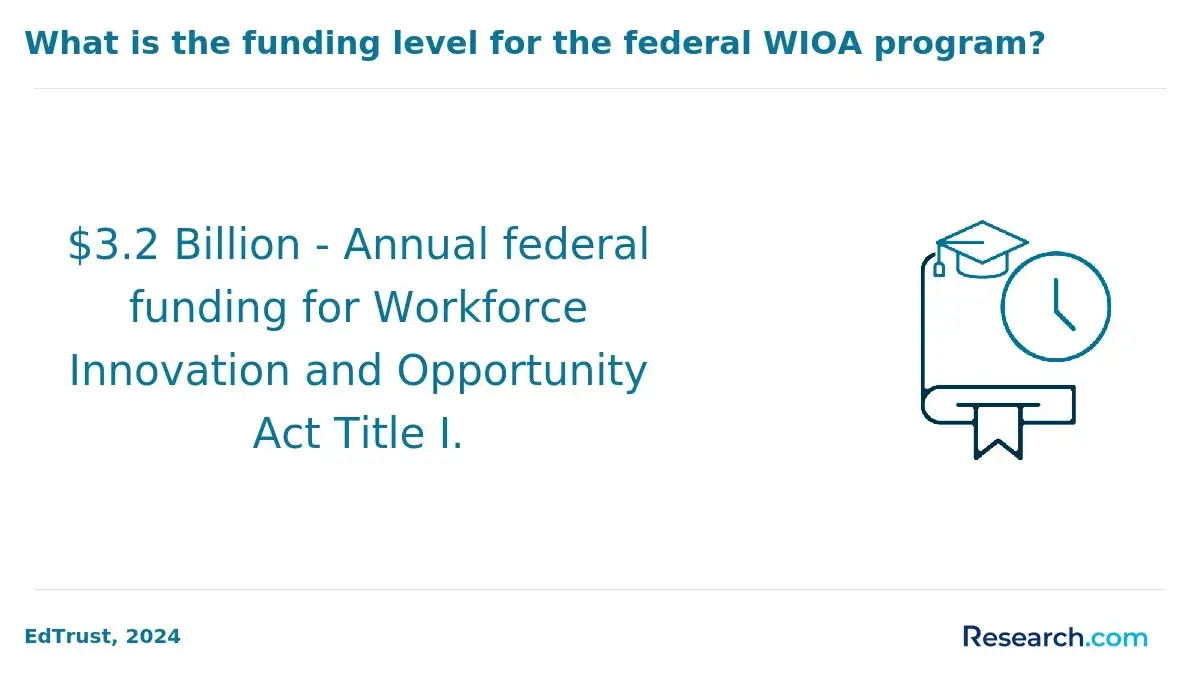
Many employers now evaluate accredited online and on-campus teaching degrees similarly, but equal treatment depends on the quality and legitimacy of the program. Recent data show that 83% of HR professionals consider an accredited online degree equal to a campus-based one, and over 75% have hired candidates with online degrees in the past year. These figures reflect a major shift in how online education is perceived, especially after remote and hybrid learning became more common.
In teaching, the delivery format is usually less important than the evidence behind the credential. Hiring teams want to know whether the program is accredited, whether it meets state educator preparation requirements, and whether the graduate has completed supervised classroom experience. A candidate who earned an online degree but completed strong in-person practicum or student teaching requirements may be more competitive than a campus graduate with limited applied experience.
What employers usually compare
| Employer concern | What reassures hiring teams |
| Is the degree legitimate? | Recognized institutional accreditation, programmatic accreditation when relevant, and clear state approval. |
| Can the candidate teach in a real classroom? | Documented practicum, student teaching, classroom observations, and supervisor evaluations. |
| Does the candidate meet legal requirements? | State licensure, required exams, endorsements, and background clearance where applicable. |
| Will the candidate adapt to modern instruction? | Evidence of digital teaching skills, classroom technology use, communication skills, and lesson design. |
Some U.S. employers still prefer in-person programs because they assume those programs provide stronger face-to-face communication, leadership development, and classroom immersion. Online graduates can reduce that concern by presenting a strong teaching portfolio, field placement records, recommendations from supervising teachers, and examples of lesson plans or student assessment work.
Do Employers Trust Online Teaching Degrees from AI-Powered Virtual Classrooms?
Employers may trust online teaching degrees that use AI-powered virtual classrooms, but only when the technology supports rigorous educator preparation rather than replacing essential teaching practice. AI tools can strengthen online learning by giving candidates more feedback, more practice, and more opportunities to analyze classroom scenarios. They do not eliminate the need for accreditation, licensure alignment, or supervised teaching experience.
AI-supported programs may include adaptive learning systems, virtual simulations, and AI tutors. Adaptive tools can help students identify gaps in their understanding and progress through content with more targeted support. Virtual simulations can give teacher candidates low-risk practice with lesson planning, classroom management, student engagement, and decision-making. AI tutors can provide immediate feedback outside scheduled class hours, helping students refine skills more consistently.
Employer acceptance is improving, but it remains uneven. Globally, 83% of HR professionals consider accredited online degrees equal to traditional ones, and over 75% actively seek candidates with online credentials. In the United States, acceptance lags behind this trend; only 28% of employers fully value online degrees on par with traditional degrees, while 45% remain neutral or doubtful.
That gap matters for teaching candidates. Employers may be intrigued by AI-enhanced preparation, but they will still examine whether the degree came from a reputable institution, whether candidates completed real-world fieldwork, and whether graduates can demonstrate professional judgment with students. Technology-enhanced coursework can be an advantage when candidates explain it clearly: for example, by showing how simulations improved classroom management skills or how digital assessment tools shaped lesson planning.
The teacher labor market also influences perceptions. Despite a nationwide shortage of qualified teachers and competitive salaries—elementary teachers earn a median of $63,680 annually—employers continue to scrutinize online degree quality. Graduates from reputable, accredited, tech-enhanced programs can be competitive, but full parity with traditional degrees is not yet universal.
What Skills Do employers Value from Online Teaching Graduates?
Employers value online teaching graduates who can prove they are prepared for both classroom instruction and technology-supported learning. The strongest candidates do more than list a degree on a résumé. They show evidence of lesson design, student engagement, assessment, communication, adaptability, and professional reliability.
- Digital Literacy and Technology Proficiency: Online programs require regular use of learning management systems, video conferencing, digital assessments, collaboration tools, and online communication platforms. These skills are useful in in-person, hybrid, and virtual classrooms.
- Self-Discipline and Time Management: Completing an online degree requires planning, accountability, and consistent follow-through. Employers often see these traits as useful for teachers who must balance lesson planning, grading, family communication, meetings, and professional development.
- Communication and Collaboration Skills: Online students often complete written discussions, virtual presentations, peer projects, and group assignments. These experiences can translate into clearer communication with students, colleagues, administrators, and parents.
- Adaptability and Problem-Solving: Online learners must navigate changing platforms, technical issues, and independent learning demands. According to AACSB research, adaptability is the trait most in demand among employers, which makes this skill especially valuable in schools facing changing instructional models and student needs.
- Cultural Competence and Diverse Perspectives: Online cohorts often include students from different regions, backgrounds, and educational settings. Exposure to varied perspectives can help future teachers work more effectively with diverse student populations.
- Evidence-Based Instruction: Employers want teachers who can connect learning theory to classroom practice. Graduates should be ready to discuss how they plan lessons, assess progress, respond to learning gaps, and support different learners.
Students comparing programs should look for more than low tuition. The best value is a program that develops marketable teaching skills while maintaining accreditation and practical training. Cost-conscious students may want to compare affordable online master’s degree options that balance price, quality, and career relevance.
Do Professional Certifications Help Validate Online Teaching Degrees?
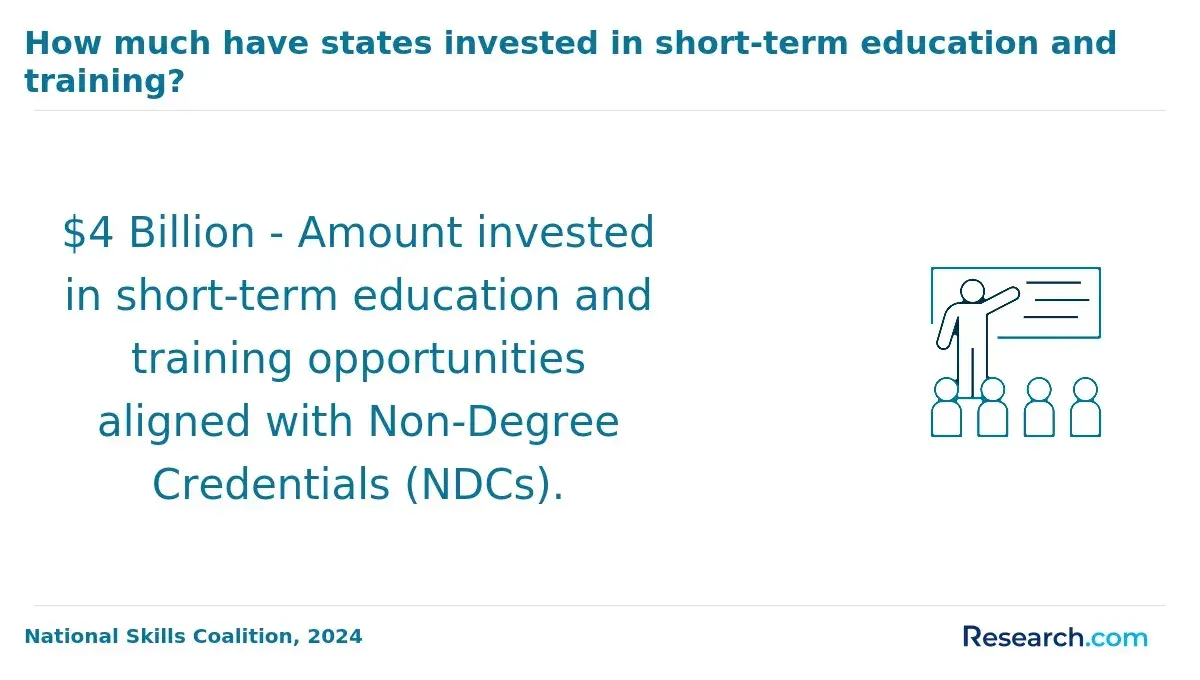
Yes. Professional certifications can help validate an online teaching degree because they provide outside evidence of specific skills, licensure readiness, or specialized expertise. They are especially useful when an employer is unfamiliar with the online program or when the candidate is pursuing a specialized role.
Certifications should not be viewed as a replacement for a legitimate degree or state licensure. For public K-12 teaching roles, state requirements still matter most. However, the right certification can make a candidate’s qualifications clearer and more competitive.
- State Teaching Certification: Many states require formal teaching certification for public K-12 educators, involving state exams and practicum experiences. A state-issued teaching license confirms that a candidate has met regulated requirements for classroom employment.
- Online Teaching Certificate: An Online Teaching Certificate can validate preparation in digital pedagogy, remote instruction, online classroom engagement, and educational technology use.
- Instructional Design Certification: Credentials such as the ATD Certified Professional in Talent Development can support candidates interested in curriculum development, blended learning, corporate training, or instructional technology roles.
- Career Advancement and Salary Boost: Studies show that 42% of certificate holders see promotions, expanded responsibilities, or successful career transitions after earning credentials. Certificate holders typically earn about $100 more per week compared to those with only a high school diploma.
- Employer Trust and Industry Recognition: Certifications from reputable universities or professional organizations can help employers understand what skills a candidate has verified beyond the degree itself.
How to choose a certification
Before paying for a certificate, ask three questions: Does it support your required license or endorsement? Is it recognized by the employers you want to work for? Does it include practical work you can show in a portfolio? A certificate with strong alignment to your role is more useful than a long list of unrelated credentials.
For example, a candidate who completed an online teaching program may still face questions about classroom readiness. Adding a state teaching certification and an online teaching certificate can make the candidate’s preparation easier for employers to verify. The state credential shows readiness for regulated classroom roles, while the online teaching credential signals skill in digital instruction. Together, they can reduce uncertainty and strengthen the overall application.
Do Online Teaching Graduates Earn the Same Salaries as On-Campus Graduates?
Online teaching graduates can earn salaries comparable to on-campus graduates when they meet the same licensure, accreditation, experience, and employer requirements. In most teaching roles, salary is usually tied more to district pay scales, degree level, years of experience, endorsements, and state certification than to whether coursework was completed online or in person.
National data show that online teaching graduates in the United States generally earn salaries that are comparable to those of on-campus graduates. Growing employer acceptance of online degrees, now reaching about 83%, supports this trend. Still, individual outcomes vary by state, district, specialization, school type, and credential level.
- Accreditation and Program Reputation: Employers are more likely to treat online and campus degrees similarly when both come from accredited, respected institutions.
- State Licensure and Certification: Licensure is often the key requirement for public school employment. Online and on-campus graduates must satisfy the applicable state rules to qualify for licensed teaching roles.
- Practical Experience and Hands-on Training: Student teaching, practicum placements, classroom observations, and supervisor evaluations can affect hiring strength and salary negotiation opportunities.
- Employer Perception and Field Demand: Many school districts focus on qualifications and classroom readiness. Demand for qualified teachers can also reduce the importance of degree format in salary decisions.
- Advanced Credentials and Continuing Education: Additional certifications or graduate study may support higher earnings regardless of delivery format. For instance, a master's in education often results in an annual salary near $69,000.
Students who want to maximize salary potential should select a program that leads to the credential they need in their state, supports strong field placements, and is recognized by employers. Comparing institutions among the best accredited nonprofit online universities can be one starting point, but students should still verify licensure outcomes and local employer acceptance before enrolling.
How Do Online Teaching Degrees Impact Career Growth and Promotions?
An online teaching degree can support career growth when it helps educators meet credential requirements, qualify for advanced roles, or build specialized expertise without leaving the workforce. The main advantage is flexibility: many students can continue teaching, working, or managing family responsibilities while completing a degree.
Career impact depends on the degree level, specialization, employer policies, and whether the program aligns with advancement requirements. For some educators, an online degree may support movement into lead teacher, department head, instructional coach, curriculum coordinator, online instructor, or training-related roles. For career changers, it can provide a structured path into education while preserving income during the transition.
- Enhanced Flexibility: Online programs can allow students to schedule coursework around work and personal responsibilities, reducing the need for career interruption.
- Career Advancement Opportunities: A teaching degree may signal commitment to professional development and help candidates meet minimum requirements for leadership or specialized positions.
- Networking and Broader Perspectives: Online cohorts may include classmates from different regions and school environments, exposing students to varied teaching methods, challenges, and solutions.
- Technical Skills Development: Online study builds familiarity with digital learning tools, virtual collaboration, multimedia instruction, and remote communication—skills increasingly relevant in modern education.
- Portfolio Development: Strong programs often produce work samples that can support promotion applications, including lesson plans, assessment strategies, curriculum projects, and reflective teaching artifacts.
One common advantage is that online students can apply what they learn immediately at work. A practicing educator may test new assessment methods, technology tools, or classroom strategies while still enrolled. That real-time application can make the degree more visible to supervisors and strengthen a case for promotion.
Online graduates should be prepared to connect the degree directly to measurable professional growth. Instead of simply saying they earned a degree online, they should explain how the program improved instruction, leadership, student support, curriculum planning, or technology integration.
What Companies Actively Hire Graduates from Online Teaching Programs?
Graduates from online teaching programs are hired by many types of education and training employers, especially when their degree is accredited and their credentials match the role. In K-12 public education, “company” may not be the right term; school districts, charter schools, private schools, virtual academies, tutoring providers, colleges, training firms, and EdTech organizations all may consider candidates with online teaching degrees.
- K-12 Virtual Schools and Online Academies: These employers often need teachers who are comfortable with remote instruction, online engagement, digital assessment, and virtual classroom management.
- Public, Charter, and Private Schools: Traditional schools may hire online degree graduates when they hold the required state license, endorsements, and classroom experience.
- Private Tutoring and Supplemental Education Services: Tutoring organizations and digital learning platforms may hire graduates for one-on-one instruction, test preparation, academic coaching, and enrichment programs.
- Higher Education Institutions and Online Colleges: Colleges with remote or hybrid offerings may consider graduates for academic advising, instructional support, curriculum work, or adjunct roles when they meet degree and experience requirements.
- Corporate Training and Professional Development Firms: Organizations that deliver employee learning, leadership training, language instruction, or compliance education may value graduates with teaching and online facilitation skills.
- EdTech Companies: Education technology firms may hire teaching graduates for curriculum development, instructional design, implementation support, product training, and customer success roles.
The strongest applications are targeted. A résumé for a public school teaching role should emphasize licensure, student teaching, classroom management, and subject-area preparation. A résumé for an EdTech or corporate training role should highlight instructional design, digital tools, learner engagement, content development, and measurable learning outcomes.
Certified teachers exploring online or hybrid roles can also consider complementary credentials. Carefully selected certifications with strong earning potential may help candidates qualify for specialized education, training, or technology-supported learning positions.
What Future Trends Will Shape Online Teaching Degrees' Credibility?
The credibility of online teaching degrees will likely depend less on the word “online” and more on proof of quality. Employers are becoming more comfortable with remote education, but they still want reliable evidence that graduates can teach effectively, meet licensure standards, and adapt to changing classrooms.
- AI-Driven Learning Validation and Personalized Assessment: Artificial intelligence can support real-time feedback, identify learning gaps, and create more detailed evidence of skill development. For employers, the value is not the AI itself but the clearer record of candidate competence.
- Blockchain-Based Digital Credentialing: Blockchain technology can make digital degrees and micro-credentials easier to verify and harder to falsify. Faster verification may help employers confirm credentials with less uncertainty.
- Expanded Employer Partnerships and Career Services: Stronger relationships between online institutions, school districts, and education organizations can align coursework with real hiring needs. These partnerships may also support internships, field placements, job pipelines, and applied projects.
- Hybrid Learning Models with Real-World Experience: Programs that combine online coursework with in-person practicum or student teaching can address one of the main employer concerns: whether graduates have enough direct classroom experience.
The most credible online teaching degrees will be those that make outcomes visible. Accreditation, licensure alignment, fieldwork documentation, teaching portfolios, verified credentials, and employer partnerships will matter more than technology claims alone. Students should be cautious of programs that promote innovation but provide little information about state approval, supervised practice, or graduate readiness.
Here's What Graduates of Respected Online Teaching Programs Have to Say About Their Degree
- Dessa: "Completing my teaching degree online allowed me to balance work and family while gaining the credentials I needed. The program's flexibility opened doors to a variety of school districts looking for qualified educators, and within months of graduating, I secured a position as a fifth-grade teacher. The online format also enhanced my digital literacy, which became invaluable when schools shifted to remote learning. I feel empowered knowing I can continue advancing my career while making a positive impact on my students every day."
- Walter: "Going through an online teaching degree was a transformative experience that sparked my dedication to helping underserved communities. I appreciated the professional development opportunities that were woven into the curriculum, allowing me to specialize in special education strategies. This directly helped me land a role in a diverse urban school where I knew I could contribute meaningfully. The program encouraged reflection and growth, pushing me to become not only a capable teacher but a compassionate advocate for all children."
- Cleo: "My online teaching degree was a strategic move in my career. After years in the corporate world, earning this qualification gave me credibility to transition smoothly into education. Thanks to the rigorous coursework and connections with experienced educators through virtual classrooms, I quickly advanced to a curriculum coordinator position. The ability to study from anywhere made it feasible to upskill without sacrificing my current responsibilities, positioning me for leadership roles I'd only dreamed of before."
Other Things You Should Know About Respectable Online Teaching Degree Programs
In 2027, public schools generally recognize online teaching degrees, especially those accredited by reputable institutions. However, they still assess candidates based on practical teaching experience and the quality of their teaching credentials, ensuring they meet all state licensing requirements.
In 2027, most employers, including those in education, view online teaching degrees with an increasing level of respect. Accreditation, program reputation, and practical experience opportunities significantly influence employers' perceptions. Many employers recognize the quality and flexibility these programs offer, provided they are from well-established, accredited institutions.
References
- Is Online Learning Effective? New Study Reveals How Employers Value Online Degrees | BusinessBecause https://www.businessbecause.com/news/in-the-news/9413/is-online-learning-effective
- Impact of Online Education on Career Growth https://www.ukstudyonline.com/impact-of-online-education-on-career-growth/
- What are the Career Benefits of Online Learning? - Employer Survey https://www.futurelearn.com/info/do-employers-value-online-learning
- How Employers View Online Degrees: Interviews with Nine Hiring Executives https://www.onlineeducation.com/features/how-employers-view-online-degrees
- Using online learning to unlock long-term career growth https://www.timeshighereducation.com/student/blogs/using-online-learning-unlock-long-term-career-growth
- How Credible Are Online Degrees? And are they worth it? https://potomac.edu/are-online-degrees-taken-seriously-by-employers/
- Exploring the disconnect: Digital credentials and employer demand | Brookings https://www.brookings.edu/articles/exploring-the-disconnect-digital-credentials-and-employer-demand/
- Full article: Online higher education: current landscape and future trends https://www.tandfonline.com/doi/full/10.1080/0309877X.2023.2200136
- Accredited Online Teaching Degree Programs https://www.accreditedonlinecolleges.org/teaching/