
2027 Is an Art History Online Degree Worth It?

Co-Founder and Chief Data Scientist
The rise of online education has made degrees more accessible than ever, with enrollment in distance learning programs increasing by over 30% in recent years. Many students are now considering an online art history degree, drawn by its flexibility and the chance to study a subject rich in culture and creativity from anywhere. Art history remains a specialized field, with unique academic and career considerations.
This article explores whether an online art history degree is worth it by examining crucial factors like program cost, flexibility, accreditation, job-market outlook, and how employers view online credentials. Understanding these elements will help prospective students make informed decisions about pursuing this degree in a changing educational landscape.
Key Benefits of Online Art History Degree
- Online art history programs offer flexible schedules, allowing students to balance studies with work or personal commitments without compromising educational quality.
- The degree supports careers in museums, galleries, education, and cultural management, fields projected to grow 4% through 2031 according to the U.S. Bureau of Labor Statistics.
- Many programs emphasize critical analysis and research skills, providing a strong foundation for graduate studies or roles requiring cultural literacy and visual communication expertise.
Who Should Choose an Online Art History Degree Program?
Online learning has become a valuable option for many students due to its convenience and adaptability. The flexibility of virtual programs suits those balancing diverse personal and professional commitments. This makes online study a practical choice for a wide range of learners with unique circumstances and goals, including the following key groups who benefit the most from an online art history degree program.
- Working professionals: Those currently employed, especially within art-related careers, can deepen their expertise without disrupting their job schedules. Online programs allow them to pursue academic growth while maintaining work responsibilities.
- Caregivers and parents: Individuals managing family or care duties appreciate the ability to learn at their own pace and on their own timetable. This flexibility helps them integrate studies into busy personal lives without added stress.
- Self-motivated learners: Students who excel in managing their own time and staying organized thrive in online environments. Success here depends largely on discipline and the drive to engage proactively with course materials.
- Learners seeking global perspectives: Online art history programs connect students with international instructors and classmates, enriching their understanding through diverse cultural viewpoints and broadening their appreciation of art across different regions and time periods.
What Are the Pros and Cons of an Online Art History Degree?
Online art history programs have grown popular among students and professionals seeking flexibility and career advancement without traditional location or scheduling constraints. These programs offer a convenient alternative for those balancing work or personal commitments with education.
Pros of an Online Art History Degree
- Flexible Scheduling: Courses are often asynchronous, allowing students to learn and submit work at their own pace. This flexibility is crucial for students managing full-time jobs or other responsibilities.
- Cost Savings: Online art history degrees generally cost less than on-campus options, with additional savings on commuting, parking, and childcare. Some universities also provide tuition discounts specifically for online programs.
- Professional Networking: Virtual classrooms connect students with a wide range of peers and faculty, fostering professional networks that can open doors to museums, galleries, and other cultural institutions.
- Accessibility: Removing geographic barriers lets students from across the country access reputable programs, such as those at the University of Massachusetts Lowell and Lindenwood University, boosting access for many.
Cons of an Online Art History Degree
- Limited Hands-on Experience: Some programs lack in-person components like internships, museum visits, or exhibitions, which are vital for practical experience in art history careers.
- Potential Hybrid Requirements: Certain degrees require occasional campus visits for orientation or networking events, which may deter individuals seeking fully remote options.
- Variable Recognition: Although perceptions of online degrees improve, some employers or traditional institutions may still favor candidates with on-campus experience, especially for competitive roles.
- Self-Discipline Needed: Students must be motivated and manage time well, as online learning lacks the structured environment of in-person classes.
For those exploring affordable and timely options, online programs can be an excellent choice. Resources like best 6 month associate degree guides provide valuable information for students seeking accelerated or flexible online degrees. Considering these pros and cons helps clarify whether an online art history degree fits individual goals and circumstances.
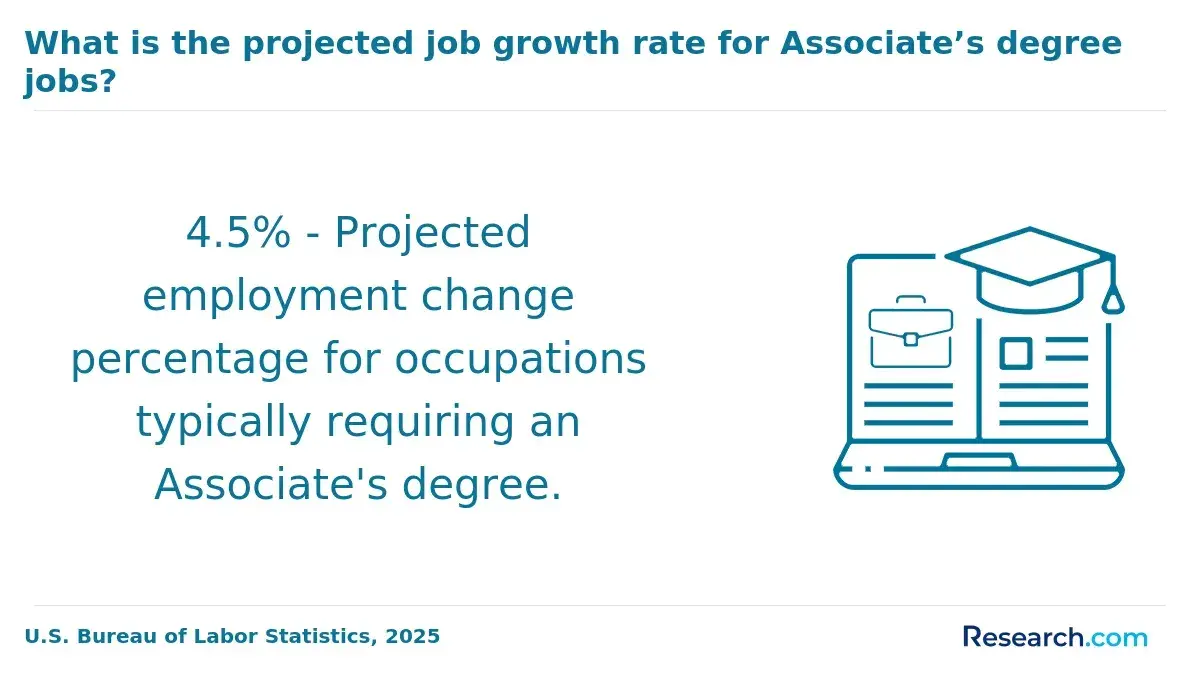
How Do AI-Enhanced Virtual Classrooms Work in Online Art History Programs?
AI technologies have become central to modern online education by making learning more personalized and immersive, especially in fields like art history. These advancements improve the learning experience by enabling students to interact with content in innovative ways and receive tailored support. Below are key features showcasing how AI-powered virtual classrooms enhance online art history programs.
- Virtual museum tours with AI technology: Students explore famous artworks through high-resolution images, zoom into fine details, and experience 3D reconstructions of sculptures and paintings from their devices. This immersive access helps learners connect deeply with visual content beyond textbooks.
- Adaptive learning tools: AI analyzes student progress and interests, recommending customized readings and projects. This personalized approach deepens understanding of art movements and cultural contexts relevant to each learner.
- AI-driven feedback: Automated assessment tools provide instant and detailed critiques on essays and visual analyses, helping students refine critical thinking and writing skills efficiently.
- Collaborative AI forums: AI groups students by themes or interests and facilitates live virtual sessions with real-time Q&A, fostering an engaging community that supports retention and satisfaction.
For those interested in pursuing further education, exploring easy bachelor degrees can be a smart starting point to gauge options that fit individual goals.
What Technology Do You Need for an Online Art History Degree?
Having the right technology setup is essential for success in a modern online art history degree program, ensuring students can engage fully with visual content and interactive learning. Reliable access to digital resources, high-quality images, and virtual platforms is critical for effective participation in lectures, research, and discussions. Below is a list of specific tools, equipment, and software students should prepare before enrolling in an online art history program.
- Reliable computer or laptop: A current PC or Mac with an updated operating system is crucial for accessing course materials, streaming lectures, and using specialized applications. A larger screen enhances viewing high-resolution artworks and detailed images. Choosing the best laptop for online Art History students means prioritizing display quality and processing power to avoid disruptions during assignments.
- High-speed internet connection: A stable broadband connection supports video conferencing, streaming virtual museum tours, and downloading large image files without interruption. Wi-Fi hotspots or campus resources can supplement home internet when necessary, ensuring continuous access during synchronous sessions.
- Webcam and microphone: These tools are essential for participating in live class discussions, presenting research, and engaging with peers and instructors. Professors may require students to deliver visual analyses during video calls, making clear audio and video vital for academic success.
- Image viewing and editing software: Basic image viewers like Preview or Windows Photos allow easy examination of artworks, while free or affordable editing programs such as GIMP enable annotation and visual comparison tasks. This software supports deeper analysis of artistic details in assignments.
- Productivity software: Programs like Microsoft Office or Google Workspace are necessary for writing essays, preparing presentations, and collaborating on group projects. For example, students might create a slideshow analyzing contemporary art movements with remote peers.
- Virtual reality headset (optional): Some programs introduce immersive experiences through VR headsets, allowing virtual visits to museums or historical sites. This technology deepens engagement with course content, such as virtually exploring the Louvre in a French art course.
Preparing this technology before enrollment reduces stress and improves participation in all aspects of online art history education. For students considering degree options, exploring several online masters programs cheap can help identify accessible pathways to advance their studies with the right tech setup.
How Long Does It Take to Finish an Online Art History in 2027?
Program length is a crucial consideration for prospective students, as it influences when they can begin applying their knowledge professionally or personally. Timelines for completing an online art history degree vary widely depending on factors like course load, transfer credits, and program format. Below is an overview of typical completion times for these programs.
- Full-Time Online Track: Most students following a standard schedule finish within four years, balancing a consistent course load each semester. These programs tend to follow traditional academic calendars but offer the flexibility of remote learning.
- Accelerated and Self-Paced Options: Motivated learners may graduate in three years or less, leveraging fast-track courses or combined bachelor's/master's pathways. These formats often include modular learning and asynchronous classes, allowing students to advance at their own speed.
- Transfer Credit Advantage: Students with prior college credits or associate degrees can significantly shorten their timeline to between 16 and 28 months by transferring the maximum allowed coursework, reducing redundant classes.
- Part-Time Enrollment: Designed for those balancing jobs or family, part-time plans extend degree completion beyond four years. These flexible schedules accommodate various life commitments without compromising educational quality.
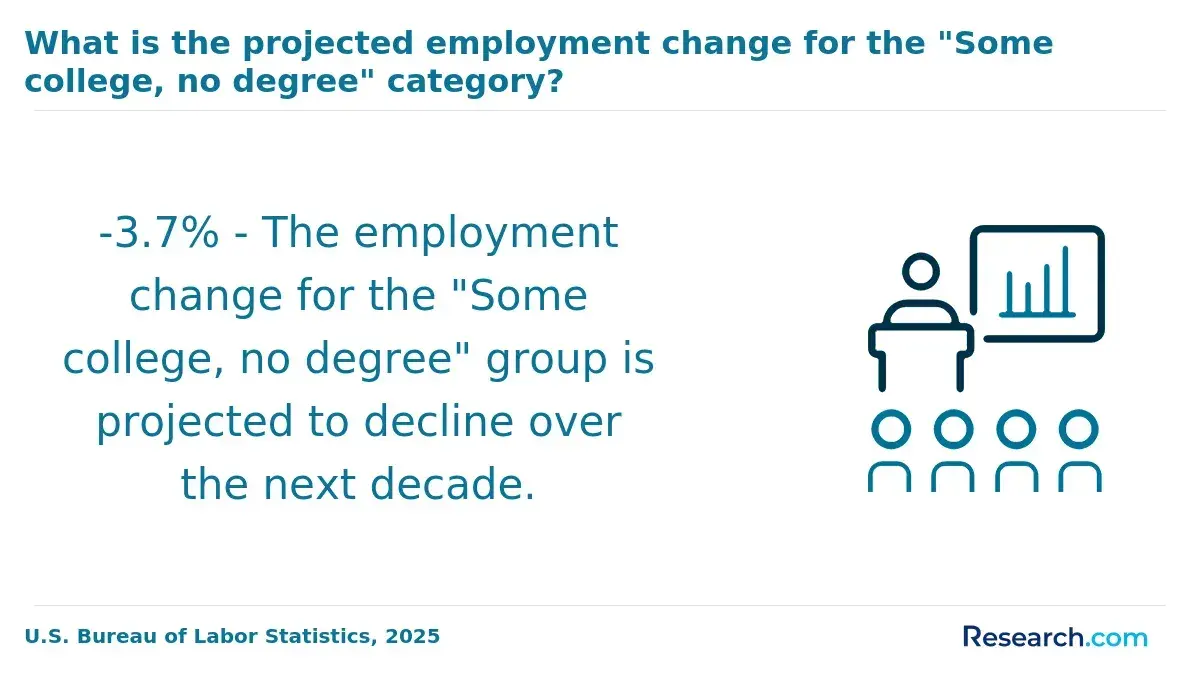
Can You Work Full-Time While Completing an Online Art History Degree?
Many prospective students worry about managing full-time work alongside pursuing an online art history degree due to the demands of balancing career, studies, and personal life. Understanding the factors that affect this balance can help students plan effectively.
Key considerations include:
- Program pacing: Online art history programs often allow students to choose full-time or part-time enrollment, enabling adjustment of course loads to fit work schedules and reduce stress.
- Asynchronous vs. synchronous courses: Asynchronous classes offer flexibility by letting students view lectures and complete assignments on their own time, which is especially beneficial for those with variable shifts.
- Workload management: Breaking large projects into manageable tasks and pacing research assignments helps prevent burnout and improves productivity.
- Employer support: Flexible work hours or education benefits from employers can ease scheduling conflicts and provide motivation.
- Personal time management: Prioritizing tasks, setting clear boundaries, and developing routines are essential skills to successfully juggle both commitments.
One graduate, who maintained a full-time job while earning her art history degree online, described the experience as a rigorous but rewarding challenge. She emphasized the importance of setting daily goals and carving out consistent study periods, often during early mornings or late evenings. "There were moments of exhaustion," she shared, "but seeing my progress made it worthwhile." Her employer's flexible scheduling was a crucial support, yet she credited her own discipline for managing coursework alongside deadlines and professional responsibilities. This balance fostered resilience and a deep appreciation for time management, proving that full-time work and study can coexist with proper planning and determination.
How Do Online Art History Degree Programs Help with Internships?
Internships play a crucial role in gaining practical experience and preparing for careers in art history. They allow students to engage directly with museums, galleries, and archives, enhancing skills and professional connections. Online art history programs employ several methods to help students secure and complete internships effectively.
- Career Services Support: Dedicated coordinators assist students in identifying internships aligned with their interests, often maintaining partnerships with cultural institutions. This guidance improves access to meaningful placements.
- Online Internship Portals: Universities provide updated listings on platforms like Handshake and RamConnect, allowing students to explore numerous opportunities conveniently from any location.
- Professional Development Resources: Programs offer tailored help with resume writing, interview prep, and communication skills to boost students' competitiveness for internships.
- Partnership and Paid Programs: Collaborations with organizations, such as Fordham University's Serving the City, create paid internship options that offer financial incentives alongside experience.
- Virtual Internship Opportunities: Growing options for remote work with institutions like TheArtStory.org help students gain experience without geographic constraints.
What Is the Average Tuition Cost of an Online Art History Program?
Grasping the costs of tuition is crucial for students considering an online art history degree, as it directly affects financial planning and educational choices. Below is a breakdown of key tuition-related factors to help clarify what prospective students might expect when budgeting for such a program.
- Average Tuition Per Credit: Costs range broadly from $295 to $617 per credit, varying by institution type and location, influencing the total degree investment significantly.
- Annual Tuition by Institution: In-state public universities typically charge around $11,600 per year, which is the most economical route for residents. Conversely, out-of-state public university fees exceed $30,000 annually, and private institutions often surpass $43,000 each year.
- Program Requirements: Most online art history degrees require between 120 and 124 credits, so the number of credits directly impacts overall tuition expenses.
- Additional Fees: Many programs add technology fees and require materials such as art supplies, which can increase the total cost beyond tuition alone.
- Affordable Examples: Some schools stand out for lower tuition, such as Southern New Hampshire University with $9,600 per year, and SUNY Empire State College, offering in-state tuition starting at $7,070 annually.
A student pursuing an online art history degree shared how navigating tuition concerns shaped his experience. He noted that finding a balance between cost and program quality was challenging but rewarding. "I had to carefully compare different schools and factor in both tuition and additional fees before committing," he explained. While the upfront tuition seemed daunting, he appreciated the flexibility of online courses, which allowed him to work part-time and reduce debt. Managing payment plans and seeking scholarships also became essential parts of his strategy. Reflecting on the decision, he remarked, "Understanding the full picture of expenses helped me stay confident that this degree investment was worthwhile for my future."
What Is the Average Salary for Someone with an Online Art History Degree in 2027?
Knowing the potential earnings associated with an online Art History degree is essential when evaluating whether such a program is a worthwhile investment. Understanding typical salaries helps set realistic expectations and supports informed decisions. Below is a detailed overview of key salary insights based on the average salary with an online Art History degree in the United States.
- Average Entry-Level Salary: Starting salaries for art history graduates range from approximately $38,000 to $57,120 per year, depending on factors such as job title, employer, and geographic location. Positions like art educators and museum cataloguers usually fall on the lower end of this spectrum.
- Mid-Career Salary Growth: With experience, earnings typically increase to between $72,000 and $85,000 annually. Mid-career professionals often take on specialized roles or managerial duties, which contribute to salary progression.
- Top-Tier Earnings: The highest 10% of art history majors make over $154,200 per year, frequently occupying leadership or highly specialized positions such as adjunct art history instructors, where annual salaries can surpass $137,000.
- Regional Salary Variations: Location significantly influences pay. Graduates working in metropolitan areas such as San Jose, Oakland, and San Mateo, California, tend to have higher average salaries, often exceeding $90,000 annually.
- Salary by Industry: Employment sectors like education, museums, galleries, and creative industries offer moderate but stable salaries. Compared to technical or business fields, art history salaries are generally modest, though they reflect the unique skills and cultural knowledge of graduates.
Prospective students should weigh these earning potentials against tuition and opportunity costs. For a broader look at educational options, visiting the most popular online universities can provide valuable guidance in choosing the right program to maximize career outcomes.
The Art History major salary 2025 trends affirm that passion for the arts combined with strategic career planning can lead to rewarding opportunities, even as salaries remain moderate compared to more technical disciplines.
Which Industries Hire Graduates From Online Art History Programs?
An online art history degree offers versatile opportunities, equipping graduates with skills applicable across diverse professional fields. This credential opens doors to various industries that value cultural expertise and visual literacy. Below is an overview of the main sectors actively hiring graduates from online art history programs, highlighting roles and relevance of the degree in each.
- Museums, galleries, and cultural institutions: These remain prime employers for art history graduates. Roles include curation, conservation, collections management, and educational programming in public, private, and nonprofit sectors. Graduates engage in preserving cultural heritage and managing exhibitions, building essential careers in museums, galleries, and auction houses.
- Commercial art sector: Art history graduates find opportunities in gallery management, auction houses, and art appraisal. Positions often require valuing artworks, provenance research, and advising collectors, directly influencing the fine arts market and enhancing career prospects in these commercial environments.
- Digital and media industries: Emerging employment areas include digital archivists, online content creators, and curators developing virtual exhibitions and educational tools. This sector reflects a growing trend driven by technology expanding the scope of careers available to art history degree holders.
- Academia and research institutions: Universities and think tanks hire professors, lecturers, and researchers, usually requiring advanced degrees. Undergraduate art history studies provide the foundation for these pathways, especially in scholarly and educational roles.
- Arts administration and nonprofits: Graduates support public art programs, cultural advocacy, and community initiatives. Other fields such as K-12 education, publishing, tourism, and legal sectors-especially intellectual property law-also value expertise in art history for diverse professional roles.
For students evaluating educational paths, considering the most affordable bachelors degree options can be crucial. To explore degree affordability and make informed decisions, check out this cheapest bachelors degree guide.
What Graduates of Online Art History Programs Say About Their Degree
- Kian: "Pursuing my online art history degree was a game-changer for my career. The flexibility to set my own pace allowed me to dive deep into different art movements without feeling rushed, and the affordable tuition helped me avoid massive student debt. It truly opened doors for me in the museum world and expanded my professional network."
- Leonard: "Choosing an online art history degree was a thoughtful decision. I appreciated the reflective nature of studying art remotely, which suited my contemplative learning style. Despite the cost being reasonable compared to traditional campuses, the program's quality and depth were outstanding, enriching my understanding and passion for the field."
- Davi: "The decision to earn an art history degree online proved highly practical. The course content was comprehensive, and balancing work with study was manageable thanks to the flexible schedule. Cost-wise, it was a wise investment that offered excellent value for the knowledge and credentials I gained, helping me transition to a curator role."
Other Things You Should Know About Art History Degrees
An Art History online degree can be valuable in 2027 if combined with relevant experiences like internships. Employers prioritize skills and practical experience, so building a diverse portfolio and networking within the art community are crucial for leveraging an online degree in the job market.
An online art history degree can prepare students for graduate studies if the program offers a solid foundation in critical analysis, research methods, and art theory. Quality programs include rigorous coursework and sometimes capstone projects that mirror the demands of graduate work. Prospective graduate students should verify that the online coursework aligns with prerequisites for advanced degrees.
Online art history programs generally offer greater flexibility than traditional programs, allowing students to complete coursework at their own pace and accommodate various schedules. While some may have opportunities for optional in-person visits or activities, the core curriculum is typically designed to be fully online.
References
- Undergraduate Degree in Art History https://www.bridgew.edu/academics/majors-minors-undergraduate/art-history
- Art History Internships https://www.fordham.edu/academics/departments/art-history/internships/
- Getting a degree in Art History: All you need to know https://www.study.eu/article/getting-a-degree-in-art-history-all-you-need-to-know
- Enhancing Art History Education with AI: Accessibility, Engagement, and Skill Development https://digitalcommons.lindenwood.edu/ijedie/vol3/iss1/6/
- The Art Institute https://www.theartinstitute.co.uk/us/en/blog-art-history-graduates-1
- Art History is a useless degree… https://brielee.substack.com/p/art-history-is-a-useless-degree
- Careers in Art History - For Art History https://forarthistory.org.uk/careers-in-art-history/
- Best Online Bachelor's in Art and Art History Programs of 2025 - Intelligent https://www.intelligent.com/best-online-bachelor-of-arts-history-degree/
- Art History - Universities of Wisconsin Online https://online.wisconsin.edu/degrees-programs/uw-milwaukee-art-history-ba/


