
2027 Applied Business & Technology Degree vs. Certificate: Which Should You Choose?

Co-Founder and Chief Data Scientist
Choosing between an applied business & technology degree and a certificate is mainly a question of timeline, budget, and career target. A degree is usually the broader credential: it combines business, technology, communication, general education, and often management-oriented coursework. A certificate is narrower and faster: it is built to help you gain a defined skill set, qualify for an entry-level role, or update your resume without committing to a full degree.
The right choice depends on what you need the credential to do. If you want long-term mobility into supervisory, analyst, project, or technology-management roles, a degree may provide the stronger foundation. If you need practical training quickly, want to test a field before committing, or already have work experience, a certificate may be the better first step. Degrees typically require two or more years of study, while certificates can often be completed much faster. Applied business & technology degree holders may also see broader role options and median salaries around 15% higher than certificate holders, although actual outcomes depend on industry, location, experience, and the specific program completed.
This guide compares degree and certificate programs in applied business & technology across time to completion, online availability, admissions, credits, tuition, transferability, accreditation, jobs, and starting salaries so you can choose the credential that fits your goals instead of guessing.
Key Points About Applied Business & Technology Degree vs. Certificate Programs
- Degree programs offer comprehensive technical and managerial skills, enhancing long-term career growth and average salaries 20-30% higher than certificate holders.
- Certificate programs focus on specific applied skills, ideal for quick workforce entry or upskilling, with shorter durations and lower costs.
- Choosing between degree or certificate depends on your professional goals: degrees suit leadership roles; certificates optimize immediate job readiness in applied business & technology.
What Are the Differences Between Applied Business & Technology Degree and Certificate Programs?
An applied business & technology degree is a broader academic credential, while a certificate is a shorter, skills-focused credential. Both can be useful, but they serve different purposes. A degree is usually better for students who want career flexibility and future advancement. A certificate is usually better for learners who need targeted training, faster completion, or a lower-cost way to build job-ready skills.
| Factor | Applied Business & Technology Degree | Applied Business & Technology Certificate |
| Best for | Students seeking a broader credential for long-term career growth, transfer options, or management-track roles. | Students or working adults who need focused skills for a specific job function or career shift. |
| Time commitment | Longer and more comprehensive, often requiring multiple terms of general education, business, and technology coursework. | Shorter and more concentrated, with fewer courses and a narrower training goal. |
| Curriculum depth | Covers business operations, technology tools, communication, problem-solving, and often leadership or analytics foundations. | Focuses on practical skills such as office technology, IT support, software tools, administrative systems, or business applications. |
| Career use | Can support entry-level roles and create a stronger path toward promotion, bachelor’s completion, or broader professional mobility. | Can help with rapid workforce entry, skill upgrading, or adding a credential to existing experience. |
| Cost and investment | Usually requires a higher financial and time investment because the program is longer. | Usually costs less overall because it requires fewer credits and can be completed faster. |
The main trade-off is depth versus speed. A degree gives you more academic range and may be more valuable if employers in your target field prefer college credentials. A certificate can be a practical choice when the job posting asks for specific software, technical, administrative, or business-process skills rather than a full degree.
Before enrolling, compare actual course lists. Two programs with similar names can be very different. One may emphasize business office technology, another may lean toward IT support, analytics, project coordination, or applied management. The best program is the one that matches the job titles you want, not just the credential name.
How Long Does It Take to Complete a Applied Business & Technology Degree vs. a Certificate Program?
A certificate is normally the faster route, while a degree takes longer because it includes more credits, broader requirements, and often general education courses. If your priority is entering the workforce quickly, a certificate may be enough. If your priority is building a credential with more long-term flexibility, a degree is usually the stronger option.
- Typical degree timeline: An applied business and technology associate degree generally takes about two years and may require 60-91 credit hours depending on the institution. Bachelor’s completion programs may take 1-2 years if you transfer credits, or longer if you start without prior college coursework.
- Typical certificate timeline: A business and technology certificate can often be completed in a few months to one year. Some programs require 20-46 credits and are typically finished in 2-4 academic quarters.
- Full-time versus part-time pacing: Full-time students usually finish closest to the published timeline. Part-time students, especially working adults, may take twice as long because they take fewer courses each term.
- Transfer credits: Prior college credits can shorten a degree timeline, especially in degree-completion programs. This matters most if you already have general education, business, or technology coursework.
- Stackable options: Some certificates are designed to “stack” into a later degree, meaning selected certificate courses may count toward associate or bachelor’s requirements if you continue.
- Prior learning and work experience: Some colleges review professional experience, training, certifications, or exams for possible credit, which can reduce time to graduation.
The fastest option is not always the best option. A short certificate can help you qualify for administrative, support, or technical roles sooner, but a degree may be more useful if you want to move into project coordination, business analysis, technology supervision, or management over time. If you are comparing other short credentials with strong career value, review this guide to top paying certifications.
Can You Complete a Applied Business & Technology Degree or Certificate Entirely Online?
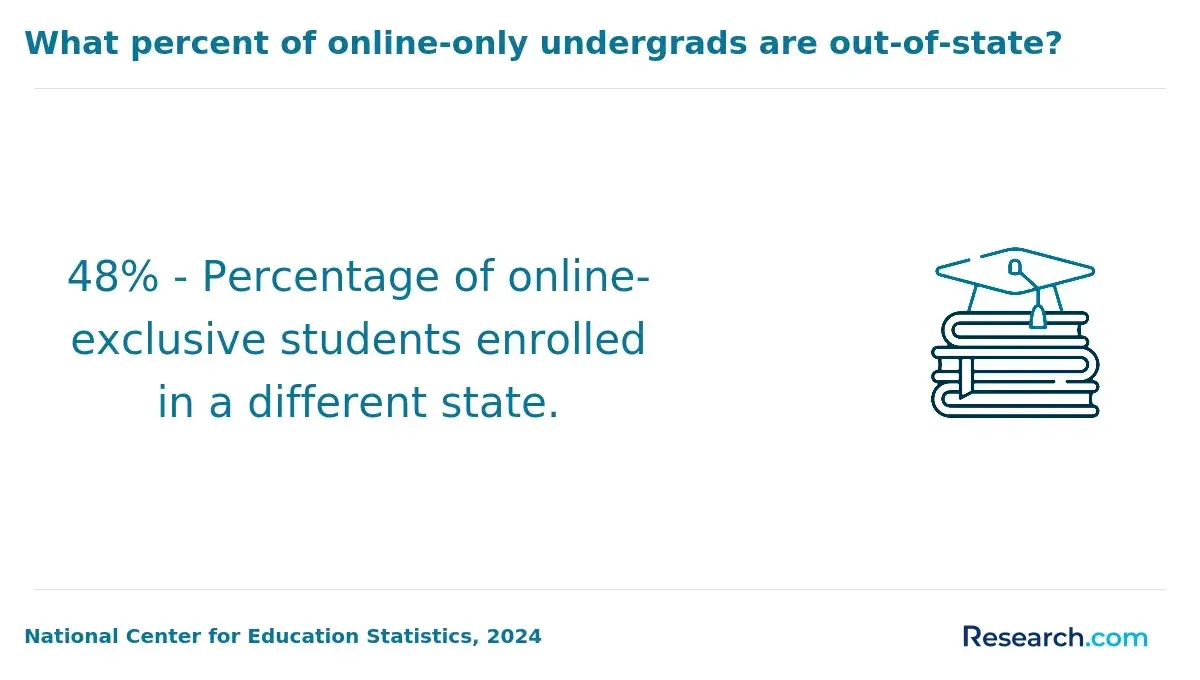
Yes, many applied business & technology degrees and certificates can be completed entirely online. Online study is especially common in programs focused on business systems, office technology, IT support, data tools, project coordination, and applied management. Several U.S. institutions, including the University of Cincinnati, Arizona State University, Kansas State University, Southern Miss, and California State University, San Bernardino, offer fully online applied business and technology degree programs that can be completed without on-campus visits.
Online certificates are also widely available and are often built for working adults who need flexible scheduling. These programs may use asynchronous courses, remote assignments, virtual labs, business software simulations, or online collaboration tools. For students balancing employment, caregiving, military service, or geographic limitations, the online format can make the difference between starting now and postponing school.
What to verify before choosing an online program
- Hands-on requirements: Some programs include projects, labs, internships, or workplace-based assignments. Confirm whether these can be completed remotely, locally, or through your current employer.
- Internship expectations: Some degree programs, including those at ASU, incorporate internships that may be completed locally or with a current employer. Certificate programs may not always include practicum experiences.
- Technology requirements: Check whether you need specific software, a webcam, a high-speed connection, or a computer that can run business and technical applications.
- Scheduling format: Online does not always mean self-paced. Some courses may require live sessions, group work, or deadlines during a fixed term.
- Career services: Ask whether online students receive access to advising, resume support, job boards, internship help, and employer networking.
- Licensure or certification needs: If your intended career requires licensure, certification, or supervised experience, confirm that the online program supports those requirements before enrolling.
For many learners, an online certificate is the fastest and most flexible path to new skills. An online degree is usually the better fit when you want a full credential with transfer value and broader career options. Older learners comparing flexible study formats may also find this guide to degrees for older adults online useful.
What Are the Admission Requirements for a Applied Business & Technology Degree vs. a Certificate Program?
Certificate programs usually have simpler admission requirements than degree programs. Degree programs often require a more formal review because they lead to an associate or bachelor’s credential and may include college-level math, writing, general education, and transfer requirements. Certificates are often more accessible and may be designed for quick entry.
Admission Requirements for Applied Business & Technology Degree Programs
- Educational background: Most degree programs require a high school diploma or GED. Some bachelor’s programs may require an associate degree or a specified number of transferable college credits.
- Standardized test scores or placement: Some institutions require placement testing, such as ACCUPLACER, to determine readiness for college-level math, writing, or reading courses.
- Grade point average: Bachelor’s programs often expect a minimum cumulative GPA of around 2.0, while some require a higher GPA such as 2.5 in major-specific courses.
- Prerequisite coursework: Applicants may need college algebra, introductory business, computer applications, or other foundation courses depending on the program level and curriculum.
- Application materials: Degree programs generally require an application and official transcripts. Some schools may also request essays, letters of recommendation, or additional documentation.
Admission Requirements for Applied Business & Technology Certificate Programs
- Educational background: Many certificate programs require only a high school diploma, GED, or equivalent. Some are open to students with no prior college experience.
- Placement assessment: Some certificates use placement tests or basic skills assessments, but these are usually less demanding than degree admissions requirements.
- Application process: Certificate applications are often shorter and may require fewer documents than degree applications.
- Prior experience: Some programs may consider relevant work experience, especially for adult learners, although this is less common than in formal degree-completion pathways.
If you are not sure whether you meet admission requirements, contact admissions before applying. Ask whether remedial courses are required, whether prior college credits count, and whether the certificate can later apply to a degree. Students considering future graduate study can also compare timelines through this guide to the quickest way to get a master's degree.
How Many Credits Do You Need to Complete a Applied Business & Technology Degree vs. a Certificate?
Applied business & technology degrees require substantially more credits than certificates. That difference affects cost, time to completion, course workload, and how much academic breadth you gain.
- Degree credits: Applied business & technology degrees usually require between 60 and 121 credits, depending on the level. Associate degrees often need around 60 credits, while bachelor’s degrees demand approximately 120 or more. The larger credit load reflects a broader curriculum that may include general education, business, technology, communication, electives, and capstone work.
- Certificate credits: Certificate programs are shorter and more focused, typically ranging from 12 to 30 credits. They are designed around a specific skill area or job function and can often be completed within a year.
The credit difference is important if you are working while enrolled. A 12 to 30-credit certificate may be manageable alongside a full-time job, especially if courses are online or offered in short terms. A 60-credit associate degree or a bachelor’s program closer to 120 or more credits requires a longer plan, more tuition, and greater scheduling discipline.
How to interpret credit requirements
- Look beyond the total number: A shorter program is not automatically easier. Certificate courses may be intensive because they compress practical training into fewer credits.
- Check course sequencing: Some courses must be taken in order. If a required course is offered only once per year, it can delay completion.
- Ask about stackability: If you may pursue a degree later, choose a certificate whose credits are designed to transfer into an applied business & technology degree.
- Compare workload per term: A part-time student taking one or two courses at a time will finish later than the catalog timeline suggests.
For students who need visible progress quickly, the certificate route can be motivating because the credit load is smaller and the goal is closer. For students who want a credential with broader transfer and advancement value, the larger degree credit requirement may be worth the commitment.
What Is the Average Tuition for a Applied Business & Technology Degree vs. a Certificate?
Certificates usually cost less overall because they require fewer credits, but tuition should be evaluated in context. A lower-cost certificate may be the right choice for quick training, while a higher-cost degree may provide stronger long-term value if it supports promotion, transfer, or broader career access.
Average Tuition for Applied Business & Technology Degree Programs
- Tuition range: Associate degree programs generally cost between $3,700 and $16,400 for the full program, with public community colleges on the lower end and universities on the higher end.
- Public vs. private institutions: Public colleges often charge $260-$400 per credit hour, while private schools may exceed $500 per credit hour.
- In-state vs. out-of-state tuition: In-state students usually pay significantly less. Out-of-state tuition can add several thousand dollars to total costs.
- Online vs. on-campus costs: Online programs may charge similar per-credit tuition but can reduce housing, commuting, and some campus-related expenses. Some schools provide flat-rate semester fees for full-time online enrollment.
- Program length: Most associate degrees require 60-65 credits over two years, so total cost depends heavily on per-credit tuition, fees, books, and whether credits transfer in.
Average Tuition for Applied Business & Technology Certificate Programs
- Tuition range: Certificate programs are generally more affordable, typically ranging from $1,500 to $5,000 depending on length and institution.
- Per-credit cost: Certificates may charge between $150 and $420 per credit hour. Some career certificates, like Google IT Support, can be completed for under $1,000 at select colleges.
- Program duration: Certificate requirements usually range from 12 to 30 credits and can be finished in a few months to a year, which lowers overall tuition and fees.
- Financial aid availability: Federal aid eligibility varies and may not be available for all certificates, so out-of-pocket cost can differ sharply from degree programs.
- Specialized certificates: Certain professional certificates in business and technology, including data analytics and project management, may cost $2,000-$10,000 at major universities.
When comparing costs, calculate the full price rather than only tuition. Include application fees, textbooks, software, exam fees, technology fees, transcript fees, and lost work time if your schedule changes. If you are also considering broader business pathways, compare applied business & technology options with a business administration degree to see which credential better fits your career plan and budget.
Students seeking affordability should also compare schools with low tuition programs that accept FAFSA. This is especially important because financial aid rules may differ between degree and certificate programs.
Can You Transfer Certificate Credits Toward a Applied Business & Technology Degree Later On?
Sometimes, yes. Certificate credits can transfer toward an applied business & technology degree, but transfer is never automatic. The receiving college decides whether credits apply, how they apply, and whether they count toward major requirements, electives, or general education.
Transfer acceptance usually depends on three factors: the accreditation status of the original institution, the course content, and the degree requirements at the school where you plan to enroll. Regionally accredited colleges typically offer broader credit acceptance. Courses are more likely to transfer when the syllabus, credit level, learning outcomes, and grade align closely with degree requirements.
- Institutional policy: Each college sets its own transfer rules. Some accept certificate courses generously; others accept only selected courses.
- Accreditation: Credits from accredited institutions are generally more portable than credits from non-credit training providers or unaccredited schools.
- Course match: A course in business software, accounting, networking, or office systems may transfer only if it matches a required or elective course in the degree plan.
- Transfer limits: Many universities cap the number of credits accepted from certificates or other programs, sometimes up to 75 hours.
- Grade requirements: Transferable courses usually require a C or better.
- Age of credits: Technology-related coursework may have time limits because software, systems, and tools change quickly.
How to avoid losing credits
- Ask for the certificate’s official curriculum map before enrolling.
- Confirm whether the certificate is stackable into a specific associate or bachelor’s degree.
- Request written transfer guidance from the degree-granting institution, not just the certificate provider.
- Keep syllabi, course descriptions, transcripts, and proof of completed projects.
- Meet with an academic advisor before changing schools or programs.
A certificate can be a smart first step if it is planned carefully. Without planning, students may discover that some credits do not apply to the degree they want, forcing them to repeat similar coursework and spend more time and money than expected.
Are Certificate Programs Accredited the Same Way as Applied Business & Technology Degrees?
No. Certificate programs are not always accredited in the same way as applied business & technology degree programs. Degrees are usually offered by accredited colleges or universities, and some programs may also hold specialized accreditation. Certificates may rely only on the institution’s accreditation, and some non-credit or private-provider certificates may not have specialized accreditation at all.
Associate, bachelor’s, and master’s degrees are commonly offered through regionally accredited institutions. Some technology-related degree programs may be connected with specialized agencies such as ABET, depending on the field and curriculum. Certificate programs are more varied. A certificate offered by an accredited college may benefit from the college’s institutional accreditation, but programmatic accreditation for certificates, such as from the Accreditation Council for Business Schools and Programs, is uncommon.
Why accreditation matters
- Financial aid: Accreditation can affect eligibility for federal financial aid. Some certificate programs do not qualify.
- Credit transfer: Accredited coursework is generally easier to transfer, although transfer is still controlled by the receiving school.
- Employer trust: Employers may view accredited college credentials more favorably than unknown or unverified training providers.
- Graduate study: If you plan to continue into a higher degree, credits and credentials from accredited institutions are usually more useful.
- Quality assurance: Accreditation indicates that the institution or program has been reviewed against external standards.
Before enrolling, verify the school’s accreditation through recognized accrediting agencies. Do not rely only on marketing language such as “approved,” “recognized,” or “career-ready.” Ask whether the certificate is credit-bearing, whether it appears on an official college transcript, and whether it can be applied to a future degree.
What Jobs Can You Get with a Applied Business & Technology Degree vs. a Certificate?
Both credentials can lead to business and technology roles, but they often prepare graduates for different levels of responsibility. Certificates tend to support entry-level, support, or skill-specific positions. Degrees may open access to roles that require broader business knowledge, stronger communication skills, data literacy, or coordination across teams.
Jobs You Can Get with a applied business & technology Degree
- Customer service manager: Oversees service teams, customer relations, workflow quality, and performance improvement.
- Project manager: Coordinates timelines, budgets, teams, vendors, and deliverables for business or technology projects.
- Business intelligence analyst: Uses data to identify trends, improve decisions, and support strategy.
- Network administrator: Maintains computer networks, monitors performance, supports users, and helps keep systems reliable.
- Public relations manager: Plans communication strategies and manages an organization’s public image.
Jobs You Can Get with a applied business & technology Certificate
- Administrative assistant: Supports office operations, scheduling, communication, document preparation, and recordkeeping.
- Help desk technician: Troubleshoots common hardware, software, account, and user-support issues.
- IT support staff: Assists with system maintenance, user support, equipment setup, and basic technical problem-solving.
- Data entry clerk: Enters, reviews, and maintains information in databases and business systems.
- Office administrator: Coordinates daily office activities, supports managers, and helps maintain workflow.
Job titles vary widely by employer. A certificate may be enough for a first office technology or support role, especially when paired with experience. A degree may be more competitive for roles that involve analysis, supervision, project coordination, or cross-functional business responsibilities. Review job postings in your target area before choosing a program, and note whether employers ask for a degree, a certificate, specific software skills, or experience.
What Is the Average Starting Salary for a Certificate vs. Applied Business & Technology Degree Graduates?
Applied business & technology degree graduates generally start at higher salaries than certificate holders, but salary depends heavily on job title, industry, location, experience, and technical skill level. A certificate may lead to faster employment, while a degree may provide stronger long-term earning potential and advancement options.
- Typical salary range for certificate holders: The average starting salary for certificate holders in applied business & technology fields typically ranges from $35,000 to $45,000 per year in the US, depending on industry and job role.
- Typical salary range for degree graduates: Graduates with an applied business & technology degree, such as a Bachelor of Applied Technology or Bachelor of Applied Science in Business Office Technology, usually start higher, between $52,000 and $63,000 annually, with experienced professionals earning up to $77,000.
- Industry effects: Technology and IT management roles generally pay more than many general administrative roles.
- Location effects: Urban areas often offer higher wages, although cost of living may also be higher.
- Experience and certifications: Prior work experience, software expertise, technical certifications, and leadership skills can raise starting pay for both certificate and degree holders.
- Career outlook: Degree holders often have broader advancement opportunities and higher lifetime earning potential. Certificate programs provide quicker, more affordable workforce entry but may limit movement into higher-paying or managerial positions over time.
When comparing salary, do not look only at the first job after graduation. Consider how quickly the credential can help you earn, how much debt you may take on, and whether the credential supports your next promotion. Students comparing degree affordability can also review options for what is the cheapest bachelor degree.
Here's What Graduates of Applied Business & Technology Programs Say About Their Degree or Certificate
Graduate experiences often reflect the same core trade-off: certificates offer speed and focus, while degrees offer depth and mobility. The best choice depends on whether you need immediate skills, a broader credential, or a staged pathway that begins with a certificate and continues into a degree.
- Jason: "Pursuing the applied business & technology certificate was a perfect fit for me because it offered a faster learning pace and fewer financial commitments compared to the degree program. I appreciated the concise curriculum that helped me quickly gain practical skills and enter the workforce without delaying my career. For anyone weighing certificate versus degree options, considering cost and time investment is crucial."
- Cami: "Choosing the applied business & technology degree program was a reflective decision for me, as I valued the comprehensive curriculum that deepened my understanding over time. The longer duration and higher cost felt like an investment in long-term career growth and higher earning potential. Balancing my education with work commitments was challenging, but ultimately rewarding when I saw the professional doors the degree opened."
- Alexander: "Completing both the applied business & technology certificate and degree programs gave me a unique perspective on the trade-offs between the two paths. The certificate's affordability and faster completion helped me build foundational skills early, while the degree offered broader knowledge and stronger credentials for career advancement. For anyone deciding, I recommend evaluating your timeline, budget, and career goals carefully to determine what suits your needs best."
Other Things You Should Know About Applied Business & Technology Degrees
Applied Business & Technology degree programs often include internships or capstone projects, offering comprehensive hands-on experience. Certificate programs may offer less extensive opportunities but typically include practical coursework. Evaluating individual programs will help determine which aligns best with your experiential learning goals.
Credits earned in applied business & technology degree programs are generally transferable to other degree programs, allowing students to continue their education if desired. Certificate program credits are often not transferable or have limited transferability, as they focus on specific skills rather than broader academic coursework.
Degree programs typically incorporate a wider range of technology trends and may be updated regularly to reflect industry standards and innovations. Certificate programs concentrate on current, specific technical skills that are immediately relevant. Both update content periodically, but degrees usually provide a deeper theoretical background to adapt to future changes.
In 2027, a degree in applied business & technology may offer broader job flexibility, enabling graduates to explore diverse roles across various industries. A certificate tends to focus on specific skills, offering quick entry into targeted positions but potentially limiting broader job options.
References
- What's the Difference Between a Professional Certificate and a Degree? https://sopa.tulane.edu/blog/whats-difference-between-professional-certificate-and-degree
- Degrees vs. Certificate Programs: What's the Difference? https://www.snhu.edu/about-us/newsroom/education/certificates-vs-degrees
- The Difference Between Accreditation and Certification https://apmg-international.com/article/difference-between-accreditation-and-certification
- IT Certifications vs. Degree: Which is Better for Your Career? https://bachelors-completion.northeastern.edu/knowledge-hub/it-certification-vs-degree/
- Applied Business Management Degrees, Certications and Endorsement | UAF CTC https://www.ctc.uaf.edu/programs/business-applied/
- Certificate vs Associate Degree | UoPeople | https://www.uopeople.edu/blog/certificate-vs-associate-degree/
- What's the Difference Between a Certificate and a Certification? | UVA SCPS https://www.scps.virginia.edu/whats-difference-between-certificate-and-certification


