
2027 Different Types of Photography Degrees and Their Salaries

Co-Founder and Chief Data Scientist
The demand for skilled professionals in photography continues to rise as industries increasingly value visual storytelling and digital content creation. Employment opportunities in photography-related roles are expected to grow steadily, driven by advancements in technology and the expanding need for high-quality imagery across media platforms. Understanding the educational pathways that lead to success in this field is crucial for making informed decisions that align with career goals.
This article offers a detailed overview of the various types of photography degrees available, along with insights into the earning potential graduates can anticipate in different specializations, providing a clear roadmap for those seeking to navigate the professional landscape of photography.
Key Points About Different Types of Photography Degrees and Their Salaries
- Associate degrees in photography typically provide foundational skills and lead to entry-level positions, with median salaries around $35,000 per year, reflecting a focus on technical proficiency rather than advanced creative roles.
- Bachelor's degrees in photography open doors to a wider range of career paths including commercial, fine arts, and media photography, with average salaries closer to $50,000 annually and greater opportunities for career advancement.
- Master's degrees often lead to specialized or leadership roles such as art direction or high-end commercial photography, with salaries frequently exceeding $70,000 per year and offering substantial long-term growth in the competitive U.S. job market.
What Are the Different Types of Photography Degrees Available?
Understanding the different types and levels of photography degrees is crucial for students before selecting a program, as each option caters to varying career goals and educational backgrounds. This knowledge helps individuals align their learning with their creative aspirations and technical skills.
Here is an overview of the main types of photography degrees and what distinguishes each one:
- Certificate in Photography: Certificate programs focus on the fundamental techniques and principles of photography. Coursework emphasizes basics such as camera operations, lighting, and digital imaging, ideal for quickly building technical proficiency or enhancing existing skills. Those seeking certificates that make good money often start here.
- Associate Degree in Photography: This degree offers a comprehensive introduction to both artistic and technical aspects of photography. Courses typically include photojournalism, digital photography, studio lighting, and image editing to foster visual literacy and hands-on experience with industry-standard equipment.
- Bachelor's Degree in Photography: Bachelor's programs provide a broader and more in-depth exploration of photographic theory, history, and practice. Students engage in advanced creative projects, art history, and multimedia studies to develop a strong conceptual foundation alongside practical skills.
- Master's Degree in Photography: Master's degrees emphasize advanced creative and critical analysis, often enabling specialization in documentary, fine art, or digital media. Coursework focuses on aesthetics, research-based projects, and opportunities for public exhibitions, encouraging refinement of personal vision and contribution to the field's discourse.
What Specializations Are Available in Photography Degrees?
Specialization is a crucial factor when choosing a photography degree, as it allows students to focus their education on areas that best fit their interests and career goals. This targeted approach helps develop specific technical skills, build relevant portfolios, and connect with professional networks aligned with their desired industry.
Below are some of the common photography specializations students often pursue:
- Portrait Photography: This specialization centers on capturing the personality and expressions of individuals or groups. Students learn studio lighting, posing techniques, and digital retouching skills, leading to careers as studio photographers, family portraitists, or event photographers.
- Commercial Photography: Focused on creating images for advertising, marketing, and business clients, this path emphasizes product photography, brand storytelling, and client relations. Graduates frequently work with advertising agencies, e-commerce, or as freelancers for various brands.
- Photojournalism: Preparing students to document real-world events for news outlets and magazines, photojournalism stresses storytelling, ethical reporting, and fast image editing. Careers include news photographers, documentary makers, and editorial contributors.
- Fine Art Photography: Encouraging creative and conceptual work, this specialization helps students build portfolios suitable for galleries and exhibitions. Graduates often become exhibiting artists, curators, or art educators.
- Fashion Photography: Combining photography with styling and branding, this path suits those interested in working with fashion magazines, advertising campaigns, and designers. Skills involve model direction, location scouting, and trend awareness.
- Sports Photography: Focused on capturing fast-paced action at sporting events, students learn techniques for quick autofocus and timing. Career opportunities include sports media outlets, professional teams, or independent contracting.
- Scientific and Medical Photography: This niche specializes in documenting scientific research, medical procedures, and specimens with precision. Graduates typically find roles in research institutions, hospitals, or educational publishing.
For those exploring flexible options, some easy degrees to get online include photography programs offering various specializations, which can be an excellent way to tailor education while accommodating different schedules.
How Long Does It Take to Complete Each Type of Photography Degree?
Understanding the duration of photography degree programs is essential for students to effectively plan their education and future career paths. Knowing how long each type of program typically takes helps in setting realistic expectations and managing both time and financial resources. Here is an overview of the main photography degree types and their typical completion times.
- Associate Degree in Photography: This program usually takes about two years to complete if attending full-time. Part-time study can extend the length, while some schools offer accelerated or online courses that may shorten the timeline. Transfer credits from prior coursework can also reduce the time required.
- Bachelor's Degree in Photography: Typically requiring four years of full-time study, this is the most common undergraduate path. Some students may finish sooner if they transfer credits or enroll in summer sessions. Online and hybrid formats are increasingly available, offering flexibility for working students.
- Master's in Photography: Graduate programs usually take between one and two years beyond the bachelor's degree. The timeline can vary depending on whether students attend full-time or part-time, with some programs offering accelerated or online options to accommodate different schedules.
- Certificate Programs in Photography: While not full degrees, these programs often take a few months to one year to complete. They are ideal for students seeking focused, shorter-term training and can often be completed online or in accelerated formats.
Are There Accelerated Photography Degree Programs?
Accelerated photography degree programs in the United States provide a pathway for students to complete their bachelor's studies in less than the traditional four years, often allowing completion within three years. These programs achieve shorter completion times by using condensed course structures, operating on year-round academic calendars, and accepting transfer credits from previous college coursework.
Some institutions offer three full-length semesters annually instead of the conventional two, enabling students to accumulate credits more quickly. Additionally, options like combined bachelor's and master's tracks further shorten overall education time by integrating graduate-level coursework early. These accelerated programs cater to motivated students seeking to enter the workforce or pursue advanced degrees more promptly than those following the standard timeline.
Common features of accelerated photography programs include an intensive workload and strict academic standards, requiring students to take heavier course loads each term and often to enroll in summer or winter sessions. There are also eligibility requirements, such as maintaining a minimum GPA or undergoing a separate application process to qualify.
Students considering these options should evaluate whether they can handle the increased pace and rigor alongside any personal or professional commitments. While accelerated programs offer a significant advantage in entering the photography field sooner-where the median annual salary for photographers was $40,170 in 2023-they demand strong time management, discipline, and academic focus. This path can be ideal for individuals focused on commercial, portrait, or fine art photography careers or who plan to continue their education at the graduate level.
Are Online Photography Degrees as Credible as Traditional Ones?
Both traditional and online photography degree programs in the US maintain rigorous academic standards, though their delivery methods differ notably. Traditional programs usually require in-person attendance, fixed schedules, and direct interaction with professors and peers, often blending hands-on studio work and physical exhibitions. In contrast, online photography degrees offer flexibility through asynchronous coursework but must still meet accreditation requirements to ensure quality comparable to campus-based programs.
Accredited online programs, such as those offered by Arizona State University and Southern New Hampshire University, provide well-structured curricula that cover technical skills, creative techniques, and theoretical knowledge, including studio management, digital editing, and portfolio development. Many online degrees use proctoring software and virtual studio simulations to uphold assessment integrity and practical skill acquisition.
Recent trends show increasing acceptance of online degrees among employers, provided the credentials come from reputable, accredited institutions. The COVID-19 pandemic accelerated the adoption of online education, pushing even traditional schools to integrate remote learning and virtual evaluations. Employers in creative industries, including photography, now tend to prioritize demonstrated skills and portfolios over the degree's delivery format.
Salaries for photographers can vary, with professionals earning up to $100,000 annually depending on their field and employer. Importantly, diplomas from accredited institutions do not indicate whether the degree was earned online or on campus, helping reduce bias. Ultimately, the credibility of a photography degree depends more on the institution's reputation and accreditation than on whether the program was completed online or in person.
How Much Does Each Type of Photography Degree Typically Cost?
Understanding the differences in tuition costs across photography degree levels is crucial for students to effectively budget and plan their finances before committing to a program. The varying prices depend largely on the degree type, institution, residency status, and delivery method, making it important to know what to expect financially. Below is an outline of typical tuition ranges for each type of Photography degree, along with factors that influence costs and common avenues for financial aid.
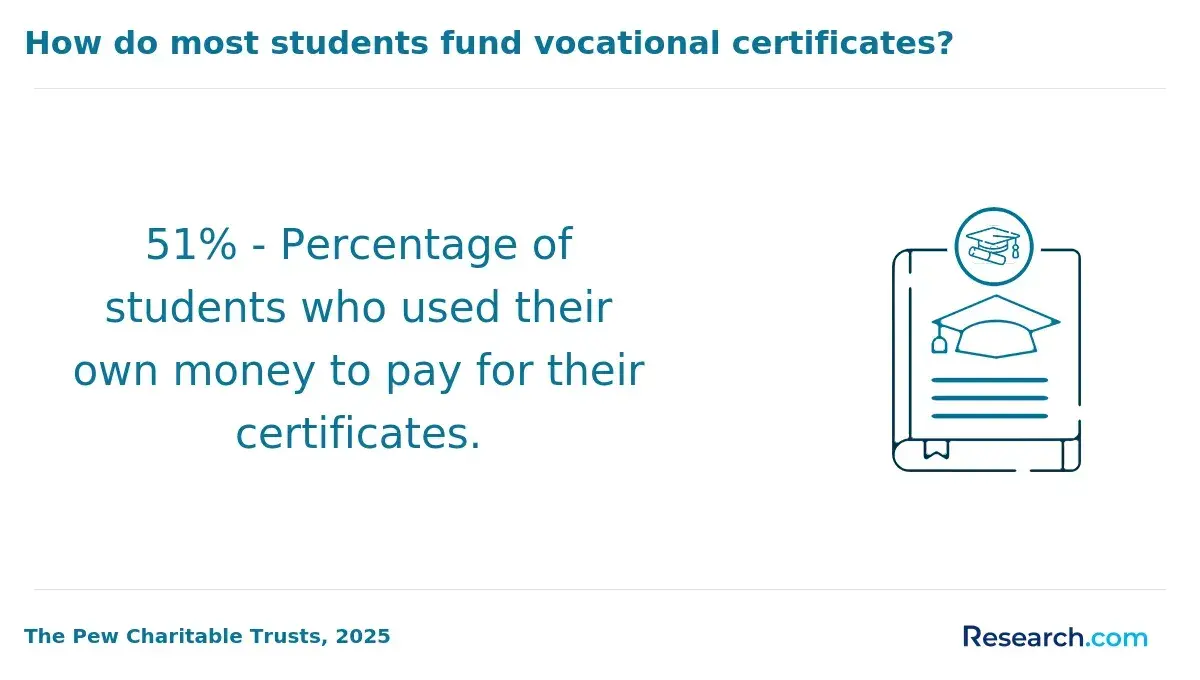
- Vocational Certificate or Diploma in Photography: These programs generally cost between $5,000 and $22,000 in total, with community colleges offering more affordable certificates and private vocational schools charging higher fees. Location, equipment requirements, and whether the program is online or on campus impact overall expenses. Many students access federal Pell Grants or state workforce training funds to help cover costs.
- Associate Degree in Photography: At public community colleges, in-state students typically pay between $3,000 and $8,000 per year, while private institutions can charge up to $20,000 annually. Tuition tends to be lower in states like California where per-unit fees are modest. Federal financial aid, local scholarships, and work-study programs are common financial support options for these students.
- Bachelor's Degree in Photography: Tuition for bachelor's degree programs varies widely; public in-state students often pay $7,500 to $11,000 annually, whereas private colleges may charge between $30,000 and $72,000 per year. Out-of-state rates at public universities can exceed $55,000 annually. Financial aid packages usually include federal and state grants, merit scholarships, and institutional aid.
- Master's in Photography: Graduate tuition ranges from about $14,500 to $32,000 per year at public universities; private art schools may charge $28,000 to $58,000 annually. Online master's programs might offer lower tuition, although additional costs such as equipment and studio fees can increase expenses. Graduate assistantships, research grants, and federal loans are typical ways students offset costs.
What Jobs Can You Get with Each Type of Photography Degree?
The level of a photography degree significantly influences the career opportunities available, as well as the types of roles graduates can qualify for within the industry. Higher degree levels tend to open doors to specialized jobs, leadership positions, and greater earning potential. Below is an overview of common jobs associated with each photography degree type.
- Associate Degree in Photography: This degree prepares graduates for entry-level roles such as freelance photographer, photo assistant, camera operator, or photo technician. Responsibilities often include photographing events, basic photo editing, and supporting senior photographers with shoots and equipment, typically in studios, small media companies, or as event photographers. Starting salaries commonly begin around $36,280.
- Bachelor's Degree in Photography: Bachelor's graduates can pursue careers as fine art photographers, photojournalists, photo editors, graphic designers, or multimedia artists. These roles involve managing photo assignments, editing collections, or working in industries like advertising, publishing, and fashion. Graduates may also start independent businesses or work commercially for brands and real estate firms, with median salaries ranging from about $39,564 to $49,965.
- Master's Degree in Photography: Holding a master's degree enables access to high-level creative and academic roles, including college photography professor, art director, or director of photography. These positions often require extensive professional experience and involve leading creative teams, developing curricula, or overseeing visual content for major organizations. Salaries tend to be higher, particularly in academia and large media companies. Students seeking advanced credentials may find affordable opportunities through cheap online master's programs.
How Do Salaries Differ by Photography Degree Type?
Degree level often influences earning potential in photography, with higher credentials generally opening doors to better-paying positions and specialized roles. Understanding how salaries differ by degree type can help students make informed educational and career decisions. Below is an overview of typical salary ranges for each degree type in photography to guide your options.
- Associate Degree in Photography: Graduates with an associate degree typically start with salaries near the lower end of the field, around $28,000 to $34,000 annually. These entry-level roles may include photography assistants or junior studio photographers. Pay varies by location and employer, with urban and commercial studios often offering higher wages.
- Bachelor's Degree in Photography: Holding a bachelor's degree generally results in higher starting salaries, with median early-career wages near $34,549 and average annual pay increasing to between $38,000 and $61,000 as experience grows. Advanced roles like studio manager or commercial photographer become accessible, and some top earners surpass $100,000, especially in specialized sectors.
- Master's Degree in Photography or Related Fields: Although specific salary data is limited, master's graduates tend to qualify for higher-level positions in academia, art direction, and fine art photography. Their earning potential often exceeds that of bachelor's degree holders, particularly with additional teaching roles or specialized skills. Choosing advanced academic paths, such as a one year doctorate degree, may further enhance career opportunities.
- Experience and Specialization: Regardless of degree, long-term earnings increase with experience, niche expertise like forensic or drone photography, and geographic location. Top professionals in metropolitan markets can command six-figure incomes, whereas entry-level jobs and smaller markets offer more modest compensation.
Is There High Demand for Photography Degree Holders in the Job Market?
There is moderate demand for photography degree holders in the U.S. job market, with employment projected to grow by 4% from 2023 to 2033 according to the U.S. Bureau of Labor Statistics. This growth aligns closely with the average for all occupations and is driven largely by workforce transitions such as retirements and career changes, resulting in approximately 13,700 job openings annually. Emerging technologies play a significant role in shaping this demand, especially digital photography tools, photo editing software, and specialized fields like drone, medical, and product photography.
These developments enable more businesses and individuals to create their own imagery, reducing some traditional salaried opportunities but expanding freelance and specialist positions in advertising, commercial content, and digital media. Regional differences also influence job availability and salary levels, with metropolitan areas and regions rich in media and commercial enterprises offering greater opportunities and higher pay.
The job market for photography degree holders remains competitive due to an influx of skilled graduates and freelancers. However, professionals with strong digital skills and specialized portfolios often have better prospects. Typical salaries range from about $42,520 to $49,965 for roles like professional photographers and photo editors, while art directors and creative directors, positions often accessible with a photography background, can earn upwards of $111,040 to $129,330 annually.
Success increasingly depends on adaptability and the ability to market specialized services effectively, particularly in regions with thriving creative industries. For students considering a photography career path, it is helpful to review resources on the best jobs for introverts to better understand how personal working styles may align with industry demands.
What Factors Should You Consider When Picking a Type of Photography Degree?
Choosing the right degree level in photography is a critical decision that shapes both your educational experience and future career path. Aligning your degree choice with your personal circumstances and professional ambitions ensures that you maximize your potential in this competitive field. Consider these key factors when selecting the photography degree that best fits your goals:
- Career Goals: Different degree levels open doors to distinct career paths. An associate degree can lead to entry-level positions quickly, while a bachelor's degree is preferred for advanced technical skills and higher-paying roles such as commercial or portrait photography. For teaching or senior creative roles, a master's degree may be necessary.
- Time Commitment: Photography degrees vary in length-associate degrees typically require two years, bachelor's four years, and master's programs one to two additional years. Evaluate how much time you can dedicate to your education versus how soon you want to begin your professional career.
- Specialization Options: Many photography programs offer specializations like commercial, portrait, documentary, or photojournalism. Choosing a concentration aligned with your interests helps develop a targeted portfolio and enhances your competitiveness in specific markets.
- Earning Potential: Generally, higher degree levels correlate with higher salaries. Photographers with formal training and strong portfolios earn median salaries around $38,950, but specialized or advanced-degree holders may command more. Consider how the potential income aligns with your investment in education.
- Program Cost and Financial Aid: Tuition costs can range from $35,000 to $180,000 depending on the institution and program. Research available scholarships and financial aid, and weigh the return on investment for each degree level.
- Facilities, Faculty, and Networking: Quality equipment, access to studios, experienced faculty, and strong alumni networks significantly impact learning and job opportunities. Investigate each program's resources and industry connections before deciding.
What Photography Graduates Say About Their Degree and Salary
- Gio: "Completing my Bachelor of Fine Arts in photography gave me the technical skills and creative confidence needed to thrive in a competitive market. The program emphasized hands-on learning with industry professionals, which opened doors to internships that directly led to my first job. Having a specialized degree sets me apart and continually pushes me to refine my artistic voice while staying current with evolving technologies. It's been rewarding to join a network of passionate artists and contribute my unique perspective through commercial and editorial work. "
- Darius: "After earning my Master's degree in photography education, I transitioned smoothly from student to educator, empowered to inspire the next generation of photographers. The program's focus on pedagogy combined with practical studio experience gave me the tools to foster creativity and critical thinking in the classroom. I've grown personally by witnessing my students' artistic journeys and have built a supportive community that values both craft and expression. This degree provided not just career stability but a profound way to impact young people positively. "
- Marisela: "Obtaining an Associate degree in commercial photography was a game-changer for launching my freelance business. The curriculum covered essential aspects like lighting, editing, and client relations, which helped me develop a versatile skill set. It was challenging to balance school and work, but the program's structure and career services equipped me with practical tools for success. Professionally, I've been able to scale my services steadily and collaborate with diverse clients, all while pursuing my passion for visual storytelling. "
Other Things You Should Know About Photography Degree Programs & Salaries
In 2027, photography degrees range from associate to bachelor's, with options to specialize in areas like commercial photography or photojournalism. Graduates can expect starting salaries to vary, with commercial photographers earning around $40,000 annually and photojournalists approximately $45,000, depending on location and expertise.
The benefits of obtaining a photography degree in 2027 include honing technical skills, networking opportunities, and access to industry-standard equipment. Drawbacks may include the cost of tuition and the competitive nature of the job market post-graduation. Balancing these factors is crucial for prospective students.
References
- The Entrepreneurial Photographer in 1 year - Photography Programs In Paris https://speos-photo.com/en/1-year-photography-programs/accelerated-bachelor-the-entrepreneurial-photographer/
- Photography Courses Fees: Investing in Visual Excellence https://aaftonline.com/blog/photography-courses-fees-investing-in-visual-excellence/
- Photography BA (Hons) Top-up Degree – University Centre Farnborough https://www.ucfarnborough.ac.uk/course/ba-hons-photography-topup/B93G/
- 6 Post-Graduation Jobs for Photography Majors | Nation Photo Lab https://www.nationsphotolab.com/blogs/photography-business-and-brand/post-graduation-jobs-for-photography-majors
- Core Photography Courses, Specializations & More | Guide by ABD https://allbachelordegrees.com/degrees/arts-and-design/digital-photography/photography-degree-core-courses/
- 2025 Photography Tuition https://www.collegetuitioncompare.com/majors/50.0605/photography/
- Is a Photography Degree Worth It in 2025? Career Guide https://www.mefoto.com/is-a-photography-degree-worth-it/


