
2027 Cybercrime Degree vs. Certificate: Which Should You Choose?

Co-Founder and Chief Data Scientist
Today's students and professionals face important decisions when choosing between earning a degree or a certificate in cybercrime. Both educational paths offer valuable skills for combating cyber threats and advancing in cybersecurity careers. However, degrees typically provide broader knowledge and take longer to complete, while certificates focus on specific technical skills and can be earned more quickly.
For example, a degree in cybercrime may cover law enforcement, digital forensics, and network security, appealing to those seeking comprehensive expertise. Certificates, often preferred by working professionals, can target emerging areas like ethical hacking. This article compares their key differences to help readers select the best option for their career goals and lifestyle.
Key Points About Cybercrime Degree vs. Certificate Programs
- Degree programs offer comprehensive knowledge and research skills, leading to higher salary potentials, with median earnings around $95,000 annually, compared to certificate holders earning roughly 20% less.
- Certificate programs focus on specific, practical skills, enabling faster entry into the workforce or skill enhancement for current professionals within 6 to 12 months.
- Degrees typically require 2-4 years and support broader career advancement, while certificates suit those seeking targeted expertise or continuing education without a long time commitment.
What Are the Differences Between Cybercrime Degree and Certificate Programs?
While both cybercrime degrees and certificate programs can open doors to meaningful careers, they differ significantly in scope, commitment, and outcomes. Knowing these differences helps students select the educational path that best fits their professional objectives and available time.
Here are the primary distinctions between cybercrime degrees and certificate courses:
- Depth of Learning: Cybercrime degrees offer comprehensive study covering theory, practical skills, and broader cybersecurity concepts, ideal for those seeking an in-depth understanding. Certificates focus on specific skills or topics, making them suitable for learners who want targeted expertise quickly.
- Time Commitment: Degree programs require a longer duration, often several years, perfect for individuals ready to invest significant time. Certificates are shorter, offering faster completion for those aiming to upskill or switch careers efficiently.
- Career Advancement: Degrees often provide a stronger foundation for long-term career growth and leadership roles by delivering extensive knowledge across related fields. Certificates serve well for immediate job entry or enhancement of existing skills, fitting professionals needing quick qualifications.
- Flexibility and Focus: Certificate programs frequently allow more scheduling flexibility and concentrate on current industry trends and tools. Degree programs follow a structured curriculum that may include general education, appealing to learners preferring a systematic approach.
How Long Does It Take to Complete a Cybercrime Degree vs. a Certificate Program?
Completion time is a crucial factor for many students when deciding between a cybercrime degree vs. certificate program. Understanding the typical duration and flexibility of each option helps prospective learners align their educational choices with career goals and personal schedules.
- Typical Duration: The average duration of cybercrime degree programs usually ranges from two to four years for undergraduates, with bachelor's degrees typically taking four years and associate degrees about two. Graduate degrees may add one to two years beyond the bachelor's. In contrast, cybercrime certificate program completion time is often less than a year, with some lasting just a few months depending on the institution and course load.
- Flexibility: Both degrees and certificates offer full-time and part-time pacing options. Part-time students pursuing degrees might take up to six years or more, while certificate durations can extend from several months to a couple of years if taken part-time. This flexibility allows students to balance education with work or other commitments.
- Factors Affecting Timeline: The complexity of the program, including the number of required courses and credits, significantly impacts completion time. For example, a master's degree may require around 30 credits, whereas a certificate might only require 12. Prior experience or transfer credits can accelerate progress, and advanced or specialized certificates may take longer than entry-level ones.
Choosing between these depends largely on how quickly you want to enter the cybercrime field and your long-term plans. For those looking for shorter options, exploring short certificate programs that pay well online can offer a fast-track into employment opportunities while gaining valuable skills.
Can You Complete a Cybercrime Degree or Certificate Entirely Online?
The rapid growth of online education in the United States has made it possible to complete many cybercrime degrees and certificates entirely online. Numerous universities provide fully online cybercrime certificate programs along with bachelor's degrees in cybercrime or cybersecurity, such as those offered by Western Governors University, Purdue Global, and University of Maryland Global Campus. These programs are typically delivered asynchronously, allowing students the flexibility to study from any location.
Some master's programs, including those at Michigan State University and Lasell University, are designed to be completed fully online as well, which serves working professionals or those with personal commitments effectively. Before enrolling, prospective students can explore options and compare offerings by reviewing the best programs for seniors online to assess how online learning platforms vary.
When comparing online cybercrime degree programs, it is important to consider elements beyond coursework, such as hands-on training, labs, and virtual internships. While most online formats emphasize theory and technical skills, some require or offer in-person internships or proctored exams.
If your career objectives include licensure or certifications like CompTIA Security+ or Certified Ethical Hacker, ensure your chosen program provides adequate preparation or testing pathways. Ultimately, selecting the right format depends on your learning style, professional goals, and the availability of real-world experience, which may differ between degrees and certificates delivered fully online.
Breakdown of All 2-Year Online Title IV Institutions

What Are the Admission Requirements for a Cybercrime Degree vs. a Certificate Program?
Admission requirements are a critical factor when deciding between pursuing a cybercrime degree or enrolling in a certificate program, as they influence your eligibility and preparedness for further study or career growth. Understanding these varied criteria can help applicants select the best educational path aligned with their background and aspirations.
Below is a side-by-side comparison of typical admission requirements for each option.
Admission Requirements for Cybercrime Degree Programs
- Educational Background: Applicants generally need a high school diploma for associate and bachelor's degrees, while master's degree programs require a bachelor's degree. Specialized graduate programs often prefer a bachelor's in computer science, cybercrime, or a related field.
- GPA Standards: Degree programs usually set minimum GPA thresholds, commonly around 2.0 for undergraduate admissions and 3.0 for graduate-level entry. For instance, the University of South Carolina's cyber intelligence degree requires a 2.0 GPA, whereas Michigan State University mandates a 3.0 GPA for its master's in cybercrime.
- Standardized Test Scores: Some programs ask for SAT or ACT scores for undergraduate admission and GRE scores for graduate studies. Typical GRE minimums include 145 verbal and 150 quantitative, with more selective programs expecting higher results.
- English Proficiency: International applicants must submit TOEFL, IELTS, or equivalent scores, with competitive programs often requiring a TOEFL score of 100 or IELTS of 6.5.
- Supplemental Materials: Graduate programs typically require personal statements, letters of recommendation, and official transcripts to support applications.
Admission Requirements for Cybercrime Certificate Programs
- Educational Background: Certificate programs are more accessible, usually requiring only a high school diploma or GED.
- GPA Standards: These programs often have minimal or no GPA requirements, allowing greater flexibility for applicants with diverse academic histories.
- Standardized Test Scores: Most certificates do not require SAT, ACT, or GRE scores, though some may use placement tests like ACCUPLACER to assess basic skills.
- Professional Experience: While some advanced certificate programs request relevant work experience, entry-level certificates generally do not.
- Additional Requirements: Application processes are simpler, typically involving brief forms without essays or recommendations.
For those interested in the cybercrime degree admission requirements in the US, it is important to note that degree programs tend to have more rigorous and comprehensive criteria. In contrast, the cybercrime certificate program entry criteria offer easier access to foundational skills or career improvement.
To explore how education in these programs may impact earning potential, consider reviewing the list of highest-paying college majors.
How Many Credits Do You Need to Complete a Cybercrime Degree vs. a Certificate?
Knowing the number of credits required to complete a cybercrime degree versus a certificate is essential for students to effectively plan their educational journey and manage their time. Understanding these credit expectations helps clarify the commitment involved and aligns with career goals.
Here is a clear comparison of typical credit loads for each program type:
- Degree: Usually demands 120 credits, encompassing core courses in cybercrime or cybersecurity, general education, and electives, typically completed over four years of full-time study.
- Certificate: Requires between 12 and 30 credits, focusing on practical and foundational skills, designed for completion in less than a year and aimed at professionals needing targeted expertise without a lengthy commitment.

What Is the Average Tuition for a Cybercrime Degree vs. a Certificate?
Tuition costs are a crucial consideration when deciding between pursuing a cybercrime degree or a certificate, as they directly affect your financial investment and potential return on education. Comparing the average cost of a cybercrime degree in the US with certificate program costs helps align your educational choice with your budget and career goals.
Below is a detailed comparison of typical tuition ranges and key factors influencing each option.
Average Tuition for Cybercrime Degree Programs
- Tuition Range: Bachelor's degrees in cybercrime or cybersecurity typically cost between $25,000 and $65,000 for four years at public universities, while private institutions can charge up to $147,000.
- Online vs. On-Campus: Online degree programs usually have lower tuition, averaging between $30,000 and $45,000, with some transfer completion programs as low as $9,280.
- Master's Programs: Graduate degrees generally range from $5,000 to $30,000 depending on program length and reputation; some online master's degrees can be as affordable as $5,360.
- Cost Per Credit: Tuition is often charged per credit hour, falling between $185 and $965 at various institutions.
- Other Factors: Public university tuition rates are typically lower than private; in-state students also benefit from reduced fees compared to out-of-state.
Average Tuition for Cybercrime Certificate Programs
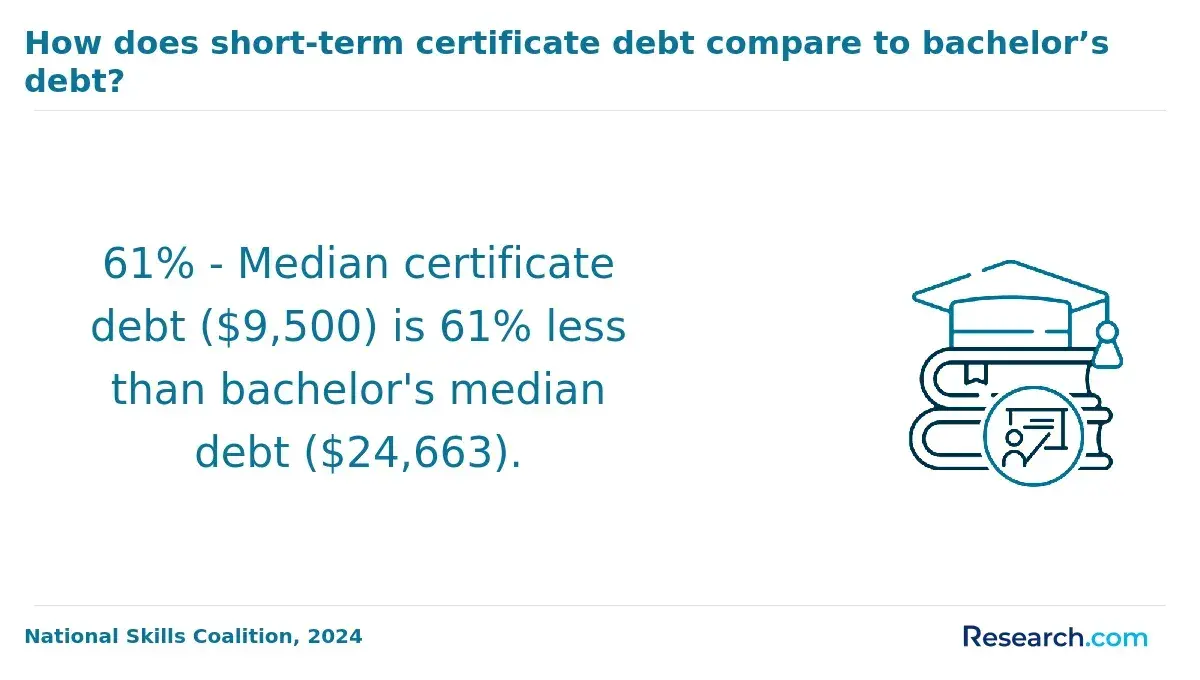
- Tuition Range: Cybercrime certificate programs are more affordable, generally costing between $5,000 and $15,000 for the entire program, making them budget-friendly alternatives.
- Program Length: These certificates require fewer courses, reducing overall tuition compared to degrees and aligning with the cybercrime certificate program tuition comparison.
- Per Course Cost: Graduate-level certificates may charge around $5,700 per course, with some single-course certificates reaching up to $6,500.
- Delivery Format: Online certificates often provide cost savings and flexibility, although on-campus options can sometimes have higher fees due to technology or lab expenses.
- Additional Costs: While some programs include extra fees, total expenditures typically remain substantially lower than degree programs.
For those considering alternative educational pathways, exploring quick degree programs that pay well may offer valuable insights alongside the financial assessment of degrees versus certificates in cybercrime fields.
1
Can You Transfer Certificate Credits Toward a Cybercrime Degree Later On?
Certificate credits can often be transferred toward a cybercrime degree, but this depends largely on the institution's policies. Transferability usually requires that the certificate was earned from an accredited school and that the courses align closely with those in the degree program.
Many colleges and universities evaluate the relevance of prior coursework to ensure it matches their curriculum standards. Because policies vary, some schools may accept most credits while others accept only a portion, making it essential to understand each institution's criteria before pursuing further education.
Key factors to consider include limits on how many credits can be transferred, with some universities capping these amounts, such as allowing a maximum of 30 undergraduate credits from certificates. Grade requirements are also common; for example, undergraduate transfers might require a minimum of a "C," while graduate-level courses may need a "B" or higher. Additionally, many schools impose time restrictions, accepting credits only if completed within a certain number of years. Confirming transfer policies with your chosen institution before enrolling in a certificate program helps ensure your efforts contribute effectively toward a degree.
Are Certificate Programs Accredited the Same Way as Cybercrime Degrees?
Certificate programs in cybercrime are not accredited in the same manner as cybercrime degrees. Degree programs-such as associate's, bachelor's, or master's degrees-are generally offered by regionally or nationally accredited colleges and universities, guaranteeing institutional and program quality.
Certificate programs vary more widely; some are provided by accredited schools, while others lack formal accreditation or only hold industry-specific recognition. Both offer specialized content, but degrees follow consistent, broad academic standards through institutional accreditation, whereas certificates may have limited recognition and transferability depending on their provider.
Accreditation matters because it assures students of educational quality, allows credit transfers, and influences eligibility for federal financial aid. Employers often prefer credentials from accredited programs as they reflect rigorous academic standards.
When choosing a program, students should verify the institution's accreditation status via the U.S. Department of Education, check if the certificate is part of or recognized by an accredited program, and assess employer acceptance in the cybercrime field. Confirming accreditation through recognized bodies before enrollment helps ensure a valuable and credible education.
What Jobs Can You Get with a Cybercrime Degree vs. a Certificate?
Both cybercrime degrees and certificates provide pathways into cybersecurity careers, but they typically prepare graduates for different types of roles and levels of experience. Understanding the career opportunities linked to each credential can help you decide which best fits your goals.
Below is a comparison of common job titles and their general responsibilities based on whether you hold a degree or a certificate.
Jobs You Can Get with a Cybercrime Degree
- Cybercrime analyst or investigator: Focuses on identifying cyber threats and investigating security breaches, often working with law enforcement or corporate security teams.
- Information security analyst: Develops and implements security measures to protect organizational IT systems and data from cyber attacks.
- Cybersecurity engineer: Designs and maintains secure networks and systems, ensuring ongoing protection against vulnerabilities.
- Cybersecurity manager: Oversees cybersecurity teams and strategies, coordinating efforts to safeguard information assets.
- Network security administrator: Manages and monitors network infrastructure to prevent unauthorized access and maintain secure communications.
Jobs You Can Get with a Cybercrime Certificate
- IT support technician: Provides technical assistance and troubleshooting for hardware and software issues in an organization.
- Network tester: Evaluates network performance and security by running tests to identify weaknesses and suggest improvements.
- Security analyst (entry-level): Assists in monitoring security systems and analyzing alerts to detect potential intrusions.
- Junior penetration tester: Conducts controlled simulated cyberattacks to uncover security flaws and recommend fixes.
- Security technician: Supports the implementation and maintenance of security hardware and software technologies within IT environments.
What Is the Average Starting Salary for a Certificate vs. Cybercrime Degree Graduates?
Salary potential often varies significantly between cybercrime certificate holders and those with a full cybercrime degree. Understanding these differences helps prospective students evaluate their career and educational investments. Below is a comparison highlighting typical starting salaries and key factors affecting earnings.
Starting salaries differ notably between graduates with certificates and degrees, reflecting variations in training depth and career opportunities.
- Typical Salary Range for Certificate Holders: Entry-level professionals with a cybercrime certificate typically earn between $50,000 and $75,000 annually. These roles often include IT support, junior security analyst, or technician positions, reflecting the shorter training period and narrower focus of certificate programs.
- Typical Salary Range for Degree Graduates: Graduates with an associate or bachelor's degree in cybercrime or cybersecurity usually start between $69,000 and $92,000. Positions often include cybercrime analyst, cybersecurity specialist, or incident analyst, with a reported starting salary around $92,160 for some roles.
- Influencing Factors: Industry and employer size matter-large companies and government agencies generally offer higher pay. Location also plays a role, as urban centers and tech hubs like New York, Washington, and San Francisco tend to pay above the national average. Prior IT experience and certifications such as CISSP or CEH can increase starting salaries across both certificate and degree holders.
- Career Outlook: While both pathways present positive job prospects, the average salary for cybercrime degree graduates is higher, often accompanied by a stronger foundation for advancement and broader career opportunities.
For those exploring programs, consulting lists of the best online nationally accredited colleges can help identify quality cybercrime degrees and certificates aligned with career goals.
Here's What Graduates of Cybercrime Programs Say About Their Degree or Certificate
- Jase: "Choosing the cybercrime certificate program was perfect for me because I wanted to dive into the field quickly without a huge financial commitment. The pace was intense but manageable, and I appreciated how focused the learning experience was compared to a degree. It gave me the practical skills I needed to start my career faster, which was exactly what I was looking for."
- Kyro: "Reflecting on my cybercrime degree journey, I realize how valuable the in-depth knowledge and longer learning experience were. Although the degree was more expensive, the comprehensive curriculum made me feel confident entering more advanced roles. For anyone weighing degree versus certificate, consider your career goals and time commitment - the degree certainly prepares you for a broader range of opportunities."
- Aaron: "Having completed both the cybercrime certificate and degree programs, I can say each served a unique purpose. The certificate offered a quick, cost-effective introduction, while the degree provided a deeper understanding and greater career flexibility. Balancing the cost with the scope of study mattered a lot to me, as investing more time and money in the degree paid off in the long term with better job prospects and salary potential."
Other Things You Should Know About Cybercrime Degrees
In 2027, employers often view degrees as comprehensive due to their depth and scope, while certificates are seen as specialized training. Acceptance depends on job requirements, with specific roles valuing practical skills from certificates and others prioritizing the broader knowledge base from degrees.
In 2027, transferring credits from a cybercrime certificate to a degree program varies by institution. Some schools may allow partial credit transfers if the certificate covers similar coursework, but this is not universally guaranteed. Always check transfer policies with the specific institutions for accurate information.
Both cybercrime degree and certificate programs in 2027 typically offer hands-on experience, though the scope varies. Degrees often include internships or lab work, providing in-depth practical exposure. Certificate programs may offer shorter, more targeted projects or workshops focused on current industry tools and techniques.
References
- Cybersecurity Certificate vs Associate Degree https://chartercollege.edu/news-hub/cybersecurity-certificate-associate/
- Fast-track Your Degree by Transffering Relevant Credits https://www.eccu.edu/student-services/transferring-credit/
- Cyber Security Online Degree Vs Certification https://www.niit.com/india/blog/cyber-security-online-degree-vs-certification/
- Transfer Credits to a Cybersecurity Program at CTU https://www.coloradotech.edu/degrees/studies/information-systems-and-technology/cybersecurity-transfer-credits
- How Much Do Cybersecurity Certification Programs Cost? - Noodle.com https://resources.noodle.com/articles/how-much-do-cybersecurity-certification-programs-cost/
- What is the difference between certification and degree programs in cybersecurity? https://www.nucamp.co/blog/coding-bootcamp-cybersecurity-what-is-the-difference-between-certification-and-degree-programs-in-cybersecurity
- Cybersecurity Career: Certificate vs Degree Comparison https://www.mycomputercareer.edu/which-is-better-a-cybersecurity-certificate-or-a-degree/
- The difference between certification and accredited certification - IT Governance Blog https://www.itgovernance.co.uk/blog/the-difference-between-certification-and-accredited-certification
- Bachelorâs Degree in Applied Cybersecurity (BACS) - Transfer Credit Process https://www.sans.edu/cyber-security-programs/transfer-credit-process/
- Degree, Certs, or Skills: Which is Best? https://medium.com/@infosecguy_88900/degree-certs-or-skills-which-is-best-14189d73d138


