
2027 Different Types of Sports Science Degrees and Their Salaries

Co-Founder and Chief Data Scientist
The demand for skilled professionals in sports science continues to rise as the industry expands to encompass health, performance, and rehabilitation sectors. According to the U.S. Bureau of Labor Statistics, employment in related fields is projected to grow significantly over the next decade, reflecting increasing investment in athlete care and wellness programs.
Choosing the right educational path is crucial for maximizing career opportunities and earning potential in this dynamic field. This article offers a comprehensive guide to the various types of sports science degrees available and outlines the salary expectations associated with each, helping prospective students make informed decisions aligned with their career goals.
Key Points About Different Types of Sports Science Degrees and Their Salaries
- Students with a bachelor's degree in sports science typically have broader career opportunities, including roles in athletic training, coaching, and fitness management, and can expect median salaries around $50,000 to $60,000 annually according to U.S. Bureau of Labor Statistics data.
- Holding a master's degree in sports science often leads to higher earning potential and advanced positions such as exercise physiologist or sports performance director, where salaries can range from $65,000 to over $80,000 depending on experience and location.
- Associate degrees in sports science generally prepare graduates for entry-level support roles, such as assistant trainers or fitness instructors, with starting salaries averaging between $30,000 and $40,000, but the potential for long-term income growth is significantly greater with higher education levels.
What Are the Different Types of Sports Science Degrees Available?
Understanding the different types and levels of sports science degrees is crucial for students before selecting a program, as each degree caters to diverse career objectives and academic backgrounds. Choosing the right degree influences not only educational focus but also professional pathways and salary potential.
To help clarify these options, here is a list outlining the main types of sports science degrees and what distinguishes each one:
- Bachelor of Science in Sports Science: Focuses on foundational scientific principles such as anatomy, physiology, biomechanics, nutrition, and sports psychology, providing a broad understanding of human movement, athletic performance, and wellness.
- Bachelor of Science in Exercise Science or Exercise Physiology: Centers on physiological responses and adaptations to exercise, covering exercise testing, prescription, programming, fitness assessment, kinesiology, and nutrition to improve health and athletic ability.
- Bachelor of Science in Movement and Sport Sciences: Emphasizes human movement from a kinesiology perspective, including motor control, motor development, biomechanics, and sport and exercise psychology with practical lab and research experiences.
- Bachelor of Science in Sports and Health Sciences: Integrates sports science with health and wellness concepts, featuring coursework in anatomy, physiology, exercise science, nutrition, and mental training strategies to promote athletic and general health.
- Bachelor of Science in Sports Psychology (or as a concentration): Focuses on the psychological and emotional factors affecting athletic performance, covering motivation, mental resilience, sports behavior, and psychological assessment.
Salaries for graduates vary widely by degree level and specialization. For example, exercise physiologists typically earn around $51,350 annually, but professionals like sports psychologists and nutritionists with advanced degrees can command higher salaries. Students looking for fast bachelor degrees may find fast bachelor degrees designed to accelerate their educational path while focusing on these specialties. This highlights the importance of aligning educational choices with both career ambitions and salary expectations.
What Specializations Are Available in Sports Science Degrees?
Choosing a specialization within a sports science degree is an important decision that shapes both your academic experience and future career opportunities. It helps students focus on the skills and knowledge most relevant to their professional goals, whether they aim to work in clinical settings, coaching, or health promotion.
Below are some common sports science specializations that highlight different career paths and skills developed in each area:
- Exercise and Sport Sciences: This specialization centers on the scientific study of human movement, biomechanics, and exercise physiology. Students develop research skills and can pursue careers as exercise physiologists, fitness specialists, or further education in allied health professions.
- Sports Medicine and Athletic Training: Focused on injury prevention, assessment, and rehabilitation, this track prepares graduates to become athletic trainers or sports therapists, with opportunities for advanced study in sports medicine.
- Sports Psychology: This area explores how mental factors influence athletic performance and well-being. Key competencies include motivation techniques and mental health counseling, leading to roles such as sports psychologists or mental performance consultants.
- Nutrition (Exercise and Health): Concentrating on the effects of diet on physical activity and health, this specialization prepares students to become sports nutritionists or wellness coaches by developing expertise in dietary analysis and public health nutrition.
- Strength, Conditioning, and Fitness: Students learn to design training programs for diverse populations. Graduates often work as strength and conditioning coaches, personal trainers, or rehabilitation specialists, with salaries reported up to $81,000 for experienced professionals.
- Physical Education and Youth Development: This track emphasizes teaching and coaching youth in schools or community programs, leading to careers as physical education teachers, youth sports coordinators, or community health educators.
For those considering advanced study options, it may be helpful to explore the easiest doctorate degree to obtain to ensure alignment with long-term career aspirations. Choosing the right specialization not only affects job function and credentials but also has a significant impact on salary potential, which can range broadly from $47,940 for fitness trainers to $99,710 for physical therapists according to the latest labor statistics.
How Long Does It Take to Complete Each Type of Sports Science Degree?
Understanding the duration of different sports science degree programs is essential for students to effectively plan their education and future career paths. Knowing how long each degree takes can help manage expectations and balance commitments. The following list outlines the main sports science degree types along with their typical completion times.
- Associate Degree in Sports Science: Usually takes about two years to complete when studying full-time. Part-time students may take longer, while credits transferred from high school or other programs can shorten the timeline. Many community colleges offer flexible schedules and some provide online courses to accelerate completion.
- Bachelor's Degree in Sports Science: Typically requires four years of full-time study, covering foundational and advanced topics. Students attending part-time or changing majors might extend their study period. Some universities offer accelerated programs or online classes to help students finish sooner.
- Master's in Sports Science: Generally completed within 1.5 to 2 years of full-time study after obtaining a bachelor's degree. The timeline can vary based on thesis requirements or part-time enrollment. Online and hybrid programs are increasingly available, offering more flexibility for working professionals.
- Doctorate (PhD) in Sports Science: Often ranges from 3 to 6 years, depending on research scope and dissertation work. Students may take longer if balancing professional duties or if their research demands extended fieldwork. Some programs offer part-time options but rarely accelerated tracks due to the nature of doctoral research.
Are There Accelerated Sports Science Degree Programs?
Accelerated sports science degree programs are available at various U.S. universities, designed to shorten the time needed to earn both a bachelor's and a master's degree. Instead of the traditional six or more years, students can often complete these combined degrees in about five years.
These programs achieve a faster pace by utilizing formats such as condensed courses, year-round academic terms, and by allowing graduate-level credits to count toward undergraduate degree requirements during the final year. Some schools offer even more compressed options, including three-year bachelor's degrees by minimizing breaks and intensifying the curriculum.
Additionally, transfer pathways may enable students who already hold an associate's degree in exercise science to finish their bachelor's in just two years, and complete a master's in only one more year.
While accelerated sports science degrees offer a quicker route to entering the workforce or advancing in specialized roles such as athletic performance or sports medicine, they also come with challenges. Students need to be prepared for a significantly higher workload, especially in their senior year when undergraduate and graduate courses often overlap.
Eligibility requirements typically include maintaining a minimum GPA-usually around 2.0 or higher-and completing a certain number of undergraduate credits before applying for the accelerated path. This sometimes involves a formal application and faculty review process. Despite the intensity, these programs may provide cost savings and earlier access to higher-paying career opportunities, where median salaries range from $50,000 to $80,000 depending on specialization and certification.
Reflecting on the question of whether accelerated sports science degree programs truly exist, a graduate of such a program shared his experience. He described the process as "intense but rewarding," noting that balancing undergraduate and graduate coursework simultaneously demanded exceptional time management and dedication. He recalled moments of stress during condensed winter terms when deadlines were tight, but also emphasized how the continuous learning momentum helped him stay engaged.
The accelerated structure required a clear focus on priorities, and he appreciated the support from advisors who helped navigate eligibility and course sequencing. Ultimately, he felt the program's fast pace prepared him well for his career and allowed him to enter the workforce sooner than peers in traditional tracks, which he sees as a compelling advantage despite the challenges.
Are Online Sports Science Degrees as Credible as Traditional Ones?
Both traditional and online sports science degrees can uphold high academic standards, with the primary distinction lying in the institution's accreditation and reputation. Traditional programs often emphasize in-person interaction, structured schedules, and direct mentorship from faculty, which many view as markers of rigor. However, online sports science degrees from regionally accredited universities are increasingly designed to mirror these rigorous academic standards.
According to the Babson Survey Research Group, 77% of academic leaders believe that learning outcomes from online education are as good as or better than those from traditional classrooms. Additionally, online programs offer flexibility, allowing students to balance work and study more easily, which can be a significant advantage for many learners.
Employer acceptance of online sports science degrees has grown notably in recent years. Instead of focusing on whether a degree was earned online or in-person, many employers prioritize the quality of the program, the candidate's research output, and practical experience.
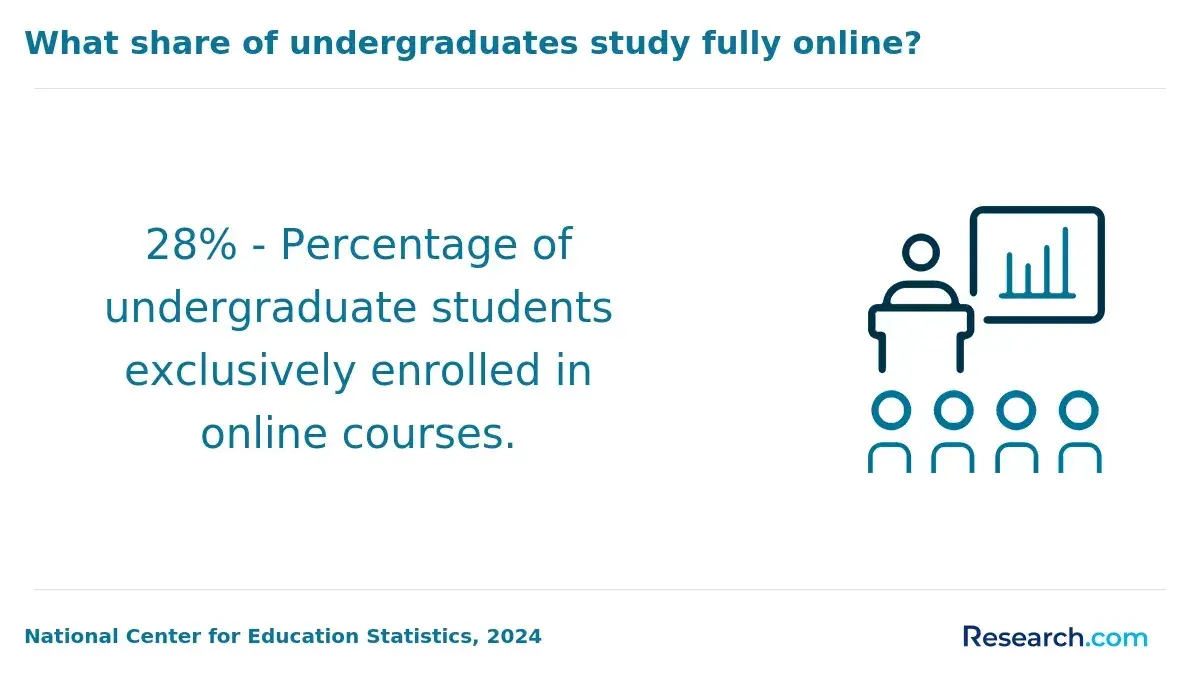
The National Center for Education Statistics notes that 24.9% of graduate students now earn their degrees exclusively online. In the sports science field, employers value measurable skills such as research capability, relevant experience, and a deep understanding of the subject. Ultimately, credibility depends more on the reputation and accreditation of the institution granting the degree than on the delivery format alone.
How Much Does Each Type of Sports Science Degree Typically Cost?
Understanding the differences in tuition costs across various sports science degree levels is essential for effective budgeting and long-term financial planning. Knowing what to expect can help students make informed decisions and avoid unexpected expenses. The following bullet list outlines typical tuition ranges and factors influencing the cost for each type of sports science degree.
- Associate Degree in Sports Science: Tuition for associate programs usually ranges from $3,000 to $10,000 per year at public community colleges, with lower costs for in-state students. Private colleges generally charge more, but many students can access federal Pell Grants and state financial aid to help offset these expenses.
- Bachelor's Degree in Sports Science: Annual tuition varies widely; public universities charge between $9,000 and $18,000 for in-state students, while private institutions may cost $24,000 to $57,000 per year. Online bachelor's programs often offer more affordable options, with average net prices from $9,300 to $24,700 annually. Financial aid options commonly include federal loans, scholarships, and work-study programs.
- Master's in Sports Science: Graduate tuition tends to be higher, with public schools charging $15,000 to $25,000 annually and private schools between $20,000 and $45,000. Online master's programs may reduce costs by charging per credit hour, averaging around $684. Students often benefit from graduate assistantships and employer tuition reimbursement plans.
- Doctorate in Sports Science (PhD or EdD): Doctoral degrees represent the highest tuition costs, often surpassing $45,000 per year at leading research universities and approximately $820 per credit hour at specialized institutions. Many doctoral candidates receive financial support through fellowships, teaching assistantships, and research grants, which can greatly reduce their financial burden.
When speaking with a graduate of a sports science degree program, she reflected on her journey through a master's curriculum and managing tuition expenses. She noted that careful planning and exploring assistantship opportunities made a significant difference, allowing her to focus on research without heavy financial strain.
"The cost felt daunting at first," she remarked, "but through scholarships and on-campus work, I navigated the expenses more comfortably than I expected." Her experience underscored the value of proactive financial aid exploration, ultimately enhancing both her academic experience and career prospects in sports science.
What Jobs Can You Get with Each Type of Sports Science Degree?
The level of your sports science degree plays a crucial role in shaping your career opportunities and the types of roles for which you may qualify. Higher degrees often lead to specialized, higher-paying positions, while entry-level degrees prepare graduates for foundational roles within the industry. Below is an overview of typical jobs associated with each sports science degree level to help guide your decision-making as a prospective student.
Common jobs for each sports science degree type include:
- Associate Degree in Sports Science: Graduates typically enter entry-level roles such as fitness instructor, personal trainer, or wellness coordinator. These professionals guide clients through exercise routines, promote healthy lifestyles, and often work in gyms, recreation centers, or corporate wellness programs. Median salaries for fitness trainers are about $44,190 annually.
- Bachelor's Degree in Sports Science: This degree qualifies individuals for positions including athletic trainer, health educator, and recreation manager. Athletic trainers focus on injury rehabilitation and prevention, health educators promote wellness efforts, and recreation managers oversee sports programs in schools or community centers. Kinesiologists, who specialize in human movement and injury recovery, earn an average salary of around $49,983 per year.
- Master's Degree in Sports Science or Exercise Science: Advanced careers at this level include strength and conditioning coach, sports scientist, sports nutritionist, and sports psychologist. These roles often support elite athletes or operate within clinical settings to optimize physical and mental performance. Sports psychologists earn median salaries near $108,731 annually, while director-level jobs like recreation and sports director offer median earnings around $48,525.
- Doctoral Degree (PhD or professional doctorates such as DPT): Doctoral graduates pursue careers in research, university teaching, and advanced clinical practice. Roles include sports science professor, physical therapist, and clinical exercise physiologist, with physical therapists earning median salaries of approximately $74,089. For those interested in combining academic and practical expertise, many explore affordable phd programs online to advance their credentials and career prospects.
How Do Salaries Differ by Sports Science Degree Type?
Degree level often plays a significant role in determining earning potential for those pursuing a career in sports science. Understanding how salaries vary by degree type can help students make informed decisions about their education and career paths. Below is an overview of typical salary ranges for each sports science degree type, highlighting factors that affect compensation and long-term growth opportunities.
- Associate Degree in Sports Science: Entry-level positions for graduates with an associate degree typically include fitness trainers or assistants, with an average starting salary around $44,190 per year. Geographic location, employer type, and professional certifications can influence pay, though salary growth tends to be limited compared to those with higher degrees.
- Bachelor's Degree in Sports Science: Holding a bachelor's degree opens opportunities such as exercise physiologist, recreational therapist, or coach. Starting salaries usually range from $58,000 to $65,000, varying by industry sector and region. Additional certifications or graduate studies are often needed to reach higher-level roles and increased earnings.
- Master's Degree in Sports Science: Those with a master's degree in sports science or applied exercise science generally command higher salaries, typically between $60,000 and $80,000 or more. Specialized or leadership roles in collegiate athletics and performance training may offer even greater compensation and long-term salary growth.
- Doctoral Degree (PhD) in Sports Science: Doctoral graduates qualify for senior roles such as sport science director, university faculty, or lead researcher, with average salaries ranging from $99,000 to $119,000 annually. Factors like employment sector, responsibility level, and experience heavily influence pay, making a doctoral degree the highest earning potential in the field.
For students seeking flexible study options, researching the most popular online schools can provide valuable insights into programs that align with their educational and career goals.
Is There High Demand for Sports Science Degree Holders in the Job Market?
Demand for sports science degree holders in the US job market remains strong, driven by several key factors. Emerging technologies such as wearable fitness devices, data analytics, and performance monitoring tools are reshaping workforce needs, creating new roles in sports analytics and biomechanics. Employers now prefer candidates with not only foundational knowledge but also technological proficiency and relevant certifications.
Regional differences influence job availability and salary levels, with urban and university-centered areas typically offering more opportunities and higher wages compared to rural regions that have fewer sports organizations or healthcare facilities. Entry-level positions are generally accessible with a bachelor's degree, but advanced roles often require postgraduate qualifications and hands-on experience, especially in performance optimization and applied research. This evolving landscape highlights the versatility of sports science graduates and their ability to adapt to changing industry demands.
For prospective students considering a career in sports science, exploring accredited online trade schools can be a practical pathway to gaining the necessary credentials and experience to enter this competitive field. The growing prevalence of chronic conditions such as obesity and diabetes further fuels demand for exercise physiologists and related specialists, contributing to a projected job growth rate of around 9% to 10.3% over the next decade.
Graduates with advanced degrees enjoy high placement rates, often securing full-time positions within six months of graduation in academia, healthcare, research, or the private sector. Overall, the outlook for sports science degree holders is positive, with expanding opportunities in both traditional and emerging sectors for those combining technical expertise with practical skills.
What Factors Should You Consider When Picking a Type of Sports Science Degree?
Choosing the right degree level in sports science is a crucial step to ensure your education aligns with both your career goals and personal circumstances. The level of degree you pursue will shape your professional opportunities, salary potential, and the time you invest in your studies. Here are key factors to evaluate when deciding which type of sports science degree is best for you:
- Career Goals: Different degree levels lead to distinct career paths. Entry-level positions such as fitness trainers or coaches typically require a bachelor's degree, while more advanced roles like directors or researchers often need a master's or doctoral degree. Understanding your long-term career ambitions will help you choose the right degree to support those goals.
- Time Commitment: Undergraduate programs usually take three to four years of full-time study, with master's degrees adding one to two more years and doctoral degrees requiring additional time. Consider how much time you are willing or able to dedicate before entering the workforce or specializing further.
- Salary Potential: Generally, higher degree levels offer greater earning potential. For example, exercise physiologists with bachelor's degrees earn median salaries around $50,280, while those with master's or higher can reach $60,000 to over $90,000 in advanced or specialized roles.
- Specialization Options: Advanced degrees often provide opportunities to specialize in areas such as sport psychology, strength and conditioning, or rehabilitation, which can enhance your job prospects and satisfaction in niche fields.
- Accreditation and Program Quality: Choosing an accredited program ensures your education meets industry standards and improves your employability. Look for accreditation from recognized bodies like the Commission on Accreditation of Exercise Sciences (CoAES).
- Personal Interests and Aptitudes: Success in sports science requires a strong interest in science, biology, and psychology. Assess whether the curriculum fits your skills and passions, as this greatly influences motivation and academic outcomes.
What Sports Science Graduates Say About Their Degree and Salary
- Mirriam: "As a graduate with a specialized degree in sports science focusing on youth physical education, I've been able to forge a meaningful career helping children develop lifelong healthy habits. The program's blend of psychology and kinesiology provided unique insights into motivating young minds, which set me apart professionally when applying for school district roles. Professionally, this path offers both stability and growth, and emotionally, it feels fulfilling to see the positive impact on students' confidence and well-being every day."
- Aileen: "My master's in sports science was a transformative experience that deepened my understanding of human physiology and biomechanics. This advanced knowledge directly contributed to my career advancement as a rehabilitation specialist, where I work with patients overcoming injury. The program's research emphasis also helped me publish studies that improved local sports therapy protocols. Pursuing this degree was a reflective journey that expanded both my expertise and commitment to promoting recovery and health."
- Jay: "Completing my bachelor's degree in sports science opened doors I never expected. The curriculum was hands-on, integrating real-world athletic training environments, which gave me the confidence to jump straight into a coaching role with a professional team. Beyond technical skills, the degree nurtured my leadership and communication abilities, allowing me to positively influence young athletes' development both on and off the field. I didn't just earn a degree; I found my purpose in enhancing community wellness through sport."
Other Things You Should Know About Sports Science Degree Programs & Salaries
The average salary for a sports science graduate in the US typically ranges from $40,000 to $55,000 per year. Entry-level roles, such as fitness trainers or assistants, generally fall on the lower end, while specialized positions or roles in research and development command higher pay.
The demand for sports science degrees has grown, driven by increased interest in health, fitness, and sports performance analytics. Programs that focus on biomechanics, exercise physiology, and sports management are particularly popular, due to rising employment opportunities in those areas.
References
- Results for Undergraduate Sports science Courses https://www.thecompleteuniversityguide.co.uk/courses/search/undergraduate/sports-science
- Sports Management Degree vs. Sports Science: What’s the Difference? | UE Blog https://www.ue-germany.com/blog/sports-management-vs-sports-science
- The Current State of the Sport Science Field and Careers – Integration, Data, and Professional Pathways https://www.nsca.com/education/articles/nsca-coach/sport-science-field-and-careers/
- Bachelor of Sport and Exercise Sciences | UWA https://www.uwa.edu.au/study/courses/bachelor-of-sport-and-exercise-sciences
- Sport and Exercise Science BSc (Hons) degree https://www.lboro.ac.uk/study/undergraduate/courses/sport-and-exercise-science/
- Exercise Science Degree Programs & Career Guide 2025 https://www.nutritioned.org/exercise-science-degree/
- Tips from a university lecturer on a choosing a degree in sport… Part 1 | St Mary’s University https://www.stmarys.ac.uk/blog/study/choosing-a-sport-degree-1.aspx
- Top 20 Sports Science Jobs (With Salary) https://blog.jobsinsports.com/2023/11/06/top-sports-science-jobs/
- BSc (Hons) Sport and Exercise Science (Accelerated) https://www.hw.ac.uk/study/undergraduate/sport-and-exercise-science-accelerated
- Exercise Science – Accelerated M.A. https://wmich.edu/humanperformance/exercise-science-agdp


