
2027 Fully Online vs Hybrid Addiction Psychology Degree Master's Programs: Which Is Better?

Co-Founder and Chief Data Scientist
Imagine a working professional aiming to advance their career with a master's in addiction psychology but uncertain whether a fully online or hybrid program better suits their busy schedule and learning style. With 74% of graduate students preferring flexible online course formats due to work and family commitments, choosing the right delivery method directly impacts program completion and skill application.
This decision affects access to experiential learning, networking, and real-time feedback, which are critical in addiction psychology. This article examines the key differences between fully online and hybrid master's programs to guide prospective students in making an informed choice aligned with their personal and professional goals.
Key Things to Know About Fully Online vs Hybrid Addiction Psychology Degree Master's Programs
- Fully online programs offer maximum flexibility, allowing students to complete coursework anytime remotely, ideal for those balancing work or family commitments.
- Hybrid programs require scheduled in-person sessions, providing hands-on learning and direct interaction with faculty and peers.
- Professionals seeking networking and clinical practice often prefer hybrid formats, while students needing adaptable study times benefit more from fully online options.
How Do Hybrid and Online Addiction Psychology Master's Programs Differ?
Fully online and hybrid addiction psychology master's programs mainly differ in instruction delivery, student participation, and how learning experiences are structured. Approximately 30% of graduate psychology programs now offer hybrid formats, highlighting the increasing popularity of flexible educational models.
These differences influence students' flexibility and curriculum delivery, with key aspects outlined below.
- Learning Format: Fully online programs depend entirely on digital platforms for lectures, discussions, and assignments, which allows students to study from any location. Hybrid programs blend online coursework with scheduled in-person sessions, integrating virtual and face-to-face learning experiences.
- Residency Requirements: Hybrid programs typically require periodic on-campus residencies or workshops to foster direct interaction with faculty and peers, while fully online programs offer maximum geographic freedom with no campus attendance mandates.
- Scheduling Structure: Fully online programs usually provide asynchronous classes that let students complete work on their own time. In contrast, hybrid programs include synchronous activities such as on-campus meetings and live online classes that require scheduled participation.
- Participation Methods: Online programs emphasize digital tools like discussion boards and video conferencing for engagement. Hybrid formats allow for richer interpersonal dynamics by combining virtual participation with in-person collaboration opportunities.
- Campus Engagement: Students in hybrid programs benefit from access to campus resources such as libraries and counseling centers during residencies, supporting professional development. Fully online students may have limited direct facility access but often enjoy greater flexibility to balance work or family commitments.
Prospective students should also compare tuition costs and admissions requirements when choosing between addiction psychology master's programs online versus hybrid, as these factors can significantly influence enrollment decisions. For those considering accelerated options, exploring an accelerated BCBA program online may be valuable.
Which Addiction Psychology Master's Program Format Is More Flexible?
Flexibility is a key factor for students weighing fully online against hybrid addiction psychology master's degree flexibility options. Nearly 45% of graduate students engage in some online coursework, highlighting the increasing preference for adaptable graduate learning formats.
Several factors strongly affect how flexible these program types can be for students managing work, family, and study commitments:
- Class Schedule: Fully online programs often provide asynchronous classes that allow students to study at any time, which is ideal for those balancing varied daily responsibilities. Hybrid programs tend to have fixed in-person sessions, reducing scheduling freedom.
- Location Requirements: Hybrid addiction psychology master's programs typically require commuting to campus for certain classes, which can limit flexibility, especially for students with geographic or transportation restrictions.
- Course Pacing: Online degrees frequently allow students to progress at their own pace, accommodating diverse learning speeds, while hybrids often follow structured timelines dictated by on-campus components.
- Attendance Expectations: Fully online students usually have fewer mandatory live sessions, enabling easier integration with work and family life; hybrid students must attend scheduled synchronous or in-person classes, which can constrain availability.
- Travel Commitments: Hybrid formats may occasionally require travel to campus, which can pose challenges for working professionals or those with significant personal responsibilities.
Fully online addiction psychology master's degree flexibility often suits students who need to balance demanding personal schedules, while hybrid formats appeal to those who value direct interaction despite stricter attendance. Prospective students might explore the fastest online EdD programs as an example of accelerated options within fully online learning pathways.
Which Addiction Psychology Master's Program Format Is Cheaper?
Cost plays a major role for students deciding between fully online and hybrid addiction psychology master's programs. Research shows that online graduate programs often charge 20-30% less per credit hour compared to in-person options, generally making online study more affordable.
Several factors influence how these costs add up, creating differences between the two formats.
Key considerations affecting overall expenses include:
- Tuition Structure: Online programs may offer flat-rate tuition per semester, simplifying budgeting. Hybrid options often bill by credit hour or include extra charges tied to campus services, which can increase total costs.
- Campus-Related Fees: Hybrid students typically pay fees for facility access, such as labs or libraries, while fully online students avoid these charges.
- Commuting Costs: Traveling to campus adds transportation expenses for hybrid learners, including fuel, parking, or public transit fares that online learners do not face.
- Housing Needs: Hybrid programs sometimes require students to live nearby temporarily, leading to additional rent or lodging costs not incurred by remote learners.
- Technology Expenses: Both formats need reliable devices and internet, but hybrid students may have fewer subscription fees since they can use campus technology resources.
When asked about his experience, a graduate student enrolled in an online addiction psychology master's program shared that affordability was a key reason for his choice. He described juggling part-time work alongside coursework and appreciated the ability to study without the added cost of commuting or housing near campus.
"Online classes let me minimize expenses while balancing family responsibilities," he explained, noting that although some software subscriptions were necessary, these still cost less than travel and other on-campus fees. He found the budgeting process smoother and less stressful in the online format, reinforcing the financial appeal for many students weighing their options.
Does Financial Aid Differ for Online vs Hybrid Addiction Psychology Master's Degrees?
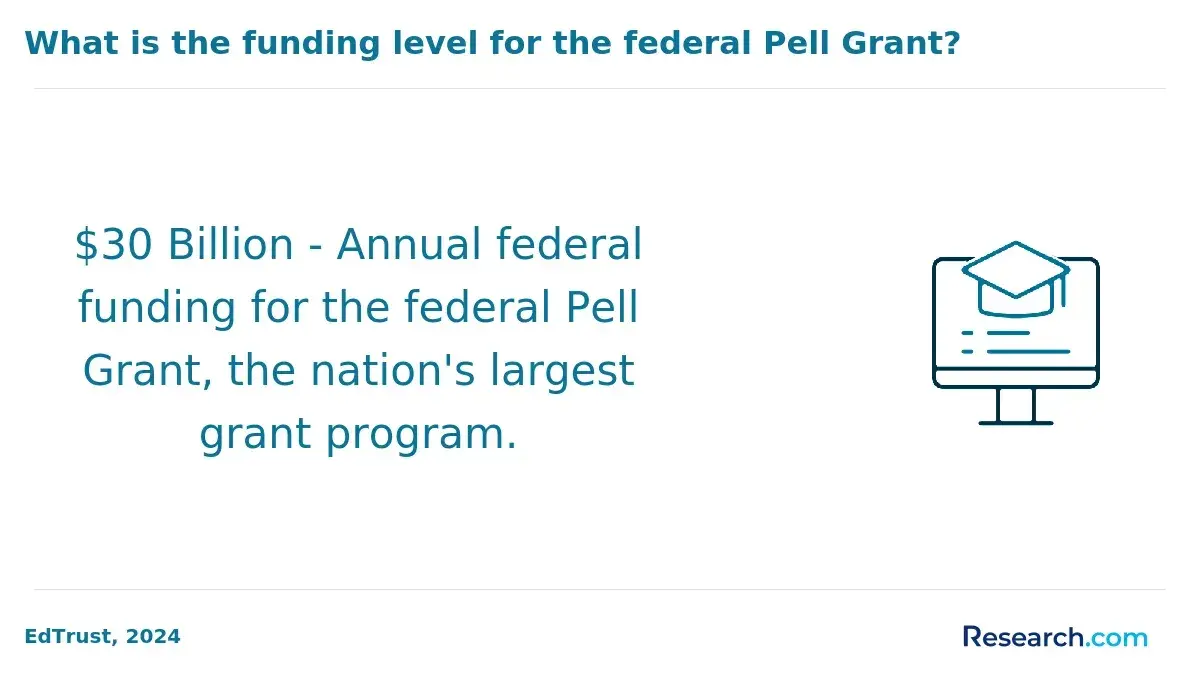
Financial aid availability is a crucial factor for students comparing fully online and hybrid addiction psychology master's programs. Recent data shows that 87% of schools report little difference in federal aid access between these formats.
Below are five key financial aid aspects that may influence funding opportunities.
- Eligibility Criteria: Federal and state aid eligibility is mostly similar for online and hybrid students, though some state programs require residency or enrollment in approved institutions, which might vary by delivery mode.
- Types of Aid: Federal loans, grants, and work-study options are generally available for both formats. However, work-study tends to be less accessible for fully online students due to on-campus attendance requirements.
- Institutional Scholarships: Scholarships offered by colleges sometimes target hybrid students who participate on campus, which can limit eligibility for those fully online.
- Federal and State Funding: Changes in funding policies linked to accreditation or the portion of coursework completed online may affect fully online students more often than hybrid learners.
- Employer Tuition Assistance: Employer programs usually apply equally, but hybrid students might better justify support through occasional on-site classes supporting work-life balance.
For those exploring financial considerations specifically between these program types, resources like an online bachelors degree can also provide helpful insight into affordable education pathways.
Are Admission Requirements Different for Hybrid vs Online Addiction Psychology Master's Programs?
When comparing admission standards for hybrid and fully online addiction psychology master's programs, subtle differences can impact an applicant's approach. These distinctions reflect how each format balances academic rigor with practical considerations.
Key criteria to evaluate include the following:
- Academic Prerequisites: Both formats usually require a bachelor's degree, often in psychology or a related discipline. Hybrid programs might place greater weight on coursework relevant to in-person engagement, anticipating more hands-on participation.
- Professional Experience: Hybrid programs tend to prefer candidates with practical backgrounds since onsite sessions often involve collaborative work or clinical practice, whereas online programs typically have more leeway regarding prior experience.
- Letters of Recommendation: While both demand references, hybrid formats may seek endorsements emphasizing the applicant's communication and interpersonal skills crucial for face-to-face interaction.
- Standardized Tests: The necessity of exams like the GRE varies; hybrid programs are more likely to require them, while many online options waive these to increase accessibility.
- Application Deadlines: Online offerings usually support multiple start dates and rolling applications, granting flexibility. In contrast, hybrid programs often enforce fixed deadlines to align with scheduled on-campus components.
A professional planning to enroll in a hybrid addiction psychology master's program shared how these admissions nuances influenced her preparations. She noted that gathering recommendations highlighting her teamwork skills felt essential, given the emphasis on in-person collaboration.
"It was a bit daunting balancing my work schedule with onsite clinical prerequisites," she explained, underscoring how the structured deadlines pushed her to organize documents promptly. Yet, she appreciated the tangible community aspects a hybrid format promises, reflecting that the added requirements, while challenging, seemed designed to ensure a richer learning experience rather than create barriers.
Is the Curriculum the Same in Online and Hybrid Addiction Psychology Master's Programs?
Recognizing the similarities and differences in curriculum is essential for students deciding between fully online and hybrid addiction psychology master's programs. A Council of Graduate Schools survey found that 78% of programs maintain consistent core coursework regardless of format.
Below are five important aspects illustrating how curricula align or diverge between these two delivery methods:
- Core Course Content: Both program types typically offer the same foundational subjects including substance use disorders, treatment approaches, and research methodologies to ensure a solid knowledge base.
- Elective Options: Hybrid programs often provide a wider variety of on-campus electives, while online students choose from virtual offerings, which may influence available specialization tracks.
- Project-Based Learning: Hybrid students usually participate in face-to-face group projects, whereas those online collaborate through digital platforms, changing the nature of peer interaction and teamwork.
- Capstone or Thesis Requirements: Both formats generally demand a culminating research project or thesis, but hybrid students might benefit from more frequent in-person faculty guidance.
- Experiential Components: Hybrid curricula often include mandatory on-site workshops or clinical practicums, while fully online pathways arrange remote internships or supervised field experiences to fulfill hands-on training criteria.
How Are Exams Conducted in Fully Online vs Hybrid Addiction Psychology Master's Programs?
Prospective students considering fully online addiction psychology master's programs often have concerns about how exams are administered. In fact, a survey found that 68% of graduate students in online programs expressed worries about exam integrity and format before enrolling.
To help clarify these concerns, here are five key differences in exam approaches between fully online and hybrid programs.
- Online Proctoring: Fully online programs typically employ remote proctoring software that uses webcams and screen monitoring to uphold exam security. In contrast, hybrid programs may only require such monitoring during campus-based test sessions.
- In-person Exams: Hybrid programs usually include some exams taken on campus, providing supervised, traditional testing environments. Fully online programs, meanwhile, conduct all exams remotely without physical presence.
- Timed Assessments: Both program types use timed exams; however, fully online exams often enforce stricter time constraints to minimize opportunities for academic dishonesty.
- Open-Book vs Closed-Book: Fully online programs may favor open-book or take-home exams to better suit remote conditions, whereas hybrid programs generally prefer closed-book tests given in controlled, in-person settings.
- Integrity Measures: Online exams rely on specialized software that detects unusual behavior during testing. Hybrid exams depend more on physical supervision alongside academic honor codes to maintain integrity.
Overall, fully online addiction psychology programs rely heavily on technology and remote verification processes, while hybrid programs blend digital and traditional exam methods. Understanding these distinctions can help students select a format that best supports their educational and professional goals.
Which Addiction Psychology Master's Program Format Offers Better Networking Opportunities?
Networking opportunities play a significant role in choosing between fully online and hybrid addiction psychology master's programs. According to a survey by the National Association of Graduate Admissions Professionals, 68% of students in hybrid programs reported stronger professional connections compared to 45% in fully online formats
. Below are five key aspects that influence networking success in these program types.
- Peer Interaction: Hybrid programs benefit from face-to-face meetings, allowing for more spontaneous and frequent interactions that help build meaningful relationships. Fully online students rely mostly on virtual forums, which often limit informal networking.
- Faculty Engagement: In-person access typical of hybrid formats encourages mentorship and immediate feedback, while fully online programs usually depend on scheduled virtual office hours that may hinder timely faculty-student connections.
- Alumni Access: Hybrid programs often facilitate on-campus events linking current students with alumni, fostering personal connections. Online programs tend to offer webinars, which provide less opportunity for direct, personal contact with graduates.
- Industry Events: Attendance at local conferences and workshops is more accessible in hybrid settings, promoting networking with professionals in the field. Fully online students may find it harder to participate in such events due to geographical constraints.
- Collaborative Projects: Hybrid students often engage in in-person teamwork, enhancing bonds and communication. Online cohorts depend mainly on digital collaboration tools, which can make forming organic, strong relationships more challenging.
Those considering a fully online addiction psychology master's program networking benefits or the hybrid addiction psychology master's degree career connections should weigh these factors carefully. For more information on affordable options that fit different schedules and preferences, explore the cheapest online masters degree programs available.
Are Job Placement Rates Different for Hybrid vs Online Addiction Psychology Programs?
Employment outcomes are a major consideration for prospective students comparing hybrid and fully online addiction psychology master's programs. Research shows that hybrid programs tend to have job placement rates about 10% higher than fully online options, highlighting important distinctions in career outcomes.
Several key factors contribute to this gap:
- Industry Connections: Hybrid programs often nurture stronger ties with local treatment centers and employers, which helps facilitate job referrals and build professional relationships vital for employment.
- Internship or Practicum Access: Students in hybrid formats generally have more opportunities for in-person practicum placements, providing critical hands-on experience that enhances their marketability to employers.
- Alumni Networks: Hybrid programs may encourage more active alumni engagement, creating valuable networks that can lead to job leads and mentorship opportunities.
- Career Services Support: On-campus resources such as job fairs, career counseling, and workshops tend to be more accessible to hybrid students, improving their preparedness for entering the workforce.
- Regional Employment Opportunities: Hybrid programs that are tied to specific geographic areas can offer students direct access to local job markets, unlike fully online programs without this regional focus.
These factors collectively shape the job placement rates for hybrid vs online addiction psychology programs and are essential to weigh when assessing career outcomes comparison for online and hybrid addiction psychology degrees. Students looking for guidance on program affordability and quality might also consider exploring top data science programs as an example of structured degree comparisons in related fields.
Does Program Format Affect Salary After Earning a Addiction Psychology Master's?
Salary potential plays an important role when comparing fully online and hybrid addiction psychology master's programs. Research suggests graduates from hybrid formats tend to start with salaries near $55,000 annually, while those from fully online programs average closer to $50,000. Several factors contribute to these variations in earning prospects.
Key influences include:
- Networking Opportunities: Hybrid programs typically offer more in-person interactions, which help build stronger professional relationships and can lead to better job offers with higher pay.
- Industry Connections: These programs often have closer ties to local treatment facilities, opening doors to employment opportunities that may include competitive salaries.
- Program Prestige: Some hybrid programs enjoy higher recognition, attracting employers willing to pay a premium for graduates with well-regarded credentials.
- Experiential Learning: Hands-on components such as practicums or internships are more common in hybrid formats, enhancing skills that justify increased compensation.
- Geographic Flexibility: Fully online programs provide access to a broader job market across different regions, enabling graduates to pursue higher-paying positions beyond their immediate area.
These elements interact in complex ways, so students should consider how program type aligns with their career ambitions and salary targets.
What Graduates Say About Fully Online vs Hybrid Addiction Psychology Degree Master's Programs
- Sophie: "Choosing a fully online addiction psychology master's program was essential for me due to my unpredictable work schedule. The affordability of online courses compared to hybrid options made it even more appealing, allowing me to invest without the burden of excessive debt. Completing the program has opened doors in clinical settings and provided me with the confidence to specialize further in substance abuse counseling."
- Patricia: "My decision to enroll in a hybrid addiction psychology master's degree was driven by the value of face-to-face interaction combined with online flexibility. While hybrid programs can be more costly, the balance between in-person networking and digital coursework proved worth every dollar. Professionally, this approach enriched my learning experience and expanded my access to diverse career opportunities in mental health treatment facilities."
- Dianne: "Reflecting on my journey through a fully online addiction psychology master's program, I appreciate how it allowed me to maintain my full-time job while advancing my education. The lower overall cost compared to traditional programs was a major factor, along with the convenience of studying from anywhere. Since graduating, I've seen tangible advancement in my role as a behavioral health specialist, equipped with new insights and skills that directly impact client outcomes."
Other Things You Should Know About Addiction Psychology Degrees
Fully online programs typically necessitate a reliable computer with video conferencing capabilities, robust internet access, and proficiency with digital learning platforms. Hybrid programs additionally require attending occasional in-person sessions, meaning students might need appropriate travel arrangements and sometimes access to specific on-campus resources.
Yes, students in hybrid programs typically have more frequent face-to-face interaction with faculty due to on-campus sessions. This can enhance mentorship opportunities and immediate feedback. However, many fully online programs offer robust virtual office hours and discussion platforms to maintain strong faculty accessibility.
Fully online addiction psychology master's degrees are generally recognized by employers and licensing boards, provided the program is accredited and meets state licensure criteria. Accreditation from bodies like the APA is key to ensure the degree's credibility. It is important for students to verify that their chosen program meets their state's professional requirements.
References
- Best Online Master's In Addiction & Recovery 2025 https://www.psychology.org/degrees/addictions-and-recovery/masters/
- Why Pursue an Online Counseling Degree? | University of Bridgeport https://www.bridgeport.edu/news/pursue-an-online-counseling-degree-now/
- Compare Online Masters in Psychology https://mastersinpsychologyguide.com/articles/online-psychology-masters-without-gre-requirement/
- Online Testing: Comparison of Online and Classroom Exams in an Upper-Level Psychology Course https://pubs.sciepub.com/education/3/2/20/index.html
- Which online psychology degree is right for you? | All Psychology Schools https://www.allpsychologyschools.com/online-degrees/
- Online Master's in Addiction Counseling | Hazelden Betty Ford https://www.hazeldenbettyford.org/graduate-school-addiction-studies/online-masters
- Understanding Online Master’s Programs in Counseling Psychology - Clinical Gate https://clinicalgate.com/understanding-online-masters-programs-in-counseling-psychology/
- Hybrid College Classes: What They Are & How They Work https://beal.edu/what-are-hybrid-college-classes/


