2027 Fully Online vs Hybrid Applied Psychology Degree Master's Programs: Which Is Better?

Co-Founder and Chief Data Scientist
A working professional aiming to pursue a master's in applied psychology faces a key dilemma: whether to enroll in a fully online program that offers flexibility but less in-person interaction, or a hybrid program combining remote study with face-to-face sessions.
Recent data shows that 68% of graduate students in online psychology programs report challenges in networking compared to hybrid peers, who benefit from periodic campus engagement. This gap can influence skills development and career connections essential in applied psychology fields.
This article examines the core differences between fully online and hybrid applied psychology master's degrees to help readers select the format that best supports their educational and professional goals.
Key Things to Know About Fully Online vs Hybrid Applied Psychology Degree Master's Programs
- Fully online applied psychology programs maximize learning flexibility, allowing students to access coursework anytime, often preferred by those balancing full-time jobs or caregiving responsibilities.
- Hybrid formats require periodic campus visits, offering valuable in-person interaction and hands-on training that can enhance practical skill development compared to fully online programs.
- While online options suit students needing complete schedule autonomy, hybrid programs support those who seek a blend of remote study and direct engagement, aligning with varied professional commitments.
How Do Hybrid and Online Applied Psychology Master's Programs Differ?
Fully online and hybrid applied psychology master's programs differ mainly in how instruction, participation, and overall learning experiences are structured. Notably, around 30% of graduate programs now offer hybrid formats, signaling growing demand for blended education options. Here are five key differences between the two formats that highlight how academic structure and student engagement vary.
- Learning Format: Fully online programs deliver coursework entirely through digital platforms, allowing students to study remotely from any location. Hybrid programs combine online lessons with scheduled on-campus sessions, promoting direct interaction.
- Residency Expectations: Fully online programs typically require no physical presence. In contrast, hybrid formats often include short residencies or intensive weekend workshops to enhance practical skills and networking.
- Scheduling Structure: Online programs offer flexible, asynchronous participation to fit diverse schedules. Hybrid programs have fixed dates for in-person components, requiring students to align availability accordingly.
- Participation Methods: Online learners engage through virtual discussions, video calls, and digital assignments. Hybrid students benefit from both virtual engagement and live classroom interactions, enriching communication modes.
- Campus Engagement: Access to campus resources is limited in fully online programs, while hybrid students gain opportunities to use labs, career services, and other facilities during on-site sessions, supporting experiential learning.
Prospective students should consider tuition and admissions differences between online and hybrid applied psychology master's degrees when selecting a program. For those seeking accelerated pathways, exploring a one year masters degree option may be beneficial.
Which Applied Psychology Master's Program Format Is More Flexible?
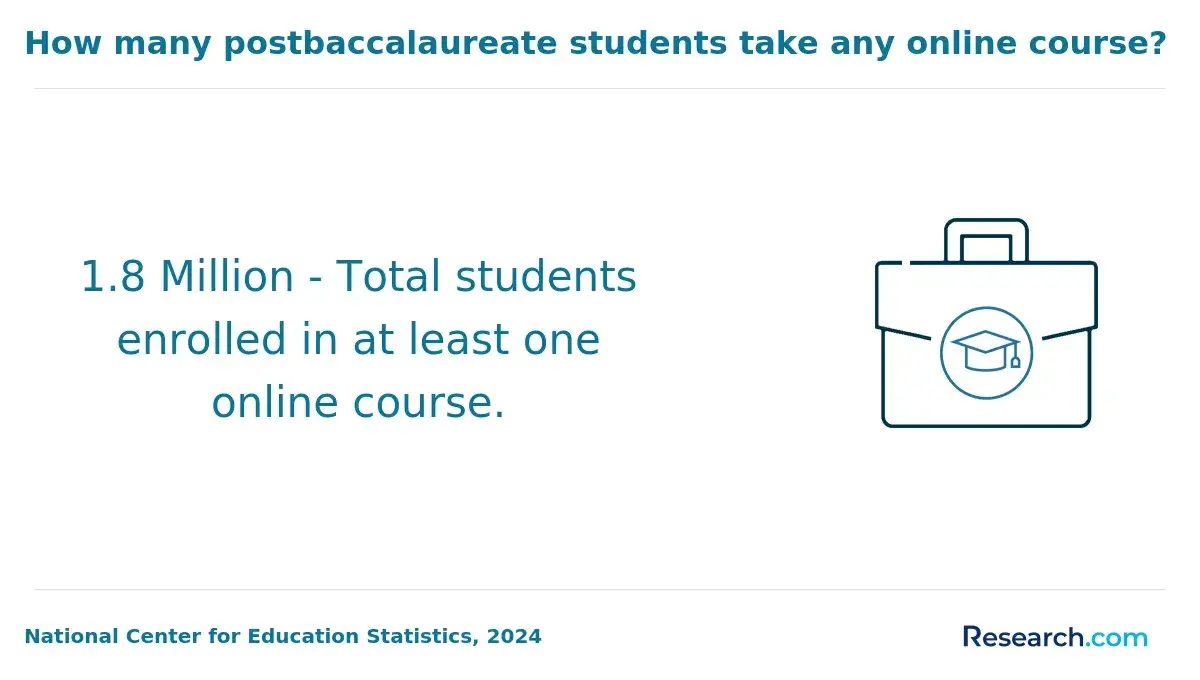
Flexibility is a major consideration for students deciding between fully online and hybrid applied psychology master's programs. According to the National Center for Education Statistics, approximately 38% of graduate students have enrolled in some form of online learning, highlighting the rising preference for flexible education formats. Several key factors play a role in determining how flexible a program might be for students managing work, family, and graduate studies.
- Class Schedule: Fully online programs typically offer asynchronous classes, allowing students to access lectures and complete assignments anytime. Hybrid programs usually follow fixed schedules due to required on-campus sessions, which may limit options for students with demanding work or personal commitments.
- Location Requirements: Fully online applied psychology master's degree flexibility is enhanced by the lack of geographic restrictions, enabling students to study from anywhere. Hybrid formats necessitate occasional travel to campus, which can be challenging for those living far from the university.
- Course Pacing: Online programs often allow self-directed pacing, giving students control over their progress. Hybrid programs generally maintain structured timelines, which may help some students stay on track but reduce flexibility for others.
- Attendance Expectations: Attendance policies in online courses tend to be more lenient, reducing conflicts with employment or family duties. Hybrid students must attend certain sessions in person, which can require careful planning and possible schedule adjustments.
- Travel Commitments: Students in hybrid programs face travel demands that can disrupt daily routines and increase costs. Fully online students avoid commuting, allowing uninterrupted focus on coursework and easier integration with other responsibilities.
For those researching options, consulting resources like online colleges can help identify programs that best suit individual flexibility needs. Recognizing the scheduling advantages of hybrid applied psychology graduate programs compared to fully online formats can assist prospective students in selecting the path that aligns with their lifestyle and career goals.
Which Applied Psychology Master's Program Format Is Cheaper?
Cost remains a crucial factor for students weighing fully online versus hybrid applied psychology master's programs. Research shows that tuition for online graduate programs typically runs 15-20% lower than that of hybrid or traditional formats. Several financial elements contribute to the overall affordability, including these key considerations:
- Tuition Structure: Online courses often have straightforward flat rates per credit, which can be more economical compared to hybrid models that sometimes add supplementary fees.
- Campus-Related Fees: Hybrid students frequently face extra charges like technology, lab, or activity fees tied to on-campus participation, which online students usually avoid.
- Commuting or Travel Expenses: Those attending hybrid programs must budget for travel to campus, increasing their total costs, whereas fully online students eliminate these expenses.
- Housing Considerations: Commuting or relocating near campus may mean added housing costs for hybrid learners, but online students have greater flexibility to live anywhere, often reducing housing expenses.
- Technology and Learning Platform Costs: While both formats require reliable computers and software, online learners might invest more in home technology setups, partially offsetting their savings from travel and housing.
One graduate student who pursued an online applied psychology master's degree shared that, aside from saving money, balancing studies with a full-time job was a key motivator. "It wasn't just about tuition," he explained. "I had to consider my commute, day care for my kids, and just the stress of being on campus during rush hours." He noted that although investing in a good laptop and software was initially challenging, it was manageable compared to the unpredictability of travel costs and time spent commuting. "It felt more sustainable financially and mentally," he added when discussing why the online route felt ultimately cheaper and more convenient for his situation.
Does Financial Aid Differ for Online vs Hybrid Applied Psychology Master's Degrees?
Financial aid availability plays a significant role for students comparing online and hybrid applied psychology master's programs. Around 70% of graduate students in online programs receive some form of financial support, underscoring the importance of recognizing aid differences between program formats. Here are five key factors to consider when exploring financial aid options for hybrid and online applied psychology programs:
- Eligibility Criteria: Both program types usually allow access to federal aid such as FAFSA, but some scholarships may require in-person course credits, which can limit eligibility for fully online students.
- Types of Aid: Federal loans, grants, and work-study programs are commonly available to all, yet certain institutional awards may favor hybrid students who participate in on-campus activities.
- Institutional Scholarships: Hybrid programs sometimes provide specific campus-based scholarships that online-only students cannot access, while many schools offer general scholarships to all enrolled students regardless of format.
- Federal and State Funding: State-funded grants often depend on residency and program format; fully online students studying out of state may have restricted access compared to hybrid learners attending some campus sessions.
- Employer Tuition Assistance: Employer-sponsored aid tends to be neutral but can favor hybrid students if employers prefer support aligned with on-site attendance and professional development.
Prospective students should weigh these financial aid nuances alongside other factors, and those interested in cost-effective options might explore programs like the cheapest engineering degree online as part of a broader financial strategy.
Are Admission Requirements Different for Hybrid vs Online Applied Psychology Master's Programs?
Admissions standards play a significant role when comparing hybrid and fully online applied psychology master's programs, influencing eligibility and fit. Several specific criteria help highlight the subtle distinctions and similarities between these formats:
- Academic Prerequisites: Typically, both program types require a bachelor's degree in psychology or a related discipline with a minimum GPA. This requirement tends to be consistent regardless of delivery mode.
- Professional Experience: Hybrid programs occasionally place more emphasis on relevant clinical or applied experience, particularly when in-person practicum or lab participation is involved, while fully online options may be more flexible.
- Letters of Recommendation: Both formats usually ask for two to three letters supporting academic and professional capabilities. However, hybrid programs sometimes seek stronger endorsements highlighting interpersonal skills due to face-to-face components.
- Standardized Tests: GRE scores are generally optional for both but might still be requested. The rise in test waivers has lessened this distinction across program types.
- Application Deadlines: Deadlines commonly align within institutions for both options, though some schools stagger cycles to manage preferences and enrollment effectively.
When I discussed admissions with a professional aiming for a hybrid applied psychology master's degree, she shared how navigating requirements felt nuanced yet manageable. "I appreciated the clarity around needing solid clinical hours since the in-person practicum mattered to them," she said. Despite juggling work and application demands, she found the process encouraging and felt reassured by personalized communication from admissions staff. Her experience highlighted that while core criteria overlap, certain nuances tailor admission expectations, making it vital to review each program's details carefully.
Is the Curriculum the Same in Online and Hybrid Applied Psychology Master's Programs?
Students comparing fully online and hybrid applied psychology master's programs should consider how the curriculum aligns between these formats. Research from the Online Learning Consortium shows that about 80% of online graduate courses offer content equivalent to on-campus versions, highlighting consistent academic standards. The following points outline key curriculum similarities and differences to help guide decision-making.
- Core Course Content: Both formats generally cover essential theories, research techniques, and ethical standards, ensuring students gain the same foundational knowledge regardless of delivery mode.
- Elective Availability: Online programs often provide a wider variety of electives due to flexible scheduling and remote faculty participation, while hybrid programs may focus electives around resources accessible on campus.
- Project-Based Learning: Hybrid students usually engage in more collaborative projects during in-person sessions, whereas online learners complete teamwork and assignments primarily through virtual platforms and asynchronous methods.
- Capstone or Thesis: Both online and hybrid tracks require a final research project or thesis; however, hybrid students might benefit from additional face-to-face mentorship and peer interaction.
- Experiential Components: Hybrid formats are more likely to include supervised practicum or field experiences coordinated near campus, while fully online students often need to independently organize local placements.
How Are Exams Conducted in Fully Online vs Hybrid Applied Psychology Master's Programs?
Prospective students in fully online applied psychology master's programs should consider how exams are conducted, as this affects preparation and scheduling. Recent surveys show that over 70% of online graduate programs use remote proctoring to ensure exam integrity. Below are five key aspects outlining the differences in exam formats between fully online and hybrid applied psychology programs.
- Online Proctoring: Fully online programs typically require webcam-based proctoring software that monitors students throughout the exam to prevent cheating. Hybrid programs rely less on this technology due to in-person components.
- In-Person Exams: Hybrid students often attend some exams on campus, providing a traditional testing setting. Fully online learners complete all assessments remotely, offering greater flexibility in location.
- Timed Assessments: Both online and hybrid programs use timed exams, but fully online exams generally have stricter time limits to minimize cheating opportunities and maintain fairness.
- Open-Book vs Closed-Book: Online exams sometimes allow open-book formats, focusing on practical application over memorization. Hybrid programs often enforce closed-book policies during on-campus exams to uphold standard testing conditions.
- Integrity Measures: Hybrid programs combine digital and physical integrity strategies, while fully online courses implement advanced software like lockdown browsers and AI-based identity verification to uphold academic standards.
These differences influence how students manage their study time and exam strategies, making it essential to choose a format aligned with personal learning preferences and career goals.
Which Applied Psychology Master's Program Format Offers Better Networking Opportunities?
Networking opportunities play a significant role in choosing between fully online and hybrid applied psychology master's programs. A recent survey shows that 68% of graduate students value peer and faculty interaction as critical to their networking success. The differences in networking benefits between formats can be seen across several key areas:
- Peer Interaction: Hybrid programs typically allow for richer peer connections through face-to-face meetings during on-campus sessions, fostering stronger and more spontaneous relationships. In contrast, fully online applied psychology programs networking benefits rely largely on virtual discussions that may limit informal conversations.
- Faculty Engagement: Faculty tend to engage more deeply in hybrid settings where professors can interact personally during in-person classes. Online formats often restrict interactions to scheduled video calls, which might reduce opportunities for informal mentoring and personalized feedback.
- Alumni Access: Hybrid programs often provide better alumni networking since campuses regularly host events that encourage student-alumni connections. Students in fully online programs might have fewer chances to participate in such gatherings unless strong virtual alternatives are offered.
- Industry Events: Hybrid formats frequently integrate in-person industry events, granting students direct exposure to professionals and employers. Online programs may offer virtual events, but these often lack the personal impact of face-to-face interactions, which can be pivotal for building career connections in applied psychology master's degree programs.
- Collaborative Projects: Face-to-face teamwork in hybrid programs helps build deeper professional bonds through immediate communication and nuanced feedback. Online collaboration tools facilitate teamwork but sometimes fall short in replicating the dynamic interactions that occur in person.
Prospective students seeking programs that offer substantial networking may explore options within affordable online master's programs, balancing their needs for flexibility with career connection opportunities.
Are Job Placement Rates Different for Hybrid vs Online Applied Psychology Programs?
Employment outcomes are a crucial factor for prospective students comparing hybrid and fully online applied psychology master's programs. Research suggests hybrid program graduates can experience job placement rates up to 10% higher within six months after graduation, largely due to enhanced access to in-person resources. Understanding the elements behind these differences helps clarify career outcomes for online and hybrid applied psychology master's degree seekers. Key factors contributing to job placement variations include:
- Industry Connections: Hybrid programs often develop stronger ties with local employers through in-person networking, increasing exposure to job openings and referrals.
- Internship or Practicum Access: Applied psychology demands practical experience, and hybrid students typically gain easier access to nearby clinical placements essential for skill development.
- Alumni Networks: Face-to-face engagement in hybrid formats strengthens relationships with alumni, enhancing potential career leads and mentorship opportunities.
- Career Services Support: Hybrid students often benefit from more personalized career counseling, resume workshops, and interview preparation, boosting job readiness.
- Regional Employment Opportunities: Integration into local job markets tends to be smoother for hybrid learners, while fully online students may encounter challenges aligning with regional employers and opportunities.
Considering these factors aids students as they weigh which format aligns best with their professional goals and geographic circumstances. Those researching an online psyd program may find similar distinctions in job placement rates and resources available.
Does Program Format Affect Salary After Earning a Applied Psychology Master's?
Salary potential plays an important role when deciding between fully online and hybrid applied psychology master's programs. Graduates of hybrid programs tend to start with salaries around $60,000, which is slightly higher than the $55,000 average for those completing fully online degrees. Several factors contribute to these differences in earning outcomes.
Key elements affecting salary variations by program format include:
- Networking Opportunities: Hybrid programs often feature more in-person events that foster meaningful professional relationships, which can open doors to better employment options.
- Industry Connections: On-campus components promote collaboration with local employers, increasing chances for internships and job placements that may lead to higher wages.
- Program Prestige: Some hybrid programs are affiliated with well-established institutions, enhancing graduate reputation and possibly strengthening salary negotiation leverage.
- Experiential Learning: Hands-on experiences like practicums and lab work common in hybrid formats help develop practical skills that employers highly value.
- Geographic Flexibility: Fully online programs enable students to access broader job markets across various regions, allowing graduates to pursue positions in areas with higher pay scales.
Evaluating these influences helps future students pick the program format best aligned with their career ambitions and financial goals.
What Graduates Say About Fully Online vs Hybrid Applied Psychology Degree Master's Programs
- Eddie: "Choosing the fully online Applied Psychology master's program was a game changer for me. Balancing work and family commitments meant I needed flexibility, and this format allowed me to learn at my own pace without compromising my job. Additionally, the cost savings compared to on-campus options made it much more accessible, and I'm now leveraging this degree to advance in my counseling career."
- Howard: "Reflecting on my hybrid Applied Psychology master's experience, I appreciate how the blend of online and in-person sessions created a balanced learning environment. Although the hybrid route was slightly more expensive than the fully online options, the chance to engage directly with peers and professors enriched my understanding. This approach definitely helped me develop a more nuanced professional perspective that I apply daily in my role as an organizational consultant."
- Eunice: "The fully online Applied Psychology master's program appealed to me primarily because of its affordability and convenience. Being able to avoid relocation expenses while still receiving a quality education was critical. Since completing the program, I've noticed a significant impact on my career opportunities-my new qualifications opened doors to leadership roles I hadn't envisioned before."
Other Things You Should Know About Applied Psychology Degrees
Fully online applied psychology master's programs often incorporate virtual simulations, case studies, and remote practicums to offer practical experience. However, the depth and type of hands-on training can vary by program, with some requiring local internships or supervised fieldwork arranged by the student. Prospective students should verify how a program addresses applied learning to ensure sufficient real-world exposure.
Hybrid programs typically include in-person sessions that allow for face-to-face interaction, which can enhance the development of interpersonal and communication skills vital to applied psychology. These direct engagements also provide opportunities for peer collaboration and networking that are more limited in fully online formats.
Both online and hybrid applied psychology master's programs offer flexibility, but online programs often provide more schedule customization, allowing for a potentially faster completion depending on the student's pace and commitment. Hybrid programs may have fixed schedules due to in-person components.
References
- Hybrid Graduate Programs in Business, Psychology, and Leadership in Los Angeles | Meridian University https://meridianuniversity.edu/discover/hybrid
- 2025 Most Affordable Online Master's Degrees in Psychology https://www.onlineu.com/most-affordable-colleges/psychology-masters-degrees
- Master’s in Psychology - Is it Worth it? https://onlinecounselingprograms.com/online-counseling-degrees/online-masters-in-psychology/reasons-get-masters-in-psychology/
- Best Online Master's Applied Psychology Programs 2025 https://psydprograms.org/online-masters-applied-psychology-degrees/
- Western State University California || why-an-online-ms-in-psychology-is-a-smart-move-in-2025 https://wsu.university/media/blog/why-an-online-ms-in-psychology-is-a-smart-move-in-2025/67fded2a3d28a2ca4b208c8f
- Online Psychology Grad School Q&A | All Psychology Schools https://www.allpsychologyschools.com/psychology-grad-school-admissions/online-programs/
- For Career-Driven Master's Students, a Flexible Program is Essential https://paloaltou.edu/resources/blog/career-driven-masters-students-flexible-program-essential
- Admission requirements and documents - SWPS University https://english.swps.pl/programs/apply/admission-requirements-and-documents
- The Top 15 Best Affordable Online Master’s in Psychology and Masters in Counseling Degree Programs http://www.masters-in-psychology.net/top/best-affordable-online/
- MSc in Applied Psychology | Department of Psychology | Saint Mary's University https://www.smu.ca/psychology/msc-in-applied-psychology.html