
2027 Fully Online vs Hybrid Elementary Education Degree Master's Programs: Which Is Better?

Co-Founder and Chief Data Scientist
Consider a working professional seeking a master's degree in elementary education but unsure whether a fully online or hybrid format suits their lifestyle and career plans. With over 60% of graduate students preferring flexible online programs due to work and family commitments, the choice affects not only convenience but also engagement and practical experience. Fully online programs offer complete remote access, while hybrid options combine in-person sessions that may enhance hands-on learning. This article explores the key differences between fully online and hybrid elementary education master's programs, helping readers determine which format aligns best with their educational needs and professional ambitions.
Key Things to Know About Fully Online vs Hybrid Elementary Education Degree Master's Programs
- Fully online programs offer maximum learning flexibility, allowing students to access materials anytime, which benefits those balancing work and family commitments.
- Hybrid formats require scheduled in-person sessions, fostering hands-on engagement and peer interaction but limiting scheduling adaptability.
- Students with unpredictable or full-time jobs often prefer fully online formats, while those seeking direct faculty contact and collaborative experiences may choose hybrid options.
How Do Hybrid and Online Elementary Education Master's Programs Differ?
Fully online and hybrid elementary education master's programs primarily differ in how instruction, participation, and learning experiences are structured. Approximately 30% of graduate education programs now offer hybrid formats, highlighting the growing demand for flexible yet interactive learning models. Understanding these distinctions can help prospective students select a format aligned with their preferences and goals. Below are five key differences:
- Learning Format: Fully online programs operate entirely through digital platforms, enabling students to complete all coursework remotely. Hybrid programs blend online coursework with scheduled in-person sessions, often held on weekends or evenings, providing a more varied instructional approach.
- Residency Requirements: Hybrid formats typically mandate occasional campus residencies or workshops, which allow for direct interaction with faculty and peers. Fully online programs generally do not require any physical attendance, enhancing convenience but limiting face-to-face engagement.
- Scheduling Flexibility: Fully online programs usually offer asynchronous classes, allowing students to learn at their own pace. Hybrid programs follow a more structured schedule balancing both online components and fixed on-site sessions, which may suit those who prefer routine.
- Participation Methods: Online formats emphasize virtual discussions, video lectures, and forum participation, while hybrid programs combine these with face-to-face collaboration and immediate feedback from instructors during on-campus times.
- Campus Engagement: Students in hybrid programs benefit from access to campus resources, networking events, and hands-on experiences, fostering a community atmosphere unlike fully online formats, which can feel more isolated.
Prospective students researching elementary education master's programs should consider how curriculum and assessments differ between hybrid and online formats, especially in relation to their learning style and career goals. For those targeting advanced degrees, exploring options such as online doctorate programs can offer further flexibility and specialization.
Which Elementary Education Master's Program Format Is More Flexible?
Flexibility is a key consideration for students choosing between fully online and hybrid elementary education master's programs. According to the National Center for Education Statistics, nearly 44% of graduate students take at least one online course, highlighting the growing appeal of adaptable learning formats. Below are five important factors that influence flexibility in these program structures.
- Class Schedule: Fully online programs typically offer asynchronous classes, enabling students to study whenever their schedule permits. Hybrid programs often require fixed in-person sessions, which can limit scheduling freedom.
- Location Requirements: Fully online elementary education master's degree flexibility significantly reduces commuting since students can complete courses entirely from home. Hybrid programs demand regular campus visits, impacting those with busy personal or work commitments.
- Course Pacing: Online programs often allow self-paced progress, giving students control over how quickly they complete coursework. Hybrid programs usually follow a more structured pacing that must be adhered to for in-person components.
- Attendance Expectations: Online formats generally enforce less rigid attendance policies, accommodating students balancing multiple responsibilities. Hybrid programs may require mandatory physical presence at specific times, which can challenge those with unpredictable schedules.
- Travel Commitments: Hybrid students need to allocate time for commuting to campus, potentially adding stress for those working or caring for family. Fully online students avoid this challenge, benefiting from location independence.
For many learners, fully online elementary education programs offer greater scheduling flexibility and convenience. Hybrid formats, while less flexible, provide valuable face-to-face experiences that some students prefer. Those interested in accelerated options might consider programs like a 2 year psychology degree online to compare flexibility features across disciplines.
Which Elementary Education Master's Program Format Is Cheaper?
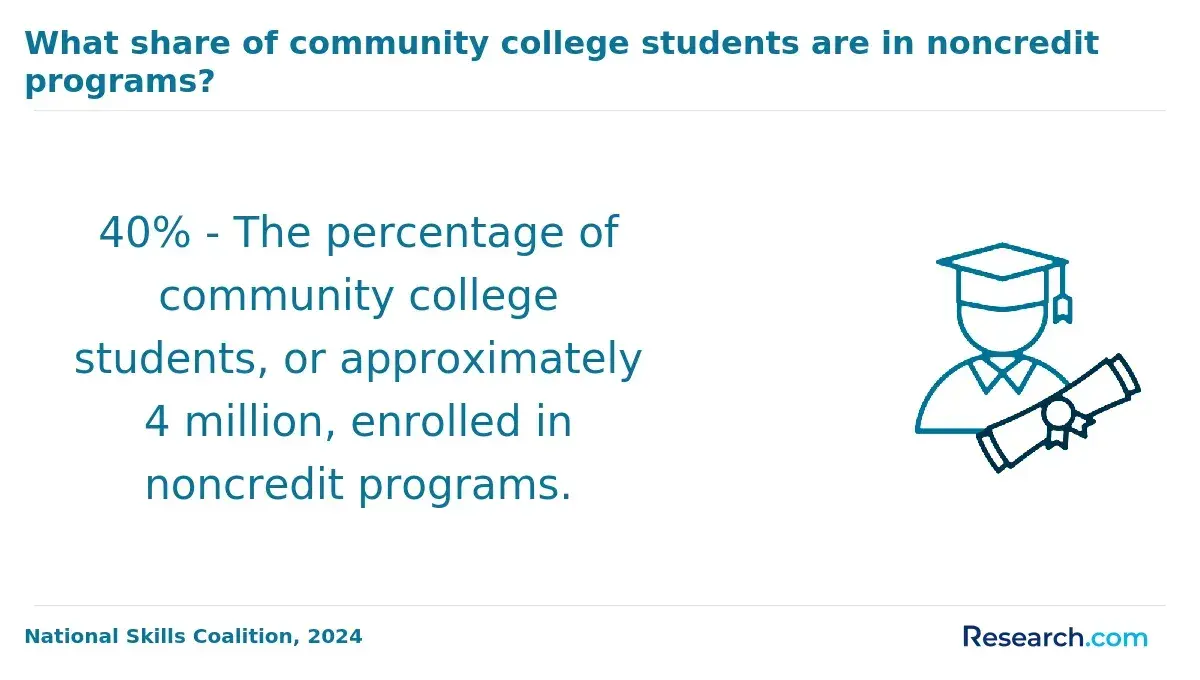
Cost plays a significant role for students weighing fully online against hybrid elementary education master's programs. Studies show that tuition for online graduate programs can be 15% to 25% lower than their traditional or hybrid counterparts. Several factors contribute to which format ends up being more affordable overall.
- Tuition Structure: Online programs frequently offer flat-rate tuition that doesn't fluctuate based on campus facility use, potentially reducing expenses compared to hybrid models.
- Campus-Related Fees: Hybrid students often face extra charges for lab access, technology resources, or use of campus facilities-fees online learners typically avoid.
- Commuting or Travel Expenses: Costs related to traveling to and from campus for hybrid programs add up, increasing the total amount spent on completing the degree.
- Housing Considerations: Hybrid attendees may need to live closer to campus, which can mean higher rent or relocation expenses that online students generally sidestep.
- Technology or Learning Platforms: Although online students invest in reliable internet and devices, these expenses usually remain lower than commuting, parking, or housing costs.
A graduate student who pursued an online elementary education master's degree shared that affordability was a major deciding factor. He recalled, "I was surprised by how much money I saved not having to commute or move closer to campus." He emphasized the flexibility to study from home also allowed him to keep his current job, which helped him manage finances better throughout the program. "Even though I had to upgrade my computer and pay for faster internet, those costs were manageable compared to what I would have spent otherwise," he added, reflecting on both the challenges and benefits of his choice.
Does Financial Aid Differ for Online vs Hybrid Elementary Education Master's Degrees?
Financial aid availability plays an essential role for students weighing fully online versus hybrid elementary education master's programs. According to the National Center for Education Statistics, approximately 85% of graduate students receive some form of financial assistance regardless of delivery format. Next are five important financial aid factors relevant to prospective students evaluating the cost comparison of hybrid and fully online elementary education master's programs.
- Eligibility Criteria: Federal and state aid programs mostly apply to both formats, but certain institutional scholarships may require in-person attendance, benefiting hybrid learners.
- Types of Aid: Both online and hybrid students qualify for federal loans and grants; however, hybrid students sometimes have access to campus-based grants or work-study jobs not offered to fully online enrollees.
- Institutional Scholarships: Many schools offer scholarships based on academic merit or residency without distinguishing program format, though some awards specifically favor hybrid or on-campus students.
- Federal and State Funding: These sources tend to support both delivery methods as long as programs meet accreditation and enrollment standards.
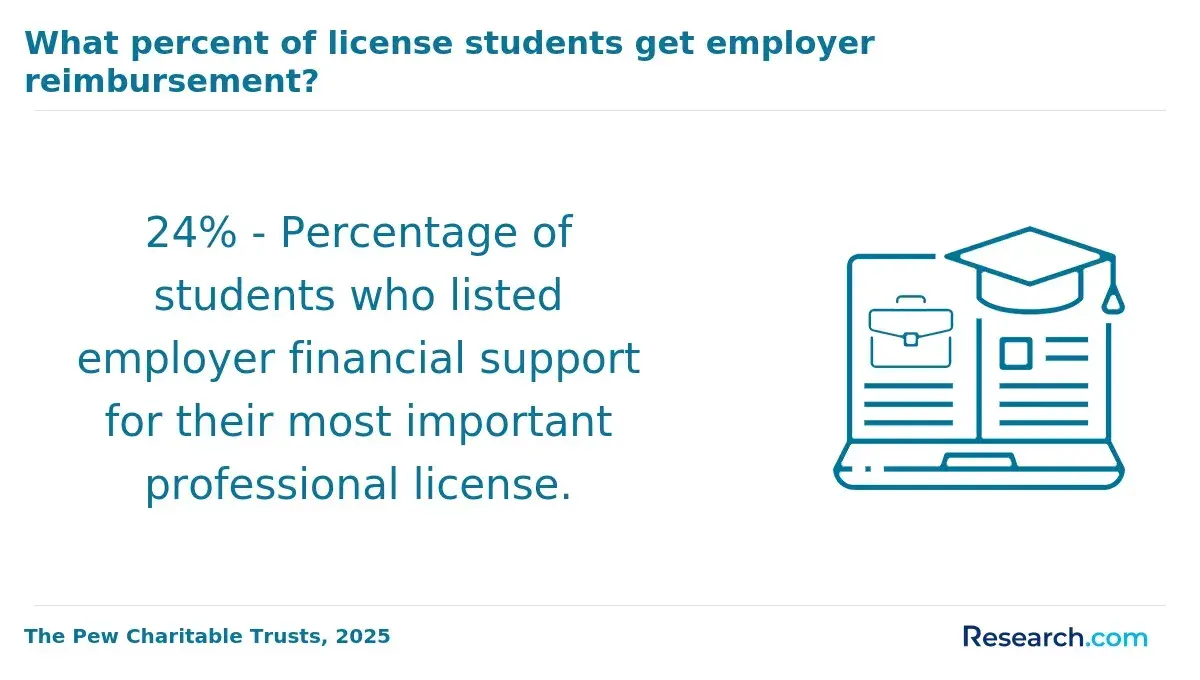
- Employer Tuition Assistance: This depends largely on company policies but some employers prefer hybrid options if occasional face-to-face interaction is valued.
Students interested in more detailed options for affordable accredited programs may explore cacrep schools that provide various financial aid opportunities.
Are Admission Requirements Different for Hybrid vs Online Elementary Education Master's Programs?
Admission standards play a crucial role when comparing hybrid and fully online elementary education master's programs, as they influence eligibility and readiness for different learning environments. Below are five important admissions factors that often vary or overlap between these two formats:
- Academic Prerequisites: Both program types usually require a bachelor's degree in education or a related field with a minimum GPA. Hybrid options may demand more prior classroom experience to prepare students for in-person practicums integrated into the curriculum.
- Professional Experience: Evidence of teaching or relevant work experience is essential for both formats. Hybrid programs tend to prioritize hands-on experience more, considering the blend of online and face-to-face learning components.
- Letters of Recommendation: Typically required by both, these letters may hold additional value in hybrid programs when they emphasize interpersonal skills and adaptability to collaborative, on-site environments.
- Standardized Tests: GRE or similar exam requirements vary widely across institutions rather than by program delivery. Some fully online programs waive testing for broader access, while hybrid formats might maintain stricter standards to assess academic preparedness.
- Application Deadlines: While deadlines are often similar, hybrid programs might impose extra scheduling conditions due to on-campus sessions, affecting admission timelines and orientation dates.
When discussing admission differences, a professional preparing to enroll in a hybrid elementary education program shared that navigating the application felt more layered compared to purely online options. She found that securing recommendations highlighting her collaboration skills was pivotal, reflecting the program's emphasis on in-person interaction. Coordinating her schedule around on-campus commitments also added complexity, but she appreciated that the hybrid format aligned well with her goal to gain practical, hands-on teaching experience.
"It was reassuring to see that the admissions process considered more than just academics," she noted, "recognizing the value of experience and personal qualities for success in a hybrid setting." This insight underscores how admission requirements can subtly influence a candidate's preparation and mindset depending on the program format.
Is the Curriculum the Same in Online and Hybrid Elementary Education Master's Programs?
Recognizing the similarities and distinctions in curriculum between fully online and hybrid elementary education master's programs helps students make informed decisions. Research shows that approximately 75% of core coursework remains consistent across these formats, maintaining academic rigor. Below are five key aspects where the curriculum aligns or varies.
- Core Course Content: Both delivery methods generally include fundamental subjects like educational psychology, curriculum development, and student assessment. This ensures all students receive a solid foundational knowledge base regardless of format.
- Elective Offerings: Fully online programs often provide a wider variety of electives due to expansive digital catalogs and resources. Hybrid programs, conversely, tend to tailor electives around interactive, face-to-face teaching strengths.
- Project-Based Learning: Hybrid formats usually emphasize in-person collaboration through group projects, encouraging direct peer interaction. Online courses leverage virtual tools to replicate teamwork and discussion but within a remote setting.
- Capstone or Thesis Requirements: Both program types typically require a culminating research project or thesis that highlights practical application and scholarly analysis, ensuring parity in academic expectations.
- Experiential or Applied Components: Hybrid students frequently engage in on-site practicums or fieldwork, integrating hands-on experience. Online students are often expected to complete local placements or use virtual simulations to fulfill these practical elements.
How Are Exams Conducted in Fully Online vs Hybrid Elementary Education Master's Programs?
Knowing how exams are conducted is crucial for students considering fully online elementary education master's programs. Research shows that 68% of online education programs use remote proctoring to uphold academic honesty. These programs often utilize secure, digital platforms where students complete timed assessments overseen by online proctoring software, including webcam and screen monitoring. By contrast, hybrid programs combine online and in-person testing methods. The following points highlight five key distinctions between exam formats in fully online and hybrid elementary education master's programs:
- Online Proctoring: Fully online exams typically require live or AI-driven remote proctoring to maintain exam integrity. Hybrid programs often limit this to their online components, using it less frequently overall.
- In-Person Exams: Hybrid students frequently attend campuses or designated centers for certain exams, whereas fully online students complete all testing remotely without physical presence requirements.
- Assessment Timing: Fully online exams usually enforce strict timed windows for completion. Hybrid exams may offer more flexible scheduling, often conducted in person under supervision, allowing some accommodation.
- Open-Book Formats: Online exams tend to emphasize open-book formats that focus on application and critical thinking. Hybrid exams mix open and closed book approaches depending on whether the exam is online or in person.
- Integrity Measures: Hybrid programs rely on a combination of physical exam supervisors and digital tools to prevent cheating. Fully online programs depend heavily on advanced proctoring software and honor codes to ensure honesty.
Which Elementary Education Master's Program Format Offers Better Networking Opportunities?
Networking opportunities are a significant factor to consider when choosing between fully online and hybrid elementary education master's programs. A 2022 survey by the Online Learning Consortium found that 62% of students worried about limited interpersonal connections in fully online programs. Below are five key aspects that highlight how networking differs between these formats.
- Peer Interaction: Hybrid programs encourage stronger peer connections through in-person classes and group activities. Face-to-face meetings foster spontaneous conversations and closer bonds compared to less engaging virtual discussions common in fully online elementary education master's networking advantages.
- Faculty Engagement: Students in hybrid settings benefit from direct mentorship and more accessible office hours. In contrast, online students rely mainly on scheduled virtual meetings, which can limit spontaneous faculty interaction.
- Alumni Access: Hybrid programs often provide broader alumni networking opportunities via campus events and reunions. Fully online programs may offer virtual alumni connections but typically with less frequent and dynamic interaction.
- Industry Events: Workshops, guest lectures, and other industry events are more common on campus for hybrid students, offering invaluable face time with education professionals. Online students have limited access to such in-person experiences.
- Collaborative Projects: Managing group projects tends to be easier in hybrid programs where students can meet offline. Fully online students must coordinate virtually, which can complicate teamwork and hinder creativity.
Students weighing their options should consider how these networking differences align with their career goals and learning preferences. Those targeting robust personal connections may favor hybrid formats, while others might prioritize flexibility. For individuals exploring related fields, research on the most affordable online master's degrees in psychology might provide useful insights; see more on psychology masters online.
Are Job Placement Rates Different for Hybrid vs Online Elementary Education Programs?
Employment outcomes are a vital factor for prospective students comparing hybrid and fully online elementary education master's programs. Research shows that hybrid graduates tend to have a job placement rate about 5% higher than those from fully online programs within six months of graduation. Several factors contribute to these differences, as outlined below.
- Industry Connections: Hybrid programs often build stronger relationships with local schools and education agencies, which can lead to more job referrals and networking opportunities. These connections improve a graduate's chances of securing employment quickly.
- Internship or Practicum Access: Students in hybrid programs benefit from in-person practicum and internship experiences that provide hands-on training essential for building employer trust and practical skills.
- Alumni Networks: Hybrid cohorts frequently develop more tightly knit alumni communities, enabling better peer support and access to job leads that might not be available to fully online students.
- Career Services Support: Both hybrid and online programs offer career counseling, but hybrid options typically provide more personalized, face-to-face guidance tailored to regional job markets and employment trends.
- Regional Employment Opportunities: Because hybrid programs often focus on specific geographic areas, students may connect more directly with local school districts actively seeking new teachers, enhancing job placement outcomes.
Networking and practical experience remain crucial for securing employment in elementary education careers after graduation. For students weighing the benefits of hybrid versus online options, understanding these employment outcome differences is key. Those interested in balancing flexibility with career advantages might also explore programs offering the cheapest online master's degree in criminal justice as a comparative example of affordable, career-oriented graduate studies.
Awareness of hybrid elementary education master's degree job placement rates helps inform choices alongside other factors like program format and learning style preferences.
Does Program Format Affect Salary After Earning a Elementary Education Master's?
When deciding between fully online and hybrid elementary education master's programs, potential salary can be a significant factor. Research shows that graduates from hybrid programs often start with salaries approximately $2,000 higher per year compared to those from fully online programs. Various elements related to program format contribute to this difference. Key influences include:
- Networking Opportunities: Hybrid programs typically facilitate more in-person interactions with classmates and instructors, fostering stronger professional relationships that can lead to better job prospects and higher salaries.
- Industry Connections: Inclusion of on-site components may provide enhanced access to local school districts and education professionals, increasing internship chances and job referrals.
- Program Prestige: Some hybrid programs are linked to well-established universities, which can enhance a graduate's credentials and improve earning potential more than lesser-known fully online options.
- Experiential Learning: Hybrid formats often incorporate hands-on teaching experiences that improve practical skills valued by employers and could result in greater financial rewards.
- Geographic Flexibility: Fully online programs offer the ability to study from any location, yet some employers may prefer candidates with ties to nearby programs, occasionally influencing salary offers.
What Graduates Say About Fully Online vs Hybrid Elementary Education Degree Master's Programs
- Jude: "Choosing a fully online elementary education master's program allowed me to balance my full-time teaching job with furthering my education, which was crucial to me. I appreciated the cost-effectiveness compared to hybrid options, as online programs often reduced commuting and material expenses. This degree truly opened new doors in my career, helping me earn a promotion to curriculum coordinator within two years of graduation."
- Vivian: "Reflecting on my hybrid elementary education master's experience, I valued the blend of face-to-face interaction and online flexibility, which enhanced my learning. Although the hybrid format was slightly more expensive, the personalized support and networking opportunities were worth the investment. Completing this program gave me the confidence to implement innovative teaching strategies and significantly improved my classroom outcomes."
- Rick: "I enrolled in an online elementary education master's degree primarily for its convenience and affordability. The lower tuition and the ability to study from anywhere allowed me to focus on advancing my skills without financial strain. Professionally, this degree has been instrumental in transitioning to a leadership role in education technology integration, which I hadn't anticipated when I started."
Other Things You Should Know About Elementary Education Degrees
Yes, many fully online Elementary Education master's programs are designed to meet state teacher certification requirements. These programs often include state-aligned curricula and offer supervised student teaching or practicum experiences either locally or through partnered schools. However, students should verify with their chosen program and state licensing board to ensure all certification criteria are met.
Fully online Elementary Education master's students generally have access to field experience opportunities arranged in their local communities. Schools offering these programs often assist students in securing practicum placements near their residences to satisfy state requirements. This flexibility allows students to gain hands-on classroom experience while completing coursework remotely.
Fully online programs typically include technical support services to help students navigate digital learning platforms. Some offer introductory courses on using technology effectively. However, students may need to engage in self-directed learning to improve their tech skills for optimal success.
References
- Difference between Hybrid, Online & In-Class Degree Programmes | BSBI https://www.berlinsbi.com/blog/what-is-the-difference-between-hybrid-online-and-in-class-degree-programmes
- Editor’s Picks: The 11 Best 1-Year Online Masters in Education Programs https://www.educationdegree.com/articles/top-1-year-online-masters-in-education-programs/
- Should You Go to Grad School Online or In Person? https://www.ets.org/grad-school-journey/online-vs-in-person.html
- Online vs. In-Person Graduate Programs https://wp.wpi.edu/catalyst/2024/04/17/online-vs-in-person-graduate-programs/
- Online Master's Degrees in Education & Teaching: Compare Schools https://www.publicservicedegrees.org/online-degrees/education-teaching-programs/masters/
- College of Graduate Studies - Ed.S. in Curriculum and Instruction Admissions Requirements https://www.tntech.edu/graduatestudies/admissions/edsci-admreq.php
- How Prospective Families Weigh Online and Hybrid College Options https://www.ruffalonl.com/blog/enrollment/how-prospective-families-weigh-online-and-hybrid-college-options/
- Hybrid vs. fully online: how different teaching models impact satisfaction https://www.amba-bga.com/insights/hybrid-vs-fully-online-how-different-teaching-models-impact-satisfaction
- The Impact of Remote Online Proctoring versus No Proctoring: A Study of Graduate Courses - OJDLA https://ojdla.com/articles/the-impact-of-remote-online-proctoring-versus-no-proctoring-a-study-of-graduate-courses
- 10 Best Online Masters in Elementary Education Degrees - Top Masters in Education https://www.topmastersineducation.com/best-online-masters-elementary-education-degrees/


