
2027 Fully Online vs Hybrid Information Technology Degree Master's Programs: Which Is Better?

Co-Founder and Chief Data Scientist
Imagine a working professional aiming to earn a master's in information technology but struggling to balance demanding work hours with on-campus class schedules. Fully online and hybrid master's programs offer differing solutions: online programs provide complete flexibility, while hybrid formats combine in-person networking with remote learning.
Recent data from the National Center for Education Statistics reveals that 35% of graduate students in online IT programs reported increased job promotions within two years of graduation. This article explores the distinct advantages and challenges of fully online versus hybrid IT master's programs to guide prospective students in selecting the format that best aligns with their lifestyle and career goals.
Key Things to Know About Fully Online vs Hybrid Information Technology Degree Master's Programs
- Fully online IT master's programs offer maximum flexibility, allowing students to study anytime, which suits working professionals and those managing family commitments.
- Hybrid programs require periodic in-person attendance, enhancing hands-on learning and networking opportunities that purely online formats may lack.
- Choosing between formats depends on a student's schedule and career needs; hybrid suits those seeking direct interaction, while fully online supports self-paced learning and remote access.
How Do Hybrid and Online Information Technology Master's Programs Differ?
Fully online and hybrid information technology master's programs differ primarily in how instruction, participation, and learning experiences are structured. About 40% of graduate programs nationwide offer hybrid formats, reflecting a growing demand for flexible yet interactive learning options. These distinctions influence how students engage with coursework, faculty, and peers across different program models.
Below are key differences that highlight these variations:
- Learning Format: Fully online programs deliver all content digitally, allowing students to access lectures and materials anytime. Hybrid programs blend online learning with scheduled in-person sessions, offering both flexibility and direct engagement.
- Residency Expectations: Students in fully online programs rarely need to visit campus. In contrast, hybrid programs require on-campus attendance at certain intervals, enhancing hands-on learning and networking opportunities.
- Scheduling Structure: Fully online degrees often use asynchronous schedules, enabling students to study at their own pace. Hybrid programs incorporate synchronous sessions for live interactions, usually requiring more fixed time commitments.
- Participation Methods: Online students participate primarily through discussion boards, video lectures, and virtual collaboration. Hybrid students experience both virtual and face-to-face discussions, which can deepen understanding and build community.
- Campus Engagement: Hybrid programs provide access to campus resources like labs and faculty office hours, enriching the academic experience. Fully online programs depend on digital equivalents, which may limit certain interactive or practical opportunities.
These structural differences extend to curriculum and assessment approaches, where hybrid information technology master's programs often incorporate experiential components not as prevalent in fully online degrees. Prospective students may want to explore various learning formats when considering IT graduate education, including 1-year master programs, to find a program aligning with their career goals and lifestyle.
Which Information Technology Master's Program Format Is More Flexible?
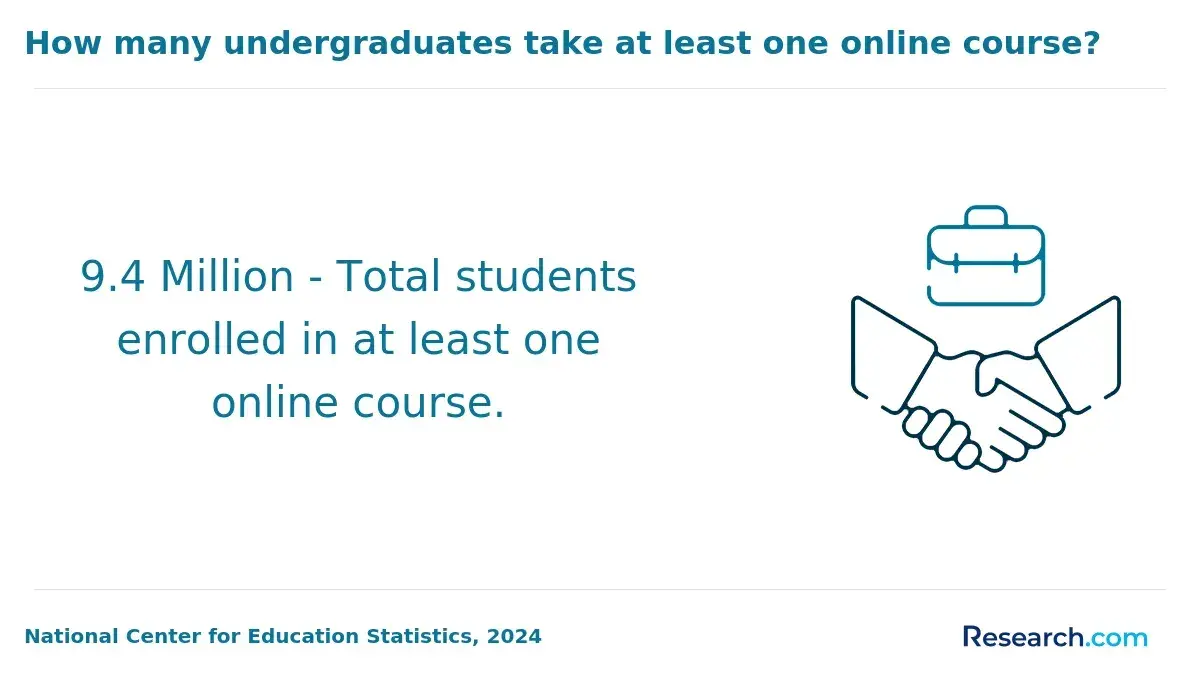
Flexibility is a key factor students weigh when choosing between fully online information technology master's degree programs and hybrid options. Nearly 40% of graduate students enrolled in fall 2022 took at least one distance education course, underscoring the growing demand for adaptable learning formats.
Several specific factors influence how well these program types accommodate busy schedules and personal responsibilities.
- Class Schedule: Fully online programs often feature asynchronous classes, enabling students to access coursework anytime, which is ideal for those juggling jobs and family. Hybrid programs typically have some fixed in-person sessions, limiting available study times.
- Location Requirements: Online programs eliminate the need to travel, allowing students to learn from anywhere. Hybrid it master's programs scheduling advantages are reduced by the obligation to attend on-campus classes occasionally.
- Course Pacing: Students in online programs may set their own pace within semesters, promoting greater control over workload timing. Hybrid programs usually follow a set calendar, requiring adherence to campus-based deadlines.
- Attendance Expectations: Online formats tend to have more lenient attendance policies, easing conflicts with work commitments. Hybrid programs may enforce stricter presence policies to maintain in-person engagement.
- Travel Commitments: Fully online students avoid travel, saving time and money. Hybrid students must factor in travel to campus for certain classes, which can complicate scheduling.
Students considering either format should weigh how these factors match their lifestyle. Those looking for additional career preparation might explore easy licenses and certifications to get online, which can supplement their master's studies and enhance job prospects.
Which Information Technology Master's Program Format Is Cheaper?
Cost plays a significant role for students deciding between fully online and hybrid information technology master's programs. Recent data shows that tuition for online graduate programs tends to be 15-30% less expensive than comparable hybrid or on-campus options.
Several key expenses influence which program format is ultimately more affordable:
- Tuition Structure: Online programs commonly have uniform tuition rates regardless of student location, while hybrid formats may charge different rates based on residency or credit classification, potentially increasing costs for some students.
- Campus-Related Fees: Hybrid students often incur additional fees associated with campus facilities and services, which are usually waived or reduced for fully online learners.
- Commuting Expenses: Travel to and from campus for hybrid students adds transportation costs and time commitments that fully online participants avoid.
- Housing Needs: Those attending occasional on-campus sessions might face temporary lodging expenses, whereas fully remote students generally live at home or in their current residences throughout the program.
- Technology Charges: Both formats require technology, but some online programs include fees for software or virtual learning platforms to support a remote education environment, which can impact overall price.
When I spoke with a graduate student who completed an online information technology master's degree, he mentioned that affordability was a major factor in his decision. "Balancing work and school was easier without commuting costs or housing changes," he explained.
He appreciated the predictable fee structure and the ability to study without sacrificing income. Though managing deadlines alongside his job sometimes felt stressful, he found that the financial savings outweighed the challenges, making the fully online route the better option for his situation.
Does Financial Aid Differ for Online vs Hybrid Information Technology Master's Degrees?
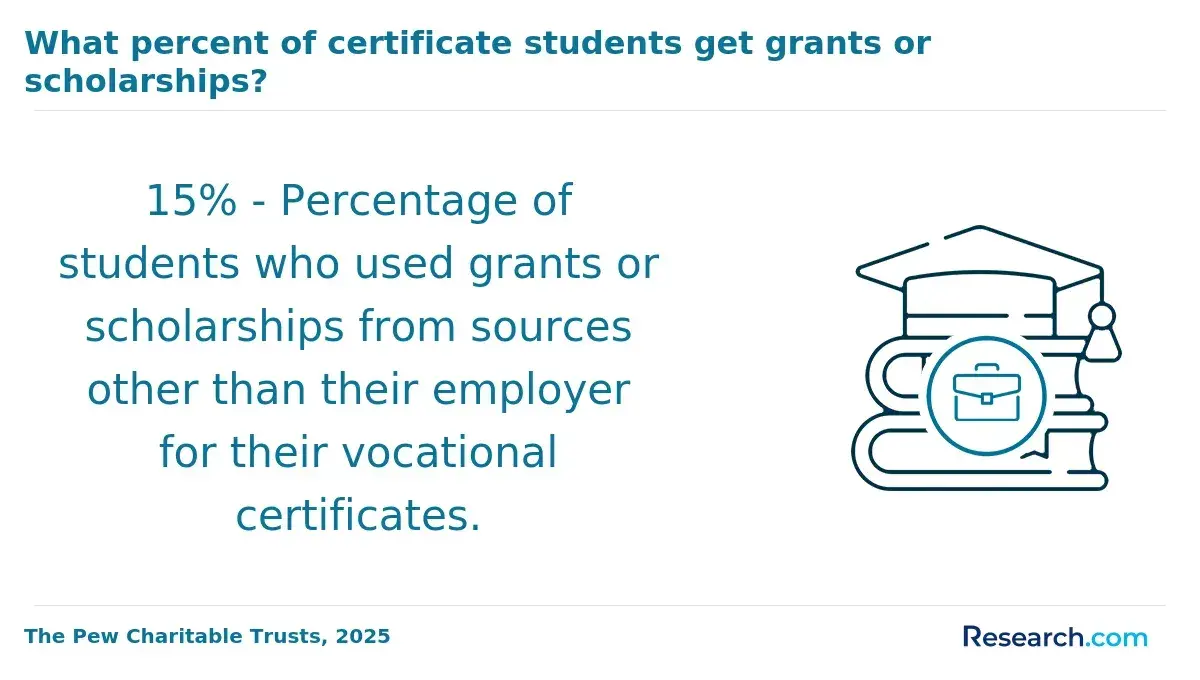
Financial aid availability plays a crucial role for students deciding between fully online and hybrid information technology master's programs. Nearly 35% of graduate students received some form of financial aid in recent years, emphasizing the importance of examining how aid might differ.
Below are key considerations regarding financial aid options for online IT master's programs versus hybrid formats:
- Eligibility Criteria: Both online and hybrid students generally qualify for federal aid if enrolled at least half-time in an accredited program. Yet, some state grants require in-person attendance, which may limit aid for fully online students compared to hybrid learners.
- Types of Aid: Federal loans, grants, and work-study are usually available for both formats. However, institutional scholarships can vary, with some awards exclusive to hybrid students, reflecting a belief that on-campus involvement enhances engagement.
- Institutional Scholarships: Scholarships linked to campus participation often favor hybrid students since online students might not access on-site resources or activities.
- Federal and State Funding: State-funded aid may depend on residency and physical presence. Students attending out-of-state online programs may face restrictions not typically encountered by hybrid students enrolled in-state.
- Employer Tuition Assistance: Employer policies primarily influence this aid type. However, hybrid students might benefit more if employers value partial in-person instruction as enhancing skill development.
For those weighing the what bachelor's degree should I get question, understanding financial aid differences between program formats enriches the decision-making process when comparing hybrid IT master's degree tuition assistance options.
Are Admission Requirements Different for Hybrid vs Online Information Technology Master's Programs?
Admission criteria are an important factor when weighing hybrid against fully online information technology master's programs. While they share many similarities, subtle distinctions exist that may affect an applicant's approach.
Below are five essential considerations that highlight how requirements can differ between these formats:
- Academic Prerequisites: Both options usually demand a relevant bachelor's degree and a satisfactory GPA. However, hybrid programs may place additional emphasis on coursework that prepares students for in-person learning environments.
- Professional Experience: Hybrid formats sometimes require applicants to have prior work experience, ensuring they can effectively manage on-site sessions. Fully online programs generally offer more flexibility for recent graduates without extensive professional backgrounds.
- Letters of Recommendation: Most programs ask for two to three recommendations, but hybrid programs might prioritize references that speak to interpersonal skills and collaboration suited for in-person interactions.
- Standardized Tests: The necessity for GRE or GMAT scores has diminished overall. Yet, fully online programs tend to waive these tests more frequently to eliminate barriers for remote learners.
- Application Deadlines: Hybrid programs often enforce fixed deadlines aligned with campus schedules, while online programs may provide rolling admissions and multiple start dates throughout the year.
A professional planning to enroll in a hybrid information technology master's program shared her perspective when asked about admission differences. She noted feeling somewhat daunted by the stricter deadlines and the emphasis on work experience, stating, "It made me more intentional about preparing my application well in advance and ensuring I highlighted relevant team projects."
She also appreciated the chance to connect with advisors who clarified expectations around on-site commitments, which helped her feel more confident about navigating those requirements. Her experience underscores how even nuanced distinctions in admissions can shape applicants' readiness and mindset for hybrid programs.
Is the Curriculum the Same in Online and Hybrid Information Technology Master's Programs?
Students deciding between fully online and hybrid Information Technology master's programs benefit from recognizing both commonalities and distinctions in their curricula. Studies reveal that nearly 90% of foundational courses overlap across these formats, ensuring consistent core knowledge.
Below are key points illustrating how their curriculum aligns or diverges:
- Core Course Content: Both delivery methods cover essential topics such as cybersecurity, database management, and networking basics, maintaining rigorous accreditation and foundational standards.
- Elective Offerings: Hybrid formats often provide a broader range of electives that utilize hands-on, in-person labs, while online programs emphasize virtual labs and simulations to replicate practical experiences.
- Project-Based Learning: Students in hybrid programs frequently engage in collaborative, face-to-face projects, whereas online learners rely on digital platforms and virtual teamwork to complete assignments.
- Capstone or Thesis Requirements: Both typically include a culminating project or thesis, though hybrid students may have increased opportunities for direct interaction with advisors compared to online students.
- Experiential Components: Hybrid programs often incorporate on-campus internships or lab sessions, while online options focus on remote practicums or virtual lab environments to fulfill experiential learning needs.
How Are Exams Conducted in Fully Online vs Hybrid Information Technology Master's Programs?
For students exploring fully online Information Technology master's programs, knowing how exams are conducted is essential to align with their study preferences and schedules. A 2023 survey by the Online Learning Consortium found that 78% of online graduate programs employ online proctoring tools to maintain exam integrity.
Below are five key differences in exam administration between fully online and hybrid Information Technology programs that prospective students should consider:
- Online Proctoring: Fully online programs often require exams to be monitored via webcams and specialized software designed to prevent cheating and verify student authenticity in real time.
- In-Person Exams: Hybrid programs generally include on-campus testing at designated centers, combining digital coursework with traditional in-person assessments to maintain academic standards.
- Timed Assessments: Both formats use timed exams, though fully online assessments may offer more flexible testing windows to accommodate various time zones and personal schedules.
- Open-Book vs Closed-Book: Fully online exams tend to favor open-book formats that emphasize critical thinking and application, whereas hybrid programs often enforce closed-book policies during on-site exams.
- Integrity Measures: Hybrid formats usually integrate digital plagiarism detection with physical identity verification, while fully online exams rely heavily on remote proctoring combined with biometric authentication methods.
The differences in exam methods impact preparation strategies and testing day experiences, helping students choose the delivery model best suited for their academic and professional goals.
Which Information Technology Master's Program Format Offers Better Networking Opportunities?
Networking opportunities play a vital role when deciding between fully online and hybrid information technology master's programs. According to research, 68% of graduate students believe professional networking is essential for career advancement.
Below are five key aspects that impact networking benefits across these program formats:
- Peer Interaction: Hybrid programs foster more spontaneous and frequent peer connections through on-campus sessions, which encourage stronger personal bonds. Fully online students mainly engage via virtual discussion boards and video calls, which can limit casual networking.
- Faculty Engagement: In hybrid formats, face-to-face meetings increase mentorship and personalized guidance, enhancing faculty connections. Online programs often schedule virtual office hours and forums, but these may feel less immediate or impactful.
- Alumni Access: Hybrid graduates typically benefit from campus-based reunions and broader in-person alumni events, strengthening local networks. Conversely, online cohorts access global digital alumni platforms, offering diverse but sometimes less in-depth contacts.
- Industry Events: Hybrid students often attend in-person career fairs and employer networking events, providing direct interaction opportunities. Online students usually participate in webinars and virtual fairs, which are accessible but may reduce engagement quality.
- Collaborative Projects: Hybrid programs enable teamwork both physically and virtually, promoting stronger group dynamics. Fully online programs rely solely on digital collaboration tools, which offer flexibility but can challenge relationship building.
For prospective students weighing these networking factors, a hybrid IT master's degree career connections may provide richer, more hands-on opportunities. However, fully online options still offer valuable digital networks and flexibility, suitable for those balancing work or personal commitments. Additionally, students interested in related fields might explore affordable alternatives like a bachelor's in psychology online to broaden interdisciplinary career options.
Are Job Placement Rates Different for Hybrid vs Online Information Technology Programs?
Employment outcomes are a critical factor for students comparing hybrid and fully online information technology master's programs. Data from a 2022 National Association of Colleges and Employers report shows that approximately 85% of hybrid graduates find employment within six months after graduation, compared to 80% for fully online graduates.
Several factors contribute to these differences in job placement rates for hybrid vs online information technology programs. Key factors influencing job placement differences include:
- Industry Connections: Hybrid programs often create stronger relationships with local employers through in-person networking events and collaborations. These connections can lead to more job opportunities and referrals for students.
- Internship or Practicum Access: Students in hybrid programs typically have better access to hands-on experiences, which strengthen resumes and develop practical skills essential for the workplace.
- Alumni Networks: Hybrid cohorts may cultivate closer alumni communities that actively support recent graduates through mentorship and referral channels.
- Career Services Support: On-campus career centers in hybrid programs provide personalized guidance, interview preparation, and job fairs that target local employment markets.
- Regional Employment Opportunities: Hybrid programs connected to regional industries enable more direct pathways to nearby employers, benefiting job placement rates.
Each factor plays a unique role in shaping employment outcomes. For those evaluating program options, it is also useful to consider the availability of specialized pathways like accelerated marriage and family therapy programs when planning career trajectories alongside IT degrees. Prospective students comparing employment outcomes between online and hybrid IT master's degrees should weigh these considerations carefully to align their education with career goals.
Does Program Format Affect Salary After Earning a Information Technology Master's?
Salary potential plays a significant role when deciding between fully online and hybrid master's programs in Information Technology. Graduates from hybrid programs generally earn a higher average starting salary of about $85,000, compared to $78,000 for those from fully online programs.
Several important factors contribute to these variations in salary outcomes. Key influences on earning potential include:
- Networking Opportunities: Hybrid programs offer more in-person engagement, which helps build professional relationships that can lead to improved job offers and salary prospects.
- Industry Connections: On-campus components provide direct access to employers and recruiters, increasing chances to secure higher-paying roles.
- Program Prestige: Many hybrid programs are linked to well-known institutions, and the reputation of these institutions can enhance graduates' market value.
- Experiential Learning: Hybrid formats often incorporate hands-on projects and internships, equipping students with practical skills that employers value and reward financially.
- Geographic Flexibility: Fully online programs allow students to study from anywhere, which may reduce local networking but open opportunities to work remotely across diverse regions.
Evaluating how these elements align with personal career goals can guide students toward the program format best suited to maximize their salary outcomes.
What Graduates Say About Fully Online vs Hybrid Information Technology Degree Master's Programs
- Pamela: "Choosing a fully online information technology master's degree was a game-changer for me, especially because it allowed me to balance work, family, and study without relocation. The cost was significantly lower than traditional programs, making it a smart financial decision. Since graduating, I've noticed a clear boost in my career opportunities and confidence in tackling complex projects."
- Mary: "I opted for a hybrid information technology program primarily due to its blend of hands-on experience and online flexibility. Although the program was slightly more expensive than purely online options, the in-person sessions offered invaluable networking and practical exposure. Reflecting on my journey, I believe this hybrid approach truly expanded my skill set and opened doors to leadership roles in my company."
- Reena: "Pursuing an online information technology master's degree was essential for me as a working professional looking to upskill without sacrificing my income. The affordability compared to on-campus programs was a definite plus, alongside the self-paced nature of the coursework. Professionally, this degree has made me more marketable and helped me advance in the fast-evolving tech industry."
Other Things You Should Know About Information Technology Degrees
Fully online information technology master's programs often use virtual labs, simulations, and remote access to software to deliver practical experience. While these tools are effective, hybrid programs typically offer more direct, in-person access to physical labs and equipment. Students seeking extensive hands-on interaction with hardware or specialized technologies may find hybrid programs better suited to their needs.
Generally, employers in the technology sector value skills and experience over program format. Both fully online and hybrid information technology master's degrees from accredited institutions are widely accepted. However, hybrid programs may offer slight advantages in demonstrating experience with teamwork and face-to-face collaboration.
In 2027, both fully online and hybrid IT master's programs offer diverse opportunities for specialization. Online programs increasingly provide niche concentrations through advanced virtual labs and partnerships with tech companies, keeping pace with hybrid programs, which balance in-person networking with digital resources.
References
- Career Fields on the Rise: Should I Pursue a Master’s Degree in Tech? https://online.seas.upenn.edu/admission-advice/should-i-pursue-a-masters-in-tech/
- Why it is essential universities have an online examination system https://www.digiexam.com/blog/universities-online-examination-system
- Online vs Hybrid vs Campus Learning in Healthcare: Which Is Right for You? https://www.edumed.org/articles/online-vs-hybrid-vs-campus/
- The Impact of Remote Online Proctoring versus No Proctoring: A Study of Graduate Courses - OJDLA https://ojdla.com/articles/the-impact-of-remote-online-proctoring-versus-no-proctoring-a-study-of-graduate-courses
- Are Online IT Degrees Worth It? | University of Phoenix https://www.phoenix.edu/articles/it/are-online-it-degrees-worth-it.html
- Online & Hybrid Degree Programs | Global Learning Opportunities | ERES https://eres.com/blog/online-hybrid-degree-programs-global-learning-opportunities
- Do Employers Prefer Online Or In-Person Degrees? - Bluesky Thinking https://bluesky-thinking.com/do-employers-prefer-online-or-in-person-degrees/
- Online Degree vs. Traditional: Choosing the Right Path https://beal.edu/online-degree-vs-traditional/


