2027 Fully Online vs Hybrid Media Communication Degree Master's Programs: Which Is Better?

Co-Founder and Chief Data Scientist
Consider a working professional aiming to advance in media communication without pausing their career. They must decide between a fully online master's program offering flexibility and a hybrid program providing in-person networking and hands-on experience.
According to the National Center for Education Statistics, 34% of graduate students in communication fields enrolled in online or hybrid formats in recent years, reflecting growing interest in adaptable learning models. This article examines key differences between fully online and hybrid media communication master's programs to help readers choose the format that aligns with their learning style, schedule, and career ambitions effectively.
Key Things to Know About Fully Online vs Hybrid Media Communication Degree Master's Programs
- Fully online programs offer maximum flexibility, allowing students to access coursework 24/7, ideal for those balancing work or family commitments, with 90% reporting improved schedule management.
- Hybrid formats require periodic campus visits, fostering stronger in-person engagement and networking opportunities, which 75% of students find beneficial for practical skill development.
- Students with unpredictable or full-time jobs often prefer fully online degrees, while hybrid programs suit those seeking a blend of face-to-face interaction and remote learning flexibility.
How Do Hybrid and Online Media Communication Master's Programs Differ?
Fully online and hybrid media communication master's programs differ primarily in how instruction, participation, and overall learning experiences are structured. Approximately 30% of graduate programs now offer hybrid formats, reflecting growing interest in flexible study options.
The differences between these program types span several key areas that influence student engagement and academic delivery:
- Learning Format: Fully online programs are conducted entirely through virtual platforms where lectures, assignments, and discussions take place remotely. Hybrid programs blend online learning with in-person sessions, allowing students to benefit from face-to-face interactions alongside digital coursework.
- Residency Expectations: Online formats generally require no campus visits, accommodating students with geographic or time limitations. In contrast, hybrid programs often include mandatory residencies or on-campus workshops to deepen connections with faculty and classmates.
- Scheduling Structure: Students in online programs enjoy highly flexible schedules with asynchronous access to materials. Hybrid students navigate a combined schedule that entails fixed on-campus class meetings paired with virtual activities.
- Participation Methods: Fully online students engage via webinars, discussion boards, and digital group work, fostering collaboration in a remote setting. Hybrid learners participate both virtually and through face-to-face presentations or group projects, enhancing interaction diversity.
- Campus Engagement: Hybrid programs provide opportunities for direct networking and access to campus resources, supporting professional growth. Fully online students rely on virtual events and digital materials to build connections and access support.
Those comparing hybrid media communication master's programs vs fully online formats should also consider differences in curriculum and assessments, which often reflect the delivery style. For students seeking flexible pathways to graduate degrees in communication fields, exploring options such as an online doctorate can provide additional context on flexible academic models.
Which Media Communication Master's Program Format Is More Flexible?
Flexibility is a major consideration for students when deciding between fully online and hybrid media communication master's programs. Nearly 39% of graduate students take at least one course online, showing a growing trend toward adaptable learning models.
Below are five key factors that influence flexibility for those weighing options between fully online media communication master's degree flexibility and hybrid program schedules:
- Class Schedule: Fully online programs often feature asynchronous classes, allowing students to access lectures and materials at any time. Hybrid programs typically have scheduled on-campus sessions, which can constrain availability for students balancing work or family.
- Location Requirements: Online programs provide complete location freedom, enabling students to learn from anywhere. Hybrid formats require periodic campus attendance, which may be challenging for those without easy access to the school.
- Course Pacing: Online learners often have more control over their study pace, sometimes progressing faster or slower according to personal needs. Hybrid programs usually follow a fixed semester timeline with less flexibility.
- Attendance Expectations: Attendance demands tend to be lower in fully online programs, minimizing conflicts for students managing multiple responsibilities. Hybrid students must coordinate schedules to accommodate mandatory in-person sessions.
- Travel Commitments: Travel is minimal in online formats, benefiting those with limited mobility or tight schedules. Hybrid options may involve significant travel, which can impact time and finances.
For students interested in accelerated options, programs like an accelerated psychology bachelor's degree online also demonstrate how flexible online options are expanding across disciplines.
Which Media Communication Master's Program Format Is Cheaper?
Cost plays an increasingly important role for students comparing fully online and hybrid media communication master's degree programs. Data from the National Center for Education Statistics in 2024 shows that annual graduate tuition for online programs typically ranges between $11,000 and $26,000, often making them more affordable than hybrid options.
Several factors contribute to the overall cost difference between these two formats:
- Tuition Structure: Online programs frequently have lower or per-credit tuition rates, whereas hybrid programs might charge higher fees to cover on-campus resources and facilities.
- Campus Fees: Hybrid students usually incur additional expenses related to campus services, such as lab access and administrative costs, which online learners often avoid.
- Commuting Expenses: Those enrolled in hybrid programs often face routine travel costs, including public transit or fuel, which can accumulate substantially throughout the degree.
- Housing Costs: Hybrid students may need to relocate or secure temporary housing near campus during in-person sessions, adding to their financial burden.
- Technology and Platforms: Fully online students must invest in reliable devices and software; however, many institutions provide technical support or discounts to help offset these expenses.
When asked about his experience, a graduate student who pursued an online media communication master's degree explained that managing costs was a constant concern. "I had to carefully budget for a high-quality laptop and stable internet, which meant some initial expenses," he said.
Balancing work and study also allowed him to avoid costly commuting and housing fees, which made the online format more financially manageable. He reflected, "Choosing the online route gave me flexibility and ultimately helped me save money without compromising the education quality."
Does Financial Aid Differ for Online vs Hybrid Media Communication Master's Degrees?
Financial aid availability plays a significant role for students weighing fully online against hybrid media communication master's degrees. About 87% of online students receive some type of federal aid, highlighting substantial support despite differences in formats.
Below are key financial aid factors that can influence your funding options based on program delivery:
- Eligibility Criteria: Fully online programs typically accept students nationwide, expanding access to federal aid but sometimes limiting eligibility for state-specific scholarships that favor on-campus or hybrid attendance.
- Types of Aid: Both formats generally qualify for federal loans and grants; however, certain institutional scholarships may be exclusive to hybrid students due to their partial in-person engagement.
- Institutional Scholarships: Hybrid students often benefit from a broader range of scholarships thanks to their campus presence, whereas online students usually face fewer scholarships directed solely at distance learners.
- Federal and State Funding: Federal aid is widely accessible for both, but state grants might be unavailable or reduced for online students not residing in the state, affecting funding comparisons between formats.
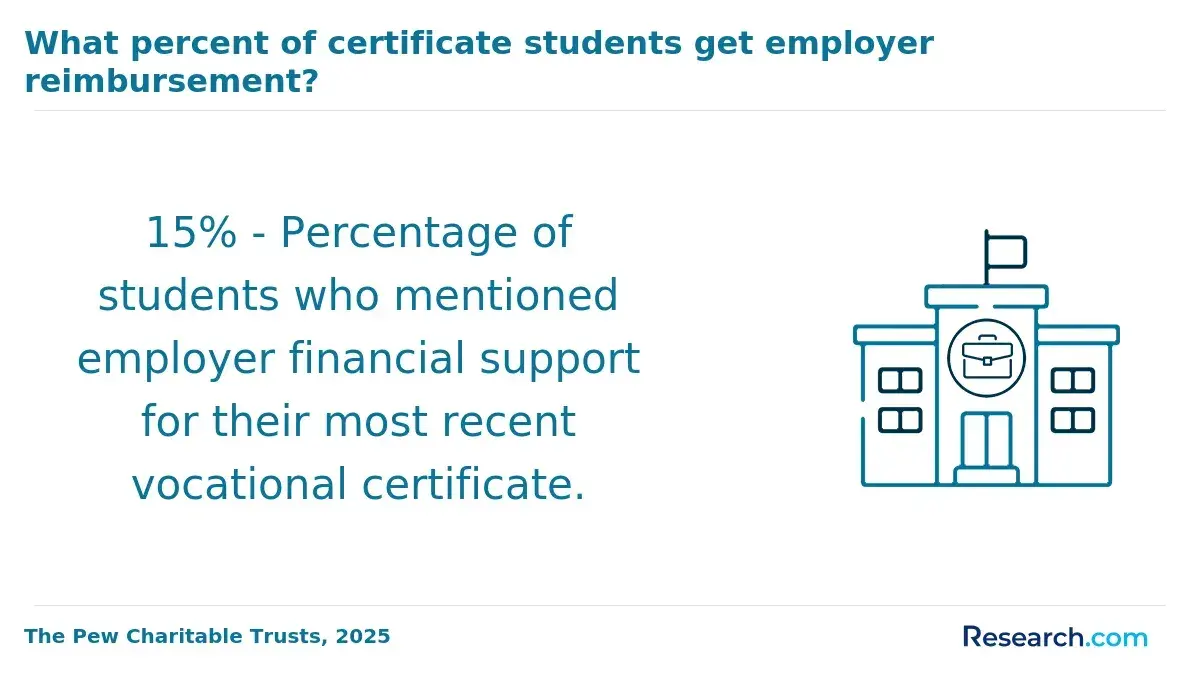
- Employer Tuition Assistance: Employer support usually covers both program types, but hybrid schedules can offer better coordination for working students managing in-person components.
When exploring financial aid options for fully online media communication master's programs or comparing financial aid availability in hybrid media communication degrees, consider these distinctions carefully. This insight supports making informed decisions aligned with career goals in some of the most lucrative majors.
Are Admission Requirements Different for Hybrid vs Online Media Communication Master's Programs?
Admission criteria play a crucial role when comparing hybrid and fully online media communication master's programs, as they can influence application strategy and program fit. Below are five important factors to consider that highlight similarities and differences between these formats:
- Academic Prerequisites: Both program types commonly require a bachelor's degree from an accredited school with similar GPA expectations. However, hybrid programs may place more weight on relevant coursework in communication or media-related fields.
- Professional Experience: Hybrid options often favor applicants with hands-on experience due to collaborative or in-person components, while online programs generally offer greater flexibility regarding work background.
- Letters of Recommendation: Both formats ask for recommendation letters, but hybrid programs sometimes prioritize strong professional endorsements reflecting cohort interactions and teamwork.
- Standardized Tests: GRE or equivalent test requirements have declined overall; nonetheless, hybrid programs at institutions with traditional admissions may still request them more frequently than online tracks.
- Application Deadlines: Hybrid programs tend to have stricter deadlines aligned with campus schedules, whereas online programs typically allow rolling admissions or multiple start dates to accommodate diverse learners.
The professional I spoke with, who aims to join a hybrid media communication master's program, found the application process nuanced. She noted, "Gathering the specific letters of recommendation felt more demanding since they needed to highlight teamwork skills relevant to in-person sessions." She also mentioned the pressure of fixed deadline requirements compared to the more lenient timelines she considered for online alternatives.
Reflecting on her experience, she said, "It was reassuring to see how the admissions standards revealed what the program values, helping me feel confident the hybrid format aligns with my career goals and preferred learning style." Her insights illustrate how admission nuances can shape applicant decisions beyond general assumptions about program delivery methods.
Is the Curriculum the Same in Online and Hybrid Media Communication Master's Programs?
Recognizing curriculum similarities and distinctions is essential when selecting between fully online and hybrid media communication master's programs. Research indicates that over 80% of courses overlap in core requirements, helping ensure a solid academic foundation regardless of learning format.
Below are five key aspects that highlight how these programs' curricula typically compare and contrast:
- Core Course Content: Both online and hybrid options generally include the same foundational classes, such as media theory, communication research methods, and digital storytelling, maintaining consistent academic standards.
- Elective Choices: Hybrid programs often provide a wider variety of electives, enabled by on-campus faculty availability, while online programs tailor electives to be accessible in a digital format.
- Project-Based Learning: Hybrid formats usually emphasize in-person group projects and collaborative activities, whereas online programs design projects that facilitate virtual teamwork effectively.
- Capstone or Thesis: Each format mandates a culminating project or thesis, but hybrid students might benefit from more direct access to in-person mentorship and support during their research.
- Experiential Components: Hybrid programs frequently offer on-campus labs and internship opportunities, while online students often engage with virtual simulations or arrange local internships independently.
How Are Exams Conducted in Fully Online vs Hybrid Media Communication Master's Programs?
Exam formats in fully online media communication master's programs differ significantly from those in hybrid programs, an important factor for prospective students to consider. A survey by the Online Learning Consortium found that over 65% of fully online programs use online proctoring to maintain exam integrity.
The following key points outline how these exam approaches vary between fully online and hybrid media communication programs:
- Online Proctoring: Fully online programs frequently use remote proctoring technology, which monitors students via webcam and screen sharing to reduce cheating risks during exams.
- In-Person Exams: Hybrid programs often require students to attend some exams on campus, allowing for direct supervision and a traditional testing environment alongside digital components.
- Timed Assessments: Both program types implement timed exams; however, fully online options usually offer more flexible scheduling to accommodate students across multiple time zones.
- Open-Book vs Closed-Book: Online formats commonly use open-book exams emphasizing critical thinking and application, while hybrid programs more often administer closed-book exams during their in-person sessions.
- Integrity Measures: Hybrid courses leverage stricter in-person integrity protocols, while fully online programs enhance security with honor codes and advanced analytics to detect irregularities.
These differences influence how students prepare and engage with their exams, shaping their overall academic experience within media communication graduate studies.
Which Media Communication Master's Program Format Offers Better Networking Opportunities?
Networking opportunities play a significant role when choosing between fully online and hybrid media communication master's programs. A recent report from the National Association of Colleges and Employers shows that 85% of jobs are secured through networking, emphasizing the value of professional connections.
Below are five key aspects that influence networking benefits across these program formats:
- Peer Interaction: Hybrid programs encourage dynamic peer relationships through face-to-face meetings during on-campus sessions, fostering stronger personal bonds. Fully online formats rely on discussion boards and virtual meetups, which may limit informal networking opportunities.
- Faculty Engagement: In hybrid settings, faculty accessibility in person often leads to deeper mentoring and spontaneous conversations. Online students mainly connect through scheduled video calls, which can reduce chances for casual, unscripted exchanges.
- Alumni Access: Both formats offer robust alumni networks, but hybrid programs often enable more frequent alumni gatherings on campus, boosting long-term professional ties.
- Industry Events: Hybrid programs integrate physical industry events, allowing direct interaction with professionals and stronger industry connections. Fully online students attend virtual events, which may lack the personal touch important for networking.
- Collaborative Projects: Hybrid students benefit from in-person teamwork that enhances relationship-building and networking. Online projects depend on digital tools, sometimes making collaboration and bonding more challenging.
When weighing fully online media communication program networking advantages, it's clear that hybrid media communication degree industry connections often offer richer experiences. Students interested in expanding their professional network might explore options that blend physical and digital interaction.
For those considering further graduate education, resources like the doctorate organizational leadership programs can also provide valuable insights into balancing online and hybrid learning formats for career advancement.
Are Job Placement Rates Different for Hybrid vs Online Media Communication Programs?
Employment outcomes are a major consideration for prospective students comparing hybrid and fully online media communication master's programs. Research suggests hybrid programs have slightly higher job placement rates, with about 78% of graduates finding relevant employment within six months, versus 70% for fully online formats.
Several factors contribute to these differences and can influence career success:
- Industry Connections: Hybrid programs often provide stronger faculty links to local media industries, which facilitate networking and job referrals, enhancing employment prospects for graduates.
- Internship or Practicum Access: Students in hybrid formats typically have easier access to in-person internships or practicums, gaining valuable hands-on experience that employers highly value.
- Alumni Networks: Hybrid cohorts tend to build more direct, in-person relationships, leading to active alumni networks that offer mentorship opportunities and job leads.
- Career Services Support: On-campus resources in hybrid programs often result in more robust career counseling and job placement services, which can better prepare graduates for competitive job markets.
- Regional Employment Opportunities: Hybrid programs usually have a regional focus, allowing students to tap into local media sectors, while online students dispersed across locations may face uneven market conditions.
For students focused on maximizing career opportunities, understanding these factors can clarify the differences between hybrid and online media communication program employment outcomes. Those interested in related fields might also explore an online accounting degree for additional career flexibility.
Does Program Format Affect Salary After Earning a Media Communication Master's?
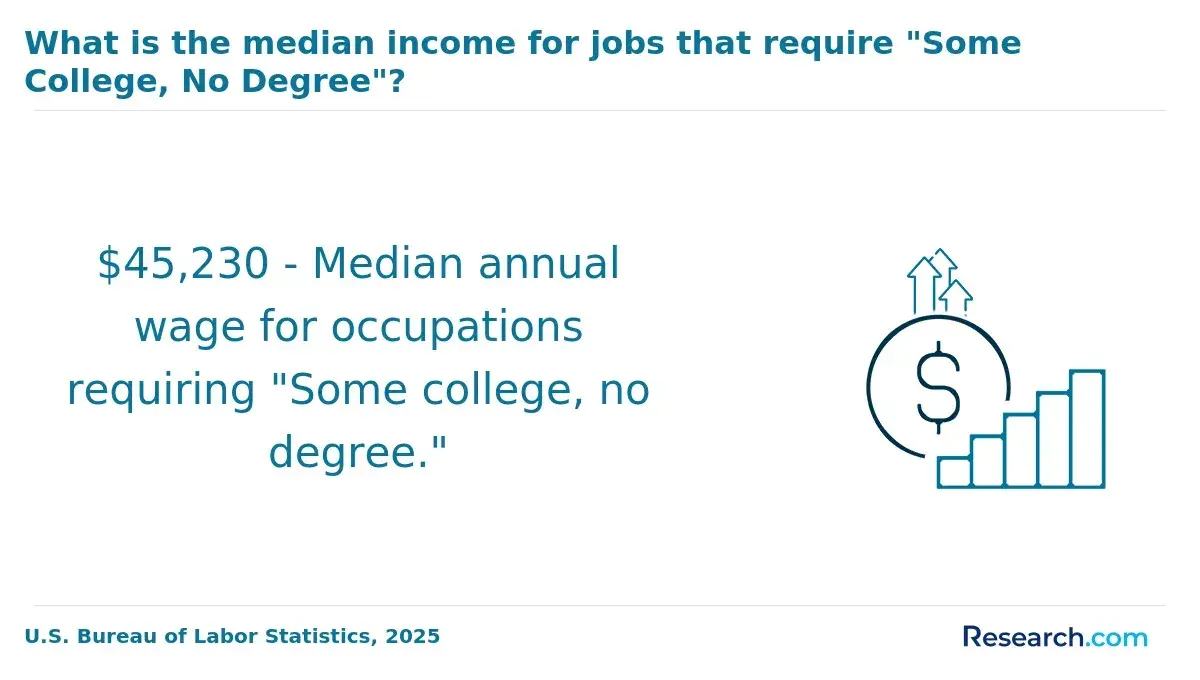
Salary potential plays an important role when deciding between fully online and hybrid media communication master's programs. Graduates of hybrid programs often start with salaries averaging around $65,000, compared to about $58,000 for those from fully online programs.
Several factors contribute to these differences, including:
- Networking Opportunities: Hybrid programs provide face-to-face interactions that foster stronger professional relationships, often leading to job referrals and industry contacts unavailable through online formats.
- Industry Connections: Access to internships, collaborative projects, and real-world experience is more common in hybrid settings, enhancing practical skills and employability.
- Program Prestige: Some hybrid degrees are offered by institutions with recognized reputations that can positively influence employer perceptions and starting salaries.
- Experiential Learning: In-person components often include robust hands-on training, which equips students with applicable skills that appeal to higher-paying employers.
- Geographic Flexibility: Though fully online programs allow students to live in lower-cost areas, which may lower salary offers, they also open up a wider range of job markets geographically.
What Graduates Say About Fully Online vs Hybrid Media Communication Degree Master's Programs
- Pauline: "Choosing a fully online media communication master's program was a game-changer for me because it allowed me to balance work and study seamlessly. The affordability compared to on-campus programs made it accessible without compromising quality. Since graduating, I've noticed a significant boost in my career opportunities, especially with roles that value digital communication expertise."
- Yuko: "I decided on a hybrid media communication master's degree because I wanted the flexibility of online learning but also the benefit of some face-to-face interaction. The hybrid format was costlier than a fully online option, but I felt the in-person sessions enriched my understanding and networking. Reflecting on my journey, this blend has positioned me well to lead projects that require both hands-on collaboration and remote communication."
- Sue: "From a professional standpoint, pursuing a fully online media communication master's degree offered unmatched convenience without sacrificing academic rigor. The reduced expenses compared to traditional programs made it a practical choice during a busy career phase. This qualification has elevated my profile in the industry and empowered me with the latest strategies to navigate a rapidly evolving media landscape."
Other Things You Should Know About Media Communication Degrees
In 2027, hybrid media communication master's programs often offer more face-to-face faculty interaction opportunities than fully online formats. However, many online programs utilize digital platforms to facilitate robust engagement, using video conferencing, discussion boards, and virtual office hours to maintain strong faculty-student relationships.
Employers generally recognize both fully online and hybrid media communication degrees equally when they come from accredited institutions. Hybrid programs may be perceived as offering more direct interpersonal interaction and practical experience, which some employers value. However, the reputation of the school and the candidate's portfolio usually have a greater impact on hiring decisions than the program format.
International students in fully online programs may face time zone challenges, affecting live participation. Language barriers can also be more pronounced without face-to-face interactions. However, online programs often offer flexibility and resources for international students to succeed despite these challenges.
References
- Media and Communication Science (M.A.) – study online/digital | Technische Universität Ilmenau https://www.tu-ilmenau.de/en/study/before-the-study/range-of-courses/master/media-and-communication-science-ma-1/mcs-online-study-faq
- Hybrid Flexible Learning studies at VIZJA - VIZJA University in Warsaw https://vizja.pl/en/studia-hfl-w-vizja/
- Comparison Between Online and Hybrid BBA Programs https://amityonline.com/blog/which-is-better-online-bba-or-hybrid-bba
- Hybrid vs Fully Online MBA Programs - Key Differences https://www.onlinecu.in/blog/cu/differences-between-hybrid-and-fully-online-mba-programs.php
- Is a master's in communication worth it | edX https://www.edx.org/resources/is-a-masters-in-communication-worth-it
- Online Master’s in Media Communication Programs in 2025 https://www.mastersincommunications.org/online-media-communication/
- Difference between Hybrid, Online & In-Class Degree Programmes | BSBI https://www.berlinsbi.com/blog/what-is-the-difference-between-hybrid-online-and-in-class-degree-programmes