2027 Fully Online vs Hybrid Music Education Degree Master's Programs: Which Is Better?

Co-Founder and Chief Data Scientist
Many aspiring educators struggle to balance work, family, and graduate studies when choosing between fully online and hybrid music education degree master's programs. While online formats offer flexibility, nearly 60% of students report feeling disconnected from peer collaboration and practical experiences crucial in music education careers. Hybrid programs combine face-to-face sessions with online coursework, offering hands-on practice but requiring regular campus visits, which may challenge busy schedules.
This article examines key differences in delivery, engagement, and outcomes between these formats, helping prospective students decide which program aligns best with their learning preferences, lifestyle, and professional goals.
Key Things to Know About Fully Online vs Hybrid Music Education Degree Master's Programs
- Fully online music education programs offer maximum scheduling flexibility, ideal for professionals balancing work, family, or distant locations, with 24/7 access to lectures and assignments.
- Hybrid programs require periodic in-person sessions, promoting hands-on engagement and collaboration, which benefits skill development and networking opportunities within local cohorts.
- Students seeking greater direct mentorship often prefer hybrid formats, while those needing self-paced study due to irregular commitments typically opt for fully online options.
How Do Hybrid and Online Music Education Master's Programs Differ?
Fully online and hybrid music education master's programs differ primarily in how instruction, participation, and learning experiences are structured. About 35% of graduate music education programs currently offer hybrid formats, reflecting a growing preference for flexibility alongside traditional fully online models. These formats provide different approaches to balancing remote learning with in-person opportunities.
The following highlights five key structural and experiential differences between them.
- Learning Format: Fully online programs deliver all lectures, discussions, and assignments through digital platforms, supporting flexible access. In contrast, hybrid programs combine online coursework with scheduled on-campus sessions or intensives.
- Residency Expectations: Hybrid students are typically required to attend short residencies or workshops on campus, which foster direct interactions with faculty and peers that fully online students may lack.
- Scheduling Structure: Online programs often provide asynchronous learning to accommodate diverse schedules, whereas hybrid formats include fixed on-campus dates necessitating advanced planning and availability.
- Participation Methods: Fully online students engage via video conferencing and online discussion boards, while hybrid students benefit from both virtual and face-to-face interactions that support hands-on skills and ensemble work.
- Campus Engagement: Hybrid programs afford limited but valuable access to campus music labs, performance venues, and libraries, enhancing experiential learning beyond what fully online programs typically offer.
Prospective students comparing admissions requirements and curriculum delivery in music education master's programs should carefully consider how these structural differences align with their personal learning preferences and career goals. For those seeking information on affordable online options, resources detailing affordable online MSW programs may provide useful insights relevant to broader online graduate education trends.
Which Music Education Master's Program Format Is More Flexible?
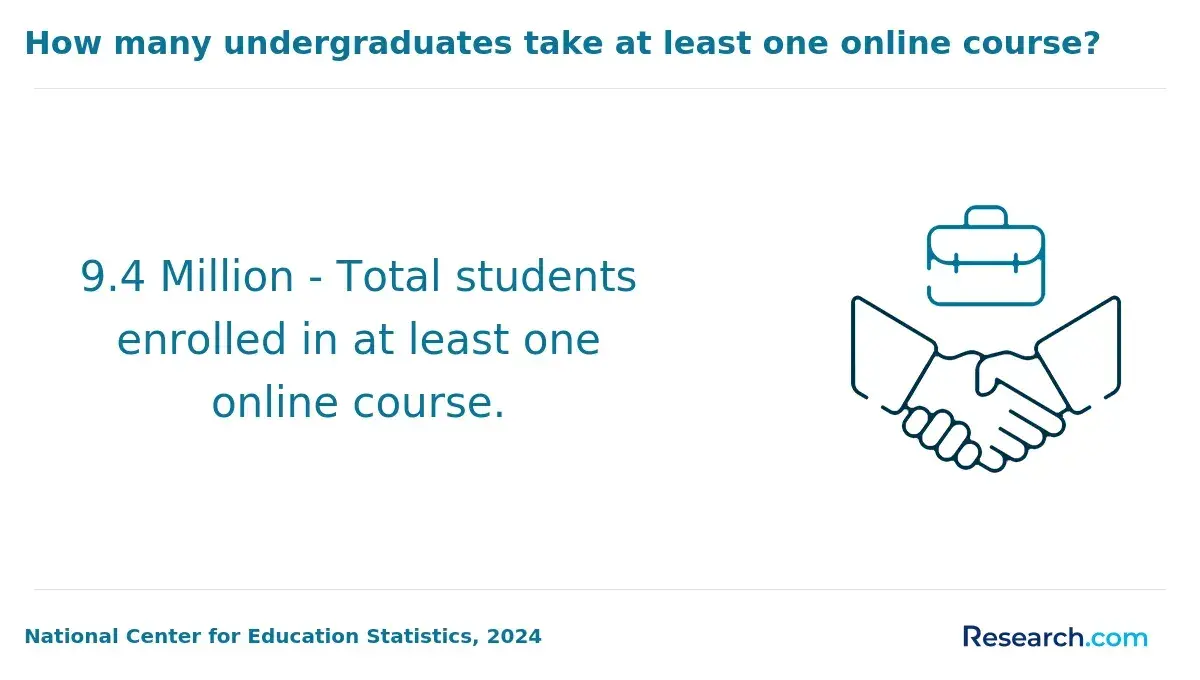
Flexibility is one of the main factors students consider when choosing between fully online and hybrid music education master's programs. Recent data from the National Center for Education Statistics shows that over 40% of graduate students took at least some online courses, reflecting strong demand for adaptable learning formats. Several specific factors influence flexibility for students balancing work, family, and graduate study.
- Class Schedule: Fully online programs often offer asynchronous classes, allowing students to study anytime that fits their personal schedule, while hybrid programs typically require attendance at fixed times for in-person sessions, reducing scheduling freedom.
- Location Requirements: Online students can participate from any location, offering maximum flexibility. Hybrid students must attend campus-based sessions periodically, which may limit options for those living far away or with geographic constraints.
- Course Pacing: Many fully online programs allow self-paced progress, ideal for students managing work or family demands. Hybrid programs usually follow a set semester timeline, which can be less accommodating.
- Attendance Expectations: Hybrid formats demand regular physical presence, which can challenge students with strict work or family responsibilities. In contrast, fully online formats provide flexibility by minimizing such requirements.
- Travel Commitments: Hybrid students often need to commute or travel for residencies or campus activities, adding time and cost barriers. Fully online students avoid these travel obligations, increasing accessibility.
For those seeking maximized flexibility, fully online music education master's programs generally offer greater adaptability than hybrid options. Students aiming for an accelerated associate degree or other flexible online studies may find these fully online programs better suited to their lifestyle and career goals.
Which Music Education Master's Program Format Is Cheaper?
Cost plays a significant role for students weighing fully online versus hybrid music education master's programs. On average, online master's degrees tend to be about 20% less expensive than their hybrid or on-campus equivalents. Several factors contribute to the overall affordability of each format and should be thoughtfully considered.
- Tuition Structure: Online programs often charge a flat rate per credit without extra fees, whereas hybrid programs may have additional charges tied to in-person sessions, increasing the total cost.
- Campus-Related Fees: Hybrid students typically face extra fees such as lab, activity, or facility costs that fully online students usually avoid, raising expenses beyond tuition.
- Commuting Expenses: Traveling to campus for hybrid classes adds costs like transportation, parking, or fuel. Online learners bypass these day-to-day travel expenses entirely.
- Housing Costs: Students attending hybrid programs might need temporary accommodation near campus, increasing living expenses. Those enrolled fully online can stay in their current residence, reducing housing-related financial burdens.
- Technology Requirements: Online formats may require investing in specific software or devices. However, these technology expenses tend to be lower compared to the combined costs of travel and lodging in hybrid setups.
A graduate student who completed an online music education degree shared that the decision to study remotely was driven largely by budget constraints. "I found it challenging to balance work and class travel costs," he explained. He appreciated being able to maintain his job without costly commutes or relocating temporarily. "The online format gave me flexibility and saved me hundreds in tuition-related fees and commuting. It felt like a practical choice, especially when finances were tight." His experience highlights how individual needs and circumstances influence which program format is more affordable.
Does Financial Aid Differ for Online vs Hybrid Music Education Master's Degrees?
Financial aid availability plays a crucial role for students evaluating online music education master's degree financial aid options versus hybrid programs. Approximately 87% of graduate students in online formats report receiving some financial support, reflecting strong overall aid accessibility. The variations in aid between these program types are shaped by several key factors:
- Eligibility Criteria: Federal and state aid eligibility typically applies to both online and hybrid programs alike, though out-of-state online students might face state-specific residency or enrollment restrictions.
- Types of Aid: Grants, loans, and similar funding sources generally remain available across formats, but work-study options may favor hybrid students due to on-campus job requirements.
- Institutional Scholarships: Hybrid programs often allocate scholarships tied to campus engagement or in-person involvement, whereas online students might access awards geared specifically toward remote learners.
- Federal and State Funding: Both formats must meet accreditation criteria, but students in online music education master's programs should verify eligibility for certain state grants, which sometimes prioritize location or mode of instruction.
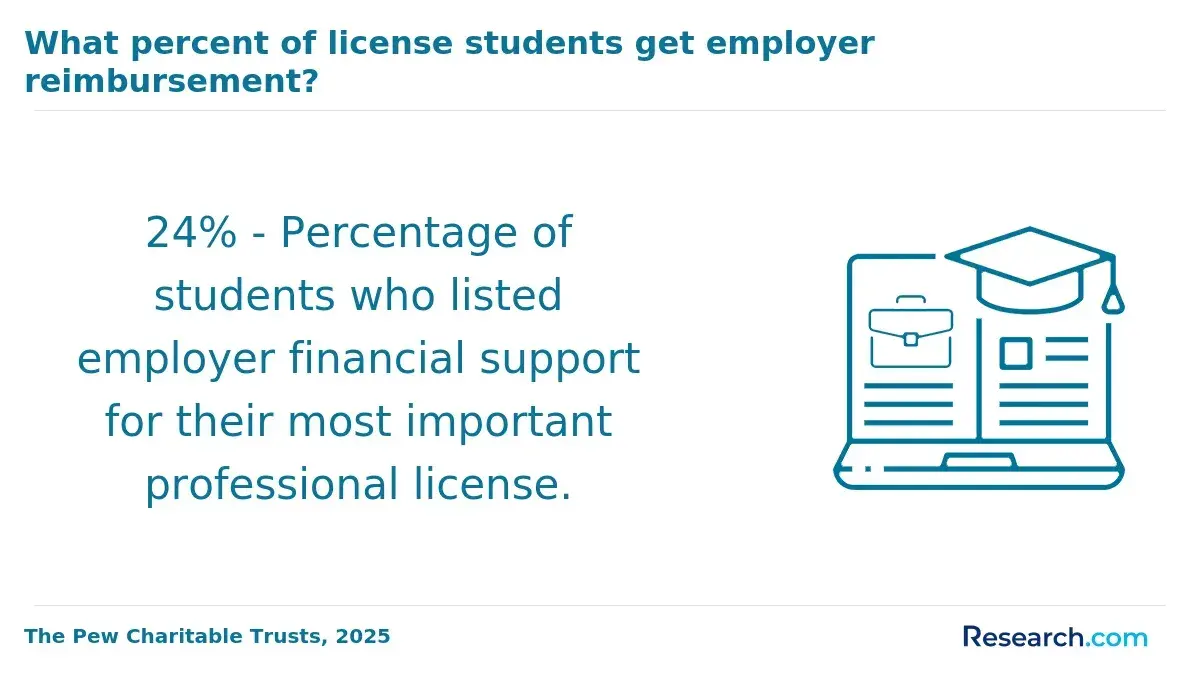
- Employer Tuition Assistance: Tuition support from employers can differ, with some favoring hybrid students for their campus presence, while others equally value the flexibility of online courses as part of their tuition assistance policies.
Students weighing these financial aid dynamics should also explore options in related fields, including programs linked to top paying degrees, to inform well-rounded career planning decisions.
Are Admission Requirements Different for Hybrid vs Online Music Education Master's Programs?
Admission standards play a crucial role when comparing hybrid and fully online music education master's programs, as they influence both eligibility and preparedness. Here are five critical factors that highlight potential similarities and differences between these two formats.
- Academic Prerequisites: Applicants generally need a bachelor's degree in music or a related discipline regardless of format. Hybrid programs often place additional weight on hands-on performance or ensemble participation due to their in-person requirements.
- Professional Experience: Experience in teaching or music-related fields is frequently encouraged or required. Hybrid programs may prioritize candidates with direct classroom exposure, reflecting the face-to-face component, while online programs may accept equivalent virtual experience.
- Letters of Recommendation: Strong references from academic or professional mentors remain essential for both formats. However, applicants should ensure these letters emphasize skills relevant to the specific learning environment they pursue.
- Standardized Tests: While some institutions still request GRE scores, this requirement is becoming less common. Both formats tend to apply similar policies, but verifying individual program criteria is advisable.
- Application Deadlines: Deadlines often coincide for hybrid and online programs, though hybrid options might have extra cutoffs or rolling admission periods tied to limited campus sessions.
When asked about her preparations for enrolling in a hybrid music education master's program, a professional shared how navigating multiple deadlines was one of her biggest challenges. "I had to stay very organized to track not only the general application date but also specific campus visit requirements," she explained. She found that demonstrating in-person experience in her portfolio helped strengthen her application, reflecting the program's hands-on focus. Despite the added steps, she appreciated the blend of flexibility and direct engagement the hybrid model offered, feeling confident that her background aligned well with its expectations.
Is the Curriculum the Same in Online and Hybrid Music Education Master's Programs?
Prospective students weighing fully online and hybrid music education master's programs benefit from recognizing that about 75% of core curriculum content remains consistent across both formats, reflecting aligned accreditation standards and learning objectives. However, subtle distinctions do shape the educational experience. Below are five key factors that highlight similarities and differences in curriculum design for online and hybrid formats.
- Core Course Content: Both formats emphasize essential subjects such as pedagogy, music theory, and educational psychology, ensuring learners gain a similar foundational knowledge base.
- Elective Offerings: Hybrid programs often feature a broader range of electives, leveraging on-campus faculty and facilities, whereas online programs may limit electives to those adaptable for remote learning environments.
- Project-Based Learning: Fully online students typically collaborate using digital tools, while hybrid students benefit from a combination of virtual teamwork and in-person workshops, which can deepen practical skills.
- Capstone or Thesis Requirements: Both formats maintain comparable academic rigor for final projects, though hybrid students may have increased opportunities for live presentations and direct faculty mentoring.
- Experiential Components: Hybrid programs frequently integrate hands-on practicum or performance labs on campus; online students often pursue these components through off-site arrangements or virtual experiences, maintaining the applied learning but varying the delivery.
How Are Exams Conducted in Fully Online vs Hybrid Music Education Master's Programs?
Exam formats play a critical role in shaping the experience for students pursuing fully online Music Education master's programs. A 2023 survey found that about 72% of fully online students felt that secure online proctoring improved both their exam experience and the perceived fairness. Below are five key distinctions in how exams are conducted in fully online versus hybrid Music Education master's programs.
- Online Proctoring vs. In-Person Exams: Fully online programs usually employ online proctoring tools that monitor students via webcam and screen sharing to uphold academic integrity. Hybrid programs, conversely, often require students to attend on-campus exams for specific assessments.
- Timed Assessments: Both fully online and hybrid formats use timed exams, but fully online tests rely on strict digital timers embedded in learning platforms. Hybrid exams frequently allow more flexible timing within scheduled in-person sessions.
- Open-Book vs. Closed-Book: Many fully online exams adopt open-book or open-note formats to accommodate remote testing environments, prioritizing application of knowledge over rote memorization. Hybrid programs commonly maintain closed-book policies during on-site examinations.
- Integrity Measures: Online exams incorporate lockdown browsers, AI monitoring, and plagiarism detection software. Hybrid formats combine these digital tools with physical supervision to deter cheating more comprehensively.
- Student Experience: Fully online students take exams from home, which necessitates reliable internet and self-discipline. Hybrid students juggle remote coursework with occasional on-campus exams, affecting their scheduling and commuting routines.
Which Music Education Master's Program Format Offers Better Networking Opportunities?
Networking opportunities play a crucial role in choosing between fully online and hybrid music education master's programs. A recent survey found that 68% of graduate students consider face-to-face interactions vital for building professional connections. Below are five key aspects illustrating how networking differs between these program formats.
- Peer Interaction: Hybrid programs offer more natural, frequent in-person collaboration, making social connections easier to form. Fully online students usually rely on virtual forums and video calls, which often feel less personal.
- Faculty Engagement: Students in hybrid programs benefit from meeting professors during campus visits, fostering stronger mentorship. In contrast, faculty interactions in fully online music education master's program networking advantages tend to depend on scheduled video meetings, limiting spontaneous conversations.
- Alumni Access: Hybrid students often attend campus-hosted events that connect current learners with alumni, enhancing career connections. Fully online learners may face more restricted or less interactive alumni outreach.
- Industry Events: Hybrid formats provide direct access to concerts, workshops, and guest lectures, supporting richer real-world networking. While fully online programs may offer virtual attendance, the informal networking time is usually reduced.
- Collaborative Projects: Teamwork thrives in hybrid settings through face-to-face interaction, strengthening relationships. Online projects rely heavily on scheduled virtual meetings, which can limit spontaneous discussions and networking.
While fully online programs emphasize flexibility, hybrid music education master's programs career connections often benefit from stronger personal interactions. Prospective students interested in affordability alongside networking opportunities might also consider exploring the most affordable EdD programs to find a balance that suits their goals.
Are Job Placement Rates Different for Hybrid vs Online Music Education Programs?
Employment outcomes are an important consideration for prospective students comparing hybrid and fully online music education master's programs. Research shows hybrid programs often achieve slightly higher job placement rates, sometimes exceeding 80%, while fully online programs report rates closer to 70%. Several factors contribute to these differences in postgraduate music education career outcomes for hybrid and online programs.
Key influences include:
- Industry Connections: Hybrid programs provide valuable face-to-face networking opportunities with local schools and music organizations, enhancing direct employer relationships and improving job prospects.
- Internship Access: Students in hybrid formats generally have greater access to in-person internships or practicums, gaining hands-on experience that employers highly value.
- Alumni Networks: Location-based alumni networks in hybrid cohorts often foster strong, ongoing connections that facilitate job referrals and career advancement.
- Career Services Support: On-campus resources associated with hybrid programs typically offer more tailored career counseling and job placement assistance than fully online formats.
- Regional Employment Opportunities: Hybrid programs anchored in specific regions tend to align more closely with local demand for music education professionals, enabling smoother transitions into the workforce.
These combined factors help hybrid students bridge the gap between academic theory and professional opportunities more effectively. Prospective students evaluating their options should consider how program format impacts not only learning but also career outcomes. For those researching online degrees generally, exploring fields like the fastest online construction management degree programs can also reveal how different delivery models affect career trajectories.
Does Program Format Affect Salary After Earning a Music Education Master's?
Salary potential influences decisions between fully online and hybrid music education master's programs. Graduates of hybrid formats report average starting salaries near $55,000, while those from fully online programs average about $50,000. Several elements contribute to these pay differences, including the structure and resources of the programs.
Five main factors affect salary outcomes based on program format:
- Networking Opportunities: Hybrid programs often promote in-person interactions, enabling stronger professional relationships that can lead to better-paying employment.
- Industry Connections: Access to faculty and established local music education networks in hybrids supports valuable internships and job placements.
- Program Prestige: Certain hybrid programs are linked to well-known institutions, which can enhance graduates' market appeal.
- Experiential Learning: Hybrid models typically include hands-on teaching practice, preparing candidates for more competitive and higher-level roles.
- Geographic Flexibility: Fully online formats offer accessibility to remote students, although limited local engagement may reduce leverage in salary negotiations.
Considering these factors in relation to individual priorities can guide students toward a program format that best aligns with their career ambitions and financial expectations.
What Graduates Say About Fully Online vs Hybrid Music Education Degree Master's Programs
- Francis: "Choosing a fully online music education master's program was essential for me due to my demanding teaching schedule. The flexibility allowed me to balance coursework with my job without the need to relocate or commute. Additionally, the cost savings compared to hybrid options made it a very practical decision, and now I've been promoted to lead curriculum coordinator thanks to the advanced skills I gained."
- Allana: "Reflecting on my hybrid music education degree, I appreciated the combination of in-person interaction and online convenience. While it was a bit more expensive than a fully online program, the on-campus workshops enriched my learning experience. This journey certainly broadened my professional network and increased my confidence as a music instructor in diverse educational settings."
- Garett: "Professionally, pursuing the online music education master's was a strategic move to advance without putting my career on hold. The affordability compared to traditional programs allowed me to invest more in supplementary music technology courses. I feel empowered by the knowledge and flexibility this program provided, which directly contributed to my success in securing a leadership role within my school district."
Other Things You Should Know About Music Education Degrees
Yes, fully online music education master's programs are generally recognized by employers, provided the degree is earned from an accredited institution. Many schools offering fully online degrees maintain the same academic standards as their on-campus counterparts, ensuring employer acceptance. Graduates should verify accreditation status to ensure their credentials are respected in the field.
While fully online programs may offer virtual performance components or simulations, direct participation in ensemble or in-person practical experiences is typically limited. Some online programs arrange optional on-site workshops or residencies for hands-on skills, but those seeking extensive live performance opportunities may prefer hybrid formats that include face-to-face sessions.
Hybrid programs do require occasional commuting because they combine online coursework with in-person classes or practicums. The frequency of campus visits varies by program, often ranging from once per week to a few times per semester, depending on the program's structure and residency requirements. Fully online programs eliminate commuting altogether, making them preferable for those with limited mobility or tight schedules.
Fully online Music Education master's programs offer greater flexibility compared to hybrid formats, enabling students to complete coursework from anywhere. This format is ideal for students balancing professional or personal commitments while pursuing their degree. However, students should ensure the program provides adequate virtual resources and interaction with faculty.
References
- What can we learn from developments in online music education? — Neil Mosley Consulting https://www.neilmosley.com/blog/what-can-we-learn-from-the-evolution-of-online-music-education
- Music Education - Graduate Degrees - Adams State University https://www.adams.edu/academics/graduate/music/
- Music Education Master's Degree Program | Nazareth University, Rochester NY https://www2.naz.edu/academics/grad/music-education-degree-program
- 10 Most Affordable Master’s In Music Online - GradSchoolHub.com https://www.gradschoolhub.com/affordable/online/masters/music/
- Inside the New, Innovative Master's in Music Education Program https://www.belmont.edu/stories/articles/2025/inside-new-masters-in-music-education-program.html
- 8 Tips for Choosing an Online University https://online.usm.edu/blog/https8-tips-for-choosing-an-online-univerisity/
- Online vs. On-Campus: Which Mode of Learning Is Best for You? https://www.onlinemastersdegrees.org/student-resources/which-mode-of-learning-is-best/
- Music Education (M.M.) Master's Program at Fredonia https://www.fredonia.edu/academics/colleges-schools/school-music/program/music-education-mm
- Difference between Hybrid, Online & In-Class Degree Programmes | BSBI https://www.berlinsbi.com/blog/what-is-the-difference-between-hybrid-online-and-in-class-degree-programmes
- 2025 Most Affordable Online Master's Degrees in Music Education https://www.onlineu.com/most-affordable-colleges/music-masters-degrees