2027 Best Online Music Education Degree Master's Programs for Working Professionals

Co-Founder and Chief Data Scientist
Many working professionals seeking to advance their careers in music education face challenges balancing employment with further study. According to recent data, over 60% of graduate students in education programs juggle work commitments while pursuing degrees, making flexible online options essential. Additionally, the demand for qualified music educators is projected to grow by 9% over the next decade, highlighting the need for accessible, accredited master's programs. This article evaluates the best online music education master's programs for working professionals by examining accreditation, admission criteria, curriculum design, cost, and flexibility. It also addresses career prospects, financial aid, and program quality to guide informed decisions.
Key Things to Know About the Best Online Music Education Degree Master's Programs for Working Professionals
- Most programs require a bachelor's degree in music or education, professional experience, and submission of transcripts, letters of recommendation, and a personal statement for admission.
- Curricula typically balance theory and practice with flexible schedules, asynchronous courses, and cohort models to accommodate working professionals' time constraints.
- Compare programs by accreditation, faculty expertise, tuition costs, financial aid options, and alumni success rates to ensure optimal career advancement and return on investment.
What Are the Best Online Music Education Master's Programs Available for Working Professionals Today?
For working professionals aiming to advance their careers, selecting a top accredited online music education master's degree is essential. Employment for music directors and composers is expected to grow steadily by 5% between 2022 and 2032, highlighting ongoing demand. Key factors such as program flexibility, accreditation, and student support significantly impact career advancement. Below is a list of five nationally recognized programs that balance these elements effectively.
- University of Florida Online music education: This program provides asynchronous coursework with occasional live sessions, ideal for professionals managing work and study. It is accredited by the National Association of Schools of Music (NASM) and features research-based teaching methods alongside a capstone project.
- Boston University Master of music education: Delivered fully online, BU emphasizes leadership development within music education through interactive seminars and offers access to a robust alumni network, enhancing career prospects post-graduation.
- Vanderbilt University Peabody College music education: Known for its rigorous curriculum, Vanderbilt combines flexible scheduling with faculty expertise in music pedagogy research. The program includes mentorship and integrates technology in music teaching practices.
- Arizona State University Online Master's in music education: ASU balances theory with practical skills, offering diverse specializations and excellent career services. Its innovative online platform encourages collaborative learning and regular faculty interaction.
- University of North Texas College of music education: UNT's fully accredited program features a comprehensive curriculum emphasizing diversity, with both synchronous and asynchronous components tailored for working students.
These selections are based on accreditation standards, curriculum flexibility, faculty credentials, and proven student outcomes, making them suited to working professionals seeking the best online music education master's programs for career advancement. Additionally, prospective students should carefully evaluate costs and financial aid options. For those comparing affordability, resources such as cheapest CSWE-accredited online MSW programs provide useful benchmarks, even across disciplines.
What Accreditation Standards Should an Online Music Education Master's Program Meet?
Accreditation is essential for online music education master's programs to ensure that degrees are recognized by employers and meet standards for federal financial aid eligibility. Regional accreditation, such as from the Southern Association of Colleges and Schools Commission on Colleges (SACSCOC) or the Higher Learning Commission (HLC), evaluates the entire institution's academic quality. Programmatic or specialized accreditation, typically from the National Association of Schools of Music (NASM), focuses specifically on music education standards. Music educators can expect a steady demand with a 4% job growth rate from 2022 to 2032. Below are important accreditation considerations for prospective students.
- Regional vs. Programmatic Accreditation: Regional accreditation covers the institution comprehensively, while programmatic accreditation targets the specific quality and curriculum of music education master's accreditation standards.
- Credential Recognition: Accreditation confirms the legitimacy of degrees, enhancing acceptance by school districts and certification bodies.
- Financial Aid Eligibility: Only accredited institutions qualify for federal aid, which is crucial for many working professionals seeking accredited music education master's programs for working professionals.
- Verification Resources: Applicants should verify accreditation status using official databases such as the U.S. Department of Education and the Council for Higher Education Accreditation (CHEA) websites.
- Red Flags: Watch out for unaccredited programs, unusually fast completion promises, and lack of faculty transparency. Avoid programs without clear accreditation claims.
For those interested in advancing their credentials further, exploring online EdD programs can provide accelerated paths beyond the master's level.
What Is the Minimum GPA Requirement for an Online Music Education Master's Program?
Working professionals pursuing an online music education master's often face uncertainty about minimum GPA expectations and how admissions decisions are made. Nearly 65% of online graduate education programs take a holistic view, balancing GPA with other criteria. Below is a concise overview of key insights on GPA and factors affecting admission in these programs.
- Typical GPA Thresholds: Most programs require a minimum GPA near 3.0 on a 4.0 scale. Some schools offer conditional admission for applicants below this mark, often involving probationary periods or foundational coursework to demonstrate readiness.
- Holistic Admissions Approach: Admissions committees weigh professional experience, recommendation letters, and personal statements heavily, particularly valuing practical expertise brought by working professionals alongside grades.
- Strengthening Applications with Low GPAs: Candidates with below-average GPAs can enhance their profiles by completing additional post-baccalaureate courses or earning relevant certifications, signaling academic improvement and commitment to music education.
- Selective vs. Accessible Programs: Highly competitive programs usually maintain GPA requirements around 3.25 or higher, while more accessible ones may accept GPAs near 2.75, relying on strong professional portfolios to balance academics.
When I asked a graduate of an online music education master's program about his experience meeting GPA requirements, he reflected on the initial anxiety of balancing work and studies while worrying about his 2.9 GPA. He shared that the program's support system and opportunity to submit detailed recommendations helped mitigate his concerns. "I was hesitant at first, but the chance to prove myself through practical assignments and proactive communication with faculty made all the difference," he said. This graduate emphasized that perseverance and leveraging all admission factors beyond GPA were key to advancing his career through the program.
What Prerequisites and Prior Educational Background Are Required for an Online Music Education Master's Program?
Working professionals considering an online music education master's program need to carefully evaluate their academic background and prerequisites before applying. This process ensures they meet the standard requirements and are well-prepared to succeed in advanced graduate study. Below is a summary checklist highlighting key prerequisites and options available for prospective students.
- Undergraduate Degree in a Related Field: Applicants are generally expected to hold a bachelor's degree in music, music education, or a closely related discipline. Core coursework often includes music theory, music history, and pedagogy to establish a strong foundation.
- Prerequisite Coursework: Completion of courses like conducting, performance, ear training, and educational psychology is typically required, as these prepare students for advanced study in music education methodologies and curriculum design.
- Bridge or Leveling Courses: Some programs offer supplemental courses to help students from adjacent fields such as general education or other arts disciplines without specific music prerequisites develop the necessary skills before beginning graduate studies.
- Professional Experience Substitution: In some programs with a professional focus, relevant teaching or performance experience can partially or fully substitute for academic prerequisites, recognizing practical expertise in music education.
- Admission Assessment Tests or Auditions: Certain schools require auditions or portfolio submissions to evaluate musicianship and teaching potential, especially when formal academic backgrounds are less comprehensive.
- Common Prerequisite Checklist: Candidates should confirm they have:
- A bachelor's degree in music or a related field
- Completed core courses in music theory and pedagogy
- Relevant teaching or performance experience if applicable
- Preparation for auditions or portfolio submission where required
Evaluating these admission requirements is essential for any working professional exploring the prerequisites for online music education graduate degrees. For those balancing career demands, it is helpful to research flexible program options, including bridge courses or professional experience credits. Additionally, exploring options like a 1 year executive MBA online program can offer insight into intensive, career-advancing education models tailored for professionals.
What Does the Curriculum of an Online Music Education Master's Program Look Like for Working Professionals?
When exploring eligibility for an online music education master's program, understanding the curriculum is essential for working professionals balancing career demands. Programs typically offer a mix of foundational courses, specialization options, practical experiences, and flexible formats designed to fit varied schedules.
Key factors shaping the curriculum include:
- Core Coursework: Students engage with advanced topics such as curriculum development, instructional techniques, music pedagogy, and assessment strategies to build a comprehensive skill set that integrates theory with practice.
- Elective Specializations: Many programs allow focus areas like technology in music instruction, ensemble leadership, or music for special education, enabling learners to tailor studies toward their career aspirations.
- Flexible Delivery Formats: To accommodate full-time professionals, courses are often offered as asynchronous modules, 8-week accelerated sessions, or weekend intensives, allowing learners to proceed without disrupting work commitments.
- Competency-Based vs. Credit Hour Models: Competency-based education emphasizes mastery demonstrated through assessments, ideal for experienced practitioners seeking accelerated progression. Traditional credit-hour models follow structured timelines and deadlines, better suited for those preferring routine pacing.
- Capstone and Practical Experiences: Programs frequently include capstone projects or thesis options that reflect student interests, along with practicum or internships-sometimes remote-that connect academic learning with real-world settings.
Reviewing sample syllabi and consulting academic advisors are crucial steps to ensure a program's curriculum matches individual professional goals and learning preferences.
A graduate I spoke with described the experience: balancing full-time teaching while completing the degree was "challenging but manageable" thanks to the program's modular, asynchronous format. He found that being able to study evenings and weekends allowed him to maintain his workload without sacrificing family time. The capstone project, focused on integrating technology into music classrooms, was especially rewarding, providing practical tools he could immediately apply. He emphasized how the flexible structure "made pursuing a master's possible without putting my entire life on hold."
How Long Does It Take to Complete an Online Music Education Master's Degree?
The duration for completing an online Music Education master's degree varies depending on the student's enrollment status and program structure. Full-time students typically finish between 12 to 18 months, while part-time learners, who often juggle work and study, may take two to three years. Accelerated tracks allow some students to complete their degree in under 12 months by utilizing intensive course schedules.
Several options can help reduce time-to-completion for working professionals. Credit transfer policies enable recognition of previous coursework, and prior learning assessments offer credit for relevant experience. Additionally, some programs provide dual-enrollment opportunities that allow students to begin graduate-level work while finishing undergraduate requirements.
Delays in graduation often arise from balancing job responsibilities with academic demands, sudden financial constraints, or modifications in program prerequisites and course availability. These challenges emphasize the importance of realistic planning for degree completion while maintaining employment.
A recent trend indicates that approximately 60% of education graduate students enroll part-time, highlighting the widespread need for flexibility in program pacing. Below are key factors to consider when estimating your timeline:
- Enrollment Status: Full-time study typically leads to faster completion but demands a heavier course load, which may be difficult for working professionals to sustain over time.
- Credit Transfer and Prior Learning: Utilizing transfer credits and assessments of past experience can shorten the overall time by reducing required courses.
- Program Flexibility: Availability of asynchronous courses and accelerated tracks provide options that align with varying schedules and commitments.
- Work-Life Balance: Managing job responsibilities alongside coursework can slow progress, so setting achievable goals and reviewing progress regularly is vital.
- Financial Stability: Interruptions due to funding challenges can delay enrollment continuity and degree completion.
- Curriculum Changes: Program adjustments or additional requirements such as capstones may extend expected graduation dates.
How Much Does an Online Music Education Master's Program Cost and What Are the Total Expenses for Working Professionals?
The tuition for online music education master's degree programs varies significantly, influenced by factors such as institution type, residency status, and program format. Many programs now offer a flat tuition rate for all online students, removing the traditional distinction between in-state and out-of-state fees. Total expenses for earning a music education master's degree online include not only base tuition but also associated fees and indirect costs. Below is a summary of essential cost considerations working professionals should evaluate when examining their options.
- Per-Credit-Hour Tuition: Most programs charge between $400 and $1,200 per credit hour. Given that program requirements typically range from 30 to 36 credit hours, total tuition can fall between $15,000 and $45,000. This range makes it vital to verify exact credit costs at each school, particularly when selecting programs that cater specifically to working adults.
- Additional Fees: Many institutions impose technology or distance learning fees that may add several hundred dollars annually. Some music education master's programs include short on-campus residencies or intensive workshops, which bring additional travel and lodging expenses. Thesis submission or comprehensive exam fees may also be charged, varying by institution.
- Indirect Costs: Often overlooked are expenses such as textbooks, music software subscriptions, and memberships in professional organizations, which can total $500 to $1,000 or more annually. Attendance at conferences for career development further increases the overall investment needed beyond tuition alone.
- Admissions Trends and Resources: According to the National Association for Music Education, graduate admissions have steadily increased as educators pursue advanced credentials for career advancement. Tools like the College Scorecard and university net price calculators help prospective students compare true net costs after factoring in financial aid, grants, and scholarships. Working professionals are encouraged to utilize these tools to make informed, affordable choices and to explore options similar to those found at community colleges near me.
What Financial Aid, Scholarships, and Employer Tuition Benefits Are Available for Online Music Education Master's Programs?
Securing financial aid is a crucial aspect for working professionals considering enrollment in an online Music Education master's degree. Understanding available funding options helps manage costs while balancing career responsibilities. The following points outline key financial resources and application tips relevant to graduate students.
- Federal Financial Aid: Graduate students can apply for Direct Unsubsidized Loans offering fixed interest rates and flexible repayment plans. Additionally, Graduate PLUS Loans are available for covering remaining educational expenses but require credit approval. Completing the FAFSA annually is essential, with graduate applicants focusing primarily on their own income and assets rather than parental information.
- Music Education Scholarships and Fellowships: Several awards are accessible through databases like Fastweb and Scholarships.com, as well as professional Music Education organizations. Eligibility often depends on academic achievement, teaching experience, or dedication to outreach efforts. Award amounts vary widely, so it's important to track diverse deadlines and apply early.
- Employer Tuition Reimbursement: For professionals currently employed, tuition reimbursement programs offer a practical funding source. Engaging the human resources department to clarify eligibility and submission requirements is key. Strategically aligning course schedules with reimbursement cycles can enhance benefit utilization.
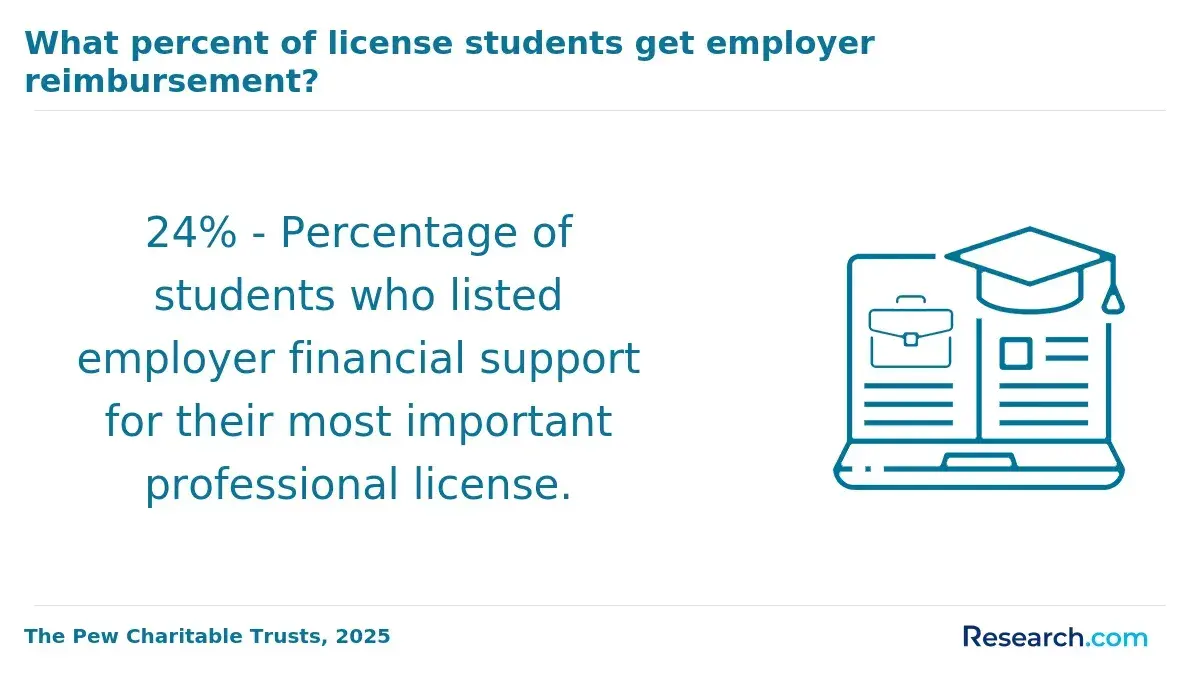
- Graduate Assistantships and Fellowships: Although less prevalent in fully online formats, some programs offer assistantships or fellowships that provide tuition waivers combined with valuable teaching or research experience. Approximately 30% of education graduate students leverage employer funding or assistantships, underscoring the need to investigate these options thoroughly.
How Do Online Music Education Master's Programs Support Working Professionals Through Flexible Scheduling and Delivery Formats?
Busy professionals aiming to pursue an online music education master's degree need programs that align with their work commitments and learning preferences. Flexibility in scheduling is essential to balance coursework alongside job responsibilities. The following features highlight common delivery formats and support systems designed to meet diverse professional needs.
- Synchronous and Asynchronous Options: Programs often offer a mix of live, real-time classes and self-paced lessons. This combination allows students to engage in interactive sessions when possible while managing their studies independently around unpredictable work hours.
- Hybrid and Cohort-Based Models: Some programs incorporate occasional in-person meetings or require progression within a peer group. Hybrid formats provide face-to-face engagement without a full campus presence, while cohort models encourage collaboration and sustained motivation through structured group dynamics.
- Evening and Weekend Course Availability: Scheduling classes outside traditional daytime hours enables professionals to attend without interrupting their regular workday. Recorded lectures further support learners by allowing them to review material missed due to professional obligations.
- Mobile-Friendly Learning Platforms: Access to coursework via smartphones and tablets empowers students to study during commutes or short breaks. Such adaptability enhances continuous learning despite busy daily routines.
- Dedicated Support Services: Specialized academic coaches, peer mentors, and staff acquainted with non-traditional student challenges provide personalized guidance. These resources improve retention rates and academic success for working adult learners.
- Trial Access to Learning Management Systems (LMS): Prospective students should take advantage of demos or open house opportunities to navigate the LMS before enrolling. Familiarity with the digital platform helps ensure it matches their learning style and technological comfort.
What Technology, Tools, and Technical Requirements Are Needed for an Online Music Education Master's Program?
For working professionals preparing to pursue an online music education master's degree, understanding the technical requirements is essential to ensure smooth participation in coursework and practical activities. Meeting these requirements helps avoid disruptions during live sessions and multimedia assignments.
- Hardware and Operating System: A reliable computer with at least 8 GB of RAM and recent operating systems like Windows 10 or later, or macOS Mojave and newer, is generally expected to run audio and video editing applications effectively.
- Internet Speed: High-speed internet with a minimum of 10 Mbps download/upload is usually required to support live video sessions and uploading large multimedia files without lag.
- Specialized Software and Tools: Students often need digital audio workstations (DAWs), notation software, or virtual instruments based on curriculum needs. Some online music education master's programs provide these tools, while others require students to purchase licenses.
- Accessibility Features: Many programs comply with ADA standards and offer assistive technologies like screen readers, closed captioning, and keyboard navigation to accommodate students with disabilities.
- Technology Readiness Assessment: Prospective students should assess their current setup to confirm it meets program demands or identify upgrades needed before enrollment. This preparedness supports a more successful online learning experience.
Professionals balancing career advancement and study should also explore broader program features such as curriculum structure and cost, especially when comparing options that include financial aid opportunities. For insights on affordability in related fields, see this best online accounting program, which offers a good reference point for cost-effective, quality online learning.
What Career Outcomes and Salary Expectations Follow an Online Music Education Master's Degree for Working Professionals?
For working professionals, understanding the career benefits of an online music education master's degree can aid in evaluating whether the program aligns with their advancement goals. This section outlines critical factors influencing job growth, salary potential, and professional mobility grounded in data from authoritative sources.
- Increased Career Advancement: Graduates often qualify for higher-level roles such as advanced teaching positions, curriculum specialists, or administrative posts within educational or arts organizations, reflecting notable upward mobility.
- Salary Growth: Median annual earnings typically range between $55,000 and $75,000, representing a 10% to 20% salary increase compared to those holding only bachelor's degrees. Variations depend on geographic location and employer type.
- Promotion Opportunities: Working professionals report attaining leadership titles like lead teacher, department chair, or educational coordinator after completing the degree, indicating its impact on role expansion within current careers.
- Career Pivot Potential: For those transitioning into related sectors such as arts administration or private instruction, the degree enhances professional credentials and strengthens negotiating power for compensation.
- Data Verification: Prospective students should request detailed graduate outcomes-such as employment rates, median salaries, and notable employers-from admissions teams to make informed decisions about program selection.
What Graduates Say About Getting Accepted in Online Music Education Degree Master's Programs for Working Professionals
- Alfonso: "Applying for the online music education master's program specifically designed for working professionals was a game changer for me. The flexibility allowed me to balance my job and studies seamlessly. Navigating through accredited institutions initially felt overwhelming, but discovering official academic catalogs really helped clarify the curriculum expectations."
- Eduardo: "Choosing an accredited online music education master's program for working professionals required thorough research and patience. I relied heavily on federal education resources and accrediting agencies to verify program legitimacy, which gave me confidence in my investment. Reflecting back, the process sharpened my critical evaluation skills beyond just academics."
- Thiago: "My journey began with an in-depth exploration of online music education master's programs catering to working professionals. Official academic catalogs were invaluable in understanding degree requirements clearly. Completing the program not only enhanced my teaching techniques but also taught me effective strategies for balancing professional and academic commitments."
Other Things You Should Know About Music Education Degrees
Admission requirements typically include a bachelor's degree in music or a related field, letters of recommendation, a statement of purpose, and potentially an audition or portfolio. Some programs might also require standardized test scores like the GRE, though this varies by institution.
Many online music education master's programs adhere to the same accreditation standards as traditional on-campus programs, maintaining comparable curricular rigor and teacher preparation requirements. Employer perception increasingly views accredited online degrees as equivalent, especially when candidates demonstrate relevant skills and professional development. However, some roles may prefer candidates with in-person training experiences depending on the institution or district.
Online students often access a range of support services, including academic advising, library resources, tutoring, career counseling, and technical assistance. Many programs offer virtual mentorship and networking opportunities specifically designed for working professionals. These services help ensure student success by addressing the unique challenges of balancing employment with graduate-level study.
References
- Music Education M.M. https://music.buffalostate.edu/music-education
- Music Education (M.M.) Master's Program at Fredonia https://www.fredonia.edu/academics/colleges-schools/school-music/program/music-education-mm
- Graduate Degrees in Music Education https://www.colorado.edu/academics/grad-music-education
- Master of Music in Music Education https://online.ewu.edu/degrees/education/master-music-education/
- Music Education Master’s Programs Online: Review Top Schools https://www.onlinemastersdegrees.org/best-programs/education/music-education/
- Master's Degree (MM) in Music Education https://academics.uky.edu/programs/masters/music-education
- MM in Music Technology https://www.uu.edu/mmmt/
- Hitting the Right Note: Exploring Online Master's Degrees in Music Education - Oreate AI Blog http://oreateai.com/blog/hitting-the-right-note-exploring-online-masters-degrees-in-music-education/a33ab5fb188aae3a62a393cddd8885d9
- Home - National Association of Schools of Music https://nasm.arts-accredit.org/
- Music - Master of Music Education https://illinoisstate.edu/academics/music-education-masters/