
2027 Is a Music Education Online Degree Worth It?

Co-Founder and Chief Data Scientist
The rise of online education has transformed access to higher learning, with enrollment in online courses growing by over 20% in recent years. Many aspiring teachers now consider an online music education degree as a flexible and accessible path to enter the field, especially given the increasing demand for music educators in schools nationwide.
This article explores whether pursuing an online music education degree is worth it by examining key factors such as cost, program accreditation, job market trends, and how employers perceive online credentials. Understanding these elements can help students make informed decisions about their educational and career goals.
Key Benefits of Online Music Education Degree
- Online music education programs offer flexible scheduling and self-paced learning, accommodating working professionals and diverse lifestyles without compromising curriculum rigor.
- Graduates often qualify for teaching certification, enabling careers in public schools where job growth for music teachers is projected at 4% through 2031.
- Programs emphasize practical skills and technology integration, preparing students for varied roles in education, performance, and community outreach.
Who should choose an online music education degree program?
Online learning has become an increasingly practical choice for many students due to its adaptability and convenience. Its flexibility enables individuals to manage their educational pursuits alongside diverse personal and professional commitments. Here are the primary groups who find an online music education degree particularly advantageous:
- Practicing music educators: These individuals are already engaged in teaching roles within schools, private studios, or community environments. Online programs allow them to advance their qualifications or meet state certification standards without interrupting their current work.
- Experienced performers turned instructors: Musicians with strong performance backgrounds but limited formal teaching credentials can use online study to develop essential pedagogical skills and formalize their knowledge into recognized qualifications.
- Non-certified musicians seeking advanced study: Those holding bachelor's degrees in music but lacking teaching certification can prepare for doctoral programs or higher education teaching careers through flexible online courses that fit around their schedules.
- Career-focused professionals: Individuals balancing full-time employment value online programs for enabling continued education and credentialing without pausing their careers, making lifelong learning an achievable goal.
What are the pros and cons of an online music education degree?
Online music education programs have grown rapidly as they offer students and professionals greater flexibility and new opportunities for career advancement. These programs adapt well to digital tools and remote learning, making them a popular choice in a changing educational landscape.
Pros of an Online Music Education Degree
- Flexible Scheduling: Students can learn at their own pace, balancing coursework with jobs, family, or performance commitments. This flexibility is ideal for busy professionals or those with irregular schedules, a key benefit in understanding the benefits of online Music Education degree programs.
- Cost-Effectiveness: Online programs often have lower tuition costs, with some master's degrees available for as little as $7,177 annually. This affordability broadens access to high-quality music education compared to traditional campus programs.
- Access to Diverse Faculty: Students can connect with industry-active instructors and peers nationwide, gaining practical feedback and networking opportunities that enrich their learning experience.
- Technology Integration: Courses emphasize hands-on use of professional music software and digital tools, preparing students for modern teaching roles and remote lessons.
Cons of an Online Music Education Degree
- Limited Hands-On Experience: Reduced in-person practice, ensemble work, and access to physical instruments or studios can impede skill development critical for music educators. This is a significant part of the drawbacks of earning a Music Education degree online.
- Self-Motivation Required: Online learning demands high personal discipline. Without regular face-to-face contact, some students may find it challenging to stay motivated, especially beginners.
- Variable Program Quality: Online program quality and employer recognition vary widely. Some districts or employers may not value online credentials, potentially affecting job prospects.
- Technical Challenges: Stable internet, suitable hardware, and digital literacy are essential. Technical difficulties or lack of access can disrupt learning and participation.
For those interested in accelerating their career through flexible options, exploring the fastest degree programs can provide additional pathways to completion and advancement.
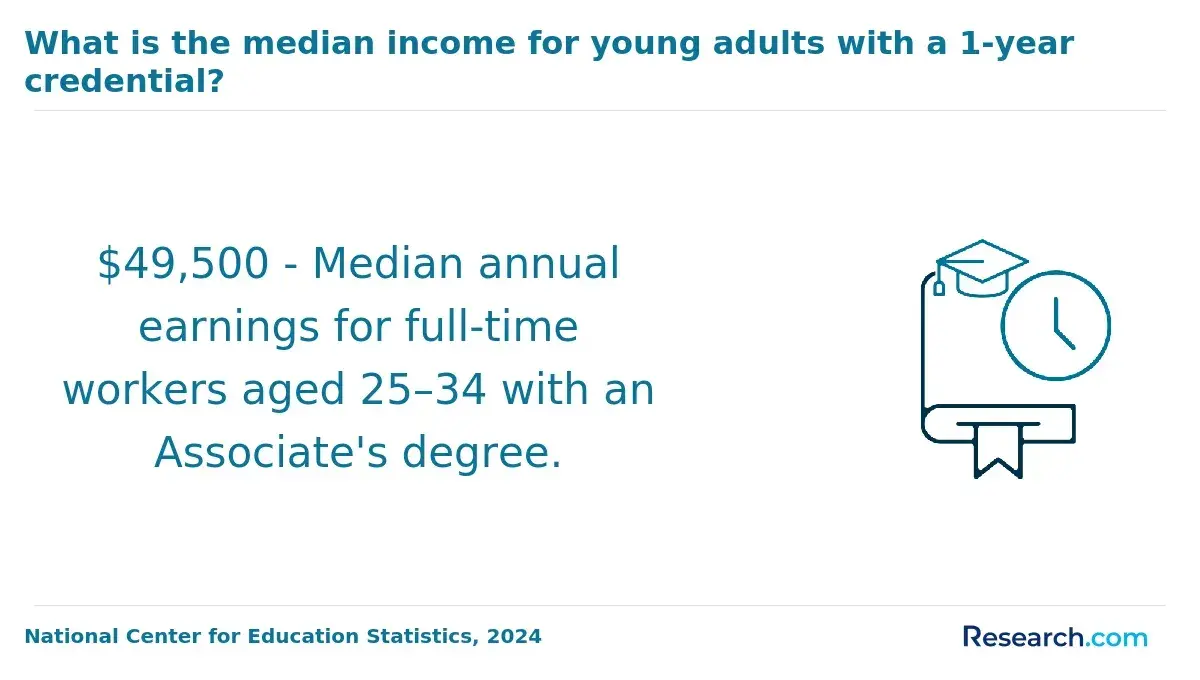
How do AI-enhanced virtual classrooms work in online music education programs?
AI technologies have become central to modern online education by creating more engaging and tailored learning experiences for students. This is especially true in music education, where AI-enhanced virtual classrooms improve skill development and creativity.
Below are key features of AI-powered virtual learning environments that make online music education effective and accessible.
- Adaptive Learning Tools: AI customizes lessons based on each student's progress and skill level, helping learners focus on areas needing improvement. This individual approach boosts confidence and accelerates growth in musical abilities.
- AI-Driven Feedback: Real-time analysis of performance, harmony, and voice leading allows students to refine their technique independently. Immediate corrections and suggestions aid in more efficient practice sessions.
- Creative Collaboration: AI supports co-composition projects by generating alternative melodic lines and visual representations, encouraging innovation and deeper musical understanding.
- Assessment Support: AI assists instructors with grading and evaluation, making assessment more consistent and freeing up time for personalized teaching.
- Engagement and Accessibility: By integrating virtual music teaching technology tools, these systems provide self-analysis resources and broaden access to quality music education, especially for underrepresented populations.
For those interested in exploring options for online study, this resource highlights the best college degrees for seniors online, offering pathways to advance in educational fields including music.
What technology do you need for an online music education degree?
Having the right technology setup is essential for success in modern online music education programs, where interactive multimedia and real-time collaboration are the norms. Students must ensure their equipment supports the demands of streaming, recording, and submitting diverse media assignments.
Below is a detailed look at the essential music technology requirements for online music education that students should prepare before enrolling.
- Reliable Computer (Windows or Mac): A modern laptop or desktop with at least 4GB of RAM and 256GB hard drive storage is necessary to run software smoothly and store large audio and video files. Recommended processors include Intel Core 2 Duo or newer, ensuring compatibility with audio editing and conferencing tools commonly used by students.
- Webcam and Microphone: Clear communication is crucial for live virtual classes and presentations. While many devices have built-in cameras and microphones, investing in external webcams and quality microphones can significantly improve audio-visual clarity during discussions or video submissions.
- High-Speed Internet Connection: A stable broadband connection, such as cable or DSL, is vital for streaming lectures without interruption, uploading high-quality videos, and participating in live discussions. A slow or inconsistent internet connection can hinder timely submission of assignments and reduce engagement.
- Audio/Video Recording Equipment: Capturing rehearsals, performances, or lessons requires reliable recording tools. Smartphones that record in MP4 at 720p or higher usually meet program specifications; however, dedicated audio recorders and cameras can enhance sound and image quality for more polished projects.
- Essential Software: Updated operating systems (Windows or Mac OS), antivirus software, media players, and free audio editing tools like Audacity are standard. Using browsers like Firefox ensures smooth access to course platforms and materials. Selecting the best laptops and software for online music education students significantly influences their learning experience.
- Additional Tools: Headphones, speakers, printers, and available USB ports help support various technical needs. Comfort with email, Microsoft Office, and file-sharing platforms such as Dropbox or YouTube also enhances daily workflow and collaboration.
For students seeking an affordable online master's degree, ensuring these technology components are in place is a foundational step toward academic success in music education programs.
How long does it take to finish an online music education in 2027?
Program length is a key consideration for prospective students, especially those balancing work, family, or other commitments. Online music education degrees offer varied timelines depending on the format and pace chosen. Below is an overview of common completion durations for these programs.
- Full-Time Accelerated Track: Students can complete their degree in about one year by enrolling full-time in intensive, often 8-week courses. This path suits those seeking rapid completion with a demanding schedule.
- Standard Full-Time Program: Typically spans 12 to 18 months, offering a balanced pace with some flexibility. Coursework is often asynchronous, allowing students to manage deadlines independently within set terms.
- Part-Time Enrollment: Designed for working professionals, this option usually requires two to three years or more. The lighter course load lets students progress steadily while attending to personal and professional responsibilities.
- Extended Completion: Some students may take additional time due to thesis requirements or breaks in study. These extensions can push completion beyond three years depending on individual circumstances.
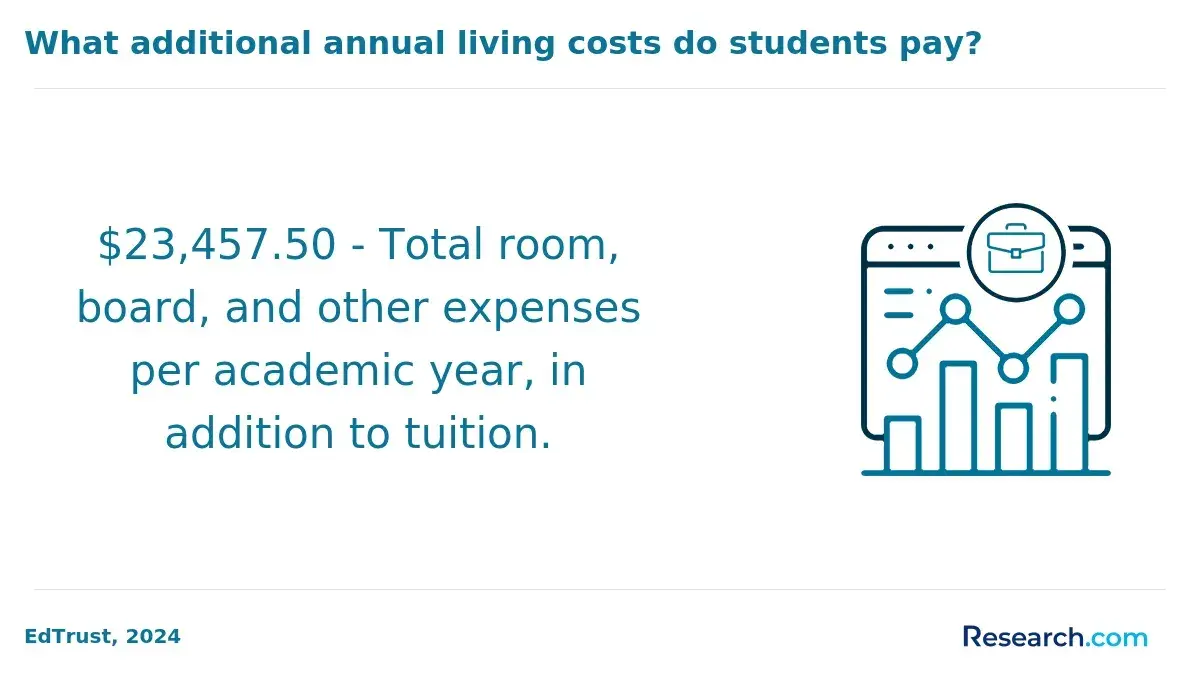
Can you work full-time while completing an online music education degree?
Balancing full-time work with online study is a common concern for many prospective music education students. Understanding the key factors that influence the ability to manage both is essential for success. Below are important considerations for working professionals enrolled in an online music education degree.
- Flexible Scheduling: Many online programs offer asynchronous courses, letting students complete lectures and assignments at their convenience. This flexibility helps accommodate work hours and other commitments.
- Program Pacing: Options to study part-time or full-time allow students to adjust course loads according to their availability. Taking fewer courses per term can reduce stress while extending total program length.
- Workload: Expect to dedicate roughly 10-15 hours weekly per course. Balancing this with full-time employment requires realistic planning and discipline.
- Employer Support: Flexible work hours or tuition reimbursement can ease the burden, enabling students to focus on their studies without sacrificing income.
- Time Management Skills: Successful students create consistent weekly schedules and use organizational tools like calendars and task lists to stay on track despite competing demands.
When I spoke with a graduate who completed an online music education degree while working full-time, she described the experience as challenging yet rewarding. "Finding a rhythm was tough at first," she shared. "Weeks with heavy work deadlines meant late nights finishing assignments, but knowing I could watch lectures anytime made a big difference."
She emphasized how setting firm study hours and communicating with her employer about her goals helped sustain her motivation. Reflecting on her journey, she noted that the flexibility and self-discipline required ultimately enhanced her confidence both as a student and music educator.
How do online music education degree programs help with internships?
Internships are essential for gaining practical experience and preparing for a successful career in music education. They allow students to apply theoretical knowledge in real classrooms, building skills and professional confidence. Online programs support this critical step in several effective ways:
- Career Services Support: Universities provide dedicated resources like job boards and faculty guidance to help students identify suitable internship opportunities aligned with their goals.
- Mentorship Networks: Experienced educators mentor students throughout their internships, offering feedback and helping bridge academic learning with hands-on teaching.
- Partnership Programs: Collaborations with schools and organizations create pathways for students to secure placements in diverse settings, from general music classrooms to instrumental roles.
- Virtual Placement Coordination: Online platforms enable asynchronous communication between students, advisors, and mentors, ensuring timely supervision and support despite geographic barriers.
- Curriculum Integration: Internship components are embedded within degree requirements, allowing students to earn academic credit while completing structured practicum experiences designed to standardize and enhance training quality.
What is the average tuition cost of an online music education program?
Grasping the average tuition cost is crucial for anyone considering an online music education degree, as it shapes both immediate budgeting and long-term financial decisions. Understanding the various pricing elements can help students choose the best program aligned with their goals and resources.
Below is a detailed overview of key tuition factors affecting prospective students:
- Average Tuition Per Program: Total tuition for an online master's in music education generally ranges between $8,160 and $32,800, with a midpoint near $16,700. Typically, students pay about $8,350 annually for a standard two-year curriculum.
- Cost Per Credit: Charges per credit hour vary widely, falling between $325 and $1,042. For instance, Ball State University's rate is $464 per credit for 30 credits, totaling $15,240, while Southeastern Oklahoma State University offers $337 per credit over 24 credits, amounting to $8,160.
- Public vs. Private Institutions: Public universities tend to provide more affordable tuition, commonly below $15,000 for the full program. Conversely, private schools may charge up to or beyond $32,800 for the same degree.
- In-State vs. Out-of-State Rates: Many online programs now feature flat tuition rates regardless of residency, especially at public institutions, enhancing accessibility for non-resident students.
- Additional Fees: Beyond tuition, students should anticipate fees such as technology charges and capital improvement costs, which can add $1,000 to $2,000 to overall expenses.
When I asked a student enrolled in an online music education degree about their experience managing tuition costs, they shared insightful reflections. "Balancing work and study was challenging, but budgeting carefully helped me stay on track," they explained. They emphasized how the predictable flat-rate tuition eased uncertainty, allowing better financial planning without worrying about residency status.
The student also noted the surprise of extra fees but found that understanding these early on prevented unexpected setbacks. Although affordability was key, the flexibility to learn remotely and maintain a job was equally important in their positive journey.
What is the average salary for someone with an online music education degree in 2027?
Understanding the average salary for someone with an online music education degree is essential when evaluating whether the program offers a worthwhile return on investment. Knowing potential earnings helps prospective students plan for financial stability and career advancement. Here are key insights into the current salary landscape for graduates:
- Average Entry-Level Salary: Entry-level online music teachers typically earn between $37,900 and $41,300 annually. These figures reflect early career roles where experience and credentials are still growing.
- Mid-Career Salary Progression: Mid-career professionals in music education can expect salaries ranging from $43,000 to $49,300, showing steady growth as skills and responsibilities increase.
- Late-Career and Advanced Roles: Late-career educators often earn between $53,100 and $62,700. Those with a master's degree may move into higher-paying positions such as music directors ($54,000), secondary school teachers ($63,200), and postsecondary instructors ($77,280).
- Salary by Industry and Region: Income varies significantly by sector and location. For example, public school music teachers generally earn about $27,999 annually, while private instructors average $73,100. Geographic differences are notable too; music teachers in California's Bay Area earn more, with Berkeley averaging $66,729 and San Francisco $64,208.
- Specialized Roles: Specialized music educators like composers and chorus teachers earn around $60,673 and $59,705 respectively, reflecting demand for niche skills within the broader field.
These salary figures highlight the potential earning trajectory for those completing an online music education degree. For students seeking affordable programs, the University of Missouri offers an online master's in music education at $5,600 annually, coupled with a 98% recommendation rate.
When weighing the financial benefits, consider programs ranked among non profit accredited online universities known for quality and value. This approach can maximize both educational outcomes and salary potential in the music education sector.
Which industries hire graduates from online music education programs?
An online music education degree offers considerable versatility, equipping graduates with skills applicable across diverse professional fields. This flexibility opens doors beyond traditional teaching roles, preparing graduates for dynamic career paths in multiple industries. Below are key industries hiring graduates with expertise in music education.
- Media and entertainment: Roles such as music supervisors, consultants, and educators are in demand across live events, television, film, advertising, theatre, and video gaming. Music supervisors, for example, collaborate with studios and production companies to select and license music for various media, with salaries reaching up to $70,000 depending on experience and location.
- Online education and tutoring: The rapid growth of virtual learning platforms has increased opportunities for online music teachers, private tutors, and instructors serving students of all ages. These positions often feature remote, flexible schedules and hourly earnings ranging from $18 to $150 based on specialization and expertise.
- Music studios and private instruction: Graduates often open or join studios, provide private lessons, or direct community choirs and ensembles. These roles encourage entrepreneurship and local cultural engagement.
- Higher education: Colleges and universities employ adjunct and full-time faculty in music, music education, and related disciplines. These positions provide paths in postsecondary teaching and research, supporting academic career ambitions.
This broad demand across fields highlights the strong career potential for those pursuing an online music education degree. For prospective students exploring music education careers online, understanding these industries is essential. Additional insights on related career paths can be found in the best trade school jobs overview.
What Graduates of Online Music Education Programs Say About Their Degree
- Ronin: "Pursuing my online music education degree was a game-changer; the flexibility to learn at my own pace allowed me to balance work and studies seamlessly. The program was affordable compared to traditional paths, making it a smart investment in my future. I now feel equipped to inspire young musicians with confidence. "
- Peter: "The reflective structure of the online music education program gave me time to deeply absorb the theory and practice at each stage, which really enhanced my teaching skills. Despite initial doubts about the virtual format, the career advancement I've gained has proven it was worth every cent, considering the average cost saved versus on-campus alternatives. It's been a truly rewarding journey. "
- Jordan: "Completing an online music education degree brought remarkable professional growth, all while being more cost-effective than traditional programs, which averaged around $20,000 for full tuition. The self-directed learning experience pushed me to master new technology platforms and pedagogical approaches, transforming how I engage with students online. This degree opened doors I never expected."
Other Things You Should Know About Music Education Degrees
Yes, many employers recognize online music education degrees, especially when they are earned from accredited institutions. Accreditation ensures that the program meets established academic standards, which is critical for teaching certification and employment opportunities in schools. However, reputation and regional recognition can vary, so researching specific programs is important.
Online music education degrees can lead to licensure or certification, but requirements depend on the state or country. Many states accept online degrees if they come from accredited programs that include required coursework and clinical experiences. Prospective students should verify state licensure criteria and ensure their chosen online program aligns with these rules.
In 2027, students can fund their online music education degrees through federal financial aid, scholarships specific to music or education fields, institutional aid from the online school, and educational loans. Additionally, some online programs may offer tuition payment plans or employer-sponsored tuition assistance.
References
- 40+ Companies That Hire Former Teachers in 2024 https://www.weareteachers.com/companies-that-hire-teachers/
- Tuition & Aid | Cost of Music Education Degree https://und.edu/programs/music-education-bm/cost.html
- Getting Your Music Degree Online – Is it worth it? https://conradaskland.com/blog/getting-your-music-degree-online-is-it-worth-it/
- What are the Pros and Cons of Online Music Lessons? - Jenny B. Peters https://www.jennybpeters.com/2023/09/18/what-are-the-pros-and-cons-of-online-music-lessons/
- Technical Requirements for Online Music Classes https://www.interharmonymusicschool.com/apply/internet-requirements
- The Impact of Online Music Lessons: Pros and Cons - Groove Academy https://grooveacademy.ca/2023/10/27/the-impact-of-online-music-lessons-pros-and-cons/
- Should I work an Internship while earning my online Bachelor's degree in Music? https://www.onlineschoolscenter.com/internship-online-bachelors-degree-music/
- Artificial Intelligence and Music Education – NAfME https://nafme.org/resource/art-int-and-music-education/
- Music Education MMEd https://online.usm.edu/graduate/music-education-online-degree/
- What Can I Do with a Master's in Music Education? - UF MMME https://musiceducation.arts.ufl.edu/resources/why-pursue-masters-music-education/


