2027 Fully Online vs Hybrid Nurse Administrator Degree Master's Programs: Which Is Better?

Co-Founder and Chief Data Scientist
Imagine a working nurse administrator balancing demanding shifts with the pursuit of a master's degree. Fully online programs offer flexible scheduling but may limit networking, while hybrid formats blend in-person experiences with online convenience. According to recent data, enrollment in hybrid nurse administrator master's programs rose by 22% in recent years, reflecting growing interest in this middle ground.
Choosing the right program affects not only educational outcomes but future leadership opportunities within healthcare systems. This article explores differences between fully online and hybrid nurse administrator master's degree programs to help readers select the format best suited to their professional goals and lifestyle.
Key Things to Know About Fully Online vs Hybrid Nurse Administrator Degree Master's Programs
- Fully online programs offer maximum learning flexibility, allowing students to access coursework anywhere and accommodate varied professional schedules without commuting requirements.
- Hybrid programs require periodic in-person sessions, fostering direct engagement with faculty and peers, which can enhance networking and hands-on skill development.
- Students balancing work and family may prefer fully online formats for scheduling freedom, while those seeking occasional face-to-face interaction often benefit from hybrid models' blended structure.
How Do Hybrid and Online Nurse Administrator Master's Programs Differ?
Fully online and hybrid nurse administrator master's degree program formats primarily differ in how instruction, participation, and the overall learning experience are structured. While fully online programs deliver all coursework remotely through asynchronous study, hybrid programs blend online learning with required in-person elements.
Approximately 60% of graduate nursing programs now offer hybrid formats, providing flexibility alongside campus engagement. Below are five key differences that illustrate these distinctions.
- Learning Format: Fully online programs emphasize asynchronous coursework, allowing students to study at their own pace, whereas hybrid programs incorporate synchronous sessions or face-to-face classes for real-time interaction.
- Residency Expectations: Hybrid programs typically require occasional campus visits or clinical residencies, offering hands-on leadership experience, while fully online programs generally do not mandate any physical presence.
- Scheduling Structure: Fully online formats offer maximum scheduling flexibility, appealing to working professionals with variable hours; hybrid formats often have set times for in-person meetings.
- Participation Methods: Discussion boards, video lectures, and virtual group work dominate fully online programs, whereas hybrid students also attend on-site seminars or workshops to complement online learning.
- Campus Engagement: Hybrid students gain direct access to campus resources and networking events, fostering professional connections that fully online students may find harder to build.
Prospective students comparing fully online vs hybrid nurse administrator master's programs should weigh how these structural and experiential differences align with their personal preferences and career goals. For those interested in exploring nursing degree options with less clinical obligation, consider programs like RN to BSN without clinicals.
Which Nurse Administrator Master's Program Format Is More Flexible?
Flexibility plays a crucial role for students choosing between fully online and hybrid nurse administrator master's programs. Nearly 45% of graduate students enrolled in master's programs take at least one online course, reflecting the increasing demand for adaptable learning formats. Below are five key factors that influence flexibility in these educational options.
- Class Schedule: Fully online programs typically offer asynchronous classes, enabling students to study at any time convenient for them. Hybrid nurse administrator degree scheduling advantages come from a more structured timetable with specific in-person class sessions.
- Location Requirements: Students in fully online programs can learn from any location, providing maximum convenience. Hybrid formats require traveling to campus on certain days, limiting location flexibility.
- Course Pacing: Many online programs offer self-paced learning, ideal for working professionals balancing multiple responsibilities. Hybrid programs often follow a set pace tied to on-campus sessions.
- Attendance Expectations: Hybrid courses usually require physical attendance for some classes, which can constrain students with unpredictable schedules. Fully online programs often only require participation through digital platforms.
- Travel Commitments: Fully online students avoid commuting altogether, offering advantages for those managing work, family, and study. Hybrid students must allocate time and resources for travel on designated days, which may affect flexibility.
These elements generally mean fully online nurse administrator master's programs provide greater flexibility for students managing diverse obligations. However, some learners may prefer the structure and face-to-face interaction offered by hybrid formats.
For those seeking the most adaptable options, exploring a health care administration online degree can be a beneficial step toward balancing education with professional and personal commitments.
Which Nurse Administrator Master's Program Format Is Cheaper?
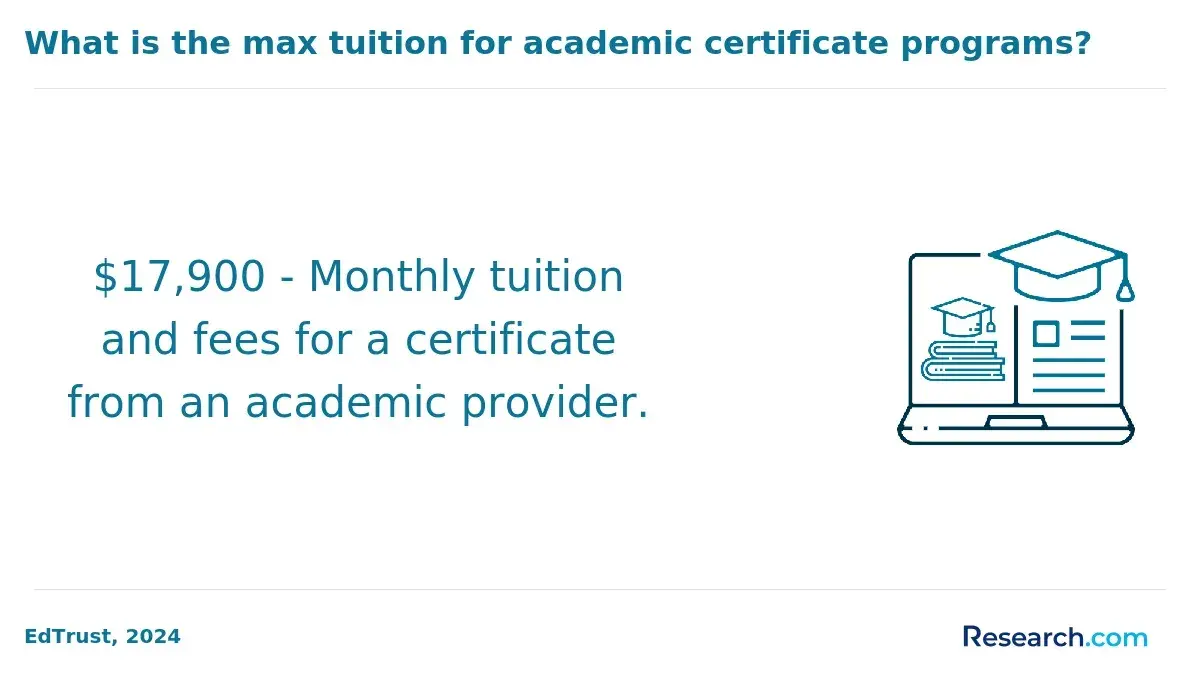
Cost is a major factor for students weighing fully online versus hybrid nurse administrator master's programs. Research shows that graduate tuition for online programs is typically 15-20% lower than that of hybrid formats, largely due to savings on campus-related expenses. Below are five key cost elements that shape the overall affordability of each option.
- Tuition Structure: Online programs often provide more adaptable pricing models with discounts for remote learners, which can lower the base tuition compared to hybrid programs.
- Campus-Related Fees: Hybrid students usually incur additional charges such as lab or technology fees necessary for on-campus activities, increasing their total expenses.
- Commuting and Travel Expenses: Fully online learners avoid travel costs entirely, while hybrid students may face frequent trips to campus, adding transportation expenses.
- Housing Considerations: Those attending hybrid programs who live far from campus might need to secure temporary housing during in-person sessions, which adds to program costs.
- Technology Costs: While both formats require devices and internet access, hybrid students sometimes pay extra for specialized campus software or tools not needed in fully online formats.
When asked about his experience with an online nurse administrator master's degree, a recent graduate shared that the flexibility of studying from home was invaluable. He mentioned, "Not worrying about commute times or campus fees really eased my financial concerns."
Though the workload was demanding, the ability to balance study with work and family without additional travel or housing costs made the online format a clear choice. He also noted, "It took discipline, but knowing I was saving money allowed me to focus on succeeding academically."
Does Financial Aid Differ for Online vs Hybrid Nurse Administrator Master's Degrees?
Financial aid options are an important factor for students choosing between fully online and hybrid nurse administrator master's programs, especially for those seeking tuition assistance differences between hybrid and online nurse administrator degrees. Nearly 90% of graduate students in online programs received some form of financial support during the 2020-2021 academic year, reflecting widespread availability.
Below are five pivotal financial aid aspects to consider.
- Eligibility Criteria: Both formats typically qualify for federal aid, but some state grants and scholarships require in-person attendance, often benefiting hybrid students.
- Types of Aid: Federal loans and grants are accessible to both online and hybrid enrollees; however, certain institutional scholarships may be tailored specifically to one format based on delivery method.
- Institutional Scholarships: Scholarship amounts and availability can vary, with institutions sometimes favoring hybrid program students because of higher costs related to classroom facilities.
- Federal and State Funding: While federal funding broadly supports both formats, state aid programs may limit eligibility to residents enrolled in hybrid or on-campus programs, restricting opportunities for fully online students outside the state.
- Employer Tuition Assistance: Many employers offer support for both program types, though they might prefer hybrid formats that align with employees balancing work schedules and in-person classes.
Prospective students interested in affordable options might also explore cheap RN to BSN programs as part of their academic planning.
Are Admission Requirements Different for Hybrid vs Online Nurse Administrator Master's Programs?
Admissions standards play a crucial role when comparing hybrid and fully online nurse administrator master's degree programs, as they influence eligibility and readiness for success. Below are five important criteria prospective students should examine to understand how these requirements may differ or align across formats:
- Academic Prerequisites: Applicants are generally expected to hold a bachelor's degree in nursing or a related discipline along with a current RN license. This requirement tends to be consistent across both hybrid and online formats.
- Professional Experience: Clinical experience is often a prerequisite, with some programs specifying minimum years. Hybrid programs sometimes prioritize candidates who have local healthcare connections, while online offerings typically provide more geographical flexibility.
- Letters of Recommendation: Both formats require letters endorsing professional and academic capabilities. Hybrid programs may lean toward recommendations from local supervisors, but the overall expectation remains similar.
- Standardized Tests: While some schools ask for GRE scores regardless of format, there is a growing trend to waive this, particularly in online programs tailored for working professionals.
- Application Deadlines: Hybrid programs usually adhere to semester-based schedules due to on-campus sessions, whereas online programs often offer rolling admissions or multiple start dates, offering greater convenience.
When I spoke with a professional preparing to enroll in a hybrid nurse administrator master's program, she shared that navigating the admissions process was both reassuring and challenging. "I appreciated that my clinical background was valued, and tailoring my recommendations to highlight local experience made a difference," she noted.
However, balancing her current job responsibilities while meeting strict deadline requirements felt stressful at times. She found that the more traditional schedule suited her goal of structured learning but wished the process allowed for a bit more flexibility. Overall, she reflected that understanding these subtle admission nuances was essential to choosing the right program and preparing adequately.
Is the Curriculum the Same in Online and Hybrid Nurse Administrator Master's Programs?
Selecting between fully online and hybrid nurse administrator master's programs often requires clarity on how their curricula compare. A 2022 American Association of Colleges of Nursing survey found that over 70% of these programs now include online components, reflecting their widespread adoption.
Below are five important points that emphasize both the shared and differing aspects of curriculum design in these two formats.
- Core Course Content: Both online and hybrid paths typically cover essential subjects like healthcare leadership, finance, and policy. This ensures that the academic foundation remains consistent regardless of the delivery method.
- Elective Options: Hybrid programs frequently offer a broader array of electives, many of which require in-person attendance. In contrast, online programs usually provide electives limited to fully virtual settings.
- Project-Based Learning: Students in hybrid programs often participate in more hands-on or group projects during on-site sessions, whereas fully online learners collaborate through digital platforms and tools.
- Capstone or Thesis Work: Requirements for culminating projects tend to be similar; however, hybrid formats may provide greater access to direct mentorship through face-to-face meetings.
- Experiential Components: Hybrid programs commonly include clinical placements or site visits as part of graduation requirements. Online formats may offer localized alternatives or virtual simulations to fulfill these practical experiences.
How Are Exams Conducted in Fully Online vs Hybrid Nurse Administrator Master's Programs?
Exams in fully online nurse administrator master's programs follow formats designed to maintain academic integrity while accommodating remote learners. A recent survey found that over 75% of students in online healthcare graduate programs complete proctored exams remotely, underscoring the need for secure and effective testing methods.
Below are five key differences between exam formats in fully online and hybrid nurse administrator master's programs:
- Online Proctoring: Fully online programs often rely on AI-powered or live human proctoring to monitor exams, enabling students to test from home while ensuring honest practices without requiring physical attendance.
- In-Person Exams: Hybrid programs usually require students to physically attend campus or approved testing centers, combining online coursework with supervised, timed testing environments.
- Timed Assessments: Both formats enforce strict time limits, but online exams commonly feature automated timers and automatic submission functions that prevent time extensions or late submissions.
- Open-Book vs Closed-Book: Many fully online exams utilize open-book formats to mitigate cheating risks in a remote setting, whereas hybrid programs tend to administer closed-book exams during on-site testing sessions for tighter control.
- Integrity Measures: In-person hybrid exams benefit from direct supervision to discourage misconduct, while fully online exams employ lockdown browsers, identity checks, and video monitoring to uphold test security remotely.
These exam distinctions help prospective students evaluate how each format aligns with their learning preferences and professional goals in the nurse administrator field.
Which Nurse Administrator Master's Program Format Offers Better Networking Opportunities?
Networking opportunities play a significant role when choosing between fully online and hybrid nurse administrator master's programs. In fact, a 2023 survey by the National Association of Nurse Leaders found that 68% of students identified peer interaction as their primary method for building professional connections during their studies.
Several key aspects influence networking potential in these program formats, which can guide prospective students in selecting the best fit for their career goals and learning preferences.
- Peer Interaction: Hybrid programs encourage more dynamic peer interactions through face-to-face meetings, fostering spontaneous conversations and stronger relationships. Fully online formats rely on virtual meetups and discussion boards that may feel less personal despite offering broader geographic diversity.
- Faculty Engagement: In hybrid settings, in-person office hours and informal encounters typically create deeper mentorship opportunities. Online programs depend on scheduled virtual meetings, which can limit the depth and frequency of faculty connections.
- Alumni Access: Hybrid formats often provide in-person networking events, enhancing direct alumni connections. Online nurse administrator master's program networking benefits include extensive virtual alumni networks accessible nationwide, making connections possible regardless of location.
- Industry Events: Hybrid students can attend local healthcare industry events more easily, gaining direct exposure to organizations. Fully online students might face attendance challenges but can leverage webinars and remote conferences to stay engaged with the field.
- Collaborative Projects: Hybrid programs promote teamwork both online and face-to-face, fostering stronger bonds through varied collaboration. Online formats use digital tools that may hinder spontaneous collaboration but allow for collaboration across diverse regions.
Prospective students interested in alternatives such as LPN to RN programs without TEAS test can also consider how these networking factors align with their educational and professional priorities when exploring graduate options in nursing administration.
Are Job Placement Rates Different for Hybrid vs Online Nurse Administrator Programs?
Employment outcomes are a key factor for prospective students comparing hybrid and fully online nurse administrator master's programs. A 2022 report from the American Association of Colleges of Nursing indicates that hybrid formats often achieve job placement rates up to 10% higher than fully online programs.
Several elements contribute to these differences, shaping career trajectories and opportunities.
- Industry Connections: Hybrid programs facilitate stronger relationships with local healthcare employers through in-person networking events, creating more direct job leads than online formats typically offer.
- Internship or Practicum Access: Opportunities for hands-on clinical experience are generally more accessible in hybrid programs due to proximity to healthcare facilities, which enhances practical skills valued by employers.
- Alumni Networks: Hybrid cohorts often develop tighter local alumni communities, enabling mentorship and job referrals that can be pivotal in securing employment.
- Career Services Support: On-campus career centers in hybrid programs typically provide personalized guidance and job placement assistance, surpassing virtual career services available to online students.
- Regional Employment Opportunities: Hybrid students usually benefit from targeted connections to local job markets directly linked to their program's location, while online students may face broader but less focused employment options.
Each factor enhances job placement rates for hybrid nurse administrator programs by improving access to practical experience, professional networks, and career resources.
Prospective students should weigh these employment outcomes carefully alongside program format preferences. For those researching options, exploring online schools no application fee may offer additional convenience and financial considerations.
Does Program Format Affect Salary After Earning a Nurse Administrator Master's?
Salary potential is an important factor when selecting between fully online and hybrid nurse administrator master's programs. Graduates from both formats often start with salaries ranging from $85,000 to $95,000 annually.
Several aspects linked to program format, however, can influence long-term earning prospects. Below are five key factors that contribute to variations in salary outcomes:
- Networking Opportunities: Hybrid programs offer more in-person interactions, which foster stronger professional relationships and can lead to higher-paying positions through referrals and connections.
- Industry Connections: Face-to-face cohorts often benefit from direct access to local healthcare employers and internship openings, improving job placement chances in competitive markets.
- Program Prestige: Some hybrid formats are affiliated with well-established institutions, enhancing graduates' resumes and attracting better-compensated roles.
- Experiential Learning: Hands-on practicums and clinical experiences in hybrid programs provide practical skills valued by employers and frequently rewarded with increased salary.
- Geographic Flexibility: Fully online programs allow students to study without relocating, which may broaden regional job opportunities but could result in varied salaries depending on local healthcare economies.
While the program type alone doesn't determine earnings, these combined factors contribute significantly to the salary trajectory of nurse administrator master's graduates.
What Graduates Say About Fully Online vs Hybrid Nurse Administrator Degree Master's Programs
- Kendall: "Choosing a fully online nurse administrator master's program was crucial for me since I needed flexibility around my 12-hour shifts. The cost was surprisingly manageable compared to traditional programs, which made it easier to justify financially. Now, I'm leading a department with much greater confidence thanks to the advanced leadership skills I gained."
- Ren: "As someone who values face-to-face collaboration, I opted for a hybrid nurse administrator master's degree that balanced in-person engagement with online coursework. The price was higher than a fully online program but worth it for the networking opportunities and real-time feedback. It's been a career game-changer, opening doors to executive roles I hadn't considered before."
- Shannon: "The affordability and convenience of a fully online nurse administrator master's degree really drew me in, allowing me to study while supporting my family. The program's rigor and professional focus significantly boosted my credentials and confidence in managing multidisciplinary teams. Looking back, pursuing this path was one of the best investments in my nursing career."
Other Things You Should Know About Nurse Administrator Degrees
Yes, fully online nurse administrator master's programs typically include clinical or practicum components that students must complete in person. These programs arrange for students to fulfill hands-on practice hours at approved healthcare facilities near their location. This approach ensures that despite the remote coursework, students gain essential real-world experience in nurse administration.
Fully online and hybrid nurse administrator master's programs can both be accredited by recognized agencies such as the Commission on Collegiate Nursing Education (CCNE) or the Accreditation Commission for Education in Nursing (ACEN). The mode of delivery does not affect accreditation status if the program meets quality standards. Prospective students should verify accreditation regardless of format to ensure educational credibility and eligibility for licensure or certification.
Employer perceptions can vary, but most value the skills and competencies graduates bring, regardless of program type. While some employers may prefer the in-person elements of hybrid programs, the growing norm is to focus on qualifications and experience rather than the format of the degree.
References
- In-Person vs. Online Nursing Programs https://www.chamberlain.edu/blog/in-person-vs.-online-nursing-programs
- Online vs Hybrid vs Campus Learning in Healthcare: Which Is Right for You? https://www.edumed.org/articles/online-vs-hybrid-vs-campus/
- Verifying that you are not a robot... https://www.mastersinnursing.com/the-hybrid-model-for-advanced-nursing-education/
- Easiest Online MSN Programs to Get Into https://nurse.org/education/easiest-online-msn-programs/
- The Benefits of Learning Online AND On-Campus | Hybrid Learning | Houston Christian University https://hc.edu/articles/benefits-hybrid-nursing-programs/
- An MSN Degree Can Boost Your Knowledge and Earnings https://www.allnursingschools.com/msn/salary/
- Can Nurses Increase Their Salary With an MSN? https://online.wilson.edu/resources/can-nurses-increase-salary-msn/
- RN to MSN | Online Masters in Nursing | Marian University https://www.marianuniversity.edu/online-programs/rn-msn-fnp-nursing-administration/
- The Best MSN Online Programs in 2026 | New England Tech https://www.neit.edu/blog/best-msn-online-programs
- Preparing for Licensure Exams: Strategies for Online Students https://onlinenursingdegrees.wilkes.edu/blog/strategies-for-online-nursing-students