2027 Gifted Education Degree Master's Programs You Can Get Into Right Now (Eligibility-Based Matches)

Co-Founder and Chief Data Scientist
Many professionals with unrelated undergraduate degrees face challenges when seeking to pivot into gifted education master's programs due to complex eligibility criteria. This issue often delays or disrupts their career transitions, especially as demand for qualified gifted education specialists rises. Online programs offer flexibility, yet 68% of these potential students report difficulty finding accredited, accessible options aligning with their backgrounds. Such barriers contribute to talent shortages in gifted education roles nationwide. This article explores gifted education degree master's programs available right now based on eligibility, providing targeted insights that help candidates identify paths suited to their unique qualifications and goals.
Key Benefits of Eligibility-Based Gifted Education Degree Master's Programs
- Eligibility-based master's programs offer flexible schedules and part-time options, making them ideal for working professionals balancing career and study demands.
- Accelerated pathways enable quicker acquisition of specialized gifted education skills, often allowing completion in under two years.
- Students gain access to global networks of educators and researchers, enhancing professional connections and cross-cultural learning opportunities.
What Is the Minimum GPA Requirement for Gifted Education Master's Programs?
Applicants exploring gifted education master's programs must carefully evaluate minimum GPA requirements to find schools where their academic record fits. GPA criteria vary across institutions, making it essential to benchmark your standing early. Below are key considerations related to graduate program GPA eligibility for gifted education degrees:
- Range of Minimum GPA Requirements: Top-ranked programs usually set a minimum GPA at 3.0 or above, creating a baseline for admissions. Conversely, mid-tier and regional programs often admit students with GPAs as low as 2.75, especially if applicants present strong recommendation letters and personal statements.
- Hard Minimum vs. Competitive Average: Some schools strictly enforce a hard minimum GPA cutoff for consideration. Others review GPA as part of a holistic assessment, often admitting students with averages closer to 3.5 despite a 3.0 stated minimum.
- Holistic Review Examples: Institutions like the University of Texas at Tyler accept candidates with a 2.75 GPA if they include detailed resumes and quality writing samples, demonstrating that supplemental materials can improve eligibility.
- Strict Cutoff Example: Schools such as Johns Hopkins University maintain an inflexible 3.0 minimum GPA requirement, providing clear criteria with no exceptions.
- Recent Trend: According to the National Association for Gifted Children, about 40% of online gifted education programs now apply flexible GPA policies, encouraging more diverse applicants.
Using these GPA thresholds as a preliminary filter helps applicants build a realistic list of programs aligned with their academic qualifications. Combining this approach with research into additional admissions criteria will optimize your application strategy for gifted education master's degrees.
For those also considering flexible pathways, exploring options such as online MBA programs may provide insights into adaptable graduate pathways.
Which Gifted Education Master's Programs Accept Students Without Direct Field Experience?
Applicants to gifted education master's programs bring diverse backgrounds, including recent graduates, career changers, and professionals from related fields. Because of this range, experience requirements vary widely across programs. Below are common ways schools open their doors to candidates without prior direct gifted education experience:
- Bridge Courses or Prerequisite Waivers: Many programs offer foundational coursework to build key knowledge before advancing to specialized topics. Some waive prerequisites if applicants show strong academic potential or transferable skills.
- Provisional Admission Options: Certain schools allow conditional admission, enabling students to start coursework while completing remedial requirements. This helps applicants who demonstrate aptitude but lack direct teaching experience.
- Holistic Application Review: Admissions committees often evaluate motivation letters, academic records, and relevant skills from other disciplines rather than focusing solely on field experience. This inclusive approach encourages nontraditional candidates.
- Support Services and Mentorship: Some programs provide mentorship to inexperienced students, ensuring they meet academic and internship milestones with faculty guidance.
- Online and Hybrid Formats: Flexible delivery models broaden access for working professionals and those transitioning careers, often including introductory modules to build readiness.
For applicants to master's programs in gifted education accepting non-education backgrounds, emphasizing transferable skills such as research, experience with children, or educational roles in other contexts strengthens their case. A clear commitment to gifted education and willingness to learn can offset limited formal experience.
According to recent data from the National Association for Gifted Children (NAGC), programs that intentionally widen access have seen enrollment growth of over 12% in nontraditional student populations over the past five years. Those interested in flexible pathways might explore options like the easiest online master's degree that align with their unique profiles and schedules.
Are There Gifted Education Master's Programs That Do Not Require the GRE or GMAT?
Graduate admissions increasingly favor test-optional policies, a shift hastened by the COVID-19 pandemic that has made standardized tests less central to candidacy. Gifted education master's programs reflect this trend, offering varied approaches to GRE or GMAT requirements. Below are key distinctions in current admissions practices.
- Full Test Waivers: Some programs, such as those at the University of Virginia and Texas Tech University, have permanently removed GRE or GMAT mandates to reduce barriers, prioritizing academic records and relevant experience instead.
- Optional Submission Policies: Institutions like Boston University and Johns Hopkins University allow applicants to submit test scores at their discretion, recognizing that scores may strengthen some applications but are not compulsory.
- Waivers Based on Academic or Professional Credentials: Certain universities grant GRE or GMAT exemptions if applicants meet GPA thresholds-often above 3.5-or have substantial teaching experience in gifted education, as seen at the University of Connecticut.
- Temporary Suspensions and Policy Monitoring: Many schools have temporarily paused testing requirements due to pandemic-related challenges, though applicants should confirm current policies directly, as institutions may reinstate testing as circumstances evolve.
- Voluntary Score Submission Considerations: Applicants should weigh submitting test results when their undergraduate performance is limited or when competing for funding opportunities, since strong scores might improve competitiveness despite not being required.
How Many Letters of Recommendation Do Gifted Education Master's Programs Typically Require?
Letters of recommendation are a vital component in the application process for gifted education master's programs, reflecting an applicant's qualifications and fit. Navigating typical requirements can help candidates present themselves effectively. Below are essential considerations regarding these letters:
- Number of Letters Required: Most gifted education master's degree programs ask for two to three letters. While two letters are the norm, some programs may require three to provide a fuller perspective on applicants' academic and professional strengths.
- Academic and Professional Perspectives: Submitting a combination of academic and professional recommenders enhances your application. Academic references can attest to intellectual abilities and research potential, while professional references emphasize practical skills, leadership, and dedication in educational environments.
- What Admissions Committees Value: Strong letters contain detailed anecdotes demonstrating the applicant's intellectual curiosity, problem-solving skills, and commitment to gifted education. Admissions personnel prefer personalized, specific content over broad or generic praise.
- Timing and Preparation: It's advisable to request recommendations 4-6 weeks before deadlines. Providing your resume, statement of purpose, and relevant program details allows recommenders to write targeted, effective letters.
- Submission Guidelines: Some programs mandate submitting letters via designated online portals or require official, signed letters on institutional letterhead. Early awareness of these specifications avoids last-minute complications and ensures compliance.
Prospective students evaluating programs should confirm these letter requirements, along with other admissions criteria, to build a tailored list that fits their profile and goals. For insight into program outcomes and related fields, consider exploring which degrees make the most money.
What Are the Typical Application Deadlines for Gifted Education Master's Programs?
Prospective students aiming for a gifted education master's degree must carefully navigate a variety of application deadlines to enhance their chances of admission and financial aid. Below are critical deadline types and timing to keep in mind as you prepare to apply:
- Early Decision and Priority Deadlines: Usually occurring between November and December for fall admission, these deadlines give applicants an edge in acceptance probability and access to merit-based scholarships, though early decision applications may require a binding commitment.
- Regular Decision Deadlines: Scheduled mostly from January through February, these deadlines allow extra preparation time. However, acceptance rates can be lower as programs fill, and funding opportunities may be more limited than in earlier rounds.
- Rolling Admissions: Schools with rolling admissions accept applications on a continual basis until all slots are filled. Applying early is advantageous because spots and aid resources diminish as the cycle progresses.
- Document Versus Application Submission: It's vital to distinguish deadlines for supporting materials-like transcripts and recommendation letters-from the final application deadline. Missing any of these can delay processing or disqualify your application.
- Deadline Tracking: Creating a personalized tracker that notes deadlines for applications, financial aid, and document submissions helps maintain organization and minimizes stress during the process.
Which Gifted Education Master's Programs Offer Part-Time or Online Enrollment Options?
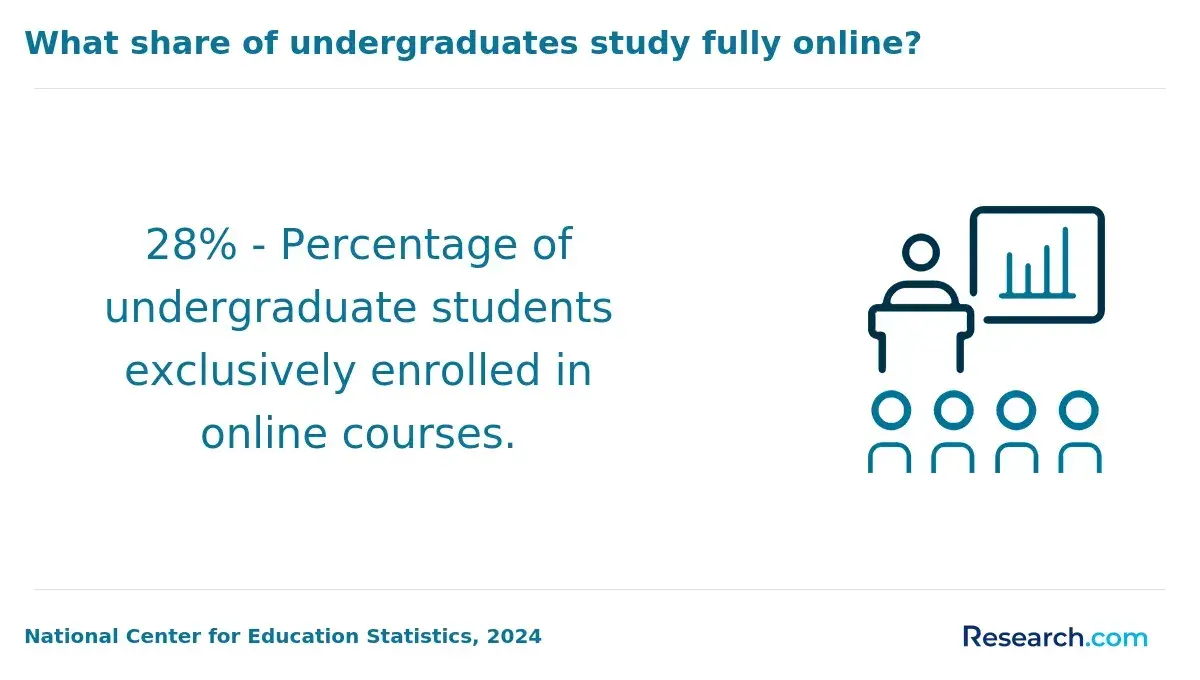
Flexible formats like fully online, hybrid, part-time evening, and weekend cohorts expand access to gifted education master's degrees, helping students balance professional and personal demands. Reviewing these options reveals important distinctions affecting credential value and student experience. Consider the following key factors:
- Program Delivery and Accreditation: Universities such as the University of Connecticut and Texas A&M offer accredited gifted education master's degrees in online and hybrid formats, ensuring the credential matches the quality and recognition of their on-campus counterparts.
- Employer Acceptance: Evidence from hiring panels shows that accredited online master's credentials in gifted education are generally regarded as equivalent to in-person degrees, reflecting a significant shift in employer attitudes since the rise of remote learning.
- Scheduling and Pace: Part-time options, evening classes, and asynchronous online modules provide flexibility to accommodate working professionals, while weekend intensives offer concentrated study periods. These arrangements allow pacing that fits individual circumstances without sacrificing progress.
- Networking Potential: Online delivery facilitates wide geographic access but can limit direct interaction with peers and faculty. Hybrid models or programs with required in-person residencies help enhance networking and community engagement.
- Costs and Residency Requirements: Although online programs can reduce expenses related to commuting and housing, tuition often remains comparable to on-campus versions. Students must also confirm fulfillment of any in-person practice or residency components needed to meet certification standards before enrolling.
What Prerequisite Courses Are Required for Admission Into Gifted Education Master's Programs?
Prospective gifted education master's students often face specific undergraduate prerequisite requirements that establish a foundation for advanced study. Knowing these prerequisites and identifying any gaps early ensures a smoother admissions process and academic progression. Below are key points to help assess typical prerequisite expectations and options for completion.
- Hard Prerequisites: These required courses, such as research methods, statistics, or educational psychology, must usually be completed before starting the program to ensure all students have essential foundational knowledge.
- Soft Prerequisites: Some programs allow certain prerequisite courses to be taken concurrently during the first semester, providing applicants more flexibility to begin their studies sooner while fulfilling these requirements.
- Identifying Gaps: Carefully review transcripts to pinpoint missing coursework in areas like statistics, research design, or core educational theory. Early awareness supports effective planning and timely prerequisite completion.
- Remediation Options: Accessible pathways including community college courses, accredited MOOCs, and certificate programs offer affordable and flexible ways to complete prerequisites on a realistic schedule.
- Waivers and Exceptions: Direct communication with graduate program advisors can clarify policies on waiving prerequisites based on previous professional experience or equivalent coursework, which varies by program.
What Financial Aid, Scholarships, or Assistantships Are Available for Gifted Education Master's Students?
Financial aid can significantly impact affordability for prospective gifted education master's students, making strategic selection of funding opportunities as important as evaluating admissions criteria. Below are key financial support options and critical factors to consider when planning your applications.
- Institutional Scholarships: Typically merit-based, these awards are offered directly by universities to recognize exceptional applicants or continuing students. Since scholarship deadlines often differ from general admissions timelines, check each school's financial aid office early to ensure timely submission.
- Departmental Fellowships: Gifted education departments sometimes provide fellowships that cover tuition or include stipends. These awards are competitive and based on academic or research excellence, generally requiring separate applications from usual admissions materials.
- Teaching and Research Assistantships: Many programs provide assistantships combining tuition waivers with monthly stipends in exchange for teaching or research work. These positions are highly competitive, and applicants should submit corresponding requests early-aligned with admissions deadlines.
- External Awards from Professional Associations: Discipline-specific scholarships are available through organizations such as the National Association for Gifted Children (NAGC), the Council for Exceptional Children (CEC), and the Jack Kent Cooke Foundation. These awards usually require applicants to meet specific criteria, including essays and recommendations, and adhere to precise deadlines.
- Calculating Net Cost and Comparing Offers: Comparing sticker tuition prices alone can be misleading. Prospective students should estimate their net costs after aid by factoring in total funding and out-of-pocket expenses. This financial assessment is as vital as reviewing program admissions requirements.
Recent surveys suggest over 60% of graduate education students secure some form of institutional aid, highlighting the availability for gifted education graduate students who apply strategically. For applicants searching beyond traditional options, exploring the least expensive online masters programs can uncover additional affordable pathways.
How Do I Write a Strong Statement of Purpose for Gifted Education Master's Programs?
For prospective students preparing a strong statement of purpose for gifted education master's programs, it is essential to strategically showcase intellectual focus and program alignment. A well-crafted SOP communicates more than interest; it reflects deep self-awareness and writing quality that admissions committees seek.
Below are key elements that guide this process.
- Compelling Opening: Start with a vivid, engaging introduction that reveals your passion and unique commitment to gifted education. Avoid broad or generic remarks by sharing a defining experience or insight that motivates your pursuit.
- Articulated Research or Professional Focus: Clearly specify your academic or career goals. Identify the aspects of gifted education you intend to research or influence, such as advanced curriculum design or novel identification strategies for gifted learners.
- Evidence of Preparation: Detail your relevant background, whether academic, teaching experience, or research skillsets, illustrating readiness for graduate challenges in the field.
- Program Fit Paragraph: Replace generic praise with precise references to faculty members, labs, or centers that complement your interests. Explanation of how these resources will foster your growth emphasizes genuine fit.
- Revision and Feedback Process: Eliminate vague language and favor confident, active voice. Solicit input via peer review, writing centers, or mentors. Expect to complete no fewer than three drafts to refine style and content effectively.
An effective personal statement also benefits from awareness of program admission criteria like GPA minimums and GRE waivers, ensuring alignment with realistic eligibility. Research available financial aid paths and career outcomes to balance your school list thoughtfully. For guidance on related graduate opportunities, explore options such as a criminal justice degree online accredited, which demonstrates the value of investigating program specifics across fields.
By crafting a strong statement of purpose and understanding how to craft an effective personal statement for gifted education graduate admission, applicants can position themselves confidently in a competitive field, enhancing their chances of acceptance and professional success.
What Are the Career Outcomes for Graduates of Gifted Education Master's Programs?
Prospective gifted education master's students benefit from identifying trustworthy career outcome data to assess program value and job prospects. Below are crucial points to consider when researching and interpreting these data sources for better decision-making.
- Sources of Career Data: First-destination surveys, graduate school outcome reports, and LinkedIn alumni filters offer valuable insights into where graduates find employment. Each source varies in scope and reliability, so consulting multiple sources can enhance accuracy.
- Evaluating Data Quality: Reporting methods differ widely among institutions. Look for data that specify employment rates within six months of graduation, disclose sample sizes, and provide transparent salary information to ensure credibility.
- Essential Outcome Metrics: Focus on the employment rate close to graduation, median starting salaries, typical job titles such as instructional coach or curriculum coordinator, and the distribution of graduates among sectors like public or private schools and education nonprofits.
- Program Focus and Location Impact: Outcomes differ depending on whether a program emphasizes research or applied coursework and geographic job markets. Urban graduates may encounter different opportunities compared to those from rural programs.
- Alumni Connections for Insight: Contacting alumni via LinkedIn can reveal candid details about job satisfaction, career growth, and the program's practical preparation that formal reports might overlook.
How Can You Use Eligibility-Based Matching Tools to Find the Right Gifted Education Master's Program?
Eligibility-based matching offers a practical alternative to traditional rankings by aligning your GPA, test scores, professional background, and program goals with schools where you realistically qualify for gifted education master's programs. This tailored approach generates a targeted list of programs better suited to your qualifications instead of relying on prestige alone.
Popular platforms like Peterson's compile broad admission data, including GPA cutoffs and acceptance rates, making it easier to identify programs that match your profile. Niche adds student reviews to admissions statistics, providing insight into campus culture and fit, though its data depends partly on voluntary reporting. GradCafe features user-reported admissions outcomes, offering near real-time information but lacking official validation. Professional association directories list accredited programs with key details such as prerequisites and faculty expertise but usually don't provide automated matching tools.
Since no algorithm fully accounts for holistic admissions processes, recent policy changes like GRE waivers or updated recommendation letter requirements, it's essential to cross-check any platform's suggestions against official program websites and admission offices. Staying informed about these nuances helps avoid surprises during application.
Matching tools serve as a useful starting point, helping you develop a strategic and realistic list of gifted education master's programs. Following up directly with admissions offices ensures you confirm current eligibility criteria and strengthens your application approach with up-to-date, accurate information.
What Graduates Say About Eligibility-Based Gifted Education Degree Master's Programs
- Callahan: "Choosing a gifted education master's degree was crucial for me because I wanted to specialize in nurturing exceptional learners in my district. The program's eligibility-based approach ensured I was surrounded by peers who shared similar goals, making the learning experience enriching and focused. Although the cost was a consideration, the investment paid off by opening doors to leadership roles that align perfectly with my career aspirations."
- Saul: "Reflecting on my journey through the gifted education master's program, I appreciate how the eligibility criteria streamlined the cohort's diversity in skill and ambition, fostering a truly collaborative environment. The financial aspect was manageable, especially given the scholarships available, which eased my burden significantly. Most importantly, this degree propelled me closer to my dream of developing advanced curriculum tailored for gifted students, fulfilling a personal and professional milestone."
- Adam: "Professionally, pursuing a gifted education master's degree based on eligibility was a strategic step to differentiate myself in the education field. The cost was justifiable considering the depth of expertise and practical training I received, which I now apply daily in my work. This program didn't just advance my career-it reshaped my life goals, inspiring me to advocate passionately for gifted learners everywhere."
Other Things You Should Know About Gifted Education Degrees
Acceptance rates for gifted education master's programs at leading universities tend to be moderately competitive, often ranging between 30% and 50%. Top schools typically require strong academic records, relevant experience, and well-crafted application materials. Applicants with prior coursework in education or psychology and demonstrable commitment to gifted education are more likely to be admitted.
Yes, several institutions offer accelerated or combined bachelor's-to-master's degree pathways in gifted education. These programs generally allow students to apply credits from their undergraduate studies toward the master's degree, reducing total time to completion. Eligibility often includes meeting GPA minimums and completing prerequisite courses in education or related fields.
Eligibility for entering a master's program in gifted education in 2027 typically includes holding a bachelor’s degree, having relevant undergraduate coursework or teaching experience in education, and meeting minimum GPA requirements. Some programs may also require standardized test scores or letters of recommendation.
References
- 11 Tips for Writing a Powerful Statement of Purpose [Sample SOP Included] - CrunchPrep GRE https://crunchprep.com/gre/powerful-statement-of-purpose
- Education - Gifted (M.Ed.) Online https://louisiana.edu/online/majors-minors/education-gifted-med-online
- Education Grants for a Brighter Future | Tata Trusts https://www.tatatrusts.org/our-work/individual-grants-programme/education-grants
- Do Online Graduate Programs Require Field-Based Experiences? - Graduate Programs for Educators https://www.graduateprogram.org/blog/do-online-graduate-programs-require-field-based-experiences/
- Online Master's in Gifted Education - M.Ed. - Texas State https://online.txst.edu/degrees/education/med-elementary-education-advanced-gifted/
- Top 20 Gifted And Talented (G&T) Education Master’s Online https://www.topeducationdegrees.org/rankings/online-masters-gifted-talented/
- Endorsement of Postgraduate University Programs in Gifted Education https://www.aaegt.net.au/endorsement-of-postgraduate-university-programs-in-gifted-education
- Gifted Education (MEd) https://cehd.missouri.edu/degree/gifted-education-med/
- Financial aid and scholarships for students who learn and think differently https://www.understood.org/en/articles/financial-aid-and-scholarships-for-students-with-learning-and-thinking-differences
- Application Deadlines https://asegrad.tufts.edu/applying/application-deadlines