2027 Highest-Paying Jobs with a Gifted Education Master's Degree

Co-Founder and Chief Data Scientist
Many educators with a master's degree in gifted education face uncertainty when seeking roles that fully leverage their specialized skills while offering financial stability. Despite a growing need for experts who can develop advanced curricula and support high-achieving students, salaries vary widely across districts and states. According to the National Association for Gifted Children, educators with advanced credentials in gifted education earn approximately 15% more than those without specialized training. This article explores the highest-paying jobs accessible with a master's in gifted education, highlighting career paths that maximize income and professional growth for mid-career professionals and graduate students alike.
Key Benefits of the Highest-Paying Jobs with a Gifted Education Master's Degree
- Graduates of high-paying gifted education master's programs often secure roles with starting salaries 15-25% above national education averages, maximizing immediate earnings after graduation.
- Advanced credentials accelerate access to executive-level positions, such as program directors, where median salaries exceed $90,000 annually in competitive districts.
- The sustained demand for gifted education specialists promotes long-term financial stability, with job growth projected at 8% through 2030, outpacing many other education fields.
What Are the Highest-Paying Jobs With a Gifted Education Master's Degree?
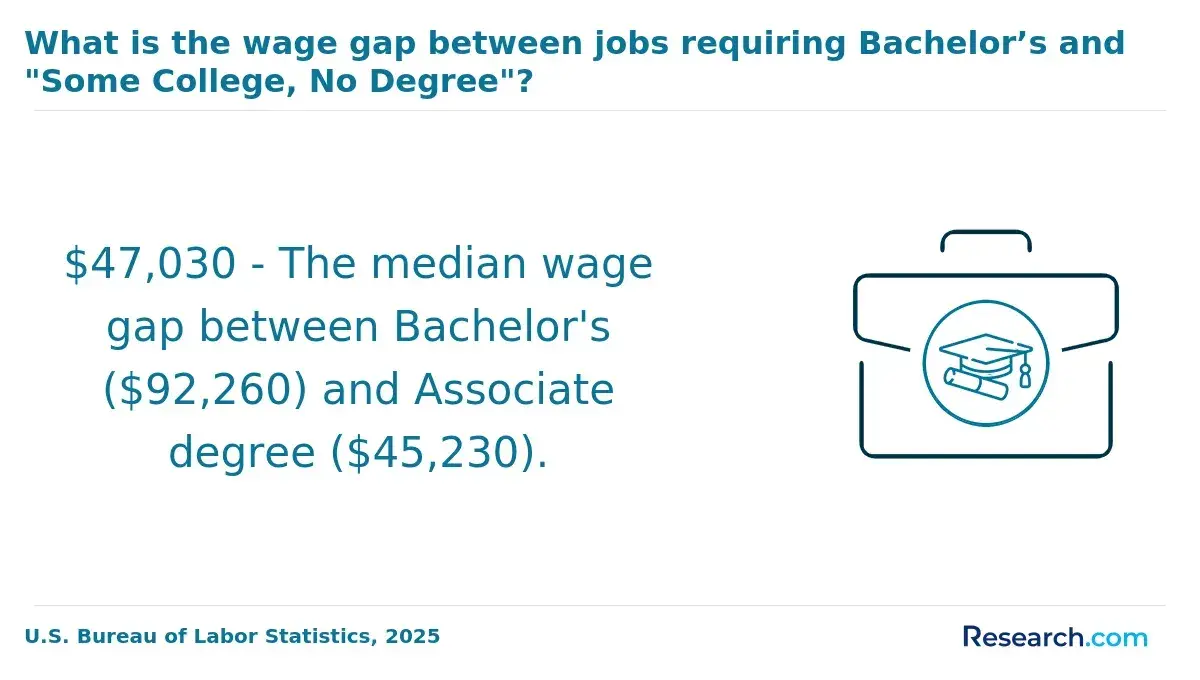
Earning a master's degree in gifted education significantly broadens access to senior roles that command higher salaries. Data from the U.S. Bureau of Labor Statistics highlight that positions requiring advanced degrees often come with salary premiums of 15% or more compared to bachelor's-level roles. For professionals aiming to maximize ROI, the following highest-paying jobs with a gifted education master's degree in the United States showcase top career paths for gifted education master's degree graduates.
- Director of Gifted and Talented Programs: Oversees the creation and management of district- or state-wide curricula tailored for gifted learners. This position requires strategic oversight, budget control, and the ability to influence educational standards on a broad scale.
- Educational Consultant: Delivers specialized advice to schools and educational bodies on best practices for gifted instruction. Typically independent or agency-affiliated, consultants command high fees due to their deep expertise and problem-solving skills.
- Curriculum Specialist for Gifted Education: Designs and assesses curriculum materials designed for gifted students, ensuring compliance with educational standards. This research-intensive role involves collaboration with educators to enhance teaching effectiveness.
- Gifted Education Coordinator: Manages and evaluates gifted education programs within schools or districts, supporting teachers and students while tracking program outcomes. The role requires strong organizational and leadership abilities focused on measurable impact.
- Professor of Gifted Education: Focuses on teaching, researching, and publishing in gifted education at the higher education level. This academic role necessitates advanced knowledge and often plays a key role in elevating institutional prestige and securing funding.
Prospective students exploring graduate options can also consider affordable online MBA programs to complement their educational expertise and broaden leadership opportunities.
Which Industries Offer the Highest Salaries for Gifted Education Master's Graduates?
Salary potential for gifted education master's graduates often varies significantly by industry due to differences in market demand, organizational revenue, and operational complexity. Recent studies indicate that professionals in certain sectors can earn up to 30% more compared to those working in traditional public education settings. These factors help explain why some industries offer higher-than-average salaries for gifted education master's degree holders. The following industries are notable for their competitive compensation packages.
- Private Educational Institutions: Higher tuition fees and investments in differentiated learning programs allow these institutions to offer stronger compensation. They prioritize advanced expertise in gifted program development and student assessment, which boosts demand for skilled graduates.
- Educational Technology Companies: With the rise in adaptive learning tools and curriculum design needs, educational technology firms increasingly seek gifted education experts. This creates premium salary opportunities as companies compete for specialized knowledge to enhance product development.
- Government and Policy Organizations: Strategic roles influencing education policy often come with competitive pay due to their significant impact and responsibility in shaping gifted education frameworks and funding priorities.
- Nonprofit Organizations with Specialized Programs: Funded through grants and private donors, these organizations support premium salaries for program managers who oversee tailored initiatives for gifted learners, emphasizing the value placed on expertise in this area.
- Corporate Training and Development: The private sector values tailored training programs for gifted employees, resulting in enhanced compensation packages for education professionals designing and delivering these initiatives.
For mid-career professionals exploring top salary sectors for gifted education master's degree holders, understanding these highest paying industries can inform strategic career moves. Those interested in educational fields might also want to consider what is the easiest masters degree to get, as it can influence time to credential and total investment cost.
What Is the Starting Salary with a Gifted Education Master's Degree?
Starting salaries for gifted education master's degree graduates can vary significantly depending on job role, experience, and market demand. Early-career professionals typically see entry-level pay ranging from $45,000 to $60,000, with a median around $50,000. Several important factors influence these beginning salaries.
- Job Role: Different positions like curriculum developers, instructional coordinators, or classroom teachers with gifted endorsements each have distinct pay scales. Graduates should seek roles that align with their skills to maximize starting salaries.
- Experience Level: Prior teaching experience or relevant internships often lead to higher starting pay. Gaining practical experience before or during graduate studies can significantly improve initial offers.
- Employer Type: Salary offers vary between public school districts, private schools, and educational organizations. Understanding an employer's focus on gifted programs helps graduates target more competitive positions.
- Demand and Funding: Schools with dedicated gifted education initiatives and sufficient budgets typically provide better compensation. Awareness of local program funding can guide job applications.
- Certification and Credentials: Additional endorsements in gifted education strengthen candidates' prospects. Pursuing these certifications while studying increases the chances of receiving above-average starting pay.
Graduates seeking to optimize their return on investment should consider gaining relevant experience and certifications. For those exploring cost-effective graduate pathways, consulting resources on the cheapest online colleges can be a valuable step in planning their education journey.
Which States Pay the Highest Salaries for Gifted Education Master's Degree Holders?
Compensation for gifted education master's degree holders varies widely across the United States, influenced by factors like regional cost of living, demand for specialized expertise, and local education budgets. Data shows that in some states, salaries for these graduates can be 10% to 20% higher than the national average, reflecting the varying economic landscapes and priorities placed on specialized education. The following states stand out for providing some of the highest earning opportunities for gifted education master's holders.
- California: The state's substantial cost of living is matched by a large and diverse student body requiring gifted education specialists. The strong demand for qualified educators in urban and suburban districts creates upward pressure on salaries.
- New York: With a highly competitive workforce and one of the country's largest education budgets, New York offers salary premiums for professionals skilled in gifted education to meet rigorous academic standards.
- Massachusetts: Known for prioritizing educational achievement, Massachusetts invests heavily in school funding, which benefits educators with advanced skills in gifted programs through enhanced pay scales.
- Washington: Rapid growth in metropolitan areas and targeted funding for specialized education contribute to higher compensation for master's degree holders focused on gifted learners.
- New Jersey: Proximity to major cities and a commitment to advanced educational initiatives result in competitive wages for gifted education specialists in New Jersey school systems.
When discussing which states pay the highest salaries for gifted education master's graduates, a graduate I spoke with described the search for the right position as "both exciting and daunting." He explained that navigating different state credential requirements and cost-of-living considerations was challenging. "I had to weigh financial benefits against personal fulfillment carefully," he said, noting that the decision involved more than salary alone. His experience underscored how these factors-beyond just pay rates-shape career choices and satisfaction for professionals in this field.
Which Gifted Education Master's Specializations Lead to the Highest Salaries?
Specializing within a gifted education master's program can enhance earning potential by meeting the market demand for targeted expertise. Research shows that educators with focused skills in this field may earn up to 15% more than their generalist counterparts. Below are some of the highest-paying specializations that reflect the value placed on advanced knowledge and leadership.
- Educational Leadership and Administration: Professionals in these roles often receive elevated salaries due to their responsibility for directing gifted programs and developing district-wide policies. Their influence on shaping educational frameworks for gifted students makes their expertise highly sought after.
- Gifted Curriculum Design and Instruction: This specialization is rewarded for enabling educators to craft rigorous, challenging curricula tailored to the intellectual needs of gifted learners. Schools increasingly rely on such expertise to raise academic standards and foster excellence.
- School Counseling with a Focus on Gifted Students: Counselors trained in gifted education support the unique social and emotional requirements of gifted individuals, warranting higher compensation. Their specialized guidance addresses complexities that general counseling may not cover.
- STEM Gifted Education Specialization: As emphasis on science, technology, engineering, and math grows, educators with STEM-focused gifted skills command higher pay for preparing students to excel in these critical areas. Their role aligns closely with future workforce demands.
- Psychological Assessment and Identification of Giftedness: Specialists in this area are valued for their ability to accurately recognize gifted individuals, a fundamental step for allocating resources effectively. Their expertise translates into strategic impact and competitive salaries.
What Skills Can Increase the Salary of a Gifted Education Master's Degree Graduate?
Earning a master's degree in gifted education can boost earning potential, but actual salary increases often depend on acquiring advanced technical and leadership abilities. Recent labor market data reveal that educators skilled in program management and educational data analysis may earn up to 15% more than those without these competencies. Below are five crucial skills that commonly elevate salaries for gifted education graduates.
- Data-Driven Decision Making: Mastery in analyzing student data allows educators to customize learning interventions and improve academic outcomes. Employers highly value this skill for roles requiring accountability and measurable improvements.
- Curriculum Design and Differentiation: Creating tailored, rigorous instructional plans demonstrates expertise that supports advanced teaching positions. This skill shows an ability to address diverse learner needs, making candidates more competitive for higher-paying roles.
- Leadership and Team Management: Skills in leading teams and managing educational programs open pathways to administrative and coordinator appointments. These roles often command greater compensation due to increased responsibility and oversight.
- Technology Integration in Education: Proficiency in leveraging educational technology fosters innovation at classroom and organizational levels. Employers seek this skill to help schools stay current and competitive, rewarding experienced professionals accordingly.
- Advocacy and Policy Development: Influencing funding decisions and educational policies elevates an educator's strategic importance. Such expertise positions graduates as key contributors to institutional success, often meriting a salary premium.
When asked about the skills that might increase her salary, a working professional enrolled in a gifted education master's program reflected on the complexities of balancing coursework with job duties. She noted that learning to interpret complex data sets felt daunting initially, yet mastering this skill has made her more confident in recommending program adjustments. "It's empowering to see how using data influences decisions that directly affect students," she shared. This experience reinforced her belief that developing technical expertise alongside leadership capabilities is essential for career growth and greater financial rewards.
Is There a Salary Difference Between Online and On-Campus Gifted Education Master's Graduates?
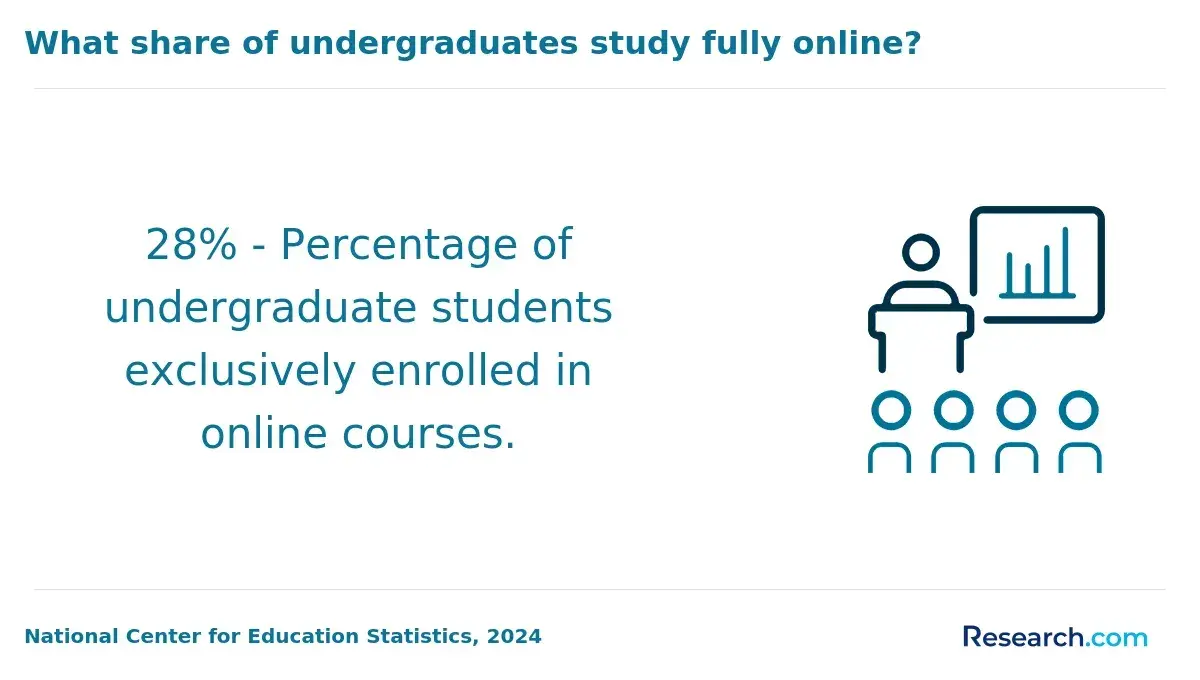
Prospective students pursuing a gifted education master's degree often wonder if the program format-online versus on-campus-impacts their salary outcomes after graduation. Studies show that master's degree holders earn roughly 20% to 30% more than those with only a bachelor's degree, yet the delivery method alone does not significantly influence earning potential. Several factors beyond format tend to have greater sway on compensation, which merits closer examination.
Employer perceptions of online degrees have improved considerably, especially as accredited programs from reputable institutions become more common. Institutional reputation remains a key determinant of salary, with graduates from well-established universities often commanding higher wages regardless of whether they studied online or in person. Additionally, networking opportunities, relevant work experience, and geographic location play important roles; on-campus students may benefit from face-to-face connections, while online students often build professional networks through digital platforms.
Current hiring trends reflect growing acceptance of online degrees, particularly as remote work expands across industries. Data indicates salary differences between online and on-campus gifted education master's graduates are minimal once accounting for institution quality and experience. Ultimately, choosing a program format should align with individual circumstances and learning preferences rather than expectations of differential earnings.
Are Gifted Education Master's Graduates More Competitive for Executive Positions?
Many professionals pursue a gifted education master's degree to strengthen their qualifications for senior leadership roles within educational institutions and related fields. This advanced degree provides specialized knowledge that enhances executive job competitiveness in education. Several key factors contribute to this increased potential for leadership advancement:
- Leadership Preparation: The curriculum focuses on advanced leadership theories and practical applications, preparing graduates to effectively lead diverse teams and manage multifaceted educational programs.
- Strategic Decision-Making: Graduates gain expertise in analyzing educational data and trends, empowering them to make informed decisions that influence institutional strategies and promote innovation.
- Organizational Impact: Training emphasizes designing and implementing initiatives that drive measurable student success, bolstering the graduate's value to executive recruiters seeking impactful leaders.
- Professional Credibility: Holding a specialized gifted education master's degree signals a strong commitment to excellence and expertise, strengthening trust among peers, stakeholders, and policymakers.
- Networking and Collaboration: Programs encourage connections with educational leaders and policymakers, expanding influence and opening doors to advancement opportunities.
These factors collectively enhance leadership readiness, strategic capability, and promotion potential, marking gifted education master's graduates as strong candidates for executive roles. Their ability to lead innovation and manage educational systems aligns closely with the demands of senior positions. For mid-career professionals exploring options, understanding the advantages of gifted education master's for senior leadership roles is essential to maximizing career growth. Additionally, those interested in comparable professional development may explore topics like how long does it take to get a MSW online for perspective on graduate program timelines.
What Is the ROI of a Gifted Education Master's Degree?
Return on investment (ROI) is a key consideration for prospective gifted education master's students as they evaluate tuition costs against long-term career benefits. According to the U.S. Bureau of Labor Statistics, individuals with a master's degree earn approximately 20% more annually than those with only a bachelor's degree, highlighting the financial benefits of earning a gifted education master's degree. Several key factors determine this investment's overall value.
- Tuition Costs: Higher tuition increases the time needed to break even on educational expenses, but scholarships and affordable programs can significantly improve ROI.
- Salary Growth: Master's degree holders often benefit from faster salary increases due to expertise in gifted education, which commands specialized pay rates over time.
- Opportunity Cost: The time spent completing a graduate degree may reduce current earnings, so shorter programs help minimize lost income and accelerate financial returns.
- Career Mobility: Advanced degrees open opportunities for leadership roles, curriculum design, and specialized positions unavailable to those with a bachelor's, enhancing long-term earning potential.
- Networking Value: Relationships built during graduate studies can lead to better job prospects and professional advancement, adding intangible but important value to the degree.
Mid-career professionals seeking to maximize their return on investment in education often explore options such as an online LMFT program to reduce time and cost commitments without sacrificing career benefits.
What Is the Job Outlook for Gifted Education Master's Degree Holders?
Assessing the job outlook is crucial for prospective gifted education master's degree students to gauge the potential for long-term career growth and stability. The U.S. Bureau of Labor Statistics projects an 8% employment increase from 2022 to 2032 for educational, guidance, school, and vocational counselors, which encompasses gifted education specialists. Several important factors shape these career prospects.
- Long-Term Demand: A growing awareness of the diverse needs of learners and the value of specialized instruction sustains consistent demand for gifted education professionals.
- Evolving Skill Requirements: Employers increasingly seek educators skilled in advanced teaching methods and personalized learning to meet modern educational challenges.
- Technological Advancements: The rise of educational technology expands career opportunities but also requires continuous skill development to maintain effectiveness.
- Leadership Opportunities: Schools rely more on gifted education experts for curriculum innovation and leadership roles, promoting career advancement.
- Economic Stability: Funding in education is generally more resilient than in other sectors, providing steady employment even during economic downturns.
What Graduates Say About the Highest-Paying Jobs with a Gifted Education Master's Degree
- Callahan: "Choosing a master's degree in gifted education was a game-changer for me, blending my passion for teaching with clear career advancement opportunities. Despite the initial cost, the investment paid off quickly through roles in educational leadership and specialized district positions that offer top-tier salaries. The financial boost and personal fulfillment I gained have made every dollar and hour worthwhile."
- Saul: "Reflecting on my journey through a gifted education master's program, I realize the importance of selecting a degree that aligns with high-demand, well-compensated roles in education. The cost was manageable thanks to scholarships, and I now see how it positioned me for consulting and curriculum development jobs that significantly increased my income. Professionally, this degree opened doors I hadn't anticipated and expanded my impact beyond the classroom."
- Adam: "My decision to pursue a gifted education master's program was driven by the potential for career growth and financial stability in specialized education roles. Although the tuition required careful budgeting, the return on investment became apparent when I secured a district-level coordinator position with a substantial salary increase. This degree equipped me with skills that are both personally enriching and professionally rewarding."
Other Things You Should Know About Gifted Education Degrees
Certifications such as the National Board Certification in Exceptional Needs Specialist, endorsements in educational leadership, or specializations in curriculum development significantly enhance job prospects for gifted education master's graduates in 2027, opening doors to higher-paying roles in education management and consultancy.
Yes, graduates can work in various settings such as educational consulting firms, nonprofit organizations focused on gifted youth, curriculum development companies, and even private tutoring services. These roles often benefit from the specialized expertise gained in gifted education programs.
Graduates with a master's in gifted education often find opportunities in educational research, program evaluation, and policy advocacy. Their expertise is valuable for shaping policies that support gifted learners and improving educational practices at local, state, or national levels.
References
- Top 20 Gifted And Talented (G&T) Education Master’s Online https://www.topeducationdegrees.org/rankings/online-masters-gifted-talented/
- Artwork of a gum leaf symbolising ‘welcome’ and acknowledging diverse countries, environments, communities, cultures, beliefs, and history. https://www.seek.com.au/gifted-education-jobs
- Gifted Education https://online.missouri.edu/degrees-programs/mu/education/gifted-education/m-ed
- STEM degrees high up on list of highest paying jobs for people with graduate degrees : EIT – South Africa https://www.eit-za.com/stem-degrees-high-up-on-list-of-highest-paying-jobs-for-people-with-graduate-degrees/
- Calculating the Return on Investment of Gifted Education, George London https://www.gjlondon.com/uncategorized/calculating-the-return-on-investment-of-gifted/
- Benefits of Earning a Master of Education Degree https://www.mountunion.edu/academics/graduate-degrees/med-program/benefits-of-earning-an-med
- The 10 Highest Paying Jobs With a Teaching Degree [Quiz] https://www.umassglobal.edu/blog-news/highest-paying-jobs-with-a-teaching-degree
- 6 Highest-Paying Careers With a Master of Arts in Education https://online.meca.edu/news-events/2025-06-15/6-highestpaying-careers-with-a-master-of-arts-in-education
- Gifted Education Strategies: Essential Tools for Teachers https://creditsforteachers.com/gifted-education-strategies-nurturing-exceptional-potential-in-every-classroom/
- Can a Master’s in Education Increase Your Salary? https://www.ndnu.edu/articles/education/masters-in-education-salary.html