2027 Global Security Degree Master's Programs Accepting Students Now

Co-Founder and Chief Data Scientist
Recent graduates and career changers often face the challenge of entering the global security field without prior experience or relevant degrees. Many find that traditional programs lack flexible options to accommodate their unique needs, limiting timely career transitions. Notably, 45% of professionals entering global security roles come from unrelated academic backgrounds, highlighting a growing demand for inclusive master's programs designed to bridge this gap. This article explores currently accepting global security degree master's programs tailored for diverse applicants, offering practical guidance on navigating admissions, program features, and career prospects to ease the path into this critical industry.
Key Things to Know About Global Security Degree Master's Program Accepting Students Now
- Programs offer flexible schedules and part-time options to accommodate working professionals balancing career and study.
- Accelerated curricula enable students to develop critical skills in security analysis and risk management within 12-18 months.
- Students gain access to international networks, connecting with global experts and peers for enhanced career opportunities.
What Are Global Security Master's Programs, and Who Are They Designed For?
Master's programs in global security generally provide advanced education on threats to national and international stability, including terrorism, cyber warfare, intelligence analysis, and policy-making. These programs usually last one to two years and offer various formats such as on-campus, fully online, or hybrid, catering to a wide range of student needs. Primary audiences include working professionals in security or defense seeking career advancement, career changers entering the field, and recent bachelor's graduates looking to deepen their expertise. Unlike bachelor's degrees, which focus on foundational knowledge, global security master's programs emphasize strategic thinking and leadership, while doctoral programs tend to prioritize original research. These distinctions help clarify career goals and expectations.Program Structure and Duration: Most programs run one to two years, offering flexible options like part-time and online formats to accommodate working students.Target Audience Diversity: Candidates range from recent graduates to mid-career professionals and career changers, fostering collaborative learning environments.Curriculum Focus: Coursework combines theory with applied skills in areas such as intelligence, cybersecurity, and policy development, preparing students for current global challenges.Degree Distinctions: Master's degrees prioritize professional preparation and strategic expertise, differing from bachelor's foundational scope and doctoral research.Career Advancement: Graduates earn credentials aligned with employer demands for leadership and specialized knowledge in evolving security landscapes. Programs accepting international students play a critical role in meeting the demand for advanced expertise in this area. The best global security graduate degrees in the United States equip students with credentials recognized by employers worldwide. The U.S. Bureau of Labor Statistics projects a 5% growth in relevant job sectors through 2031, highlighting the value of advanced degrees. Prospective students can explore the most useful degrees to understand where global security ranks among career paths offering promising opportunities.
Which Global Security Master's Programs Are Currently Accepting Applications?
The landscape of global security master's programs open for enrollment changes frequently each semester. Prospective students are advised to verify program availability directly with schools and consult recognized accrediting bodies as well as official university portals for the most current information. The phrase "accepting students now" may reflect different intake periods, including rolling admissions or fixed deadlines, varying by institution.
- Thesis-Based Global Security Programs: These focus on academic research, appealing to students aiming for doctoral studies or careers in policy analysis. Admissions cycles tend to be annual or biannual, requiring timely application aligned with semester start dates.
- Professional Master's in Global Security: Tailored for working professionals, these programs emphasize practical skills and applied knowledge. Many offer rolling admissions, enabling candidates to apply year-round and begin study at multiple entry points.
- Accelerated or Intensive Global Security Degrees: Designed for those seeking swift career transitions, accelerated tracks compress coursework into shorter timeframes. Fixed annual deadlines typically govern these programs, making early application essential.
- Online Hybrid Programs: Combining remote coursework with limited in-person requirements, hybrid programs provide flexibility without compromising accreditation. Application windows vary, with some offering several start dates annually.
- Interdisciplinary Security Studies: These integrate global security with fields like international relations or cybersecurity. Admissions may be rolling or fixed, welcoming a diverse applicant pool.
Those exploring which global security master's programs are currently accepting applications should also consider factors such as GPA thresholds, tuition costs, and available financial aid. Balancing study with full-time work is possible in many programs, especially online or hybrid models. For individuals interested in expanding educational options, reviewing the easiest online degree paths may offer additional flexibility in their graduate studies journey.
What Are the Admission Requirements for a Global Security Master's Program?
Admission to a global security master's program commonly requires official undergraduate transcripts to verify prior academic records and degree completion. Applicants also need to provide letters of recommendation, typically from academic or professional contacts who can speak to their aptitude and readiness for graduate-level work. A statement of purpose is essential to outline personal motivations, relevant experiences, and future career plans within the field. Many programs request a current resume or CV to assess professional credentials, especially for candidates with experience beyond traditional global security roles.
While some schools continue to request GRE or GMAT test scores, an increasing number have adopted test-optional policies following the COVID-19 pandemic, so it's important for applicants to confirm this detail directly with their intended programs. In addition, certain programs may impose prerequisites such as foundational coursework in subjects like international relations or cybersecurity. Others might require professional certifications or submission of a portfolio demonstrating key skills relevant to global security.
Because admission standards and expectations differ widely, prospective students should carefully review the requirements posted on each program's website, including deadlines and any supplemental materials needed to complete their applications.
- Official Transcripts: Verification of academic history and confirmation of degree awarded is mandatory across most programs.
- Letters of Recommendation: Typically two or three references from faculty or supervisors support the applicant's graduate-level potential.
- Statement of Purpose: A personal essay explaining why the candidate is pursuing a global security degree and how it aligns with career ambitions.
- Standardized Tests: GRE or GMAT may be required by some institutions, though many have waived this recently, so checking current policies is essential.
- Program-Specific Prerequisites: Coursework, certifications, or portfolios may be requested, especially for those from unrelated academic or professional backgrounds.
A professional who enrolled in an online global security master's program to change careers shared that navigating varying requirements across schools was initially overwhelming. He recalled, "I had to gather transcripts from different institutions and request strong recommendation letters, which took longer than expected." Balancing work with preparing application materials meant careful time management. He also mentioned the uncertainty around test scores: "Some programs waived GRE scores, but others did not, so I spent time deciding whether to submit my GRE results." Ultimately, he found that understanding each program's unique application process was key to submitting a competitive application and advancing toward his career goals.
What Is the Minimum GPA Requirement for a Global Security Master's Program?
A minimum GPA of about 3.0 on a 4.0 scale is commonly required for admission to most global security master's programs. More selective programs often expect a higher GPA, around 3.2 or above, to enhance applicants' chances. Admissions teams typically review more than just grades, looking favorably on candidates showing an improving academic record or significant relevant professional experience, which can balance out GPA scores that fall short of the usual threshold.
Some universities offer conditional admission for those whose GPA is borderline, allowing applicants to demonstrate their capabilities through extra coursework or a trial period. Prospective students with a GPA near the cutoff should communicate directly with admissions offices to clarify requirements and explore options for strengthening their application. This proactive approach can be crucial in navigating acceptance criteria and understanding program expectations.
Applicants aiming for a graduate degree in global security may also find it helpful to research programs that align well with their academic and professional background, facilitating a better fit for their career goals. For example, exploring highest paying college majors data can inform decisions about program selection and future job prospects.
- Typical GPA Requirements: A minimum GPA of 3.0 is standard, but competitive programs tend to seek higher academic standing to ensure preparedness.
- Holistic Evaluation: Admissions committees consider upward grade trends and relevant work experience to capture applicants' full potential beyond the GPA.
- Conditional Admission: Some schools provide conditional acceptance, requiring applicants with lower GPAs to complete remedial tasks before full admission.
- Direct Communication: Contacting admissions offices provides insight into program-specific thresholds and alternative pathways for applicants near the GPA cutoff.
- Admissions Trend: A 2023 survey revealed that over 45% of global security master's programs have slightly increased GPA expectations, reflecting rising competition and selectivity.
How Long Does It Take to Complete a Global Security Master's Program?
Master's programs in global security typically take one to two years for full-time students, while part-time enrollment can extend completion to between two and four years. Some institutions provide accelerated routes such as intensive 12-month tracks or combined bachelor's/master's (4+1) options, which enable students to earn both degrees in roughly five years.
The timeline depends on several factors. Choosing a thesis option usually demands extra time to conduct research and produce a substantial paper, compared to a non-thesis path focused mainly on coursework. Course load is a major consideration; part-time students often spread classes over more terms, lengthening their studies. Transfer credits may shorten the duration if accepted, whereas internship or practicum components could add time but offer invaluable practical exposure.
Students should carefully consider how duration aligns with their educational priorities and career ambitions, ensuring the pace doesn't compromise the program's quality or the development of essential skills.
- Enrollment Type Impacts Duration: Full-time study typically requires one to two years, with part-time options extending this to four years depending on course commitments.
- Accelerated and Combined Programs: Some schools offer 12-month intensives or 4+1 combined degrees that can reduce overall time spent.
- Thesis Versus Non-Thesis Tracks: Thesis options usually lengthen the process due to research and writing demands.
- Credits and Internship Effects: Transfer credits may shorten completion time, whereas internships might prolong it while enriching hands-on experience.
- Balancing Time and Quality: It's important to weigh program duration against learning outcomes and career readiness.
One professional who completed an online global security master's reflected on managing her studies alongside full-time work, noting that "juggling deadlines and job responsibilities was challenging, but the flexible format helped me stay on track." She emphasized how pursuing her degree remotely required discipline and effective time management but ultimately "provided me with practical skills and a deeper understanding of security issues that boosted my career prospects." Her experience illustrates how program structure and personal commitment intertwine to shape the journey toward graduation.
What Is the Cost of a Global Security Master's Program, and How Is It Calculated?
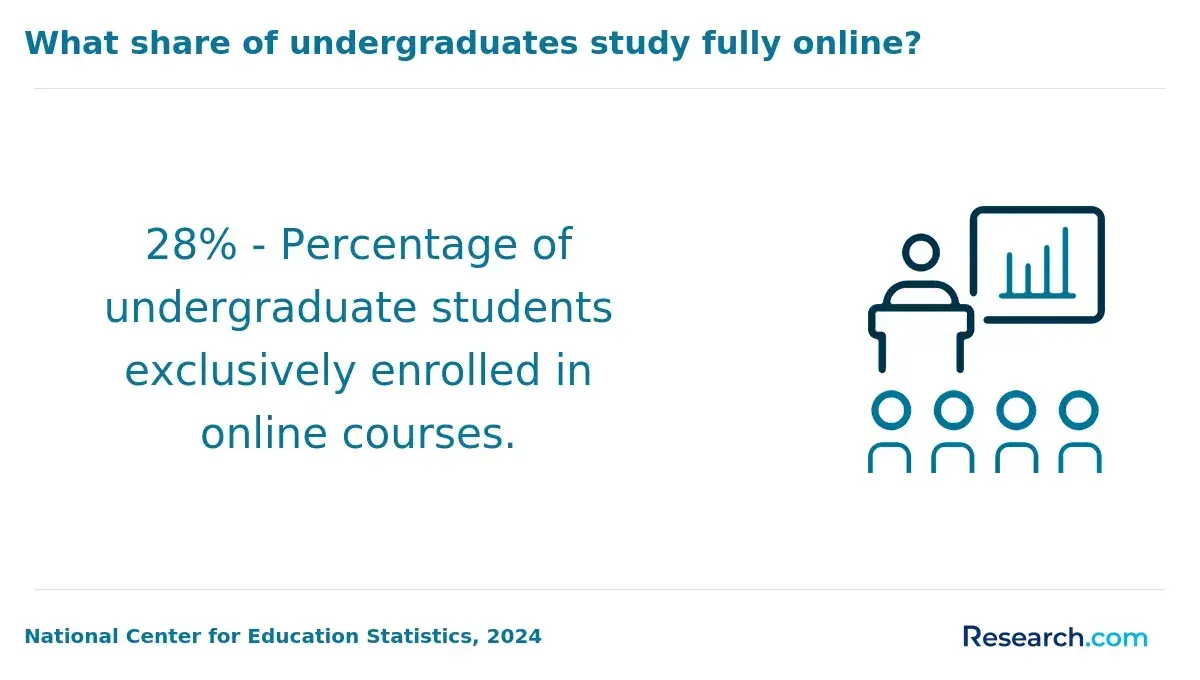
The tuition cost for a global security master's degree is often based on credit hours, with many programs requiring 30 to 36 credits for graduation. Public institutions usually charge lower tuition rates for in-state students compared to out-of-state learners, while online options frequently offer a single tuition price regardless of student location. This uniform pricing can be especially advantageous for international or distant students planning their budgets.
Besides tuition, students must consider additional expenses, such as program fees that cover administrative and support services. Technology and lab fees may also apply, particularly for programs that rely heavily on online platforms or specialized software. For those attending classes on campus, living costs-including housing, meals, transportation, and personal expenses-add a substantial amount to the overall financial commitment.
National statistics show the total cost of earning a global security master's degree can fluctuate between approximately $20,000 and $70,000. This wide range is influenced by the school's reputation, location, and program format. It is crucial to remember that these figures represent the full sticker price; many students will pay less after factoring in scholarships, grants, and other financial aid options.
- Tuition Per Credit Hour: Most programs calculate tuition based on credit hours, with public universities charging distinct rates for residents and non-residents, while online programs often maintain a consistent tuition rate regardless of where the student lives.
- Additional Program Fees: Beyond tuition, students should budget for mandatory fees related to program administration and technology usage, which support learning and student services.
- On-Campus Living Expenses: Housing, food, transportation, and personal costs create a significant financial load for those who study on campus, potentially doubling overall expenditures.
- Total Cost Variation: The estimated price range from $20,000 to $70,000 reflects diverse factors such as institutional prestige and mode of study.
- Net Costs After Aid: Financial aid, scholarships, and grants often reduce the actual amount paid, so prospective students should explore these options to lower their educational expenses.
What Financial Aid Options Are Available for Global Security Master's Students?
Financial aid opportunities for master's students in global security are more limited compared to undergraduate programs, making it important to understand the available resources. Completing the Free Application for Federal Student Aid (FAFSA) remains the essential first step to unlock eligibility for federal loans and some state aid. Graduate students typically rely more on loans and assistantships than grants, which are scarcer at this level. Exploring employer tuition benefits and private scholarships specific to global security or related disciplines can also help reduce education costs.
Students interested in funding their studies should research discipline-specific scholarships and state-funded programs because eligibility and availability vary widely, offering potential supplemental support beyond federal aid.
- Federal Loans and FAFSA: Completing the FAFSA grants access to federal financial aid, including direct unsubsidized loans with fixed interest rates and flexible repayment plans specifically for graduate students.
- Institutional Grants and Fellowships: Though less common than for undergraduates, some universities provide merit- or research-based grants and fellowships to master's students to help with tuition costs.
- Graduate Assistantships: Teaching or research assistantships offer tuition waivers and stipends in return for work with faculty, delivering both financial aid and valuable professional experience.
- Employer Tuition Benefits: Employees in industries like security or defense should investigate tuition reimbursement programs that could cover part or all of graduate study expenses if they continue working with the employer.
- Private and State Scholarships: Scholarships from foundations, professional associations, and state agencies focusing on global security and allied fields can significantly supplement other financial aid options.
Are There Scholarships Specifically for Global Security Master's Students?
Students seeking scholarships for global security master's programs can pursue two main types of financial aid: institutional scholarships awarded by universities and external scholarships provided by professional associations, foundations, and government agencies. Institutional awards typically consider academic merit, leadership potential, or financial need and are listed on the respective program's financial aid pages. External scholarships often focus on specialized interests like cybersecurity, homeland security, or international relations within global security.
To uncover suitable financial aid options for global security graduate students, applicants should explore professional association websites such as the International Association of Chiefs of Police (IACP) or the Security Studies Network. Scholarship aggregator platforms like Fastweb and Scholarships.com provide searchable databases with filters for security-related programs. Additionally, federal tools like the U.S. Department of Education's Scholarship Finder offer extensive, up-to-date listings. For those also considering coursework flexibility, many prospective students review options like easy online associate degrees as a foundation or comparison.
Careful attention to scholarship eligibility, deadlines, and award amounts is crucial. Many scholarships are renewable, providing funding across multiple years, easing the financial burden of completing a master's. Enrollment in security-focused graduate programs has grown by over 12% nationally in recent years, increasing competition but also encouraging growth in funding opportunities aligned with evolving national security priorities.
- Institutional Scholarships: Offered by universities, often based on merit, financial need, or specific research interests in global security. Check program websites for application details.
- External Scholarships: Provided by associations and government agencies targeting fields like counterterrorism and cybersecurity, supporting students pursuing global security careers.
- Resources for Search: Use professional association sites, scholarship aggregators, and federal search tools to find updated global security scholarship offerings.
- Eligibility and Deadlines: Review all requirements and deadlines carefully to submit timely, complete applications and avoid missed opportunities.
- Renewable Awards: Many scholarships award multi-year funding, allowing sustained financial assistance throughout graduate study.
What Are the Best Online Global Security Master's Programs Available Today?
Identifying the best online global security master's programs in the United States requires looking beyond popular rankings. Credibility depends largely on regional or specialized programmatic accreditation, which guarantees recognized academic standards and the transferability of credits. Equally important are the faculty credentials; instructors should have relevant field experience to ensure course content is current and practical. Robust student support services, including academic advising and technical assistance, significantly enhance the online learning experience. Additionally, career placement rates offer insight into how well programs prepare graduates for employment in the security sector.
One key advantage of online global security degrees is their flexibility, making them suitable for working adults balancing career and study. Students can engage with coursework anytime and from anywhere, adapting their education around personal and professional commitments. However, prospective students should consider potential trade-offs like limited face-to-face networking opportunities, which can be crucial for career advancement in this field. When researching top-ranked online global security graduate degrees accepting applications, verifying a program's accreditation through official sources is essential. Also, pay attention to admission requirements such as GPA thresholds to match your qualifications with program expectations.
- Accreditation Importance: Always confirm regional or specialized accreditation to ensure the program meets rigorous academic standards and is respected by employers and institutions.
- Faculty Credentials: Qualified instructors with relevant experience deliver updated content reflecting current global security challenges and practices.
- Student Support: Access to tutoring, career counseling, and technology help is vital for online student success and overall satisfaction.
- Flexibility vs. Networking: Online formats offer schedule convenience but may limit in-person connections key to professional growth in security roles.
- Career Outcomes: Investigate internships, alumni employment rates, and industry partnerships to assess practical benefits and job prospects after graduation.
For students also interested in cost considerations, reviewing options such as the cheapest accredited online accounting degree programs can provide insight into affordable accredited online education pathways that may inform your financial planning for graduate studies.
How Do Accreditation Standards Affect the Value of a Global Security Master's Degree?
Regional accreditation evaluates the overall quality and standards of an entire educational institution, ensuring it meets broad, recognized criteria. Programmatic accreditation, by contrast, focuses specifically on individual academic programs, such as those in global security, to confirm they adhere to industry-relevant standards and training requirements. Attending a program with proper accreditation is vital for students aiming to meet licensure prerequisites, enhance employer credibility, and access federal financial aid. Although there is no singular accrediting body solely for global security, relevant programmatic approvals often come from organizations tied to homeland security, intelligence, or criminal justice education, including partnerships with government agencies. Prospective students should always verify a program's accreditation independently using the U.S. Department of Education's Database of Accredited Postsecondary Institutions and Programs to ensure its legitimacy and acceptance.
- Regional vs. Programmatic Accreditation: Regional accreditation certifies the institution's overall academic quality, while programmatic accreditation certifies the specific global security program, supporting recognition by employers and licensing entities.
- Licensure and Career Impact: Graduating from an accredited program is frequently required for licensure and improves employment prospects by validating specialized knowledge.
- Federal Financial Aid Eligibility: Only students enrolled in accredited institutions qualify for federal grants, loans, and scholarships, essential for financial planning.
- Field-Specific Accrediting Bodies: Bodies like the Academy of Criminal Justice Sciences and government partnerships provide relevant programmatic recognition for global security curricula.
- Accreditation Verification: Confirm accreditation status independently through the U.S. Department of Education's database to avoid issues with transfers or employment.
What Career Outcomes Can Global Security Master's Graduates Expect?
Graduates with a master's degree in global security frequently pursue positions in both government agencies and private industry, including roles like intelligence analysis, cybersecurity leadership, policy development, and risk evaluation. Data from the Bureau of Labor Statistics indicates that professionals in related fields such as information security analysts have a median annual wage above $102,000, with job growth projected at 35% through 2031-significantly higher than average. Holding a master's degree offers a salary advantage and better chances for advancement compared to those with only a bachelor's, as employers often seek advanced analytical expertise and specialized knowledge for management and strategic roles. Additionally, career resources such as alumni networks and dedicated job placement services provide vital support through mentoring and connections that help graduates enter highly competitive sectors like defense, international organizations, and corporate security.
- Diverse Career Options: Graduates find opportunities across cybersecurity, intelligence, policy, and emergency management, tailoring paths to their skills and interests.
- Enhanced Earnings Potential: Advanced degrees correlate with higher starting salaries and faster wage increases than bachelor's alone.
- Robust Employment Growth: The industry expects strong job creation due to increasing global security demands.
- Leadership Opportunities: A master's enables quicker promotion into managerial and specialist roles in public and private sectors.
- Supportive Professional Networks: Alumni communities and career services offer mentorship and important job market connections.
What Graduates Say About Their Global Security Degree Master's Program
- Yeshua: "Choosing the global security master's degree was a strategic move to deepen my understanding of international safety protocols and crisis management. While the program's cost was a considerable investment, it was justified by the comprehensive curriculum and expert faculty. Today, I find myself confidently leading risk assessment teams, a role I attribute directly to the knowledge and skills gained. "
- Hugh: "Reflecting on my time in the global security master's program, I appreciate how it balanced theory with practical application, which was crucial for my career transition. Although managing the tuition fees was challenging, the program's reputation opened doors to advanced positions in both government and private sectors. Its impact on my professional growth has been profound and lasting. "
- Atlas: "The global security degree offered me a unique blend of interdisciplinary studies that perfectly matched my career goals in cybersecurity and defense. I found the tuition fees reasonable given the specialized expertise and networking opportunities available. This degree directly accelerated my career advancement and equipped me to handle complex security challenges in dynamic environments."
Other Things You Should Know About Global Security Degrees
The application process typically involves submitting transcripts, letters of recommendation, a statement of purpose, and standardized test scores if required by the institution. Some programs may also request resumes or relevant work experience documentation, especially for career changers. Online global security programs often provide detailed guidance on application steps, and many schools welcome inquiries to clarify program-specific requirements.
Yes, many global security master's programs in 2027 offer flexible online or part-time options tailored for professionals. These formats allow students to maintain their careers while advancing their education, often enabling them to complete coursework at their own pace.
References
- MA in Global Security and Strategy https://www.brussels-school.be/education/ma-global-security-and-strategy
- Erasmus Mundus Joint Master Scholarship Funding Secured - IMSISS https://www.securityintelligence-erasmusmundus.eu/erasmus-mundus-joint-master-scholarship-funding-secured/
- Master's Degree in Investigation, Crime, and International Security - Major in International Security, Geopolitics, and Global Affairs https://www.unint.eu/en/didactics/Master%27s-Degree-in-Criminal-Investigation-and-International-Security--majoring-in-International-Security--Geopolitics--and-Global-Affairs/
- Strategy and International Security https://www.uni-bonn.de/en/studying/degree-programs/degree-programs-a-z/strategy-and-international-security-ma
- Global Security MA, PG Dip, PG Cert (online) - Entry Requirements | King's College London https://www.kcl.ac.uk/study/postgraduate-taught/courses/global-security-ma-pg-dip-pg-cert/requirements
- Global Security Studies M.S. Admission https://www.angelo.edu/academics/programs/global-security-studies-ms/admission/
- Financial Aid for International Master’s Students https://www.mpowerfinancing.com/financial-empowerment/financial-aid-for-international-students-masters
- Why Accreditation & ISO Matter for Students & Parents | AUBSS https://aubss.edu.pl/article/the-importance-of-international-accreditation-and-iso-certifications-a-guide-for-students-and-parents/
- Scholarship Programme | MSc Security Studies https://informaconnect.com/msc-security-studies/scholarship-programme/