2027 Health Information Management Degree Master's Programs Accepting Students Now

Co-Founder and Chief Data Scientist
Recent graduates, career changers, and international applicants often face unique hurdles when applying to health information management degree master's programs. Graduates may struggle to find programs that suit their limited work experience, while career changers need pathways that recognize prior skills yet provide comprehensive HIM knowledge. International applicants often confront accreditation and eligibility challenges.
Notably, career changers comprise nearly 30% of enrollees in health information management graduate programs, reflecting shifting workforce demands and industry growth. This article examines current master's programs accepting students now and offers guidance to navigate admissions, curriculum options, and career outcomes tailored to diverse applicant needs.
Key Things to Know About Health Information Management Degree Master's Program Accepting Students Now
- Programs offer online and part-time formats, allowing working professionals to balance graduate study with career and personal commitments.
- Accelerated curricula focus on healthcare data analytics, coding, and compliance to quickly build industry-relevant skills within 12-18 months.
- Enrollees gain access to global alumni networks and professional associations, enhancing career opportunities in diverse healthcare settings worldwide.
What are health information management master's programs, and who are they designed for?
Master's programs in health information management typically involve 1.5 to 2 years of advanced study focusing on healthcare data, information systems, and compliance with relevant laws and regulations. These programs are offered in flexible formats, including fully online, hybrid, or traditional on-campus classes, accommodating working professionals and others.
The primary audiences include working professionals aiming for career advancement, career changers entering the health information sector, and recent bachelor's graduates seeking specialized expertise. Compared to bachelor's degrees, master's programs emphasize practical skills in data analytics, health informatics, leadership, and project management, while doctoral degrees focus on research and academic careers.
- Advanced Curriculum and Skill Development: These programs cover topics like electronic health records systems, healthcare privacy laws, and leadership, equipping students with both technical and managerial expertise.
- Flexible Learning Formats: Programs often offer online or hybrid options designed for working professionals to balance study with full-time employment, making them ideal for those searching for the best health information management graduate degrees for working professionals.
- Diverse Student Audience: They attract a range of students, including those with health information management bachelor's degrees and those switching careers, reflecting a broad pool of applicants currently accepting applications.
- Career Advancement Opportunities: Graduates qualify for roles such as data analysts, compliance officers, or health information managers that require master's credentials.
- Distinctive Degree Focus: Master's degrees emphasize applied leadership and immediate career readiness rather than the research focus typical of doctorates.
The demand for advanced skills in health information management is rising rapidly. Employment in related roles is projected to grow 13% from 2022 to 2032, well above average. For those considering related healthcare paths, exploring a PharmD degree may also be a valuable option.
Which health information management master's programs are currently accepting applications?
The landscape of health information management master's programs currently accepting applications shifts each semester. Prospective students seeking enrollment should verify intake timelines directly with programs, as "accepting students now" can indicate varying start dates or rolling admissions policies.
Consulting accrediting bodies such as the Commission on Accreditation for Health Informatics and Information Management Education (CAHIIM) alongside official university portals is essential for accurate, up-to-date availability.
Among the master's health information management programs open for enrollment, several formats stand out to meet diverse student needs, including recent graduates and career changers:
- Thesis-Based Master's Programs: These focus on original research and academic writing, preparing students for leadership roles or doctoral studies. Applicants typically must submit detailed research proposals in addition to standard materials.
- Professional Master's Programs: These emphasize practical skills in health information systems, data analytics, and compliance. Often they include internships or capstone projects geared towards workforce readiness.
- Accelerated Health Information Management Master's: Designed for those seeking a faster path, these programs condense coursework into shorter periods, often with evening or weekend classes for working professionals.
- Programs with Rolling Admissions: Offering the ability to apply year-round and start multiple times per year, these provide flexibility but may require early submission for funding or preferred schedules.
- Fixed-Deadline Cohort Programs: Structured with strict deadlines and set start dates, these cohorts follow formal timelines common at larger institutions with defined curricula and student support.
Students interested in related credentials might also explore medical coding classes, which offer valuable specialization. Navigating application requirements, GPA thresholds, tuition costs, and financial aid options thoughtfully will enable candidates to select the best program for their goals while balancing study with full-time work.
What are the admission requirements for a health information management master's program?
Admission to a health information management master's program generally requires several key documents and qualifications that demonstrate academic readiness and professional potential. Applicants must provide official undergraduate transcripts to confirm degree completion and verify prerequisite coursework, often in fields like health sciences or IT.
Letters of recommendation, typically from instructors or supervisors, offer insight into an applicant's character and suitability for graduate study. A statement of purpose is also needed, outlining motivations and career objectives related to health information management. Additionally, a resume or CV details relevant experience, which can be particularly important for those shifting careers or working while studying.
While standardized tests such as the GRE or GMAT were once commonly required, many programs have waived these since the COVID-19 pandemic, though some still request them. Discipline-specific prerequisites may include courses in anatomy, statistics, or healthcare systems, professional certifications like Registered Health Information Administrator (RHIA), or even portfolios demonstrating applied skills. Because requirements differ notably across institutions, it is essential for prospective students to review each program's specific admission criteria carefully.
- Undergraduate Transcripts: Verification of bachelor's degree completion and prerequisite courses ensures foundational knowledge suited for graduate-level work.
- Letters of Recommendation: Testimonials from academic or professional contacts highlight an applicant's qualifications and readiness.
- Statement of Purpose: A personal essay that expresses the candidate's motivations, goals, and reasons for pursuing the degree.
- Resume or CV: Documentation of relevant professional experience, which may carry extra weight for career changers or working applicants.
- Standardized Tests and Prerequisites: Some programs still require GRE/GMAT scores or specific coursework, though many now offer more flexibility post-pandemic.
A professional who enrolled in an online health information management master's program shared that navigating the varying application requirements was initially overwhelming. He recalled, "It took time to gather all my transcripts and craft a statement that truly reflected why I wanted to change my career."
Balancing work responsibilities while preparing his resume and securing strong letters added pressure, but the flexibility of submitting electronic documents eased the process. He emphasized that understanding each program's unique expectations upfront helped him tailor his application efficiently, boosting his confidence throughout the enrollment journey.
What is the minimum GPA requirement for a health information management master's program?
Most health information management master's programs require a minimum GPA of 3.0 on a 4.0 scale, reflecting a standard benchmark for admission. Competitive programs, however, often prefer applicants with higher GPAs to ensure strong academic preparation for graduate studies. Applicants with GPAs just below this threshold can still be considered if they demonstrate an upward trend in their academic record, hold relevant professional experience, or have strong entrance exam results.
Some institutions may offer conditional admission, allowing students with borderline GPAs to enroll provisionally while proving their capability. For those navigating the minimum GPA requirements for health information management master's programs, reaching out directly to admissions offices is crucial for personalized advice and alternative pathways.
Approximately 42% of master's programs in health information management raised their GPA criteria recently to align with increased academic standards. Those balancing financial decisions may also find resources helpful, such as exploring the affordable RN to BSN pathways that can complement their educational goals.
- Common GPA Baseline: A 3.0 GPA is typically the minimum required, assuring that candidates have a solid academic foundation.
- Competitive Program Expectations: Higher-ranked programs often set the bar above 3.0 to emphasize both academic excellence and relevant experience.
- Compensating Factors: Programs may consider rising GPA trends, strong professional backgrounds, and test scores to offset lower GPA levels.
- Conditional Admission: Students near the GPA cutoff might qualify for provisional entry, granting time to demonstrate readiness.
- Direct Communication: Contacting admissions offices can clarify program-specific GPA criteria and potential alternatives for borderline candidates.
How long does it take to complete a health information management master's program?
Most health information management master's programs typically require one to two years of full-time study, while part-time students can expect to spend between two and four years completing their degree. Some institutions offer accelerated options, such as intensive 12-month programs, designed for students able to engage in a faster pace. Combined bachelor's/master's pathways, commonly known as 4+1 programs, enable students to obtain both degrees in roughly five years, reducing the overall time spent in school.
The total duration depends on several factors, including the choice between thesis and non-thesis tracks. Thesis options often require additional research time, whereas non-thesis tracks emphasize coursework and may be completed more quickly. Transfer credits from previous graduate-level courses can shorten the timeline, and internship or practicum components may extend it, depending on the program's hands-on requirements.
When selecting a program, it is important to consider how program length aligns with your career objectives and commitment level. Balancing speed of completion with the quality of education and certification preparation helps ensure readiness for future roles in health information management.
- Program Length Options: Full-time studies generally range from one to two years, with part-time options extending up to four years to accommodate varied schedules.
- Accelerated and Combined Programs: Intensive 12-month tracks and 4+1 combined bachelor's/master's pathways offer shorter completion times for motivated students.
- Thesis Versus Non-thesis Choices: Thesis tracks require extra research and writing, potentially lengthening the program, while non-thesis paths focus on coursework and graduation speed.
- Transfer Credits Impact: Previous relevant coursework can reduce required classes, helping students finish sooner.
- Internship Requirements: Practical training components vary by program and can influence total study time.
A professional who completed an online master's in health information management shared that balancing work, study, and family was the biggest challenge. She appreciated the program's flexibility but noted that staying disciplined with deadlines was essential.
Despite occasional stress, she found the opportunity to apply skills in real time rewarding and felt well-prepared for her career after graduation. Reflecting on her journey, she emphasized that while some parts felt demanding, the ability to progress at her own pace made completing the degree within two years achievable and fulfilling.
What is the cost of a health information management master's program, and how is it calculated?
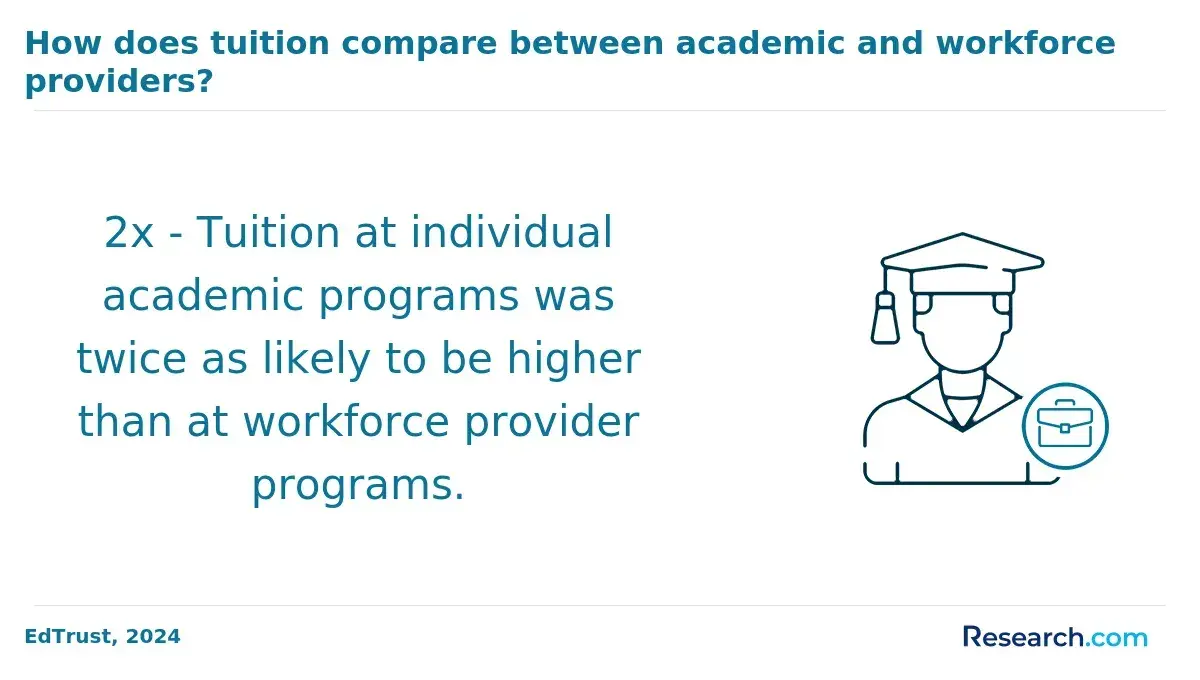
Tuition for master's programs in health information management varies significantly, particularly between public and private institutions. Public universities often charge lower rates for in-state students, typically between $400 and $700 per credit hour, while out-of-state students may pay nearly twice as much. Private schools generally offer a fixed tuition rate for all enrollees, often ranging from $700 to over $1,200 per credit hour.
Beyond tuition, additional fees are common. Programs may require administrative, accreditation, or resource-related fees, and some courses necessitate technology or lab fees to support software or virtual labs. These expenses usually fall between $100 and $500 per academic term.
Students attending classes on campus should budget for living costs, including housing, meals, transportation, and personal needs, which can total $10,000 to $20,000 annually depending on the location. Online options often reduce or eliminate these costs but still entail considerations like internet service and a suitable study area.
Overall, the total cost to earn a health information management master's degree nationally averages between $25,000 and $60,000. These estimates cover tuition, fees, and sometimes living expenses but do not factor in scholarships, financial aid, or employer tuition assistance, which can greatly lower the final cost.
Since the sticker price often overstates what students ultimately pay, it's crucial to explore funding opportunities carefully. This approach helps ensure realistic budgeting and financial planning throughout the duration of the program.
- Tuition Variation by Residency: Public universities charge lower tuition for in-state students, while out-of-state learners pay higher rates, impacting the overall program cost.
- Program and Technology Fees: Additional mandatory fees cover administrative and specialized resources, including technology or lab access, varying by program.
- On-Campus Living Expenses: Housing, food, and transportation are essential budget items for in-person students and can significantly increase total costs.
- Online Program Costs: Online degrees often standardize tuition and minimize living expenses, making them a potentially more affordable choice.
- Net Cost vs. Sticker Price: The listed price is usually higher than what students pay after financial aid and scholarships are applied.
What financial aid options are available for health information management master's students?
Graduate students pursuing a health information management master's degree face a more limited range of grant opportunities compared to undergraduates and often rely heavily on loans and assistantships. Completing the Free Application for Federal Student Aid (FAFSA) remains the crucial first step to qualify for federal financial aid options, including graduate-level loans and work-study programs.
Many universities supplement this federal aid with institutional grants, fellowships, and assistantships that may offer tuition remission and stipends in exchange for research or teaching duties. Working professionals should also consider employer tuition assistance programs as a practical means to offset costs while continuing their education. Additionally, exploring private scholarships targeted to health information management students and investigating state-funded aid programs can further expand funding possibilities.
- Federal Loans and FAFSA: FAFSA completion is essential to access federal graduate loans, such as Direct Unsubsidized and PLUS loans, which typically have more favorable terms than private alternatives.
- Institutional Grants and Fellowships: Universities may offer merit-based or need-based grants and fellowships designed specifically for master's students, though these are rarer than at the undergraduate level.
- Graduate Assistantships: Research and teaching assistantships commonly provide tuition waivers along with stipends, balancing work commitments with education costs effectively.
- Employer Tuition Benefits: Tuition reimbursement or assistance through employers can be a valuable resource, especially for part-time students maintaining full-time jobs.
- Private Scholarships and State Aid: Targeted scholarships for the health information management field and state-supported financial aid programs present additional funding avenues worth pursuing.
Are there scholarships specifically for health information management master's students?
Scholarships for students pursuing a health information management master's degree generally come from two main sources: institutional and external scholarships. Institutional awards are provided directly by universities, often based on academic achievements, financial need, or program-specific criteria. External scholarships originate from professional associations, foundations, or government agencies dedicated to supporting education in health information management and related healthcare fields.
Prospective students should explore a variety of scholarship opportunities by visiting professional organizations like the American Health Information Management Association (AHIMA). These groups frequently offer grants and scholarships for graduate students.
Additionally, scholarship aggregators and federal search tools, such as the U.S. Department of Labor's CareerOneStop or Fastweb, are valuable resources for finding a broad spectrum of funding options related to health information management and allied health programs. Many students searching for health information management master's scholarships in the US find these platforms indispensable for navigating available aid.
Careful attention to eligibility requirements, award amounts, and application deadlines is essential. Scholarships often have unique qualifications tied to residency, enrollment status, GPA, or field specialization. Many awards are renewable for multiple years, helping to significantly ease financial pressures throughout the course of graduate study. According to recent AHIMA data, nearly 40% of graduate students in health information management identified scholarship funding as a key factor enabling their advanced degree pursuit.
- Institutional Scholarships: Offered by universities, these scholarships usually reward academic excellence or financial need, with specific focus on health information management master's students. Contacting the financial aid office should be the first step.
- External Scholarships: Provided by professional associations like AHIMA and healthcare foundations, these often require membership or commitments to the healthcare field post-graduation.
- Search Strategies: Utilize scholarship databases, professional association websites, and government portals consistently. Organize deadlines carefully to avoid missed opportunities.
- Renewability and Duration: Many scholarships provide funding each academic year, contingent on maintaining satisfactory academic progress, greatly reducing long-term educational costs.
- Importance of Eligibility: Each scholarship has specific criteria, which may include residency, GPA thresholds, or enrollment status. Thoroughly reviewing and preparing applications increases chances of success.
For those considering a broader healthcare education investment, exploring cheapest PhD nursing programs can also be a strategic way to plan financial and academic goals.
What are the best online health information management master's programs available today?
Choosing credible online health information management master's programs involves more than relying on rankings. Accreditation, both regional and programmatic such as CAHIIM, is crucial to ensure the curriculum meets industry standards and that the degree is recognized nationwide. Prospective students should always verify a program's accreditation status before applying to top accredited online Health Information Management graduate programs.
Faculty qualifications also indicate program quality. Experienced instructors with advanced degrees relevant to health information management provide current and relevant academic instruction. Comprehensive student support services-including academic advising, technical support, and career counseling-are essential for success, particularly in a virtual environment, and contribute to better retention and completion rates.
Online formats offer significant flexibility, appealing especially to working adults balancing employment and family. Many courses allow asynchronous study, enabling students to progress at their own pace. However, this convenience may come with limited face-to-face networking and fewer opportunities for hands-on clinical exposure, which can affect career networking and practical experience. This is an important factor to consider for those evaluating the best online Health Information Management master's programs in the US.
- Accreditation and Recognition: Ensure the program holds regional and CAHIIM accreditation to guarantee a quality education and improved employability.
- Qualified Faculty: Instructors with advanced degrees and health information management experience provide rigorous and industry-aligned instruction.
- Comprehensive Student Support: Robust academic advising, tutoring, and career services help students navigate challenges and enhance learning outcomes.
- Flexible Scheduling: Online delivery offers convenience for working professionals but may reduce networking and clinical practice opportunities.
- Career Outcomes: Investigate job placement rates and partnerships with healthcare organizations to assess post-graduation prospects.
For those seeking a self paced university experience, many online health information management master's programs provide such options, combining flexibility with quality education.
How do accreditation standards affect the value of a health information management master's degree?
Regional accreditation evaluates an entire institution's overall quality, whereas programmatic accreditation focuses exclusively on health information management programs, ensuring they meet specific industry standards. Choosing a properly accredited program is crucial because graduation from such programs often is required for professional licensure and certification, credentials highly valued by employers.
Additionally, attending an accredited school usually determines eligibility for federal financial aid, a key factor for many students funding their education. The Commission on Accreditation for Health Informatics and Information Management Education (CAHIIM) is the primary accreditation body overseeing health information management programs, guaranteeing adherence to specialized criteria.
Prospective students should confirm both the school's regional accreditation and the program's CAHIIM accreditation to ensure their degree is widely accepted. An independent and reliable resource for verifying these accreditations is the U.S. Department of Education's Database of Accredited Postsecondary Institutions and Programs.
- Regional vs Programmatic Accreditation: Regional accreditation assesses the whole institution's quality, while programmatic accreditation targets health information management programs, ensuring they meet professional standards.
- Licensure and Certification Eligibility: Completing an accredited program is often mandatory to qualify for industry certifications and professional licensure, which support career advancement.
- Employer Trust: Employers tend to prefer candidates from accredited programs because it reflects reliable education and training standards.
- Federal Financial Aid Access: Federal grants and loans typically require enrollment in accredited institutions, making accreditation vital for financial assistance.
- Accreditation Verification: Utilize the U.S. Department of Education's official database to independently check the accreditation status of schools and health information management programs.
What career outcomes can health information management master's graduates expect?
Graduates with a master's degree in health information management often find diverse career paths in both government and private healthcare organizations. Typical positions include health information managers, clinical data analysts, and compliance officers who ensure accuracy of patient records and adherence to health regulations.
The Bureau of Labor Statistics reports the median salary for medical and health services managers near $101,000 annually, with job growth expected at 28% through 2031-well above average. Holding an advanced degree generally results in higher pay and quicker advancement compared to those with only undergraduate credentials, opening doors to senior leadership and policymaking roles. Support from alumni networks and career services also plays a critical role in improving job prospects by providing mentorship and networking opportunities.
- Expanded Career Prospects: Graduates can target roles from data analysis to executive management within hospitals, insurance firms, and public health agencies, broadening employment options.
- Higher Salary Potential: The specialized knowledge and leadership skills gained lead to a salary boost compared to bachelor's-only graduates.
- Strong Employment Growth: Rising dependence on electronic health records and compliance increases demand for qualified professionals in health information management.
- Leadership Advancement: Master's programs equip candidates for supervisory and strategic responsibilities, enhancing career trajectories.
- Career Resources: Alumni networks and dedicated career services offer essential guidance and connections that support successful job placement.
What Graduates Say About Their Health Information Management Degree Master's Program
- Christine: "Choosing the health information management master's program was a strategic decision to pivot my career into a growing field with stability and innovation. The program's tuition was surprisingly affordable, making it accessible without sacrificing quality. Since graduating, I've witnessed firsthand how this degree has opened doors to leadership roles within healthcare organizations."
- Michelle: "Reflecting on my experience, the program's balanced approach to coursework and hands-on practice was exactly what I needed to excel professionally. Although the cost was a consideration, the investment proved worthwhile given the strong career support and networking opportunities. Completing the health information management master's has truly transformed my outlook and propelled my career forward."
- Elizabeth: "From a professional standpoint, the health information management master's degree was essential for advancing in a competitive job market. I appreciated how the curriculum directly addressed real-world challenges while remaining mindful of cost-effectiveness. The program significantly enhanced my expertise and credibility, allowing me to contribute with confidence in my healthcare role."
Other Things You Should Know About Health Information Management Degrees
Choosing the right program depends on your career objectives and current experience. Consider programs that offer specializations aligned with your interests, such as data analytics or health informatics. Also evaluate factors like program accreditation, faculty expertise, flexibility of course delivery, and connections with healthcare organizations for internships or job placement.
The application process usually requires submitting transcripts, letters of recommendation, a personal statement, and standardized test scores if applicable. Some programs may ask for relevant work experience or prerequisite courses in health or information sciences. Completing an online application portal and paying an application fee are standard steps.
To succeed in health information management with a master's degree, essential skills include data analysis, understanding healthcare regulations, proficiency in health informatics, strong communication abilities, and leadership. These skills enable professionals to effectively manage health information systems and contribute to improved healthcare delivery.
Yes, many programs offer part-time, evening, or fully online options designed for working professionals. These flexible formats enable students to balance their coursework with job responsibilities. However, managing time effectively is critical, as graduate-level work demands consistent engagement and study.
References
- Health Informatics and Information Management MS https://degrees.ecu.edu/ms/health%20informatics%20and%20information%20management/
- Masters in Health Informatics Scholarships: How To Find Them https://mastersinhealthinformatics.com/masters-in-health-informatics-scholarships/
- MHIHIM https://www.publichealthdegrees.org/program/masters/mhihim/
- Admissions Requirements https://hsim.ecu.edu/graduate/health-informatics-masters/ms-admission-requirements/
- Online Master's Degree: Health Information Management & Technology https://www.umgc.edu/online-degrees/masters/health-information-management-technology
- Scholarships - Master of Applied Health Informatics (M.Sc.) https://master-applied-health-informatics.com/scholarships/
- 5 Tips for Applying to a Master's in Healthcare Informatics Program - Healthcare Administration Degree Programs https://www.healthcare-administration-degree.net/lists/5-tips-for-applying-to-a-masters-in-healthcare-informatics-program/
- Health Science Degrees Online with Financial Aid https://www.edumed.org/online-schools/health-informatics-degrees/financial-aid/
- Master of Health Information Management https://online.txst.edu/degrees/graduate/masters-health-information-management/general-program/
- Master’s in Health Information Management https://www.snhu.edu/online-degrees/masters/ms-in-health-information-management