
2027 Is a 2-Year Health Information Management Degree Worth It: Accelerated Bachelor's ROI & Time Trade-Offs

Co-Founder and Chief Data Scientist
Deciding whether to pursue a 2-year accelerated bachelor's degree in health information management can be challenging for students balancing career goals and financial constraints. Studies show the health information management field is projected to grow 9% from 2022 to 2032, faster than the average for all occupations. This growth indicates strong job opportunities but also requires careful evaluation of time and cost investments. This article examines the return on investment and time trade-offs associated with accelerated programs, helping readers determine if the degree's benefits outweigh the challenges and align with their long-term career objectives.
Key Benefits of a 2-Year Health Information Management Degree
- Accelerated 2-year health information management degrees reduce educational time, allowing quicker entry into a job market with a 21% projected growth rate through 2031.
- Graduates often experience competitive salaries averaging around $60,000 annually, enhancing ROI compared to longer degree paths.
- Shorter programs lower tuition costs and lost income opportunity, optimizing financial investment against faster career advancement.
How Do 2-Year Health Information Management Programs Work?
A two-year health information management program offers an accelerated pathway for students aiming to enter the healthcare data field quickly. This format is designed to compress essential coursework and hands-on learning into a shorter time frame than traditional degrees, making it a practical option for those seeking to balance education with other commitments.
Understanding how these programs structure their curriculum helps prospective students evaluate whether the fast pace matches their learning style and career goals.
- Accelerated pacing: These programs operate at a faster speed than traditional four-year degrees by condensing coursework into shorter terms and tightening the overall timeline.
- Year-round enrollment: Students can enroll in multiple consecutive terms, including summer and winter sessions, which speeds up degree completion and reduces time to workforce entry.
- Condensed course terms: Terms often last only 6 to 8 weeks, allowing students to take more classes annually while adapting to an intensive schedule.
- Credit load expectations: Each term typically requires 12 to 15 credits, demanding strong time management as students balance heavier academic responsibilities.
- Instructional format: A mix of online and in-person sessions offers flexibility, especially for working adults, while covering essential topics like medical coding and electronic health records management.
- Assessment methods: Evaluations include traditional exams, projects, case studies, and simulations to ensure practical application of knowledge.
- Curriculum progression: Students follow a sequenced plan where foundational courses lead to specialized electives, with some accelerated formats integrating prerequisites early for faster advancement.
A familiarity with health information management associate degree requirements is essential to ensure the accelerated program aligns with professional standards. According to the Bureau of Labor Statistics, employment for medical records and health information technicians is expected to grow 9% from 2022 to 2032, faster than average. This trend, combined with median wages exceeding $48,000 annually and potential savings of up to two years, makes these programs attractive.
For those comparing pathways and seeking related options, exploring DNP online programs may provide additional insight into accelerated healthcare education routes.
What Are the Admission Requirements for a 2-Year Health Information Management Degree?
Carefully reviewing admission requirements is essential for prospective students evaluating whether an accelerated bachelor's in health information management fits their academic profile and career plans. These criteria often shape how well-prepared a candidate will be to handle the program's accelerated pace and rigorous coursework.
Below is a breakdown of typical admissions expectations for a 2-year health information management program.
- Prior Education: Applicants generally must hold a high school diploma or its equivalent to meet the foundational eligibility. This baseline is crucial before advancing to more specialized health information management studies.
- GPA Expectations: Many programs look for a minimum GPA around 2.5 to 3.0 on a 4.0 scale, reflecting consistent academic achievement. Meeting or exceeding this threshold can increase the chances of acceptance and academic success.
- Standardized Tests: Requirements for SAT or ACT scores vary, with some programs still requesting them while others waive these tests-especially for adult learners or candidates with relevant professional experience.
- Prerequisite Courses: Foundational classes in biology, anatomy, or computer literacy are commonly required to ensure applicants have the essential knowledge needed for advanced coursework in health information systems.
- Work Experience: Prior healthcare or administrative experience can strengthen an application by demonstrating practical readiness and familiarity with the healthcare environment.
- Accelerated Program Considerations: For admission to accelerated health information management degree pathways, students often need to show exemplary time-management skills and academic preparedness due to the condensed schedule and increased workload.
The demand for health information professionals is growing, as noted by the Bureau of Labor Statistics projecting an 11% employment increase from 2022 to 2032. For those seeking flexible financial options while enrolling in a health information management program, exploring accredited medical billing and coding schools online with financial aid can provide valuable pathways.
What Does a Typical Week Look Like in a 2-Year Health Information Management Program?
Knowing the weekly demands of a 2-year accelerated health information management degree helps prospective students evaluate if they can handle the intensity and keep up with the pace. This understanding offers insight into how coursework and time commitments align with professional and personal goals. The following outlines the core components that shape a typical week.
- In-class sessions: Students typically spend 12 to 18 hours attending lectures and classes each week, covering essential topics like medical coding, healthcare regulations, and data management systems.
- Assignments and assessments: Weekly tasks include homework, quizzes, and case studies designed to reinforce concepts and evaluate understanding continuously.
- Group projects and collaboration: Many programs encourage teamwork through group assignments or study sessions, fostering skills needed for healthcare environments.
- Independent study: An additional 15 to 20 hours per week are dedicated to personal study, including reading, research, coding practice, and exam preparation.
- Instructor support: Regular access to instructors via office hours, emails, and online forums is vital for clarifying difficult topics and receiving feedback.
- Time management: Balancing a fast-paced curriculum requires proactive planning and consistent effort to keep up with both individual and group responsibilities.
Are 2-Year Health Information Management Programs Available Online?
Delivery format plays a crucial role for students pursuing an accelerated health information management degree, impacting flexibility, accessibility, and how well they can balance studies with other commitments. Online options especially help those who need adaptable schedules and want to control their learning pace.
Below is a detailed look at key aspects of online two-year health information management programs.
- Fully Online vs. Hybrid Formats: Many programs blend fully online coursework with hybrid elements that may require occasional campus visits for hands-on labs or exams, offering both convenience and practical experience.
- Asynchronous and Synchronous Learning: Asynchronous modules allow students to study recorded lectures and materials anytime, while synchronous sessions provide live discussions and interactive labs to maintain real-time engagement.
- Technology Requirements: A stable internet connection, updated computers, and access to specific learning platforms are essential, sometimes including specialized software for coding or health information systems.
- Student Support Services: Online programs offer virtual tutoring, academic advising, tech support, and career counseling, closely matching the support found on traditional campuses.
- Effect on Pacing and Engagement: Flexible online formats enable quicker progression for disciplined students, potentially shortening program length, though self-motivation is critical to keep up with coursework and deadlines.
How Much Does a 2-year Health Information Management Degree Cost?
Accurately assessing the total cost is vital for evaluating the return on investment of an accelerated health information management degree. Since these programs condense coursework into a shorter timeframe, understanding tuition and additional expenses helps prospective students weigh financial commitments against career benefits.
Below is a breakdown of the primary costs involved in pursuing a 2-year health information management degree cost.
- Tuition and fees: Accelerated programs often feature higher per-credit costs compared to traditional four-year degrees due to their intensive structure. Tuition and mandatory institutional fees vary widely, with public two-year colleges averaging about $3,800 annually, but private or accelerated bachelor completion programs typically cost more.
- Textbooks and learning materials: These expenses can be substantial, especially in programs with frequent course changes requiring updated materials for each term.
- Technology and lab fees: Some courses require software licenses, access to online platforms, or specialized equipment, which may add to the overall program cost.
- Accelerated pacing impact: While shorter program lengths can reduce living expenses and income loss from time away from work, they may limit the ability to hold part-time jobs during full-time study, affecting total financial outlay.
Considering tuition and fees for accelerated HIM programs alongside potential earnings is essential. The Bureau of Labor Statistics notes a median annual wage of approximately $48,700 for health information technologists and medical registrars, highlighting the importance of cost-efficiency in education choices.
For students evaluating options, resources like the easiest nursing schools to get into can offer insights into accessible healthcare education paths.
Can You Get Financial Aid for 2-Year Health Information Management Programs?
Financial aid can be a decisive factor for students considering accelerated health information management programs, especially shorter two-year options. Understanding the types of assistance available helps students plan both their finances and academic timelines. The following outlines common financial aid sources and key considerations unique to these programs.
- Federal Student Aid Eligibility: Pell Grants and Direct Loans are typically available to students enrolled in accredited health information management programs, regardless of length. However, accelerated formats with compressed semesters may influence the timing and amount of aid disbursement.
- Scholarships and Grants: Various scholarships cater specifically to health information management students through professional groups and nonprofit foundations. These awards are competitive but can substantially offset tuition and related expenses.
- Employer Tuition Assistance: Many working adults benefit from employer-sponsored tuition reimbursement programs for relevant coursework. Accelerated programs often align well with employment schedules by reducing time away from work.
- Payment Plans: Schools often offer installment options allowing tuition costs to be spread across the duration of the program. This can be particularly advantageous given the shorter timeframe of accelerated degrees.
- Impact of Accelerated Pacing: Because accelerated programs condense full-time study into fewer months, some financial aid requiring minimum credit loads per term may be affected. Students should verify eligibility details with financial aid offices to avoid surprises.
What Jobs Can You Get With a 2-Year Health Information Management Degree?
Knowing the career options available with a 2-year health information management degree is key to evaluating the value of pursuing an accelerated bachelor's degree in this field. Understanding the types of roles and industries graduates enter helps gauge whether the time and financial investment align with personal goals.
Below is an overview of typical job prospects and how accelerated programs build relevant skills for workforce success.
- Medical Records Technician: This role focuses on organizing and maintaining patient health information, ensuring accuracy and security. Graduates manage medical records to support healthcare delivery and compliance with regulatory standards.
- Health Information Technician: Professionals in this position handle coding and classification of medical data, assisting with billing and insurance claims. This role often requires proficiency in electronic health record (EHR) systems, which accelerated programs emphasize.
- Coding Specialist: Focused on translating patient diagnoses and procedures into standardized medical codes, coding specialists help facilitate proper documentation and reimbursement. This job demands attention to detail and updated knowledge of coding regulations.
- Healthcare Employers: Graduates find employment in diverse settings including hospitals, outpatient care centers, government agencies, and insurance companies. These industries value workers who understand both clinical and administrative aspects of health information management.
- Career Advancement Paths: Early-career professionals often transition into roles such as health data analyst, compliance coordinator, or clinical documentation specialist. These positions appeal to those who completed accelerated health information management degree programs that emphasize practical skills and regulatory knowledge.
Employers increasingly seek candidates with skills in data analysis and EHR technology, which many accelerated degrees prioritize to match industry needs. This focus helps graduates gain entry into competitive job markets while supporting compliance and operational efficiency. For prospective students exploring options, reviewing the cheapest BSN programs online may also provide useful context for comparing accelerated health degrees.
Choosing accelerated formats can significantly shorten completion time by up to half compared to traditional four-year degrees. This advantage allows graduates to enter the workforce sooner and pursue career opportunities with accelerated health information management degrees, which often lead to broader responsibilities and faster promotion potential in the healthcare data field.
How Do Salaries Compare for 2-year Health Information Management Degree vs. Traditional Bachelor's Degrees?
Salary outcomes are a critical factor when evaluating the return on investment (ROI) of accelerated versus traditional degree paths in health information management. Considering both early earnings and long-term potential helps prospective students weigh the financial benefits against the time commitment of their chosen program.
The following comparison offers insight into typical salary trajectories for graduates of 2-year HIM degrees versus traditional bachelor's degrees.
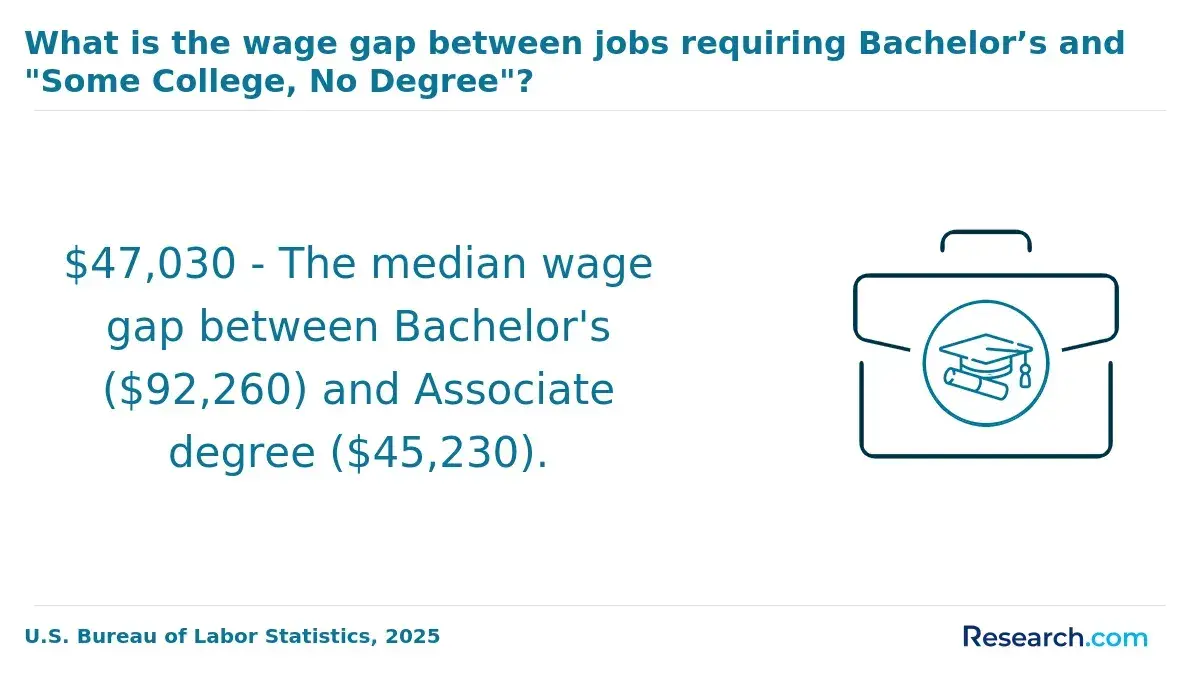
- Early-career earnings - Graduates with a 2-year health information management degree enter the workforce sooner, typically earning a median annual wage around $48,000, according to the U.S. Bureau of Labor Statistics data from 2023. This allows earlier income generation compared to bachelor's degree holders, whose starting salaries tend to be 10-20% higher but require additional years of study.
- Long-term earning potential - Health information management professionals with a bachelor's degree often see median salaries near $70,000, reflecting eligibility for supervisory or specialized roles. While 2-year HIM degree holders begin with lower wages, bachelor's degree graduates generally experience faster salary growth over time.
- Employer perception and career progression - Bachelor's degrees typically open doors to leadership positions within healthcare organizations. Associate degree holders might need extra certifications or experience to advance, which can extend the timeline for career growth despite quicker workforce entry.
- Lifelong earnings trade-off - Early entry into employment with a 2-year HIM degree can lead to valuable work experience and income accumulation, which partially offsets the lower initial salary. The trade-off between time saved and earning potential is important when comparing the ROI of accelerated versus traditional degrees in health information management.
Students aiming for a faster start might also explore other affordable pathways in healthcare education, such as the cheapest DNP programs available online. When considering a health information management degree salary comparison, the choice between a 2-year HIM degree vs bachelor salary should align with personal career goals and financial needs.
Which Factors Most Affect ROI for Accelerated Health Information Management Degrees?
For students weighing accelerated health information management degrees, understanding return on investment (ROI) is essential to ensure the program meets their career and financial expectations. ROI depends on multiple factors that influence both the cost and benefits of an accelerated path.
Below is a breakdown of these key elements to consider.
- Time-to-completion: Accelerated degrees shorten the traditional four-year timeline to two or three years, allowing students to enter the workforce faster. This reduction in study duration can significantly decrease the time before earning a salary, boosting overall financial returns.
- Tuition and total cost: Although per-credit rates may be higher in condensed programs, the shorter program length often lowers total tuition and expenses. Additional savings come from reduced fees, materials, and less spending on housing and commuting.
- Opportunity cost savings: Finishing sooner minimizes lost wages that would accumulate if students spent extra years in school. Faster completion enables earlier career advancement and income growth, which positively impacts ROI.
- Employment outcomes and salary growth: Graduates typically qualify for specialized roles in medical records and health data, benefiting from steady job growth. Median salaries ranging from $48,000 to $60,000 enhance the financial advantages relative to associates-level positions.
- Industry demand: Rising needs for expertise in electronic health records, coding, and data analytics support strong employment prospects. Demand spans healthcare and other sectors like insurance and government, amplifying job security.
- Transferability of skills: The competencies gained-such as health IT proficiency and regulatory knowledge-often apply across multiple industries. This versatility offers graduates flexible career options beyond traditional healthcare settings.
How Do You Decide If a 2-year Health Information Management Degree Is Right for You?
Choosing a 2-year health information management degree demands reflection on your personal learning preferences and ability to handle a fast-paced curriculum. This type of program condenses material into a shorter period, so strong organizational skills and commitment are necessary. Consider your current responsibilities-whether you can dedicate time without sacrificing work or family obligations. Also, think about how urgently you want to enter the workforce, as accelerated degrees offer quicker access to job opportunities but require intensive focus. Assess if this rapid approach aligns with your academic strengths and professional ambitions.
From a financial and practical perspective, these programs often lower tuition and living expenses, potentially increasing overall value. Health information technology careers show steady demand, with median wages around $48,000 annually and job growth projected near 11% through 2031, suggesting stable prospects. However, many employers expect candidates to hold at least a bachelor's degree plus certifications, which may affect hiring. Additionally, it's essential to weigh how this degree fits your long-term goals since broader educational experiences can provide more advancement options in health information management over time.
What Graduates Say About Their 2-Year Health Information Management Degree
- Kessler: "Choosing the 2-year accelerated bachelor's degree in health information management was perfect for me because it balanced speed with a deep dive into the industry. Managing a rigorous schedule wasn't easy, but the structured courses and support from faculty helped me stay on track. Now, with the degree costing less than many traditional programs, I've landed a fulfilling role in medical data analytics that values my specialized expertise. "
- Calvin: "The fast pace of the 2-year health information management program initially felt overwhelming, but it taught me invaluable time management and prioritization skills. I opted for this route to avoid the high average costs of longer programs, which allowed me to graduate debt-free. This degree has been a game-changer in my career, enabling me to secure a leadership position in health records administration sooner than I expected."
- Ivara: "After thorough research, I chose a 2-year accelerated health information management degree because I wanted to quickly transition into the healthcare industry without sacrificing educational quality. The intense coursework demanded dedication, but the concise format allowed me to focus completely on mastering critical concepts. Professionally, this degree opened doors to advanced roles in compliance and information governance, reflecting the strong industry demand."
Other Things You Should Know About Health Information Management Degrees
The time commitment in an accelerated bachelor's program is intensive, often requiring students to balance multiple priorities, which can strain work-life balance. Prospective students should consider personal schedules and support systems to manage this demanding academic pursuit effectively.
In 2027, pursuing an accelerated bachelor's degree after completing a 2-year health information management program can offer significant benefits. These include enhanced career prospects, a deeper understanding of health informatics, and a stronger foundation for leadership roles in healthcare. Additionally, this path may improve earning potential and provide quicker entry into postgraduate opportunities.
References
- B.S. in Health Information Management https://shp.rutgers.edu/bs-health-information-management/
- MHA vs. Bachelor's in Healthcare Management https://www.mhaonline.com/faq/bachelors-in-healthcare-management-vs-mha
- Health Information Management - Associate Degree https://www.blackhawk.edu/Programs-Courses/Health-Information-Management
- 7 Jobs You Can Get With a Health Information Management Degree https://www.rasmussen.edu/degrees/health-sciences/blog/jobs-with-health-information-management-degree/
- Health Information Management Program (HIM) | CHA Learning https://chalearning.ca/programs-and-courses/health-information-management-program/
- Earn Your Graduate Informatics Degree Faster with USF Health https://www.usfhealthonline.com/resources/career/accelerated-masters-program/
- Health Information Management https://saskpolytech.ca/programs-and-courses/programs/Health-Information-Management.aspx
- Two year accelerated degrees https://www.staffs.ac.uk/courses/undergraduate/study-options/two-year-accelerated-degrees
- Two-Year Accelerated Degree https://www.kent.ac.uk/courses/undergraduate/two-year-accelerated-degree
- Fast Track Your Future: How Accelerated Degrees Benefit Career Starters, Changers and Climbers - Beal University https://beal.edu/fast-track-your-future-how-accelerated-degrees-benefit-career-starters-changers-and-climbers/


