
2027 Part-Time vs. Full-Time Liberal Arts Degree Programs

Co-Founder and Chief Data Scientist
Many students face a difficult choice between part-time and full-time liberal arts degree programs while managing work commitments, financial concerns, and academic ambitions. According to recent data, nearly 40% of liberal arts enrollees opt for flexible learning options to balance these demands. Understanding the nuances of each format can ease the decision-making process for those juggling multiple priorities.
This article explores key differences in workload, pacing, and outcomes between part-time and full-time liberal arts study. By presenting clear comparisons, it aims to help readers determine which program type aligns best with their personal and professional goals, ensuring a more informed and confident educational path.
Key Benefits of Part-Time vs. Full-Time Liberal Arts Degree Programs
- Part-time programs allow students to balance work commitments, supporting steady income and reducing loan dependency, which fosters better financial management throughout their liberal arts studies.
- Flexibility in part-time studies supports diverse life circumstances, enabling students to accommodate family or personal responsibilities without sacrificing academic progress.
- Full-time liberal arts enrollment often speeds up degree completion, enhancing early career entry and enabling quicker advancement in competitive fields, as shown by a 15% faster job placement rate.
How Are Part-Time Liberal Arts Programs Structured Compared to Full-Time Programs?
Choosing between part-time vs full-time liberal arts program structure is an important decision, as scheduling differences affect both the pace of learning and the overall academic experience. Understanding these distinctions helps students align their educational goals with personal and professional commitments effectively.
Part-Time Program
- Course Load: Students typically take 1-2 classes per term, allowing for a lighter academic workload.
- Weekly Commitment: Around 10-15 hours per week are dedicated to coursework, balancing study with other responsibilities.
- Scheduling Flexibility: Evening, weekend, and online classes give students the ability to tailor their schedules.
- Format Options: Over 60% of part-time liberal arts students engage through online or hybrid course formats, enhancing accessibility.
Full-Time Program
- Course Load: Full-time students enroll in 4-5 classes per semester for immersive study.
- Weekly Commitment: Students spend 30-40 hours weekly on classes, studying, and assignments.
- Scheduling Flexibility: Primarily weekday daytime classes support consistent campus engagement.
- Campus Life: Full-time formats promote faster progression and deeper immersion in campus activities.
The differences in liberal arts degree program formats present distinct advantages depending on individual needs, especially for working adults. Those seeking a more manageable pace may explore part-time options, while others might consider accelerated paths such as a fast bachelor's degree online to complete their studies sooner.
How Long Does It Take to Earn a Part-Time vs Full-Time Liberal Arts Degree?
Understanding the time required to complete a liberal arts degree program is essential for students planning their academic and career timelines. The duration varies significantly between part-time and full-time enrollment, influencing personal and professional decisions.
Typically, full-time students complete a liberal arts degree in about four years, following a traditional semester schedule with a course load of 12 to 15 credits per term. In contrast, part-time students often take six to nine credits per semester and generally need between six to eight years to finish their degree.
This difference highlights important considerations related to part-time vs full-time liberal arts degree duration.
- Course Load Intensity: Full-time students progress faster due to heavier credit loads, allowing for earlier graduation within the standard timeframe.
- Program Structure: Many institutions offer accelerated or evening classes that help part-time learners reduce overall completion time.
- Transfer Credits: Credits earned from other colleges or Advanced Placement exams can shorten the time needed regardless of enrollment status.
Students interested in alternative schedules can explore degree programs for older adults online, which might offer flexible pacing and tailored support.
Are Admission Requirements Different for Part-Time vs Full-Time Liberal Arts Programs?
While there is considerable overlap, key distinctions exist due to the varied demands and flexibility of each format. Applicants should consider these differences to meet the specific expectations of their preferred study path.
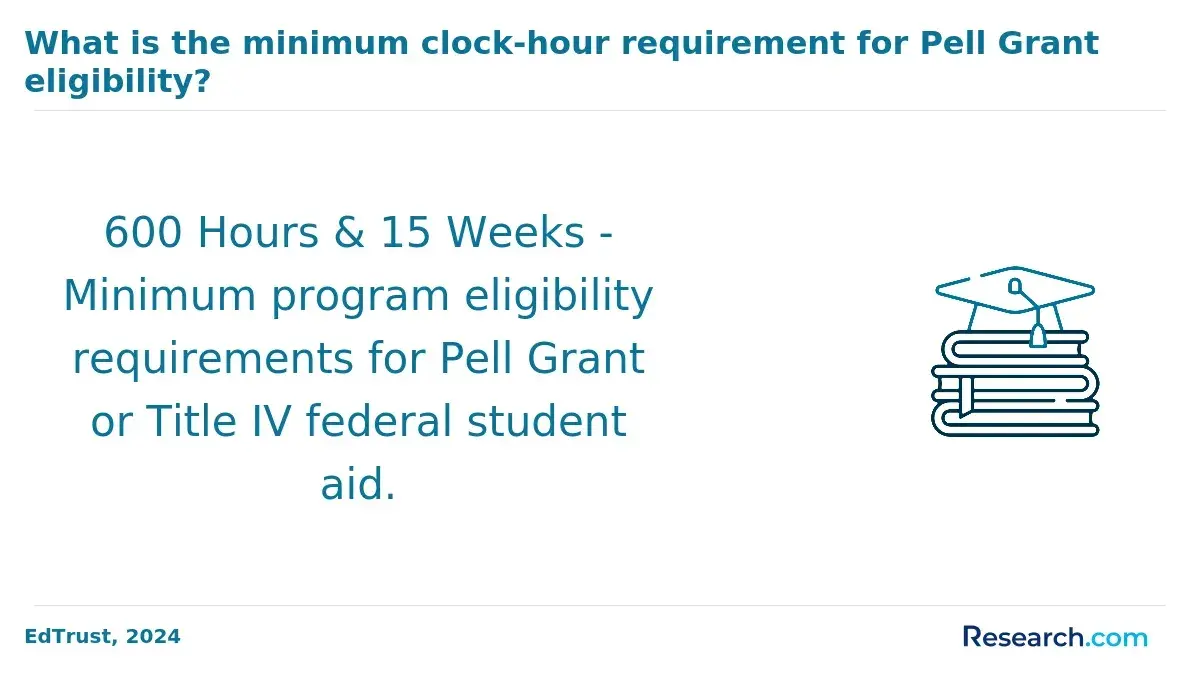
- GPA and Academic Records: Full-time liberal arts program entry requirements often include higher minimum GPA thresholds, commonly around 3.0, reflecting competitive admissions. Part-time liberal arts programs generally accept lower GPAs to accommodate working students balancing education with other responsibilities.
- Prerequisite Coursework: Full-time applicants typically need to have completed prerequisite courses relevant to their intended major before enrollment. In contrast, part-time programs usually offer flexibility by allowing students to fulfill prerequisites progressively while attending classes.
- Professional Experience: Admissions criteria for part-time liberal arts programs frequently emphasize relevant work experience, recognizing practical skills and maturity as valuable assets. Full-time programs place less emphasis on professional background, focusing more on academic readiness.
- Standardized Tests: Many full-time liberal arts programs continue to require SAT or ACT scores, particularly for first-time college students. Part-time programs often waive these requirements or maintain test-optional policies.
- Supporting Documents: Both formats value letters of recommendation, personal statements, and resumes. However, part-time liberal arts applicants tend to highlight career achievements and professional goals.
Prospective students seeking flexible options might also explore affordable advanced degrees, such as cheap online doctoral programs, which often accommodate part-time study.
Understanding these differences in admission criteria for part-time liberal arts programs and full-time liberal arts program entry requirements can help applicants choose the best fit for their academic and professional goals.
How Do Tuition Fees Differ for Part-Time vs Full-Time Liberal Arts Programs?
Tuition costs for part-time and full-time liberal arts programs mainly differ because of how credits are billed and the pace of enrollment. Full-time students usually pay a flat fee per semester, covering a set range of credits, while part-time students are charged by each credit hour they take.
These billing methods impact both immediate expenses and overall affordability, making it crucial for students to assess their budget and study goals before choosing a format.
- Per-Credit Tuition Rates: Part-time students often face similar or slightly higher charges per credit compared to full-time peers. However, they only pay for courses they register in each term, potentially minimizing upfront costs.
- Overall Program Cost: Full-time enrollment may lead to quicker completion, lowering the total tuition paid over time. Part-time students spread fees across more semesters, which can increase cumulative expenses despite smaller term bills.
- Financial Aid Implications: Full-time students typically have access to broader aid opportunities, including larger grants and scholarships. Part-time students may qualify for fewer or reduced financial assistance options.
- Additional Fees: Full-time students frequently incur mandatory campus and service fees that part-time students might pay less often or in reduced amounts. Yet, prolonged enrollment in part-time status could accumulate these charges over many terms.
- Enrollment Intensity Impact: The pace of study affects both how quickly tuition accumulates and the financial strategies students can apply to manage payments effectively.
When speaking with a graduate of a part-time liberal arts program, she reflected on her experience balancing budget and time. She mentioned, "Paying per credit helped me control costs semester by semester, but the fees added up because I studied over several years." She also noted how managing expenses alongside work was challenging but allowed her to avoid large debt upfront.
"I appreciated spreading tuition out, even if it took longer to graduate. It gave me flexibility I wouldn't have had in a full-time program." Her perspective shows that while part-time study can extend financial commitments, it also offers practical options for students juggling education with other responsibilities.
Which Liberal Arts Degree Program Format Offers More Online or Hybrid Course Options?
Part-time liberal arts degree programs generally provide more online and hybrid course options than full-time programs. This is largely because part-time formats are designed to accommodate students balancing education with work or family commitments.
Below is how each program type typically handles online, hybrid, and on-campus courses, considering factors like design, policies, and student demographics.
- Part-time Flexibility: Designed for working adults and caregivers, these programs often include evening, weekend, or asynchronous classes to fit varied schedules. Online and hybrid formats are common to allow remote access and greater convenience.
- Full-time Immersion: Aimed mainly at recent high school graduates, full-time programs emphasize on-campus presence and traditional semester schedules, with fewer online offerings. The focus is on in-person engagement and campus resources.
- Student Demographics: Part-time students tend to be older and require adaptable learning options, while full-time students usually prefer set schedules and live classroom experiences.
- Institutional Approach: Universities tailor part-time programs with more hybrid models combining virtual lectures and on-site discussions, whereas full-time tracks prioritize face-to-face instruction.
Can Liberal Arts Students Switch Between Part-Time and Full-Time Enrollment?
Most colleges permit students to move between part-time and full-time enrollment in liberal arts programs, though this transition is guided by individual institutional policies. Typically, students need to meet academic requirements and submit formal requests within set deadlines.
Approval from academic advisors or program coordinators is usually necessary. When considering a switch, students should evaluate how this change might impact their academic progress and financial aid eligibility. Understanding these factors helps students make informed decisions tailored to their goals.
Common prerequisites for changing enrollment status include maintaining satisfactory academic standing and obtaining advising clearance. Shifting from full-time to part-time or vice versa can affect grant or scholarship qualifications, as many financial supports require full-time status.
Course availability often differs for part-time versus full-time students, potentially influencing how soon a degree can be completed. Advisors often review these changes to ensure program requirements are still met, and adjusting enrollment may extend the anticipated graduation date.
A graduate I spoke with who switched from part-time to full-time in a liberal arts degree shared that the process felt daunting at first. He described needing to balance work and study more carefully while navigating paperwork and waiting for approval. However, moving to full-time allowed him greater access to courses and campus resources, which accelerated his progress.
He reflected, "It was challenging to juggle everything initially, but becoming full-time gave me a clearer path and more momentum toward finishing my degree." This shift ultimately made his academic journey more focused and rewarding.
How Do Online, Hybrid, and Campus Liberal Arts Program Delivery Formats Affect Part-Time vs. Full-Time Learning?
Delivery format significantly shapes the learning experience by influencing flexibility levels, which vary widely between part-time and full-time students. Balancing commitments often makes flexible formats more appealing to part-time learners, while full-time students may benefit from structured environments.
- Scheduling Flexibility: Online liberal arts programs offer high scheduling flexibility, especially for part-time students managing work or family. Full-time learners benefit from asynchronous classes, while hybrid formats add adaptability through a blend of remote and on-campus sessions.
- Workload Management: Full-time students face heavier workloads across all formats, but part-time students in online or hybrid programs can better pace their studies. This pacing reduces stress and enhances retention, as shown in studies comparing campus versus online part-time liberal arts learning outcomes.
- Accessibility: Online and hybrid formats remove geographic and transportation barriers, greatly benefiting part-time students who might struggle with on-site attendance. Campus formats favor full-time students physically present, whereas 63% of part-time learners prefer online or hybrid options for accessibility reasons.
- Learning Pace: Self-paced modules in online programs suit part-time students needing flexibility between assignments. Full-time students often advance faster in campus settings due to structured schedules, while hybrid formats offer a mix of pacing anchored by in-person components.
- Student Support: Direct access to academic advisors and campus resources in traditional settings mainly serves full-time students. Online and hybrid programs expand virtual advising and tutoring, raising satisfaction by 25% among part-time online liberal arts students when remote support is robust.
For those exploring flexible learning options, considering the differences across online, hybrid, and campus offerings can guide the choice best aligned with personal and professional commitments. To find more on accredited options suitable for balancing life and study, refer to the best accredited online colleges resources.
Do Employers Prefer Full-Time Liberal Arts Degrees Over Part-Time Degrees?
Employer preferences for full-time liberal arts degrees often stem from the perception that such programs offer greater academic rigor due to their intensive coursework and immersive learning environment.
This rigor is seen as a mark of discipline and focus. Conversely, part-time versus full-time liberal arts degree value is weighed differently, as part-time students typically develop strong time management skills and gain practical work experience concurrently.
Many employers appreciate part-time graduates for their demonstrated ability to balance studies with professional responsibilities, which can translate into stronger adaptability in the workplace. These factors combine to influence whether employers lean toward full-time or part-time degree holders.
Industry-specific trends further shape these preferences. Fields like education and research may favor candidates with full-time liberal arts backgrounds for their continuous academic depth, while sectors such as business, media, and nonprofit often value the real-world skills that part-time students acquire.
A part-time degree can signal strong career readiness, particularly when paired with relevant professional experience. For students exploring their options, institutions recognized for their flexibility and dual pathways, like colleges with dual degree programs, provide valuable opportunities to combine academic learning with practical application.
Is a Part-Time or Full-Time Liberal Arts Degree More Worth It for ROI?
Return on investment (ROI) plays a pivotal role when deciding between part-time and full-time liberal arts degree programs. It weighs tuition expenses, duration, and the impact on future earnings to assess the overall value of educational choices. Considering both immediate and long-term financial effects helps students make informed decisions aligned with their career goals.
Factors influencing ROI include the following:
- Total Cost and Duration: Full-time programs typically finish within four years, minimizing tuition and living expenses, while part-time study extends duration, potentially increasing total costs due to longer enrollment.
- Opportunity Cost: Full-time students often forgo income during study, whereas part-time students can maintain jobs, balancing earnings with education expenses.
- Salary Potential: Full-time students usually access internships and networking that can boost post-graduation salaries; part-time students may face delayed entry into higher-paying roles.
- Career Advancement: Faster completion through full-time study supports earlier career progression, while part-time learners might experience slower promotion trajectories.
- Long-Term Benefits: Despite short-term affordability, part-time study may yield lower lifetime ROI due to delayed professional growth and earnings compared to full-time pathways.
How Do You Decide Between a Part-Time and Full-Time Liberal Arts Degree Program?
Choosing between a part-time or full-time liberal arts degree program is essential to effectively balance your academic ambitions, career plans, and personal responsibilities. Selecting the right format can impact your study experience, progress speed, and financial situation.
- Time Availability: Full-time enrollment requires a significant time commitment, often 12-18 credit hours per semester, suitable for those focusing mainly on studies. Part-time allows fewer credits per term, ideal if you juggle work or family obligations.
- Financial Resources: Full-time students may qualify for more scholarships and financial aid, while part-time students usually pay per credit and might miss out on certain benefits. Consider how funding options align with your budget.
- Career Goals: Full-time study often leads to faster degree completion, helping you enter the workforce or graduate school sooner. Part-time suits those preferring steady progress or employer-supported programs.
- Learning Style: Full-time programs immerse you in the material more intensely, while part-time provides flexibility for gradual learning. Choose what best matches your focus and retention preferences.
- Program Duration and Flexibility: Part-time studies typically extend the length of the degree, sometimes up to six years or more, offering adaptability for life changes. Full-time is less flexible but more streamlined toward graduation.
What Graduates Say About Their Part-Time vs. Full-Time Liberal Arts Degree
- Minnie: "Pursuing a part-time liberal arts degree was a transformative experience for me. The flexible schedule allowed me to balance work and study, making the average cost of attendance manageable over time. This degree has opened doors in my career by enhancing my critical thinking and communication skills."
- Gale: "The full-time liberal arts program deeply enriched my understanding of diverse perspectives and cultures. Despite the significant investment in tuition, which is comparable to national averages, I believe the intellectual growth and networking opportunities were invaluable for both my personal and professional life. "
- Noel: "As someone who carefully considered the return on investment, I found the cost of a part-time liberal arts degree reasonable given the comprehensive curriculum. The experience sharpened my analytical abilities and boosted my confidence in the workplace, making every dollar well spent. "
Other Things You Should Know About Liberal Arts Degrees
In 2027, part-time liberal arts students often have access to fewer electives and extracurricular activities compared to full-time students due to limited time on campus. Full-time students may benefit from more networking events, internships, and workshops facilitated by their academic commitment and presence.
In 2027, part-time and full-time liberal arts students experience similar academic opportunities, with differences mainly in course load and pace. Full-time students might benefit from more immersive schedules, while part-time students often have the flexibility to balance work or other commitments alongside their studies.
References
- Why Go to a Liberal Arts College https://www.ivywise.com/ivywise-knowledgebase/the-value-of-a-liberal-arts-education-in-todays-world/
- 5 Significant Advantages of Liberal Arts Majors https://www.umassglobal.edu/blog-news/5-significant-advantages-liberal-arts-majors
- What Is a Liberal Arts College? https://www.coursera.org/articles/what-is-a-liberal-arts-college
- Affordable Online Liberal Arts Degrees: What You Need to Know » Newlane University https://newlane.edu/affordable-online-liberal-arts-degrees/
- Full-Time vs. Part-Time Online College Degrees: Pros and Cons https://global.nmsu.edu/blog/general/ft-vs-pt-online-college/


