
2027 How Long Does It Take to Earn an Online History Degree?

Co-Founder and Chief Data Scientist
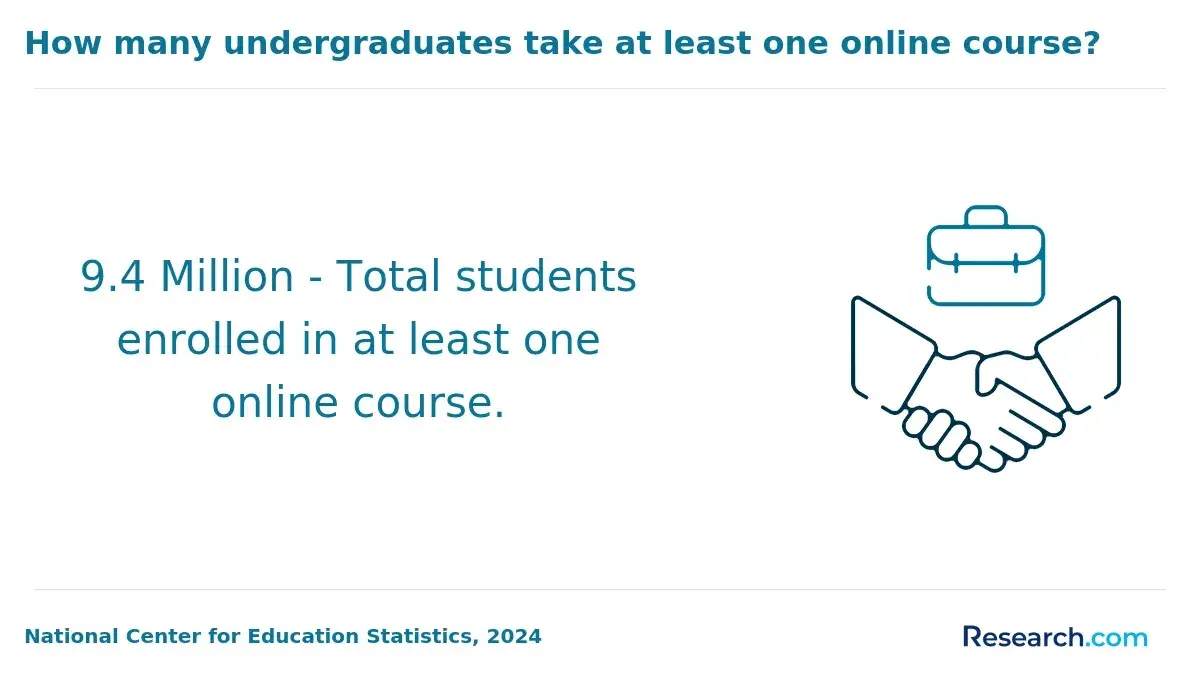
Online education offers unmatched flexibility, making it an increasingly popular choice for students pursuing history degrees. According to the National Center for Education Statistics, over 30% of undergraduates enrolled in postsecondary institutions took at least one distance education course in recent years, highlighting growing demand for virtual learning options.
For those wondering how long does it take to earn an online History degree, programs typically range from two to four years depending on the level and pace chosen. This article explores average completion times, factors influencing duration, and guidance on selecting program lengths that align with individual goals, enabling informed and confident decisions about earning an online history degree.
Key Benefits of Online History Degree
- The typical online history degree takes about four years to complete when studying full-time, aligning with the traditional on-campus timeline for a bachelor's program.
- Many programs offer flexible schedules that allow part-time study, extending completion time to six years or more but accommodating work and family commitments.
- Accelerated options enable motivated students to finish in as little as two to three years by taking extra courses or year-round classes, shortening the path to graduation.
What is the Average Completion Time for Online History Programs?
Most online history programs typically require between two and four years to complete, depending on the degree level and enrollment status. To provide a clear picture of the average time to complete online history degree programs, here is a breakdown by degree type.
- Associate Degree: Online associate degrees in history usually take about two years for full-time students. These programs focus on foundational courses and are ideal for those aiming for entry-level roles or planning to transfer into a bachelor's program.
- Bachelor's Degree: The average time to finish an online bachelor's degree in history is around four years with full-time study. Some students can complete this faster, especially if they transfer credits, with some programs allowing completion in 18-36 months. The typical U.S. graduate takes about five years, reflecting part-time or interrupted study schedules.
- Master's Degree: Most online master's programs in history are structured to be completed in two years by full-time students. Part-time options are common, and some learners may take up to five years depending on work and personal commitments. Program length can vary by specialization and institution.
- Doctoral Degree: Online doctoral programs generally require four or more years to finish, particularly for research-intensive paths. Completion durations may extend due to dissertation research demands or professional obligations.
The average time to complete online history degree programs can vary based on factors such as transfer credits and accelerated schedules. For those interested in speeding up their education, exploring an accelerated bachelors degree online may offer the opportunity to finish a bachelor's degree sooner than usual.
What Factors Can Affect How Long It Takes to Earn an Online History Degree?
Several factors influence how long it takes to earn an online history degree, ranging from academic requirements to personal commitments. Understanding these variables helps students develop effective time management skills for online history degree students and plan their educational paths more realistically. The main factors that affect program length include:
- Enrollment Status: Full-time students often complete their degrees faster, with master's programs sometimes finished in as little as 18 months. In contrast, part-time students, who balance work and family responsibilities, may take up to five years, although part-time enrollment tends to correlate with lower completion rates.
- Credit Hour Requirements: The total credits required vary, with graduate programs demanding between 27 and 46 credits and bachelor's programs around 120 credits. Higher credit loads, especially for thesis-based options, generally extend the time needed to graduate.
- Transfer Credits and Prior Learning: Utilizing transfer credits from previous college courses, AP exams, or professional experience can significantly shorten degree duration. Some schools also accept military or work experience as credit, helping students accelerate completion.
- Course Load Per Term: Students taking more courses each term can graduate sooner, while lighter course loads prolong the timeline. Flexible scheduling options like summer sessions or intensive eight-week courses allow for quicker progression.
- Institutional Policies and Program Structure: Variations in term lengths, availability of special sessions like J-term, and limits on transfer credits differ by institution, impacting how quickly a student can complete their degree.
- Student Support and Personal Circumstances: Access to academic advising, tutoring, and resources improves persistence and on-time graduation. Meanwhile, external factors such as work commitments and family responsibilities frequently affect the ability to stay on schedule.
For those exploring alternatives, programs ranked among the easiest master degree to complete may offer insights into manageable workloads and flexible structures that support efficient degree completion.
What Are the Different Types of Online History Programs Available?
Prospective students interested in pursuing an online history degree have a variety of program types and specializations to choose from, each tailored to different academic interests and career goals. Below is an overview of the primary options available to help students find the best fit for their needs.
These programs range from broad-based degrees to specialized tracks and flexible formats designed to meet diverse educational requirements and professional aspirations.
- General History Degrees: These programs, such as online BA or BS degrees in history, offer a comprehensive exploration of global, American, European, and broader world history. They emphasize developing research, analytical, and critical thinking skills, making them ideal for students seeking foundational knowledge or careers in research, analysis, and public service.
- History with Teaching Preparation: Designed for future middle or high school educators, these degrees integrate coursework on pedagogy and educational standards. Often including a teaching practicum, they align with state licensure requirements, preparing students specifically for history education careers.
- Thematic or Regional Concentrations: These programs allow for specialization in focused areas such as American history, European history, or military history. Concentrations like military history examine historical conflicts and their consequences, attracting students aiming for careers in museums, government, or the military.
- Career-Focused and Applied History Programs: Emphasizing professional readiness, these degrees incorporate internships, portfolio projects, and seminars on public or local history. They are well suited for students pursuing roles as historians, curators, archivists, or positions within government and nonprofit organizations.
- Flexible and Individualized Pathways: Many programs offer asynchronous courses and flexible scheduling to accommodate working professionals or transfer students. These degrees often allow credit transfers and personalized course selection with faculty guidance to suit unique career or academic goals.
How Many Credit Hours Are Required for an Online History Degree?
Completing an online History degree generally requires meeting a set number of credit hours that vary by degree level, with considerations for full-time or part-time study and possible transfer credits. The following breakdown offers an overview of typical credit hour requirements for various online History degrees to help you understand the academic commitment involved.
Here is a summary of credit hours expected for each degree level:
- Associate Degree in History: Typically requires 60-64 credit hours. Full-time students usually finish in about two years, while part-time learners may take longer. Some programs accept transfer credits, which can reduce the overall time to complete the degree.
- Bachelor's Degree in History: Generally requires around 120 credit hours. Most full-time students complete the degree in four years. Students who study part-time or transfer prior credits-sometimes up to 90 credits-may finish faster or take additional time based on their pace and previous experience.
- Master's Degree in History: Requires approximately 30-36 credit hours. Full-time study generally takes 1-2 years, but part-time enrollment can extend this to 3-4 years. Credit needs might vary due to thesis options, specializations, or transferred graduate credits.
- Doctoral Degree in History: Though rare online, these programs need between 60 and 90 credit hours beyond the bachelor's degree. Completion times often range from 4 to 7 years, influenced by research progress, part-time study, and transferred graduate coursework.
I recently spoke with a graduate of an online History degree who described the balancing act of managing coursework alongside a full-time job and family responsibilities. They shared how tracking credit hours helped them stay motivated, especially when facing challenging upper-level electives that required deeper research and critical writing. The flexibility to transfer some credits from a previous program gave them a valuable head start, but the unpredictability of part-time pacing meant they had to frequently reassess their timeline. Ultimately, meeting the credit hour requirements was less about rushing and more about embracing a steady, rewarding learning journey that matched their personal rhythm.
What Courses Are Included in a Standard Online History Curriculum?
A standard online history curriculum typically includes a mix of broad surveys, specialized topics, and skill-building courses that prepare students for various careers or advanced study in the field. Below is a list highlighting examples of core and specialized courses commonly offered in accredited online history programs.
- World Civilizations: Introduces students to major global societies from ancient times to the present, emphasizing cross-cultural interactions, empires' rise and fall, and foundations of contemporary world systems. This course builds essential context for careers in education, international relations, and public service.
- American History: Covers the political, social, and cultural development of the United States, often from colonization through the present. It provides critical insights for teaching, public history, or government roles.
- Western Civilization: Focuses on Europe and the Western world's history, exploring key movements like the Renaissance and Enlightenment. This background supports careers in research, museums, or cultural organizations.
- Historical Research Methods: Teaches how to analyze primary and secondary sources, conduct independent research, and develop evidence-based historical arguments. These skills are foundational for graduate study and analytical roles in archives or policy analysis.
- African, Asian, or Latin American History: Offers in-depth study of non-Western regions, covering colonialism, independence, and cultural change. This perspective prepares students for global organizations or multicultural education.
- Human Geography: Examines human settlement and environmental shaping through history, anthropology, and geography. It is useful for demographic research, urban planning, or environmental policy careers.
- 20th-Century Global History: Covers major global events of the 1900s such as world wars, decolonization, and globalization. Understanding these themes benefits roles in media, education, and international business.
- American Women's History or Social Movements: Explores the contributions and evolving status of women or significant social change movements, supporting careers in advocacy, education, and cultural institutions.
- History Capstone or Senior Thesis: A culminating research project where students apply research and analysis to original historical questions, essential for graduate studies or research-intensive careers.
- Elective Specializations: Allows selection of courses like military history, history of science, public history, or digital history, offering pathways to specialized careers or further study.
How Often Do Online History Programs Start During the Year?
Online history programs typically offer multiple start dates throughout the year, providing significant flexibility for students balancing work, family, and other commitments. This variety allows learners to begin their studies at convenient times, making it easier to fit education into busy schedules. Below is a summary of the most common start schedules available for online history degrees.
- Traditional Academic Calendar: Many universities follow the conventional academic schedule with entry points in the fall, spring, and summer semesters. This option is ideal for students who prefer structured planning and want to align their studies with standard holiday breaks.
- Rolling Admissions: Some institutions allow students to apply and start courses throughout the year without waiting for fixed semester start dates. This flexible option suits individuals eager to begin promptly and avoid delays.
- Monthly or Bi-Monthly Starts: Several programs, like those at American Public University, offer new courses every month, with sessions lasting 8 to 16 weeks. Frequent start dates accommodate students who need rapid enrollment or must adjust to changing personal schedules.
- Quarterly Starts: Universities operating on a quarter system provide start dates four times a year. This schedule offers more frequent opportunities than traditional calendars, helping students accelerate progress or better match their academic plans.
- Six Annual Starts: Some programs, such as Southern Utah University's online history degree, offer six start dates yearly. This high frequency minimizes wait times, allowing students to begin their studies within about two months and move efficiently toward graduation.
How Much Faster Can You Complete an Accelerated Online History Degree?
Accelerated online history degree programs significantly reduce the time needed to earn a degree compared to traditional semester-based formats, making it possible for students to achieve their academic goals more quickly without sacrificing quality. These programs employ several features designed to speed up graduation timelines while maintaining a comprehensive learning experience. Below are the main ways accelerated online history programs enable faster degree completion.
- Shorter Course Terms: Courses are offered in intensive sessions lasting 5 to 8 weeks instead of the usual 15-week semesters. This allows students to take more classes per year and finish a bachelor's degree in as little as 2 to 3 years or a master's in about 8 months, compared to the standard four years for a traditional bachelor's program.
- Year-Round Enrollment: Programs provide multiple start dates throughout the year, including summer sessions, enabling students to enroll continuously without long breaks. This back-to-back course scheduling shortens the overall time to graduation.
- Transfer Credits: Many programs accept generous transfer credits, sometimes up to 90 out of 120 total bachelor's credits. This policy benefits students with prior college coursework by allowing them to complete remaining requirements in a much shorter timeframe, sometimes as little as one year.
- Competency-Based Learning: Self-paced or competency-based formats let students move quickly through material they already know, spending more time on new content. This customized pace is especially helpful for working professionals with relevant experience, accelerating degree completion.
- Combined Degree Pathways: Some universities offer "4+1" or accelerated master's tracks that enable students to start graduate courses during their bachelor's program. This approach allows earning both degrees in around five years instead of six or more, saving time and money.
In speaking with a graduate of an online accelerated history degree, they described the process as demanding yet rewarding. Balancing a full-time job while taking back-to-back 7-week courses required intense focus and careful time management. The flexibility to access lectures and assignments anytime helped them study effectively after work hours. Despite occasional stress during overlapping deadlines, the sense of progress fueled motivation. They appreciated how the program's structure allowed them to quickly apply newly acquired knowledge to their current career in museum education, making the accelerated pace both practical and fulfilling.
Does Finishing an Online History Degree Faster Save You Money?
Completing an online History degree program in less time can significantly reduce the overall cost of earning your education. Understanding how accelerated completion impacts your finances is important for making an informed decision about your studies, especially when considering cost savings by finishing online history degree early. Below are key ways that finishing faster can lead to financial benefits:
- Lower Tuition Costs: Many programs calculate tuition based on the number of credits or semesters. By enrolling in an accelerated online history degree tuition plan, you reduce the total number of semesters, which can lower your overall tuition expenses significantly, sometimes by thousands of dollars.
- Reduced Living Expenses: The longer your studies, the more you spend on daily expenses such as housing, food, and transportation. Finishing your degree quicker means fewer months paying for these costs, providing a direct saving on your overall education investment.
- Earlier Entry Into the Workforce: Graduating sooner allows you to begin earning a salary earlier, improving your long-term earning potential. This is especially beneficial in fields related to history where starting your career earlier adds cumulative financial advantage over time.
- Less Time Off Work: For those balancing work and study, an accelerated timeline can reduce the time needed away from full-time employment. This helps you maintain steadier income and avoid lost wages from taking extended breaks during your education.
For students considering advanced paths, exploring doctoral programs online no dissertation can provide additional flexible options for continuing education while managing costs effectively.
How Soon Can Graduates Start Working After Earning Their Online History Degree?
Graduates with an online history degree can often start working within weeks to a few months after completing their program, depending on various factors. The typical time frame between graduation and employment varies based on the specific career path, regional job demand, and the graduate's previous work experience or professional network. Fields such as education, government, or museum work may require additional certification or follow structured hiring cycles, which can lengthen the job search.
Conversely, careers in journalism, marketing, or political campaigns tend to have more immediate openings, especially for those with relevant internships or volunteer experience. Considering the career opportunities after online history degree will help graduates set realistic expectations about their transition into the workforce.
Online history programs often provide students with the flexibility to gain valuable work experience, build professional networks, or complete internships while studying. These opportunities allow students to develop practical skills and industry connections that improve job readiness upon graduation. Participation in digital projects or collaboration with experts in fields like digital humanities and public history strengthens resumes and familiarizes students with modern workplace technologies.
Students who take full advantage of these experiences typically move faster into employment, sometimes securing offers before even graduating. Exploring the best accredited online colleges can also help students find programs designed to support this seamless transition, reflecting a positive history degree job outlook for graduates.
How Much Do Online History Graduates Earn on Average?
Graduates with an online History degree generally earn between $33,000 and over $100,000 annually, with the average salary for online history degree graduates depending greatly on career path, education, and experience. To give you a clearer picture of the history major median income in the United States, here is a breakdown of earnings by job type and experience level:
- Entry-Level Roles: Many start as museum technicians, research assistants, or archival clerks, earning from $33,000 to $47,460 per year. Pay varies based on location, employer, and public versus private institutions, with advancement possible through experience or specialized training.
- Mid-Career Professionals: Archivists, curators, and museum workers typically see median salaries near $57,100 annually. Job growth in these roles is projected at 6% through 2034, with greater pay tied to leadership duties or expertise in specific historical areas.
- Specialized Positions: Those with advanced degrees such as master's or Ph.D. can become historians, political scientists, or sociologists, earning median ranges from $74,050 up to $132,350. These positions require extensive education but offer higher income and job stability.
- Industry Variations: History graduates working in education, journalism, or government may face wide salary differences influenced by geographic location and sector. For instance, teachers often earn less than museum directors but can progress into high-paying administrative or policy roles.
- Leadership Roles: Professionals advancing to department heads, senior curators, or policy advisors often earn above $100,000, particularly in large cities and specialized institutions. This level demands significant experience, advanced education, and strong professional networks.
Choosing the right program is also important, as finishing an online degree faster can reduce costs and start your career sooner. For those looking for the cheapest school to get a bachelor's degree, exploring affordable online History degree options may be a smart step toward optimizing lifetime earnings.
Here's What Graduates of Online History Programs Have to Say About Their Degree
- Jannie: "Completing my online history degree was a transformative experience that fit perfectly around my work and family life. The flexibility allowed me to dive deep into subjects I was passionate about, such as civil rights and cultural movements, without sacrificing my responsibilities. I appreciated how the program connected me with professors and peers who challenged me intellectually and inspired me to keep pushing my boundaries. Now, working as a museum curator, I see firsthand how this degree has prepared me to bring history to life for diverse audiences."
- Verdy: "Finishing my online history degree opened many doors for my career in education. The program emphasized critical thinking and research skills that helped me obtain a teaching position at a local high school. Looking back, I'm grateful for the rigorous coursework and dynamic discussions that made learning engaging despite being remote. This degree has empowered me to inspire my students to understand the importance of history in shaping our society and their own identities."
- Jacque: "Studying history online was challenging but incredibly rewarding. The virtual format demanded discipline and self-motivation, skills that directly enhanced my professional development in archival work. I valued the diverse perspectives the program introduced, which enriched my understanding and ability to preserve multifaceted historical narratives. This journey has not only advanced my career, but also ignited a passion to contribute meaningful research that benefits my community."
Other Things You Should Know About Online History Degree Programs
Many online history degree programs accept transfer credits from accredited institutions, particularly for general education and elective courses. Transfer policies vary by school, so it is essential to verify which credits are eligible before enrolling.
Internships may not be mandatory in online history programs, but some offer virtual internships or opportunities to engage with local museums and archives. Practical experience requirements depend on the institution.
The length to earn an online History degree in 2027 depends on factors like enrollment status (full-time or part-time), transfer credits, and program structure. Typically, a bachelor's degree takes about four years full-time, but part-time enrollment or an accelerated program could alter this timeline.
References
- 5-great-tips-for-graduating-early-online-education-advantages https://www.waldenu.edu/programs/resource/5-great-tips-for-graduating-early-online-education-advantages
- Transferring midway through University. https://www.thestudentroom.co.uk/showthread.php
- History, MA (52-423) (30 hours) [Also available as an accelerated program] https://catalog.ucmo.edu/preview_program.php
- Transfer College Credit Limits https://www.ivyscholars.com/transfer-college-credit-limits/
- Key Factors Affecting Online Degree Program Success https://ccgoller.com/key-factors-affecting-online-degree-program-success/
- Do College Credits Expire? The Ultimate Guide https://www.edvisorly.com/student-guides/do-college-credits-expire
- History Online Courses | Coursera https://www.coursera.org/browse/arts-and-humanities/history
- Online Classes vs. Traditional Classes: What’s the Difference? — Pacific College https://www.pacific-college.edu/blog/traditional-vs-online-classes


