2027 Highest-Paying Jobs with a Child Psychology Master's Degree

Co-Founder and Chief Data Scientist
Graduates with a master's degree in child psychology often face uncertainty about career paths that offer both professional fulfillment and financial stability. Many professionals enter the field passionate about helping children but encounter variability in salary ranges depending on specialization and work setting. According to the U. S. Bureau of Labor Statistics, employment of psychologists, including those focused on child psychology, is projected to grow 6% from 2021 to 2031, fostering opportunities in diverse roles. This article analyzes the highest-paying jobs available to child psychology master's holders, providing insights to navigate the job market effectively and maximize earning potential.
Key Benefits of the Highest-Paying Jobs with a Child Psychology Master's Degree
- Graduates from top-paying child psychology master's programs can enter the workforce with salaries 20% higher than the national average, boosting immediate earning potential.
- Advanced specialization enables faster promotion to executive roles, often achieving leadership compensation within 5 to 7 years of practice.
- Demand growth for child psychology experts ensures long-term financial stability, with job openings projected to increase by over 13% through 2030.
What Are the Highest-Paying Jobs With a Child Psychology Master's Degree?
Earning a master's degree in child psychology expands access to senior-level and high-paying roles, with mental health specialists holding these degrees reporting median salaries above $70,000 according to the U.S. Bureau of Labor Statistics. This advanced education enables professionals to take on specialized and leadership positions that require deep expertise in child development and psychological disorders. Here are some of the highest-paying jobs for those with a child psychology master's degree.
- Clinical Child Psychologist: Focuses on diagnosing and treating mental health disorders in children. This role demands high technical expertise and is typically based in hospitals or private practices. It commands a high salary due to the responsibility for patient outcomes and specialized clinical skills.
- Child Development Director: Oversees developmental programs and policies in organizations serving children. This leadership position involves strategic planning and administration, often in educational or social service settings, with salary advantages from program impact and managerial duties.
- School Psychologist: Works in educational institutions to assess and support students' psychological needs. Combining counseling and educational expertise, this role often influences school policy and academic achievement, justifying higher compensation.
- Child Behavioral Therapist: Provides targeted therapeutic interventions for children facing behavioral challenges. Typically operating in clinics or private practice, this role requires technical proficiency and individualized planning, which drives demand and salary.
- Research Coordinator in Child Psychology: Manages child development research projects, often in academic or healthcare settings. This position requires advanced knowledge, project leadership, and grant management, resulting in elevated salaries due to contributions to evidence-based practices.
Prospective students interested in maximizing their return on education investment may also consider pursuing an online PhD to further enhance their career opportunities within the field of child psychology.
Which Industries Offer the Highest Salaries for Child Psychology Master's Graduates?
Salary potential for child psychology master's graduates often varies significantly depending on industry-specific factors such as market demand, revenue scale, and operational complexity. According to the U.S. Bureau of Labor Statistics, sectors with higher funding and specialized service requirements tend to offer notably stronger compensation for these professionals. This variability reflects the diverse opportunities available, making it important to consider industry trends when evaluating the highest-paying jobs in child psychology master's graduates. Below are some key industries known for offering above-average salaries.
- Healthcare and Psychiatric Hospitals: These settings demand advanced clinical skills and involve complex case management for children with mental health challenges. The higher budgets and stringent regulatory standards in healthcare justify premium salaries to attract qualified child psychology professionals.
- Private Educational Services: Specialized educational institutions and services require expertise in developmental psychology and individualized learning strategies. The increasing focus on mental health support in education drives compensation upward in this sector.
- Government and Federal Agencies: Positions within government bodies often involve policy development, program management, and research supporting child welfare. High responsibility and the need for specialized knowledge in children's mental health contribute to stronger pay scales.
- Research Institutions and Universities: Engaged in cutting-edge studies and academic work, these institutions value advanced credentials and expertise. Funding from grants and the need to innovate in child psychology can lead to competitive salaries.
These industries pay premium salaries because they rely on highly specialized knowledge to support mental health and developmental outcomes. For professionals seeking to enhance their career prospects, exploring the top industries for child psychology master's degree salaries can guide strategic decisions. For those interested in expanding credentials further, reputable certifications online may also offer paths to higher earning potential.
What Is the Starting Salary with a Child Psychology Master's Degree?
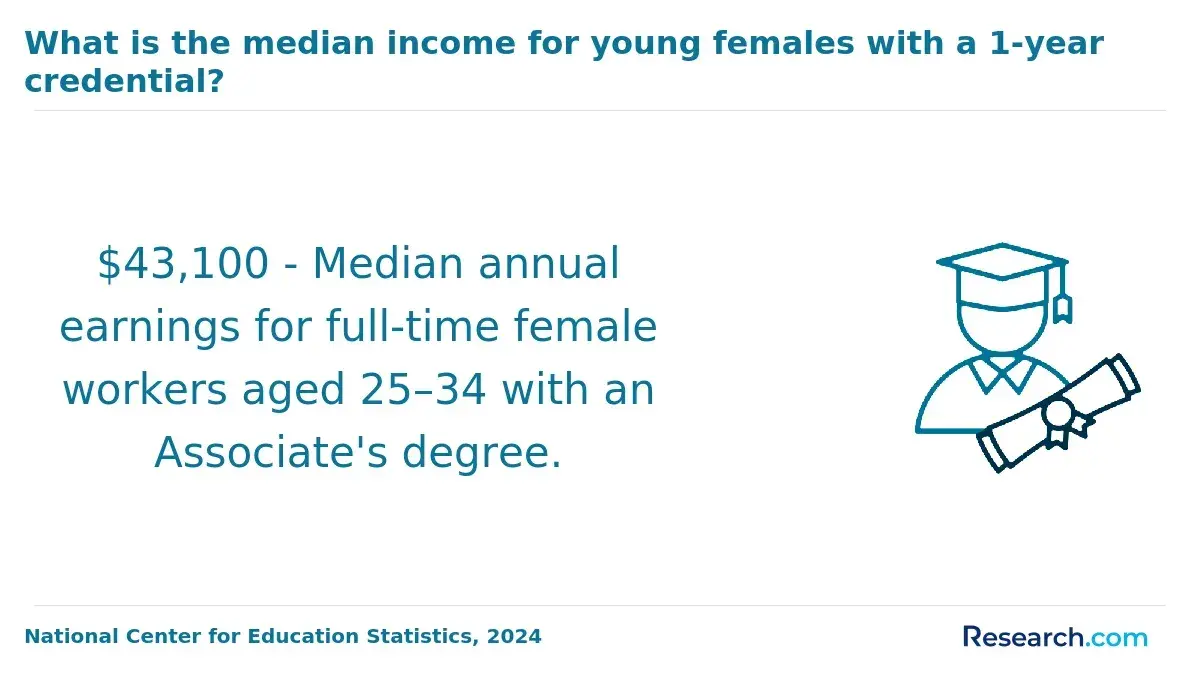
Starting salaries for graduates holding a master's degree in child psychology differ significantly depending on job role, prior experience, and current market demand. According to recent data, entry-level mental health counselors typically earn between $40,000 and $45,000 annually. Several factors play pivotal roles in determining these initial compensation packages.
- Role and Specialization: Entry-level pay varies widely based on the specific position, such as behavioral therapist, school counselor, or research assistant. Graduates should target roles aligned with higher demand to increase their starting salary prospects.
- Experience Level: Internships, voluntary work, and practicum opportunities can strengthen a candidate's resume and justify higher initial offers. Early-career professionals benefit from accumulating relevant hands-on experience whenever possible.
- Employer Type: Compensation often differs between nonprofit organizations, government agencies, and private clinics. Generally, private clinics tend to provide more competitive salaries for recent graduates.
- Market Demand: Industries facing a shortage of qualified child psychology professionals are more likely to offer attractive entry-level wages. Staying informed about demand trends can help job seekers focus applications strategically.
- Certification and Licensure: Holding credentials such as licenses or certifications enhances credibility and can elevate entry compensation. Prioritizing certification acquisition is a wise investment for new graduates.
Those interested in further education might explore options like EMBA programs, which can provide complementary skills to enhance career opportunities beyond typical child psychology roles. Understanding starting salary trends for child psychology master's degree graduates equips professionals to negotiate effectively and align their career planning with realistic entry-level compensation expectations.
Which States Pay the Highest Salaries for Child Psychology Master's Degree Holders?
Compensation for child psychology master's degree holders differs notably by state, influenced by factors such as cost of living, localized demand for advanced expertise, and the concentration of relevant industries. Recent data shows that in some states, wages for those with a master's in psychology surpass the national average by more than 15 percent. The following states stand out for their higher earning potential in this field.
- California: With its vast population and extensive network of mental health services, California generates strong demand for professionals with advanced training in child psychology. This demand often translates into premium salaries reflecting the competitive job market and specialized skill requirements.
- New York: High living expenses combined with a competitive workforce push salaries upward. Employers in New York adjust compensation to attract top talent, particularly in metropolitan areas where demand for child psychology expertise is robust.
- Massachusetts: The state's wealth of research institutions and top-tier healthcare facilities places a premium on advanced psychological skills. Graduates often benefit from associations with academic and clinical programs that value specialized knowledge.
- Texas: While its cost of living remains lower than many coastal states, Texas has seen increasing investment in mental health and child services. This blend of affordability and growing demand makes it an attractive location for child psychology graduates seeking solid salary prospects.
- Washington: Significant public and private funding in children's mental health initiatives bolsters the need for qualified experts. The state's commitment to such programs supports competitive pay scales for those holding relevant master's degrees.
When asked about which states offer the best financial opportunities, a child psychology master's graduate shared his experience navigating the job market. He recalled feeling overwhelmed during the early application stages, especially when weighing offers from different regions. "Deciding where to settle involved balancing salary expectations with quality of life," he explained. The graduate described researching various states' benefits beyond paychecks, including professional growth and community support. This holistic approach helped him ultimately choose a location that aligned with both his career goals and personal well-being.
Which Child Psychology Master's Specializations Lead to the Highest Salaries?
Specializing within a child psychology master's degree can significantly enhance earning potential, as expertise in high-demand areas often leads to higher salaries. Data from the U.S. Bureau of Labor Statistics shows that practitioners with specialized training earn up to 20% more than those in general roles. Below are some of the most lucrative specializations in this field.
- Clinical Child Psychology: This specialization centers on diagnosing and treating mental health disorders in children and teens. Salaries tend to be higher due to the complexity of cases and the critical need for evidence-based interventions.
- Neurodevelopmental Disorders: Focusing on conditions like autism spectrum disorder and ADHD, this area requires specialized therapeutic skills, making these professionals essential in providing tailored support and increasing their compensation.
- Forensic Child Psychology: Combining psychological expertise with legal knowledge, specialists assess children involved in legal proceedings, a niche that demands unique competencies and commands premium pay.
- Child and Adolescent Trauma Psychology: Addressing the mental health needs of children affected by trauma, abuse, or neglect, this specialization involves advanced treatment methods, contributing to higher salary prospects.
- School Psychology: Experts in this field support children's well-being within educational systems, often working in interdisciplinary teams, which enhances their value and income potential.
Specializations that require advanced assessment and intervention strategies tailored to children's developmental stages tend to offer the most substantial financial rewards. Their roles frequently involve collaboration across disciplines, further boosting their market demand and earning power.
What Skills Can Increase the Salary of a Child Psychology Master's Degree Graduate?
Holding a master's degree in child psychology can boost earning potential, but salary advancement often depends on mastering specific technical and leadership skills. Industry data show that professionals equipped with these competencies can command salaries up to 20% higher than those who rely solely on academic credentials. Below are five essential skills that significantly impact compensation for child psychology master's graduates:
- Data Analysis and Research Methods: Expertise in analyzing data and understanding research designs enhances the ability to apply evidence-based practices and secure funding through grant proposals. These capabilities are crucial for roles that demand rigorous evaluation of treatment outcomes.
- Clinical Assessment and Diagnostic Skills: Proficiency in accurately diagnosing developmental and psychological conditions increases value in clinical and counseling positions. Employers reward this skill as it directly affects the quality of care and client progress.
- Intervention and Treatment Planning: Designing tailored treatment strategies demonstrates practical know-how in improving patient results. This skill is foundational for positions focused on long-term therapeutic success and client wellbeing.
- Leadership and Program Management: The ability to lead teams and manage programs reflects readiness for senior roles that oversee services and develop new initiatives. Such leadership skills often translate into higher-level responsibilities and correspondingly greater pay.
- Communication and Multidisciplinary Collaboration: Effective communication fosters cooperation among departments and disciplines, improving overall service delivery. Employers value this skill for its role in enhancing organizational efficiency and client satisfaction.
When asked about what skills influence compensation in her child psychology master's studies, a working professional shared that balancing coursework with job demands was challenging but rewarding. "Gaining practical experience alongside academic knowledge helped me understand how leadership and communication open doors to advanced positions," she noted. She described navigating complex team dynamics and learning strategic planning as pivotal moments that deepened her confidence and expanded her career outlook. Her reflections highlight how combining specialized skills with formal education shapes earning potential and professional growth.
Is There a Salary Difference Between Online and On-Campus Child Psychology Master's Graduates?
Many prospective master's students wonder whether completing a child psychology program online versus on-campus influences their earning potential after graduation. According to a 2022 survey by the National Association of Colleges and Employers (NACE), about 60% of employers regard online degrees as comparable to traditional ones when the institution is reputable and accredited. This highlights a shift in employer attitudes but leaves questions about actual salary differences.
Research indicates that overall, individuals with master's degrees earn approximately 20% more than those holding only bachelor's degrees. However, when isolating the program delivery method, measurable salary gaps between online and on-campus child psychology graduates are generally minimal or nonexistent after accounting for variables such as work experience, geographic location, and the reputation of the awarding institution. Factors like employer familiarity with the school, access to networking opportunities, and relevant internship or work experience often have a stronger impact on compensation than the degree format itself.
Hiring practices have also adapted considerably, especially following recent global shifts, with many employers placing increased emphasis on practical skills and credentials over where or how a degree was earned. For master's graduates in child psychology, prioritizing applied experience and obtaining specialized certifications or licensure typically carries more weight in career advancement and salary prospects than simply the choice between an online or on-campus program.
Are Child Psychology Master's Graduates More Competitive for Executive Positions?
Many professionals pursue a master's degree in child psychology to strengthen their qualifications for senior leadership roles across various sectors. This advanced degree enhances their competitiveness by equipping them with specialized knowledge and skills crucial for executive positions. Several key factors contribute to why graduates with this credential are well-positioned for leadership. These include:
- Leadership Preparation: Advanced coursework and practicum experiences in child psychology foster skills in managing multidisciplinary teams and complex projects. This training helps graduates effectively lead initiatives focused on developmental and organizational goals.
- Decision-Making Authority: Graduates gain expertise in applying evidence-based approaches to solve organizational challenges involving children and families. This capability increases their roles as trusted advisors with significant influence in executive decision-making.
- Organizational Impact: With their deep understanding of human development, these leaders can design, implement, and assess programs tailored to client needs, thereby improving service delivery and organizational outcomes.
- Professional Credibility: Holding a master's degree in child psychology commands respect among peers, stakeholders, and funders. This enhanced credibility raises their influence in strategic discussions and policy formulation.
- Promotion Potential: Employers value the rigorous academic and practical training this degree represents, making graduates prime candidates for advancement to senior leadership roles that require both vision and expertise.
For those considering advancing to senior leadership with a child psychology master's degree, exploring options among the affordable online masters programs can be a strategic step to maximize return on investment in education.
What Is the ROI of a Child Psychology Master's Degree?
Return on investment (ROI) is a key consideration for prospective child psychology master's students evaluating tuition costs against long-term career benefits. Individuals with a master's degree tend to earn 20% to 30% more over their lifetime compared to those holding only a bachelor's degree, demonstrating the financial benefits of a child psychology graduate degree. Several key factors influence this ROI.
- Tuition Costs: Higher tuition increases initial expenses, which can extend the time needed to recoup investment through increased earnings. Choosing affordable programs can positively impact overall ROI without sacrificing educational quality.
- Salary Growth: Steady salary increases and promotions improve financial returns over time. A master's degree in child psychology often leads to specialized roles with better compensation prospects.
- Opportunity Cost: The time devoted to graduate studies results in lost wages and work experience, temporarily reducing income during degree completion. Balancing part-time studies or online options may alleviate this cost.
- Career Mobility: Earning a master's degree expands job opportunities across clinical, educational, and research settings. This flexibility improves job stability and access to higher-paying positions.
- Networking Value: Graduate programs often offer connections with professionals and mentors, accelerating career development. Access to these networks can open doors to advanced roles and collaborations.
Students prioritizing ROI in a child psychology master's degree may also explore specialized pathways such as online options featured in the data master online programs to balance cost and career advancement effectively.
What Is the Job Outlook for Child Psychology Master's Degree Holders?
For prospective child psychology master's students evaluating long-term career stability and growth potential, monitoring employment trends is vital. The U.S. Bureau of Labor Statistics forecasts about 6% job growth for psychologists, including those with advanced degrees, between 2022 and 2032, aligning with average occupational growth. Several critical elements define this evolving job market:
- Long-Term Demand Trends: Increasing recognition of childhood mental health challenges fuels ongoing demand for specialists equipped to address developmental and behavioral issues.
- Evolving Skill Needs: Graduates must continuously integrate new therapeutic approaches and evidence-based practices to stay competitive and provide effective care.
- Technological Change: Telepsychology's expansion broadens service accessibility but requires proficiency with digital tools and remote communication techniques.
- Leadership Pipelines: Advancement often relies on further certifications and supervisory experience, which enhances job security and career progression.
- Economic Resilience: Mental health services generally maintain demand despite economic downturns, offering a measure of employment stability in uncertain times.
Collectively, these factors present a promising yet dynamic employment environment, stressing sustained demand and the need for ongoing professional growth among child psychology master's degree holders.
What Graduates Say About the Highest-Paying Jobs with a Child Psychology Master's Degree
- Augustus: "Choosing a child psychology master's degree was a pivotal decision for me, especially considering the specialized career paths it opened up. Although the cost was significant, the investment has paid off with roles in clinical settings that offer some of the highest salaries in the field. The balance between what I spent and what I earn now makes me confident it was the right choice."
- Antonio: "Reflecting on my journey, pursuing a child psychology master's degree felt daunting financially at first, but scholarships and assistantships helped ease the burden. The degree equipped me with the skills needed for leadership positions in educational psychology, where compensation tends to be robust. It's rewarding to see how the financial impact of this degree extends beyond just salary to meaningful professional growth."
- Julian: "From a practical standpoint, investing in a child psychology master's degree was all about future financial security. The program's cost was a concern, yet the career opportunities in private practice and research command excellent remuneration. I'm particularly grateful for how the degree enhanced both my expertise and earning potential far beyond initial expectations."
Other Things You Should Know About Child Psychology Degrees
Yes, child psychology master's graduates can become licensed therapists. To do so, they must meet state licensure requirements, which typically include completing a set number of supervised clinical hours and passing a relevant examination. This path allows them to work in clinical settings, offering counseling and therapeutic services to children.
In 2027, the highest-paying jobs for individuals with a Master’s Degree in Child Psychology include roles such as child psychologists, clinical directors, educational consultants, and child advocacy specialists. These careers typically offer competitive salaries that reflect the expertise and specialization of the degree.
Obtaining certifications such as Licensed Professional Counselor (LPC) or Certified Child and Adolescent Trauma Professional (CATP) can enhance job opportunities and salary potential. These credentials demonstrate specialized expertise and can open doors to higher-level clinical or administrative positions.
References
- Is Grad School Worth It? A Comprehensive Return on Investment Analysis - FREOPP https://freopp.org/whitepapers/is-grad-school-worth-it-a-comprehensive-return-on-investment-analysis/
- Career Paths after M.A. Psychology https://www.lpu.in/blog/career-paths-after-m-a-psychology/
- Jobs With A Master's Degree In Psychology | Psychology.org https://www.psychology.org/resources/jobs-with-a-masters-in-psychology/
- Clinical Psychologist Salary by State (Median Annual Pay) https://www.allpsychologyschools.com/clinical-psychology/salary/
- Educational Psychology Salary for Masters & PhD Students https://mastersinpsychologyguide.com/articles/educational-psychology-salary-masters-phd-students/
- Essential Skills Needed for a Child Psychologist | NU https://www.nu.edu/blog/what-it-takes-to-be-a-child-psychologist/
- Child Development MSc https://www.ucl.ac.uk/prospective-students/graduate/taught-degrees/child-development-msc
- What Do Psychologists Earn? Highest Paying Psychology Jobs | Walbrook https://www.walbrook.ac.uk/subjects/psychology/psychologist-salaries-highest-paying-jobs/
- Child Psychologist Salary Guide 2025 - How Much Does a Child Psychologist Earn? - PsychologyJobs.com https://psychologyjobs.com/career-advice/childrens-psychologist-salary/