
2027 Highest-Paying Jobs with a Forensic Science Master's Degree

Co-Founder and Chief Data Scientist
Imagine a mid-career professional with a master's degree in forensic science struggling to identify the highest-paying roles that justify the investment in advanced education. Despite broad skills, many graduates face uncertainty about which specialized positions offer the best financial rewards amid a competitive job market. According to the U. S. Bureau of Labor Statistics, forensic science technicians earn a median annual wage exceeding $65,000, with top roles reaching well over six figures. This article explores lucrative career paths available to those with a forensic science master's degree and provides data-driven insights to help readers maximize their earnings potential.
Key Benefits of the Highest-Paying Jobs with a Forensic Science Master's Degree
- Master's programs in forensic science often lead to immediate salary boosts, with graduates earning 15-25% more than those with only a bachelor's degree in related fields.
- Specialized master's credentials can fast-track advancement to executive roles, where compensation frequently exceeds $120,000 annually within 5-7 years.
- Forensic science experts benefit from growing market demand, ensuring job security and long-term financial stability amid evolving criminal justice technology.
What Are the Highest-Paying Jobs With a Forensic Science Master's Degree?
Earning a master's degree in forensic science can open doors to senior-level and higher-paying roles, with graduates typically seeing a salary increase of about 15% compared to those holding only a bachelor's degree. This advanced education develops specialized skills and leadership capabilities essential for managing complex cases and guiding strategic decisions. For mid-career professionals exploring top forensic science careers with a master's degree salary, several roles stand out for their earning potential and responsibility.
- Forensic Science Director: Oversees forensic laboratory operations and ensures quality control. This role demands strong leadership and project management skills, typically within government or private labs. The high salary reflects responsibility for regulatory compliance and managing large teams.
- Crime Lab Manager: Manages personnel and case workflows in crime labs, requiring expertise in forensic techniques and administrative oversight. This leadership position in law enforcement or governmental agencies commands a high salary due to operational accountability.
- Forensic Toxicologist: Analyzes biological samples for drugs and poisons, necessitating advanced technical and scientific knowledge. Usually employed in medical examiner's offices or specialized laboratories, the role's complexity directly impacts legal outcomes, contributing to lucrative pay.
- Digital Forensics Analyst: Investigates cybercrimes by recovering and analyzing electronic evidence. Combining technical prowess with investigative skills, this position is often found in law enforcement or cybersecurity firms. Rising demand for digital crime expertise drives salary growth.
- Forensic Consultant: Provides expert testimony and advice in legal cases, blending deep technical expertise with communication skills. Commonly engaged by law firms or corporations, compensation reflects the strategic value brought to critical cases.
Professionals seeking to maximize their investment in graduate education might consider programs such as a 1 year masters degree, which can accelerate entry into these high-paying forensic science master's degree jobs in the US.
Which Industries Offer the Highest Salaries for Forensic Science Master's Graduates?
Salary potential for forensic science master's graduates often varies by industry due to differences in market demand, revenue scale, and operational complexity. The U.S. Bureau of Labor Statistics notes that professionals in specialized sectors may earn up to 25% more than those in general public service roles. These factors create significant pay disparities across industries, leading to some fields offering substantially higher compensation. Below are industries known for offering higher-than-average salaries to forensic science master's graduates.
- Pharmaceutical and Biotechnology: These industries demand rigorous forensic analysis to ensure regulatory compliance and protect intellectual property. The complexity of their products and strict deadlines mean advanced expertise commands premium salaries.
- Private Security and Consulting: Companies in this sector rely on forensic science master's degree holders for critical investigative and risk assessment work. The sensitive nature of their operations and legal implications drive strong compensation packages.
- Federal Law Enforcement Agencies: These agencies require forensic experts for high-stakes cases, often involving complex litigation. The critical outcomes and pressure of accuracy contribute to top-paying positions in this sector.
- Financial and Insurance Services: Accurate forensic analysis is essential in detecting fraud and complying with regulatory standards. The high financial impact of errors results in premium pay for expert forensic professionals.
- Legal and Forensic Consulting Services: These services depend on forensic science graduates to provide specialized insights that influence litigation strategies. Their expertise in complex cases justifies higher salaries than average.
Identifying the top-paying industries for forensic science master's degree holders is essential for mid-career professionals aiming to maximize their return on investment. Those graduates who are exploring educational pathways might also consider programs such as the best associate degree in 6 months online, which can complement their credentials and broaden career options.
These industries are recognized among the highest salary careers for forensic science graduates in the United States, reflecting the high demand for advanced technical skills, operational efficiency, and accuracy in forensic work.
What Is the Starting Salary with a Forensic Science Master's Degree?
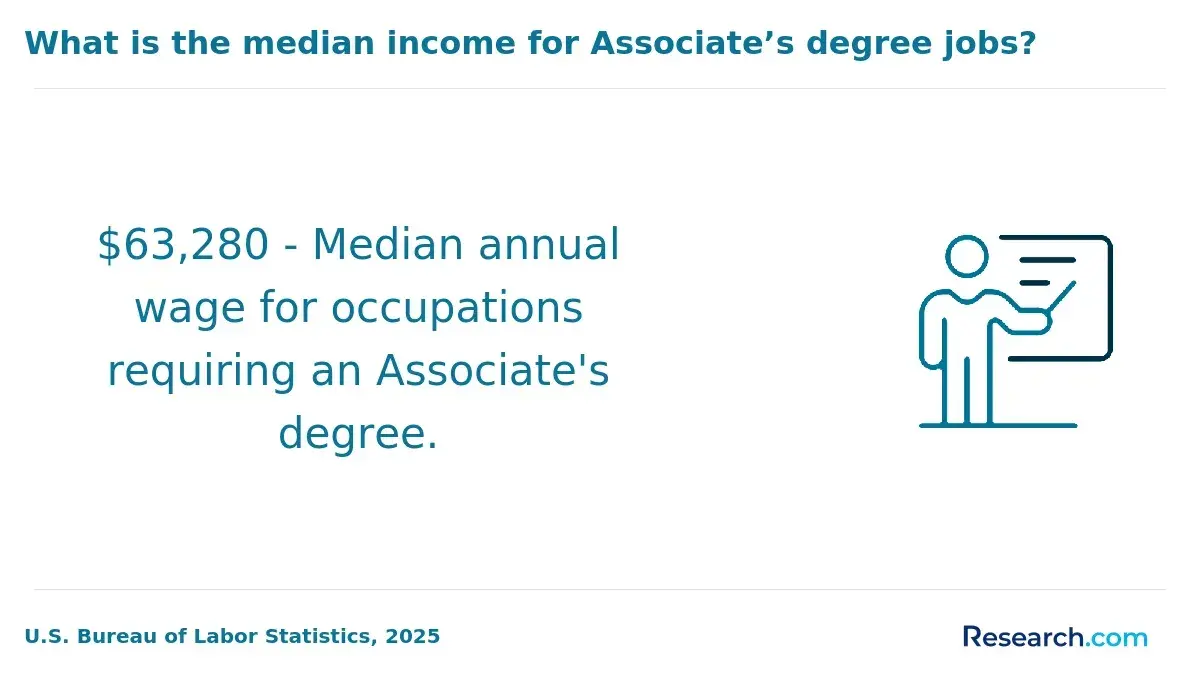
Starting salaries for forensic science master's degree graduates typically range from $50,000 to $65,000 annually, though this varies widely based on specific roles, individual experience, and market demand. The average entry-level forensic science master's degree salary reflects these factors, influencing initial compensation. Several key elements shape these starting offers.
- Job Role and Responsibilities: Salaries differ depending on the complexity and specialization required. Positions demanding advanced certifications or niche expertise often command higher starting pay, so early-career professionals should target roles that align with their technical strengths.
- Relevant Experience: Internships, laboratory work, or research involvement enhance a candidate's value, justifying elevated offers. Graduates who accumulate hands-on experience during their program can position themselves for better starting salaries.
- Employer Type: Government agencies often provide fixed pay scales, while private firms may offer more flexibility in salary negotiations. Understanding employer expectations helps graduates tailor their applications and discussions accordingly.
- Technical Expertise: Proficiency in cutting-edge forensic methods and analytical software can distinguish new professionals. Investing in developing these skills increases competitiveness in securing higher entry-level pay.
- Professional Networking: Active participation in forensic science associations opens doors to exclusive job leads and salary packages. Building a strong professional network early enhances prospects for attractive starting wages.
Early-career forensic science professionals can further improve their financial outlook by seeking specialized or experiential opportunities before graduation. Such preparation strengthens their position within a competitive job market, maximizing the starting salary potential of a forensic science master's degree.
For those considering affordability alongside career prospects, exploring options like the cheapest online university can provide valuable pathways into the field.
Which States Pay the Highest Salaries for Forensic Science Master's Degree Holders?
Compensation for forensic science master's degree holders differs widely across U.S. states, shaped by variables like local cost of living, demand for high-level expertise, and the density of forensic and law enforcement agencies. Wage disparities between top-paying regions and the national average can surpass 20%, reflecting how location significantly impacts earning potential. Below are some states recognized for delivering particularly strong salaries to those with advanced forensic science credentials.
- California: The state's extensive network of law enforcement agencies and private forensic companies drives high demand for skilled professionals. This concentration creates a competitive market, boosting salary levels.
- New York: High competition in both federal and state forensic laboratories fuels attractive compensation packages. Advanced degree holders benefit from the abundance of forensic operations concentrated in metropolitan areas.
- Virginia: Proximity to numerous federal agencies and tech hubs raises salary standards. The demand for specialized forensic skills grows alongside government contracts and innovation centers.
- Texas: Expansion of forensic services, paired with regional wage adjustments reflecting living costs, results in rising pay. The state balances growing industry needs with cost-of-living considerations.
- Florida: Strong emphasis on forensic innovation and well-staffed crime labs support competitive wages. The state's growing population and case volume sustain demand for experienced forensic scientists.
When asked about his experience navigating the job market, a forensic science master's graduate shared that relocating was a challenging yet necessary step to reach higher earning opportunities. He recalled, "I had to weigh the cost of moving against the salary bump but ultimately chose a state where the industry was thriving." The graduate described the complexity of researching roles, networking with local agencies, and adjusting to varying workplace expectations. "It wasn't just about salary; job stability and career growth played huge roles in my decision," he reflected, highlighting the multifaceted nature of choosing the best location for career advancement.
Which Forensic Science Master's Specializations Lead to the Highest Salaries?
Specializing within a forensic science master's program can notably increase earning potential, with experts in niche areas earning up to 15% more than those with general expertise. This salary premium reflects the growing demand for advanced knowledge and targeted skills in complex investigative fields. The following are among the highest-paying forensic science graduate specializations.
- Forensic Toxicology: This specialization often commands higher salaries due to its requirement for extensive understanding of biochemistry and pharmacology. Professionals in this area play a crucial role in detecting poisons and drugs, essential in both criminal and civil legal cases.
- Digital Forensics: As cybercrime continues to escalate, specialists skilled in data recovery and cybersecurity are increasingly valuable. Their technical abilities to trace digital footprints make them highly sought after and well-compensated.
- Forensic Pathology: This field demands specialized medical training to determine causes of death through detailed examinations. The combination of medical expertise and forensic application leads to elevated salary prospects.
- Forensic Chemistry: Experts analyzing physical evidence such as drugs and explosives earn more due to the complexity and critical nature of their forensic analyses in legal contexts.
- Forensic Anthropology: Specialists trained to identify human remains bring vital contributions to multifaceted investigations. Their unique skills and interdisciplinary work translate into a higher wage bracket.
What Skills Can Increase the Salary of a Forensic Science Master's Degree Graduate?
Holding a master's degree in forensic science can boost earning potential, but specific technical and leadership abilities often have a greater impact on salary. Recent data shows that professionals with expertise in advanced forensic methods and analytical skills can earn up to 20% more than those without these competencies. Below are five crucial skills that typically lead to higher salaries for forensic science master's graduates.
- Advanced DNA Analysis: Mastering complex DNA techniques allows professionals to handle intricate cases requiring high accuracy, which is essential for public safety and often rewarded with increased pay. Employers value these specialists for their role in solving challenging investigations.
- Digital Forensics Proficiency: Expertise in recovering and analyzing digital evidence meets the rising demand driven by cybercrime. This skill broadens career opportunities and justifies higher compensation due to its critical role in modern investigations.
- Statistical Data Interpretation: The ability to analyze and present data accurately strengthens the credibility of forensic evidence in court, inspiring confidence among employers and legal authorities and supporting salary growth.
- Case Management and Leadership: Leading investigations and coordinating investigative teams require strong management skills, qualifying graduates for supervisory positions that typically offer better pay and responsibility.
- Forensic Report Writing and Communication: Clear, persuasive reporting of findings to legal professionals is a prized skill that directly impacts case outcomes, making it a key factor in enhancing salary prospects.
In a conversation with a working professional enrolled in a forensic science master's degree program, she reflected on the challenges of balancing coursework with job duties. "It was tough learning advanced techniques like digital forensics while managing case reviews at work," she shared. However, gaining proficiency in these areas has made her feel more confident and prepared to take on leadership roles. She emphasized that mastering communication skills was especially rewarding, as it improved her ability to explain complex findings to non-experts, which she believes will lead to higher earning potential. Her experience illustrates how developing both technical and interpersonal skills contributes meaningfully to career advancement and compensation.
Is There a Salary Difference Between Online and On-Campus Forensic Science Master's Graduates?
Many prospective master's students wonder if the format of their forensic science master's program-online versus on-campus-impacts their salary potential. A 2023 survey by the National Association of Colleges and Employers found that approximately 69% of employers regard online degrees as equally credible compared to traditional degrees from reputable schools. This evolving acceptance prompts a closer look at how these different formats influence earnings.
Research shows there is generally no significant salary difference between graduates of online and on-campus forensic science master's programs. Factors such as the institution's reputation, accreditation, and the quality of hands-on training tend to play a larger role in compensation than the mode of study. Additionally, relevant work experience, internships, and professional networking opportunities gained during the program often have a stronger influence on salary outcomes.
Employer perceptions have shifted over time, with practical skills and demonstrated expertise becoming more important than program delivery format. In a field like forensic science, technical proficiency and specialized certifications frequently outweigh whether a degree was earned online or on campus. Ultimately, selecting a well-regarded program offering industry connections and experiential learning remains key to maximizing earnings and career growth.
Are Forensic Science Master's Graduates More Competitive for Executive Positions?
Many professionals pursue a forensic science master's degree to strengthen their qualifications for senior leadership roles. These advanced programs provide essential skills beyond technical expertise, positioning graduates for greater competitiveness in executive positions. Several factors contribute to this enhanced preparedness:
- Leadership Preparation: Master's programs often include management training and project oversight experience, enabling graduates to confidently lead teams and departments. This foundation is critical for transitioning into senior-level leadership roles with forensic science master's graduates.
- Decision-Making Authority: The degree equips students with the ability to analyze complex cases and make strategic decisions, a core responsibility of executive roles. Enhanced decision-making skills increase the graduates' influence in organizational settings.
- Organizational Impact: Graduates gain a comprehensive understanding of forensic operations, allowing them to drive efficiency and implement effective policies. This broader perspective improves their capacity to contribute to institutional goals at higher levels.
- Professional Credibility: Possessing an advanced degree signals expertise and dedication, strengthening trust among colleagues and stakeholders. This credibility often translates into increased opportunities for leadership advancement.
- Strategic Capability: Master's graduates develop skills to align forensic department objectives with wider institutional strategies, facilitating their progression toward executive roles.
These elements collectively elevate the standing of forensic science master's graduates in the executive job market by emphasizing management, influence, and a strategic outlook that extends beyond technical proficiency. Mid-career professionals seeking to maximize their return on investment may also explore the cheapest masters degrees available online to advance competitively in this field.
What Is the ROI of a Forensic Science Master's Degree?
Return on investment (ROI) is a key consideration for prospective forensic science master's students who must evaluate tuition costs against long-term career benefits. Individuals with a master's degree in forensic science typically earn about 20% more over their lifetimes compared to those with only a bachelor's degree, highlighting the financial benefits of forensic science graduate degrees. Several factors influence this ROI, shaping potential career success and earnings growth.
- Tuition Costs: The overall expense of the program significantly impacts ROI. Lower tuition fees, access to scholarships, or flexible part-time study options reduce debt, enhancing financial returns after graduation.
- Salary Growth: Holding a master's degree can accelerate salary increases and open doors to specialized forensic science roles that typically offer higher pay, increasing lifetime earnings potential.
- Opportunity Cost: Time spent pursuing the degree means reduced income during studies. However, this short-term sacrifice is often balanced by greater earning possibilities and career advancement after graduation.
- Career Mobility: Advanced credentials enable movement into diverse forensic science specializations or leadership roles, broadening job prospects and improving long-term income stability.
- Networking Value: Graduate programs often provide vital professional connections, facilitating better job placement and advancement opportunities, indirectly boosting financial outcomes.
For mid-career professionals assessing the return on investment for forensic science master's degree programs, considering the balance of these factors is essential to maximize long-term benefits. Those interested in further professional development can also explore fields related to an online PsyD to complement their forensic expertise.
What Is the Job Outlook for Forensic Science Master's Degree Holders?
Evaluating long-term career stability and growth in forensic science is crucial for prospective master's students. Employment for forensic science technicians is projected to rise by approximately 14% from 2022 to 2032, outpacing the average growth for all occupations, according to the U.S. Bureau of Labor Statistics. Several significant factors contribute to this positive employment outlook.
- Long-Term Demand Trends: The increasing use of forensic evidence in criminal and civil cases is driving steady demand for professionals with advanced training.
- Evolving Skill Needs: Graduates who develop expertise in new analytical techniques and complex data interpretation are better positioned to secure competitive roles in the field.
- Technological Change: Continuous advancements in forensic tools and methods require ongoing education, making those with graduate-level knowledge more attractive to employers.
- Leadership Pipelines: Organizations prefer forensic scientists with master's degrees for supervisory and specialized positions, enhancing prospects for career progression.
- Economic Resilience: Forensic science careers tend to remain stable during economic fluctuations due to their essential role in law enforcement and the judicial process.
What Graduates Say About the Highest-Paying Jobs with a Forensic Science Master's Degree
- Taylor: "Choosing a forensic science master's degree was a game-changer for me because it combined my passion for science with real-world impact. Although the cost was significant, the investment paid off quickly as I secured a high-paying position in digital forensics. The financial growth has allowed me to focus on advancing my career without the burden of debt holding me back."
- Cruz: "Reflecting on my journey through a forensic science master's program, the affordability of the degree made it accessible but still rigorous. The specialized skills I gained opened doors to top-paying roles in criminal investigations and forensic toxicology, demonstrating the field's diverse opportunities. This financial stability has made me confident about recommending this path to aspiring professionals."
- Luka: "Professionally, obtaining a forensic science master's degree was a strategic decision that aligned with my goal of earning a competitive salary in forensic pathology. The cost was a concern initially, but scholarships and assistantships helped ease the financial impact. Now, the advanced expertise I possess has distinctly elevated my career prospects and income potential."
Other Things You Should Know About Forensic Science Degrees
Certification plays a significant role in advancing a forensic science career by demonstrating a higher level of expertise and professionalism. Many employers prefer or require certifications such as those from the American Board of Criminalistics or the International Association for Identification. Obtaining these credentials can improve job prospects and often leads to higher salaries and leadership roles.
In 2027, the highest-paying jobs for forensic science master's degree holders include roles such as forensic toxicologist, digital forensic analyst, and forensic science laboratory manager. These positions often require specialized skills and offer competitive salaries, particularly in private sector laboratories and consulting firms.
Continuing education helps forensic science professionals keep up with rapidly evolving technologies and methodologies in the field. Engaging in workshops, seminars, and advanced certifications can improve accuracy and efficiency in investigations. It also increases opportunities for promotions and access to specialized, higher-paying roles.
References
- 2025 Most Affordable Online Forensic Science Master's Degrees https://www.onlineu.com/most-affordable-colleges/forensic-science-masters-degrees
- Top Forensic Science Career Guide | Forensic Science Online https://www.forensicscienceonline.org/top-careers/
- Top 10 Highest Paid Forensic Science Jobs https://www.careeraddict.com/10-high-paying-careers-for-majors-in-forensic-science
- Forensic Scientist Salary: State-by-State Median Guide https://www.allcriminaljusticeschools.com/forensics/salary/
- Explore Top 12 Jobs After MSc in Forensic Science: A Detailed Guide https://internshala.com/blog/jobs-after-msc-forensic-science/
- Study Forensic Science Abroad: Top Colleges, Costs, Careers https://www.aeccglobal.com/study-abroad/courses/forensics
- Forensic Scientist - Degrees, Certifications, Career & Salary https://www.forensicscolleges.com/careers/forensic-scientist
- Return on Investment for a College Degree in Criminal Justice ROI or a College Degree in Criminal Justice https://www.criminaljusticeprograms.com/articles/return-on-investment-for-a-college-degree-in-criminal-justice/
- Top 10 Career Paths with an Online Master’s in Forensic Science https://www.stevenson.edu/online/about-us/news/top-10-career-paths-with-an-online-masters-in-forensic-science/
- Main navigation https://careersportal.ie/careers/detail.php


