2027 Highest-Paying Jobs with a Health Communication Master's Degree

Co-Founder and Chief Data Scientist
Mid-career professionals with a master's degree in health communication often face uncertainty about which career paths yield the highest financial rewards. With the health sector rapidly evolving, targeting roles that combine communication expertise with industry demands is crucial. For instance, the U. S. Bureau of Labor Statistics projects a 13% growth in health education and communication jobs through 2031, reflecting increasing employer demand. This article explores the highest-paying roles specifically tailored to health communication graduates, offering data-driven insights to help readers maximize their earning potential and career satisfaction within this expanding field.
Key Benefits of the Highest-Paying Jobs with a Health Communication Master's Degree
- Graduates from top-paying health communication master's programs can enter the workforce with salaries 20% above the national median for related fields, optimizing immediate earning potential.
- Advanced skills in strategic messaging and digital health platforms accelerate promotion to executive roles, often achieving six-figure compensation within five years.
- Demand for health communication experts is projected to grow 12% by 2030, ensuring sustained job security and financial stability in a competitive healthcare market.
What Are the Highest-Paying Jobs With a Health Communication Master's Degree?
Earning a master's degree in health communication can unlock access to senior-level and highly paid positions, with communication managers in healthcare earning a median annual salary exceeding $120,000 according to the U.S. Bureau of Labor Statistics. This advanced degree hones skills in strategic messaging, stakeholder engagement, and program evaluation, which are critical for leadership roles.
The following are the top-paying careers with a health communication graduate degree.
- Director of Health Communications: Oversees all communication strategies within healthcare organizations, requiring strong leadership and strategic planning. This role manages communication teams and multi-channel messaging efforts, with significant impact on public health information delivery, justifying a high salary.
- Public Relations Manager (Healthcare): Manages media relations, crisis communication, and brand reputation. Working closely with executives, this position demands advanced communication expertise to handle sensitive healthcare topics effectively.
- Health Communication Specialist: Designs and implements targeted health campaigns across diverse populations. This role requires technical proficiency in message design and evaluation and collaboration across sectors, contributing to its competitive pay.
- Patient Engagement Manager: Leads initiatives aimed at improving patient-provider communication and overall patient experience. Combining communication science with healthcare delivery, it demands strategic leadership and management skills.
- Healthcare Marketing Manager: Integrates market research with communication tactics to promote health services and products. This position involves managing budgets and campaigns, driving revenue and commanding strong earnings.
Professionals exploring advanced degrees might also consider related fields, such as the PharmD degree, to diversify their expertise and career options.
Which Industries Offer the Highest Salaries for Health Communication Master's Graduates?
Salary potential for health communication master's graduates often varies by industry due to market demand, revenue scale, and operational complexity. For example, recent data shows that the healthcare sector offers a 12% higher average salary for those with advanced Health Communication degrees compared to general communication roles.
This variation highlights the importance of targeting industries that value specialized expertise and strategic messaging. Industries known for offering higher-than-average salaries to Health Communication professionals include:
- Pharmaceutical and Biotechnology: These industries demand precise, strategic messaging to navigate complex regulatory environments, driving the need for highly skilled communicators. The significant research budgets and product development cycles contribute to strong compensation packages.
- Healthcare Services and Hospital Systems: Due to the critical role of patient engagement, health literacy, and crisis communication, hospitals and healthcare providers invest substantially in communication experts to improve outcomes and maintain trust.
- Health Insurance and Managed Care: This sector requires professionals to simplify and communicate complex policies and coverage options effectively, which increases the demand for specialized Health Communication skills and leads to higher salaries.
- Government Public Health Agencies: Coordinating wide-reaching health campaigns and ensuring public accountability necessitate advanced communication strategies, which in turn drive salary premiums in this sector.
These fields exemplify the top salary sectors for health communication professionals in the US, where advanced communication skills directly impact patient outcomes, regulatory compliance, and public trust.
Mid-career professionals considering graduate education might also explore related pathways through easy nursing colleges to get into for complementary skill sets that enhance career versatility.
What Is the Starting Salary with a Health Communication Master's Degree?
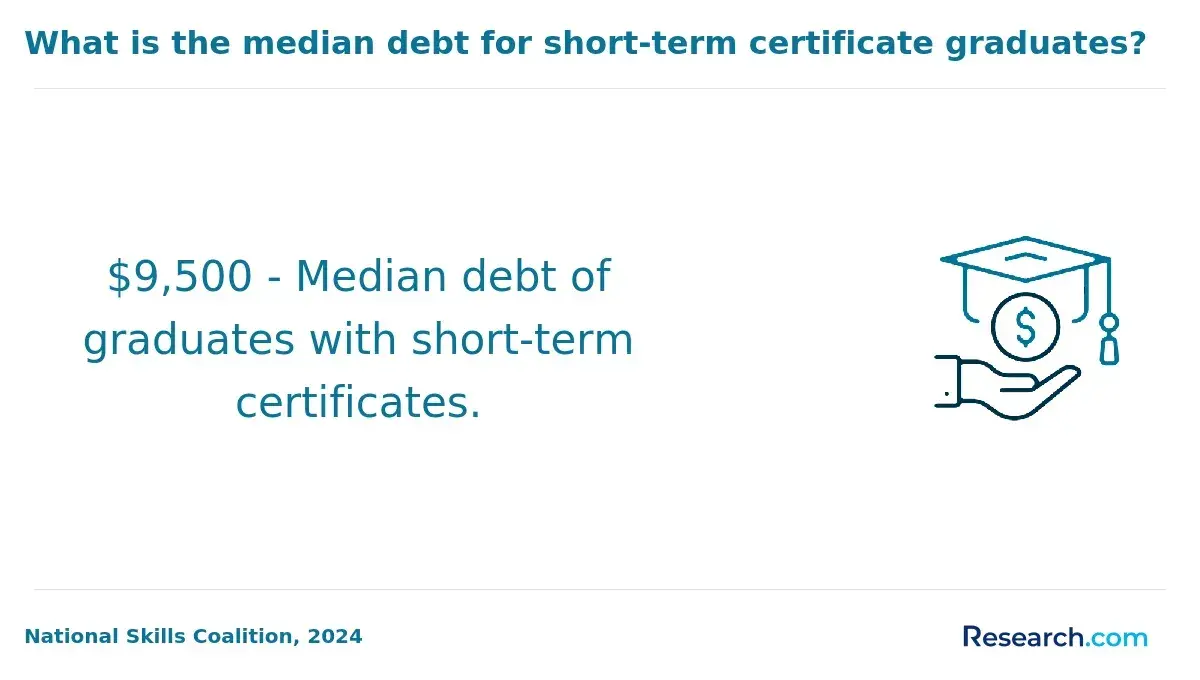
Starting salaries for health communication master's graduates commonly range between $50,000 and $65,000, though actual offers depend on various factors such as job function, experience, and market conditions. Understanding these elements helps graduates better navigate initial compensation. Key considerations include:
- Role and Expertise: Jobs demanding specialized skills like strategic planning or digital media command higher entry-level wages. Early-career health communication professionals often engage in content creation or outreach, so gaining technical proficiency can increase salary prospects.
- Previous Experience: Candidates with relevant internships or assistantships generally secure stronger starting offers than those directly out of academia. Building a portfolio or participating in practical projects enhances employability and negotiation power.
- Industry Demand: Employers in fast-expanding sectors such as healthcare technology may offer more competitive salaries to attract graduates. Staying informed about growth areas positions applicants for better starting pay.
- Networking Connections: Establishing professional relationships can grant access to superior opportunities. Active involvement in associations and industry events helps graduates leverage connections for advantageous offers.
- Communication Skills: Expertise in data translation and crisis communication increases value. Certification in digital tools and demonstrated audience engagement further improve entry-level salary potential.
Graduates aiming to maximize their salary should actively develop these attributes. For those exploring career options or cost-effective educational paths, resources like most affordable nursing programs provide valuable guidance.
Which States Pay the Highest Salaries for Health Communication Master's Degree Holders?
Compensation for health communication master's degree holders differs widely across states due to variables like regional cost of living, demand for specialized expertise, and the local concentration of relevant industries. Studies indicate wages can vary by as much as 25% between the highest- and lowest-paying states for communication master's graduates.
Such disparities reflect the economic landscape and workforce priorities in each area. Below are five states noted for providing higher paychecks to health communication professionals.
- California: A dense healthcare sector combined with burgeoning tech industries drives up salaries. Employers in these competitive markets often offer premium pay to attract skilled communicators who can navigate complex health information.
- New York: The state's extensive network of large healthcare organizations and a competitive job market contribute to elevated compensation. Demand for advanced communication roles remains high in both private and public sectors.
- Massachusetts: With a strong cluster of research hospitals and medical institutions, this state supports higher wages. Dedicated funding for health innovation helps sustain robust salary levels for communication specialists.
- Washington: Progressive public health programs and integration of health technology bolster earning potential. Increasing investment in community health initiatives creates ongoing opportunities for qualified communicators.
- Maryland: Proximity to federal agencies and a vibrant biotech industry generate lucrative positions. Employers value expertise that bridges healthcare, policy, and technology, reflecting in competitive pay scales.
Which Health Communication Master's Specializations Lead to the Highest Salaries?
Specializations within a health communication master's degree can significantly boost earning potential, driven by demand for targeted expertise. For instance, professionals skilled in digital health technologies experience salary growth nearly 15% above the field's average. Below are some of the top-paying specializations in health communication.
- Health Informatics Communication: This specialization focuses on integrating data analytics and electronic health records to improve healthcare delivery. Experts in this area are vital to organizations seeking to optimize patient outcomes through technology.
- Public Health Campaign Management: Specialists design and implement strategic outreach initiatives that influence public behavior and health trends. Their ability to manage large-scale campaigns directly impacts community health efforts, increasing their value.
- Medical and Scientific Communication: Professionals here translate complex research and pharmaceutical information into clear messaging for diverse audiences. Precision and in-depth knowledge are essential, making their contributions highly sought after.
- Digital and Social Media Health Communication: As healthcare providers expand online presence, specialists in this field drive engagement through digital platforms. Their skills enable effective communication with broader, tech-savvy populations.
- Health Policy and Advocacy Communication: Those in this area shape health legislation and influence funding decisions. Their strategic input plays a crucial role in shaping health systems, warranting premium compensation.
What Skills Can Increase the Salary of a Health Communication Master's Degree Graduate?
While a master's degree in health communication can boost earning potential, the possession of particular technical and leadership skills frequently dictates the salary range. Recent research reveals that professionals equipped with advanced competencies like data analytics can command salaries up to 20% higher than peers lacking these abilities.
Below are five crucial skills that significantly impact income prospects for health communication master's graduates.
- Data Analytics and Visualization: Mastery in data interpretation aids in monitoring health trends and patient insights, enabling graduates to take on analytical roles such as program evaluation that typically offer better remuneration.
- Digital Media Strategy: Expertise in crafting compelling digital campaigns across diverse platforms is essential as healthcare increasingly embraces online outreach, making this skill highly valuable for roles with greater responsibility and pay.
- Project Management: Ability to oversee complex projects from planning through implementation showcases organizational leadership, often linked to higher-tier positions with elevated salaries.
- Health Behavior Theory Application: Skillfully leveraging behavioral theories to design evidence-based interventions demonstrates a direct contribution to improving outcomes and securing funding, boosting salary potential.
- Leadership and Team Coordination: Effective management and team collaboration signal readiness for supervisory roles, which typically come with increased pay due to accountability and broader impact.
Is There a Salary Difference Between Online and On-Campus Health Communication Master's Graduates?
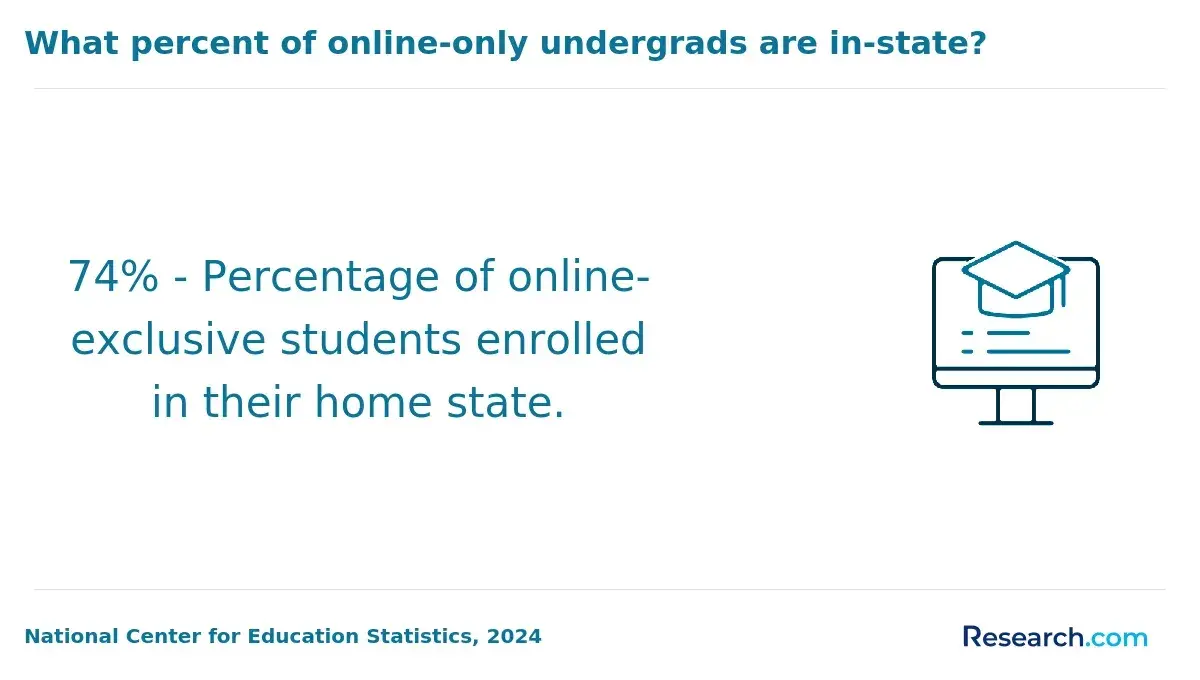
Many prospective master's students wonder if completing a health communication master's degree online versus on-campus impacts their salary potential after graduation. Research indicates that master's degree holders earn about 20% more on average than those with only a bachelor's degree. Yet, when comparing the delivery format of the degree, salary differences are less definitive. This leads to a closer look at the factors influencing compensation beyond program format.
While some employers may still perceive on-campus degrees as more rigorous, this bias is gradually disappearing in favor of skill sets and experience. Networking opportunities available through on-campus programs can enhance connections with alumni and industry professionals, which might boost job prospects and earnings. However, individuals with robust work experience and degrees from reputable institutions often command competitive salaries regardless of whether their degree was earned online or on campus.
As online education gains wider acceptance, many employers focus more on practical expertise and demonstrated abilities than on the mode of study.
Recent trends show that salary gaps between online and traditional health communication graduates are narrowing. Employers increasingly value candidates who combine relevant professional experience with effective networking, regardless of degree format. Graduates who leverage both practical skills and connections can expect competitive compensation in this evolving landscape, reflecting the growing legitimacy of online degrees in the workforce.
Are Health Communication Master's Graduates More Competitive for Executive Positions?
Many professionals pursue a health communication master's degree to strengthen their qualifications for senior leadership roles in healthcare management, recognizing the senior leadership salary advantages for health communication degree holders. This advanced education prepares graduates to take on executive positions with greater strategic oversight and organizational influence.
Five key factors contribute to the competitiveness of health communication master's graduates for such roles:
- Leadership Preparation: The curriculum integrates leadership theories with practical applications, enabling graduates to effectively motivate teams and manage complex projects, which is crucial for executive success.
- Strategic Decision-Making Authority: Graduates develop skills to design and implement communication strategies aligned with organizational goals, enhancing their ability to influence high-level decisions and shape healthcare policy.
- Organizational Impact: Training emphasizes evaluating communication outcomes and adapting methods to maximize public health impact, demonstrating a capacity to drive meaningful, institution-wide improvements.
- Professional Credibility: Advanced education signals expertise and commitment, fostering trust among stakeholders and facilitating collaboration necessary for leadership effectiveness.
- Cross-Disciplinary Insight: Exposure to public health, policy, and behavioral science equips graduates to navigate interdisciplinary challenges and promote innovative solutions within healthcare systems.
Together, these factors enhance readiness for executive roles by developing the strategic vision, authoritative presence, and influential leadership needed to navigate the complexities of healthcare organizations.
For mid-career professionals seeking to advance, pursuing specialized credentials such as an online PhD in nursing may complement a health communication master's degree and further boost competitiveness in upper management positions.
What Is the ROI of a Health Communication Master's Degree?
Return on investment (ROI) is a key consideration for prospective health communication master's students who evaluate tuition costs against long-term career benefits. Research shows that master's degree holders earn approximately 20% more over their lifetime compared to those with only a bachelor's degree, indicating a significant financial advantage.
Several factors uniquely shape the financial benefits of a health communication graduate degree.
- Tuition Costs: Higher tuition fees increase upfront debt but may be offset by programs with strong alumni networks and career services that enhance job placement. Choosing a program with balanced costs and support can improve ROI.
- Salary Growth: Advanced degrees often speed up salary progression, helping graduates reach higher income levels sooner. This acceleration creates a compelling financial incentive for earning a master's degree in health communication.
- Opportunity Cost: Time spent studying means lost wages from full-time employment, temporarily impacting income. However, the eventual increase in earnings typically outweighs this short-term sacrifice.
- Career Mobility: A master's expands access to specialized and management roles, often associated with better compensation and job security. This flexibility enhances earning potential over time.
- Networking Value: Graduate programs facilitate connections with professionals, mentors, and industry leaders, which can lead to improved career opportunities and advancement. Leveraging these networks is crucial to maximizing ROI.
Prospective students interested in flexible learning options might explore the best accredited self-paced online colleges, which can reduce opportunity costs while delivering quality education tailored to working professionals pursuing a health communication master's degree return on investment.
What Is the Job Outlook for Health Communication Master's Degree Holders?
Assessing the job outlook is vital for prospective health communication master's students considering long-term career prospects. The U.S. Bureau of Labor Statistics projects a 10% growth in employment for communication specialists from 2022 to 2032, outpacing the average for all occupations.
Several key elements shape this promising outlook.
- Long-Term Demand Trends: Rising focus on public health initiatives and prevention efforts fuels steady need for professionals skilled at translating complex medical information for diverse audiences.
- Evolving Skill Needs: Master's graduates must continuously update their expertise to include new digital platforms and data analytics competencies, maintaining relevance amid shifting communication landscapes.
- Technological Change: Advances in telemedicine and health technology introduce novel roles that require specialized communication methods bridging clinical details and patient comprehension.
- Leadership Pipelines: Organizations prioritize candidates who can steer cross-disciplinary projects, providing advanced degree holders with enhanced potential for managerial and strategic positions.
- Economic Resilience: Healthcare's stability during economic downturns offers ongoing employment security for health communication professionals with adaptive skill sets.
These factors indicate substantial opportunities for health communication graduates who actively develop relevant skills and leadership capabilities, aligning their expertise with evolving sector demands.
What Graduates Say About the Highest-Paying Jobs with a Health Communication Master's Degree
- Romeo: "Choosing to pursue a health communication master's degree was one of the best decisions I've made. Not only did it open doors to high-paying roles in healthcare consulting, but the investment was reasonable compared to the financial growth I experienced in just a few years. I truly believe the degree provided a solid foundation that elevated my career trajectory significantly."
- Aidan: "Reflecting on my journey, the cost of the health communication master's program felt daunting at first, but the practical skills and network I gained made it worthwhile. Working now as a health communications director, I find the financial rewards and opportunities for advancement justify every penny spent. This degree has been a pivotal factor in my professional and financial development."
- Luke: "Professionally, earning a health communication master's degree reshaped my career path entirely. The salary boost and diverse job prospects in public health and corporate wellness exceeded my expectations, making the upfront costs negligible. It was a strategic step that brought both personal satisfaction and financial stability."
Other Things You Should Know About Health Communication Degrees
Yes, certifications such as Certified Health Education Specialist (CHES) or Project Management Professional (PMP) can enhance a graduate's qualifications. These credentials demonstrate expertise and commitment, making candidates more competitive. Employers often value certifications that align with the strategic and management aspects of health communication roles.
Proficiency in digital tools and data analytics is increasingly vital for higher-paying positions in health communication. Skills in social media management, health informatics, and data visualization help professionals design and evaluate effective campaigns. Technological competence allows specialists to leverage new platforms for broader audience engagement and improved health outcomes.
References
- What can you do with a master's in communication? | edX https://www.edx.org/resources/what-can-you-do-with-a-masters-in-communication
- 5 Skills to Master during a Master's in Public Health - Healthcare Administration Degree Programs https://www.healthcare-administration-degree.net/lists/5-skills-to-master-during-a-masters-in-public-health/
- Master's in Communication Salaries by Career and Position (2025 Update) https://www.mastersincommunications.com/faqs/masters-in-communication-salary
- Highest Paying Public Health Careers With a Master's in Public Health Online https://www.arcadia.edu/majors-and-programs/online-mph/public-health-careers-salary-guide/
- ROI Graduate - FREOPP https://freopp.org/roi-in-higher-education/roi-graduate/
- Skills used in Healthcare Communications https://healthcomms.careers/Careers-Information/Skills
- Highest Paying Jobs in Public Health and their Salaries - MPH Online https://www.mphonline.org/highest-paying-jobs-public-health/
- Is a Public Health Master Worth It? Career & ROI Insights https://ftp.booklets.torrigiani.com/safe-channel/is-a-public-health-masters-degree-worth-it-1771054935
- Master’s in Communications Salary and Careers https://teach.com/online-ed/communications-degrees/online-masters-communications/salary-and-career-outlook/