
2027 Different Types of Health Communication Degrees and Their Salaries

Co-Founder and Chief Data Scientist
The growing demand for skilled professionals in health communication reflects the expanding need to effectively bridge the gap between healthcare providers and diverse populations. Employment opportunities in this field are projected to increase significantly, driven by a heightened focus on public health awareness and the integration of technology in healthcare delivery. Understanding the right educational path is crucial for those seeking to enter this dynamic sector and maximize their career potential. This article offers a comprehensive overview of the various types of health communication degrees available and provides insight into the earning prospects graduates can expect, assisting readers in making informed decisions about their academic and professional futures.
Key Points About Different Types of Health Communication Degrees and Their Salaries
- Associate degrees in health communication often lead to entry-level positions such as health educators or community outreach coordinators with average salaries ranging from $35,000 to $45,000 annually, making them a fast and affordable option for those entering the field.
- Bachelor's degrees in health communication open doors to a wider range of career opportunities in healthcare public relations, health policy, and communication strategy, with median salaries typically between $50,000 and $65,000, reflecting greater job stability and potential for advancement.
- Master's degrees in health communication significantly increase earning potential, with many graduates securing roles in management, consultancy, or research that offer salaries upwards of $75,000, and these advanced qualifications correlate strongly with long-term career growth and leadership positions.
What Are the Different Types of Health Communication Degrees Available?
Understanding the different types and levels of health communication degrees is important for students because each degree aligns with different educational backgrounds and career goals. Knowing how each option caters to specific interests can help students select the best program that fits their aspirations and skill development needs.
Here is an overview of the main types of health communication degrees and what makes each one unique to assist you in making an informed choice:
- Associate Degree in Health Communication: This foundational degree introduces basic concepts including message design, patient-provider communication, and ethics. Coursework often covers introductory communication theory, health literacy, and essential writing or digital communication techniques.
- Bachelor's Degree in Health Communication: Undergraduate programs provide a multidisciplinary education combining communication, social sciences, and public health. Students study how health messages are crafted and delivered, focusing on media studies, health behavior, and cultural competence.
- Graduate Certificate in Health Communication: Designed for professionals seeking focused skills without a full degree commitment, these programs emphasize designing, implementing, and evaluating health communication strategies. Subjects often include risk communication, health literacy, and emerging media.
- Master's Degree in Health Communication: Graduate programs emphasize strategic development and dissemination of health information. Students engage in applied research and study organizational communication, law, and ethics related to health contexts.
- Doctoral Degree in Health Communication: Doctoral studies focus on original research and advancing theoretical knowledge. Coursework involves complex communication theory, research methodologies, and analysis of intricate health communication challenges.
For those considering accelerated options, exploring fast degree programs can provide opportunities to advance more quickly in this field.
What Specializations Are Available in Health Communication Degrees?
Choosing a specialization is a crucial factor when pursuing a health communication degree because it directs the focus of your studies and prepares you for specific career paths. Specializations help students align their education with their personal interests and targeted professional goals, ensuring a more tailored and effective learning experience.
Below are some common health communication specializations that highlight distinct areas of expertise, skill development, and career opportunities:
- Health Communication Campaigns: This specialization focuses on designing, implementing, and evaluating public health campaigns. Students develop skills in strategic message creation, behavior change theories, and outcome measurement, preparing them for roles such as campaign managers, health educators, or communication strategists in public health agencies.
- Patient-Provider Health Communication: Emphasizing effective interactions between healthcare professionals and patients, this area teaches empathy, cultural competence, and conflict resolution. Graduates often work as patient advocates, clinical communication trainers, or hospital administrators.
- Health Policy and Advocacy Communication: Concentrating on shaping public health policies and promoting health equity, this specialization builds skills in policy analysis, lobbying, and media outreach. Career options include policy analysts, legislative aides, and advocacy directors.
- Digital and Social Media Health Communication: Focused on sharing health information via digital platforms, this track enhances abilities in content creation, digital analytics, and online engagement. Graduates find opportunities as digital health strategists, social media managers, and health influencers.
- Organizational Health Communication: This area deals with internal and external communication in healthcare settings, including crisis communication and team collaboration. Career paths include hospital communications, human resources, or healthcare consulting roles.
When exploring options for health communication degrees, prospective students might also consider the best programs for older adults online to find flexible pathways that suit their lifestyle while developing strong specialization skills.
How Long Does It Take to Complete Each Type of Health Communication Degree?
Understanding the duration of health communication degree programs is crucial for students as it helps them plan their education and career timelines effectively. Knowing how long each type of degree takes can influence decisions about enrollment, work-life balance, and financial commitments. Here is an overview of the main health communication degree types and their typical completion times.
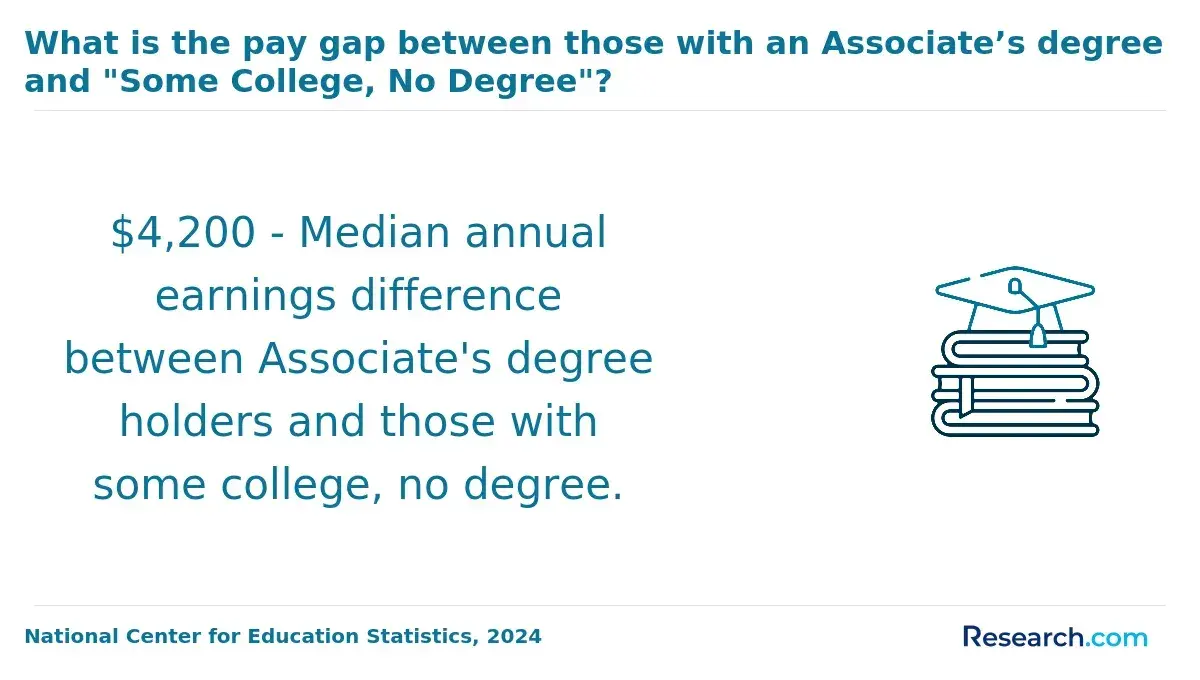
- Associate Degree in Health Communication: This program typically takes about two years to complete when attending full-time. Part-time study can extend the timeline, while transfer credits from previous coursework may shorten it. Many community colleges offer online and accelerated options to provide flexibility for working students.
- Bachelor's Degree in Health Communication: Usually requiring four years of full-time study, a bachelor's degree can take longer if students enroll part-time or change majors. Transfer credits from an associate degree can reduce the time needed. Online and hybrid programs are widely available to accommodate diverse schedules.
- Master's Degree in Health Communication: Full-time students often complete a master's degree in about two years, though some programs offer accelerated tracks lasting 12 to 18 months. Part-time enrollment is common, which may extend the duration to three or more years. Many schools provide online formats for working professionals seeking flexibility.
- Doctoral Degree in Health Communication: Doctoral programs usually require four to six years, depending on whether the student studies full-time or part-time and the time needed for research or dissertation work. Some programs offer hybrid or online components, but intensive research often mandates campus presence.
Breakdown of All Fully Online Title IV Institutions

Are There Accelerated Health Communication Degree Programs?
Yes, accelerated health communication degree programs are available across the United States, offering students the chance to complete their studies in a shorter timeframe than traditional formats. These programs commonly shorten completion times by integrating bachelor's and master's coursework into streamlined pathways, such as "4+1" models, allowing students to earn both degrees in as little as five years instead of six or more. Other popular formats include compressed courses lasting around eight weeks, year-round terms with multiple start dates throughout the calendar, and generous transfer credit policies that recognize previously completed coursework to reduce overall requirements. This flexibility benefits students eager to enter the workforce quickly or those balancing professional and personal commitments. Common features of accelerated health communication programs include condensed courses, year-round scheduling with flexible entry points, combined dual-degree options like BA/MA or BS/MPH with double-counted credits, and opportunities to transfer credits to expedite degree completion.
Prospective students should be aware of key considerations when enrolling in accelerated health communication pathways. The workload tends to be more intense, requiring greater time management skills due to faster-paced or heavier course loads. Eligibility criteria often include maintaining a minimum GPA, progress toward degree requirements, and, for dual-degree tracks, typically junior standing or prerequisite course completions. Some programs waive standardized tests like the GRE, simplifying admission steps. Additionally, accelerated graduates tend to enjoy salary advantages, with evidence showing master's degree holders in public health or health communication earning approximately $10,000 more annually than those holding just bachelor's degrees. Overall, these programs provide a viable option for motivated students seeking efficient, cost-effective education without compromising quality.
When discussing accelerated health communication programs, a graduate I spoke with shared his personal journey through a fast-tracked master's pathway. He recalled the balancing act of juggling intensive eight-week courses while working part-time, emphasizing that maintaining focus was crucial during the accelerated terms. "It felt like drinking from a firehose some weeks," he admitted, describing the rapid pace and compact syllabus. However, he appreciated how the program's structured flexibility allowed him to start most courses multiple times a year, making it easier to adjust his schedule when unexpected challenges arose. Transfer credits from his undergraduate studies also eased the pressure, enabling him to avoid redundant classes. Despite the demanding schedule, he found the experience rewarding, noting that the accelerated degree "gave me confidence and tangible skills in a condensed time frame." His story underscores how accelerated health communication programs, while rigorous, can be manageable and highly beneficial for driven students.
Are Online Health Communication Degrees as Credible as Traditional Ones?
Both traditional and online health communication degree programs in the United States maintain rigorous academic standards through accreditation by recognized bodies such as the Council for Education in Public Health (CEPH) and the Higher Learning Commission (HLC). Accredited online programs are required to meet the same curriculum, faculty qualifications, and assessment criteria as their campus-based counterparts. Core courses, including health campaign planning, risk communication, and digital media, are designed with evidence-based learning outcomes. Online programs often leverage interactive tools and real-time feedback to enhance learning, ensuring students gain comparable theoretical knowledge and practical skills regardless of the format.
Recent trends show a significant increase in employer acceptance of online health communication degrees. More than 60% of employers now view online degrees from accredited institutions as equivalent to traditional degrees, a shift accelerated by the widespread adoption of remote learning and digital communication tools during the pandemic. Large health systems and public health agencies particularly value digital literacy and adaptability, skills frequently emphasized in online programs. Ultimately, the credibility of a health communication degree depends more on the institution's accreditation and reputation than whether the coursework was completed online or on campus. Prospective students should prioritize programs with strong industry connections, robust alumni networks, and a history of graduate success, with median salaries for professionals ranging from $55,000 to $80,000 according to the U.S. Bureau of Labor Statistics.
How Much Does Each Type of Health Communication Degree Typically Cost?
Understanding the tuition differences across health communication degree levels is crucial for effective budgeting and long-term financial planning. Since costs can vary dramatically based on the degree type and institution, having a clear picture of typical expenses helps students make informed decisions. Below is an overview of the typical tuition ranges for each type of Health Communication degree:
- Associate Degree in Health Communication: Tuition data for associate-level health communication programs is limited, as these degrees may be integrated within broader communication studies. Generally, community colleges charge between $3,500 and $8,000 per year for in-state students. Public institutions usually offer more affordable rates, and many students receive state or federal grants to help offset costs.
- Bachelor's Degree in Health Communication: For a four-year bachelor's degree, public universities typically charge $10,000 to $25,000 annually for in-state students, whereas private universities may range from $30,000 to $50,000 per year. Online programs can provide more competitive pricing and added flexibility, with scholarships, work-study, and federal student loans commonly available to support affordability.
- Master's in Health Communication: Master's tuition varies significantly, usually totaling between $21,000 and $32,000 at public universities, while private schools often exceed $45,000 for the entire program. Examples include University of Illinois's online M.S. costing around $24,000 to $25,000 and Boston University's online offering near $25,452. Many graduate students explore scholarships, tuition reimbursement from employers, and graduate loans to manage expenses.
- Graduate Certificate in Health Communication: These certificate programs typically cost between $9,000 and $10,000 for a 12-credit offering at public universities. Designed for working professionals seeking specialized skills, these programs are often more affordable and may come with financial aid options depending on the institution.
When speaking with a graduate of a health communication degree program about her experience managing tuition costs, she reflected positively on her journey. She shared that while the overall expense initially felt daunting, she strategically utilized a combination of scholarships and part-time work to significantly reduce her financial burden. She emphasized how important it was to research financial aid early and remain proactive in applying for grants and employer tuition assistance.
According to her, the investment was worthwhile as her degree opened doors to career opportunities that quickly helped her recoup education costs. She recalled, "Balancing work and study was challenging, but knowing I was moving toward a rewarding career made the financial sacrifices manageable." Her experience underscores the value of thorough planning and seeking diverse support resources when tackling tuition expenses for health communication degrees.
What Jobs Can You Get with Each Type of Health Communication Degree?
The level of your health communication degree-associate, bachelor's, or master's-strongly influences the career opportunities you can pursue and the types of roles for which you are qualified. As degree levels increase, graduates often access more specialized, leadership, and analytical positions compared to entry-level roles. Below is an overview of common jobs associated with each health communication degree type.
- Associate Degree in Health Communication: Graduates typically qualify for entry-level support roles such as health communication assistant, medical office coordinator, or community outreach worker. These positions involve disseminating health information, aiding patient communication, and supporting public health programs, often within hospitals, clinics, or local health departments.
- Bachelor's Degree in Health Communication: This degree prepares students for roles including health educator, community relations specialist, patient advocate, healthcare marketing/PR specialist, or medical writer. Graduates typically work in settings like hospitals, nonprofit organizations, government agencies, or private healthcare companies, designing educational materials, managing communication campaigns, and advocating for patient needs. The median salary for these roles is about $66,320 per year.
- Master's Degree in Health Communication: Advanced degrees open doors to specialized and management-level positions such as health communication specialist, health campaign manager, risk communication manager, health policy analyst, or digital health communication strategist. Professionals in these roles often lead public health initiatives, oversee strategic communication for health authorities, develop crisis communication plans, or design digital health interventions. Employers include federal agencies like the CDC or NIH, health systems, and international NGOs, with many leadership roles earning above $75,000 annually depending on experience and setting. Students exploring options may consider affordable online masters programs to advance their prospects.
How Do Salaries Differ by Health Communication Degree Type?
Degree level often plays a significant role in determining earning potential in the field of health communication, with higher degrees generally leading to more advanced roles and increased salaries. Understanding these differences can help students make informed choices about their education and future career paths. Below is a summary of typical salary ranges associated with each type of health communication degree.
- Associate Degree in Health Communication: Entry-level positions for those holding an associate degree tend to be limited, and specific salary information is scarce. Graduates often work in support roles or continue their education with a bachelor's degree. Comparable jobs, such as community health workers, earn an average salary of about $47,780 annually, though advancement may require further schooling.
- Bachelor's Degree in Health Communication: Those with a bachelor's typically start as communication assistants or health education specialists. Starting salaries average around $38,828, with median pay rising to about $56,421 as experience increases. Factors like location, employer, and healthcare sector significantly influence salary growth.
- Master's Degree in Health Communication: Graduates with a master's can secure higher-paying roles such as communications manager or senior communication specialist. Salaries for these positions generally range from $70,998 to $78,194 per year, with some managerial roles exceeding $100,000, especially in larger organizations or costly areas. Additionally, master's holders often pursue academic or research careers, where professors typically earn around $61,014 annually.
- Doctoral Degree in Health Communication: Doctorate holders usually engage in academic, consulting, or senior administrative roles, often earning the highest incomes in this field. Salaries commonly surpass those of master's graduates, with tenured professors or senior researchers making well over $100,000, particularly at prestigious institutions or agencies. For students interested in advanced doctoral studies, there are 1-year phd programs online canada that offer efficient paths to this level of qualification.
Is There High Demand for Health Communication Degree Holders in the Job Market?
The demand for health communication degree holders in the U.S. job market is on the rise, fueled by several key factors. The rapid expansion of digital health technologies and the growing importance of clear, effective health messaging have made these professionals highly sought after. The global healthcare marketing and communications sector, valued at $49.08 billion in 2023, is expected to reach $80.80 billion by 2030, a reflection of the strong growth within this field. Employers are increasingly looking for candidates who can simplify complex medical information, create compelling digital and social media campaigns, and navigate regulatory requirements. Skills such as health marketing experience, digital health expertise, and regulatory knowledge are especially in demand. This trend is strongly tied to the widespread adoption of telehealth and virtual care services, which require well-trained communicators to ensure intuitive patient experiences and targeted health messaging.
Workforce needs for health communication specialists extend across various sectors, including hospitals, public health agencies, consulting firms, nonprofits, and government bodies. According to projections by the Bureau of Labor Statistics, healthcare occupations overall will grow 6% from 2019 to 2029, with about 1.9 million new jobs added, surpassing average growth rates in other fields. Regional demand varies: urban areas with large healthcare systems and public health programs typically offer more opportunities, while remote regions see growing prospects as telehealth expands access. Salaries in this domain can vary based on degree level and employment setting, with roles such as health information management directors and healthcare administrators commanding competitive wages. For students exploring future career options, combining a health communication degree with online certifications that pay well may enhance employability and broaden opportunities in this evolving industry.
What Factors Should You Consider When Picking a Type of Health Communication Degree?
Choosing the right degree level in health communication is a critical decision that shapes your future career opportunities, earning potential, and ability to manage your education alongside personal commitments. Making an informed choice requires careful evaluation of several important factors to ensure the degree aligns with your professional goals and lifestyle. Consider the following key factors when selecting your health communication degree level:
- Career Goals: Different degree levels qualify you for varying roles. An associate or bachelor's degree typically opens doors to entry-level positions in public health agencies or healthcare organizations, while master's and doctoral degrees are often needed for leadership, research, or specialized roles that offer higher salaries and responsibilities.
- Time Commitment: Degree programs differ in length-associates usually take two years, bachelor's four years, and master's and doctoral degrees require additional years. Assess how much time you can realistically dedicate, especially if balancing work or family life alongside studies.
- Specialization and Curriculum: Advanced degrees provide greater chances to specialize in areas like health marketing or crisis communication. Review program curricula to select one that fits your interests, whether it emphasizes communication theory, public health, or marketing aspects.
- Salary Prospects: Higher degree levels often lead to increased earning potential. Jobs requiring master's or doctoral degrees in health communication tend to offer better compensation, so research typical salaries in your desired field before deciding.
- Flexibility and Format: Many programs now offer online or part-time options, enabling you to balance education with other responsibilities. Prioritize programs that provide asynchronous coursework or flexible enrollment if this aligns with your situation.
What Health Communication Graduates Say About Their Degree and Salary
- Ravi: "The unique community engagement opportunities during my doctorate in health communication expanded both my academic and personal horizons significantly. Leading research in health literacy programs enabled me to contribute directly to improving wellness among underserved youth. This degree challenged me to harness my passion for education and advocacy while developing sophisticated communication strategies tailored to specific populations. The sense of professional growth coupled with meaningful community impact makes this journey unforgettable. I'm grateful for the blend of theory and practice that the program delivered."
- Isabella: "Reflecting on my master's in health communication, I find it was instrumental in advancing my career into healthcare consulting. The academic rigor and practical projects sharpened my strategic thinking and data interpretation skills, which employers highly value. Professionally, it's been fascinating to bridge the gap between medical experts and patient communities through targeted communication campaigns. Personally, the experience taught me resilience and the importance of empathy in professional settings. This degree truly transformed my perspective on health information dissemination."
- Jamal: "Completing my bachelor's degree in health communication opened doors I never imagined. The blend of communication skills and health knowledge gave me the confidence to start a career in public health advocacy right after graduation. I especially appreciate how my program emphasized cultural competence, allowing me to effectively connect with diverse communities and drive real change in local health initiatives. This degree not only prepared me professionally but ignited a passion for helping vulnerable populations express their health needs clearly and persuasively. The journey was challenging but deeply rewarding."
Other Things You Should Know About Health Communication Degree Programs & Salaries
In 2027, holding an advanced degree in health communication can significantly increase earning potential. Professionals with master's or doctoral degrees often qualify for leadership roles, which typically offer higher salaries than those available to individuals with only a bachelor's degree.
In 2027, industry choice significantly affects salaries for health communication degree holders. Those in pharmaceuticals and healthcare systems often earn more than peers in non-profit or governmental roles due to higher budgets and demand for specialized communication skills.
References
- MSPH in Health Education and Health Communication | Johns Hopkins Bloomberg School of Public Health https://publichealth.jhu.edu/academics/msph-in-health-education-and-health-communication
- A Career in Public Health Communication https://onlinepublichealth.gwu.edu/careers/health-communication/
- Health Communications Specialist - Certification & Salary https://www.healthcaredegree.com/administration/health-communications-specialist
- Health Communication Certificate | Department of Communication | Baylor University https://communication.artsandsciences.baylor.edu/health-communication-certificate
- Health Communication Certificate https://ci.uky.edu/comm/academics/health-communication-certificate
- Identifying Credible Sources of Health Information in Social Media: Principles and Attributes https://pmc.ncbi.nlm.nih.gov/articles/PMC8486420/
- Online vs Traditional Degrees: Similarities and Differences https://www.aiu.edu/blog/online-vs-traditional-degrees/
- Specialization - Health Communication | JOURNALISM | Fall 2025-26 https://catalog.olemiss.edu/journalism/bs-imc/bs-imc-hthcm
- Health Communication, B.A. Online https://www.pointloma.edu/adult-degree-completion/programs/health-communication-ba-online
- Master's in Communication Salaries by Career and Position (2025 Update) https://www.mastersincommunications.com/faqs/masters-in-communication-salary


