2027 Highest-Paying Jobs with a Health Sciences Master's Degree

Co-Founder and Chief Data Scientist
Mid-career professionals with a master's degree in health sciences often face the challenge of identifying roles that not only match their expertise but also offer the highest financial rewards. With employment in healthcare-related fields projected to grow by 16% from 2020 to 2030, strategic career choices have become crucial. Many graduates struggle to navigate the expanding job market where specialized skills translate into significant income disparities. This article will explore the highest-paying jobs available to those holding a health sciences master's degree, providing clear guidance to maximize return on investment and align career paths with market demand.
Key Benefits of the Highest-Paying Jobs with a Health Sciences Master's Degree
- Graduates in health sciences command salaries averaging 20% higher than peers, maximizing immediate earning potential through specialized expertise and clinical leadership roles.
- Master's degree holders accelerate advancement toward executive-level positions, with 35% faster promotion rates due to strategic management and policy development skills.
- Strong industry demand ensures long-term financial stability, as the Bureau of Labor Statistics projects 16% job growth in health sciences-related fields through 2030.
What Are the Highest-Paying Jobs With a Health Sciences Master's Degree?
Earning a master's degree in health sciences can open doors to senior-level and high-earning roles, with the U.S. Bureau of Labor Statistics noting that advanced degrees typically lead to a median salary increase of about 20% compared to bachelor's holders in related fields. This credential builds expertise suited for leadership, strategic decisions, and specialized technical roles. Below are five of the highest-paying job roles for those with a master's in health sciences, reflecting the top-paying careers with a master's in health sciences.
- Health Services Manager: Oversees healthcare facilities or departments by managing budgets, staff, and regulatory compliance. This role bridges clinical and executive teams, requiring strong leadership and financial skills that justify its premium salary.
- Clinical Research Director: Leads clinical trials and research initiatives, ensuring adherence to scientific standards and regulations. High-level project management and research methodology expertise make this position well-compensated.
- Healthcare Consultant: Advises healthcare organizations on improving efficiency, regulatory compliance, and patient outcomes. The strategic impact on organizational performance is a key factor in the elevated pay.
- Public Health Administrator: Designs and manages large-scale public health programs while coordinating among multiple agencies. The complexity and societal importance of this role command substantial compensation.
- Health Informatics Manager: Manages electronic health record systems and data analytics to enhance care delivery, combining medical knowledge with advanced IT skills essential for modern healthcare.
Mid-career professionals seeking to boost their qualifications may also consider exploring accelerated DNP programs to complement their health sciences master's degree and further advance their career prospects.
Which Industries Offer the Highest Salaries for Health Sciences Master's Graduates?
Salary potential for health sciences master's graduates often varies significantly by industry, influenced primarily by market demand, revenue scale, and operational complexity. For instance, the pharmaceutical industry typically offers salaries about 20% higher than the average for health sciences professionals. Such variations highlight the importance of targeting sectors with robust funding and specialized expertise requirements. Below are some of the highest paying industries for health sciences master's graduates.
- Pharmaceutical and Biotechnology: These sectors benefit from extensive research budgets and stringent regulatory demands, driving the need for advanced technical and scientific knowledge. Companies often pay premiums for expertise that ensures compliance and innovation within these fast-evolving markets.
- Healthcare Consulting: Firms in this industry provide strategic advisory services and complex problem-solving for healthcare clients. Strong compensation reflects the value placed on specialized insight into healthcare systems, compliance, and operational efficiency.
- Health Insurance: Risk management and regulatory compliance are core components here, requiring analytical skills and industry knowledge. Salaries are elevated due to the complexity of navigating evolving healthcare laws and optimizing coverage strategies.
- Medical Device Manufacturing: Innovation pressures and the need for technical proficiency underpin premium pay. Professionals with master's degrees in health sciences are highly sought after to manage product development and regulatory compliance.
- Government Health Agencies: These agencies offer competitive salaries to attract talent capable of guiding public health management, policy development, and compliance oversight within the public sector.
These top salary sectors for health sciences master's degree holders reward advanced qualifications because they require specialized knowledge to navigate technical, legal, and strategic complexities. For those considering further certification to enhance their career prospects, understanding the medical billing and coding certification cost can be a valuable step toward maximizing return on educational investment.
What Is the Starting Salary with a Health Sciences Master's Degree?
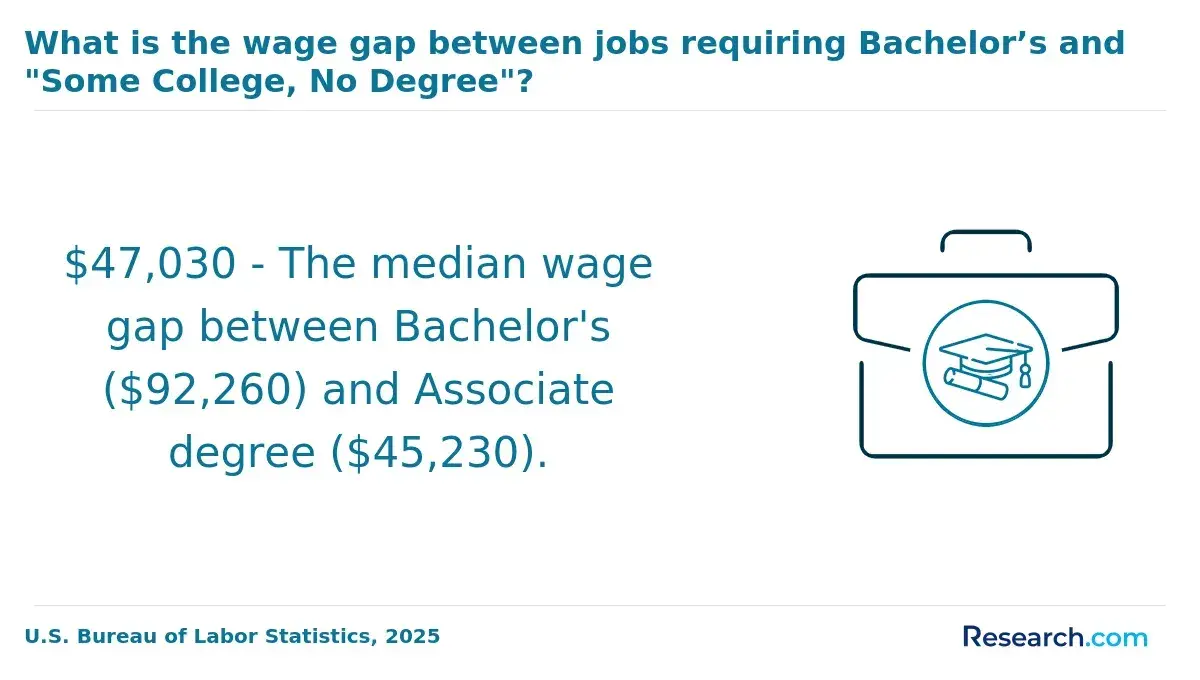
Starting salaries for graduates with a master's degree in health sciences fluctuate significantly depending on the specific job role, experience level, and prevailing market demand. Recent figures indicate that the average entry-level salary in health sciences careers typically hovers around $60,000 annually. Several crucial elements contribute to these variations, as outlined below.
- Role Specialization: Entry-level pay differs across sectors such as health administration, clinical research, and public health. Roles demanding unique expertise or technical skills tend to offer more competitive starting salaries, encouraging graduates to align their skills with these high-demand specializations.
- Relevant Experience: Prior internships, practicums, or related work experience can elevate starting offers by demonstrating practical competencies. Early-career professionals should focus on gaining hands-on exposure to improve their marketability to employers.
- Certifications and Credentials: Obtaining certifications pertinent to health sciences roles enhances credibility and often justifies a higher starting wage. Graduates are advised to pursue recognized credentials to distinguish themselves in a competitive job market.
- Institution Reputation and Networking: Graduates from prestigious programs or those with strong professional connections are more likely to access better-paying entry-level opportunities. Building a professional network can significantly impact compensation offers.
- Market Demand and Economic Factors: Changes in healthcare priorities and funding can directly influence employer salary budgets. Staying informed about sector trends helps graduates anticipate and adapt to salary shifts.
For those weighing education costs against expected outcomes, assessing the average cost of RN to BSN programs may provide additional insight into investment decisions related to healthcare careers.
Which States Pay the Highest Salaries for Health Sciences Master's Degree Holders?
Compensation for health sciences master's degree holders varies widely across states, influenced by factors such as cost of living, demand for specialized expertise, and the concentration of relevant industries. Recent labor market data highlights that graduates can earn up to 20% more in the highest-paying states compared to the national average. Below are five states where health sciences master's degree holders often find the most lucrative opportunities.
- California: The state benefits from a large healthcare ecosystem combined with cutting-edge innovation centers, which boost demand for advanced skills. This dynamic environment supports higher salaries and abundant job openings.
- Massachusetts: Home to many leading medical institutions and biotechnology companies, Massachusetts rewards health sciences professionals with competitive wages driven by a dense cluster of research and healthcare firms.
- New York: Elevated living costs paired with a highly competitive healthcare market result in attractive compensation packages for master's holders. The state's health sector is both expansive and demand-intensive.
- Washington: A rapidly growing health technology industry and robust public health infrastructure contribute to strong salary growth, attracting skilled graduates focused on innovation and community health.
- Texas: Texas offers a compelling balance between expanding healthcare services and a relatively moderate cost of living, making it a magnet for health sciences talent seeking favorable economic conditions.
When discussing which states pay the highest salaries for health sciences master's degree holders, a recent graduate shared his personal experience navigating job markets across different regions. He described feeling overwhelmed by the variety of offers influenced heavily by location, commenting that "the negotiation process was intense because salaries varied so much depending on where I looked." He also noted the challenge of weighing cost of living against salary numbers, stating, "Sometimes a higher salary didn't mean better overall financial stability because expenses skyrocketed." His insight underscored how regional factors deeply affect the real-world outcomes for health sciences professionals beyond just headline salary figures.
Which Health Sciences Master's Specializations Lead to the Highest Salaries?
Specializing within a health sciences master's program can significantly boost earning potential, as employers often pay a premium for advanced skills in high-demand areas. Industry data shows specialized roles can earn up to 20% more than generalist positions due to their technical demands and critical impact. Below are some of the top-paying specializations in this field.
- Health Informatics: This specialization is highly valued because it focuses on managing electronic health records and leveraging data analytics to enhance patient care. The growing reliance on health information technology drives demand and higher salaries.
- Physician Assistant Studies: Graduates in this area earn strong wages due to extensive medical training and their important role in providing direct patient care. Their capacity to fill healthcare service gaps makes them crucial and well-compensated.
- Healthcare Administration: Leadership roles in healthcare administration require a blend of clinical knowledge and business acumen. Professionals managing these operations earn elevated salaries as they ensure the smooth functioning of healthcare organizations.
- Clinical Research Management: Managing clinical trials involves navigating complex regulations and coordinating multiple stakeholders. This specialization commands higher pay because it demands precision, technical expertise, and regulatory insight.
- Occupational Therapy: Specialists in occupational therapy earn competitive salaries due to their role in rehabilitative patient care, which involves both clinical expertise and personalized treatment planning.
What Skills Can Increase the Salary of a Health Sciences Master's Degree Graduate?
Holding a master's degree in health sciences can enhance earning potential, but the presence of specialized technical and leadership skills often shapes the actual salary outcomes. Recent data show that professionals with advanced expertise in analytical and managerial areas can command wage premiums approaching 20%. The following skills are particularly influential in boosting compensation for health sciences master's graduates.
- Data Analytics: Proficiency in analyzing complex datasets enables evidence-based decisions critical to program evaluation and policy formulation. Employers reward this skill as it directly supports improved organizational effectiveness and strategic planning.
- Project Management: The ability to lead projects ensures timely completion and optimal resource use, key for initiatives aimed at enhancing health outcomes. Those who master this skill are often entrusted with higher-level responsibilities that drive operational success.
- Regulatory Knowledge: Understanding regulatory frameworks is essential for maintaining compliance and minimizing legal risks. This expertise is vital in roles that safeguard institutional accreditation and uphold industry standards.
- Leadership: Strong leadership and team coordination are prized for managing multidisciplinary groups and fostering collaboration in complex healthcare settings. Leadership skills typically open doors to executive positions that offer greater financial rewards.
- Communication: Effective interaction with various stakeholders facilitates clear information flow and consensus-building. This capability is especially important for roles influencing health policy and organizational strategy, often linked to higher salaries.
A working professional pursuing a health sciences master's degree shared her reflections on the question of salary-enhancing skills. She described the ongoing challenge of balancing rigorous coursework with her full-time job while intentionally focusing on developing project management and communication skills through real-world applications. "It was demanding to juggle deadlines and team leadership," she said, "but those experiences transformed how I approach problems and collaborate." She emphasized that gaining these abilities not only enriched her academic journey but also increased her confidence in pursuing advanced career opportunities, illustrating how targeted skill development can tangibly impact earning potential.
Is There a Salary Difference Between Online and On-Campus Health Sciences Master's Graduates?
Many prospective master's students wonder whether the format of their health sciences program-online versus on-campus-impacts their salary after graduation. A 2023 survey by the National Association of Colleges and Employers found that about 65% of employers now view online master's degrees as equivalent to traditional degrees in relevant fields. This shift suggests a convergence in how credentials earned via different modes are valued in the workforce. Exploring the impact of program delivery on earnings requires considering multiple factors beyond the diploma itself.
Research indicates no consistent, significant salary difference between graduates of online and on-campus health sciences programs. Compensation tends to be influenced more by employer reputation, with degrees from highly ranked institutions commanding higher salaries regardless of program format. Networking opportunities available through on-campus programs might provide some advantage in job placement, but relevant work experience often outweighs these benefits in salary negotiations. Hiring practices increasingly reflect a skills-first outlook, valuing professional credentials and proven capabilities over where coursework was completed.
Flexibility offered by online health sciences programs allows working professionals to build experience concurrently, boosting their long-term earnings potential. As digital education continues to gain wider acceptance, any lingering premium associated with on-campus degrees is likely to diminish further. Emphasis on program quality, individual career strategy, and relevant experience remain the most critical factors in maximizing post-graduate salary outcomes.
Are Health Sciences Master's Graduates More Competitive for Executive Positions?
Many professionals pursue a health sciences master's degree to strengthen their qualifications for senior leadership roles in healthcare organizations, seeking career advancement and leadership opportunities for health sciences master's degree holders. This advanced degree offers a comprehensive skill set that enhances competitiveness for executive positions through several key factors.
- Leadership Preparation: Programs emphasize team management, conflict resolution, and organizational behavior, equipping graduates to effectively lead diverse healthcare teams and navigate complex workplace dynamics.
- Strategic Capability: Coursework in healthcare policy, business analytics, and financial management empowers graduates to make informed, data-driven decisions that align with broader organizational goals, increasing their value in executive roles.
- Decision-Making Authority: A deep understanding of healthcare systems and regulations fosters confidence and accountability, enabling graduates to handle high-stakes choices that impact organizational success.
- Organizational Impact: Training in implementing innovative solutions and improving operational efficiency allows graduates to demonstrate measurable value, directly influencing healthcare outcomes and organizational performance.
- Professional Credibility: Holding a health sciences master's signals a commitment to specialized knowledge and ongoing learning, enhancing trust from leadership and positioning graduates as strong candidates for promotion.
Those considering further education may also explore options like the online PhD in nursing to build on their credentials and expand their leadership potential within healthcare management.
What Is the ROI of a Health Sciences Master's Degree?
Return on investment (ROI) is a key consideration for prospective health sciences master's students assessing tuition costs against long-term career benefits. Research indicates that master's degree holders in health sciences can earn 20-30% more over their lifetime compared to those with only a bachelor's degree, reflecting substantial financial benefits. Several primary factors influence the return on investment for health sciences master's graduates:
- Tuition Costs: Higher tuition fees may reduce short-term ROI, but the potential for increased salary often offsets these expenses over time. Selecting programs at accredited institutions can enhance value, especially when considering schools like accredited online universities.
- Salary Growth: Graduates with a master's in health sciences typically experience accelerated salary increases and gain access to roles with higher compensation, driving stronger financial returns throughout their careers.
- Opportunity Cost: Time dedicated to study means lost income during enrollment, which can affect net ROI. Weighing the short-term income gap against long-term earning premiums is essential for mid-career professionals.
- Career Mobility: Advanced degrees open doors to leadership and specialized positions, promoting job stability and higher lifetime earnings through expanded career paths.
- Networking Value: Graduate programs provide critical professional connections that lead to increased job opportunities and career advancement, enhancing both salary prospects and job security.
Understanding the return on investment of a health sciences master's degree in the United States helps students balance current educational expenses with future financial and professional gains.
What Is the Job Outlook for Health Sciences Master's Degree Holders?
Evaluating the job outlook is vital for prospective health sciences master's students aiming to secure long-term career growth and stability. The U.S. Bureau of Labor Statistics forecasts a 13% increase in employment for healthcare-related fields between 2022 and 2032, signaling robust opportunities for those with advanced qualifications. Several core factors shape this favorable employment landscape.
- Long-Term Demand Trends: The aging population and heightened emphasis on preventive healthcare lead to steady expansion in positions needing specialized health sciences expertise.
- Evolving Skill Needs: Graduates are expected to develop capabilities in data analysis, program management, and healthcare policy interpretation, driving demand for adaptive and multifaceted professionals.
- Technological Change: Advancements like telemedicine and health informatics continuously create new functions, requiring experts who can implement and oversee these innovations.
- Leadership Pipelines: Organizations increasingly prioritize master's-level professionals for leadership roles, enhancing prospects for career progression.
- Economic Resilience: The healthcare sector's essential status and relatively stable funding help shield employment opportunities from economic downturns, adding job security.
What Graduates Say About the Highest-Paying Jobs with a Health Sciences Master's Degree
- Benny: "Choosing a master's degree in health sciences was a game-changer for me, opening doors to some of the highest-paying roles in healthcare administration. Although the cost was significant, I viewed it as a necessary investment in my future. Now, the financial impact is clear-I've more than doubled my salary and enjoy greater job security."
- Greyson: "Reflecting on my decision to pursue a health sciences master's, I'm grateful for how the program balanced affordability with quality education. The curriculum prepared me for lucrative careers in clinical research and health policy, which made the cost worthwhile. Financially, it's been rewarding as the degree elevated my career and income potential significantly."
- Cooper: "From a professional viewpoint, earning a master's in health sciences was a strategic move to access top-tier jobs in public health management. Although the tuition was an upfront hurdle, the long-term financial benefits have validated my choice. This degree has enhanced not only my expertise but also my earning power and career trajectory."
Other Things You Should Know About Health Sciences Degrees
Certifications can be crucial in enhancing job prospects for health sciences graduates. While not always mandatory, certifications in areas like clinical research or health administration can significantly boost your expertise and salary potential in 2027. It's advisable to evaluate industry-specific certification needs in your chosen field.
Yes, a master's degree in health sciences is often designed to prepare graduates for leadership and management positions in healthcare settings. Graduates gain skills in administration, policy, and research, which are essential for roles such as health services managers, program directors, and clinical supervisors.
In 2027, work experience in health sciences significantly enhances career advancement opportunities. It provides practical skills and industry insights, complementing the academic knowledge gained during a master's program. Experienced professionals often qualify for higher-paying roles, including leadership positions in various healthcare sectors.
References
- Public Health Salaries: What Can You Earn with an MPH? https://masterspublichealth.com/masters-in-public-health-salary/
- Top 10 Best States for Public Health - MPH Online https://www.mphonline.org/best-states-for-public-health-jobs/
- What Can You Do With a Health Sciences Degree? https://www.ahu.edu/blog/health-sciences-jobs
- Career opportunities in Health Sector with a master's degree https://www.sciencespo.fr/ecole-affaires-publiques/en/careers/actions-opportunities/career-opportunities-health-sector/
- Health Science Job Skills | Merrimack College https://www.merrimack.edu/content/four-ways-prepare-health-sciences-career/
- Master's in Medical Science Salary Guide | University of Bridgeport https://www.bridgeport.edu/news/masters-in-medical-science-salary/
- 6 Key Benefits of a Masters in Health Care Management | UNF https://www.unfc.ca/blog/6-benefits-of-a-masters-in-health-care-management
- Top 10 Highest Paying Allied Health Specialties | Vivian Community Hub https://www.vivian.com/community/allied-health/top-10-highest-paying-allied-health-specialties/
- The five highest paying jobs in health sciences https://imagine-america.org/five-highest-paying-jobs-in-health-sciences
- Is a Public Health Master Worth It? Career & ROI Insights https://ftp.booklets.torrigiani.com/safe-channel/is-a-public-health-masters-degree-worth-it-1771054935