2027 Highest-Paying Jobs with a School Psychology Master's Degree

Co-Founder and Chief Data Scientist
Graduates with a master's degree in school psychology often face uncertainty about which career paths yield the highest financial rewards. Many professionals find themselves navigating a crowded field where salary ranges vary widely depending on specialization and location. According to the U. S. Bureau of Labor Statistics, the median annual wage for school psychologists was approximately $79,000 in 2023, with top earners exceeding $120,000. This article explores the highest-paying roles available to school psychology professionals, highlighting key factors influencing income and offering guidance to maximize earning potential in this competitive profession.
Key Benefits of the Highest-Paying Jobs with a School Psychology Master's Degree
- Graduates from top-paying school psychology master's programs often secure starting salaries 15-20% above the national average, enhancing immediate earning potential.
- Advanced program curricula expedite leadership skill development, enabling quicker promotion to administrative and executive roles with significantly higher compensation.
- Strong demand for school psychologists ensures long-term financial stability, with a projected 8% job growth through 2031, outpacing many allied health professions.
What Are the Highest-Paying Jobs With a School Psychology Master's Degree?
Earning a master's degree in school psychology opens doors to senior-level and high-paying positions by equipping professionals with advanced skills in assessment, intervention, and mental health consultation. According to the U.S. Bureau of Labor Statistics, the median annual wage for psychologists, including those with school psychology backgrounds, was approximately $81,040 in 2022. This expertise enables access to some of the highest-paying jobs with a school psychology master's degree in the United States. Below are five key roles that illustrate this potential.
- Senior School Psychologist: Manages comprehensive psychological services within educational settings. This role involves leading teams, designing intervention programs, and requiring strong leadership and strategic decision-making to improve student outcomes, all of which contribute to its competitive salary.
- Director of Special Education: Oversees special education departments in school districts, managing budgets, staff, and legal compliance. The combination of administrative duties and leadership responsibilities demands advanced expertise, justifying higher compensation.
- Behavioral Specialist Consultant: Provides expert advice on behavior management for schools or private organizations. Utilizing advanced psychological techniques and data analysis, these consultants drive improvements in student behavior, reflecting their specialized skill set and salary potential.
- Educational Program Evaluator: Designs and conducts evaluations of educational interventions and curricula. By employing research and analytical skills to influence policy and funding decisions at district or state levels, this role carries significant strategic importance and remuneration.
- Clinical School Psychologist: Delivers direct psychological services to students with complex mental health or learning needs. This position requires specialized clinical training and the ability to work within multidisciplinary teams, which contributes to its high earning capacity.
Professionals exploring top school psychology careers and salary potential may also consider checking the most affordable MSW programs online as a strategic investment for broadening their qualifications.
Which Industries Offer the Highest Salaries for School Psychology Master's Graduates?
Salary potential for school psychology master's graduates often varies widely by industry due to factors such as market demand, the revenue scale of the employing organization, and operational complexity. Recent data show that professionals in some sectors can earn up to 20% more than the national average for the field. These variations highlight strategic opportunities for those targeting the highest-paying industries for school psychology graduates. Below are key sectors known for offering elevated compensation levels.
- Healthcare: Hospitals and private clinics command competitive salaries because school psychologists play essential roles in mental health assessment and intervention, directly impacting patient well-being. The increasing prioritization of behavioral health in healthcare budgets drives these salary premiums.
- Government Agencies: Federal and state governments provide premium pay scales influenced by regulatory mandates and dedicated funding for educational and psychological services. Positions here often come with additional benefits and job security that enhance overall compensation.
- Private Education: Elite private and international schools typically offer higher compensation, supported by larger endowments and a strong focus on comprehensive student support services. This sector attracts graduates seeking specialized roles with greater resource availability.
- Corporate Sector: School psychology master's degree holders employed in employee assistance programs and organizational development benefit from business-driven resource allocation, resulting in above-average salaries compared to traditional education settings.
For those exploring pathways to maximize return on investment, understanding the top salary sectors for school psychology master's degree holders provides essential guidance. Additionally, professionals considering further credentials in related fields might explore programs highlighted among the best accelerated options, such as an accelerated MSW, which can complement their expertise and expand career prospects.
What Is the Starting Salary with a School Psychology Master's Degree?
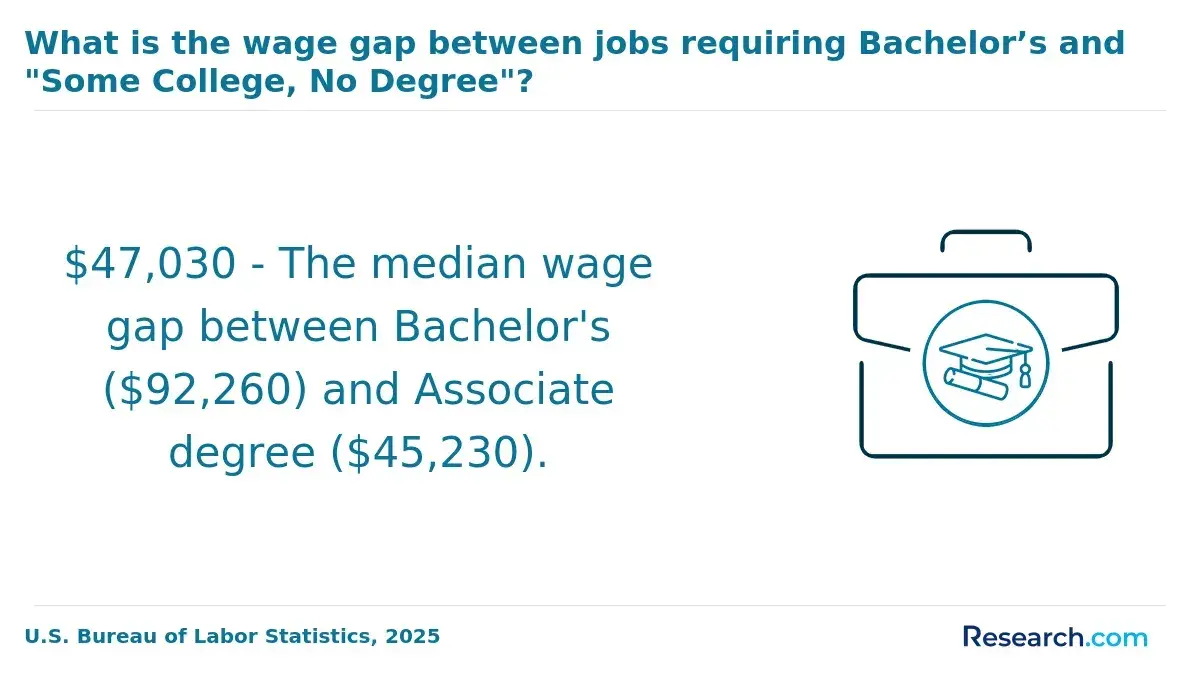
Starting salaries for school psychology master's degree graduates can vary widely based on the specific role, previous experience, and current market demand. On average, entry-level professionals with a school psychology master's degree in the United States earn between $50,000 and $60,000 annually. Several factors contribute to this variation, including the following key elements:
- Employer Type: Public school districts often follow structured salary scales, while private or healthcare organizations may offer differing packages. Early-career professionals should research employer pay standards to find the best fit.
- Demand and Location: Positions in areas with high demand for mental health services generally provide more competitive starting salaries. Graduates can benefit by targeting schools or districts experiencing shortages to maximize initial compensation.
- Experience Level: Practicum and internship exposure significantly impact starting pay offers. Candidates with hands-on experience are better positioned to negotiate stronger entry-level contracts.
- Certifications and Credentials: Holding additional licensure or certifications beyond the master's degree can increase starting salary offers. Pursuing relevant credentials early enhances earning potential at the outset of a career.
- Professional Skills: Demonstrating clinical skills, adaptability, and effective communication can distinguish new graduates in salary negotiations. Aligning one's abilities with employer needs often results in more lucrative starting offers.
Graduates aiming to optimize their return on investment may also consider exploring the cheapest online counseling degree options to supplement their qualifications and strengthen their marketability.
Which States Pay the Highest Salaries for School Psychology Master's Degree Holders?
Compensation for school psychology master's degree holders varies considerably across the United States, shaped by factors such as regional cost of living, the demand for specialized expertise, and the concentration of education sectors. Data shows salary differences exceeding 20% between top-paying states and others, highlighting significant regional wage disparities. Below are five states where master's graduates in school psychology tend to enjoy higher salary levels.
- California: Large, diverse educational systems and persistent demand help drive salaries upward, even after adjusting for the state's notably high living expenses. Urban school districts especially offer premium pay to attract qualified professionals.
- New York: Competitive environments coupled with a strong focus on specialized skill sets elevate pay scales. The densely populated schools and high cost of living contribute to more lucrative compensation packages.
- Massachusetts: The state's concentration of high-performing schools and universities, along with urban centers, creates a market where salaries are higher to retain skilled practitioners.
- Washington: Expansion of school districts combined with regional wage premiums tied to a growing tech economy supports above-average compensation for school psychology roles.
- Colorado: Rapid population growth fuels school system expansions, generating strong demand for master's-trained professionals, which in turn pushes wages higher.
When asked about salary expectations in these regions, a graduate of a school psychology master's program shared that relocating to a high-paying state involved weighing financial benefits against tougher licensing requirements and cost-of-living adjustments. He explained, "The process of navigating credential transfers was stressful, but knowing the earning potential was higher made it worth the extra effort." This balance of procedural challenges with promising compensation opportunities is a key consideration for many mid-career professionals evaluating their next move.
Which School Psychology Master's Specializations Lead to the Highest Salaries?
Specializations within a school psychology master's degree often lead to notable differences in salary, reflecting the demand for specialized knowledge and techniques. Recent studies indicate that these focused areas can provide up to a 15% wage increase compared to more generalist roles. The following specializations highlight where advanced expertise translates into higher earning potential.
- Neuropsychology: This field concentrates on assessing cognitive functions and brain-behavior connections, playing a critical role in identifying learning disabilities and neurodevelopmental disorders. The complexity and impact of this work drive greater compensation.
- Behavioral and Mental Health Intervention: Specialists address severe behavioral issues and mental health conditions using advanced therapeutic methods. The rising prevalence of these challenges in educational settings increases the necessity and value of this expertise.
- Educational Assessment and Diagnostics: Professionals here conduct in-depth evaluations that surpass routine testing, often informing legal and clinical decisions within schools. The high level of detail and responsibility associated with these evaluations commands higher pay.
- Applied Developmental Psychology: This specialization involves designing and applying interventions aligned with children's developmental stages, which benefits students with diverse learning needs. The tailored nature of these strategies enhances their demand and salary prospects.
- Consultation and Systems-Level Intervention: Experts provide strategic guidance aimed at improving school-wide systems and student outcomes. Their ability to influence broad institutional change contributes to increased financial rewards.
What Skills Can Increase the Salary of a School Psychology Master's Degree Graduate?
Graduates with a master's in school psychology often see improved earning potential, but salary growth largely depends on mastering specific technical and leadership skills. Research indicates that professionals with advanced competencies can earn up to 15% more than those without these qualifications. Below are five critical skills that significantly boost salary opportunities for school psychology master's degree holders.
- Data Analysis and Interpretation: Expertise in analyzing student data allows professionals to measure program success and tailor interventions precisely. Schools highly value this skill, as it supports evidence-based decisions that improve outcomes and justify enhanced compensation.
- Behavioral Intervention Planning: Designing individualized strategies to manage diverse student behaviors positions psychologists as essential problem-solvers. This expertise often translates into higher pay due to the complexity and impact of such responsibilities.
- Consultation and Collaboration: The ability to work effectively with teachers, families, and administrators broadens a psychologist's influence across educational settings. Strong collaborative skills enable leadership roles that come with increased salary potential.
- Leadership and Program Management: Overseeing initiatives and coordinating staff training shows organizational capability beyond traditional duties. Employers reward this expanded role with higher wages to attract skilled leaders.
- Advanced Assessment Techniques: Proficiency in specialized evaluations, such as neuropsychological testing, sets graduates apart as experts equipped to handle complex cases. This rare expertise often commands a premium in compensation.
When speaking with a working professional currently pursuing a master's in school psychology, she emphasized the challenge of balancing coursework with real-world application. "Understanding how to integrate data analytics with behavioral interventions has been eye-opening," she shared. "The program pushed me to refine leadership skills by managing small projects, which I now see as crucial for advancing my career." She reflected that gaining hands-on experience through collaborative initiatives was difficult but ultimately rewarding, reinforcing how these nuanced skills directly impact earning potential and professional growth.
Is There a Salary Difference Between Online and On-Campus School Psychology Master's Graduates?
Many prospective master's students in school psychology wonder if completing their program online versus on campus affects their salary after graduation. Research shows that employer perceptions of online degrees have improved substantially, with a 2022 survey by the National Association of Colleges and Employers reporting that nearly 85% of employers now regard online degrees from accredited institutions as equally credible as on-campus ones. This shift has important implications for how program format relates to earnings.
Evidence indicates there is no consistent wage difference between online and on-campus school psychology master's graduates. Instead, factors such as the institution's reputation, geographic location, and relevant professional experience exert a stronger influence on compensation. Graduates from top-ranked programs, whether online or traditional, tend to earn more, underscoring the value of institutional prestige over delivery mode.
Employer acceptance of online credentials has increased, driven in part by the normalization of remote learning during the COVID-19 pandemic. Access to professional networking and quality internship placements remain crucial for securing higher salaries, regardless of program format. Additionally, state licensure standards typically apply uniformly, helping to standardize qualifications and reduce hiring bias between graduates of online and in-person school psychology programs.
Are School Psychology Master's Graduates More Competitive for Executive Positions?
Many professionals pursue a school psychology master's degree to strengthen their qualifications for senior leadership roles within educational and organizational settings. This advanced degree enhances strategic capabilities and opens doors to executive opportunities that demand high-level oversight. Several key factors contribute to the increased competitiveness of school psychology master's graduates for these roles:
- Leadership Preparation: Graduate programs focus on leadership theories and practical application, equipping graduates to effectively guide teams and implement school-wide initiatives with confidence.
- Decision-Making Authority: Training emphasizes data-driven decision-making skills critical for executives responsible for policy development, resource distribution, and overseeing complex organizational processes.
- Organizational Impact: Graduates develop the ability to assess and enhance school climates and systems, positioning themselves to lead meaningful, systemic change within educational organizations.
- Professional Credibility: Holding an advanced degree signals a high level of expertise and dedication, boosting trust among stakeholders and increasing promotion potential in senior leadership tracks.
- Interdisciplinary Collaboration: The curriculum fosters skills to engage and coordinate with diverse professionals and community partners, a necessary competency for executive roles that require multifaceted teamwork and communication.
The advantage of an advanced school psychology degree extends beyond technical knowledge, as graduates are prepared for senior leadership opportunities centered on strategic influence and organizational development. For professionals interested in exploring related fields, an online library science degree also offers pathways to competitive leadership roles in educational institutions and knowledge management.
What Is the ROI of a School Psychology Master's Degree?
Return on investment (ROI) is a key consideration for prospective school psychology master's students evaluating tuition expenses against long-term career benefits. On average, master's degree holders earn about 20% more annually than those with just a bachelor's degree, demonstrating notable financial benefits of a school psychology master's degree. Several factors influence this return, impacting both immediate and future earnings potential.
Five primary factors affect the ROI for school psychology master's graduates:
- Tuition Costs: The upfront expense of a master's program varies greatly, affecting short-term financial strain. However, higher tuition may also reflect better program quality and career support, which can boost job prospects after graduation.
- Salary Growth: Graduates typically see consistent salary increases as they gain experience and specialize. This progression enhances lifetime earnings beyond initial salaries, making the degree a valuable investment.
- Opportunity Cost: Time spent studying could alternatively be used to earn income, so balancing this temporary loss against future financial and career gains is crucial when calculating ROI.
- Career Mobility: A master's degree unlocks advanced positions and diverse work settings, offering flexible career pathways that can increase earning potential and long-term stability.
- Networking Value and Job Stability: Graduate programs often provide valuable connections and practicum experiences that lead to more secure, higher-paying positions within the field.
For those comparing educational investment options, considering alternatives such as an online video game design degree can also inform decision-making based on personal career interests and ROI expectations.
What Is the Job Outlook for School Psychology Master's Degree Holders?
For individuals considering a master's degree in school psychology, evaluating future job prospects is vital to ensure long-term career growth and security. The U.S. Bureau of Labor Statistics forecasts an 8% increase in employment for psychologists, including school psychologists, from 2022 to 2032, reflecting stronger-than-average growth. Several factors contribute to this positive outlook:
- Long-Term Demand Trends: Growing awareness of mental health's impact on student achievement sustains steady demand for school psychologists to support educational success.
- Evolving Skill Needs: Graduates must develop expertise in data interpretation, intervention techniques, and culturally sensitive counseling to meet expanding professional expectations.
- Technological Change: The integration of digital tools and telehealth expands service delivery methods, benefiting those proficient with emerging technologies.
- Leadership Pipelines: Obtaining additional credentials or leadership roles can open doors to career advancement and greater job stability in educational systems.
- Economic Resilience: Despite economic fluctuations, the essential nature of school psychology services tends to preserve employment opportunities and financial reliability for practitioners.
What Graduates Say About the Highest-Paying Jobs with a School Psychology Master's Degree
- Azai: "Choosing a school psychology master's degree was one of the best decisions I made for my career. Despite the initial cost, the investment quickly paid off as I secured a high-paying position that values specialized skills in assessment and intervention. It's rewarding to see how the degree not only expanded my knowledge but also significantly boosted my earning potential."
- Russell: "Reflecting on my journey, the financial strain of pursuing a school psychology master's degree was real, but manageable with proper planning. What stood out most was how this degree opened doors to leadership roles within educational settings that offer strong salaries and benefits. The long-term financial impact on my career definitely justifies the upfront expenses I encountered."
- Christian: "Professionally, earning a school psychology master's degree transformed my career path by positioning me for some of the highest-paying jobs in the field. Although the cost was considerable, the expertise I gained allowed me to provide impactful support to diverse student populations, which is highly valued. I remain enthusiastic about the balance between the degree's cost and the financial rewards it brought."
Other Things You Should Know About School Psychology Degrees
Certifications such as the National Certified School Psychologist (NCSP) credential can significantly enhance a graduate's professional standing and employability. Additional endorsements in areas like special education or behavioral intervention also increase job prospects and potential salary. These certifications demonstrate expertise beyond the master's degree coursework.
Yes, graduates can pursue leadership roles such as program coordinators, department chairs, or administrative positions within school districts. While some of these roles may require additional experience or education, many school systems value the expertise of master's-level school psychologists for leadership in student services. Leadership roles often come with improved compensation and career advancement opportunities.
In 2027, school psychologists with a master's degree can secure high-paying roles such as leading specialist positions in education departments, consultant roles in private practice, senior positions in child advocacy groups, and educational leadership roles that offer salaries ranging from $75,000 to over $100,000, depending on location and experience.
References
- The Top-5 Highest Paying States for School Psychologists | AMN Healthcare https://www.amnhealthcare.com/blog/schools/the-top-5-highest-paying-states-for-school-psychologists/
- Explore Online Masters in Psychology Programs No GRE https://teach.com/online-ed/psychology-degrees/online-masters-in-psychology/
- Master's In School Psychology Degree Guide https://www.psychology.org/online-degrees/school-psychology/
- Master's in School Psychology - Everything You Need to Know in 2025 - PsychologyJobs.com https://psychologyjobs.com/psychology-degrees/masters-school-psychology/
- The 23 Highest Paying Jobs with a Psychology Master's Degree - Psych Degree Starter https://psychdegreestarter.com/resources/highest-paying-jobs-with-psychology-masters/
- Is Grad School Worth It? A Comprehensive Return on Investment Analysis - FREOPP https://freopp.org/whitepapers/is-grad-school-worth-it-a-comprehensive-return-on-investment-analysis/
- Guide To Online School Psychology Programs https://www.accreditedschoolsonline.org/psychology/masters/school-psychology/
- Top 5 Highest-Paying Psychology Careers - Rivier Academics https://www.rivier.edu/academics/online/resources/program-resources/top-5-highest-paying-psychology-careers-rivier-university/
- Career Outlook for MA/CAGS in School Psychology at William James College https://www.williamjames.edu/academics/school/school-ma-cags/career-outlook.html
- 2025 Career Outlook for School Psychologists - Supplemental Health Care https://shccares.com/blog/schools/career-outlook-for-school-psychologists/