
2027 Highest-Paying Jobs with an English Master's Degree

Co-Founder and Chief Data Scientist
Professionals with a master's degree in English often face uncertainty when choosing a career path that offers strong financial rewards. Despite advanced training, many graduates struggle to find roles that fully leverage their expertise, with only 37% of English master's holders employed in positions aligning with their degree, according to recent labor data. This gap highlights the challenge of converting academic skills into high-paying opportunities. This article explores the top-paying jobs for graduates with an English master's, providing actionable insights to help mid-career individuals identify lucrative specialized roles and maximize their return on investment in today's competitive job market.
Key Benefits of the Highest-Paying Jobs with a English Master's Degree
- Pursuing the highest-paying English master's degree programs significantly boosts immediate earning potential, with graduates often securing roles that pay 20% above the national average in communication and content strategy fields.
- These programs provide specialized skills that accelerate progression to executive-level compensation, enabling mid-career professionals to take on leadership roles in publishing, marketing, or corporate communications more quickly.
- High-demand sectors such as digital media and education ensure long-term financial stability, with predicted job growth rates of 8% over the next decade for English master's degree holders.
What Are the Highest-Paying Jobs With a English Master's Degree?
Earning a master's degree in English opens doors to senior-level roles that require advanced communication, critical thinking, and leadership abilities. According to the U.S. Bureau of Labor Statistics, professionals with graduate degrees in English-related fields generally earn higher median wages than those with only a bachelor's degree. This reflects the specialized expertise and strategic responsibilities these positions demand. Below are five of the highest-paying jobs obtainable with a master's degree in English, valuable for those exploring top career paths for English master's degree graduates.
- Technical Writer: Creates precise documentation, manuals, and guides for complex products. This role blends technical knowledge with strong language skills and often works closely with engineering or product teams, requiring moderate technical complexity and creative problem-solving aptitudes.
- Communications Director: Leads an organization's internal and external communication strategies. As a senior management role, it involves overseeing teams, shaping brand messaging, and guiding public relations, resulting in high compensation due to its influence on corporate reputation and revenue.
- Content Strategist: Develops comprehensive content plans aligned with business objectives. This role demands analytical insight, creativity, and digital platform expertise while often directing content teams to enhance marketing impact and customer engagement.
- University Lecturer/Professor: Teaches advanced literature, writing, or linguistics courses and conducts research. This academic position requires deep specialization and leadership in curriculum development and service, emphasizing expertise in the highest-paying jobs with an English master's degree in the United States.
- Editor-in-Chief: Directs editorial policies for publishing houses or media outlets. It combines high-level decision-making, team management, and quality oversight, supporting business success through strategic content control.
Mid-career professionals looking to maximize their return on investment might also explore related fields such as AI degrees online to complement their skills and career opportunities.
Which Industries Offer the Highest Salaries for English Master's Graduates?
Salary potential for English master's graduates often varies significantly by industry, shaped by market demand, organizational revenue scale, and operational complexity. Recent labor data shows that sectors with high revenue streams and specialized communication needs typically offer the most competitive salaries for English master's degree holders. The following industries consistently provide higher-than-average compensation for these graduates.
- Finance: Finance firms prize advanced English skills for effective communication in complex environments and client relations. This industry's need for precise language and clear reporting drives strong salary premiums.
- Technology: The technology sector values expertise in content creation paired with technical understanding. Graduates who can translate complex ideas into accessible language are rewarded with competitive pay.
- Publishing: Though traditional, publishing has evolved by integrating digital content strategies. This transition sustains relatively high compensation for those who can navigate both classic and new media.
- Education: Higher education administrators and curriculum developers benefit from shaping academic policy and content, which leads to strong remuneration in this sector.
- Marketing and Advertising: This industry demands skilled storytelling and persuasive communication to drive sales and brand engagement. As a result, it offers salaries that reflect those critical skills.
Mid-career professionals seeking to maximize their return on investment should consider targeting these top industries with highest salaries for English master's graduates. For those looking to continue advanced training beyond a master's degree, exploring options such as a cheap online PhD can provide valuable credentials that complement industry demands.
What Is the Starting Salary with a English Master's Degree?
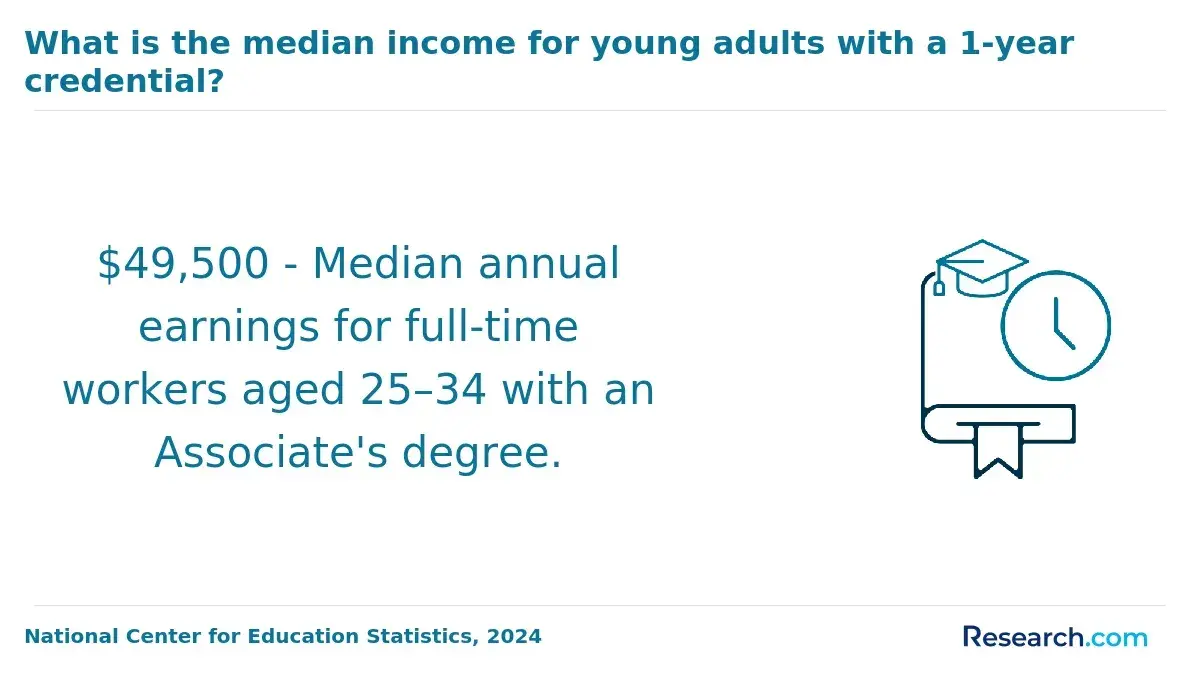
Starting salaries for English master's degree graduates in the United States fluctuate based on career choice, prior experience, and job market demand. Entry-level wages generally fall between $45,000 and $60,000 annually, reflecting various roles from writing to communications. Several important factors shape these initial compensation packages.
- Field of Employment: Corporate communications and technical writing positions often offer higher starting pay compared to educational roles. Graduates who target industries with greater demand can typically negotiate better entry-level salaries.
- Relevant Experience: Internship or specialized work experience enhances a candidate's attractiveness to employers. Early-career professionals who actively seek opportunities to gain applicable skills improve their starting salary prospects.
- Skill Specialization: Expertise in areas like SEO, digital media, or data-driven communication raises earning potential. Developing these competencies aligns with the expectations placed on new graduates to be adaptable and technologically proficient.
- Networking and Connections: Building strong professional relationships provides access to higher-paying job opportunities. Leveraging contacts within an industry can lead to more competitive compensation offers during salary negotiations.
- Program Reputation: Graduating from a well-regarded institution can positively influence starting salary discussions. Prospective students should also consider cost factors, which are detailed in resources like the online engineering degree cost analysis, to maximize their return on investment.
English master's graduates who focus on gaining relevant experience and cultivating professional networks position themselves better within a challenging job market. Their ability to demonstrate both analytical and adaptable writing skills ultimately supports more attractive starting salary offers.
Which States Pay the Highest Salaries for English Master's Degree Holders?
Compensation for English master's degree holders varies considerably across the United States, influenced by factors such as local cost of living, demand for specialized expertise, and the regional prevalence of industries requiring advanced communication skills. Recent analyses show that annual salaries for holders of master's degrees can differ by over 20% depending on the state. Below are five states recognized for offering higher wages to professionals with advanced degrees in English.
- California: This state's robust technology, entertainment, and academic sectors create a competitive market that rewards English graduates despite the generally high living expenses.
- New York: With its significant financial services and media industries, New York provides lucrative roles for those with advanced English skills.
- Massachusetts: A concentration of prestigious universities and research institutions results in premium salaries for professionals in English fields.
- Washington: The expanding technology sector combined with established publishing houses enhances earning opportunities in this region.
- Texas: Benefiting from growing corporate markets and favorable tax conditions, Texas offers strong salary growth relative to living costs.
When discussing which states pay the highest salaries for English master's degree holders, a graduate shared his perspective. He described navigating the job search as a balancing act between salary expectations and personal quality of life, noting, "It wasn't just about the paycheck but also where I could thrive professionally and personally." He recounted how he researched different markets carefully, weighing factors beyond income, such as potential for growth and community fit. The decision process, he said, was challenging but ultimately rewarding, emphasizing that understanding regional differences proved essential to finding a position that aligned with both his career goals and lifestyle preferences.
Which English Master's Specializations Lead to the Highest Salaries?
Specializations within an English master's program can significantly affect earning potential, as certain fields are in higher demand for their specialized skills. Research shows that graduates in digital rhetoric and technical communication often enjoy salary increases exceeding 15% compared to those with general English degrees. Below are some of the top-paying specializations:
- Technical Communication: Professionals in this area create essential documentation that supports sectors like engineering, software development, and healthcare. Their ability to convey complex information clearly and efficiently makes them highly sought after, resulting in higher compensation.
- Digital Rhetoric and Composition: This specialization trains graduates to develop persuasive, digitally optimized content for marketing and communication roles. Expertise in targeting and engaging online audiences drives the premium salaries.
- Professional Writing: Focused on producing precise and adaptable content across diverse industries, this track equips graduates to meet demanding communication needs, enhancing their value in the workforce.
- Literary and Cultural Studies with Media Analysis: Graduates apply critical interpretation skills to strategic communication and consultancy, leveraging media insights for organizational advantage, which can translate into better pay.
- English for Specific Purposes: Tailoring language instruction to particular professional fields, this specialization improves training efficiency in various industries, making candidates more competitive and financially rewarded.
What Skills Can Increase the Salary of a English Master's Degree Graduate?
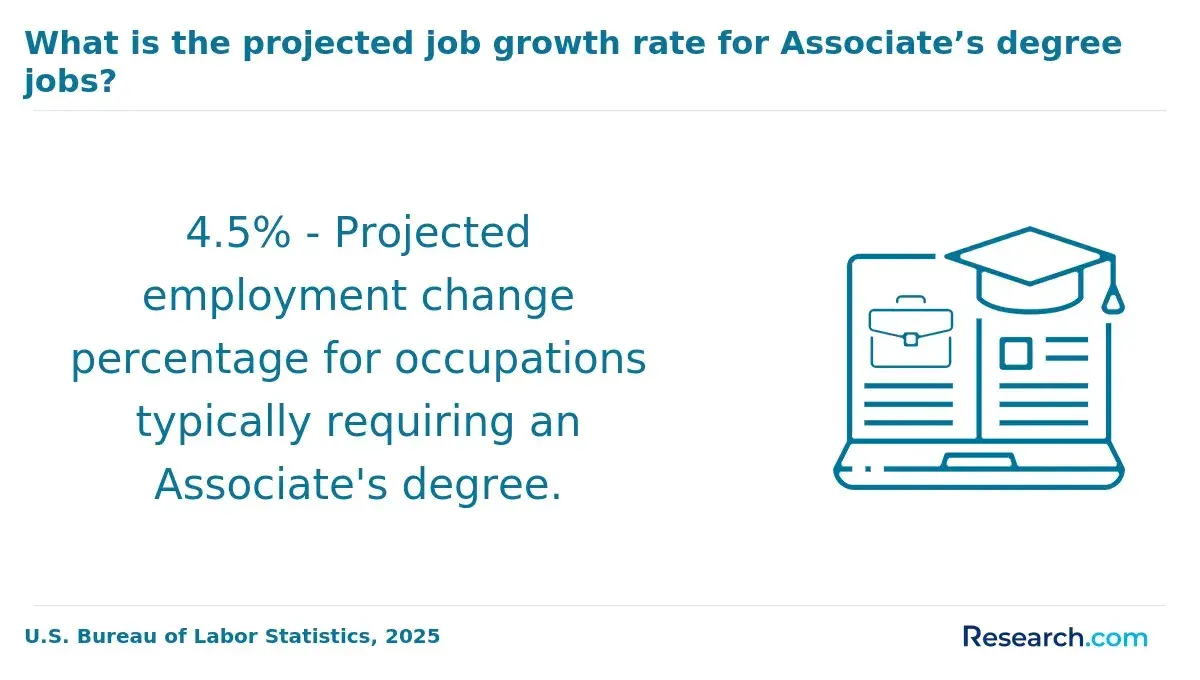
Although obtaining a master's degree in English can boost earning potential, salary growth often depends more on cultivating targeted technical and leadership abilities. Recent studies show that candidates possessing advanced communication paired with data literacy skills earn up to 15% more than their counterparts lacking these competencies. These figures underscore that blending academic achievement with practical skillsets is crucial for financial advancement. Below are five essential skills that notably affect the income of English master's degree holders:
- Advanced Writing and Editing: Mastery in crafting precise, engaging content ensures graduates excel in roles involving content development or strategic communication. Employers value this ability for its direct impact on organizational messaging and brand clarity, which often leads to better compensation.
- Data Analysis and Interpretation: The capacity to understand and visualize data supports decision-making processes in marketing, research, and policy development. This analytical skillset positions graduates for roles that command higher wages due to their contribution to evidence-based strategies.
- Project Management: Competence in organizing, monitoring, and completing complex projects signals readiness for leadership roles. The ability to coordinate resources, timelines, and teams elevates candidates to managerial positions that typically offer increased pay.
- Digital Literacy and Multimedia Communication: Proficiency with digital tools and multimedia platforms enables graduates to navigate modern content delivery and engagement channels. This skill enhances their relevance in sectors where technology-driven communication is crucial for revenue growth and innovation.
- Leadership and Team Collaboration: Effective leadership combined with teamwork fosters productive work environments and helps drive organizational success. Employers reward these interpersonal skills by entrusting professionals with higher-level responsibilities linked to improved salaries.
A working professional enrolled in an English master's program shared insights when asked what skills have influenced her salary prospects. She described grappling with integrating data analysis into her traditionally literary-focused studies, initially feeling overwhelmed. Over time, as she gained confidence in using analytical tools, she noticed a clearer link between these skills and job opportunities with better pay. Reflecting on her journey, she emphasized how combining writing expertise with quantitative abilities transformed her approach to problem-solving and expanded her career options. "It felt challenging at first to step outside my comfort zone," she recalled, "but developing these new competencies made all the difference in how I am valued professionally."
Is There a Salary Difference Between Online and On-Campus English Master's Graduates?
Many prospective master's students question whether earning an English master's degree online versus on-campus impacts their salary outcomes after graduation. According to a 2023 survey by the National Association of Colleges and Employers, about 65% of employers regard online degrees as equal in value to traditional degrees from accredited institutions. This growing acceptance sets the stage for examining how program format influences earnings.
Research shows minimal measurable salary differences between online and on-campus English master's graduates once other factors are considered. Employer perception plays a crucial role; degrees from reputable, accredited institutions help reduce any bias against online education. Networking opportunities, which tend to be richer in on-campus programs, can contribute to higher-paying jobs, but relevant work experience often has an even greater impact on compensation. Additionally, graduates from well-known institutions typically command better salaries regardless of delivery mode.
Hiring trends have increasingly favored skills and results over how degrees were earned, especially after the widespread shift to remote learning in 2020. Employers focus more on what candidates can demonstrate rather than whether their degree was completed online or onsite. Prospective English master's students looking to maximize their financial returns should consider programs that align with their career goals and provide strong professional support and connections.
Are English Master's Graduates More Competitive for Executive Positions?
Many professionals pursue a master's degree in English to strengthen their qualifications for senior leadership roles. This advanced credential is designed to enhance critical skills necessary for executive success. Several key factors directly influence how English master's graduates position themselves competitively for these roles:
- Advanced Communication Skills: Mastery in nuanced, persuasive communication helps graduates lead teams and engage stakeholders effectively, a core requirement for executive leadership readiness.
- Critical Analysis and Problem-Solving: The ability to evaluate complex information and develop strategic solutions enhances decision-making authority and supports navigating organizational challenges.
- Cultural and Organizational Understanding: A deep insight into narratives and values within a company aligns leadership actions with overall business goals, boosting professional credibility and influence.
- Project Management Experience: Demonstrating capacity to lead initiatives and drive outcomes directly affects promotion potential and reflects organizational impact.
- Professional Credibility: Graduates gain trust through rigorous academic and practical training, allowing them to establish authority and contribute meaningfully to senior leadership objectives.
English master's graduates executive leadership competitiveness is increasingly recognized in today's competitive job market. This degree amplifies distinct leadership preparation qualities sought by organizations emphasizing strategic communication and influence. For mid-career professionals exploring higher education pathways, programs like the EDD educational leadership offer additional routes to enhance leadership credentials. Understanding job market advantages for English master's degree holders includes recognizing their fit for positions that demand both analytical rigor and cultural fluency within diverse industries.
What Is the ROI of a English Master's Degree?
Return on investment (ROI) is a key consideration for prospective English master's students evaluating tuition costs against long-term career benefits. On average, individuals with an English master's degree earn about 20% more over their lifetime compared to those holding only a bachelor's degree, highlighting the financial return of English master's degree graduates. Several factors influence this ROI, which can vary depending on individual circumstances.
- Tuition Costs: The amount spent on graduate education directly impacts net financial gain. Lower tuition expenses improve ROI, while higher costs require notable salary growth or career advancement to justify the investment.
- Salary Growth: Graduates who leverage their degree for specialized roles, promotions, or leadership positions typically experience enhanced salary trajectories. Long-term wage increases are essential for maximizing financial return.
- Opportunity Cost: Time dedicated to graduate studies often means lost income opportunities. Programs offering flexibility, including part-time or evening classes, help students reduce this opportunity cost and improve overall ROI.
- Career Mobility: An English master's opens doors to various sectors such as education, publishing, marketing, or communications. This diversity increases job security and enhances the ability to navigate changing job markets.
- Networking Value: Graduate programs facilitate connections with professionals and alumni, which can lead to better job placements and career development, ultimately boosting earnings potential while also complementing an online bachelor's in construction management or other pathways.
What Is the Job Outlook for English Master's Degree Holders?
For prospective English master's students assessing long-term career prospects, knowing the job outlook is crucial. The U.S. Bureau of Labor Statistics estimates that employment for writers and authors-occupations closely linked to English master's graduates-will grow by approximately 5% from 2022 to 2032, matching the average growth rate for all professions. Several factors shape these employment opportunities.
- Long-Term Demand Trends: Persistent need for strong communication and critical thinking skills sustains job availability across education, publishing, and new media sectors.
- Evolving Skill Needs: Digital media and technology shifts require graduates to master digital storytelling, data analysis, and multimedia, boosting their competitive edge.
- Technological Change: Advancements disrupt traditional roles but also open new avenues, making adaptability and continuous learning essential for career growth.
- Leadership Pipelines: Organizations increasingly seek advanced analytical and interpersonal skills, creating pathways for English master's holders into management and strategic positions.
- Economic Resilience: Sectors relying on English expertise, such as education and nonprofits, often provide steadier employment during economic downturns.
What Graduates Say About the Highest-Paying Jobs with a English Master's Degree
- Cade: "Choosing to pursue a master's in english was one of the best decisions I ever made; it opened doors to high-paying roles in publishing and content strategy. While the cost of the program was a significant investment, I found that the specialized skills I gained quickly translated into better salaries. The financial impact has been substantial, allowing me to advance confidently in my professional life."
- Mohamed: "Reflecting on my journey, the decision to earn a master's in english was driven by a passion for literature and the tangible benefits it brought to my career in education administration. Although the tuition fees were daunting at first, I considered it a strategic investment. Today, the improved earning potential and opportunities for growth surpass the initial expenses, making it a worthwhile commitment."
- Axel: "From a professional standpoint, the master's in english degree enhanced not just my credentials but also my critical thinking and communication skills, which are highly valued in corporate communications. I was cautious about the program cost, but scholarships helped ease the burden significantly. The increase in my earning capacity post-graduation truly reflects the program's value and the competitive edge it provides."
Other Things You Should Know About English Degrees
Yes, many English master's graduates successfully transition into leadership or management roles across various sectors. Their strong communication, critical thinking, and analytical skills equip them well for roles in project management, editorial leadership, and corporate communications. Additional training or certification in management can further enhance their qualifications for senior positions.
In 2027, some of the highest-paying jobs for English master's degree holders include roles like content strategy director, technical writer, and communications manager. These positions leverage strong writing, analytical, and communication skills, and can lead to salaries exceeding $100,000 annually.
Graduates often apply their degree to fields like advertising, public relations, and user experience design where communication is key. The ability to craft compelling narratives and conduct nuanced analysis gives them an edge in brand storytelling and audience engagement. This versatility enables English master's holders to explore diverse, well-paid career paths beyond academia and publishing.
References
- What Can You Do With an English Degree? 12+ Jobs (2026) | Extern https://www.extern.com/post/english-degree-jobs-career-guide
- What Can You Do With a Master’s in English? | SNHU https://www.snhu.edu/about-us/newsroom/liberal-arts/what-can-you-do-with-a-masters-in-english
- Is Grad School Worth It? A Comprehensive Return on Investment Analysis - FREOPP https://freopp.org/whitepapers/is-grad-school-worth-it-a-comprehensive-return-on-investment-analysis/
- Career Opportunities After MA English: Explore a World of Possibilities - Centre for Distance and Online Education of Mahatma Gandhi University https://cdoe.mgu.ac.in/career-opportunities-after-ma-english-explore-a-world-of-possibilities/
- Average graduate salary UK 2026 | Latest data & analysis https://standout-cv.com/stats/average-graduate-salary-uk
- Top Executive Job Qualifications https://employer.macildowie.com/blog/top-qualifications-for-executive-level-jobs
- Master’s Abroad: Cost, ROI & Work Options in UK vs USA https://www.nomadcredit.com/blog/uk-vs-usa-masters-roi
- Top 10 Highest Paying Jobs For English Majors 2025 (Inc Salaries) | Nexford University https://www.nexford.edu/insights/highest-paying-jobs-for-english-majors
- Is College Worth it? | Return on Investment Analysis of College Degree https://educationdata.org/college-degree-roi
- Studying online vs in person - MSc/PhD Advice 19393 https://www.masterscompare.co.uk/advice/studying-online-vs-in-person/19393


