
2027 What Prerequisites Do You Need for an English Master's Degree? Entry Requirements, Credits & Eligibility Rules

Co-Founder and Chief Data Scientist
Many prospective students struggle to navigate the complex prerequisites for an English master's degree. According to recent data, over 30% of applicants fail to meet the minimum criteria, delaying their academic progress. Graduate programs often require specific undergraduate coursework, a competitive GPA, and standardized test scores, which vary widely between institutions. Additionally, international applicants face unique eligibility rules and language proficiency standards. This article clarifies admission requirements, credit transfer policies, and essential skills needed for English master's programs. It provides a clear roadmap for applicants, career changers, and international students seeking to meet eligibility and succeed in graduate studies.
Key Things to Know About the Prerequisites for a English Master's Degree
- Admission typically requires a bachelor's degree in English or a related field, with a minimum GPA of 3.0, alongside transcripts, letters of recommendation, and a statement of purpose.
- Programs often accept transferable credits from accredited institutions, but credit policies vary; applicants should verify equivalencies and any required prerequisite courses.
- Eligibility rules differ by specialization and institution, making it crucial to review specific program guidelines early to confirm language proficiency, writing samples, and relevant experience requirements.
What Academic Background Is Expected for Admission to a English Master's Program?
Many English master's programs admit students who hold undergraduate degrees in disciplines closely related to English, reflecting a flexible approach to academic qualifications. Interdisciplinary backgrounds are often welcomed, especially when applicants demonstrate strong analytical and writing skills. The required educational background for English graduate programs typically emphasizes relevant coursework rather than the specific degree title.
The main factors admissions committees consider include:
- Degree flexibility: Applicants usually need a bachelor's degree, but it does not have to be specifically in English literature or language studies. Degrees in comparative literature, creative writing, linguistics, communications, or cultural studies often meet the criteria if accompanied by substantial English coursework.
- Transferable coursework: Admissions committees assess transcripts to ensure foundational knowledge in literary analysis, critical theory, and writing skills. For example, a history major who has completed several literature or writing classes may be eligible to apply.
- Interdisciplinary value: Programs increasingly value diverse academic perspectives that enhance research and critical thinking. Candidates from other fields might need to complete supplementary courses or provide evidence of proficiency in English studies if their prior degree is less directly related.
- Academic readiness demonstration: Beyond transcripts, applicants often support their candidacy through personal statements and writing samples that illustrate their competence in English studies.
According to the Modern Language Association's report, approximately 70% of English master's applicants hold degrees not explicitly labeled as "English," highlighting this flexibility. Prospective students interested in understanding which pathways align best with program expectations might find it helpful to explore the best college majors for graduate success.
Is a Minimum GPA Required for a English Master's Degree?
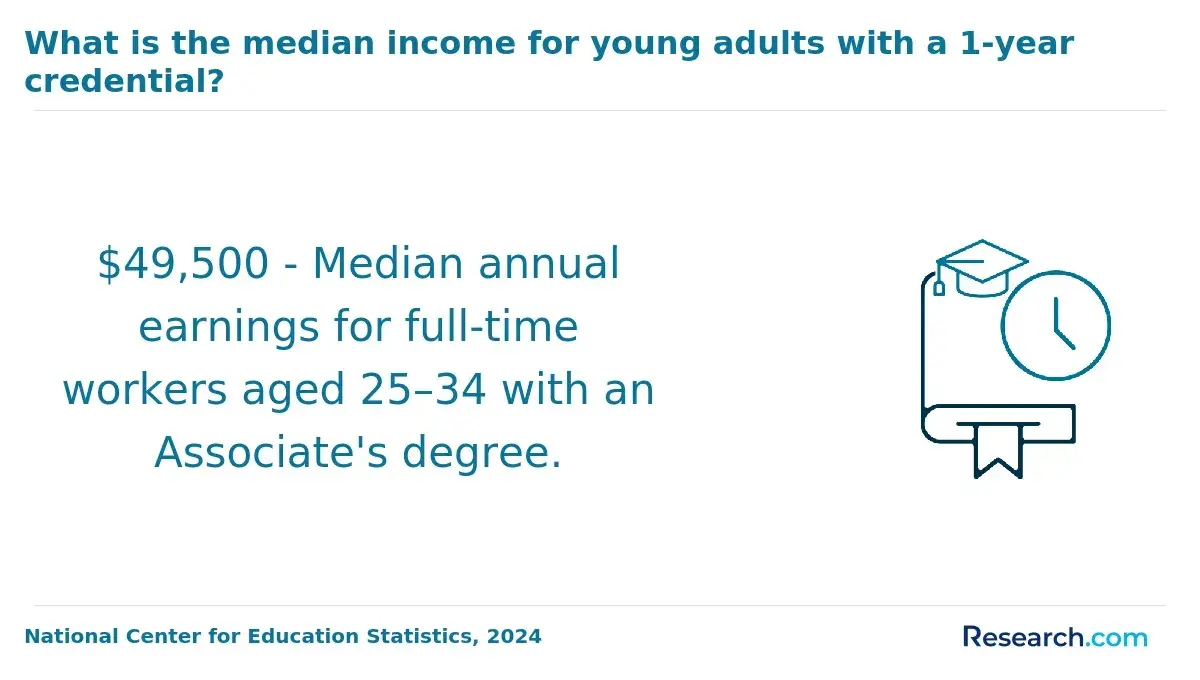
Meeting GPA benchmarks is a key factor when applying for a master's degree in English programs in the US, as many institutions set minimum standards to evaluate academic readiness. Typically, a GPA of 3.0 on a 4.0 scale is required or preferred. Employment in English-related fields is expected to grow by 5% over the next decade, with salary growth linked to advanced qualifications. The following points outline common GPA requirements and options for applicants with varied academic records.
- Minimum GPA Requirements: Most English master's programs require a minimum GPA of around 3.0 to demonstrate ability to handle graduate-level coursework and meet program expectations.
- Competitive Programs: Highly selective programs often expect GPAs closer to 3.5 or above, reflecting the demand for strong analytical skills and advanced writing proficiency.
- Conditional Admission: Some institutions offer conditional admission or probationary status, allowing applicants with slightly lower GPAs to prove their academic capability through initial coursework.
- Strengthening Your Application: Applicants with lower GPAs can improve their prospects by submitting strong writing samples, letters of recommendation, and relevant experience that highlight their potential.
- Transferable Credits and Retaking Courses: Some programs accept transferable credits or allow retaking courses to improve GPA and demonstrate recent academic success.
Prospective students may also explore related graduate opportunities, such as an accelerated social work degree, to complement their academic goals.
Are GRE, GMAT, or Other Graduate Entrance Exams Required?
Submitting strong test scores can sometimes boost an applicant's competitiveness, especially in selective programs. While many English master's programs do not mandate graduate entrance exams, standardized test results may still enhance a candidate's profile. In fact, over 60% of U.S. English master's programs offered GRE waivers by 2022. Consider these key points when navigating exam requirements:
- Academic and professional tracks: Most professional or teaching-focused programs waive the GRE and GMAT, prioritizing writing samples, undergraduate GPA, and letters of recommendation instead. Standardized exams tend to play a minimal role here.
- Research-oriented and thesis programs: GRE scores may be recommended or required to evaluate analytical thinking and research readiness, particularly for thesis-based degrees or tracks emphasizing scholarship.
- Holistic admissions: COVID-19 accelerated many programs' moves toward holistic review processes, often waiving standardized tests in favor of comprehensive assessment of academic records and personal statements.
- International applicants: These students usually need to demonstrate English language proficiency via TOEFL or IELTS rather than submit GRE or GMAT scores. Requirements vary by institution.
- Requesting waivers: If you feel your academic credentials and writing samples are strong, inquire with programs about GRE or GMAT waivers to improve your application strategy.
A graduate of an English master's degree program I spoke with reflected on the exam experience: "When I applied, I wasn't sure if I needed the GRE. The program gave me the option to waive it, but I took it anyway to keep options open. Preparing was stressful, especially balancing work with study.
Ultimately, my writing samples and recommendations were what got me through. The application process felt more like showcasing my voice than proving test-taking skills." This perspective highlights the varied paths applicants can take when graduate exams are optional or waived.
What Foundational Undergraduate Courses Must Be Completed Before Enrollment?
Prospective students aiming for a master's degree in English must carefully review prerequisite coursework as part of their preparation. These foundational classes establish the critical thinking, analytical, and writing skills essential for graduate-level study. Below is a breakdown of typical prerequisite courses to help clarify these essential undergraduate course requirements for master's in English programs.
- Introduction to Literature: This course exposes students to various literary genres and styles, helping them develop familiarity with key texts and vocabulary needed for advanced literary analysis.
- Composition and Rhetoric: A focus on writing skills ensures students can construct well-organized, persuasive, and clear academic arguments, which are crucial for success in master's-level coursework.
- Literary Theory: Understanding different critical frameworks allows students to engage with texts more deeply and to prepare for specialized research topics that require theoretical grounding.
- Survey of World or British/American Literature: A broad exploration of major authors and movements provides historical and cultural context indispensable for graduate studies.
These essential prerequisite classes for English master's degree admission typically must be completed before enrollment, although some programs may permit taking certain courses concurrently during early graduate study. For those missing key courses, bridge or leveling classes are often offered to ensure preparedness. Early transcript evaluation by academic advisors or admissions offices is strongly encouraged to confirm all requirements are met and avoid delays.
Understanding these prerequisites also helps prospective students, including career changers and international applicants, better plan their academic path. For those comparing options, considering the structure of accelerated versus traditional programs can be beneficial, as accelerated routes often require a more comprehensive prerequisite completion upfront.
Students seeking degrees that pay well might find that mastery of these foundational courses supports stronger graduate performance and diversified career opportunities beyond academia. This preparation reflects the growing demand for critical skills emphasized by employers.
Can Applicants from Unrelated Fields Apply to a English Master's Program?
Applicants with backgrounds outside of English fields can qualify for master's programs, though many must meet additional academic conditions. Programs often recognize the value of diverse skills from other disciplines, including analytical thinking and research, which can enhance literary studies. Below are key factors affecting eligibility for those coming from unrelated fields:
- Prerequisite coursework: Candidates frequently need to complete foundational classes in literary analysis, writing, or linguistics before or during their graduate studies to establish essential knowledge.
- Bridge programs: Some institutions offer specialized programs to help students build necessary skills, easing the transition between unrelated undergraduate majors and English master's curricula.
- Demonstrated readiness: Admissions committees look closely at writing samples, letters of recommendation, and personal statements that show a genuine engagement with literary topics and academic potential.
- Transferable credits: Applicants who have previously completed relevant graduate-level work may sometimes transfer credits, though policies vary significantly by program.
A graduate I spoke with recounted how challenging it was transitioning from a science background into an English master's degree. He had to take extra courses to "catch up" on literary theory and writing methods, which initially felt overwhelming. However, the bridge program provided structured support, making it possible to "feel confident in tackling advanced texts."
He also emphasized how important it was to craft a compelling personal statement that connected his previous research experience to literary analysis. Despite the hurdles, he found that having a non-traditional background added a unique perspective appreciated by faculty and peers alike, ultimately enriching his graduate experience.
What Application Materials Are Required for Admission?
Submitting well-crafted application materials helps to present a strong case for admission and eases the review process. Since nearly 60% of graduate programs in English report increasing competition, each document must reflect both academic rigor and professional readiness. Below are key components typically required for master's degree applications, along with tips on tailoring them effectively.
- Statement of Purpose: This essay should explain your motivation for pursuing graduate study and focus on your specific interests within English. Thoughtful reflection that ties your goals to the program's strengths creates a compelling narrative supporting your fit and ambition.
- Letters of Recommendation: Choose recommenders who can credibly attest to your critical thinking and writing abilities, such as former professors or supervisors familiar with your scholarly or professional work. Strong endorsements hinge on detailed, personalized insights rather than generic praise.
- Resume or Curriculum Vitae: Clearly outline your educational background, relevant experience, and any research or publications connected to English studies. This document should highlight achievements that align with the program's focus areas and demonstrate your preparedness for advanced work.
- Writing Samples: Select pieces that showcase your analytical skills and stylistic command in your chosen subfield, whether literary analysis, creative writing, or rhetoric. Quality over quantity matters; samples must represent your strongest work and clearly relate to your intended specialization.
Applicants are advised to avoid vague or overly broad statements, emphasizing clarity and authenticity instead. Direct examples of past accomplishments and well-defined future objectives help admissions committees recognize your potential to contribute meaningfully to the field of English.
How Important Is Professional Experience for Admission?
Knowing whether professional experience is required, preferred, or optional for admission can help prospective students tailor their applications effectively when considering English master's degree programs. Admissions interview process for English graduate programs sometimes explores applicants' backgrounds, including work history and relevant skills, which makes understanding experience expectations valuable.
A recent survey found that about 30% of English graduate programs report increased applicants with professional experience, indicating a shift toward valuing diverse backgrounds. Below are key points to consider regarding experience and admissions:
- Experience is often optional: Many traditional research-focused English master's programs prioritize academic credentials such as a relevant undergraduate degree and strong writing samples over professional experience. These programs typically focus on scholarly potential rather than workplace history.
- Professional master's programs may value experience: Executive or professional formats often favor applicants with relevant work experience in fields like publishing, teaching, editing, or communications. This experience can strengthen an application by demonstrating practical skills alongside academic knowledge.
- Examples of relevant experience: Roles involved in education, literary analysis, content creation, or nonprofit literary outreach illustrate meaningful backgrounds. Highlighting experience in research methods or leading workshops can appeal to programs that appreciate both theory and applied expertise.
- Transferable skills matter: Applicants should emphasize critical thinking, project management, and advanced communication skills developed through professional or academic roles. These competencies help demonstrate adaptability and readiness for graduate-level work.
- Tailor applications for program type: Interviews and English master's degree interview requirements vary by institution. Candidates targeting research-heavy degrees should focus on academic writing and research assistantships, while those aiming for professional tracks might stress industry-related projects or leadership roles.
For prospective students considering advanced degrees beyond a master's, exploring a phd in organizational leadership can be a strategic next step, especially for those balancing academic and professional goals.
Is an Interview Part of the Admissions Process?
Interviews have become an integral part of the admissions process for many English master's degree programs, allowing admissions committees to evaluate candidates beyond academic records and written applications. While a personal interview is not universally required for master's admission, about 30% of programs include some form of interview, whether in person, by phone, or via video conferencing.
These interviews help assess an applicant's motivation, communication skills, and alignment with faculty research interests. To prepare effectively, candidates should focus on key areas that demonstrate their readiness and fit for the program.
Effective preparation involves several focused strategies that can improve interview performance and increase a candidate's chances of success.
- Research faculty interests: Familiarize yourself with the research areas of faculty members and potential advisors. This shows that you understand the program's strengths and can align your interests with ongoing projects.
- Reflect on relevant experiences: Think about your academic and professional background and how these experiences have shaped your decision to pursue graduate study. Being able to articulate your journey helps admission committees see your commitment.
- Clarify career goals: Prepare to discuss how the English master's program supports your long-term objectives. Clear and relevant career goals demonstrate focus and seriousness about your studies.
- Practice concise responses: Sharpen your ability to answer common interview questions clearly and thoughtfully. Professionalism and clarity in communication can leave a positive impression during this critical part of the application.
Viewing the interview as a two-way dialogue rather than an interrogation helps reduce stress and creates a more natural interaction. For those concerned about cost factors while considering graduate studies, reviewing information on accounting degree cost may provide useful insights into financing options related to higher education expenses.
What Research Experience Is Expected for Thesis-Based Programs?
Graduate programs in English that require research place significant emphasis on prior academic inquiry and a firm grasp of research methods. Demonstrating experience with scholarly investigation helps admissions committees evaluate if applicants are prepared for the analytical and writing demands of a master's degree focused on original research. Below are essential considerations related to research experience, faculty interaction, and program options.
- Prior research exposure: Having experience with academic research, such as undergraduate theses, independent projects, or capstone papers, signals readiness for the rigorous investigative work involved in thesis-based programs. This background also reflects skills in critical thinking, academic analysis, and scholarly writing.
- Publications and presentations: While not a requirement, sharing your research through published articles or conference presentations can bolster your application. These achievements show your ability to conduct research diligently and communicate findings effectively in academic settings.
- Faculty collaboration: Contacting potential advisors before applying is highly advisable. Early communication facilitates aligning your research interests with faculty expertise and demonstrates initiative, which admissions committees typically view positively.
- Thesis vs. non-thesis tracks: Thesis tracks focus on producing original research with formal proposals and defenses, necessitating a strong methodological foundation. Non-thesis options lean more on coursework, often substituting a final project or exam, which reduces the pressure on prior research achievements.
- Academic curiosity and methodological readiness: Successful applicants often highlight their intellectual engagement and familiarity with relevant research methods, such as literary analysis or cultural studies. Emphasizing coursework or skills that showcase your preparedness for research strengthens your candidacy.
How Are International Academic Credentials Evaluated?
International students seeking admission to an English master's program must undergo credential evaluation to confirm that their previous education meets the program's standards. This process ensures academic qualifications are accurately assessed for equivalency, which is crucial for smooth admission and credit transfer.
- Required Documentation: Applicants need to provide official transcripts, detailed course descriptions, and sometimes syllabi. If documents are not in English, certified translations are mandatory to avoid delays and misinterpretations.
- Credential Evaluation Services: These organizations analyze foreign credentials to establish comparability with U.S. academic standards. Evaluation reports help admissions offices understand the academic level, content, and grading of international qualifications.
- Country-Specific Grading Equivalencies: Some countries use grading systems very different from those in the United States. Verifying these equivalencies early with evaluators and admissions staff ensures that grades and degrees are properly understood according to the program's criteria.
- Timeline Considerations: Credential evaluations can take several weeks to months, depending on document complexity and service providers. Early application and submission of materials are essential to prevent admission delays.
What Graduates Say About the Prerequisites for Their English Master's Degree
- Cade: "I was drawn to the English master's degree program because of my passion for literature and writing, and the flexible admission process made it accessible for someone like me who was shifting careers. Although the average cost was around $30,000, I found it a worthwhile investment given the boost it gave my freelance writing career. Since graduating, my earnings have nearly doubled, and I feel more confident taking on advanced editorial roles."
- Mohamed: "Choosing to pursue the English master's degree was a thoughtful decision grounded in my desire for deeper academic exploration. The tuition cost, which averaged about $28,000, felt steep at first, but with scholarships and assistantships, it became manageable. This degree has elevated my standing in academia and opened opportunities for higher-paying positions, expanding both my professional network and salary range significantly."
- Axel: "My entry into the English master's program was based on a clear professional goal: to enhance my credentials in the publishing industry. The program's cost was a serious consideration, with the average around $32,000, but the return on investment has been impressive. I now hold a senior editor role that pays substantially more, and I attribute much of that success to the skills and connections gained during my studies."
Other Things You Should Know About English Degrees
Yes, some universities allow students to transfer graduate-level credits earned from other related programs toward their english master's degree. However, the acceptance of these credits depends on the institution's policies, the relevance of the courses, and the grades achieved. Typically, only courses completed within a certain time frame and with a minimum grade are eligible for transfer.
Non-native English speakers usually need to demonstrate proficiency through standardized tests such as the TOEFL or IELTS. Minimum score requirements vary by program but generally expect strong skills in reading, writing, speaking, and listening. Meeting these standards ensures students can successfully engage with the advanced literary and academic work in an english master's curriculum.
For a 2027 English Master's program, technical skills such as basic computer literacy, familiarity with digital research databases, and proficiency in common word processing software may be required. Programs value the ability to engage with digital tools for research and academic writing.
For a 2027 English Master's program, timely completion of prerequisite courses is crucial. These courses often need to be completed before enrollment to ensure applicants have the necessary foundational knowledge. Universities typically require that prerequisites are completed within a certain timeframe, usually several years prior to starting the master's program.
References
- Which UK Universities Use Interviews? | UniAdmissions Guide https://www.uniadmissions.co.uk/application-guides/which-universities-interview/
- How important is work experience for MS? - Scholar Strategy https://scholarstrategy.com/importance-of-work-experience-in-ms-applications/
- Requirements https://www.hec.edu/en/mba-executive-mba/mba/admissions/requirements
- Master's Studies (Thesis-Based) https://www.ualberta.ca/en/graduate-studies/admissions-programs/academic-journey/masters-thesis.html
- Applying to graduate programs unrelated to undergraduate degree https://academia.stackexchange.com/questions/7270/applying-to-graduate-programs-unrelated-to-undergraduate-degree
- International Credential Evaluation Services | NACES Member https://www.wes.org/
- Find out what you need to submit https://www.universityadmissions.se/en/apply-to-masters/provide-application-documents-masters/find-out-what-you-need-to-submit/
- Required documents | Gdańsk University of Technology https://pg.edu.pl/en/admission/master-studies/required-documents
- Admission to Master’s Programme in English Language and Literature https://www.abo.fi/en/study/admission-to-masters-programme-in-english-language-and-literature/
- How do you prepare for a masters degree interview? https://www.postgrad.com/blog/how-do-you-prepare-for-a-masters-degree-interview/


