
2027 Highest-Paying Jobs with an Interior Design Master's Degree

Co-Founder and Chief Data Scientist
Many professionals with a master's degree in interior design confront uncertainty about how to align their specialized skills with high-paying career paths. Despite expertise in advanced design principles, securing roles that offer substantial financial rewards remains challenging. Industry data shows that senior interior designers with graduate degrees can earn up to 30% more than those with only a bachelor's degree. This disparity highlights the need for strategic career planning beyond academic achievement. This article explores the highest-paying jobs available to holders of an interior design master's degree, helping readers identify lucrative opportunities that maximize their educational investment and professional growth.
Key Benefits of the Highest-Paying Jobs with a Interior Design Master's Degree
- Master's programs focused on interior design often lead to a 20% higher starting salary compared to bachelor's degrees, maximizing immediate earning potential in competitive urban markets.
- Advanced degrees accelerate access to executive roles, with 35% of design directors holding a master's, enabling faster progression to six-figure compensation.
- Strong industry demand ensures long-term financial stability, as master's graduates benefit from leadership opportunities in sustainable and tech-integrated interior design projects.
What Are the Highest-Paying Jobs With a Interior Design Master's Degree?
Attaining a master's degree in interior design unlocks access to senior-level positions with significantly higher earning potential. According to the U.S. Bureau of Labor Statistics, professionals with advanced degrees in this field often earn up to 20% more than those holding only a bachelor's degree. This specialized education develops leadership, technical expertise, and strategic design skills essential for complex and high-impact roles. Below are some of the top interior design master's degree careers in the United States with the highest pay.
- Senior Interior Designer: Manages large-scale design projects while leading teams and ensuring client satisfaction. This role requires a combination of expert design ability and leadership within design studios or architectural firms.
- Interior Design Director: Oversees entire departments or firms, directing strategy, managing budgets, and driving growth. This executive position commands high salaries due to its broad responsibilities and influence on business success.
- Environmental Designer: Creates holistic spatial solutions focusing on sustainability, functionality, and user experience. The innovative and technical demands of this role contribute to its premium compensation.
- Lighting Designer: Specializes in designing advanced lighting systems that enhance space and improve energy efficiency. Expertise in technology integration makes this a lucrative career path.
- Exhibition Designer: Plans and executes exhibit layouts for museums and galleries, combining creativity with project management skills. This multidisciplinary role offers substantial financial rewards.
For those considering advanced degrees beyond interior design, exploring programs such as an online SLP masters can also broaden professional opportunities and income potential.
Which Industries Offer the Highest Salaries for Interior Design Master's Graduates?
Salary potential for interior design master's graduates often varies considerably by industry due to differences in market demand, revenue scale, and operational complexity. Industry reports highlight that professionals holding advanced degrees in interior design can experience salary increases of up to 20% in certain high-revenue sectors. These factors combine to create notable salary disparities across fields, with some offering distinctly higher compensation. Below are key industries known for providing higher-than-average salaries for interior design master's graduates.
- Architecture and Engineering Firms: These firms demand precise design integration and technical collaboration, which raises the complexity of projects. Advanced interior design skills are essential to meet rigorous standards, contributing to premium salaries.
- Luxury Real Estate Development: Driven by high-end market demand and substantial project budgets, this industry rewards expertise in crafting upscale, sophisticated interiors, reflecting in elevated salary offerings.
- Corporate Headquarters and Commercial Office Design: The need to create innovative and productivity-enhancing workplace environments drives strong compensation in this sector. Projects often involve complex stakeholder coordination, justifying higher pay for skilled professionals.
- Healthcare Facility Design: Prioritizing compliance, safety, and patient-centered spaces, healthcare requires specialized interior design knowledge, which translates into competitive salaries.
The top salary sectors for master's degree holders in interior design reflect industries with complex projects and significant investment capacity, rewarding those with advanced design expertise. For those aiming to maximize their return on investment in education, exploring online certificate programs that pay well can also complement a master's degree and enhance earning potential.
What Is the Starting Salary with a Interior Design Master's Degree?
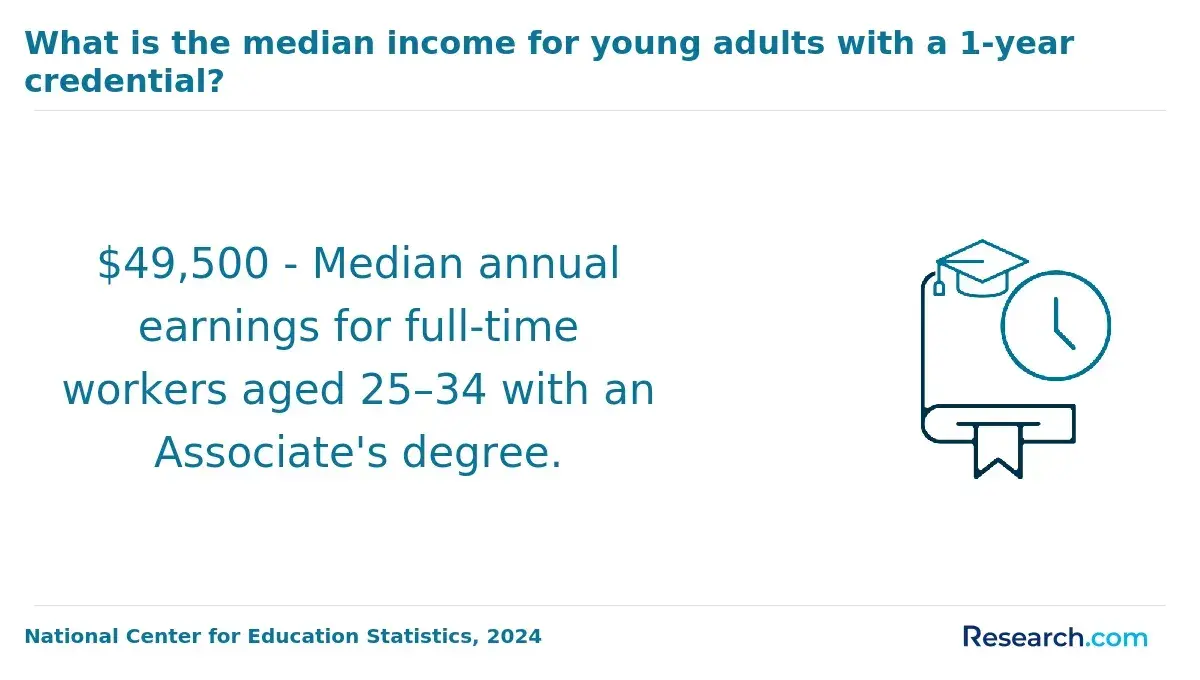
Starting salaries for graduates with a master's degree in interior design vary widely depending on role, experience, and market demand. According to the U.S. Bureau of Labor Statistics, entry-level interior designers earn a median annual salary near $50,000, with master's graduates often qualifying for slightly higher pay. Several factors shape these initial compensation levels.
- Role and Specialization: Different entry positions-such as design consultant, project coordinator, or junior designer-offer varying pay scales based on responsibilities and expertise. Graduates should target roles aligned with their skills to enhance salary potential at the outset.
- Experience and Portfolio: Early-career achievements like internships, freelance projects, and a compelling portfolio increase bargaining power. Demonstrating technical proficiency and creative credentials can improve the average entry-level salary with an interior design master's degree.
- Market Demand: Employment sectors actively growing or requiring specialized design services often provide higher starting wages. Graduates focused on these niches may secure more competitive offers even in their first year.
- Company Size and Prestige: Larger firms and well-known employers tend to offer better compensation to attract recent master's degree holders. Targeting these organizations can be advantageous during job searches.
For those weighing educational investments, examining salary prospects alongside other fields, such as engineering degrees, can provide useful career insights.
Which States Pay the Highest Salaries for Interior Design Master's Degree Holders?
Compensation for interior design master's degree holders fluctuates considerably across the United States, influenced by cost of living, demand for specialized expertise, and the density of design industries in each region. On average, some states offer annual salaries up to 20% higher than the national mean for these advanced degree holders. The states with top earning potential typically combine strong industry presence with competitive markets and economic factors favoring design professionals. Below are five states recognized for offering superior salaries to interior design master's graduates.
- California: The state's large metropolitan hubs and vibrant creative sectors create high demand for advanced interior design skills, pushing wages higher to compensate for the elevated cost of living.
- New York: A concentration of design agencies and corporate headquarters results in a competitive environment that rewards expertise with generous salaries.
- Texas: Booming urban expansion and increased corporate development drive up the need for interior design professionals, fostering attractive pay scales.
- Massachusetts: With its focus on education, innovation, and cultural institutions, Massachusetts sustains robust demand for highly trained interior designers, often reflecting in elevated compensation.
- Washington: The strong technology industry presence spurs growth in commercial and residential design projects, offering wage premiums to those with advanced design credentials.
When asked about his experience navigating the job market after earning a master's in interior design, a graduate shared that relocating to a state with higher salary prospects was both an exciting and daunting choice. He described how researching regional job availability, cost of living, and the nuances of local design firms influenced his decision more than just salary figures alone. "It wasn't just about chasing the highest paycheck," he explained, "but finding a place where my skills would be valued and where I could grow professionally. The transition involved uncertainty, but focusing on states with strong design economies made the leap worthwhile."
Which Interior Design Master's Specializations Lead to the Highest Salaries?
Specialized master's degrees in interior design can significantly enhance earning potential by meeting industry demand for focused expertise. Research from the American Society of Interior Designers (ASID) indicates that professionals with niche specializations can earn up to 20% more than those with a general interior design background. Below are some of the most lucrative specializations within this field.
- Healthcare Design: This specialization commands premium salaries due to its emphasis on patient safety, strict regulatory standards, and the need to create healing environments in medical settings such as hospitals and clinics.
- Architectural Lighting Design: Experts in this area are valued for their skills in improving both aesthetics and efficiency through advanced lighting solutions, which enhance functionality and reduce energy consumption.
- Commercial and Corporate Design: Focused on designing productive, brand-consistent workspaces, this specialization plays a critical role in improving business outcomes, justifying higher compensation.
- Sustainable or Green Design: Growing demand for environmentally responsible design increases the value of professionals skilled in sustainability practices, helping organizations meet ecological goals.
- Exhibition and Museum Design: Specialists in this niche create culturally significant, technically complex spaces requiring unique expertise that often leads to elevated salary offers.
What Skills Can Increase the Salary of a Interior Design Master's Degree Graduate?
Holding a master's degree in interior design can boost earning potential, but salary increases largely depend on mastering specific technical and leadership skills. Industry data shows that professionals with expertise in advanced design tools and sustainable methods can earn up to 15% more than their peers. Below are five crucial skills that significantly impact compensation for interior design master's graduates.
- Advanced CAD and BIM: Proficiency with computer-aided design (CAD) and Building Information Modeling (BIM) enables designers to deliver accurate, efficient building plans. This skill reduces project errors and costs, making graduates more valuable and better compensated.
- Sustainable Design Expertise: Knowledge of green design principles aligns with rising environmental priorities. Professionals skilled in sustainable techniques help clients meet eco-friendly goals, a capability that boosts their market value.
- Project Management Proficiency: Managing budgets, schedules, and resources strengthens a graduate's ability to oversee projects from start to finish. These responsibilities correspond with higher pay due to their direct impact on project success and profitability.
- Client Communication and Negotiation: Effective communication fosters trust and smooth negotiations, securing favorable contracts. Designers excelling in this area are often rewarded with better compensation as they enhance client satisfaction and business outcomes.
- Leadership and Team Coordination: Leading multidisciplinary teams requires strategic vision and organizational skills. Graduates who can successfully guide complex projects typically command premium salaries for these high-impact roles.
When speaking with a working professional currently enrolled in an interior design master's degree program, she reflected on the challenge of balancing academic demands with her full-time job. She noted that developing leadership skills through group projects was particularly rewarding despite the initial stress, as it gave her confidence to manage real-world teams more effectively. She added, "Applying project management concepts in class helped me negotiate deadlines better at work and improved how I communicate with clients." Her experience highlights how these skills not only enrich learning but also translate directly into enhanced salary prospects and career growth.
Is There a Salary Difference Between Online and On-Campus Interior Design Master's Graduates?
Many prospective master's students in interior design wonder if studying online versus on-campus impacts their earning potential after graduation. A 2023 survey by the National Association of Colleges and Employers (NACE) found that 43% of employers viewed online degrees less favorably than traditional on-campus degrees, though this perception is gradually changing as online programs gain credibility. This evolving employer attitude plays a role in how salaries compare between the two formats.
Measurable salary differences between online and on-campus interior design master's graduates tend to be minimal. More significant factors influencing compensation include the reputation and accreditation of the awarding institution, the graduate's portfolio, relevant work experience, and access to professional networks. While some employers still favor traditional programs, strong industry connections and demonstrated skills often outweigh the mode of study in salary negotiations. Hiring trends show increasing acceptance of online master's programs, particularly those with rigorous curricula and solid industry ties, signaling a narrowing gap in career outcomes regardless of format.
Mid-career professionals should prioritize selecting well-regarded programs with comprehensive internship and networking opportunities, whether online or on-campus, to maximize their salary prospects. The quality and relevance of the education, along with hands-on experience and a robust professional network, remain the critical drivers of compensation in interior design careers today.
Are Interior Design Master's Graduates More Competitive for Executive Positions?
Many professionals pursue a master's degree in interior design to strengthen their qualifications for senior leadership roles, aiming to boost their executive competitiveness. This advanced education signals a deeper commitment to leadership and strategic expertise beyond technical abilities. Several key factors contribute to the enhanced executive prospects of interior design master's graduates, including:
- Leadership Preparation: Developing skills to manage diverse teams and complex projects equips graduates to oversee organizational functions effectively and inspire collaborative innovation.
- Decision-Making Authority: An advanced understanding of design integrated with business strategies empowers graduates to make strategic choices that influence company direction and growth.
- Organizational Impact: Master's graduates can drive innovation and lead design processes that align aesthetics with business goals, thereby enhancing overall corporate performance.
- Professional Credibility: Holding a master's degree elevates graduates to industry expert status, increasing their influence with stakeholders and opening doors to executive recruitment.
- Network Expansion: Graduate programs foster connections with other leaders and mentors, broadening professional relationships crucial for executive opportunities.
Collectively, these factors increase leadership readiness and strategic capabilities, differentiating master's graduates from those with only undergraduate credentials within the competitive executive job market for interior design master's graduates. For mid-career professionals seeking to maximize their return on investment by targeting the most lucrative specialized roles, understanding these competitive advantages of interior design master's degree holders is essential. Exploring further growth opportunities may also include considering options such as online MSW programs that complement design leadership with broader management and organizational skills.
What Is the ROI of a Interior Design Master's Degree?
Return on investment (ROI) is a key consideration for prospective interior design master's students weighing tuition costs against the long-term financial benefits. Research indicates that master's degree holders in design-related fields typically earn about 20% more over their lifetime compared to those with only a bachelor's degree, highlighting the significant premium advanced education can offer. Several key factors influence the overall ROI, shaping both immediate and future career outcomes.
- Tuition Costs: Higher tuition can reduce short-term ROI since it increases initial expenses. However, these costs can be outweighed by future salary gains in leadership or specialized design roles.
- Salary Growth: A master's degree often unlocks higher-paying positions and accelerated salary trajectories, directly improving the long-term financial rewards of advanced studies.
- Opportunity Cost: Time devoted to graduate studies may delay entry into full-time professional work, temporarily impacting income but potentially increasing earning potential over a full career.
- Career Mobility: Advanced credentials broaden eligibility for diverse roles, enhancing job opportunities, marketability, and access to the highest-paying jobs with a interior design master's degree.
- Networking Value: Graduate programs cultivate vital industry connections and mentorships, supporting sustained career advancement and long-term job security.
These factors collectively influence the long-term financial benefits of a interior design master's degree. Graduates who effectively leverage expanded expertise and networks often secure greater income potential and enhanced career resilience. For those seeking flexible pathways, exploring online universities that are accredited can also maximize ROI while balancing professional commitments.
What Is the Job Outlook for Interior Design Master's Degree Holders?
Prospective interior design master's students must consider long-term career stability and growth potential before committing to advanced studies. The U.S. Bureau of Labor Statistics projects employment for interior designers to grow about 5% from 2022 to 2032, aligning with the average for all occupations. However, those with master's degrees often benefit from stronger opportunities driven by specialized knowledge and leadership abilities. Several factors shape the evolving job market for interior design master's graduates:
- Long-Term Demand Trends: Rising emphasis on sustainable, health-focused spaces is boosting demand for designers skilled in innovative, eco-conscious materials and approaches.
- Evolving Skill Needs: Master's programs equip graduates with expertise in technologies like 3D visualization and Building Information Modeling, enhancing adaptability to industry advancements.
- Technological Change: Rapid digitization of design processes creates openings for professionals who can lead and implement cutting-edge digital tools effectively.
- Leadership Pipelines: Advanced degrees frequently position graduates for managerial roles, project oversight, and client engagement, supporting upward career mobility.
- Economic Resilience: While budgets may vary with economic shifts, those with specialized skills and innovation capabilities tend to maintain competitiveness even in fluctuating markets.
What Graduates Say About the Highest-Paying Jobs with a Interior Design Master's Degree
- Raul: "Choosing to pursue a master's in interior design was a game changer for me, especially because it focused deeply on sustainable and high-end residential projects, which are among the highest paying specialties. Although the cost was significant, the investment paid off quickly as I secured a position at a top firm with impressive salary growth. The degree not only boosted my credentials but opened doors to exclusive networking opportunities essential for career advancement."
- Elisha: "Reflecting on my master's in interior design, I realize how crucial understanding business and project management was in landing well-paid roles within commercial design. The program's cost was somewhat daunting, but the financial return became clear once I began consulting for luxury hospitality clients. This degree elevated my career, allowing me to negotiate better contracts and take on leadership roles in high-budget projects."
- Michael: "From a professional standpoint, earning a master's in interior design added a layer of credibility that dramatically increased my earning potential, especially in corporate and healthcare design sectors. The cost was challenging at first, but the specialized skills and exposure ultimately provided a financial lift through expanded job options and salary. I'm grateful for how that education empowered me to redefine my career path and command top-tier compensation."
Other Things You Should Know About Interior Design Degrees
Networking can substantially enhance career opportunities for those with a master's in interior design. Building connections with industry professionals may lead to high-paying positions, project collaborations, and mentorships, fostering robust career growth and possibly increasing earning potential in the interior design field.
In 2027, the highest-paying positions for those with a master's degree in interior design include roles such as Chief Interior Designer, Design Director, and Senior Interior Architect. These positions typically demand advanced skills, extensive experience, and leadership capabilities, offering salaries that reflect these high-level responsibilities.
References
- What can you do with an interior design degree? https://www.huddersfieldisc.com/blog/what-can-you-do-with-interior-design-degree
- The Hidden ROI of Branded Interior Design: Numbers That Will Surprise You https://xibeo.com/the-hidden-roi-of-branded-interior-design-numbers-that-will-surprise-you/
- Interior Design Salary: The Complete 2024-2025 Compensation Guide - propertyliftup.com https://propertyliftup.com/interior-design-salary-the-complete-2024-2025-compensation-guide/
- How nine interior designers got their jobs (plus their advice for someone hoping to do the same) https://www.houseandgarden.co.uk/gallery/how-to-become-an-interior-designer-career-advice
- Top 10 Highest Paying Jobs with Interior Design Degree https://www.vidyalive.com/blog/highest-paying-jobs-with-interior-design-degree/
- Interior Designer Salary (December 2025) | AFTA https://jobbank.artsusa.org/salary/interior-designer
- 219% ROI of High-End Interior Design That Makes You Rich • IDW Design https://idw.design/invest-in-interior-design-roi-of-high-end-interior-design-to-a-house/
- Learn How To Earn A Master's In Interior Design Online https://www.learnhowtobecome.org/best-online-masters-in-interior-design-degree-programs/
- Benefits of Pursuing an Interior Design Course https://idea-worldwide.com/blog/benefits-of-pursuing-an-interior-design-course
- Masters in Interior Design: Is It Worth for Your Career in 2025? - United Institute of Design https://uid.edu.in/blogs/masters-in-interior-design-is-it-worth-for-your-career-in-2025/


