2027 Highest-Paying Jobs You Can Get With a Clinical Psychology Degree

Co-Founder and Chief Data Scientist
Deciding whether to pursue a clinical psychology degree often hinges on understanding its financial benefits, especially given the significant wage premium graduate credentials can provide in this field. Many are uncertain how much professional licensure and certification boost salaries or whether the return on investment outweighs alternative career pathways.
For instance, licensed clinical psychologists report median annual salaries approximately 20% higher than those without licensure, with geographic location and industry also playing critical roles. This article will explore the highest-paying jobs achievable with a clinical psychology degree, offering a data-driven guide to help readers evaluate career prospects, compensation factors, and certification impacts.
Key Things to Know About the Highest-Paying Jobs You Can Get With a Clinical Psychology Degree
- Graduate credentials in clinical psychology yield a wage premium of approximately 20% compared to bachelor's-only holders, reflecting enhanced expertise and research skills.
- Licensure and certification significantly boost salaries. Licensed clinical psychologists often earn 15-30% more due to higher trust and autonomy in clinical decision-making.
- The return-on-investment for clinical psychology degrees surpasses many alternative healthcare pathways, with median salaries near $80,000 and strong long-term growth prospects.
What Exactly Does a Clinical Psychology Degree Qualify You to Do in Today's Job Market?
A clinical psychology degree prepares graduates to work in specialized roles that blend scientific research and therapeutic practice, recognized by the U.S. Bureau of Labor Statistics (BLS) and professional bodies such as the American Psychological Association. This credential qualifies individuals to assess, diagnose, and treat mental health disorders across diverse settings, including hospitals, private practices, schools, and community health centers.
Employers frequently prefer clinical psychology degree holders due to their demonstrated mix of technical, analytical, and interpersonal competencies, clearly distinguishing them from candidates relying solely on on-the-job experience or alternative credentials.
- Technical Competence: Graduates acquire mastery of evidence-based psychological assessments, testing, and treatment methods, requiring rigorous academic training and supervised clinical hours.
- Analytical Skills: Emphasizing research methodology and data analysis enables practitioners to apply scientific findings effectively and stay current with evolving therapeutic techniques.
- Interpersonal Expertise: Advanced communication and empathy skills help form strong therapeutic alliances, manage sensitive client issues, and collaborate effectively within multidisciplinary teams.
- Licensure Requirements: While essential, the degree alone does not permit independent practice. Licensure typically demands a doctoral degree, supervised clinical experience, and passing of state licensing exams.
- Career Scope: Although opening doors to credential-gated healthcare and research roles, the degree does not authorize prescribing medications or performing medical procedures, functions reserved for psychiatrists or medical professionals.
- Credential Differentiation: Employers value clinical psychology graduates significantly more than those with counseling certificates or bachelor's degrees, especially for advanced diagnostic and leadership positions.
- Degree Levels and Earnings: The highest-paying roles are predominantly held by doctoral degree (PhD or PsyD) graduates, while master's holders occupy mid-level roles, and bachelor's degree holders typically access support positions.
Throughout this article, we will examine top-paying job titles associated with clinical psychology credentials, analyze how professional licensure amplifies earning capacity, and compare the return on investment across degree levels. For those considering education pathways, it is also valuable to explore related credentials, such as a DNP program, to understand alternate routes in healthcare professions.
Which Clinical Psychology Jobs Command the Highest Salaries Right Now?
Among the highest-paying clinical psychology jobs in the United States, several roles stand out by offering differentiated wages based on advanced credentials and expertise. According to the latest data from the Bureau of Labor Statistics (BLS) Occupational Employment and Wage Statistics, along with insights from the National Compensation Survey, these positions demonstrate substantial salary variation depending on experience and specialization.
- Psychiatrists and Psychiatric Specialists: While psychiatrists usually require medical degrees, some psychiatric specialists holding clinical psychology doctorates earn competitive salaries. Median wages exceed $120,000, with the 75th percentile approaching $150,000 and the top 10 percent surpassing $180,000 annually.
- Clinical Psychologists: This core profession features median salaries around $81,000, rising to roughly $105,000 at the 75th percentile and topping $130,000 among the highest earners. Doctoral degrees and state licensure, especially in neuropsychology or forensic psychology, maximize earning potential.
- Industrial-Organizational Psychologists: Clinical psychology graduates with additional training in organizational behavior enter this lucrative niche with a median pay of nearly $97,000. Upper quartile earnings reach $120,000, and top earners exceed $150,000, though competition includes candidates with business or specialized I-O degrees.
- Health Service Managers: Specialized clinical psychology degree holders focusing on healthcare administration may access management roles with median salaries near $100,000. Mid- to upper-level salaries range between $120,000 and $160,000, depending on experience and facility type.
- Degree Level: Highest salaries strongly correlate with doctoral credentials, PhD or PsyD, while master's degree holders typically face more limited financial growth without additional certification.
- Occupational Specializations: Earnings rise significantly in neuropsychology, forensic psychology, and health psychology, where demand and complexity elevate compensation.
- Industries: Clinical psychologists working in private practice, hospitals, or government settings generally command higher pay than those in academic or community health environments.
- Geographic Markets: Urban centers and areas with elevated costs of living tend to offer salary scales exceeding national medians by 15-30%.
- Employer Types: Salaries vary widely. Private sector roles often pay more than public institutions, but federal agencies may provide unique benefits and stability.
Licensed clinical psychologists seeking top salaries frequently compete with professionals from counseling, social work, or psychiatry in mixed-credential fields such as behavioral health administration. However, holding a clinical psychology degree combined with state licensure or board certification delivers a measurable salary premium. This dynamic is crucial for anyone aiming for top salaries for licensed clinical psychologists.
Salary outcomes for clinical psychology degree holders reflect a complex mix of credential level, occupational specialization, geographic location, and employer sector. Prospective students should weigh these factors carefully when deciding whether a clinical psychology degree aligns with their income goals, risk tolerance, and long-term career aspirations.
For those exploring administrative roles, considering a healthcare administration degree online accredited could complement clinical expertise and expand earning potential.
How Does Degree Level-Bachelor's vs. Master's vs. Doctoral-Affect Clinical Psychology Earning Potential?
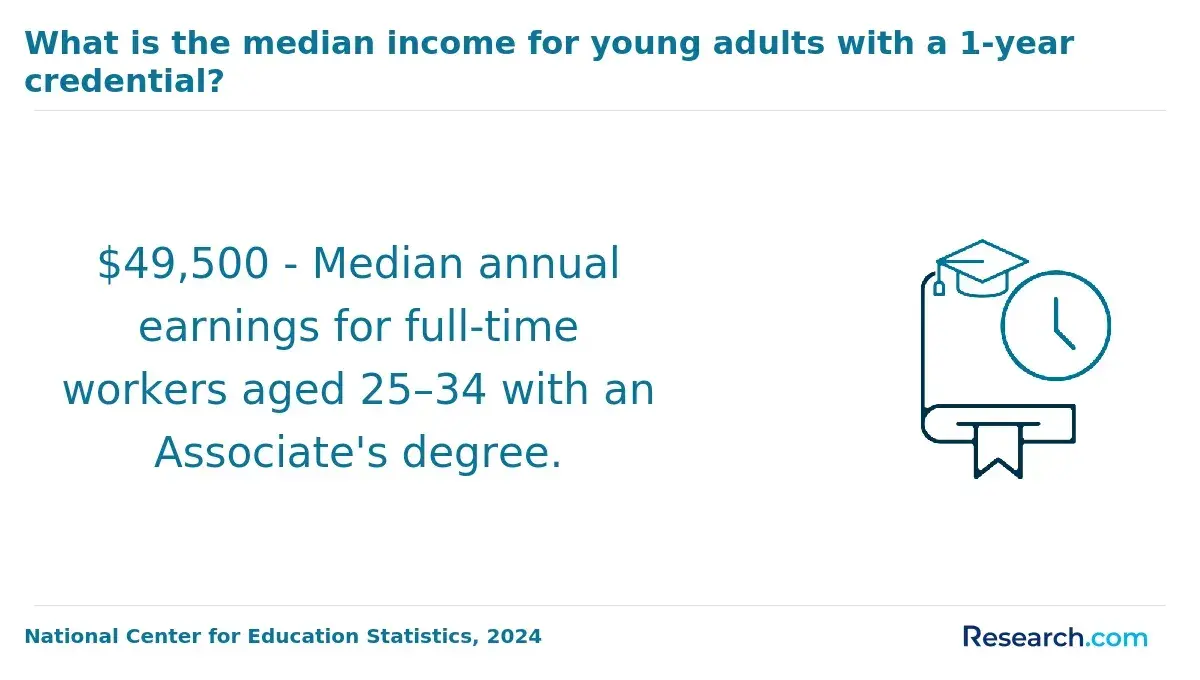
Understanding how different degree levels impact earning potential is important for students, professionals, and career planners. Each level of education can lead to different opportunities, responsibilities, and salary outcomes across various fields and industries.
- Bachelor's Degree: Roles available to those with only a bachelor's degree in clinical psychology are generally limited to support functions such as behavioral health aides or psychiatric technicians. These positions tend to offer median salaries in the $30,000 to $40,000 range and do not require licensure. They have a relatively low salary ceiling due to limited clinical responsibilities.
- Master's Degree: Earning a master's degree expands opportunities to licensed therapist roles, counselor positions, and psychological assistants, with median incomes typically between $50,000 and $70,000. Despite this increase, the highest-paying clinical psychology jobs often demand a doctoral degree. Independent practice and state licensure often stipulate doctoral-level credentials, restricting the master's degree holder's ability to access top-tier salary roles.
- Doctoral Degree: Doctoral education, whether a Psy.D. or Ph.D., is required for the most lucrative clinical psychology positions, including licensed clinical psychologist, neuropsychologist, or clinical faculty at academic institutions. Median earnings for these roles generally range from $90,000 to $110,000 or higher annually, a substantial gain above master 's-level positions. Licensing bodies enforce doctoral requirements due to the complex clinical judgment and independent treatment responsibilities these jobs entail.
- Time-to-Payoff: Graduate students must evaluate the investment in time and money. Doctoral programs often involve 5 to 7 years of study plus supervised clinical hours, which delays full-time earnings and increases educational debt. The return, sometimes a $40,000, plus annual premium over master's degree salaries, must be balanced against lost bachelor-level wages and tuition expenses.
- Pathways: Students with relevant bachelor's degrees may find master's programs quicker, but with limited income growth. Career changers aiming for the highest financial rewards typically need to pursue doctoral degrees to meet licensure and employer standards that gate premium earnings.
A professional who successfully completed a clinical psychology degree reflected on his experience, emphasizing how challenging the doctoral journey was beyond academics. "The years of intense coursework, research demands, and accruing supervised hours often felt overwhelming."
"Balancing the financial strain with delayed earnings wasn't easy, especially knowing it could be years before I saw significant salary improvements. But the credential opened doors to roles I couldn't reach otherwise, and finally attaining licensure brought a confidence and income level that justified the sacrifices."
Which Industries and Employers Pay Clinical Psychology Graduates the Most?
Compensation for clinical psychology graduates varies widely depending on the industry and type of employer, each shaped by specific market demands and organizational priorities. The private sector, particularly healthcare institutions such as large hospitals and specialized mental health clinics, offers some of the highest-paying opportunities.
These employers often prioritize candidates with doctoral degrees and board certifications due to the intense competition for skilled professionals and the sizable patient population driving demand.
- Private Sector: High revenue clinics and hospitals invest heavily in attracting qualified talent by offering superior salaries, particularly for roles requiring advanced credentials or leadership experience.
- Government Agencies: Federal and state employers generally provide stable positions with strong benefits, though base salaries tend to be lower than those in the private sector. Exceptions include federal research facilities, veterans' health systems, and forensic units, where pay premiums reflect specialized expertise and security clearances.
- Nonprofit Organizations: Salaries here often depend on organizational size and funding. Clinical psychologists in major foundations or advocacy groups with federal grants can receive competitive compensation, albeit generally below private sector levels.
- Self-Employed Practitioners: Independent clinicians and consultants can exceed institutional wages, especially when operating in affluent markets or niche areas. Income volatility is significant, but successful practitioners may attain six-figure earnings.
Industry characteristics such as budget scale, regulatory oversight, and shortages of qualified professionals heavily influence salary levels. Titles and degree levels interplay with industry choice; PhD or PsyD holders and roles like clinical director or forensic psychologist command higher wages reflecting expertise and leadership.
Graduates seeking the highest-paying employers for clinical psychology graduates should consider building relevant certifications and professional networks during their studies. Aligning job searches with sectors experiencing labor shortages and growth can improve negotiating power. For those exploring educational paths aligned with flexible, self-directed learning, options like the cheapest self-paced online college programs provide accessible credential upgrades essential for competitive positioning.
What Geographic Markets Offer the Best-Paying Clinical Psychology Jobs?
Certain metropolitan regions consistently provide the most lucrative clinical psychology jobs when factoring in median wages adjusted for cost of living. These high-value markets attract top-tier employers and offer diverse clinical settings that support competitive salaries across both private and institutional sectors.
- San Francisco Bay Area: Known for high nominal wages driven by demand in private practice and hospital work, this area maintains strong adjusted earnings despite steep housing and living expenses.
- New York City Metro: Hosting many prestigious medical and research institutions, this market offers substantial pay, particularly for clinical psychologists with advanced certifications, though the cost of living tempers the real income gains.
- Washington, D.C. Metro Area: Featuring numerous federal agencies, VA hospitals, and private clinics, the region delivers solid wages with a cost of living somewhat lower than San Francisco and New York.
- Seattle, WA: With a rising healthcare sector emphasizing mental health, Seattle presents high wages coupled with lower living costs compared to some coastal metros.
- Midwestern Regions (Minneapolis-St. Paul, Chicago): These areas combine academic centers with community health systems, yielding good wages that stretch further due to comparatively affordable living expenses.
Remote and hybrid work models have begun to blur traditional geographic pay disparities in clinical psychology. Many assessment and therapy roles can now be conducted offsite, enhancing income potential for those residing in lower-cost regions. Nevertheless, certain positions demand physical presence due to licensing laws, client proximity, or clinical facility access, particularly in inpatient or specialized care settings.
Deciding between relocating to a high-paying but expensive market or utilizing telehealth opportunities from a lower-cost area involves evaluating both nominal salary and true purchasing power. Professionals should align these factors with their credentials, job flexibility, and lifestyle priorities to optimize earnings and career satisfaction.
When I asked a clinical psychology graduate about her experience navigating geographic salary differences, she reflected on balancing opportunity and lifestyle. "Transitioning from a smaller market to Washington, D.C., was daunting; The licensing hurdles and high rent felt intimidating, but the range of clinical roles and federal positions made it worthwhile.
Still, I've seen colleagues thrive working remotely from more affordable cities, which offer peace of mind and financial flexibility. Ultimately, it's about matching the job's demands with where you live and what you value most professionally and personally." Her account highlights the complex trade-offs behind choosing where to build a clinical psychology career.
How Do Professional Certifications and Licenses Boost Clinical Psychology Salaries?
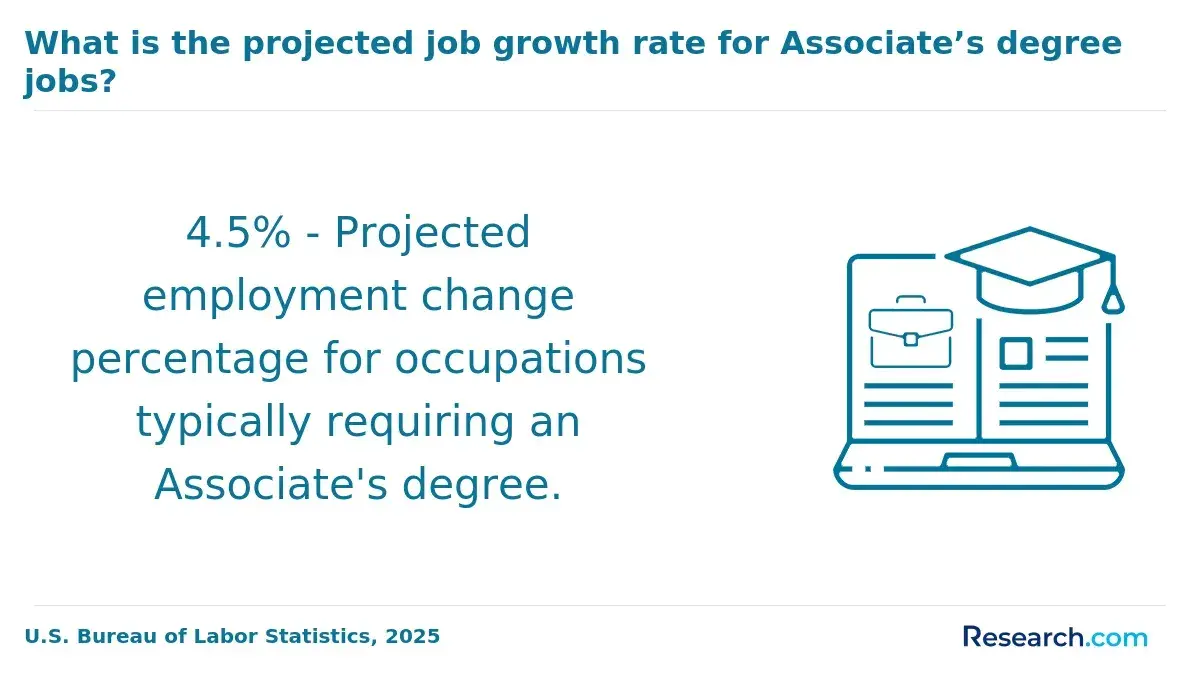
Licensure for clinical psychology, such as the Licensed Clinical Psychologist (LCP) credential, is essential for independent practice and typically requires a doctoral degree, between 1,500 and 2,000 supervised clinical hours, and passing both the Examination for Professional Practice in Psychology (EPPP) and a state-specific jurisprudence exam.
The cost for exams and application fees ranges from $600 to $1,200, with ongoing renewal every one to three years requiring continuing education. Licensed psychologists tend to earn 20-30% more than those without licensure, according to surveys by the American Psychological Association (APA).
Specialty certifications from reputable organizations like the American Board of Professional Psychology (ABPP) offer additional credentialing in fields such as clinical neuropsychology or forensic psychology. These certifications involve rigorous written and oral exams plus practice reviews, costing approximately $1,500. Psychologists holding ABPP certification report median salary boosts of 15-25%, reflecting higher employer and client trust.
Maintaining certification requires renewal every 10 years through continuing education.
- Eligibility: Doctoral degree and active licensure.
- Exam Structure: Multiple-choice, essays, and oral components.
- Renewal: Periodic continuing education and fees.
- Cost: Typically $600 to $1,500 depending on credential.
Prospective candidates should confirm that certifications are accredited by recognized bodies such as ANSI or NCCA. Many employers, especially hospitals and government agencies, prefer or require these credentials, so verifying industry relevance is crucial to maximizing salary benefits.
What Is the Salary Trajectory for Clinical Psychology Professionals Over a Full Career?
Entry-level clinical psychology professionals commonly begin with salaries ranging from $60,000 to $75,000 within their first five years, figures shaped by factors such as geographic location and employer type. This phase emphasizes gaining licensure and accumulating valuable clinical experience, which are essential for advancing to higher-paying roles.
- Early Career: Focused on licensure and foundational practice, this period sets the stage for future earnings growth.
- Mid-Career Growth: Around ten years in, clinical psychologists often enter specialized fields, like neuropsychology or forensic psychology, or obtain certifications that elevate salaries to approximately $90,000-$110,000 annually.
- Career Inflection Points: Transitions to supervisory or managerial roles within healthcare systems typically trigger notable salary increases. Launching private practices or assuming leadership positions in clinics can substantially exceed median compensation levels.
- Peak Career Earnings: With two decades of experience, professionals may earn upwards of $120,000, especially when combining clinical work with teaching, research, or consultancy.
- Strategic Decisions: Factors such as reputation-building, continuous networking, and commitment to professional development differentiate top earners from peers with similar degrees.
Specialized expertise, leadership responsibilities, and business development capability drive compensation growth throughout a clinical psychology career, an important consideration for prospective students evaluating the return on investment of their degree compared to alternative educational and career pathways.
Which Clinical Psychology Specializations and Concentrations Lead to the Highest-Paying Roles?
Specializations within clinical psychology significantly influence salary prospects, especially when viewed through the lens of job posting demand and BLS wage data. Neuropsychology consistently ranks among the top-paying concentrations as it requires advanced expertise in brain-based disorders and often involves work in hospitals or research facilities where qualified professionals are scarce.
This scarcity drives premium salaries, a common pattern among top-paying clinical psychology concentrations in the US. Child and adolescent psychology also offers strong earning potential, fueled by increasing demand for mental health services tailored to younger populations and the regulatory complexities that limit qualified practitioners.
Health psychology commands higher wages in integrated medical settings that emphasize interdisciplinary collaboration, while forensic psychology specialists earn premiums for providing expert testimony and technical evaluations in legal cases. Similarly, substance abuse and addiction psychology are lucrative fields due to ongoing public health concerns.
For currently enrolled students pursuing broad clinical psychology degrees, targeted internships and professional certification stacking, like Board Certified Specialist credentials, can open doors to higher-paying roles without necessitating additional degrees. Continuous education that complements existing expertise can also bridge gaps in specialized areas.
- Market Scarcity: Salary premiums often reflect shortages in qualified professionals, as seen in neuropsychology.
- Regulatory Complexity: Fields requiring specialized licensure tend to offer higher pay to compensate for credentialing challenges.
- Return on Investment: Top online clinical psychology programs balance flexible learning with competitive tuition, enhancing earning potential efficiently, much like exercise science degrees online.
- Certification Stacking: Multiple credentials expand role opportunities and increase marketability in specialized clinical psychology sectors.
How Does the Clinical Psychology Job Market's Growth Outlook Affect Long-Term Earning Stability?
The job market for clinical psychology professionals is projected to grow steadily over the next decade, with the Bureau of Labor Statistics estimating about an 11% increase in employment, faster than the average for all occupations. This growth is driven primarily by rising demand for mental health services among aging populations and broader societal recognition of psychological well-being.
These trends suggest a stable long-term earning potential for many clinical psychology roles, especially those requiring advanced degrees and specialized licensure. The clinical psychology job market growth and earnings stability appear strong as mental health services continue to expand across diverse settings.
Several high-paying positions within clinical psychology show particularly strong employment growth and low automation risk. Licensed clinical psychologists and neuropsychologists, who often work directly with patients in settings where human empathy and judgment are critical, benefit from these dynamics, qualities that technology cannot easily replicate.
However, some segments face potential challenges. Roles heavily reliant on insurance reimbursements or government funding may experience budget contractions during economic downturns. Credential inflation also requires clinicians to pursue advanced certifications to remain competitive, increasing investment in education, but also enhancing job security.
Professionals can boost their positioning by earning advanced degrees, maintaining licensure, and gaining interdisciplinary skills such as telehealth competency, an increasingly valuable asset in clinical psychology careers.
- Growth: Demand increases in healthcare and school settings boost job openings for licensed clinical psychologists and counselors.
- Automation Risk: Low, as clinical judgment and patient interaction are difficult to replace with AI or standard algorithms.
- Legislative Impact: Expanding mental health parity laws improves reimbursement rates and service coverage, supporting stable employer demand.
- Structural Headwinds: Budget cuts in public mental health agencies can reduce job security for some practitioners.
- Risk vs. Reward: Some high-paying niches, like private practice or forensic psychology, offer attractive salaries but entail fluctuating client bases and income volatility.
- Positioning: Earning advanced degrees and maintaining licensure, while gaining interdisciplinary skills such as telehealth competency, improves career stability.
Comparing career investment choices, those considering clinical psychology degrees might also explore cost-effective graduate programs, including specialized options like an MBA healthcare track.
Such degrees can complement clinical expertise, particularly for those aiming to enter administrative roles within healthcare organizations. This layered credentialing approach may enhance earnings potential and job security in a competitive labor market focused on clinically informed leadership as well as patient care.
What Leadership and Management Roles Are Available to High-Earning Clinical Psychology Graduates?
Leadership positions in clinical psychology stand at the apex of career advancement, involving oversight of complex clinical services and guiding multidisciplinary teams. Titles such as Clinical Director, Program Manager, Chief Psychologist, and Director of Behavioral Health Services are typical. These roles commonly occur within hospitals, large mental health organizations, academia, and government agencies.
- Organizational Levels: Leaders manage staff, budgets, and clinical policies to ensure quality care and regulatory compliance in diverse healthcare environments.
- Credentials and Experience: Most top executives hold doctoral degrees (PhD or PsyD) in clinical psychology with active licensure, often bolstered by board certifications and over a decade of clinical experience. Additional qualifications like an MBA or a master's in healthcare administration frequently enhance management capabilities.
- Salary Premium: Bureau of Labor Statistics data show that while individual contributor clinical psychologists earn median wages around $85,000 annually, those in executive roles, such as health services managers, command salaries surpassing $100,000, reflecting their responsibilities for program direction, fiscal oversight, compliance, and staff management.
- Pathways to Leadership: Advancement generally entails building clinical specialization, followed by supervisory duties over 5 to 10 years. Participation in leadership training, certifications, and formal management education accelerates promotion prospects.
- Strategic Career Decisions: Prospective leaders enhance their eligibility by pairing clinical credentials with graduate degrees in business or healthcare administration. Early-career professionals should seek leadership opportunities, cultivate administrative expertise, and engage in professional networking to improve advancement chances.
Which Emerging Clinical Psychology Career Paths Are Positioned to Become Tomorrow's Highest-Paying Jobs?
Advancements in technology and shifting healthcare landscapes are fueling new, lucrative career paths for clinical psychology degree holders. These roles blend traditional clinical expertise with emerging fields, offering a competitive edge for those who invest in relevant supplementary training.
- Digital Therapeutics Specialists: The rise of teletherapy and mental health apps creates demand for psychologists skilled in digital health tools. Programs increasingly integrate telehealth protocols and digital assessments to ready students for these tech-enhanced roles.
- Neuropsychology with AI Integration: Leveraging artificial intelligence to improve diagnostics and treatment personalization is transforming neuropsychology. Augmenting clinical knowledge with data science or AI ethics coursework sharpens candidates' market appeal.
- Behavioral Health Data Analysts: As outcome-based healthcare grows, expertise in interpreting complex data sets to enhance psychological care garners higher pay. Combining clinical foundations with statistics or health informatics training is key.
- Regulatory Compliance Experts in Mental Health: Increasingly complex mental health regulations create opportunities for psychologists fluent in healthcare law and ethics. Micro-credentials in policy analysis can differentiate candidates.
- Integrated Care Coordinators: Coordinating multidisciplinary care teams boosts demand for professionals who excel in healthcare communication and management, translating to better compensation prospects.
Choosing an emerging specialty involves balancing early adoption benefits against the uncertainty of market uptake rates. Roles anchored in broad demand and scalable practices typically offer more reliable returns.
Staying abreast of labor market trends via organizations like the American Psychological Association and data platforms such as Lightcast, Burning Glass, or LinkedIn Economic Graph positions professionals to adapt and thrive as these fields expand.
What Graduates Say About the Highest-Paying Jobs You Can Get With a Clinical Psychology Degree
- Cade: "Graduating with a clinical psychology degree truly opened doors I hadn't imagined. There's a significant wage premium for advanced credentials in this field. I was particularly impressed to learn how professional licensure and certification dramatically boost salary potential, often distinguishing entry-level roles from high-paying specialized positions. For anyone considering this path, the ROI compared to other degrees is compelling, especially with the growing mental health demands nationwide."
- Mohamed: "Reflecting on my journey, I found that industry type and geographic location played pivotal roles in determining earning potential after earning my clinical psychology degree. Working in urban healthcare settings gave me access to higher salaries than I initially expected, which made the upfront cost feel more justified. It's fascinating how the credential not only enhances credibility but can substantially impact income stability depending on where you choose to practice."
- Axel: "From a professional standpoint, getting certified as a licensed clinical psychologist was a game-changer for my career trajectory and salary growth. The difference the degree makes compared to alternative educational routes is clear: clinical psychology credentials offer a strong return on investment and open higher-paying opportunities in both private practice and institutional roles. It's a field where your choices about certification and location have real financial implications."
Other Things You Should Know About Clinical Psychology Degrees
A clinical psychology degree typically offers a higher lifetime earning potential compared to alternative credentials such as counseling or social work degrees. The advanced training, especially at the doctoral level, opens doors to specialized roles with greater responsibility and higher pay. Although the cost and duration of clinical psychology programs are significant, the wage premium and licensure opportunities often justify the investment in the long term.
Compensation for clinical psychologists varies considerably depending on the employer. Private sector jobs, especially in healthcare organizations and private practices, tend to offer higher salaries and performance bonuses. Public and nonprofit roles may provide more stability and benefits, but generally have lower base pay. Understanding these differences helps graduates align their job search with their financial and career priorities.
Practical experience gained through internships and practicums is critical for enhancing employability and negotiating starting salaries. Graduates who complete placements in well-regarded institutions or specialize early often command better offers. Employers value demonstrated clinical skills and familiarity with real-world settings, experience that translates to greater initial compensation and faster career advancement.
References
- 5 Career Paths for a Psy.D. in Clinical Psychology https://gsep.pepperdine.edu/blog/posts/5-career-paths-for-a-psyd-in-clinical-psychology.htm
- Psychology Specializations That Are Growing Fast in 2025 https://neupsykey.com/psychology-specializations-that-are-growing-fast-in-2025/
- How to Become a Clinical Psychologist: Requirements, Timeline & Salary Guide - Online Psychology Programs https://onlinepsychologyprograms.org/career-paths/clinical-psychologist/
- From Bachelor’s Degree to Doctoral Study: What You Need to Know About PhDs and PsyDs https://paloaltou.edu/resources/blog/bachelors-degree-doctoral-study-what-you-need-know-about-phds-and-psyds
- Masters vs. Doctorate in Clinical Psychology https://www.psychologytoday.com/us/blog/careers-in-psych/201606/masters-vs-doctorate-in-clinical-psychology
- Top 5 Highest Paying Jobs for Clinical Psychologists | AMN Healthcare https://www.amnhealthcare.com/blog/schools/top-five-highest-paying-jobs-for-clinical-psychologists/
- Certification Benefits for Early Career Psychologists - ABPP https://abpp.org/application-information/application-types/early-career-psychologist-ecp/certification-benefits-for-ecps/
- 10 Highest Paying Countries for Psychologists: Top Companies & Avg Salary https://www.instarem.com/blog/highest-paying-countries-for-psychologists/
- 14 Exciting Psychology Careers in High Demand https://www.ucumberlands.edu/blog/14-exciting-psychology-careers-high-demand
- The 9 Highest Paying Psychology Careers https://www.verywellmind.com/the-9-highest-paying-psychology-careers-2794940