2027 History Internship Requirements: Hours, Placements, and Supervision

Co-Founder and Chief Data Scientist
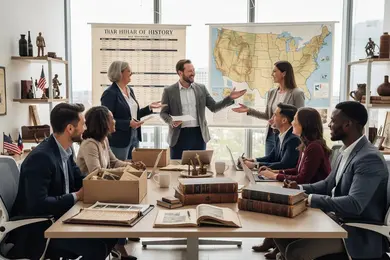
Many students entering history degree programs face uncertainty about internship demands. While internships are designed to build practical expertise, navigating the required hours, securing placements in appropriate settings like museums or archives, and understanding supervision expectations can be challenging.
Approximately 68% of history graduates report that internships significantly impacted their employability in related fields. These real-world experiences not only complement academic study but also prepare students for professional roles.
This article outlines essential internship requirements, covering hours, placement options, and supervision standards in history programs, providing clarity and guidance for students pursuing practical credit in their degree.
Key Things to Know About History Internship Requirements
- Internship hours usually range from 100 to 200, requiring careful scheduling to balance coursework and fieldwork without delaying graduation timelines.
- Placement availability depends on partnerships with museums, archives, and cultural organizations, often limiting students to specific geographic regions or specialties.
- Supervision involves regular evaluations by site mentors and academic advisors, emphasizing professional development and ensuring meaningful historical research experience.
Do All History Degrees Require an Internship?
Internships are often integrated into history curricula to provide students with practical experience that enhances their academic studies. About 60% of history majors engage in internships, reflecting the value placed on hands-on learning even when internships are not mandatory.
Various factors influence whether a history degree internship requirements mandate participation in an internship, as outlined below:
- Program Type: Bachelor's history programs typically offer internships as optional experiences, allowing students flexibility in how they gain practical skills. Conversely, some master's programs incorporate internships as essential components to better prepare students for professional careers.
- Accreditation Expectations: Certain specialized or public history programs require internships to comply with accreditation standards that emphasize experiential learning as critical for student development and career readiness.
- Specialization Tracks: Students focusing on areas such as museum studies, archival science, or historic preservation are more likely to encounter mandatory internships due to the practical nature of these fields.
- Alternative Experiential Options: Some programs permit students to fulfill experiential learning requirements through research projects, service learning, or study abroad opportunities instead of a traditional internship, accommodating diverse interests and career goals.
Those seeking flexible education pathways might consider online schools that accept FAFSA to explore varied program structures that may or may not require internships.
What Requirements Must Be Met Before Starting a History Internship?
Internship programs establish prerequisites to ensure that students possess the academic foundation and skills required to succeed in professional settings. Studies show that about 85% of internship programs mandate minimum academic standards to verify candidates' preparedness.
Below are common eligibility criteria students must meet before starting a history internship:
- Minimum GPA: Internships typically require a minimum grade point average around 2.5 on a 4.0 scale. This baseline demonstrates consistent academic achievement and readiness to handle challenging coursework essential for the internship.
- Completed Coursework: Candidates must usually finish two to three foundational history courses focused on research methods, historiography, or specific regional and thematic studies. These courses provide critical theoretical knowledge and practical skills for working effectively with historical materials.
- Application Approval: Students are often required to submit a detailed application including a resume, academic transcripts, and sometimes a statement of purpose or letters of recommendation. This helps coordinators evaluate the applicant's motivation and suitability for the internship role.
- Background Checks: For placements involving sensitive archival collections or vulnerable populations, background screenings or clearances may be mandatory. This ensures legal compliance and protects both students and institutions.
Meeting these requirements reflects a student's commitment to academic integrity and professional engagement within the field of History. Such standards help create a productive and secure internship environment conducive to meaningful learning and contribution.
How Many Internship Hours Are Required for History Degrees?
Internship hours are established within history degree programs to ensure that students gain practical experience relevant to their academic learning and career readiness. Typically, programs require between 100 and 300 hours, with many institutions using a conversion of about 30 hours per credit.
For example, a 3-credit course often entails roughly 120 internship hours. Several factors help determine the exact hour requirements:
- Academic Credit Conversion: Internship hours are tied to credit hours to maintain consistency in workload. A standard calculation allocates around 30 internship hours per credit, linking hands-on experience with academic credits.
- Program Level: Bachelor's, master's, and certificate tracks differ in expectations. Undergraduate programs usually demand fewer hours, often between 100 and 150, while graduate programs expect more extensive commitments to reflect a higher level of professional engagement.
- Accreditation Standards: Various accrediting bodies set minimum experiential benchmarks to align academic programs with industry requirements. These standards influence the minimum internship hours required to maintain program quality.
- Enrollment Status: Full-time and part-time students may face different timelines or flexibility in fulfilling internship hours. Part-time students often have extended periods to complete their required hours without sacrificing learning outcomes.
Reflecting on the question of how many internship hours are required, a history degree graduate shared that balancing the internship with coursework was challenging.
He described the process as "demanding but rewarding," noting that "keeping track of hours while juggling assignments and part-time jobs required good time management."
The hands-on experience not only strengthened his understanding of historical research but also connected him directly with professionals in the field, making the hours feel meaningful beyond just a requirement.
Where Do History Students Complete Internships?
Internship placement environments significantly enhance experiential learning by enabling students to apply academic knowledge in real-world contexts and develop professional connections.
In the United States, about 38% of history internship placements occur within cultural and educational nonprofits, underscoring the diversity of typical internship sites for history majors.
These opportunities span multiple industries and organizational types, each offering distinct career insights:
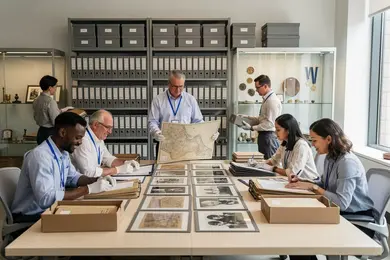
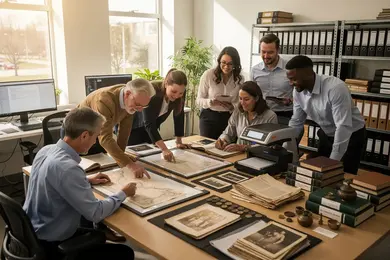
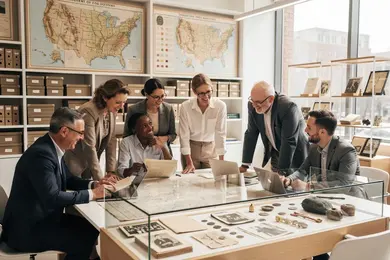
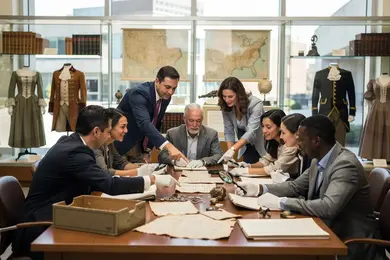
- Museums and Cultural Institutions: These venues allow students to engage with curatorial activities, exhibition development, and public history projects, providing hands-on experience in preserving and interpreting artifacts.
- Government Agencies: Internships in legislative offices or government departments expose students to policy research, archival management, and historical data analysis relevant to public administration.
- Nonprofit Organizations: Focused on education and preservation, nonprofits offer roles in community outreach, historic conservation efforts, and educational programming that highlight history's public impact.
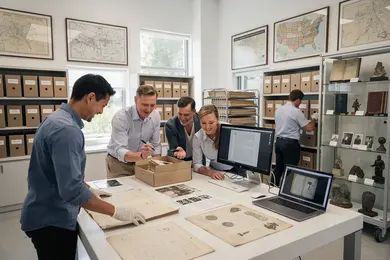
- Academic and Research Institutions: Universities and research centers enable internships centered on scholarly research, archival cataloging, and contributing to academic publications or projects.
- Corporate History and Media: Corporate historical departments and media firms value history students for their ability to analyze context, support branding efforts, and develop content for public relations.
For students considering degree pathways intersecting with history, exploring related options such as the cheapest engineering degree programs might offer additional career flexibility.
How Are Internship Placements Assigned in History Programs?
Internship placements in history programs are carefully coordinated to align student interests with suitable professional opportunities. These processes help ensure that internships contribute meaningfully to academic and career development.
A recent survey found that nearly 75% of history students reported their placements involved faculty input or institutional partnerships, demonstrating the collaborative nature of assignment methods.
The following points highlight the common approaches taken by programs when assigning internships:
- Faculty-Guided Matching: Advisors and faculty members review student goals and academic progress to recommend placements that complement their research interests and skills. This personalized guidance helps connect students with organizations that offer relevant experiences.
- Student-Driven Applications: Students often submit applications expressing their preferences and objectives. Programs use these to match candidates with opportunities, allowing students to have an active role in selecting placements.
- Partnership-Based Assignments: Many history departments establish partnerships with museums, archives, and cultural institutions. These agreements streamline placement by providing pre-approved sites that meet academic standards and host meaningful projects.
- Centralized Placement Systems: Some institutions maintain a dedicated office or online platform to coordinate placements. This system manages applications, matches students based on criteria, and tracks internship progress, offering an organized approach to assignment.
When I spoke with a history degree student about how internship placements are assigned, she shared that navigating the process felt like balancing guidance and independence. "The faculty really helped by suggesting organizations aligned with my interests, but I still had to actively research and apply," she explained.
She described juggling several options before finding a position that matched both her career goals and schedule. "It was challenging but rewarding to have input and also trust the expertise of my advisors. The collaboration made the experience feel tailored to me."
Are Virtual or Remote Internships Available?
The use of virtual or remote internships has expanded significantly, with about 65% of internships in various fields now providing at least some remote options, according to a 2023 report by the National Association of Colleges and Employers. This shift reflects broader educational trends toward online and hybrid learning environments.
In history programs, these formats enable students to participate in archival research, museum projects, and nonprofit work without being limited by location. Such changes are reshaping how internships accommodate students' educational and logistical needs.
Virtual internships in history offer considerable flexibility, allowing students to fulfill required hours around their academic schedules. Communication and project oversight typically rely on digital tools like Zoom, Slack, and Trello, keeping interns connected with supervisors despite physical distances.
These internships also open doors to a wider range of organizations beyond a student's immediate region, creating more diverse placement opportunities. However, the extent of availability varies based on institutional policies and the specific nature of internship work within each program.
Are Part-Time Internships Allowed for Working Students?
Many students in history programs balance academic work with part-time or full-time employment, making traditional full-time internships difficult to manage.
According to the National Center for Education Statistics, around 63% of college students work while enrolled, highlighting the need for flexible internship options. Schools increasingly offer part-time internships to help accommodate these working students.
Key aspects of such flexibility include:
- Scheduling Flexibility: Students can complete required internship hours over extended periods or during nontraditional hours, such as evenings and weekends, allowing them to meet work and school demands simultaneously.
- Employer Accommodations: Many internship sites adjust project deadlines and workload to fit part-time schedules, ensuring students gain meaningful experience without undue pressure.
- Academic Workload Balance: Programs often encourage students to plan internship hours carefully to avoid conflicts with major coursework and research activities, promoting academic success alongside professional development.
- Program-Specific Hour Requirements: Unlike rigid full-time internships, part-time options may allow students to fulfill total hour requirements by spreading hours across several months, providing greater scheduling freedom.
This approach enables history students to acquire valuable field experience while maintaining financial stability and meeting academic expectations. Flexible internship structures reflect growing recognition of diverse student needs within higher education institutions.
What Supervision Is Required During a History Internship?
Supervision in history internships is essential to ensure students gain meaningful skills and maintain professional standards. A 2022 study on internship mentorship found that 87% of students valued regular supervisor feedback as crucial for their growth.
The following key aspects outline common history internship supervision guidelines that support student learning and accountability:
- Faculty Oversight: Academic faculty or advisors act as the main link between the internship site and the educational institution. They help clarify learning objectives, monitor academic progress, and address any concerns to align workplace experiences with educational goals.
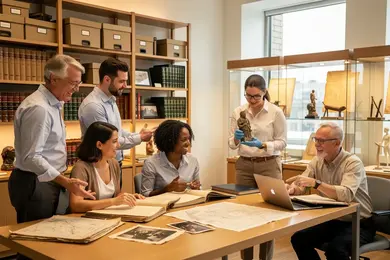
- Workplace Mentors: Experienced professionals at the internship provide hands-on guidance and model workplace practices. Their real-world insights are vital for helping interns develop skills in research, archiving, public history, and related fields.
- Progress Monitoring: Regular check-ins, reports, or reflective assignments allow supervisors to track intern development and ensure that learning targets are met. This structure helps uphold the quality of the internship experience.
- Performance Feedback: Ongoing constructive feedback supports interns in recognizing their strengths and areas needing improvement. This continuous communication fosters professional growth and prepares students for future careers.
These supervisory roles for history internship students create a cohesive framework that nurtures engagement and reflective practice. For students seeking related educational opportunities, some may explore online accounting classes as part of a broader skillset development in their academic journey.
How Are History Internships Evaluated?
Evaluating history internships is essential to ensure that students meet academic and professional standards, allowing for effective development in research, education, and public history fields.
A 2022 survey by the National Council on Public History found that 78% of programs use multiple evaluation methods to capture a comprehensive view of student achievement.
The following are key methods used to assess history internship performance and learning outcomes:
- Supervisor Reviews: Site supervisors provide critical feedback on an intern's reliability, research capabilities, analytical thinking, and ability to communicate historically grounded ideas. This external evaluation ensures alignment with professional and educational standards.
- Reflective Assignments: Interns complete journals, essays, or portfolios that encourage critical analysis of their experiences. These assignments help students connect practical tasks with theoretical frameworks and demonstrate personal and academic growth.
- Performance Benchmarks: Programs set specific goals or milestones at the internship's outset, such as archival research or public history presentations. Progress toward these benchmarks indicates skill acquisition and proficiency.
- Faculty Assessments: Faculty evaluate student engagement and the integration of academic coursework with practical experience. Some conduct site visits or meet with supervisors to ensure the internship supports curriculum objectives.
Programs emphasize history internship evaluation criteria and standards that reflect student learning across diverse settings. Many students explore resources for advanced education, often consulting lists like the top accelerated MBA programs to complement their historical knowledge with leadership and management skills vital for career success.
What Challenges Do History Students Face During Internships?
Internships offer valuable hands-on experience for history students but often bring significant challenges. Nearly 60% of interns report moderate to high stress, highlighting the demanding nature of these placements. Recognizing these hurdles can help students better navigate their roles.
Common challenges include:
- Balancing Schedules: Coordinating internship hours with academic coursework and part-time jobs frequently results in time pressures. Effective time management is critical to prevent burnout while fulfilling responsibilities.
- Adapting to Workplace Norms: Students must quickly learn professional communication, meet deadlines, and acclimate to office culture, which can be unfamiliar and stressful for those new to workplace environments.
- Transportation and Financial Barriers: Unpaid internships or distant placements pose accessibility issues. Limited resources may restrict students' ability to participate fully in valuable opportunities, impacting overall internship experiences.
- Managing Professional Responsibilities: Transitioning from academic tasks to real-world projects involves steep learning curves. Students often face pressure handling assignments without prior practical experience, challenging their confidence and skills.
Overcoming internship placement difficulties for history majors sometimes requires leveraging specialized skills or contacts. Students may consider supplementing their education with an affordable data science degree to enhance their competitiveness and access additional career paths.
What Graduates Say About History Internship Requirements
- Taylor: "During my history degree, I completed over 120 internship hours at local museums and archives, which gave me invaluable hands-on experience. The placements were well aligned with my interests in early modern history, allowing me to engage directly with primary sources. These internships, all closely supervised by experienced historians, significantly boosted my confidence and shaped my career path in cultural preservation."
- Cruise: "Reflecting on my history internship, the structure and supervision stood out the most. Regular check-ins with mentors helped me develop rigorous research skills and professional habits. The experience opened unexpected doors in publishing and education sectors, proving how versatile and impactful a history internship can be for future career opportunities."
- Brooke: "My history internships were intense but rewarding, often requiring a 15-20 hour weekly commitment with placements ranging from university archives to heritage sites. The supervised nature of these experiences ensured I grew both academically and professionally. Overall, these internships were pivotal in securing my current role as a historical consultant, bridging academic insights with practical application."
Other Things You Should Know About History Degrees
Yes, many History programs allow students to earn academic credit for unpaid internships as long as the work aligns with academic goals and the internship is properly supervised. The university typically requires documentation such as a learning agreement and reflective assignments to ensure the internship contributes to educational outcomes.
Many History programs offer flexibility for completing internship hours during academic breaks like summer or winter sessions. This flexibility allows students to engage in full-time placements when their academic schedule permits, although program policies vary and should be confirmed with advisors.
Yes, it is common for History internships to require a final project, report, or presentation summarizing the student's work and learning experience. This deliverable helps faculty evaluate the student's engagement and understanding of historical material in a professional or practical setting.
References
- Top 5 Internship Challenges and How to Tackle Them https://resources.twc.edu/articles/top-5-internship-challenges-and-how-to-tackle-them
- THE list of internships for history majors https://employedhistorian.com/history-major/internships-for-history-majors/
- To Intern or Not to Intern?: Internships and Volunteer Opportunities for Historians — Liz Covart https://www.lizcovart.com/blog/to-intern-or-not-to-intern-internships-and-volunteer-opportunities-for-historians
- The Internship Divide: The Promise and Challenges of Internships in the Arts https://www.academia.edu/13297906/The_Internship_Divide_The_Promise_and_Challenges_of_Internships_in_the_Arts
- 2026 Remote History Internships | WayUp https://www.wayup.com/s/internships/history/remote/
- IHR Internships | Institute of Historical Research https://www.history.ac.uk/fellowships-funding/ihr-internships
- Intern Evaluation – Penn State https://www.museum-ed.org/intern-evaluation-penn-state/
- What Can I do With a History Degree? https://theinterngroup.com/our-blog/what-can-i-do-with-a-history-degree
- The Potential Benefits and Challenges of Internship Programmes in an Odl Institution: a Case for the Zimbabwe Open University https://ijonte.elapublishing.net/makale/6179