
2027 How to Compare History Degree Programs Effectively

Co-Founder and Chief Data Scientist
Choosing the right history degree program can be overwhelming due to the vast diversity in curriculum focus and career outcomes. For example, students aiming for museum careers face different prerequisites than those targeting archival research. According to the National Center for Education Statistics, nearly 35% of history graduates pursue advanced degrees or specialized certifications within five years of completing their bachelor's. This shift impacts employment opportunities and salary potential significantly. This article explores how to effectively compare history degree programs based on factors like curriculum rigor, faculty expertise, experiential learning, and post-graduate support to align selections with individual career goals.
Key Benefits of Comparing History Degree Programs Effectively
- Check program accreditation by recognized bodies to ensure credibility, as accredited programs better prepare students and meet state certification requirements.
- Compare curricula to confirm alignment with your career goals, including specialization options and practical teaching experiences.
- Evaluate cost against potential salary outcomes; data shows graduates from reputable programs earn 15% more on average.
What Types of Accreditation Should a History Degree Program Have?
Accreditation helps prospective students compare the quality, credibility, and long-term value of different history degree programs by ensuring they meet rigorous educational standards. Students attending accredited institutions are 50% more likely to complete their degrees, highlighting the positive impact on student outcomes. Below are key accreditation types to consider when evaluating history programs.
- Regional Accreditation: This is the most important accreditation, covering the entire institution and confirming overall academic quality. It greatly affects credit transferability, eligibility for federal financial aid, and employer trust, making it vital for history degrees.
- Programmatic Accreditation: Although less common for history specifically, this accreditation applies to interdisciplinary or history-related fields and can influence licensure or professional certification.
- National Accreditation: Typically granted to specialized or career-oriented schools, national accreditation may offer less recognition for credit transfers or graduate program applications.
For career changers and working professionals, choosing a regionally accredited history program ensures that previously earned credits count toward the degree and helps maintain employer confidence. Additionally, accreditation impacts access to scholarships and financial aid, which is critical for students balancing work and studies. Those interested in EDD degrees should also weigh accreditation bodies for history degree programs in the United States, as these standards shape educational experience and outcomes.
What Specializations Are Offered in History Degree Programs?
Specializations in history degree programs enable prospective students to evaluate options based on academic emphasis and career alignment. For example, there has been a 15% increase in demand for graduates specializing in public history, reflecting growth in sectors like museums and archival management. The following list highlights common history degree program specializations and their career relevance.
- American History: Focuses on the social, political, and cultural development of the United States. Students develop critical analysis and research skills, preparing for careers in education, government, or public policy.
- European History: Explores the evolution of European societies, enhancing comparative historical methodology and language proficiency, which supports careers in international relations or academia.
- Public History: Emphasizes the practical application of history in museums, archives, and historic preservation. Graduates gain project management and communication skills for roles in heritage organizations or cultural institutions.
- Military History: Examines warfare and defense strategies, fostering analytical thinking applicable to defense analysis or strategic consulting careers.
- Intellectual History: Investigates the development of ideas and philosophies, suitable for careers in education, writing, or research.
Students interested in flexible, affordable graduate options might also explore CACREP online counseling programs, which complement history studies with counseling skills. These history degree program specializations in the United States offer clear pathways to diverse professional fields, helping students tailor their education to top history major concentrations and career tracks.
How Can You Compare Courses Across History Degree Programs?
Comparing courses across history degree programs helps prospective students evaluate program rigor, skill development, and alignment with career goals. Research indicates that students in comprehensive history programs experience a 15% higher course completion rate compared to those in less structured curricula. Here are practical strategies to compare these courses effectively.
- Reviewing Course Descriptions: Clear, detailed course descriptions reveal the depth and focus areas, allowing you to assess intellectual rigor and thematic coverage within a program.
- Analyzing Credit Requirements: Comparing credits and typical class hours helps indicate the workload and program intensity, crucial for balancing education with other commitments.
- Checking Skill Development: Identify courses emphasizing research, critical thinking, or primary source analysis, which are essential for both academic success and career readiness.
- Evaluating Course Sequencing: A thoughtfully designed curriculum builds knowledge progressively, demonstrating deliberate academic planning and clearer learning pathways.
- Investigating Outcomes: Programs that share data on alumni success and course outcomes show transparency and a commitment to student achievement, aiding your decision-making.
For those also interested in expanding their expertise, programs related to a library science degree can complement history studies effectively when considering career versatility. Adopting these best history degree course comparison methods will ensure you choose programs that truly align with your academic and professional objectives.
What Scheduling Options Are Available in History Degree Programs?
Flexible scheduling plays a critical role in helping students choose a history degree program that fits their unique lifestyle and responsibilities. With many options available, students can find a format that supports their learning preferences and personal commitments. Below are common scheduling formats offered in history degree programs:
- Course Formats: Programs often provide daytime, evening, weekend, and fully online classes to accommodate varying availability. This variety allows students to balance education with work or family duties more effectively.
- Online Flexibility: Asynchronous online courses let students access materials and complete assignments on their own time. This flexibility is especially helpful for those balancing professional or personal obligations.
- Hybrid Models: Combining in-person sessions with online coursework, hybrid programs offer interaction with instructors and peers while maintaining convenience. This blend suits students seeking both structure and adaptability.
- Part-Time Enrollment: Taking fewer credits per term, part-time options extend the duration of study but reduce weekly workload. This helps students manage their studies alongside other life demands.
- Accelerated Scheduling: Some programs offer intensive or summer courses that allow students to finish their degrees more quickly. This appeals to those aiming to enter the workforce sooner or complete education efficiently.
What Are the Pros and Cons of Online vs Campus-Based History Degrees?
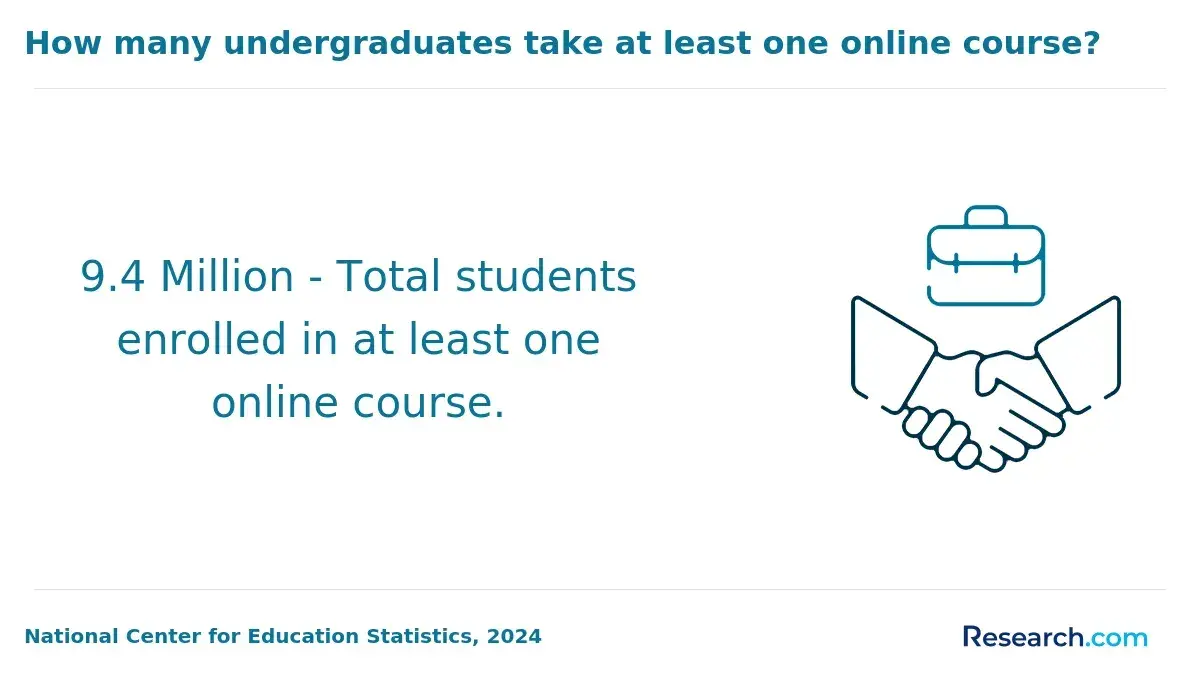
Choosing between online and campus-based history degrees shapes not only how students learn but also how they engage with academic communities and future careers. In 2023, about 40% of U.S. college students took at least one online course, highlighting the growing appeal of digital education. Below is a detailed comparison to help clarify these options.
Online
- Schedule Flexibility: Students can often study anytime, fitting coursework around jobs or family obligations, which supports a balanced lifestyle.
- Geographic Access: Programs are accessible regardless of location, allowing enrollment in schools far from home without commuting or relocating.
- Limited Interaction: The remote format can reduce spontaneous discussions and direct contact with instructors, potentially hindering immediate feedback and networking.
- Self-Motivation Required: Without in-person structure, students may struggle to maintain discipline and stay engaged over time.
Campus-Based
- Direct Engagement: Face-to-face classes foster dynamic discussions, group collaboration, and hands-on access to archives and libraries, enhancing critical research skills.
- Networking Opportunities: Proximity to peers and professors facilitates relationships that often support internships and job searches.
- Fixed Schedule: Attending classes on campus usually demands adherence to set times, limiting flexibility for outside commitments.
- Added Expenses: Living costs, including housing and transportation, can significantly increase the overall financial burden.
I asked a graduate who earned a history degree online about his decision-making process. He recalled the careful weighing of priorities: "I needed to keep working full-time, so campus options felt impossible. I also researched how each program handled student support and found that some online schools offered surprisingly strong advising." He admitted feeling isolated at times: "Without regular face-to-face contact, it was easy to feel disconnected, but weekly virtual office hours helped." His journey demonstrated that balancing flexibility with a sense of community was key to his success.
How Do GPA Requirements Vary Among History Degree Programs?
GPA requirements play a significant role when evaluating history degree programs because they often indicate the academic expectations and competitiveness of admissions. Here are some key aspects to consider regarding how GPA standards differ across programs:
- Range of Thresholds: GPA minimums typically fall between 2.5 and 3.0 on a 4.0 scale, though this can vary. Some programs enforce a strict cutoff to maintain academic quality, while others allow more flexibility depending on the applicant pool.
- Holistic Review: Many programs evaluate GPA alongside other criteria like personal statements, recommendation letters, and relevant experience. This approach accommodates candidates whose academic records may not fully reflect their potential or circumstances.
- Program Selectivity: Competitive undergraduate and graduate history degrees at research-focused institutions often require higher GPAs, reflecting their rigor. Less selective programs might accept lower GPAs if the application demonstrates strong overall promise.
- Level of Study: GPA standards can fluctuate depending on whether the program is undergraduate or graduate level, with advanced degrees generally demanding higher academic achievements.
How Can You Compare Tuition Across History Degree Programs?
Evaluating tuition costs is a vital step for prospective students seeking a History degree, as rising education expenses often influence college decisions. The average student debt for humanities graduates recently approached $29,000, underscoring the need to consider more than just sticker prices. Here are key factors to examine when comparing tuition across programs:
- Total Program Cost: Look beyond tuition rates to include mandatory fees, textbooks, and supplies. These additional expenses can significantly impact the overall financial commitment.
- Cost Per Credit: Analyzing the price per credit hour helps compare programs that differ in length or credit requirements, offering a clearer view of actual costs.
- Financial Aid Availability: Investigate scholarships, grants, and work-study opportunities earmarked for History students, as they can substantially reduce out-of-pocket expenses.
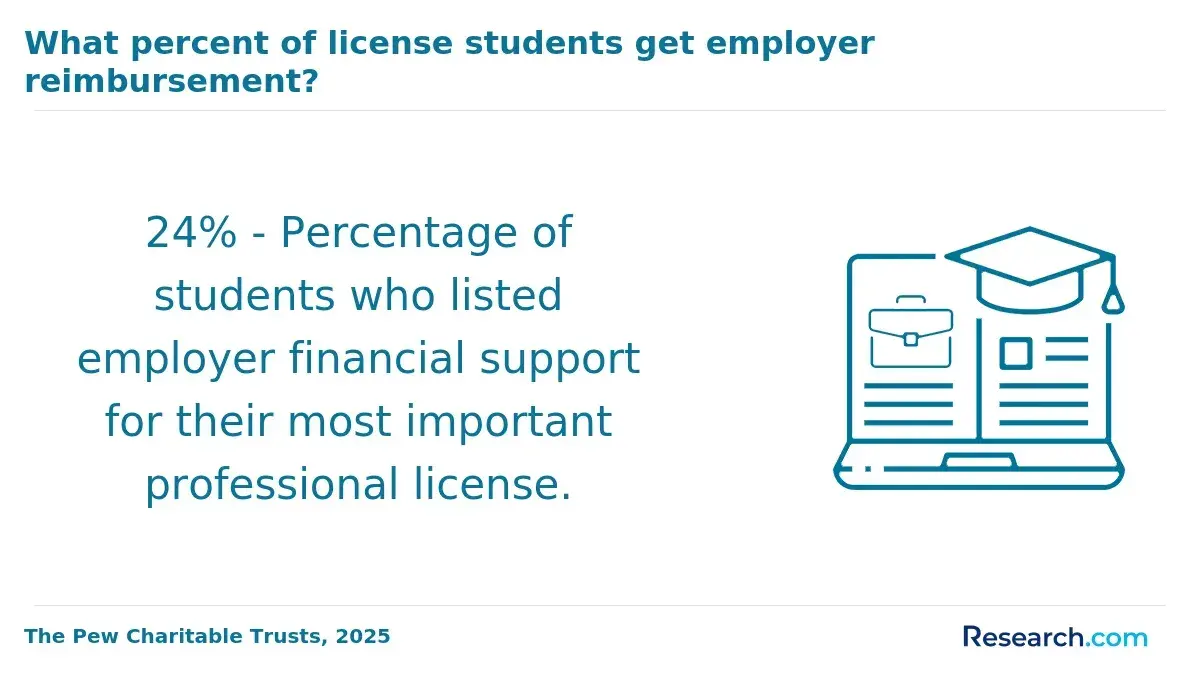
- Employer Tuition Benefits: For working adults, employer-sponsored tuition assistance programs can offset costs and should be factored into affordability.
- Long-Term Return On Investment: Higher tuition may sometimes correlate with stronger career placement services or research opportunities that enhance future earnings and benefits.
When discussing tuition with a History graduate, she recalled how daunting it was to assess programs without clear comparisons. "I spent weeks compiling total costs from multiple sources because some fees weren't obvious upfront." She emphasized the relief she felt after discovering financial aid specifically for History majors that trimmed her expenses. "Employer tuition help was a game-changer for me, but it wasn't easy to determine which schools accepted those benefits." Her experience highlights the importance of thorough research to weigh both immediate costs and long-term value when choosing a History degree program.
Does a History Degree Meet Licensure Requirements?
Licensure alignment is essential for students pursuing careers in regulated fields or professional shifts, as many roles require credentials beyond a degree. Nearly 20% of U.S. occupations mandate licensure or certification, highlighting the need to evaluate how well history degrees meet these criteria. Key factors to consider when comparing programs include:
- Curriculum Alignment: Programs should offer courses that match licensure exam content and develop relevant professional skills, ensuring graduates are prepared for certification requirements.
- Accreditation Status: Recognition by reputable accrediting agencies assures that a program meets quality standards likely recognized by licensing bodies.
- State-Specific Requirements: Licensure standards vary widely by location, with some states requiring approved teacher preparation, exams, or specific fieldwork experiences for history-related roles.
- Supervised Experience: Availability of internships or practical placements that fulfill supervised experience mandates can be critical for licensure eligibility.
- Exam Eligibility: Confirming whether a program qualifies students to sit for relevant state or national certification exams is crucial for career advancement.
Thorough investigation and consultation with licensing authorities or career counselors will help determine if a history degree supports your professional licensure goals effectively.
Which History Programs Have the Best Career Placement Rates?
Career placement rates are a vital measure of a history program's effectiveness in preparing graduates for professional success. About 70% of humanities graduates, including history majors, find employment related to their field within six months of graduation. Considering this, several factors can help prospective students identify programs with the best graduate employment outcomes for history majors.
- Documented Placement Rates: Students should examine official outcome reports or institutional research pages to review a program's documented career placement rates. Reliable data is essential for understanding how well the program supports student career transitions.
- Employer Partnerships: Strong collaborations with employers often indicate better internship pipelines and job opportunities. Programs with established industry connections usually provide more direct access to quality placements, enhancing students' practical experience in the field.
- Alumni Career Trajectories: Investigating alumni outcomes offers insight into long-term career success and growth. Programs that maintain active alumni networks and career mentorship can provide valuable support that improves job search strategies.
- Career Support Services: Quality services like resume workshops, interview coaching, and job fairs play a crucial role in helping students secure relevant employment. Evaluating these resources should be an integral part of comparing history programs with highest career placement rates.
For students balancing budget and scheduling considerations, exploring a highly regarded affordable online bachelor's degree program in history can offer flexible options without compromising career support and placement success.
How Do Salaries Compare Across History Degree Program Graduates?
Post-graduation salary outcomes are essential for prospective students to compare history degree programs, as they indicate the practical value and career potential of the degree. On average, history degree holders in the United States earn between $40,000 and $65,000 annually. The following points highlight key factors influencing salary differences among graduates:
- Job Role: Entry-level positions such as museum technicians or archivists typically start near the lower end of the salary range, while experienced historians and policy analysts tend to earn significantly higher wages.
- Industry Sector: Public sector jobs in education or government usually offer moderate compensation, whereas private-sector roles in consulting or research firms can provide greater financial rewards.
- Geographic Location: Salaries vary by region, with urban areas and places with a higher cost of living generally offering increased pay, aligning with average earnings for history degree holders by region.
- Experience Level: Graduates advancing to managerial or specialized research positions often see salary growth beyond initial estimates, reflecting the importance of professional development.
For students exploring specialized study options, some choose 1 year graduate programs to accelerate their credentials and enhance earning potential. Considering these factors helps in making informed decisions about which history degree program best fits career goals and budgeting needs.
What Graduates Say About Comparing History Degree Programs Effectively
- Fred: "Before choosing a history degree, I compared several programs focusing on curriculum quality and tuition fees. Considering the average cost of attendance was around $20,000 per year, affordability was crucial for me. Completing my degree has opened doors to research roles and public education; it truly shaped my professional path with a solid foundation. "
- Cynthia: "Reflecting on my options, I initially hesitated because of the financial investment, as history programs typically ranged between $15,000 and $25,000 annually. I chose a program that balanced cost and academic rigor, which proved invaluable in developing critical thinking skills now essential in my consulting work. The degree didn't just teach past events-it enhanced my career versatility. "
- Esther: "I was drawn to history because it combined my passion for the past with a manageable cost compared to other disciplines, averaging $18,000 per year. The program's affordability allowed me to graduate without heavy debt, and today, the analytical and writing skills I gained are central to my role in cultural resource management. The investment was well worth the professional growth it enabled. "
Other Things You Should Know About History Degrees
When selecting a history degree program, consider the curriculum's breadth, faculty expertise, opportunities for research, internships, study abroad options, and the program's reputation. Also, evaluate the availability of academic advising and career support services to enhance your educational experience and future opportunities.
Transfer credit policies differ widely, affecting students who have prior college coursework. Some history programs accept a broad range of transfer credits, speeding up degree completion, while others have strict limits. Evaluating how transfer credits apply can save time and reduce costs for transfer students.
Support services like academic advising, tutoring, writing centers, and career counseling vary among institutions. For history majors, access to research librarians and internship placement assistance can be crucial. Assessing available student support enhances the educational experience and post-graduation opportunities.
References
- 2025-2026 Academic Catalog https://catalog.ucdenver.edu/cu-denver/undergraduate/schools-colleges-departments/college-liberal-arts-sciences/history/history-ba-secondary-teaching-licensure-endorsement/
- The 25 Cheapest Online History Bachelor's Degree Programs https://www.geteducated.com/online-college-ratings-and-rankings/online-bachelors-degree-in-history/
- Best Modern US History Colleges https://www.collegetuitioncompare.com/best-schools/modern-us-history/
- GPA Equivalent by Country | Study Abroad at King’s https://www.kcl.ac.uk/abroad/applying/gpa-equivalent-by-country
- Why choose history? Explore history-related skills and careers - icould https://icould.com/stories/why-choose-history-careers/
- Historic Overview of Accreditation https://www.acce-hq.org/post/your-title-what-s-your-blog-about
- 2025 Most Affordable Online History Degrees https://www.onlineu.com/most-affordable-colleges/history-degrees
- Online History Degree https://www.snhu.edu/online-degrees/bachelors/ba-in-history
- Online Bachelor's Degree: History https://www.umgc.edu/online-degrees/bachelors/history
- Undergraduate Programs https://www.calstatela.edu/nss/history/undergraduate-programs


