
2027 How Hard Is an Online English Bachelor's Degree?

Co-Founder and Chief Data Scientist
Many working professionals wonder if pursuing an online English bachelor's degree demands intense academic rigor alongside their daily responsibilities. Adapting to asynchronous classes and managing extensive reading, writing, and critical analysis assignments can test even experienced learners' time management and self-discipline.
Research indicates that nearly 40% of online humanities students report challenges balancing coursework with employment commitments. This complexity is amplified by the need to master literary theory, composition techniques, and digital communication tools entirely through virtual platforms.
This article evaluates the true difficulty of online English bachelor's programs and highlights key factors that shape student success and academic workload.
Key Things to Know About the Difficulty of an Online English Bachelor's Degree
- Online English bachelor's degrees demand strong self-discipline, as students must organize study schedules and actively engage with complex literary analysis independently.
- Time commitment varies by institution, but most programs require 12-15 hours weekly, balancing reading, writing assignments, and discussion participation.
- Academic rigor differs widely; some programs emphasize critical theory and research, while others focus on practical writing skills, affecting overall workload and intensity.
How Hard Is an Online English Bachelor's Degree?
Academic difficulty in an online English bachelor's degree is often measured by intellectual rigor, program expectations, and overall academic standards. Students typically engage deeply with literature, theory, and cultural contexts while developing critical analysis, writing, and research skills.
The learning structure often includes asynchronous assignments, online discussions, and periodic assessments, requiring self-motivation and effective time management. According to the National Center for Education Statistics, about 57% of undergraduates in distance education courses complete their programs within six years, highlighting challenges related to persistence and academic demands.
Perceived difficulty varies across online English programs due to differences in institutional quality, curriculum design, and student experience factors. Variations in course complexity, instructor accessibility, and the robustness of digital platforms can significantly influence how students experience their studies.
Additionally, learner engagement and individual adaptation to online learning environments shape overall challenges, making the success of earning an online English bachelor's degree influenced by more than just the format. For prospective students seeking guidance on manageable academic paths, exploring the easiest online degree options may offer helpful insights.
What Is the Workload and Time Commitment for an Online English Bachelor's Degree?
Prospective students weighing the commitment required for an online English bachelor's degree should carefully consider workload expectations to plan their studies effectively alongside other responsibilities. The intensity of online programs demands consistent effort, with students dedicating time every week to achieve academic success.
According to the National Survey of Student Engagement, full-time undergraduate students spend an average of 15 hours per week preparing for class, which aligns with the time commitment for online English degree programs. Below are key factors influencing this commitment:
- Academic Pacing: Online English programs typically require about 120 credit hours to graduate, often structured over four years of full-time study. Institutions may use semester or quarter systems, with courses lasting from 6 to 15 weeks, affecting the intensity and scheduling demands.
- Course Scheduling: Courses may be asynchronous, synchronous, or hybrid. Asynchronous classes allow students to work on their own schedules, while synchronous sessions require attendance at set times. Both formats necessitate disciplined time management to meet deadlines for readings, writing assignments, and discussions.
- Program Variation: Workload expectations differ across institutions based on course loads, elective availability, and specific program requirements. This variation means students must adapt their study habits depending on their chosen school's structure and policies.
- Time Management: Students pursuing an online English bachelor's degree workload expectations should consistently allocate 12 to 15 hours weekly for coursework. Effective planning is crucial for balancing multiple assignments, exams, and readings to maintain steady academic progress.
For students seeking an accelerated path, exploring options like an accelerated bachelor's degree online accredited programs can offer a faster time-to-degree but often with increased weekly workload intensity.
How Difficult Are the Courses in a English Bachelor's Degree?
Students assessing online English bachelor's programs should carefully consider course difficulty, as it affects time management and academic success. National surveys reveal that approximately 40% of undergraduates find humanities courses moderately to highly challenging, indicating a significant but manageable rigor.
This overview highlights key aspects influencing the difficulty of online English degree coursework.
- Curriculum Rigor: Programs cover a broad spectrum including literature, linguistics, writing, and critical theory, demanding steady intellectual engagement. Course content ranges from introductory concepts to complex analyses requiring deep theoretical understanding.
- Subject Complexity: Early classes focus on foundational skills, while later courses involve interpreting intricate texts and applying diverse literary frameworks. This gradual increase in complexity ensures skill development aligned with academic growth.
- Assessment Types: Assignments often include analytical essays, research projects, creative writing, and exams that test critical thinking and synthesis abilities. The varied evaluation formats require students to demonstrate mastery in both written and analytical communication.
- Institutional Variation: The degree of challenge can differ by school, influenced by curriculum design, faculty expectations, and options like interdisciplinary or research-intensive courses. This diversity impacts how demanding each program feels.
A graduate of an online English bachelor's degree shared that while the workload was demanding, it was also rewarding. He recalled long nights deciphering dense literary theories and multiple drafts to refine essays, often feeling "challenged but motivated" by the depth of material.
According to him, the process sharpened his critical thinking far beyond what he expected initially, especially when preparing research papers that synthesized complex ideas from varied sources.
Is Online Learning Harder Than In-Person for English Programs?
Academic difficulty in English bachelor's programs often hinges on instructional format and course structure rather than the delivery mode alone. While the core curriculum, including literature analysis and critical theory, generally remains consistent, online and in-person formats offer different learning experiences.
Research from the U.S. Department of Education reveals that student performance between online and face-to-face courses shows no significant difference, highlighting that quality course design impacts difficulty more than whether a program is online or in person.
For prospective students evaluating if online learning is harder than in-person for English programs in the US, this suggests that format alone does not dictate academic challenge.
The complexity of courses varies based on how programs implement assessments and foster engagement. In-person settings typically feature real-time discussions and immediate feedback, whereas online formats emphasize written communication through assignments, discussion boards, and timed exams.
Factors influencing difficulty include clarity of course materials, frequency and type of assessments, and opportunities for interaction with faculty and peers. These structural elements shape the challenges students face in online English bachelor's degrees versus traditional classes, underscoring the importance of adaptability to each learning environment.
Students interested in related fields might also explore options like a cyber security bachelor degree online to compare academic demands across disciplines.
How Flexible Is an Online English Bachelor's Degree for Working Students?
Balancing work, family, and education demands makes flexibility a top priority for students pursuing an online English bachelor's degree. This flexibility allows learners to fit coursework into their busy lives without sacrificing progress.
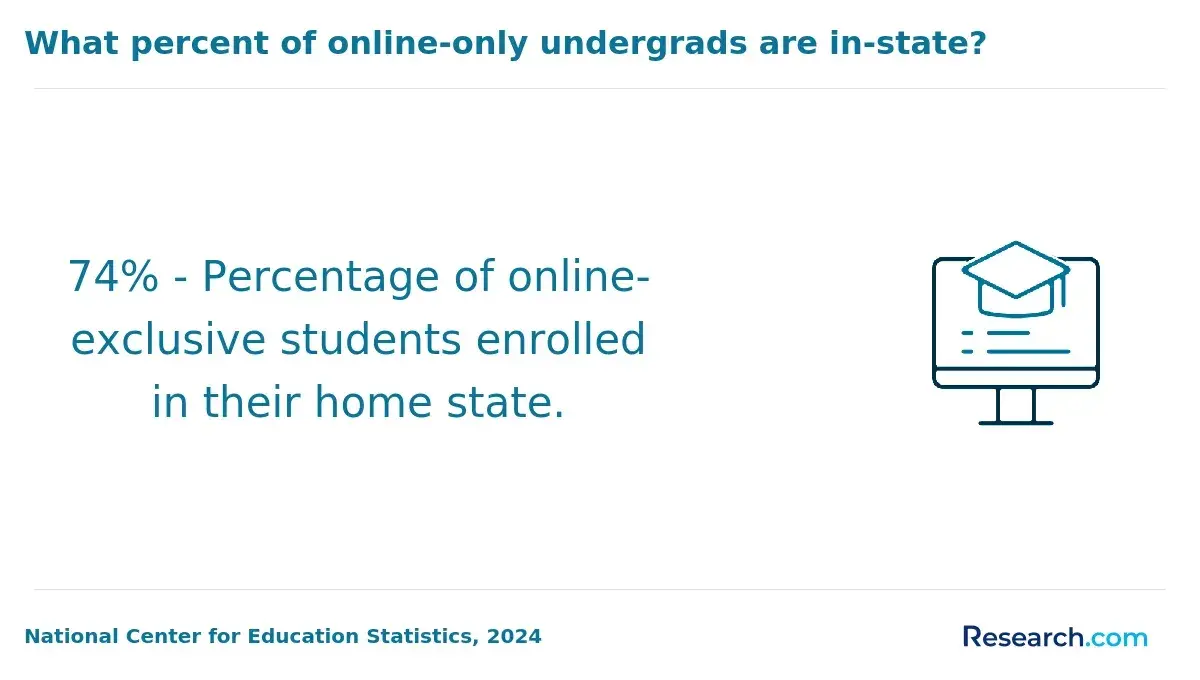
Data from the National Center for Education Statistics shows that over 40% of undergraduates taking only distance courses are 25 or older, emphasizing the significance of adaptable study options for adult learners.
Several elements contribute to the flexible nature of these programs:
- Learning Format Adaptability: Many online programs offer asynchronous classes, enabling students to complete assignments, lectures, and discussions whenever it suits their schedules.
- Scheduling Structures: Multiple enrollment dates throughout the year help students avoid delays caused by traditional semester timetables.
- Pacing Differences: Some programs allow self-paced study or accelerated courses, giving students control over how quickly they complete their degrees.
- Institutional Variation: Flexibility varies widely by institution; prospective students should explore how each school designs its English courses and supports online learners.
- Accessibility Considerations: User-friendly platforms and mobile-compatible resources make it easier for students to study on the go and accommodate diverse learning styles.
When I spoke with a student enrolled in an online English bachelor's degree, she described juggling her job and parenting responsibilities while navigating course deadlines. She shared, "It wasn't always easy to find quiet time for study, but the ability to access lectures late at night and complete essays over weekends made a huge difference."
She appreciated programs that allowed her to accelerate certain classes during lighter work periods, which helped maintain motivation and momentum despite the challenges. Her experience highlights that genuine flexibility often means balancing structure with autonomy to fit demanding lifestyles.
What Skills Do You Need to Succeed in an Online English Program?
Recognizing which skills contribute to success in an online English bachelor's program can guide students in preparing effectively for the challenges ahead.
Research shows that learners who manage their time well are nearly 40% more likely to finish their online courses successfully. This highlights how crucial certain abilities are to academic achievement in virtual settings.
Key capabilities for thriving in these programs include:
- Time Management: Managing coursework without regular class meetings requires students to independently schedule study sessions and meet deadlines, ensuring steady progress through the material.
- Self-Directed Learning: Online English students must take initiative in interacting with reading assignments, engaging in discussions, and clarifying concepts without constant instructor oversight, relying on motivation and discipline.
- Digital Literacy: Comfort navigating educational platforms, submitting assignments online, and utilizing communication tools minimizes technical obstacles and supports smooth academic participation.
- Communication Skills: Excellence in written expression, critical thinking, and clear articulation is essential for crafting essays and contributing thoughtfully to forum discussions in an English curriculum.
- Academic Discipline: Consistent engagement with rigorous coursework, thorough research, and analytical approaches underpins successful learning and helps maintain momentum throughout the program.
Is a English Bachelor's Degree Harder Than Other Majors?
Students frequently compare the difficulty of an English bachelor's degree with other majors because academic rigor is experienced differently across fields. Variations in coursework structure, subject matter complexity, and types of assessments shape these perceptions.
For example, STEM majors emphasize quantitative problem-solving and laboratory work, while humanities degrees like English focus on critical reading, writing, and theoretical analysis.
According to the National Center for Education Statistics, the four-year graduation rate for English majors is somewhat lower than for business or education majors, reflecting differences in academic demands and workload.
Difficulty across majors often hinges on curriculum structure, subject complexity, assessment formats, and academic standards. English degree programs typically involve essays, critical analyses, and research papers rather than exams or technical problem sets common in other disciplines.
Additionally, subjects with sequential problem-solving and applied techniques contrast with the interpretative and abstract focus found in English. This structural variation influences how students experience workload and rigor, making direct comparisons of difficulty largely dependent on these critical academic differences.
What Challenges Do Students Face in Online English Bachelor's Degrees?
Prospective students considering an online English bachelor's degree benefit from recognizing the academic and logistical hurdles they may face. Awareness of these common difficulties in online English degree programs helps learners assess their readiness and better align their expectations with the demands of remote study.
Several key challenges characterize the experience of managing workload in online English bachelor's courses and navigating the structure of these programs.
- Autonomous Learning: Students must independently grasp complex literary theories, writing techniques, and critical analysis without the immediate support of instructors, which requires high self-discipline and motivation.
- Time Management: Balancing readings, essays, and discussion posts alongside personal and professional responsibilities can be overwhelming as deadlines accumulate, demanding careful prioritization and scheduling.
- Digital Platform Navigation: Many students encounter difficulties with various learning management systems that integrate multimedia resources and submission portals, posing an initial barrier to focusing on course content.
- Academic Workload: The volume and rigor of assignments, including critical essays and research papers, often match or exceed that of on-campus programs, with strong emphasis on polished, original writing.
- Institutional Support Variability: The level of advising, tutoring, and technical help differs widely across online English programs, affecting students' ability to overcome obstacles and maintain steady progress.
Those exploring an online path may also want to compare how programs differ by field, such as those offering a degree in cryptocurrency, to understand the broader landscape of online education.
What Support and Resources Are Available for Online English Bachelor's Students?
Support systems are vital for students pursuing an online English bachelor's degree as they help address challenges like limited face-to-face interaction and the need for self-motivation.
Research shows that students engaged with academic advising and tutoring services are 30% more likely to persist in their programs. The following key support and resources are essential for enhancing success in online English programs.
- Academic Advising: Personalized advising helps students plan course schedules, select electives, and navigate prerequisites aligned with career goals. This framework ensures learners stay on track for graduation.
- Digital Learning Tools: Interactive platforms such as writing labs, plagiarism checkers, and multimedia resources enrich the study of literature and composition. Access to extensive library databases and e-books also supports research for online English bachelor's student support services.
- Institutional Student Services: Technical support, career counseling, and accessibility accommodations create an inclusive environment. These services provide critical assistance tailored to remote learners' diverse needs.
- Peer Collaboration: Discussion boards, group projects, and virtual study sessions foster community and replicate classroom interaction, enhancing engagement and learning outcomes.
Prospective students should carefully consider the availability and quality of these resources when evaluating programs. High-quality support significantly influences academic performance and overall satisfaction.
For those exploring advanced education options beyond the bachelor's level, reviewing the shortest masters degree programs online can provide insight into efficient pathways to graduate credentials.
Is an Online English Bachelor's Degree Worth the Effort?
Many students weigh the effort and value of an online English bachelor's degree due to concerns about the academic workload, time investment, and the tangible benefits after graduation. Questions often arise regarding whether the degree justifies the hours spent on coursework and research, especially when compared to other fields.
According to recent studies, graduates with humanities degrees, including English, report a 15% lower lifetime earning potential than those in STEM areas, which influences perceptions of the degree's return on investment. This statistic shapes how prospective students assess the trade-offs between passion for the subject and career outcomes.
The value of an online English degree depends largely on factors like curriculum rigor, institutional accreditation, and how well the program prepares students for careers related to writing, communication, or education. Accredited programs that maintain high academic standards ensure that students develop critical thinking, analysis, and communication skills valued across industries.
However, variability exists between schools, so alignment with current workforce demands and reputable credentials adds weight to the degree's worth. Ultimately, assessing these structural elements helps gauge whether the educational investment meets evolving professional expectations in English-related fields.
What Graduates Say About How Hard Is an Online English Bachelor's Degree
- Vicente: "Choosing an online English bachelor's degree was a strategic decision for me, as it allowed me to balance work and study without relocating. The hardest part was staying disciplined and managing distractions during lectures and assignments, but the flexibility ultimately made it worthwhile. Since graduating, I've noticed a significant boost in my writing and communication skills that has opened doors for career advancement."
- Zane: "Reflecting on my online English degree experience, I initially underestimated how much self-motivation it would require. Navigating asynchronous classes and frequent discussions challenged me to engage proactively with both peers and instructors. Now, I appreciate how this independent approach prepared me exceptionally well for remote work environments and creative collaboration in my profession."
- Gabriel: "My decision to pursue an online English bachelor's degree came from the desire to improve my language mastery alongside a hectic schedule. The rigorous coursework and critical analyses were demanding, often pushing me beyond my comfort zone. However, the ability to apply literary theory and communication tactics directly to my job has been invaluable and deeply rewarding in my current role."
Other Things You Should Know About English Degrees
Assessment in online English bachelor's programs commonly includes essays, research papers, discussion posts, quizzes, and exams. Many courses emphasize written assignments that test critical thinking and analytical skills. Some courses may require presentations or group projects conducted virtually to evaluate communication abilities.
Students should expect to read a wide array of texts, such as classic and contemporary literature, critical essays, and theoretical works. These readings often require close analysis and interpretation, demanding strong comprehension and sustained attention. The volume can be substantial, especially in literature survey and theory courses.
Yes, programs focus heavily on academic writing styles including MLA, APA, and Chicago formats. Students learn to compose clear, coherent, and well-structured essays, research papers, and literary analyses. Mastery of these formats is important for presenting evidence, citing sources, and maintaining scholarly credibility.
In 2027, online discussions are key components of online English bachelor's programs. They require active participation and can add to the program's complexity, encouraging critical thinking and engaging with diverse perspectives, which is essential for understanding various literary topics and enhancing communication skills.
References
- The 7 biggest challenges for students in online colleges https://lcps.org.uk/online-colleges/
- Student Services for Online Learners - OnlineEducation.com https://www.onlineeducation.com/guide/student-support-services
- The Problem With Exclusively Online Degree Programs https://tcf.org/content/commentary/the-problem-with-exclusively-online-degree-programs/
- 5 Skills Necessary to Succeed in an Online Degree Program https://www.greatvaluecolleges.net/lists/5-skills-necessary-succeed-online-degree-program/
- Challenges of Distance Learning for Students | Challenges of Online Learning | Disadvantages of Online Learning | Major Challenges in Online Education | National University https://www.nu.edu/blog/challenges-of-distance-learning-for-students/
- Is Online BA in English Worth It? Pros, Cons & ROI in 2025 | Education https://vocal.media/education/is-online-ba-in-english-worth-it-pros-cons-and-roi-in-2025
- 6 ways to be successful with online English courses https://www.englishdigitalacademy.com/6-ways-to-be-successful-with-online-english-courses/


