
2027 How Many Credits Can You Transfer into a Speech Pathology Degree Master's Program?

Co-Founder and Chief Data Scientist
Before applying to a speech pathology master’s program, many students need a clear answer to a costly question: will any previous graduate coursework count toward the degree? For career changers such as registered nurses, teachers, psychology graduates, or students who started another master’s program, transfer credit can reduce duplicated coursework, but approval is never automatic. Policies differ by school, accreditation expectations, course content, grades, credit age, and documentation.
The stakes are practical. Research shows that nearly 40% of career changers in speech pathology programs encounter unexpected credit denial, delaying graduation. This guide explains how graduate transfer credit usually works in speech pathology master’s programs, what types of courses are most likely to qualify, what limits and grade rules to expect, and how to approach the approval process before you commit to a program.
Key Benefits of Knowing How Many Credits You Can Transfer into a Speech Pathology Degree Master's Program
- Course relevance, including alignment with core speech pathology subjects, largely determines transfer approval, ensuring foundational knowledge continuity across institutions.
- Grade thresholds typically require a minimum of a B or higher to qualify, reflecting academic rigor and mastery for seamless integration into advanced study.
- Credits earned within the past five to seven years, preferably at the graduate level, hold higher transfer value due to updated content and academic standards.
What Is Graduate Credit Transfer, and How Does It Apply to a Speech Pathology Master's Program?
Graduate credit transfer is the process a university uses to decide whether graduate-level coursework completed elsewhere can replace part of the curriculum in a new master’s program. In speech pathology, the review is usually strict because programs must ensure that students meet academic, clinical, and professional preparation standards.
Transfer credit is not the same as general admission eligibility. A course may help you qualify for admission but still fail to satisfy a required graduate course in speech-language pathology if the content, clinical relevance, learning outcomes, or credit level do not match closely enough.
How schools usually evaluate transfer credit
- Academic level: Graduate courses are more likely to be considered than undergraduate courses because they are designed for advanced study.
- Content match: Faculty compare your prior course with the receiving program’s course objectives, assignments, readings, and competencies.
- Institutional quality: Coursework from accredited institutions is generally reviewed more favorably than coursework from non-accredited providers.
- Clinical and research relevance: Speech pathology programs often give closer scrutiny to courses tied to assessment, intervention, research methods, and clinical decision-making.
- Program limits: Each university sets its own cap, usually allowing between 25% to 50% of total degree requirements to be transferred.
Common transfer scenarios include switching schools after starting a speech pathology program, returning to graduate study after a break, applying certificate coursework toward a master’s degree, or entering speech pathology from a related health, education, or behavioral science field. Data from the Council of Graduate Schools shows about 30% of graduate students pursue credit transfer or course recognition, which reflects increased student mobility and more interdisciplinary academic paths.
Students should also ask how transfer credit affects course sequencing, clinical placement timing, financial aid, and graduation date. If credits are denied, some students consider other long-term academic routes, including online doctoral programs, but a doctoral option should not be treated as a substitute for required master’s-level speech pathology preparation.
How Many Credits Are Typically Allowed to Transfer into a Speech Pathology Master's Program?
Most speech pathology master’s programs allow only a limited number of transfer credits. A typical range is between 6 and 12 semester credit hours, although the exact number depends on the institution, curriculum design, accreditation expectations, and whether the credits apply to required or elective coursework.
The key point is that transfer limits are maximums, not guarantees. Even if a program permits 12 transfer credits, you may receive fewer if only some of your prior courses match the curriculum.
Factors that affect the transfer credit cap
- Semester versus quarter credits: Many schools state limits in semester credit hours. Because 1 semester credit hour usually equals 1.5 quarter credit hours, applicants from quarter-based institutions should ask the registrar how credits will be converted.
- Program structure: Accelerated, lockstep, or cohort-based programs may accept fewer credits because courses are designed to be taken in a specific order.
- Course type: Electives may be easier to transfer than core clinical or assessment courses, which often require exact alignment.
- Accreditation and residency rules: Programs may require students to complete a minimum portion of the degree at the granting institution.
- Documentation quality: Missing syllabi, vague course descriptions, or incomplete transcripts can reduce the likelihood of approval.
Approximately 30% of speech pathology programs have recently increased transparency and streamlined their transfer credit policies to better accommodate students from diverse educational backgrounds. Even so, applicants should request a written explanation of the school’s policy before enrolling, especially if transfer credit is a major factor in affordability or time to completion.
When comparing policies, it can help to look at how other accelerated graduate pathways disclose credit rules; for example, colleges with accelerated psychology programs often show how course sequencing and transfer limits can affect completion timelines.
What Types of Courses Are Eligible for Transfer Credit in a Speech Pathology Master's Program?
The courses most likely to transfer are graduate-level classes from accredited institutions that closely match the speech pathology master’s curriculum. A course must usually be comparable in subject matter, academic rigor, credit value, and learning outcomes. General relevance to health care, education, or communication is helpful, but it is not enough by itself.
Courses with stronger transfer potential
- Graduate-level speech pathology coursework: These courses have the highest chance of approval when they align with required classes in the new program.
- Closely related graduate courses: Courses in audiology, communication sciences, research methods, linguistics, neuroanatomy, child development, or related areas may be considered if the content fits the degree plan.
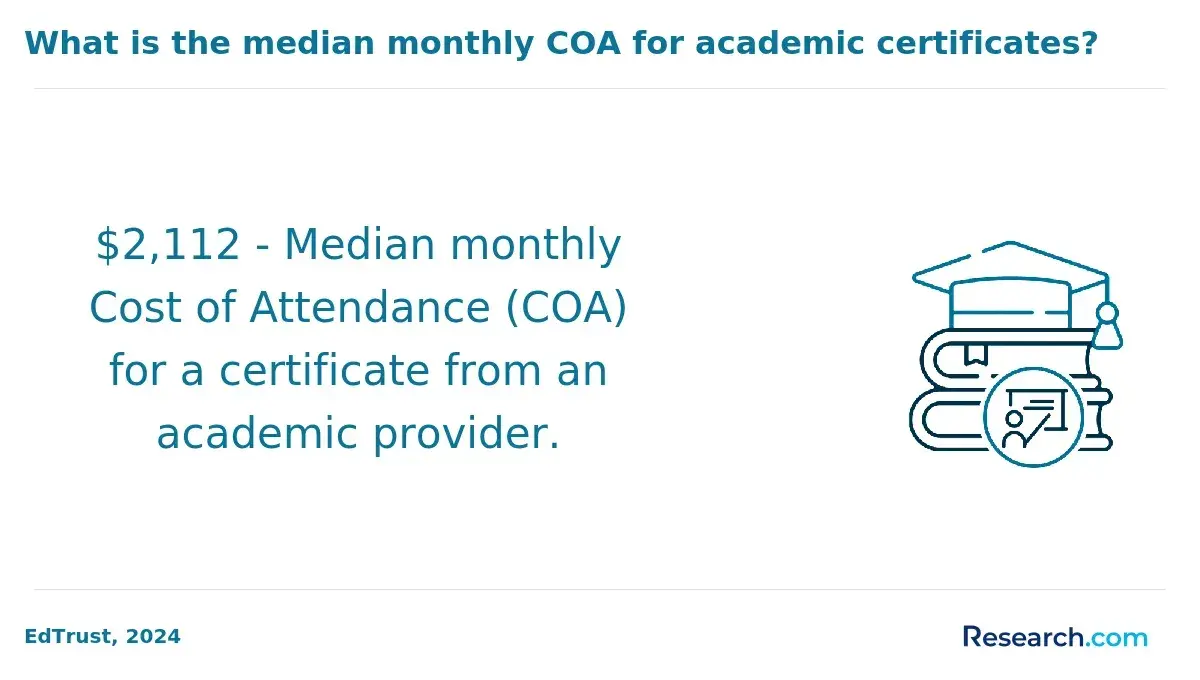
- Graduate certificate coursework: Certificate credits may transfer when they are credit-bearing, graduate-level, and tied to a formal academic program.
- Approved elective coursework: Some programs are more flexible with electives than with core clinical courses, but elective transfer credit is still subject to caps.
Courses that are less likely to transfer
- Professional development or continuing education: Workshops, trainings, and non-credit courses rarely qualify because they do not carry formal graduate academic credit.
- Unrelated graduate coursework: A strong grade in an unrelated master’s course does not make it equivalent to a speech pathology requirement.
- Advanced undergraduate coursework: Some integrated or accelerated programs may consider upper-level undergraduate courses, but most graduate programs prefer or require graduate-level credit.
- Clinical courses without comparable supervision: If the prior course does not meet the receiving program’s standards for supervised clinical preparation, it may not transfer.
A career changer who pursued an online speech pathology master’s degree described the process as more detailed than expected: “I initially thought most of my previous courses would transfer easily, but the detailed review showed many didn't match the curriculum as closely as I expected.” His experience highlights a common issue: course titles can look similar, while assignments, clinical expectations, or learning outcomes differ enough to prevent approval.
The practical lesson is to collect syllabi early. A transcript alone usually does not give faculty enough information to determine whether a course should replace a specific requirement.
What GPA or Grade Requirements Must Transfer Credits Meet for a Speech Pathology Master's Program?
Most speech pathology master’s programs require a minimum grade of B (3.0 on a 4.0 scale) or higher for transfer credit. Some programs apply this rule to every transfer course, while others set even stricter expectations for core courses tied to clinical knowledge or professional competencies.
A course that is relevant and recent can still be denied if the grade does not meet the program’s minimum standard. Transfer credit review is therefore both a content review and an academic performance review.
Grade rules applicants should verify
- Minimum letter grade: A grade below B is commonly ineligible, even if the course was completed at an accredited institution.
- Core course standards: Programs may require stronger evidence for core subjects than for electives because these courses support clinical preparation.
- Pass/fail limitations: Credits earned as pass/fail, satisfactory/unsatisfactory, or under another non-letter grading system typically cannot be transferred because the school cannot confirm performance at the required graduate level.
- Repeated courses: If you repeated a course, ask whether the program considers the first grade, the most recent grade, or the grade used by the original institution.
- International grade conversion: Applicants with international transcripts usually need a credential evaluation that converts grades to the U.S. 4.0 scale.
A 2023 survey indicates over 75% of speech pathology master's programs now enforce a firm minimum grade of B or better for accepting transfer credits, reflecting a growing emphasis on academic excellence. Applicants should not assume an exception will be made for professional experience unless the program explicitly allows waivers or competency-based review.
Students comparing professional graduate programs in other fields may see similar grade and transfer-credit rules in options such as the cheapest executive mba online, but speech pathology programs may apply additional clinical and accreditation-related scrutiny.
How Recent Must Transfer Credits Be to Qualify for a Speech Pathology Master's Program?
Many speech pathology master’s programs limit transfer credit by age. Most graduate programs require coursework to be completed within the previous five to ten years. Older coursework may be denied because speech pathology practice, assessment tools, intervention methods, research standards, and clinical expectations continue to evolve.
Recency rules are especially important for career changers, returning students, and applicants who completed prerequisites or graduate coursework years before applying. A course completed over a decade ago may still appear relevant on paper but may not reflect current professional expectations.
How credit age policies usually work
- Fixed time limits: Some schools set a hard cutoff, such as coursework completed within the previous five to ten years.
- Course-specific review: Programs may be more flexible with foundational theory than with clinical, diagnostic, or technology-dependent courses.
- Competency options: Some institutions allow older credits through competency exams, portfolio review, or waivers based on relevant professional experience.
- Graduation clock rules: A school may also require all credits applied to the degree to fall within a maximum time-to-degree window.
- Cost and timing impact: Denied older credits can add courses, tuition, and semesters to the degree plan.
Recent surveys indicate that nearly 70% of speech pathology graduate programs maintain strict time limits on transfer credits, reflecting the value placed on contemporary education standards.
One graduate of an online speech pathology master’s program described the issue this way: “I had credits from prior studies that were over eight years old and almost didn't transfer. Fortunately, the program offered a competency exam option, which I passed after focused preparation.” Her experience shows why applicants should ask about credit age before enrollment rather than after admission.
Do Accreditation Standards Affect How Many Credits Can Transfer into a Speech Pathology Master's Program?
Yes. Accreditation can strongly affect whether credits transfer and how many credits a speech pathology master’s program is willing to accept. Accreditation does not automatically approve a course, but it gives the receiving institution a baseline for judging academic quality.
Speech pathology programs also have professional preparation responsibilities. They must ensure that graduates complete an appropriate sequence of coursework and clinical learning, so they may restrict transfer credit even when the original school was accredited.
Accreditation factors that matter
- Regional versus national accreditation: Credits from regionally accredited institutions tend to be preferred and accepted more broadly. Nationally accredited institutions may be legitimate, but their credits are often reviewed more cautiously by graduate programs.
- Professional accreditation: Specialized accreditation bodies like the Council on Academic Accreditation (CAA) set standards intended to uphold the quality of speech pathology education. Programs may limit transfer credits to protect curriculum integrity.
- Non-accredited institutions: Coursework from schools without recognized accreditation is rarely accepted because the receiving program cannot verify that the courses meet graduate academic standards.
- Receiving school authority: The program granting the degree makes the final decision. Even accredited coursework can be denied if it does not match the curriculum.
- Clinical preparation standards: Accreditation-related expectations may be especially important for courses connected to assessment, treatment planning, practicum readiness, or professional ethics.
Applicants should ask two separate questions: whether the prior institution’s accreditation is acceptable and whether each course is equivalent to a requirement in the new speech pathology master’s program. Both conditions usually must be satisfied.
What Is the Application and Approval Process for Transferring Credits into a Speech Pathology Master's Program?
The transfer approval process usually starts after admission or during the admissions review, depending on the school. Because timelines vary, applicants should ask when transfer petitions are reviewed and whether decisions are available before the enrollment deposit deadline.
Typical transfer credit process
- Request official transcripts: Send transcripts from every institution where you completed relevant coursework.
- Identify possible course matches: Compare your completed courses with the target program’s curriculum and note which requirements you hope to replace.
- Submit a petition or equivalency form: Most programs require a formal request for each course you want reviewed.
- Provide detailed documentation: Include syllabi, catalog descriptions, learning objectives, reading lists, assignments, exams, and evidence of clinical or research components when available.
- Meet with an advisor: An advising meeting can clarify whether the request is realistic and how a transfer decision would affect your degree plan.
- Wait for faculty review: Faculty, the program director, the registrar, or a graduate school committee may evaluate the request.
- Get the decision in writing: Ask how approved credits will appear on your degree audit and whether they apply to core, elective, or general graduate credit.
The review process can take from several weeks to an entire semester. Approval is never guaranteed, even when a course was completed successfully. A school may deny credit because the course is too old, lacks clinical depth, carries too few credits, was graded pass/fail, or does not align closely with the program’s outcomes.
Applicants should also build a contingency plan. If a transfer request is denied, ask whether you can test out, request a waiver, take an advanced version of the course, or adjust your schedule to avoid delaying clinical placements. Keep copies of every document and save written approvals for future advising, billing, and financial aid questions.
Can Credits from a Previous Master's Program Transfer into a Speech Pathology Master's Program?
Credits from a previous master’s program may transfer into a speech pathology master’s program, but only if they satisfy the receiving school’s requirements. Graduate-level coursework has a stronger chance than undergraduate coursework, but relevance and equivalency still matter more than the fact that the course was part of another master’s degree.
When previous master’s credits are more likely to transfer
- The course is graduate-level: Prior master’s coursework usually meets the basic academic-level requirement.
- The subject is closely related: Courses in communication sciences, audiology, linguistics, research methods, neurodevelopment, education, or health sciences may be considered if they match the speech pathology curriculum.
- You left in good academic standing: Students who were in good standing typically face fewer concerns than students dismissed for academic reasons.
- The institution was accredited: Accreditation helps establish that the original coursework met recognized academic standards.
- The course is recent and graded: A recent course with a strong letter grade is easier to evaluate than an older or pass/fail course.
Credits from unrelated master’s programs are often limited to electives, if accepted at all. For example, a course in leadership or general education policy may demonstrate graduate ability but may not replace a required course in speech sound disorders, language assessment, or clinical methods.
Students should request an early review before assuming a prior master’s degree will shorten the program. Those planning academic pathways from the undergraduate level may also compare how early degree choices influence future options by reviewing resources such as what is the easiest associate's degree to get, though graduate speech pathology transfer decisions will remain program-specific.
Are Online or Hybrid Course Credits Transferable into a Speech Pathology Master's Program?
Online and hybrid course credits can be transferable into a speech pathology master’s program if they meet the same standards as campus-based coursework. The delivery format alone is usually not the deciding factor. Accreditation, course level, content alignment, grades, credit value, and documentation carry more weight.
That said, speech pathology programs may examine online and hybrid courses carefully when the course includes clinical, lab-based, assessment, or supervised practice components. A fully online lecture course may be easier to evaluate than a course that claims to replace hands-on clinical preparation.
What to check before relying on online or hybrid credits
- Accreditation status: Credits from regionally accredited institutions, whether online or in person, are typically reviewed on comparable terms.
- Transcript wording: Ask whether the transcript identifies the course as online or lists it the same way as an on-campus course.
- Clinical requirements: If the course involved clinical skills, confirm whether the receiving program accepts the delivery model and supervision structure.
- Current policy: Since the surge in online education post-pandemic, transfer rules have changed at many schools, so use the latest catalog or written guidance.
- Program fit: Enrollment in online graduate programs has risen by more than 30% since 2020, but flexibility does not remove the need for exact course equivalency.
Applicants comparing flexible formats should review transfer policies alongside tuition, clinical placement support, and state authorization. A focused review of online slp masters programs can help students see how online delivery, affordability, and credit evaluation may intersect.
For a broader look at how accelerated online programs discuss format and credit planning, students may also review an accelerated construction management degree, while recognizing that speech pathology programs have distinct clinical and accreditation considerations.
How Do Transfer Credits Affect Tuition, Financial Aid, and Scholarships in a Speech Pathology Master's Program?
Transfer credits can reduce tuition by lowering the number of courses you must complete, but the financial impact is not always simple. Fewer required credits may change your enrollment status, aid eligibility, scholarship terms, assistantship workload, and billing timeline.
Financial effects to review before accepting transfer credit
- Tuition savings: If approved credits reduce the total number of credits required for graduation, you may pay less tuition overall.
- Enrollment status: A lighter course load can shift you from full-time to part-time, which may affect federal loans, institutional grants, or other aid.
- Scholarships: Some scholarships require a minimum number of credits per term. Transferring credits could unintentionally make you ineligible if you fall below that threshold.
- Assistantships: Graduate assistantships may have enrollment requirements that are separate from academic degree requirements.
- Fees and living costs: Saving on tuition does not always eliminate program fees, clinical placement costs, technology fees, or living expenses.
- Satisfactory academic progress: Ask how transferred credits count toward aid-related progress calculations.
The best approach is to speak with both the financial aid office and the academic advisor before finalizing transfer credit. Ask for a side-by-side estimate: one degree plan with transferred credits and one without. This comparison can show whether the transfer saves money, shortens the program, or creates financial aid complications.
Can Graduate Certificate Credits Be Applied Toward a Speech Pathology Master's Program?
Graduate certificate credits may be applied toward a speech pathology master’s program when the certificate is graduate-level, credit-bearing, relevant, and accepted by the institution granting the master’s degree. Approval is most likely when the certificate was designed as part of a stackable pathway into the master’s program.
When certificate credits are most useful
- Formal articulation agreements: Some schools have written policies that allow specific certificate courses to count toward a related master’s degree.
- Same institution pathways: Credits earned through the same university are often easier to apply because the school already controls the curriculum and course records.
- Relevant subject matter: Certificates connected to speech pathology, communication sciences, education, language development, or related clinical areas may have stronger transfer potential.
- Graduate academic credit: Non-credit certificates, continuing education certificates, or professional badges usually do not qualify.
- Advisor confirmation: Students should get written confirmation before enrolling in a certificate with the expectation that it will reduce master’s degree requirements.
The growth of stackable credentials can benefit students, but the value depends on institutional policy rather than informal assumptions. A certificate may strengthen an application or build background knowledge even if its credits do not transfer. If your goal is to save time or tuition in a speech pathology master’s program, confirm exactly which certificate courses apply, how many credits can be used, and whether those credits replace core requirements or only electives.
What Graduates Say About Transferring Credits Into Their Speech Pathology Master's Program
- : "“Transferring my credits into the speech pathology master's degree program was surprisingly straightforward, which made the whole transition much smoother. Understanding the specific requirements for credit transfer was essential to planning my course load effectively. Completing the program with the advantage of those transferred credits accelerated my entry into the professional field, and I now feel more confident in my clinical skills.” — Donna"
- : "“I was initially concerned about the process of transferring my previous coursework into the speech pathology master's program, but the clear guidelines provided by the department eased my worries. The emphasis on meeting exact transfer requirements ensured I was fully prepared for the advanced curriculum ahead. Successfully completing the degree with transferred credits gave me a competitive edge in job interviews and helped me secure a rewarding position soon after graduation.” — Alexis"
- : "“Reflecting on my journey, navigating the credit transfer process into the speech pathology master's degree was a crucial step that required careful attention to detail. The program's policies on transferred credits are designed to maintain academic rigor while recognizing prior learning. This balance allowed me to complete my degree efficiently and has positively impacted my career growth as a licensed speech pathologist.” — Vivian"
Other Things You Should Know About Speech Pathology Degrees
In 2027, most speech pathology master's programs allow the transfer of approximately 6 to 12 credits. However, this can vary significantly between institutions, so it’s crucial to consult the specific program's transfer credit policy for precise information.
In 2027, the number of credits you can transfer into a speech pathology master's program often depends on the specific institution's policies. Generally, programs in the U.S. might allow transferring up to 12 credits, but it is crucial to check with individual schools for their specific credit transfer limits and evaluation criteria.
By 2026, credit transfer policies into speech pathology master’s programs generally require that the credits come from accredited institutions and are relevant to the core curriculum. Typically, programs allow up to 12 credits to be transferred. However, policies may vary, so direct inquiries with specific institutions are recommended.
References
- 10+ SLP Pre-Requisite Courses [Preparation for Masters] https://onlinespeechpathologyprograms.org/slp-pre-requisite-courses/
- Advanced Speech-Language Pathology (Online), Post-MS Cert https://alliedhealth.llu.edu/academics/communication-sciences-disorders/communications-sciences-and-disorders-4
- Speech-Language Pathology Online Graduate Program https://www.uwec.edu/speech-language-and-hearing-sciences-department/graduate-program/speech-language-pathology-online
- Admission Requirements https://www.ualberta.ca/en/communications-sciences-and-disorders/programs/msc-in-speech-language-pathology/admissions/admission-requirements/index.html
- Guide to Applying to Speech Pathology School https://speechpathologymastersprograms.com/become-speech-pathologist/how-to-get-into-speech-pathology-school/
- Master's Degree Leading to ASHA Certification in Speech-Language Pathology https://www.colorado.edu/slhs/graduate/masters-degree-leading-asha-certification-speech-language-pathology
- Transfer Plan https://communicativedisorders.louisiana.edu/programs/undergraduate/transfer-plan
- MS Speech-language Therapy Prerequisites & Requirements | USAHS https://www.usa.edu/college-of-rehabilitative-sciences/master-science-speech-language-pathology-ms-slp/ms-slp-admission-requirements/
- Online Master's in Speech Pathology: What to Know https://www.speechpathologygraduateprograms.org/masters-in-speech-language-pathology/
- Post-Baccalaureate Certificate in Speech-Language Pathology https://catalog.uaa.alaska.edu/undergraduateprograms/coh/postbaccert-speechlanguagepathology/


