
2027 How to Compare Cybercrime Degree Programs Effectively

Co-Founder and Chief Data Scientist
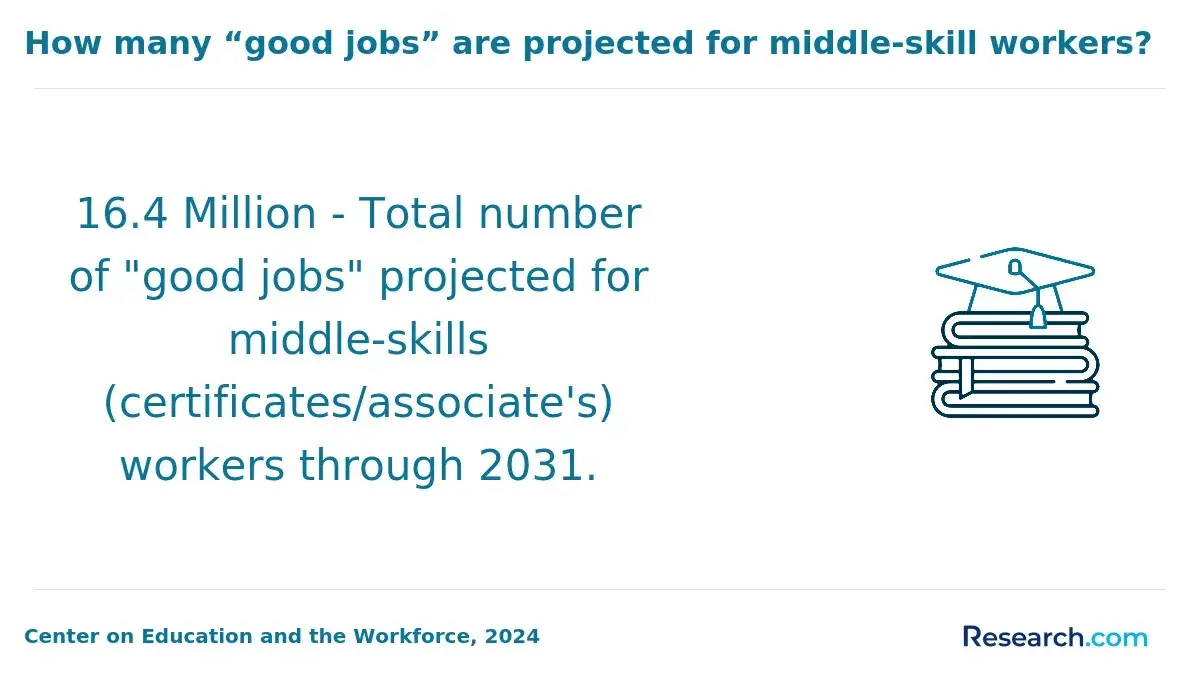
Students seeking a cybercrime degree often face difficulty comparing programs due to varying course content, industry focus, and delivery formats. For example, some degrees emphasize digital forensics while others prioritize cybersecurity policy, making it challenging to identify the best fit for individual career goals. According to recent data, the demand for cybercrime experts is projected to grow 33% from 2020 to 2030, outpacing many other IT-related fields. This article explores key factors such as curriculum relevance, flexibility, and cost to help prospective students effectively evaluate and select cybercrime degree programs aligned with their professional aspirations.
Key Benefits of Comparing Cybercrime Degree Programs Effectively
- Check program accreditation and faculty expertise to ensure credibility and recognition by employers in the growing cybercrime field, which expects 33% job growth through 2031.
- Evaluate curriculum alignment with industry needs, focusing on digital forensics, cybersecurity law, and ethical hacking specializations for relevant skills.
- Consider tuition costs alongside career support and average graduate salaries to assess return on investment and maximize earning potential after graduation.
What Types of Accreditation Should a Cybercrime Degree Program Have?
Accreditation is a vital factor in comparing cybercrime degree programs as it helps prospective students assess the quality, credibility, and long-term value of their education. Over 90% of employers prefer or require degrees from accredited institutions, emphasizing the importance of accreditation in enhancing graduate employability.
When evaluating options, it's essential to consider several types of accreditation.
- Regional Accreditation: This primary level covers the entire institution, ensuring it meets broad academic standards recognized nationwide. It affects credit transferability, eligibility for federal financial aid, and institutional recognition, making it crucial when searching for accredited cybercrime degree programs in the United States.
- Programmatic Accreditation: Focused on specific academic programs, this accreditation, such as ABET, verifies that a cybercrime curriculum meets industry standards. It enhances employer trust, prepares students for practical challenges, and supports licensure readiness.
- Specialized Certifications: Certifications from agencies like the National Security Agency and the Department of Homeland Security indicate alignment with national workforce needs, adding credibility to cybercrime programs.
For career changers or working professionals, these accreditation types ensure credits are transferable and financial aid opportunities are available. Researching the best regional accreditation for cybercrime degrees can also support informed decisions that align with long-term goals.
Prospective students balancing career and study might explore flexible options similar to BCBA masters programs online for a model of accessibility and affordability.
What Specializations Are Offered in Cybercrime Degree Programs?
Choosing among cybercrime degree program specializations allows prospective students to align their studies with specific career goals and industry needs. Employment in information security-related roles is expected to grow 35% from 2021 to 2031, highlighting increasing demand for professionals with focused expertise.
Below are some common concentrations in cybercrime degree programs that help guide these decisions.
- Digital Forensics: This specialization focuses on investigating cyber incidents and recovering data, while developing strong analytical and technical skills. Graduates often pursue careers in law enforcement or private sector investigations.
- Network Security: Emphasizing protection of computer systems and infrastructures, this area trains students to defend against cyber threats. It prepares graduates for roles in IT security within various industries.
- Cybersecurity Policy and Management: This concentration prepares students for governance, compliance, and risk assessment positions, equipping them to develop organizational security policies and manage security operations.
- Ethical Hacking: Training students to identify and address system vulnerabilities legally and proactively, this specialization is valuable for penetration testing roles and proactive defense strategies.
Understanding the distinct specializations available is key to comparing programs effectively and finding a match for your interests and career ambitions. For students considering other fields of study, exploring accelerated psychology programs can also offer valuable career opportunities.
How Can You Compare Courses Across Cybercrime Degree Programs?
Comparing courses across cybercrime degree programs is crucial for prospective students to evaluate program rigor, skill development, and alignment with their career goals. With an average course completion rate near 75% in technical fields, examining curriculum depth and course structure helps anticipate workload and success.
Considering scheduling flexibility and delivery methods in cybercrime courses also informs how well a program fits your lifestyle.
Here are key strategies to compare courses effectively:
- Review Course Descriptions: This reveals topics covered and the level of technical detail, helping you determine if the material matches your interests and expertise.
- Analyze Credit Hours and Contact Time: Higher credit hours often signal greater workload intensity and curriculum depth, enabling you to assess the program's rigor.
- Check Prerequisites and Progression: Knowing required foundational knowledge clarifies how courses build toward advanced skills and professional competency.
- Investigate Practical Components: Labs, projects, and internships embedded within courses offer hands-on experience critical for applying skills in real-world cybercrime contexts.
- Compare Learning Outcomes: Explicitly stated outcomes clarify the competencies and certifications you may gain, aligning your education with your career objectives.
When weighing these factors, don't overlook how scheduling flexibility and delivery methods affect your ability to balance education with other commitments. For those also considering financial investment, exploring options such as cheap psychology masters programs may provide comparative insight into managing tuition costs while pursuing advanced degrees.
What Scheduling Options Are Available in Cybercrime Degree Programs?
Flexible scheduling is essential for students comparing cybercrime degree programs, as it allows diverse learners to balance studies with personal and professional responsibilities. Below are key scheduling options that accommodate different needs and learning styles.
- Full-Time and Part-Time: Full-time enrollment suits students who can dedicate substantial hours to their coursework, enabling faster degree completion. Part-time options provide a slower pace for those managing jobs or family commitments without sacrificing academic quality.
- Online and Hybrid Formats: Online courses offer asynchronous learning, allowing students to access materials and lectures on their own time. Hybrid programs mix virtual classes with occasional in-person sessions, appealing to those who prefer some direct interaction while maintaining flexibility.
- Modular and Accelerated: Some programs use shorter terms or focused modules that let students concentrate on one subject intensively. Accelerated tracks support motivated learners aiming to finish quicker, making these models attractive for working professionals seeking targeted advancement.
What Are the Pros and Cons of Online vs Campus-Based Cybercrime Degrees?
Choosing between online and campus-based cybercrime degree programs can greatly influence a student's experience and future job prospects. Recent data from the National Center for Education Statistics shows that more than 40% of college students have taken at least one online course, highlighting the shift toward virtual learning environments.
Below is a detailed look at the key benefits and drawbacks of each format.
Online Programs
- Flexibility: Students can study at their own pace and from any location, enabling better management of work, family, and education commitments.
- Resource Availability: Online courses often provide extensive digital materials and recorded lectures accessible anytime, but immediate technical support or lab access may be limited.
- Networking Challenges: Opportunities for direct interaction with peers and instructors are reduced, which may affect relationship building and career networking.
- Self-Discipline Required: Without in-person accountability, students need strong motivation and time management skills to complete coursework effectively.
Campus-Based Programs
- Hands-On Learning: Access to labs and real-time collaboration with faculty promotes practical skill development that is crucial in cybersecurity careers.
- Structured Schedule: Fixed class times help students maintain a routine but can make balancing other responsibilities more difficult.
- Networking Opportunities: Face-to-face interactions encourage building professional connections and mentoring relationships.
- Logistical Constraints: Students must often commute or relocate, which can add financial and time costs that impact accessibility.
How Do GPA Requirements Vary Among Cybercrime Degree Programs?
GPA requirements play a key role when comparing cybercrime degree programs, as they often indicate the academic standards and admissions priorities of each institution. The following points highlight how GPA expectations can vary significantly among programs:
- Minimum Thresholds: Some programs require firm GPA cutoffs, typically ranging from 2.5 to 3.5 on a 4.0 scale, prioritizing steady academic performance as a key selection criterion.
- Holistic Evaluation: Many institutions adopt a more comprehensive approach where GPA is weighed alongside professional experience, recommendation letters, personal statements, and technical expertise, allowing for flexibility in admissions decisions.
- Graduate vs. Undergraduate: Graduate cybercrime programs generally expect higher GPAs reflecting the rigor of advanced study, whereas undergraduate programs might have more varied requirements.
- Professional Experience Consideration: Programs designed for working professionals often offer leniency on GPA requirements by valuing relevant industry experience and practical skills in their admissions process.
- Case-by-Case Admissions: Some schools do not publicize strict GPA minimums but rather assess each applicant individually, enabling candidates with diverse academic backgrounds to be considered.
Recognizing these differences helps prospective students better match their academic records and professional backgrounds with programs that suit their goals and enhance their chances of acceptance.
How Can You Compare Tuition Across Cybercrime Degree Programs?
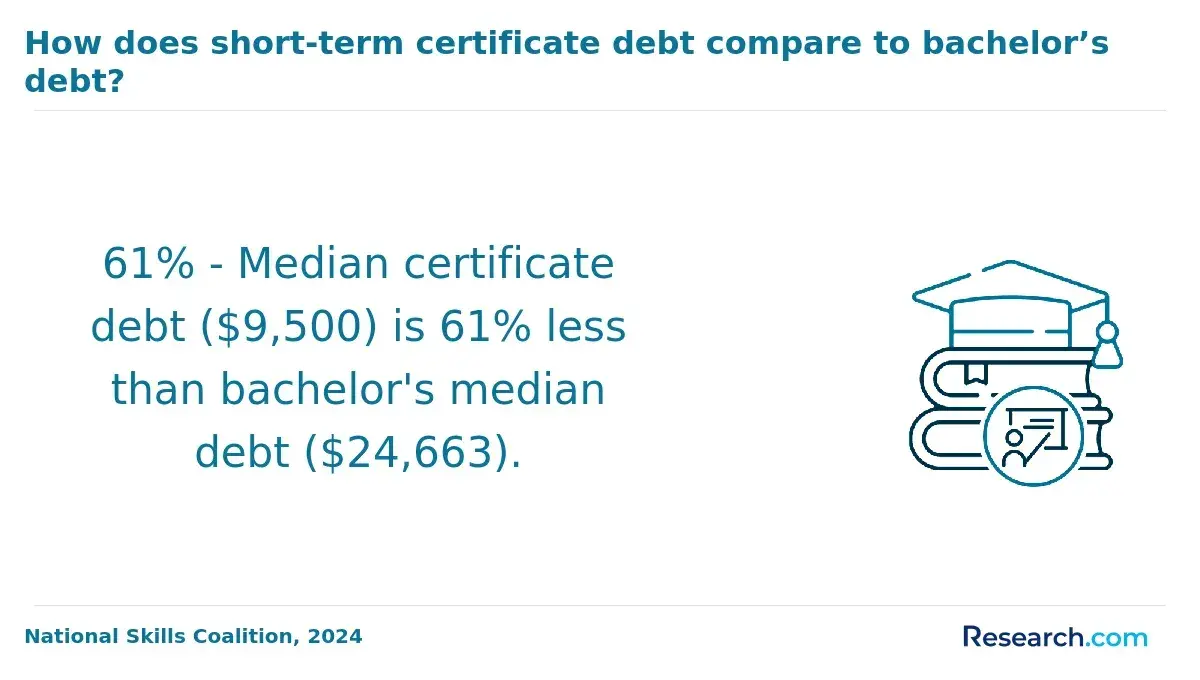
Evaluating tuition costs is a crucial step for students considering Cybercrime degree programs, as total expenses can vary significantly. With the average bachelor's degree student debt exceeding $30,000, understanding the full financial picture is essential.
Here are several key factors to consider when comparing tuition:
- Total Program Cost: Assess the complete expenses required to finish the degree, including tuition, mandatory fees, and any supplemental costs, since programs may charge flat rates or per-credit fees affecting affordability.
- Cost Per Credit: Examine pricing models closely-some schools charge by credit hour, which can fluctuate based on course load, while others offer a fixed rate for full-time enrollment.
- Additional Fees: Factor in institution-specific fees such as technology, lab, or student service charges, which can add substantially to overall costs and vary widely across programs.
- Financial Aid Options: Investigate scholarship opportunities, grants, and federal aid availability to reduce out-of-pocket expenses and make programs more accessible.
- Employer Tuition Benefits: Consider whether your current or potential employer offers educational assistance, which can offset tuition and incentivize program selection.
- Long-Term Value: Balance upfront costs with expected career earnings and job placement rates in cybersecurity to ensure a degree is a worthwhile investment over time.
Does a Cybercrime Degree Meet Licensure Requirements?
Aligning a cybercrime degree with licensure requirements is essential for students targeting regulated careers or planning to switch fields. Nearly 30% of U.S. occupations require professional licensing or certification, making this consideration vital when choosing a program.
Below are key factors to evaluate when comparing options.
- Curriculum Alignment: Evaluate whether the coursework meets industry standards and prerequisites for certifications common in cybercrime-related roles, ensuring relevant skills and knowledge.
- Accreditation Status: Verify that the program holds regional or specialized accreditation, which often reflects adherence to academic quality and professional standards needed for licensure.
- State Licensure Requirements: Requirements can differ significantly by state, so assess programs based on how well they prepare students for specific regional regulations and credentials.
- Supervised Experience: Many licenses require practical training or internships; compare programs offering supervised fieldwork or hands-on opportunities integral to meeting these mandates.
- Certification Exam Eligibility: Confirm that programs provide pathways or eligibility to take industry-recognized certification exams linked to licensure, enhancing job prospects and professional standing.
Which Cybercrime Programs Have the Best Career Placement Rates?
Career placement rates are a vital factor when comparing cybercrime degree programs, as they reflect how effectively a program prepares students to enter the workforce. Approximately 85% of graduates from top-ranked cybercrime programs find employment within six months of graduation, demonstrating the programs' success in launching careers.
Below are key elements to consider when evaluating these rates:
- Graduate Employment Statistics: Reviewing published employment data from reputable schools offers insight into a program's ability to achieve consistent job placement. Transparent reporting helps prospective students gauge real-world outcomes.
- Employer Partnerships: Strong connections with employers often lead to internship and job pipelines, enhancing students' chances of career placement. These collaborations facilitate mentorships and direct hiring opportunities critical for success.
- Internship Pipelines: Internships provide practical experience and networking chances that increase the likelihood of securing a position after graduation. Programs with established internship structures tend to have higher placement rates.
- Alumni Outcomes: Access to alumni career tracking data or networks reveals common career paths and professional growth. Evaluating these trends helps students understand long-term success beyond initial employment.
- Program Support Services: Career support such as resume workshops, interview coaching, and job search assistance plays a crucial role in helping students navigate the job market effectively.
For students balancing budget considerations alongside career goals, exploring cheapest EdD programs can provide useful insights on affordable education pathways. Identifying top ranked cybercrime programs for job placement success involves combining these factors with personal priorities to select the best fit.
How Do Salaries Compare Across Cybercrime Degree Program Graduates?
Post-graduation salary outcomes are an essential comparison metric for prospective students evaluating Cybercrime degree programs, as they reveal the real-world financial return of their chosen education. The average annual wage for information security analysts-a common career path for cybercrime program graduates-is about $102,600.
The following points highlight how salaries vary by different factors.
- Job Role: Entry-level cybersecurity analysts focused on cybercrime prevention typically earn between $60,000 and $80,000 annually. Advanced positions, such as digital forensics experts or security consultants, can command salaries exceeding $100,000.
- Industry: Graduates working in finance or government sectors usually receive higher compensation compared to those in nonprofit or educational organizations, reflecting industry-specific demand and budget differences.
- Location: Urban centers like Washington, D.C., San Francisco, and New York offer premium pay, often 20-30% above the national average, due to increased demand and cost of living.
- Experience: Early-career cybercrime professionals start with modest salaries, but income can potentially double within five to ten years as they gain certifications and hands-on expertise.
- Program Type: Average starting salaries for cybercrime degree holders by program type may vary; choosing the right program that aligns with career goals and budget is critical. Prospective students can also explore various online college courses to find flexible options fitting their needs.
What Graduates Say About Comparing Cybercrime Degree Programs Effectively
- Lioren: "Before diving into the cybercrime degree program, I weighed several options, including traditional computer science degrees that were significantly more expensive. The average cost of attendance for many programs pushed me away, but the affordable tuition of the cybercrime program made it accessible. Graduating has dramatically boosted my confidence and opened doors to cybersecurity roles I never thought possible."
- Zorinex: "Reflecting on my journey, I initially debated whether to pursue a business or cybercrime degree. Cost was a huge deciding factor since the average student loan debt for business degrees seems overwhelming. The cybercrime program's reasonable fees allowed me to graduate debt-light, and now I proudly work in a specialized field with strong job prospects and growth opportunities."
- Taylor: "Professionally, entering a cybercrime degree program was a strategic move I chose after thorough research. Many alternative programs came with hidden fees, driving up the overall cost far beyond what was advertised, but this program's transparent pricing was a relief. Completing the degree has been instrumental in elevating my career, offering technical skills that employers value highly in this rapidly evolving sector."
Other Things You Should Know About Cybercrime Degrees
Cybercrime degree programs in 2027 emphasize ethical considerations like understanding digital privacy laws, adhering to cybersecurity protocols, and maintaining a commitment to lawful hacking practices. Students are often required to engage in projects that ensure they respect both legal boundaries and ethical standards in cybersecurity.
Internship requirements can differ significantly, with some programs mandating hands-on experience with law enforcement agencies, cybersecurity firms, or IT departments as part of graduation criteria. Others may offer optional internships or practical labs but emphasize theoretical knowledge more heavily.
References
- Cybersecurity Career: Certificate vs Degree Comparison https://www.mycomputercareer.edu/which-is-better-a-cybersecurity-certificate-or-a-degree/
- Cybersecurity Courses vs. Traditional Degrees: Pros and Cons | Cybrary https://www.cybrary.it/blog/cybersecurity-courses-vs-degrees
- Cybersecurity Certificate vs. Degree: Which Should You Choose? https://www.nu.edu/blog/cybersecurity-certificate-vs-degree/
- Cybersecurity Supply And Demand Heat Map https://www.cyberseek.org/heatmap.html
- The Cybersecurity Job Index: Where are Positions and Salaries Surging in the U.S.? - Upwind https://www.upwind.io/industry-research/cybersecurity-job-index
- Cybersecurity Careers: Skills, Certifications, and Degree Requirements | UAGC https://www.uagc.edu/blog/cybersecurity-careers-skills-certifications-and-degree-requirements
- Most Affordable Cybersecurity Degree Programs | Cybersecurity Guide https://cybersecurityguide.org/rankings/most-affordable-cybersecurity-degree/
- Cybercrime Degree Courses and Programs Guide https://criminaljusticeschoolscentral.com/degrees/cybercrime-degree-courses-programs/
- Online vs. campus learning | Maryville Online https://online.maryville.edu/blog/earning-your-cyber-security-degree-online-vs-on-campus/
- 25 Best Online Cybersecurity Bachelor’s Degree Programs https://programs.com/programs/online-bs-cybersecurity/


