
2027 How to Compare Information Technology Management Degree Programs Effectively

Co-Founder and Chief Data Scientist
Choosing the right information technology management degree program can be daunting when each offers different focuses, formats, and career pathways. For instance, one program might emphasize cybersecurity, while another centers on IT project leadership, creating distinct post-graduation opportunities. According to recent labor data, employment in IT management roles is projected to grow 11% by 2032, outpacing many other fields. This expanding demand intensifies the need to select a program that matches future job market trends and personal career ambitions. This article discusses key factors to compare in information technology management degree programs to guide students toward well-informed decisions.
Key Benefits of Comparing Information Technology Management Degree Programs Effectively
- Ensure the program holds accreditation from recognized agencies, as this impacts credibility and eligibility for certifications crucial in IT management careers.
- Evaluate curriculum focus and specialization options, aligning them with current industry demands like cybersecurity, cloud computing, or data analytics.
- Consider cost relative to return on investment by researching graduation rates, employment outcomes, and average starting salaries in IT management fields.
What Types of Accreditation Should a Information Technology Management Degree Program Have?
Accreditation provides a critical measure for prospective students comparing the quality, credibility, and long-term value of information technology management degree programs. Graduates from accredited institutions are significantly more likely to secure employment and earn higher wages, highlighting how accreditation impacts career prospects. Below are key types of accreditation to consider when evaluating programs.
- Regional Accreditation: This accreditation covers the entire institution, ensuring consistent academic quality across programs. It influences credit transferability and eligibility for federal financial aid, making it essential for students balancing work and study.
- Programmatic Accreditation: Specialized accreditors like ABET focus specifically on technology and management curricula. This ensures the program meets industry and academic standards, enhancing employer trust and licensure readiness.
- Career-Focused Accreditation: For career changers and working professionals, accreditations that align with current industry demands ensure flexibility in obtaining recognized credentials and support career advancement.
Students should confirm that the program holds proper regional accreditation for IT management programs as it underpins credit transfer and financial aid availability. Exploring options with recognized accreditation standards for information technology management degrees guarantees academic integrity and workforce relevance. Additionally, those interested in specialized credentials may find value in programs linked to BCBA certification online, demonstrating the growing importance of targeted certifications integrated with accredited education.
What Specializations Are Offered in Information Technology Management Degree Programs?
Specializations in information technology management degree programs allow prospective students to align their studies with specific career goals and industry demands. IT professionals with expertise in cybersecurity, for example, are projected to experience a 35% growth rate by 2030, reflecting strong workforce trends in focused IT areas. The following list outlines common specializations that can help students evaluate and compare programs based on their academic and professional interests.
- Cybersecurity Management: Focuses on protecting organizations from digital threats by developing skills in risk assessment, network defense, and regulatory compliance. Graduates typically pursue roles such as security analyst or information security manager, which are in growing demand.
- Data Analytics and Business Intelligence: Emphasizes interpreting complex data, managing databases, and supporting business decisions. This track prepares students for careers as data analysts or IT consultants, roles that are crucial to organizations' strategic planning.
- Project and IT Service Management: Concentrates on planning, executing, and managing IT projects and service delivery, equipping students for positions like project manager or service delivery manager that require leadership in tech environments.
- Cloud Computing and Infrastructure: Deals with virtualization, cloud services, and infrastructure management. Graduates often become cloud architects or systems administrators, addressing the increasing reliance on cloud technology across industries.
The wide range of options in top information technology management program focuses allows students to choose curricula aligned with their desired career paths and the evolving sector needs. For those exploring flexible educational options, a review of MSW accelerated programs highlights how accelerated schedules can benefit working professionals balancing education and career advancement.
How Can You Compare Courses Across Information Technology Management Degree Programs?
Comparing courses across information technology management degree programs is essential to gauge program rigor, skill development, and alignment with career goals. Research shows that students in well-structured IT management programs have a course completion rate 15% higher than those in less comprehensive curricula. Below are effective strategies to evaluate courses and identify programs that best meet your professional objectives.
- Review Course Descriptions: Analyze if the curriculum covers foundational and advanced IT management concepts to determine the program's depth and relevance.
- Compare Credit Hours: Evaluate total credit requirements to understand the expected workload and time commitment, which indicate program intensity.
- Analyze Skill Development Focus: Check for courses emphasizing technical expertise, leadership, and project management to ensure alignment with your career goals.
- Look for Hands-on or Capstone Projects: Practical assignments and projects enhance real-world applicability, better preparing students for industry challenges.
- Check Elective Options: Diverse elective offerings allow customization to suit specific career interests or emerging technology trends, improving flexibility.
Utilizing these methods when conducting information technology management course comparison criteria helps reduce surprises, ensuring educational choices align with your ambitions. For those also weighing graduate options in other fields, consider exploring the best online masters in psychology for flexible and affordable alternatives.
What Scheduling Options Are Available in Information Technology Management Degree Programs?
Flexible scheduling plays a key role for students comparing information technology management degree programs, as it helps balance education with personal and professional responsibilities. Various formats accommodate different lifestyles and enable learners to choose options that fit their time constraints. Below are some common scheduling arrangements available:
- Fully Online Asynchronous: These courses allow students to study at any time without fixed class meetings, ideal for those with unpredictable or busy schedules. This format supports self-paced learning and flexibility in balancing work or family commitments.
- Evening and Weekend Classes: Designed primarily for working professionals, these sessions take place outside regular business hours, making it easier to maintain employment while pursuing a degree. They provide real-time interaction but with more convenient timing.
- Accelerated and Part-Time Options: Accelerated programs enable faster completion by condensing coursework, while part-time paths allow students to take fewer classes per term. Both formats let learners tailor their pace according to availability and career goals.
- Hybrid Models: Combining online instruction with on-campus components, hybrid programs offer flexibility alongside occasional face-to-face engagement. This helps students who benefit from direct interaction without committing to daily campus presence.
What Are the Pros and Cons of Online vs Campus-Based Information Technology Management Degrees?
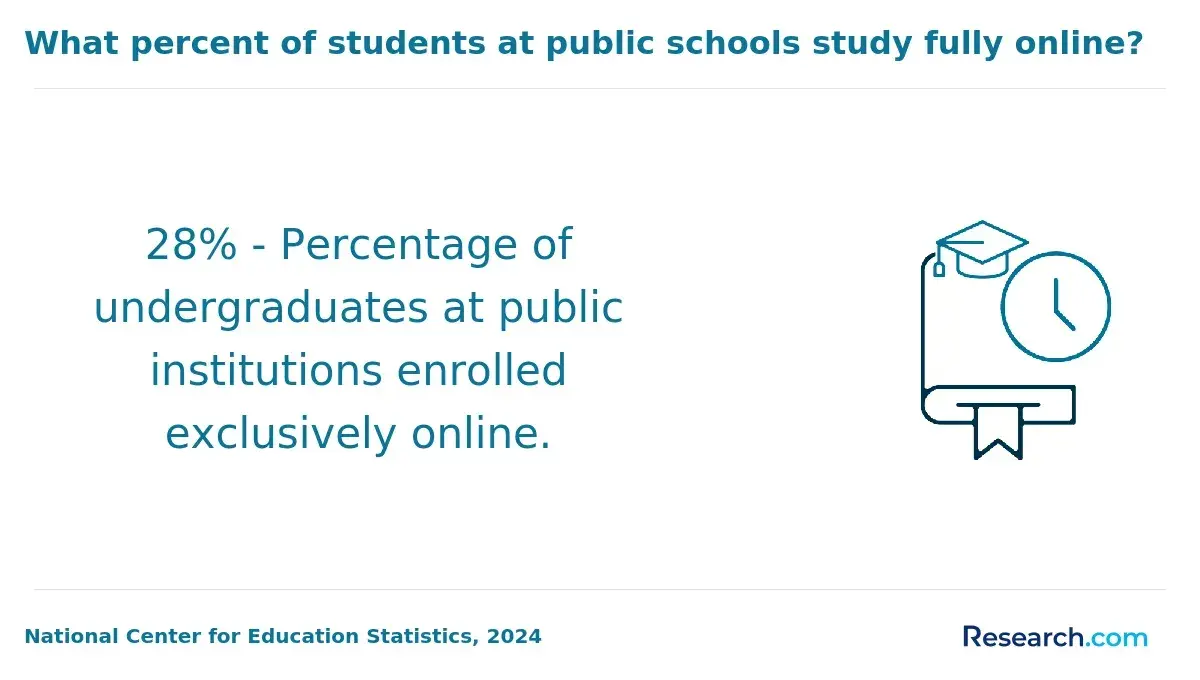
Choosing between online and campus-based delivery formats significantly influences how prospective students experience information technology management degree programs. Enrollment in fully online programs surged by more than 30% between 2018 and 2021, highlighting growing interest in flexible learning options. Below is a comparison of the key advantages and disadvantages of each format.
Online Programs
- Flexible Scheduling: Students can access coursework at convenient times, accommodating jobs and family commitments without relocating.
- Broader Access: Programs often attract diverse faculty and offer resources not limited by geography, providing a wide range of learning materials.
- Limited Networking: The absence of face-to-face interaction can reduce opportunities for spontaneous collaboration and relationship-building critical for career growth.
- Self-Discipline Required: Students must manage their time effectively to stay on track, since real-time engagement is limited.
Campus-Based Programs
- Immersive Experience: Direct contact with professors and classmates fosters dynamic discussions and teamwork.
- Stronger Networking: Frequent in-person events enhance connections with peers and faculty, often benefiting future job prospects.
- Less Flexibility: Commuting and fixed schedules may challenge those balancing work or personal responsibilities.
- Resource Availability: On-campus access to labs, libraries, and tech support supports hands-on learning.
When I asked a graduate who completed an online information technology management degree about his decision process, he recalled spending weeks comparing program formats. "I knew flexibility was crucial since I work full time," he said. Yet, he worried about missing out on networking opportunities and felt uncertainty about how well online courses would prepare him for the job market. Ultimately, choosing online meant balancing convenience with the challenge of building professional connections virtually. "It took extra effort, but I joined industry forums and attended local meetups to bridge the gap," he explained. His experience highlights how weighing these pros and cons is essential to making an informed decision.
How Do GPA Requirements Vary Among Information Technology Management Degree Programs?
GPA requirements are a crucial factor for prospective students comparing information technology management degree programs because they influence admission eligibility and reflect a program's selectivity. The following points highlight key aspects of how GPA expectations can differ and affect applicants.
- Varied Minimums: Some programs require a set minimum GPA, often around 3.0 on a 4.0 scale, as a clear threshold for admission. Others allow for lower GPAs, especially when candidates bring strengths in related work experience or technical skills.
- Holistic Admissions: Many programs evaluate candidates beyond GPA by considering recommendations, professional background, and personal achievements. This approach can make admissions more flexible for applicants with nontraditional profiles.
- Flexible Entry Options: Certain programs offer conditional acceptance or provisional admission, enabling students to demonstrate academic readiness through coursework after enrollment rather than relying solely on GPA at the outset.
- Degree-Level Differences: GPA standards often vary between bachelor's and master's programs, with graduate-level degrees typically enforcing higher or more specific academic expectations.
How Can You Compare Tuition Across Information Technology Management Degree Programs?
Comparing tuition is essential for prospective students choosing information technology management degree programs, as costs can vary widely and impact long-term financial well-being. In 2023, the average student loan debt for bachelor's degree holders in the U.S. hit around $30,000, which highlights the importance of evaluating program affordability carefully. Here are key factors to consider when assessing tuition:
- Total Program Cost: Look beyond base tuition to include mandatory fees and additional expenses like textbooks and technology. The overall sum provides a clearer picture of what you'll actually pay for the entire degree.
- Cost Per Credit: Understanding per-credit pricing helps compare programs fairly, especially if you plan to attend part-time or accelerate your studies. Different rates can significantly affect the total cost based on your pace.
- Fees and Extras: Some programs charge extra fees for labs, software, or online access. These charges can add up and should factor into your tuition comparison for an honest cost estimate.
- Financial Aid Availability: Evaluate scholarships, grants, and loan options each program offers. Financial aid packages can reduce out-of-pocket expenses and make a higher sticker price more manageable.
- Employer Tuition Benefits: If you're working, check if your employer offers tuition reimbursement or assistance programs. These benefits can lower your overall costs and influence your program choice.
- Long-Term Value: Consider potential salary increases and career advancement linked to the degree. A program that's more expensive upfront may offer greater financial returns over time.
When I spoke with a graduate who completed an information technology management degree, she shared how daunting it was to navigate the financial landscape at first. "I had to break down every piece-tuition, fees, possible scholarships-and compare that with my work schedule and employer's support," she explained. "It wasn't just about finding the cheapest option but the most sustainable. I wanted a program that wouldn't just strain my wallet now but also open doors after graduation." Her approach involved balancing cost factors against career goals, which ultimately made her decision feel deliberate and rewarding."
Does a Information Technology Management Degree Meet Licensure Requirements?
Aligning an information technology management degree with licensure requirements is crucial for students targeting regulated careers or seeking a professional shift. Over 20% of IT-related jobs necessitate certification or licensure, emphasizing the importance of verifying program compatibility with these mandates. Consider the following aspects when evaluating degree programs:
- Curriculum Alignment: Ensure the coursework prepares students for certifications like CompTIA, CISSP, or PMP by focusing on relevant skills and industry standards.
- Accreditation Status: Look for regional or program-specific accreditation that enhances professional credibility and acceptance in the job market.
- State Requirements: Different states impose various licensure rules impacting eligibility, so verify how programs address these specific regulations.
- Practical Experience: Opportunities for internships or supervised practice are often required for certification eligibility; programs should facilitate these experiences.
- Exam Preparation: Assess whether the program equips students to qualify for and succeed in recognized certification exams critical to career advancement.
Reviewing these elements can help ensure that a degree not only imparts knowledge but also supports a student's path to licensure and professional success where necessary.
Which Information Technology Management Programs Have the Best Career Placement Rates?
Career placement rates are a crucial metric for evaluating information technology management degree programs because they reflect how well these programs prepare graduates to enter the workforce and secure relevant jobs. For instance, data from the National Association of Colleges and Employers shows some IT-related graduates achieve employment within six months at rates over 85%, demonstrating the value of effective career support. Below are key factors students should consider when researching programs with strong job placement success.
- Graduate Employment Data: Review documented percentages of graduates who find work in their field within a specific timeframe. High rates suggest a program's curriculum and training align well with employer demands.
- Employer Partnerships: Investigate whether the program maintains relationships with companies in the technology sector to create job pipelines. These connections often lead to internships and direct hiring opportunities.
- Internship Opportunities: Programs that facilitate meaningful internships can provide students with valuable real-world experience, boosting their employability and networking prospects after graduation.
- Alumni Outcomes: Look at the kinds of roles and industries graduates enter, which indicates probable career paths and the program's reputation among employers.
- Career Support Services: Quality programs offer resume workshops, interview coaching, job fairs, and personalized career advising, all of which enhance a student's job search success.
Those searching for top online information technology management programs for job placement success should carefully assess these factors. Additionally, prospective students exploring advanced education options might find valuable insights by reviewing resources focused on affordable, flexible study paths such as the online PhD organizational leadership, which can complement technology management expertise.
How Do Salaries Compare Across Information Technology Management Degree Program Graduates?
Post-graduation salary outcomes are a critical metric for prospective students comparing information technology management degree programs, as they provide insight into the financial return on investment. Graduates in this field typically earn between $70,000 and $120,000 annually, highlighting variations by several key factors. Below is a breakdown of how salaries compare across different dimensions:
- Role: Entry-level IT project managers or analysts usually earn between $65,000 and $85,000, while experienced IT directors or CIOs command salaries exceeding $120,000.
- Industry: Technology firms and the finance sector tend to offer higher pay than government or nonprofit organizations, reflecting the demand for technical leadership in lucrative markets.
- Location: Graduates working in tech hubs such as Silicon Valley, Seattle, or New York can expect salaries 15-30% above those in smaller metro or rural areas, largely due to living costs and market competition.
- Experience Level: Mid-level professionals see significant salary increases compared to recent graduates, demonstrating career progression's impact on compensation.
Considering these factors ensures students can align their educational and career goals with realistic salary expectations. Insights into average earnings of information technology management degree holders by program help students evaluate which pathways may offer the best opportunities. For those exploring flexible study options, a range of online college degrees provide viable alternatives suited to diverse schedules and budgets.
What Graduates Say About Comparing Information Technology Management Degree Programs Effectively
- Otis: "Before I decided on the information technology management degree program, I was weighing the costs against other tech-related fields. The average cost of attendance for this program was more affordable than many others, which made it a clear choice. Finishing the degree has truly opened doors for me in IT leadership roles, and I'm grateful the financial aspect didn't hold me back."
- Noya: "I spent a lot of time reflecting on where my career was headed before enrolling in the information technology management program. Cost was a big concern since I wanted quality education without the burden of massive debt, and this program struck that balance perfectly. Since graduating, I've developed a stronger strategic outlook on technology projects that's been pivotal in my professional growth."
- Brooks: "Choosing an information technology management degree involved comparing different options, especially considering how quickly tuition can add up. This program offered a reasonable cost of attendance, which was essential for me since I was funding my own studies. Completing the degree boosted my credentials and gave me the confidence to step into management positions in IT, positively changing my career trajectory."
Other Things You Should Know About Information Technology Management Degrees
Internships and hands-on projects are critical for information technology management students to apply theoretical knowledge in real-world settings. Programs offering strong partnerships with businesses or tech firms provide valuable networking and career preparation. When comparing, look for programs that integrate practical experience as part of their curriculum or have dedicated career support services.
In assessing programs, prioritize those offering substantial internship or practical experience. These opportunities enhance real-world skills, increase employability after graduation, and deepen your understanding of theoretical concepts through hands-on application, preparing you effectively for industry challenges.
References
- Best Information Systems Programs 2026 https://www.hakia.com/degrees/information-systems/best-programs/
- The 13 Most Affordable Online Master's in IT Management https://www.geteducated.com/online-college-ratings-and-rankings/online-masters-in-it-management/
- Programs Leading to Professional Licensure or Certification https://www.nyit.edu/about/offices/academic-affairs/programs-leading-to-professional-licensure-or-certification/
- Information Management degrees & courses https://universitycompare.com/courses/degrees/information-management
- Online vs On-Campus IT Degrees: Which Is Better? [2025 Guide] https://hakia.com/degrees/information-technology/online-vs-campus/
- Association of Technology, Management, and Applied Engineering - (ATMAE) https://www.chea.org/association-technology-management-and-applied-engineering
- M.S. in Information and Technology Management https://www.ut.edu/graduate-degrees/graduate-business/ms-in-information-and-technology-management
- Online Information Technology Degrees: What You Need to Know https://www.ucumberlands.edu/blog/online-information-technology-degrees-what-you-need-know
- Online Degree vs. Traditional | University of Arkansas Grantham https://www.uagrantham.edu/blog/pros-cons-online-degree-vs-traditional-university/
- MBA in Information Technology Career Outlook | OnlineMBA.com https://www.onlinemba.com/mba-careers/information-technology/


