
2027 How to Compare Medical Assisting Degree Programs Effectively

Co-Founder and Chief Data Scientist
Choosing the right medical assisting degree program can be confusing due to diverse curricula, accreditation differences, and varying clinical experience opportunities. Many students struggle to identify programs that balance hands-on training with flexible scheduling, especially those juggling work or family commitments. According to the U. S. Bureau of Labor Statistics, employment of medical assistants is projected to grow 16% through 2031, underscoring the importance of selecting a program that ensures strong job readiness.
This article will guide readers through essential criteria to compare programs effectively, helping them align education choices with career ambitions, financial considerations, and personal circumstances.
Key Benefits of Comparing Medical Assisting Degree Programs Effectively
- Accreditation ensures program credibility and eligibility for certification exams; only about 60% of programs are CAAHEP-accredited, affecting employability.
- Curriculum specialization impacts career paths; align courses with your desired healthcare setting for targeted skills and better job prospects.
- Assess cost versus return on investment; average program costs vary widely, but employment for medical assistants is projected to grow 16% through 2031.
What Types of Accreditation Should a Medical Assisting Degree Program Have?
Accreditation helps prospective students compare the quality, credibility, and long-term value of different medical assisting degree programs. More than 90% of employers prefer or require graduates from accredited institutions, underscoring how vital these credentials are for career success. Below are the primary types of accreditation to consider when evaluating accredited medical assisting degrees in the United States.
- Institutional Accreditation: This accreditation is granted to entire schools by regional or national agencies recognized by the U.S. Department of Education. It impacts the overall reputation of the institution, financial aid eligibility, and the ease of credit transfer but does not guarantee the specific quality of the medical assisting program.
- Programmatic Accreditation: Specifically targets the medical assisting program itself, assessing curriculum, faculty qualifications, and clinical training. The Commission on Accreditation of Allied Health Education Programs (CAAHEP) and the Accrediting Bureau of Health Education Schools (ABHES) are the leading programmatic accreditors. Graduates of these programs are better prepared for certification exams like the CMA (AAMA), enhancing employer trust.
- Career Advancement Impact: For career changers and working professionals, attending a properly accredited program is an investment that supports licensure and certification requirements, making transitions into healthcare smoother and more credible.
For those comparing options, also consider programs offering flexible scheduling and affordability, similar to what you'd find among the top pharmacy degree programs, which balance cost and quality effectively.
What Specializations Are Offered in Medical Assisting Degree Programs?
Specializations in medical assisting degree programs enable prospective students to align their academic focus with specific career paths, improving job readiness and satisfaction. Employment of Medical Assistants with specialized skills is projected to grow 23% from through 2032, faster than the average for all occupations, highlighting the value of targeted training.
Below are some common specializations available in these programs.
- Administrative Medical Assisting: Focuses on office management, billing, scheduling, and electronic health records, preparing students for essential front-office roles in healthcare facilities.
- Clinical Medical Assisting: Emphasizes patient care skills such as phlebotomy, injections, and basic laboratory procedures, equipping students for hands-on clinical responsibilities.
- Specialty Medical Assisting: Concentrates on niche areas like podiatry, ophthalmology, or cardiology, developing expertise suited for specialized medical practices demanding focused knowledge.
Choosing the best specialized medical assisting degree tracks helps students not only match their personal interests but also local job market needs for medical assisting program specializations near me. For those exploring advanced healthcare education options, certain DNP programs provide further opportunities for career growth and specialization beyond medical assisting.

How Can You Compare Courses Across Medical Assisting Degree Programs?
Comparing courses across medical assisting degree programs is essential for prospective students to evaluate program rigor, skill development, and alignment with career goals. Research indicates that programs with higher course completion rates achieve approximately 15% greater success in certification exams, highlighting the importance of a comprehensive curriculum.
To assist with this evaluation, consider the following practical strategies:
- Review Course Descriptions: Examining detailed course outlines reveals the depth and breadth of topics covered, helping ensure the curriculum meets your professional interests and prepares you adequately.
- Examine Practical Components: Hands-on training and clinical externships are critical for skill applicability and workplace readiness, bridging theoretical knowledge and real-world experience.
- Compare Credit Hours and Workload: Understanding the intensity and time commitment of each program helps to assess academic rigor and plan your schedule effectively.
- Assess Alignment with Certification Standards: Look for courses that prepare you for recognized exams like CMA or RMA to ensure the program supports your credentialing goals.
- Check for Curriculum Updates: Up-to-date programs reflect current healthcare practices and technology, which is crucial for maintaining relevant skills and knowledge.
To further explore options, you might also consider exploring the easiest nursing programs to get into for related healthcare pathways. When comparing accredited medical assisting degree programs, it's beneficial to evaluate medical assisting program curriculum and costs comprehensively.
What Scheduling Options Are Available in Medical Assisting Degree Programs?
Flexible scheduling plays a vital role for students evaluating medical assisting degree programs, as it helps balance education with other life responsibilities. Below are some common scheduling options that accommodate diverse needs and lifestyles.
- Traditional Daytime Classes: These courses follow a standard daytime schedule, ideal for students who can attend campus during regular hours. This format suits those seeking a structured, in-person learning environment.
- Evening Sessions: Evening classes provide access for working adults unable to attend daytime courses. They allow individuals to continue their education without interrupting their daytime employment.
- Weekend Courses: Weekend options cater to students who need to keep weekdays free for work or family. This flexibility supports learners managing multiple commitments while progressing toward their degree.
- Online and Hybrid Models: Combining virtual lectures with occasional in-person clinical practice, these formats benefit students who require remote learning due to geographic, professional, or personal constraints. They offer greater control over pacing and location.
- Accelerated Tracks: Some programs offer faster completion paths, designed for motivated learners wishing to enter the workforce sooner. These tracks demand a higher time commitment but reduce overall program length.
What Are the Pros and Cons of Online vs Campus-Based Medical Assisting Degrees?
Choosing the right delivery format significantly impacts a student's ability to manage their studies and career readiness in Medical Assisting programs. In 2023, about 35% of postsecondary students were enrolled exclusively in online courses, highlighting the rise of digital education. Below is an overview comparing online and campus-based program formats.
Online
- Flexibility: Online programs allow access to coursework at any time, making them ideal for students balancing jobs and family. This autonomy supports self-paced learning but demands strong personal discipline.
- Networking Challenges: Virtual settings can limit interaction with peers and instructors, potentially restricting professional connections that help with job placement.
- Hands-On Experience: Gaining practical skills may be harder to achieve remotely, requiring students to seek local clinical placements independently.
Campus-Based
- Structured Learning: Fixed schedules and in-person classes promote consistent engagement and timely feedback, enhancing understanding and skill application.
- Better Networking: On-campus environments facilitate stronger relationships with instructors and classmates, which often translate into professional opportunities.
- Limited Flexibility: Commuting and strict class times may pose challenges for those with busy or unpredictable schedules.
When I spoke with a graduate who completed an online medical assisting degree, he shared that deciding between options was overwhelming at first. "I was concerned about staying motivated without in-person support," he said, "but the flexibility was crucial because I was working full-time and caring for my family."
He also described the effort needed to find local clinical sites on his own and how those experiences deepened his skills. "Balancing everything wasn't easy, but having control over my schedule made it possible." His journey underscores how personal circumstances heavily influence which format might best fit prospective students.
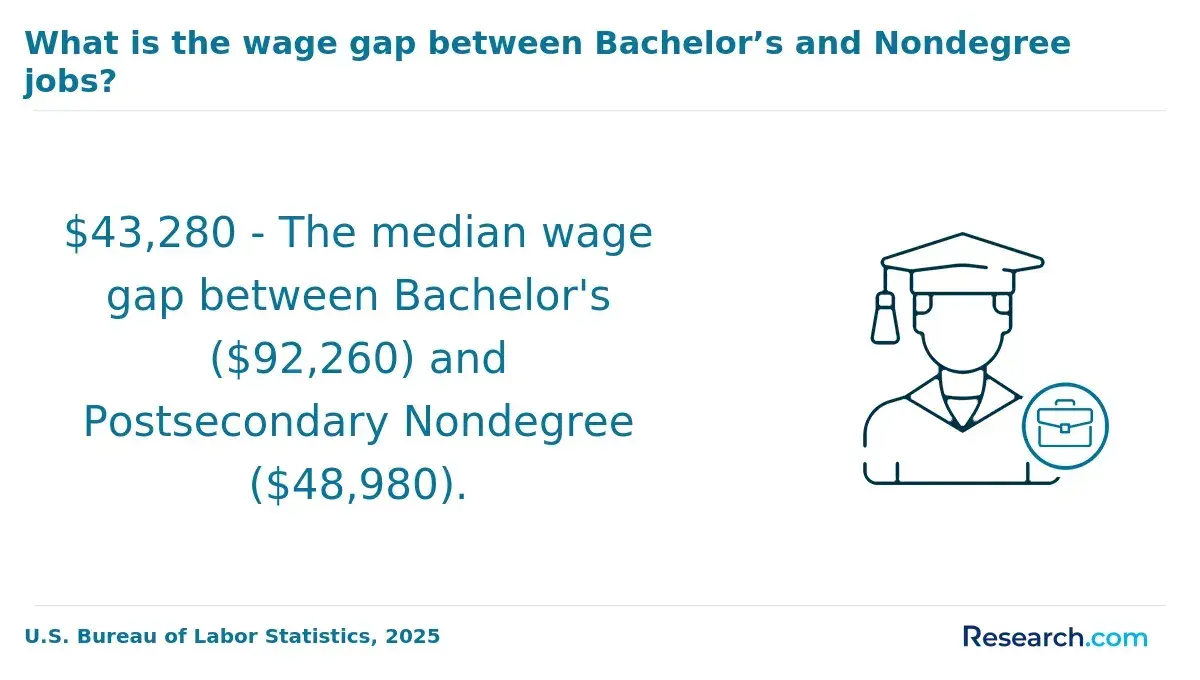
How Do GPA Requirements Vary Among Medical Assisting Degree Programs?
GPA requirements serve as a key criterion when comparing medical assisting degree programs, indicating the academic standards and competitiveness of each option. Below are several factors to consider regarding these variations and their impact on admissions.
- Variability Across Programs: GPA cutoffs often range from about 2.5 to 3.0 on a 4.0 scale, with more selective programs setting higher thresholds. These differences reflect the program's focus on academic readiness but are not uniform across all institutions.
- Admissions Flexibility: Many programs show leniency by considering candidates who don't meet strict GPA requirements if they demonstrate other strengths. This flexibility helps recognize potential beyond grades alone.
- Holistic Review Practices: Some schools evaluate work experience, recommendation letters, and personal statements alongside GPA. Such comprehensive assessments can benefit applicants with lower GPAs but strong healthcare motivation or relevant skills.
- Program Level and Type: GPA standards often differ depending on whether the program is a certificate, diploma, or associate degree, as well as the institution's public or private status. Community colleges typically adopt more inclusive criteria to support broader access and completion.
Examining these dimensions helps prospective students identify medical assisting programs aligned with both their academic history and professional aspirations.
How Can You Compare Tuition Across Medical Assisting Degree Programs?
Comparing tuition rates is vital for prospective students to manage education expenses and make informed decisions about Medical Assisting degree programs. In 2022, the average annual tuition and fees at public two-year colleges were approximately $3,770, highlighting the importance of evaluating various cost factors before committing. Here are key aspects to consider when comparing tuition.
- Total Program Cost: Beyond base tuition, it's essential to examine the full price, including books, supplies, and duration of the program, which can vary significantly and impact overall affordability.
- Cost Per Credit: Programs differ in credit requirements, so breaking down the price per credit hour helps clarify which options offer better value for comparable training.
- Additional Fees: Lab, technology, and registration fees can add up. These supplementary charges might increase total expenses considerably, making some programs more costly than they initially appear.
- Financial Aid Availability: Grants, scholarships, and work-study programs can reduce out-of-pocket costs, so researching aid opportunities is crucial to offset higher tuition rates.
- Employer Tuition Benefits: Some employers offer education assistance or reimbursement programs, effectively lowering net expenses for students currently employed in healthcare settings.
- Long-Term Value: Considering job placement success and anticipated salary after graduation helps evaluate the return on investment, which is a key factor in tuition comparison.
When I spoke with a graduate who completed a Medical Assisting degree, she emphasized how challenging it was balancing costs with her career goals. "I had to consider not just tuition but all the hidden fees that kept adding up," she explained. "Comparing financial aid packages made a big difference-I wouldn't have managed without scholarships."
She also noted the importance of looking ahead: "I asked about employment rates and realized that some pricier programs had better connections to local clinics, which ultimately helped me land a good job." Her experience showed that tuition comparison goes well beyond numbers-it's about aligning financial realities with future opportunities."
Does a Medical Assisting Degree Meet Licensure Requirements?
Aligning a medical assisting degree with licensure requirements is essential for students targeting regulated roles or career shifts, as many healthcare fields mandate certification or credentials. Nearly 67% of health-related jobs require some form of licensure or certification. Below are critical factors to weigh when comparing programs:
- Curriculum Alignment: Programs should teach nationally recognized skills and competencies to prepare students for certification tests and real-world tasks.
- Accreditation Status: Accreditation by bodies like CAAHEP or ABHES indicates a program meets quality standards and allows graduates to sit for certification exams.
- State Regulations: Licensure and registration requirements differ by state; selecting a program compliant with local rules ensures smooth professional entry.
- Supervised Experience: Opportunities for clinical practicums or externships provide valuable hands-on training essential for both skill development and meeting certification prerequisites.
- Certification Eligibility: Check if the program qualifies graduates to take recognized exams, such as the Certified Medical Assistant (CMA) test, critical for enhancing employment prospects.
Evaluating these elements in light of state law and career ambitions helps avoid obstacles after graduation and improves the chance of timely employment in medical assisting.
Which Medical Assisting Programs Have the Best Career Placement Rates?
Career placement rates provide valuable insight into the success of medical assisting degree programs by indicating how well graduates transition into the workforce. Studies show that some accredited programs achieve employment rates exceeding 85% within six months of graduation. Below are key aspects prospective students should consider when evaluating medical assisting programs with highest job placement rates.
- Employer Partnerships: Strong relationships between programs and healthcare providers create pipelines for clinical internships and externships, allowing students to gain hands-on experience and network directly with potential employers.
- Internship Opportunities: Programs that integrate clinical placements as a core part of the curriculum often enhance job readiness, helping students build practical skills that are highly valued by healthcare facilities.
- Alumni Success Stories: Information about past graduates' career outcomes and follow-up surveys can reveal a program's long-term impact on students' employment prospects across the healthcare sector.
- Career Services Support: Dedicated resources such as resume workshops, interview coaching, and job placement assistance are often distinguishing factors for programs ranked among those with the top medical assisting career placement rates in the US.
Students seeking affordability without sacrificing quality might also explore options like the cheapest online healthcare administration degree, which can complement their medical assisting education and expand career opportunities.
How Do Salaries Compare Across Medical Assisting Degree Program Graduates?
Post-graduation salary outcomes are a vital factor for prospective students comparing medical assisting degree programs, helping them evaluate the financial return on their education. The U.S. Bureau of Labor Statistics reports that the median annual wage for medical assistants is about $38,000, with salaries ranging roughly from $27,000 to over $50,000.
These figures highlight the broad spectrum of earning potential across various career paths and locations. Key considerations affecting salaries include the following:
- Job Role: Clinical medical assistants generally earn higher salaries compared to administrative medical assistants due to the specialized skills and responsibilities involved in patient care.
- Industry Sector: Medical assistants employed in outpatient care centers or specialty clinics typically receive better compensation than those working in general physician offices or smaller clinics.
- Experience and Certification: Those with more years of experience and additional certifications command higher wages, reflecting their advanced expertise and greater value to employers.
- Geographic Location: Salaries vary significantly by state and region; urban centers and states with higher living costs usually offer higher pay. Reviewing medical assisting degree graduate salaries by state can help students set realistic expectations.
When considering options for education funding and career advancement, prospective students should also explore affordable educational opportunities such as the cheapest DNP online program, which can help minimize debt and improve long-term salary outcomes.
Assessing average medical assisting program salary outcomes alongside program costs and flexibility enables students to make informed choices aligned with their career goals.
What Graduates Say About Comparing Medical Assisting Degree Programs Effectively
- Karen: "Before enrolling in a medical assisting degree program, I was uncertain about the balance between quality education and affordability. Considering the average cost of attendance hovered around $14,000, choosing medical assisting was a deliberate choice to avoid excessive debt while gaining practical skills. Completing the program truly accelerated my career by making me job-ready and confident in clinical settings. "
- Harry: "I had explored several healthcare pathways but realized that many offered higher tuition fees that I couldn't justify given my financial situation. Medical assisting caught my eye because the cost was reasonable compared to other health-related degrees, and it promised quick entry into the workforce. Reflecting on my journey, this decision has been invaluable, providing me with steady employment and professional growth opportunities."
- Colby: "When deciding on a career, I carefully weighed the costs and benefits of different programs. The medical assisting degree stood out due to its lower average cost and the strong demand for trained professionals. After finishing the program, I've experienced a notable improvement in my job prospects and feel equipped with essential skills that employers respect. It was a strategic investment in my future. "
Other Things You Should Know About Medical Assisting Degrees
In 2027, program length is crucial as it impacts your timeline for entering the workforce. Shorter programs may fast-track you to employment, while longer ones could offer more comprehensive training. Assess your personal timeline and career goals to decide which length aligns with your needs.
Yes, many accredited medical assisting programs include hands-on clinical experience or externships as a mandatory component. This practical training allows students to apply theoretical knowledge in real healthcare settings, which is essential for developing job-ready skills.
Accreditation ensures that the medical assisting program meets set standards of quality, facilitating eligibility for certifications and improving job prospects. Researching accreditation in 2027 is essential, as it reflects the program's current standing and its adherence to updated industry standards.
Before enrolling in a medical assisting degree program in 2027, expect prerequisites such as a high school diploma or GED. Some programs may require background checks, immunizations, and basic courses in biology or health science, ensuring students are prepared for medical coursework and clinical duties.
References
- Medical/Clinical Assistant Program Tuition and Statistics https://www.collegetuitioncompare.com/health-professions/medical-clinical-assistant/
- 10 Types of Medical Assistant Specializations | Unitek College https://www.unitekcollege.edu/blog/types-of-medical-assistant-specializations/
- Medical Assistant Programs Cost | Updated Guide 2024 https://www.onlinedegree.com/article/medical-assistant-programs-cost/
- How to Choose the Best Medical Assisting Program https://ths.edu/how-to-choose-the-best-medical-assisting-program/
- Wichita Medical Assistant | Wichita Medical Assisting Program https://www.wti.edu/medical-assistant/medical-assistant-at-wti/wichita-medical-assistant/
- Online vs. In-Person Medical Assistant Training: Which Is Right for You? https://www.athenacareers.edu/online-vs-in-person-medical-assistant-training-which-is-right-for-you/
- 10 Medical Assistant Specializations: Responsibilities, Salaries, Certifications https://www.edumed.org/articles/medical-assistant-specialties/
- Online vs In-Person Medical Assistant Programs: Which is Right for You? https://www.clinicalskillsinstitute.com/post/online-vs-in-person-medical-assistant-programs-which-is-right-for-you
- Medical Assistant Career Comparison Guide https://www.onlinemedicalassistantprograms.net/career-comparison/


