
2027 Does a Medical Assisting Degree Require Internships or Clinical Hours?

Co-Founder and Chief Data Scientist
Prospective medical assisting students often face confusion over whether internships or clinical hours are mandatory for completing their degree. This uncertainty can delay enrollment decisions and impact career planning. According to the U. S. Bureau of Labor Statistics, nearly 62% of medical assisting programs include clinical components to meet employer expectations and certification eligibility.
These hands-on experiences are critical for developing essential skills and improving job placement rates after graduation. This article clarifies the typical internship and clinical hour requirements in medical assisting programs, guiding readers on how these experiences influence education duration, program choice, and career readiness.
Key Things to Know About Medical Assisting Degree Internships or Clinical Hours
- Medical assisting degrees typically require supervised internships or clinical hours, crucial for hands-on skills and meeting certification standards for employment readiness.
- Online programs arrange clinical hours at local healthcare facilities, while campus-based courses integrate them directly through affiliated sites for streamlined access and supervision.
- Practical requirements extend program duration but boost job placement; 70% of graduates with completed clinical hours report employment within six months post-graduation.
Does a Medical Assisting Degree Require Internships or Clinical Hours?
A medical assisting degree typically requires completion of internships or clinical hours, although requirements vary by program and state. Most accredited programs include a hands-on clinical component, often referred to as a practicum or externship, designed to provide real-world healthcare experience.
These clinical hours usually range from 160 to 200 and are essential to meet industry standards and prepare students for certification exams like the Certified Medical Assistant (CMA). While some programs may offer optional clinical experiences, the majority mandate these internships to ensure adequate skill development.
Clinical internships generally take place during the final phase of the program, following classroom and laboratory training. This timing allows students to apply practical skills such as patient communication, vital signs measurement, injections, and electronic health record management.
Programs often partner with healthcare facilities to facilitate these placements, which enhance career readiness and job prospects through networking and professional references.
Prospective students should also consider how internship scheduling affects the total program duration and their own time commitment, especially when balancing other responsibilities or exploring fields like an online pharmacy school.
Are Internships Paid or Unpaid in Medical Assisting Programs?
Internships in medical assisting programs are most often unpaid, though payment varies by program and facility policies. The distinction is important for students planning their finances and understanding the real costs involved in completing clinical hours required for certification.
Recent data shows that about 25% of medical assisting internships offer some form of compensation, such as hourly wages or stipends. Here are key points about paid vs unpaid medical assisting internships and compensation details:
- Payment variability: Whether an internship is paid depends largely on the institution's policies, state labor laws, and the clinical setting. Some healthcare providers offer paid internships, but many programs provide unpaid opportunities that focus on hands-on experience.
- Academic credit in unpaid internships: Many unpaid internships award academic credit instead of direct payment, allowing students to fulfill essential clinical hour requirements. These credits help students meet certification criteria while gaining practical skills.
- Value beyond compensation: Even unpaid internships provide critical real-world training, professional networking opportunities, and can improve job prospects post-graduation. The experience often serves as a pathway to long-term employment within healthcare organizations.
- Financial planning considerations: Knowing whether internships are paid is vital for budgeting, as unpaid clinical hours may extend financial strain while paid internships help offset costs. Students should research this aspect when choosing programs to avoid unexpected expenses.
Students interested in nursing advancement may also explore the easiest DNP programs as part of long-term career planning.
What Is the Difference Between Internships or Clinical Hours in Medical Assisting Degree Levels?
Knowing the distinctions in internship vs clinical training in medical assisting programs helps students choose the right path for their education and career goals. Different degree levels present varying requirements, durations, and skill expectations that affect time commitment and professional readiness.
Here is a breakdown by degree level to clarify typical clinical hour and internship expectations:
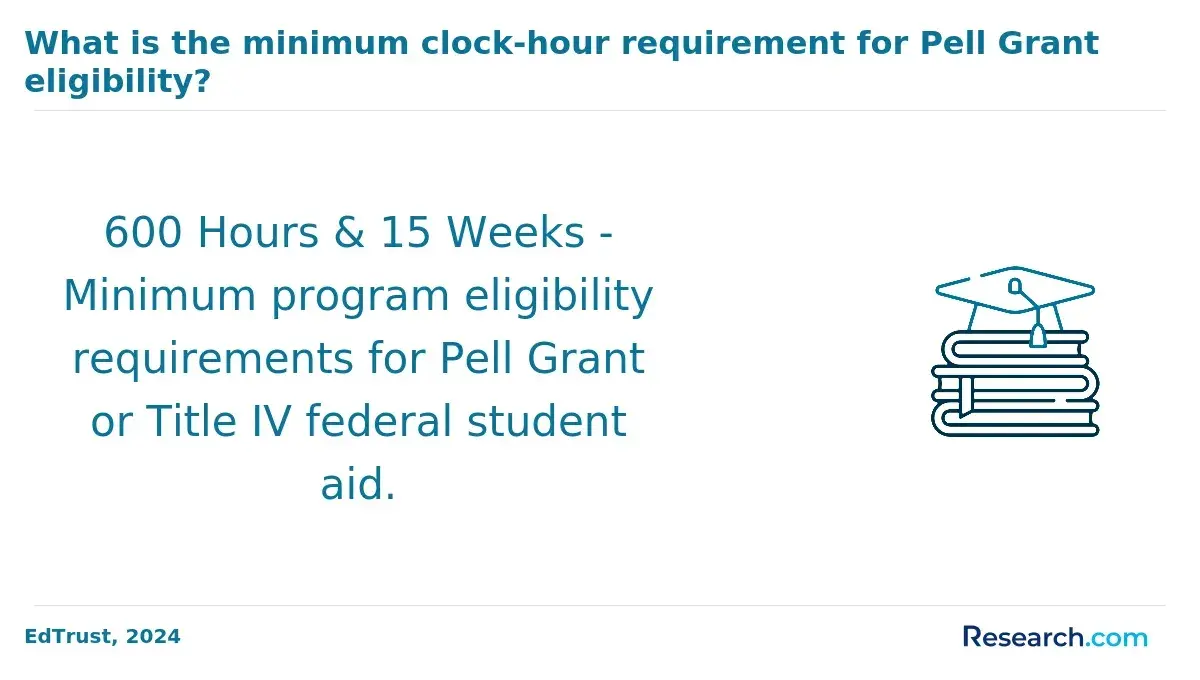
- Certificate or diploma: These programs focus mainly on clinical hours, typically requiring 160 to 200 supervised hours in healthcare settings. Students gain basic skills like taking vital signs and simple lab tests, with close supervision to develop foundational competencies.
- Associate degree: This level usually involves over 300 clinical hours with more complex patient care and administrative duties. Students experience greater independence and a wider scope of practice, often including structured internships that emphasize both professional development and clinical skills.
For those interested in healthcare administration roles, exploring options like medical billing and coding classes can complement clinical training and broaden career pathways.
Breakdown of All 2-Year Online Title IV Institutions (in percentage)

How Do Accelerated Medical Assisting Programs Handle Internships or Clinical Hours?
Accelerated medical assisting programs condense the traditional curriculum by integrating internships or clinical hours within a shortened period, increasing both academic and practical demands on students. These programs often align clinical experiences closely with classroom instruction, sometimes combining coursework and clinical rotations in back-to-back blocks to optimize time.
The intensive scheduling requires students to maintain a strong commitment while fulfilling state-mandated clinical hour requirements, typically ranging from 160 to 200 hours. Academic oversight remains strict to ensure comprehensive training despite the compressed format.
To help students manage hands-on experience alongside a fast-paced curriculum, many accelerated tracks offer flexible clinical schedules, including evening or weekend shifts. Programs also collaborate with healthcare providers to secure adaptable internship placements and supplement direct patient care with lab simulations when possible.
About 30% of medical assisting students now choose accelerated paths, reflecting increased interest in fast-tracked but thorough preparation that meets certification and licensure standards.
A graduate of an accelerated medical assisting degree shared how challenging it was to juggle clinical hours with intense coursework. He described feeling "constantly pressed for time," especially during clinical rotations scheduled immediately after class sessions.
Despite the exhaustion, he appreciated the program's efficient structure and supportive clinical supervisors, noting that "the hands-on experience, although condensed, really boosted my confidence for the certification exam."
This highlights the demanding yet rewarding nature of balancing practical training within accelerated medical assisting programs.
Are Internship Requirements the Same for Online and On-Campus Medical Assisting Degrees?
Internship and clinical hour requirements are generally the same for online and on-campus medical assisting programs, with both formats ensuring students complete hands-on training essential for certification. Accreditation standards require between 160 and 200 clinical hours, emphasizing skills in patient care, administrative duties, and lab procedures.
Despite the delivery method, learning goals and professional expectations remain consistent. Notably, enrollment in online healthcare education, including medical assisting, has risen by more than 30% in recent years, reflecting growing demand for flexible yet rigorous training options.
The key differences lie in how internships are arranged and completed. On-campus students often benefit from school-coordinated placements at nearby healthcare facilities, providing structured, supervised clinical experiences.
In contrast, online students typically arrange internships closer to their homes or workplaces, offering greater scheduling flexibility but requiring more self-direction to coordinate with clinical supervisors.
Supervision standards are maintained equally to ensure quality training regardless of location, supporting students as they balance clinical commitments with personal and professional responsibilities.
How Do Medical Assisting Degree Specialization Choices Affect Internship Requirements?
Specialization choices within a medical assisting degree significantly influence internship and clinical hour requirements. Programs that focus on administrative duties often have shorter or less intensive clinical placements compared to those emphasizing direct patient care.
For instance, medical assisting students specializing in clinical procedures typically engage in longer, hands-on internships in healthcare settings such as hospitals or clinics. These placements ensure they gain experience with tasks like phlebotomy, EKGs, and medication administration.
According to recent workforce trends, nearly 70% of employers prefer graduates who have completed specialized clinical internships, reflecting the growing demand for versatile medical assistants skilled in both clinical and administrative tasks.
This demand shapes program structures by requiring more rigorous clinical hours for specialized tracks, making medical assisting degree internship requirements by specialization a critical factor for students to consider.
Different specializations also affect not only the setting but the scheduling and workload during internships. Students pursuing clinical specialties might face more physically demanding and time-intensive placements, often during typical healthcare operating hours.
In contrast, those focusing on administrative roles might complete internships in office environments with more predictable schedules. These variations impact how students balance their coursework alongside clinical requirements.
Programs tailor their internship placements to prepare students effectively for their targeted career path, influencing the depth of practical exposure and readiness for certification exams.
Prospective students seeking options in healthcare administration may explore an online healthcare administration degree to complement or expand their career opportunities within the healthcare sector.
Can Work Experience Replace Internship Requirements in a Medical Assisting Degree?
Work experience can sometimes substitute for internship requirements in a medical assisting degree, particularly appealing to working students balancing career and education. Whether this is possible depends on how closely the prior experience aligns with internship competencies, the number of hours completed, and the documentation provided by employers.
Accredited programs may have strict policies limiting substitutions, but many recognize relevant clinical work as fulfilling some or all internship hours.
For instance, professionals shifting from related healthcare roles or those enrolled in specialized applied programs often find their experience credited, reducing the need for traditional internships. Conversely, students without prior hands-on exposure typically must fulfill internship requirements.
Since policies differ widely by institution and degree type, it's important for students to discuss options with academic advisors early to understand what documentation or proof their program requires.
When asked about this, a graduate of a medical assisting degree shared her experience navigating the process. She recalled feeling concerned about meeting the internship criteria while working full-time, but found that her years as a certified nurse aide helped significantly.
"The program required detailed letters from my employers outlining my daily duties and skills," she explained, which initially felt overwhelming. However, after submitting the paperwork, she was relieved to have most of her internship hours waived.
She emphasized that clear communication with the program staff made all the difference, and although it took extra effort, her prior experience accelerated her path to certification and boosted her confidence entering the workforce.
How Long Do Internships or Clinical Rotations Last in a Medical Assisting Degree?
Internships and clinical rotations typically range between 160 and 200 hours, which is crucial for students aiming to meet certification requirements like those from the American Association of Medical Assistants (AAMA). These hands-on experiences significantly shape both the quality of practical learning and how long it takes to complete a medical assisting degree.
Below are common structures for these clinical placements:
- Short-term rotations: Usually lasting 4 to 6 weeks, these intensive schedules pack clinical hours into a condensed timeframe, often favored by accelerated programs or students seeking a quick transition into the workforce.
- Semester-long placements: Spanning 12 to 16 weeks, this traditional timeline allows students to gain exposure in varied clinical settings with a balanced workload, meeting standard accreditation and learning objectives.
- Extended rotations: Lasting beyond a single semester, these rotations accommodate specialized training or part-time enrollment, providing more flexible scheduling and deeper immersion in specific medical assisting roles.
Program design and accreditation guidelines strongly influence these timelines. Accelerated tracks tend to require shorter clinical durations, while conventional programs opt for lengthier, spread-out experiences to enhance skill development.
Additionally, specialization within medical assisting, whether administrative or clinical, can dictate different hour requirements and opportunities for tailored scheduling, ensuring students meet both professional standards and personal needs.
Does Completing Internships Improve Job Placement After a Medical Assisting Degree?
Job placement outcomes are a major concern for prospective students because they directly affect the return on investment in education and the speed of career launch. Research shows that candidates with internships or clinical hours have significantly higher employability; for instance, students completing internships are 15% more likely to secure employment within six months of graduation.
The impact of clinical hours on medical assistant employment can be seen in several practical ways:
- Employer Preferences: Employers often prioritize candidates with hands-on experience, as it lowers onboarding and training time. This preference can give interns an advantage when competing for entry-level medical assisting roles.
- Skill Development: Internships allow students to build essential clinical and administrative skills critical to medical offices, increasing their confidence and competency upon entering the workforce.
- Professional Networking: Engaging in internships provides opportunities to connect with healthcare professionals, which often leads to job referrals or offers directly from clinical sites.
- Conversion to Full-Time Roles: Many internships transition into full-time positions, smoothing the job placement process by giving students an established role before graduation.
For those seeking advanced nursing education options alongside their medical assisting goals, researching the cheapest online DNP programs can provide cost-effective pathways for continued growth.
Do Employers Pay More for Medical Assisting Graduates With Hands-On Experience?
Practical experience through internships or clinical rotations often leads to higher starting salaries for medical assisting graduates. According to an industry survey, those with documented hands-on experience earned roughly 8% more in their first year than peers without such exposure.
Several key factors explain why this experience can translate into better pay.
- Employer preference for hands-on skills: Employers value candidates with clinical hours because these graduates require less initial training and demonstrate readiness to handle real-world tasks efficiently. Practical experience signals competence and reliability in patient care.
- Stronger negotiation leverage: Medical assistants who complete internships can often negotiate higher starting wages due to proven abilities in clinical or administrative roles. This advantage becomes more apparent when competing against candidates lacking similar experience.
- Industry emphasis on experiential learning: Many certification programs and professional standards highlight the importance of clinical practice as integral to medical assisting education. This emphasis raises the market value of graduates who fulfill these hands-on requirements.
- Variations by specialization and program type: Compensation differences may arise depending on whether a graduate focuses on administrative tasks or clinical support. Additionally, accelerated programs or those with robust healthcare partnerships tend to result in more practical experience, enhancing employability and starting pay.
What Graduates Say About Their Medical Assisting Degree Internships or Clinical Hours
- Alexis: "Completing the internship requirement for my online medical assisting degree was a rewarding experience that truly prepared me for real-world challenges. Despite the additional cost, which was reasonable compared to traditional programs, the hands-on skills I gained significantly boosted my confidence and employability. I'm grateful for how this internship shaped my career path so positively. "
- Sandy: "The internship component of my online medical assisting degree was both an insightful and affordable step in my professional journey. Considering the cost was comparable to local clinical training fees, it felt like a worthwhile investment in gaining practical experience. Reflecting on my career growth, I see that this internship opened doors I hadn't anticipated. "
- Ada: "While the internship requirement in my online medical assisting program added some expense, it was essential in bridging the gap between theory and practice. The cost was manageable, and the experience has had a profound impact on my career development, enabling me to confidently transition into the healthcare field. It was a professional decision that paid off. "
Other Things You Should Know About Medical Assisting Degrees
In 2027, many medical assisting programs require students to fulfill health-related prerequisites, such as immunizations against diseases like hepatitis B, influenza, and COVID-19, and a tuberculosis screening, before starting their clinical hours. These steps are crucial to ensure both student and patient safety.
Many medical assisting programs require students to undergo background checks before participating in clinical hours or internships. This is to ensure patient safety and compliance with healthcare regulations. Background checks often include criminal history, sex offender registries, and sometimes drug tests, depending on the clinical site's policies.
In 2027, medical assisting programs generally require students to have up-to-date vaccinations such as MMR, Hepatitis B, Varicella, and Tdap. Tuberculosis screening is also typically mandated. Students should verify specific requirements with their program to ensure compliance.
Many programs have partnerships with local healthcare facilities, clinics, and physician offices to facilitate clinical placements. Faculty and program coordinators often assist students by coordinating placements and providing site options that meet accreditation standards. However, students may also be expected to help identify suitable locations, especially in online or hybrid programs.
References
- Why Are Medical Assistant Externships Unpaid? https://campus.edu/blog/medical-assisting/why-are-medical-assistant-externships-unpaid
- Accelerated Clinical Medical Assistant Program | CALRegional https://calregional.com/program-category/medical-assistant-program/
- Career Placement for Medical Assistant Programs – Prism Career Institute https://prismcareerinstitute.edu/blog/when-choosing-a-medical-assistant-program-ask-about-career-placement/
- What to Expect in Your Medical Assistant Internship | Rasmussen University https://www.rasmussen.edu/degrees/health-sciences/blog/what-to-expect-medical-assistant-internship/
- Become a Certified Medical Assistant Online in 3 Months – NHA-Accredited Program https://www.clinicalskillsinstitute.com/
- If I Was Starting Over as a Medical Assistant, Here’s What I’d Do! https://preppy.org/starting-over-as-a-medical-assistant/
- Clinical Medical Assistant Program https://fasttrackhc.com/index.php/ct-menu-item-44/ct-menu-item-62/clinical-medical-assistant-program
- Examining What You'll Learn as a Medical Assistant Student https://www.athenacareers.edu/a-closer-look-at-what-youll-learn-as-a-medical-assistant-student/
- College Catalog | Albany Technical College https://www.albanytech.edu/college-catalog/current/programs/medical-assisting-611be2a033da84.09980090


