
2027 Is Medical Assisting a Hard Major? What Students Should Know

Co-Founder and Chief Data Scientist
According to the Bureau of Labor Statistics, medical assisting employment is projected to grow 16%, reflecting increasing demand for qualified professionals in medical assisting. The medical assisting major is often perceived as either highly demanding or straightforward, depending on a student's background.
This article explores the academic rigor of medical assisting, including typical course loads, workload expectations, and necessary competencies. It will also cover how factors such as prior experience, learning style, and time management influence the program's difficulty for individual students.
Key Benefits of Medical Assisting as a Major
- Medical assisting develops practical skills in both clinical and administrative tasks, supporting students balancing work or career changes by offering applicable knowledge for immediate employment.
- It fosters academic growth through structured coursework and hands-on training, aiding traditional undergraduates seeking specialized health science experience to enhance their resumes.
- Students gain confidence managing diverse and challenging assignments, with certification exam pass rates averaging over 70%, reflecting strong preparation despite the program's rigor.
Where Does Medical Assisting Rank Among the Hardest College Majors?
Medical assisting is often seen as a moderately challenging major in national difficulty rankings, typically placed well below fields like engineering, chemistry, and biomedical engineering. These rankings assess factors such as workload intensity, the number of practicum or lab hours, and required technical or analytical skills.
Medical assisting programs generally involve a practical focus, combining classroom learning with hands-on clinical experience. Many require students to complete between 160 and 200 hours of supervised clinical practice, which demands time and dedication but is usually less intensive than the lab or project hours in STEM majors known for high academic rigor.
Perceptions of medical assisting's difficulty can differ widely depending on the institution and a student's background. Those with prior healthcare exposure or strong interpersonal skills may find it more manageable, whereas others might struggle with multitasking or patient care demands.
Compared to majors like psychology or business, medical assisting is often considered more demanding due to its clinical components, yet it remains less academically intense than the hardest STEM fields.
Ultimately, the challenge of medical assisting varies, hinging on individual aptitude, preparation, and interest rather than a fixed ranking.
What Factors Make Medical Assisting a Hard Major?
The demands of medical assisting programs require students to balance rigorous academics with practical skill development, making this major challenging for many.
These challenges stem from the comprehensive coursework and the need to apply knowledge in real healthcare environments.
- Academic Rigor: Coursework encompasses difficult subjects such as anatomy and physiology, pathology, medical terminology, pharmacology, and body systems. Mastery of these scientific and technical topics demands strong foundational knowledge, reflecting the medical assisting program rigor and coursework demands.
- Time Commitment: Most certificate programs last 9 to 12 months full-time, while associate degrees take 17 months to two years. The condensed duration intensifies the workload, requiring students to learn and retain extensive material quickly.
- Hands-On Clinical Skills: In addition to theory, students must develop precise psychomotor skills like venipuncture and electrocardiography. These practical abilities need focused practice and attention to detail to meet health care standards.
- Accreditation and Competency Standards: CAAHEP accredited medical assistant prerequisite requirements ensure programs hold students accountable for knowledge, psychomotor skills, and professional behaviors. This multi-dimensional competency framework raises the academic and practical expectations.
- Certification Examination: The Certified Medical Assistant (CMA) exam involves 200 questions over four 40-minute sections and requires program graduation covering specific content. Students must be well-prepared to demonstrate mastery at a professional level.
Prospective medical assisting students interested in accelerated options may explore which 6-month course is good for getting a high salary job, though the compressed timelines can increase program difficulty due to the fast pace of learning.
Who Is a Good Fit for a Medical Assisting Major?
Knowing who fits best in the medical assisting major can greatly influence a student's success, as the coursework demands a unique combination of skills and personal traits.
A good fit for medical assisting often includes the following traits:
- Compassion and empathy: These students excel in patient interactions, providing emotional support and clear communication that build trust. Such qualities help manage sensitive situations with professionalism.
- Strong organizational skills: Managing diverse clinical and administrative tasks requires high attention to detail, ensuring smooth day-to-day operations and accurate record-keeping.
- Adaptability and flexibility: The healthcare environment is dynamic; students with these traits handle unexpected challenges and fast changes effectively, an advantage in both training and practice.
- Critical thinking and problem-solving: Those who can analyze situations quickly and make sound decisions thrive when facing emergencies or complex patient needs.
- Emotional resilience: The ability to handle stress and maintain focus under pressure is essential for completing a demanding curriculum and succeeding professionally.
Students curious about what is the easiest degree to get online may particularly want to evaluate if their personality matches the best personality traits for medical assisting, as this alignment supports gaining core skills efficiently while coping with the program's rigor.
How Can You Make a Medical Assisting Major Easier?
Students often find medical assisting demanding due to challenging subjects like anatomy and pharmacology, which require both theory and practical skills. However, applying specific strategies can help make the academic workload more approachable and less stressful.
- Build effective study habits: Engage with material actively using tools like flowcharts and concept maps, and space study sessions with frequent self-testing to enhance memory and understanding.
- Develop strong time management skills: Plan realistic study schedules, set achievable goals, and break down assignments to avoid last-minute pressure and maintain balance.
- Strengthen foundational skills early: Focus on mastering medical terminology and essential science basics early, which supports learning more complex clinical concepts later.
- Use academic resources proactively: Take advantage of faculty consultations, tutoring, and study groups to clarify difficult topics and boost motivation through collaboration.
- Practice self-assessment and seek feedback: Regularly evaluate progress with instructors or peers to identify knowledge gaps and improve practical abilities efficiently.
When I spoke with a graduate who completed a medical assisting program, she described the experience as initially overwhelming, especially managing dense coursework alongside clinical practice.
She shared how discovering active learning techniques transformed her approach-turning passive reading into interactive sessions with peers and visual aids.
"It wasn't just about memorizing terms," she said, "but about really connecting concepts through discussion and teaching others."
She also highlighted how creating detailed but flexible study plans helped her feel in control rather than rushed. For her, seeking feedback consistently was key; she valued when instructors pinpointed her weak spots early, enabling targeted improvement.
Reflecting back, she emphasized that balancing persistence with strategic resource use made the difference between struggling and succeeding in the program.
Are Admissions to Medical Assisting Programs Competitive?
Admissions to medical assisting programs are indeed competitive due to high applicant numbers, limited class sizes, and the demand for practical training opportunities.
Programs often receive more applications than they can accommodate, which means simply meeting minimum academic standards may not guarantee acceptance. The need to balance hands-on clinical experiences with classroom instruction further restricts available spots, intensifying competition.
Selectivity varies by institution but usually involves criteria such as a minimum GPA-commonly around 2.5-and prerequisites like biology or basic math courses. Some programs also value or require prior healthcare experience or volunteer work to strengthen applications.
Regional healthcare workforce demands and available clinical placements influence admission difficulty, with popular schools experiencing larger applicant pools over time. This rising interest in healthcare careers contributes to steadily increasing competitiveness.
When I asked a professional who graduated from a medical assisting program about admissions competition, he reflected on his own experience with a mix of challenge and determination.
"It wasn't just about grades," he said. "I had to carefully plan my prerequisites and volunteer hours before applying because the program only took a limited number of students."
He recalled feeling anxious during the waiting period but also motivated by how many others were passionate about entering the field.
"In the end, the effort made me appreciate being accepted even more-it was a test of commitment, not just academics."
Is an Online Medical Assisting Major Harder Than an On-Campus Program?
Whether an online medical assisting program is harder or easier than an on-campus one varies depending on a student's learning style and discipline. Both formats present unique challenges that can affect the overall experience without a clear universal advantage.
To better understand the differences, consider these factors comparing online medical assistant program vs on campus options:
- Academic Expectations: Online programs require strong self-motivation and discipline since students must manage deadlines independently without immediate feedback, while on-campus courses provide more direct instructor interaction.
- Workload and Pacing: Online coursework is often asynchronous, offering flexibility to pace studies, but accelerated or condensed tracks in either format can increase difficulty due to heavier workloads.
- Interaction and Support: On-campus students benefit from hands-on training and real-time mentorship, whereas online students may face challenges from limited practical experience and less immediate support.
- Learning Environment: The in-person setting fosters collaborative learning and immersive lab opportunities, essential for clinical skills, unlike many online settings where simulations are virtual.
- Unique Challenges: Online learners must be highly self-directed to succeed, while on-campus students sometimes struggle with rigid schedules that impact balancing work and family commitments.
Current research indicates that the question of is online medical assisting harder to complete depends more on personal motivation than the format. No significant GPA differences have been noted between formats, reinforcing that student approach influences outcomes.
This aligns with data showing medical assisting is generally manageable across delivery modes, though some students pursue published highest paying online master's degrees after completing medical assisting.
Breakdown of All 2-Year Online Title IV Institutions

Are Accelerated Medical Assisting Programs Harder Than Traditional Formats?
Accelerated medical assisting programs are generally harder than traditional formats due to their condensed timelines, rapid pacing, and intense workload density. This creates a challenging environment where students must absorb and apply clinical and administrative skills much faster.
Below is a comparison highlighting key differences in traditional vs accelerated medical assistant difficulty and workload management.
- Course Pacing and Content Density: Accelerated programs compress core material like vital signs, EKGs, and phlebotomy into four to eight weeks, whereas traditional programs spread the same content over nine months to two years.
- Workload Management: Students with healthcare backgrounds may handle the accelerated pace better, but career changers or recent graduates often struggle due to limited foundational knowledge.
- Academic Expectations and Skill Demands: Both formats require mastery of hands-on clinical training and electronic health records, but accelerated paths demand sustained focus with minimal downtime.
- Learning Retention and Stress Levels: Traditional programs allow gradual skill development and reflection, resulting in lower stress, while accelerated programs have higher stress from constant deadlines and intensive sessions.
- Flexibility and Day-to-Day Scheduling: Traditional students often balance coursework with jobs or family obligations, while accelerated students face a rigid, nonstop schedule.
When deciding between these formats, considering your ability to handle the accelerated medical assistant program workload is crucial.
For those seeking flexible pacing, exploring options at non profit accredited online colleges may offer alternative pathways with different structures suited to varying learning styles.
Can You Manage a Part-Time Job While Majoring in Medical Assisting?
Balancing a part-time job while majoring in medical assisting is challenging but possible for many students. The program's intensity, which includes demanding lab hours, clinical practicums, and technical assignments, significantly impacts their ability to juggle both commitments.
Weekly academic workloads often match full-time employment, making schedule flexibility and effective study habits crucial. Ultimately, students with strong time management and adaptable routines stand a better chance of maintaining both work and school responsibilities.
Students who successfully combine part-time jobs with a medical assisting major typically adopt various practical approaches. They often opt for flexible roles with evening or weekend shifts to avoid conflicts with labs and clinical hours.
Managing manageable credit loads each semester helps maintain academic performance amid a heavy reading and project cycle. Many also rely on campus resources or online academic support to optimize study time and handle assignments more efficiently.
The demanding nature of the program means those unable to balance these factors may struggle to keep up with both work and academic demands.
What Jobs Do Medical Assisting Majors Get, and Are They as Hard as the Degree Itself?
Career paths for medical assisting majors vary widely in difficulty, responsibility, and required skills. While some roles match the rigor of the degree program, others may feel less demanding or challenge graduates in different ways.
- Clinical Medical Assistant: These professionals provide direct patient care, assist with procedures, take vital signs, and support doctors during exams. This role demands multitasking and clinical knowledge, making it generally as demanding as the major due to the need for quick decision-making and adaptability.
- Administrative Medical Assistant: Focused on scheduling, billing, and managing patient records, this position is typically less demanding than clinical jobs. The challenges center on accuracy and efficiency rather than the more intense technical or physical tasks of clinical roles, offering a different kind of workload.
- Specialized Medical Assistant (e.g., Cardiology, Pediatrics): Specializing increases complexity, often requiring additional certifications and skills such as performing electrocardiograms. These roles tend to be more demanding than the major because of higher responsibility and the continuous learning involved.
- Medical Office Manager: Graduates advancing to office management take on leadership, budgeting, and compliance duties. This path shifts challenges toward problem-solving and administrative skills that can be as rigorous as the degree but in distinct ways.
- Phlebotomist or Lab Support: These specialists focus on laboratory tasks like drawing blood and preparing samples. Though technically specialized, these roles are usually less broad and demanding than a full medical assisting curriculum, emphasizing precision and steadiness.
For those wondering is working as a medical assistant harder than school, the answer depends on the specific career path chosen. Some clinical or specialized roles demand as much or more effort than the degree itself. Exploring options and understanding the diversity in roles is key.
Additionally, students seeking the highest paying certificate options related to medical assisting may find specialized certifications particularly valuable for career advancement.
Do Medical Assisting Graduates Earn Higher Salaries Because the Major Is Harder?
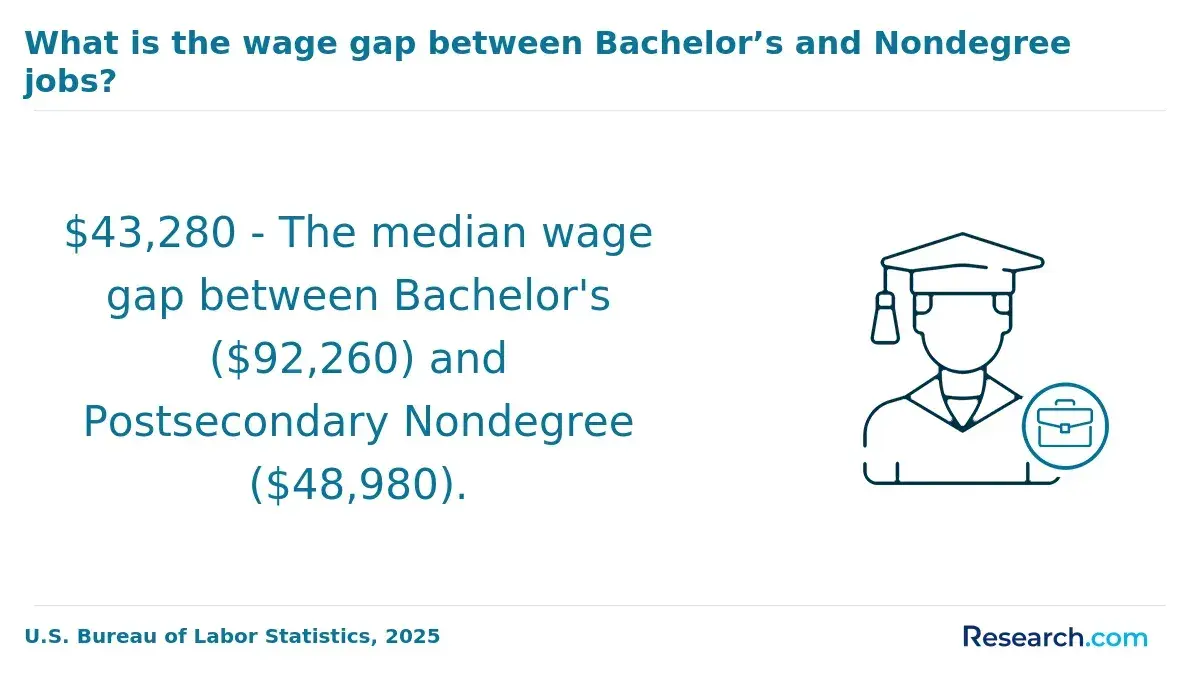
There is no clear evidence that medical assisting graduates earn higher salaries because the major is more difficult. The field is generally seen as an accessible entry point into healthcare, with programs offering postsecondary nondegree awards that combine clinical and administrative training.
Salary differences seem more strongly tied to labor market demand and certification achievements than to academic challenge alone. While mastering skills is important, earnings typically reflect the job's responsibilities and local employment conditions rather than the rigor of the coursework.
Several factors shape the earning potential for medical assisting graduates. Urban centers and states like California tend to offer higher wages, with median salaries around $48,050 annually, compared to the national median of $44,200.
Holding certifications like CMA or RMA and gaining experience in specializations such as phlebotomy or EKG can boost pay significantly.
For instance, experienced or certified medical assistants often earn between $48,000 and $55,000 in competitive markets, while those starting out usually see salaries between $34,000 and $38,000 a year.
What Graduates Say About Medical Assisting as Their Major
- Kate: "Pursuing medical assisting was definitely challenging, especially balancing the hands-on labs with theory classes. However, the experience was incredibly rewarding, as it prepared me well for a fast-paced healthcare environment. Considering the average cost of attendance, I feel the investment was worth it for the career opportunities I now have."
- Aisha: "Reflecting on my journey, medical assisting was not easy but manageable with dedication. The cost was a worry at first since tuition can reach several thousand dollars, but knowing it leads to stable employment in healthcare made it worthwhile. This major truly changed my perspective on patient care and my professional path."
- Colt: "From a professional standpoint, medical assisting required a solid commitment to mastering both medical knowledge and administrative skills. The major is demanding but fair, particularly given the affordable cost compared to other healthcare programs. Graduating in this field has significantly impacted my career growth and personal confidence."
Other Things You Should Know About Medical Assisting Degrees
In 2027, medical assisting students face challenges balancing academics and hands-on training due to the intensive curriculum, which requires mastering both theoretical knowledge and practical skills. This dual focus demands excellent time management skills as students split time between lectures, labs, and clinical rotations.
In 2027, after completing a medical assisting degree, graduates often need to pursue certification to enhance employment opportunities. The Certified Medical Assistant (CMA) from the American Association of Medical Assistants (AAMA) or the Registered Medical Assistant (RMA) from American Medical Technologists (AMT) are popular credentials, requiring passing specific exams.
Clinical experience is a critical component of medical assisting education. Most programs include externships or practical rotations that allow students to apply their skills in real healthcare settings.
This hands-on training is essential for developing competence and confidence before entering the workforce.
References
- Medical Assistant Salary Guide | NurseJournal.org https://nursejournal.org/careers/medical-assistant/salary/
- Is it Hard to be a Medical Assistant? https://www.sjvc.edu/blog/hard-medical-assistant/
- Are Medical Assistant Classes Hard https://imagine-america.org/medical-assistant-classes-hard
- 10 Easiest and Hardest College Majors in 2025 | IMA https://medicalaid.org/blog/10-easiest-and-hardest-college-majors-in-usa/
- Pulse Medical Assistant School | Pulse Assistant Program https://pulsemedicalassistantschool.com/blog/medical-assisting/is-it-hard-to-get-into-a-medical-assistant-program/
- How to Become a Medical Assistant as a Premed — Shemmassian Academic Consulting https://www.shemmassianconsulting.com/blog/medical-assistant-premed
- Is it Hard to Become Medical Assistant? https://www.uei.edu/guides/medical-assistant/is-medical-assisting-hard-to-learn/
- 15 Reasons Becoming a Medical Assistant is a Good Career Choice https://campus.edu/blog/medical-assisting/reasons-career-medical-assistant
- How Hard Is Medical Assistant School? — https://www.nysmda.com/ https://www.nysmda.com/dental-news/how-hard-is-medical-assistant-school
- Hot Springs Medical Assistant School | Medical Assistant Program https://hotspringsmedicalassistant.com/blog/medical-assisting/should-i-study-medical-assistance-online-or-in-person-in-hot-springs/


